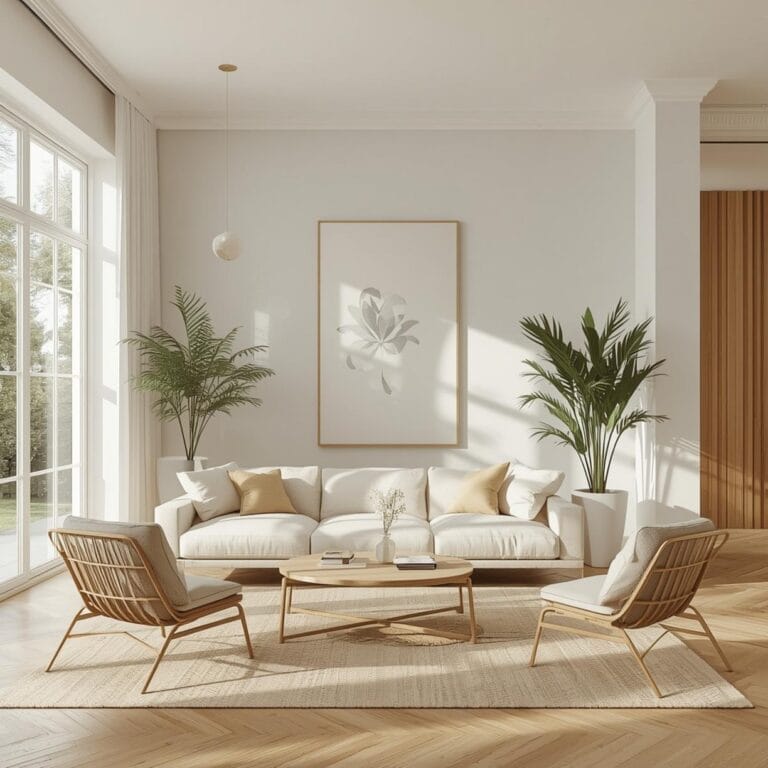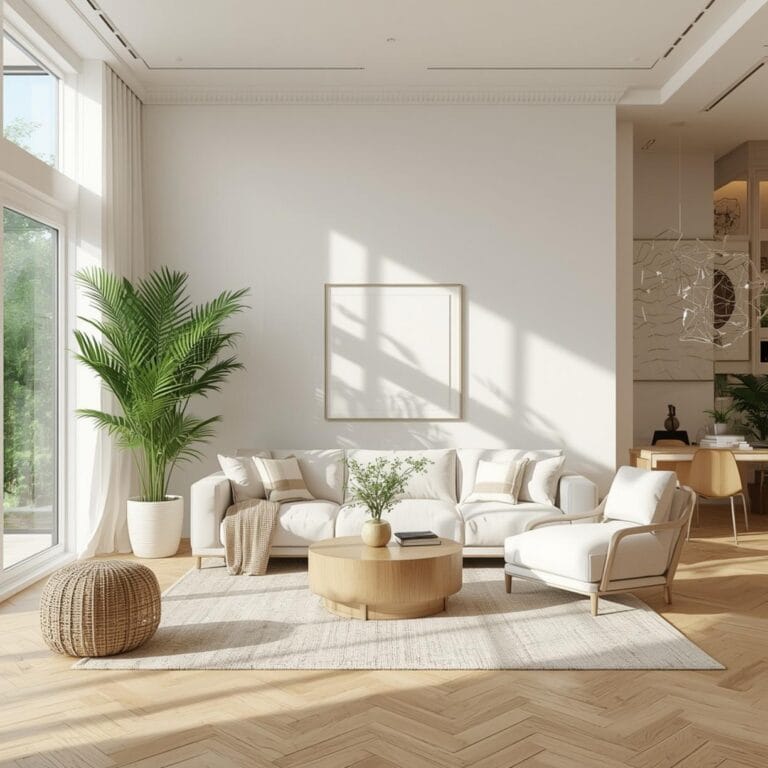
5 Accent Wall Ideas That Make a Small Living Room Feel Bigger, Not Cramped
Your living room feels cramped, and no matter how you rearrange the furniture, you can’t quite shake that boxed-in feeling. You’ve browsed endless Pinterest boards, but most tips seem designed for sprawling open-plan spaces — not your cozy reality.
Here’s the good news: accent wall ideas for small living room spaces can completely change how your room feels without knocking down a single wall. The right accent wall doesn’t just add personality — it creates depth, draws the eye upward, and makes every square foot work harder.
You don’t need a massive budget or contractor-level skills to pull this off. With thoughtful color choices and smart placement, your small living room can feel twice as spacious while looking absolutely stunning.
Table of Contents
What You’ll Need to Get the Look
Creating an accent wall in your small living room requires surprisingly few materials, and most are available at your local home improvement store.
Paint and color supplies:
– Premium interior paint in your chosen accent color
– Primer specifically formulated for your wall surface
– High-quality angled brushes for cutting in
– Standard paint rollers with medium-nap sleeves
– Painter’s tape for crisp edges
Wallpaper and wall covering options:
– Peel-and-stick removable wallpaper (renter-friendly!)
– Traditional wallpaper paste if using permanent wallpaper
– Smoothing tools to eliminate bubbles
– Precision cutting mat and sharp utility knife
Dimensional accent materials:
– Wood planks or shiplap boards for texture
– Lightweight wall panels with 3D patterns
– Picture frame molding for a classic wainscoting look
– Adhesive mounting strips for renter applications
Decorative accessories to enhance your accent wall:
– Gallery wall frames in coordinating finishes
– Floating shelves to add depth and function
– Statement mirror to amplify light reflection
– Sconces or picture lights for evening ambiance
Finding Your Style and Season
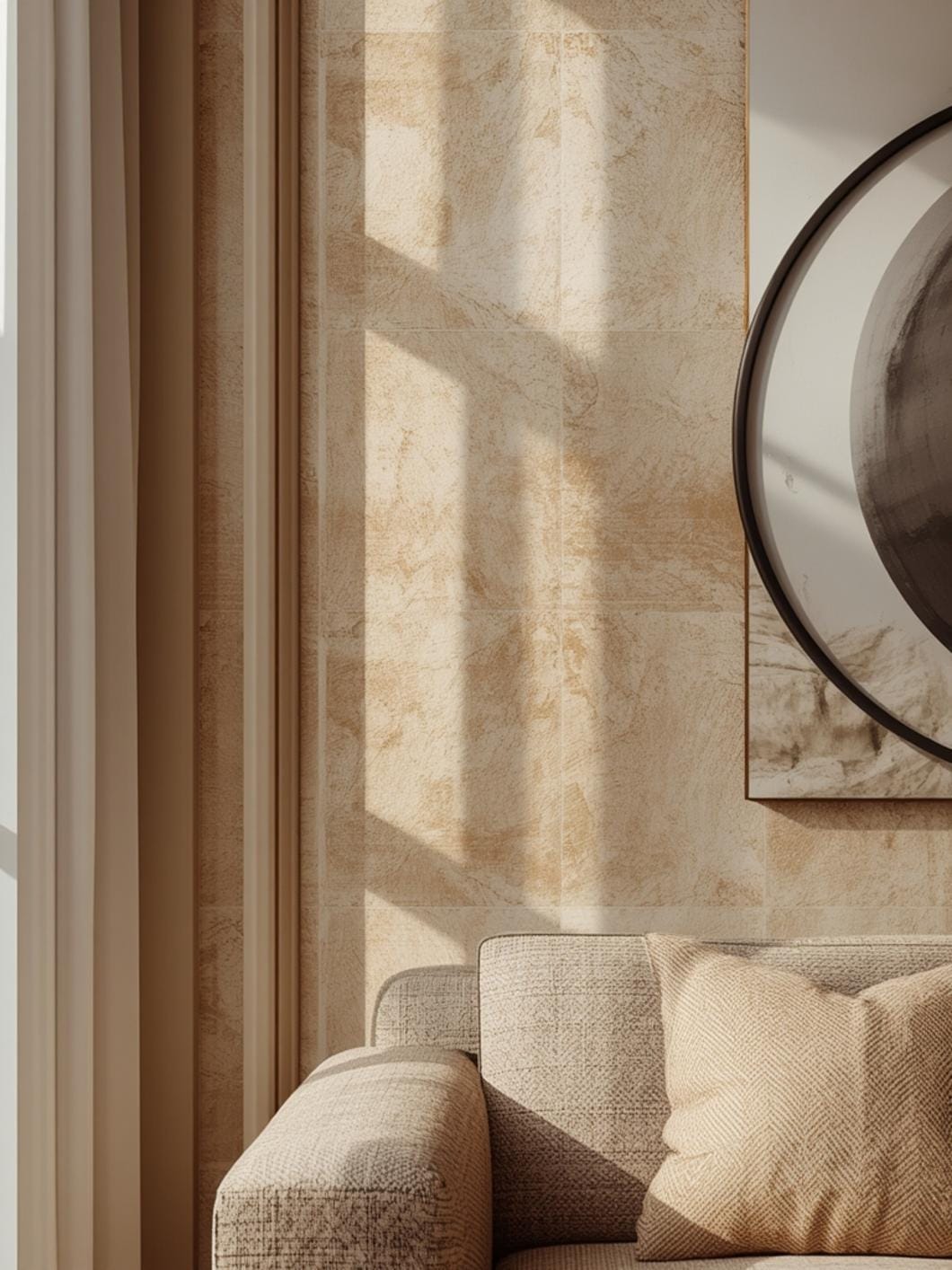
Timing your accent wall project matters more than you might think, especially when you’re working with color psychology and natural light.
Spring and summer offer the perfect backdrop for lighter, brighter accent walls that capitalize on abundant natural light. Your small living room will feel airier with soft sage greens, dusty blues, or warm terracotta tones during these seasons. The extended daylight hours also give you better visibility while painting or installing wallpaper.
Fall and winter invite richer, more dramatic choices that create cozy sanctuary vibes. Deep navy, charcoal gray, or even black accent walls can feel surprisingly spacious when paired with the right lighting. The key is balancing boldness with brightness through your furniture and accessories.
Consider your room’s natural light exposure before committing to any color. North-facing rooms receive cooler, more consistent light throughout the day, so warmer accent tones prevent the space from feeling cold. South-facing rooms flood with warm light, giving you freedom to experiment with cooler accent shades.
Your lifestyle rhythm also matters. If you entertain frequently, choose an accent wall location that creates a natural focal point for conversation areas. If your living room doubles as a home office, position your accent behind your workspace to minimize video call distractions while adding visual interest.
7 Ideas to Try in Your Home
Paint the wall behind your sofa in a bold, saturated color
This classic approach instantly grounds your seating area and gives the entire room a sense of purpose. Choose a color two to three shades deeper than your other walls, but stay within the same color family for cohesion. The darker tone actually recedes visually, making the wall feel farther away than it is.
Your furniture pops against this backdrop, creating natural contrast that defines your space. Knowing how to make a small living room look bigger with color often comes down to strategic contrast — dark walls push back while light furnishings come forward, creating layers that trick the eye into perceiving more depth.
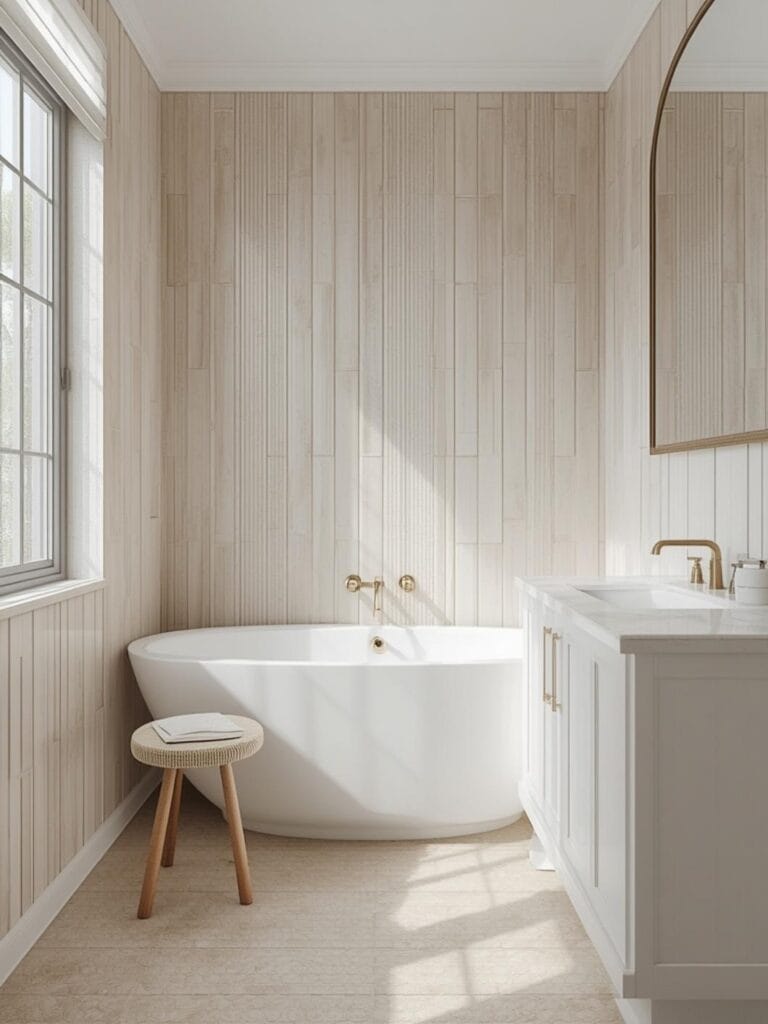
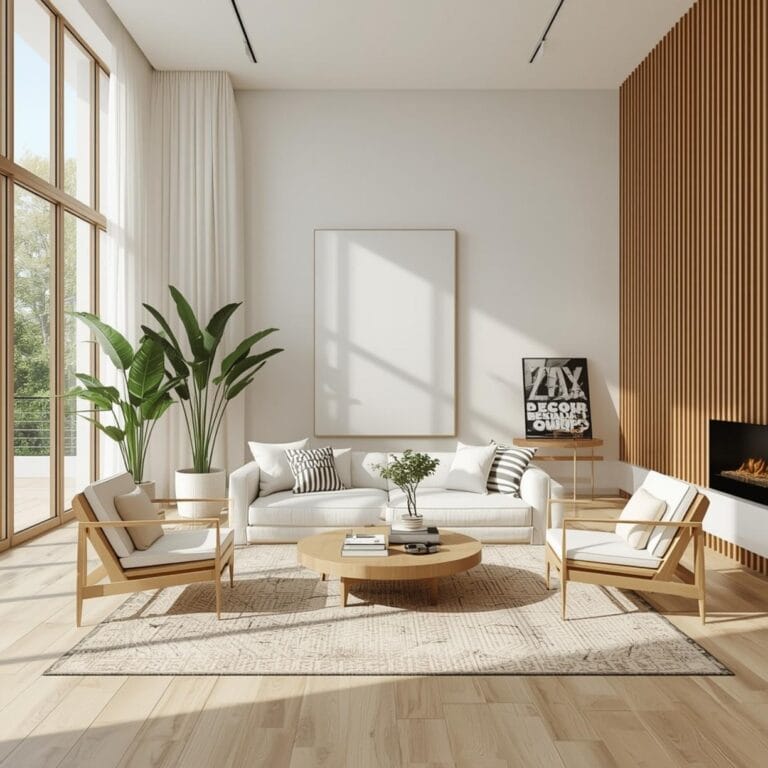
Install vertical shiplap or board-and-batten paneling
Nothing draws the eye upward quite like vertical lines, and textured wall treatments add dimension that flat paint simply can’t achieve. Paint your shiplap or paneling in the same color as your other walls for subtle sophistication, or go bold with contrasting hues.
The three-dimensional quality catches light differently throughout the day, creating shadow play that adds movement and interest. This technique works beautifully in rooms with lower ceilings because the vertical emphasis creates the illusion of height.
Create a two-tone accent with a horizontal color block
Divide your accent wall horizontally about two-thirds up from the floor, painting the lower section in a darker shade and the upper portion in a lighter tone. This technique subtly elongates your wall while maintaining visual interest at multiple sight lines.
The horizontal division also provides a natural spot to add a chair rail or decorative trim, giving your small living room architectural character it might otherwise lack.
Apply removable wallpaper with vertical stripes or patterns
Wallpaper technology has evolved beautifully, and today’s peel-and-stick options install without professional help or permanent commitment. Vertical stripes are your secret weapon in small spaces — they guide the eye upward and make ceilings feel taller than their actual measurements.
Choose patterns with a light background and darker vertical elements for maximum height-enhancing effect. Avoid large-scale patterns that can overwhelm small rooms; instead, select designs with intricate details that reward closer inspection.
Paint only the top third of your wall in an accent color
This unexpected approach creates a floating effect that opens up your room in surprising ways. Paint the upper third of your accent wall (starting about 18 inches below the ceiling) in your chosen color, leaving the lower two-thirds in your base wall color.
The result feels modern and architectural, and because the darker color sits high on the wall, it draws attention upward without making the room feel closed in. This technique works especially well in rooms with interesting ceiling details you want to highlight.
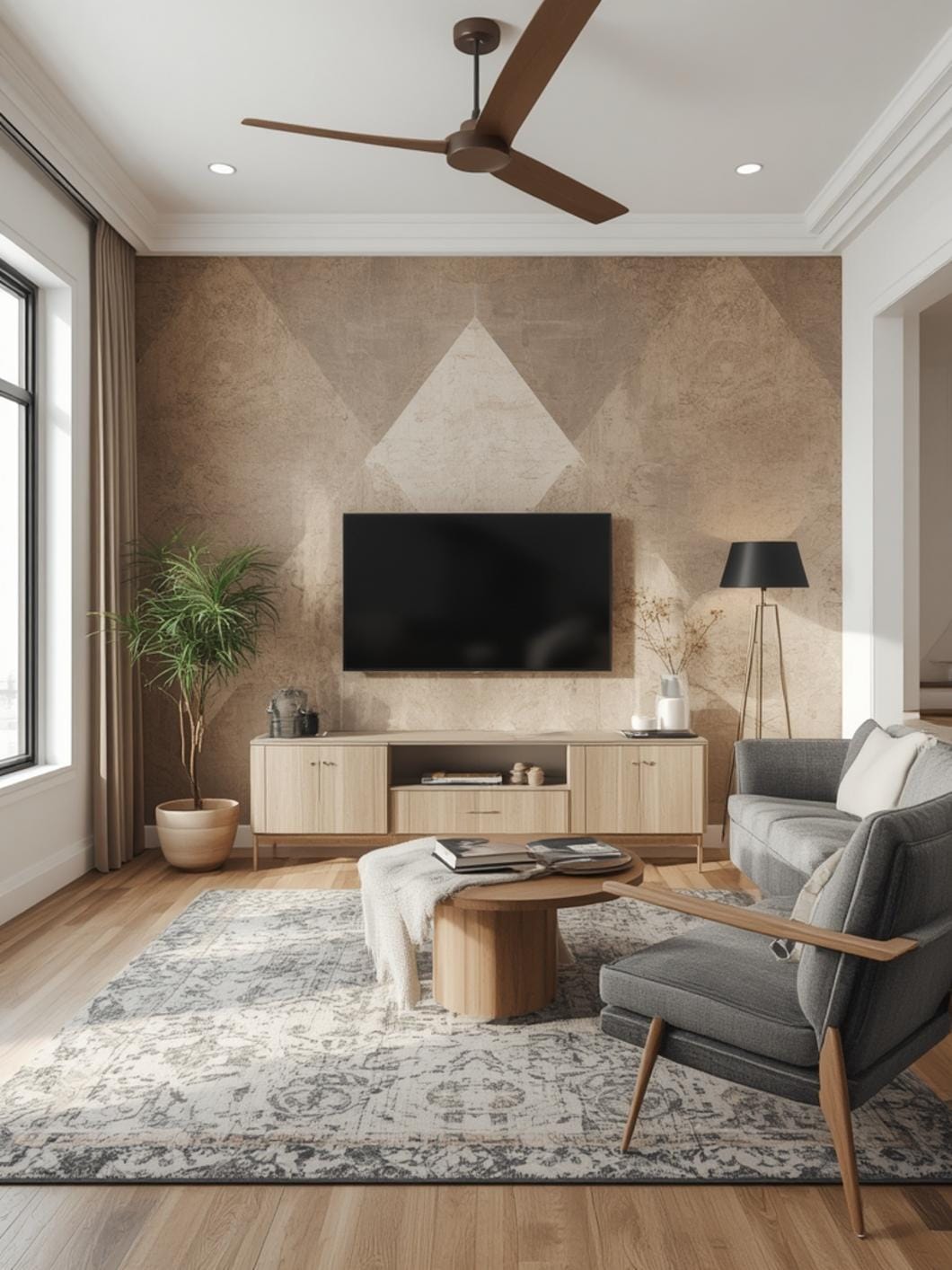
Design a geometric accent wall with painter’s tape
Transform a single wall into a work of art using nothing more than painter’s tape and two or three coordinating paint colors. Create triangles, chevrons, or modern geometric patterns that add visual movement and contemporary flair.
The beauty of geometric patterns lies in their ability to guide the eye around the space, creating perceived depth through angles and intersections. Keep your color palette limited to maintain sophistication — two colors plus white creates plenty of impact without visual chaos.
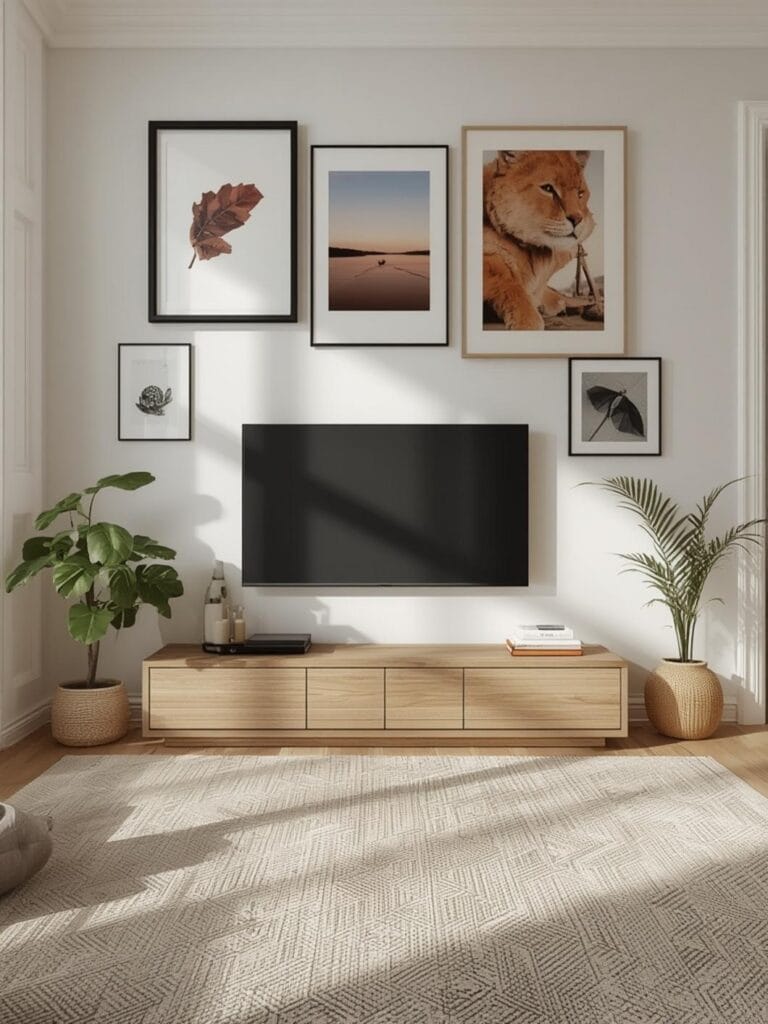
Install a gallery wall against a painted accent background
Combine two trending ideas by painting your accent wall in a deep, saturated tone and layering a carefully curated gallery wall on top. The dark background makes frames and artwork pop dramatically, while the collection itself adds personality and visual texture.
This approach lets you fill vertical space intentionally, drawing the eye upward through your arrangement while the dark wall color creates depth perception. Mix frame sizes and orientations to create rhythm and movement that keeps the eye traveling across and up the wall.
Benefits Beyond Beautiful Aesthetics
The right accent wall delivers advantages that extend far beyond Instagram-worthy photos, transforming how your small living room actually functions daily.
Your space gains instant focal point clarity. Without an accent wall, small rooms often feel visually scattered, with no clear center of attention. An accent wall anchors your room, giving every piece of furniture and decor a reference point that creates intentional flow.
You’ll experience improved mood and energy throughout your day. Color psychology isn’t just trendy talk — specific hues genuinely affect how you feel in a space. Warm terracotta or coral tones energize and inspire creativity, while soft sage or dusty blue promotes calm and relaxation after stressful days.
Your furniture and decor suddenly look more expensive and intentional. An accent wall provides the perfect backdrop that makes even budget-friendly pieces appear curated and designer-selected. The contrast created highlights shapes and textures you might not have noticed before.
Small living rooms gain perceived square footage without structural changes or renovation costs. Strategic color placement manipulates visual perception, making walls appear farther away and ceilings feel higher than their actual dimensions.
You create conversation and personality in what might otherwise feel like generic rental space. An accent wall tells guests something about who you are and how you think about your home — it’s self-expression that doesn’t require explaining.
Budget-Friendly to Luxury Options
Budget-conscious approach: Paint with what you have
Your most affordable accent wall starts with leftover paint and supplies you already own. Choose the wall behind your largest piece of furniture and transform it with a bold color using paint from previous projects. Add visual interest by creating a simple two-tone effect with painter’s tape you likely have in your garage or craft supplies.
Total investment: Under $30 if purchasing new paint, potentially free with supplies on hand.
Mid-range solution: Removable wallpaper statement
Peel-and-stick wallpaper has revolutionized accent walls for renters and commitment-phobes alike. Quality removable wallpaper costs between $30-60 per roll, and most small living room accent walls require just two rolls. Choose patterns with vertical elements or light backgrounds to maximize your space-enhancing effect.
Installation takes just an afternoon with no special tools beyond a smoothing tool and utility knife. You can completely change your room’s personality and remove it damage-free when you’re ready for something new.
Total investment: $60-120 for materials.
Premium upgrade: Professional wallpaper installation
Luxury wallpapers with custom patterns, metallic finishes, or textured surfaces create stunning focal points that feel truly bespoke. Grasscloth, silk-screened designs, or hand-painted murals transform your accent wall into genuine artwork.
While materials cost $100-300 per roll, the real investment comes from professional installation that ensures perfect seam matching and bubble-free application. The result is a gallery-quality accent wall that elevates your entire home’s perceived value.
Total investment: $400-800 including materials and installation.
Small space adaptation: Partial wall treatment
If committing to an entire accent wall feels overwhelming in your tiny living room, create impact with a partial treatment instead. Paint or wallpaper just the area behind floating shelves, within picture frame molding, or in an architectural alcove. You’ll achieve accent wall drama with less visual weight and reduced material costs.
Common Mistakes That Sabotage Small Rooms
Choosing dark colors without adequate lighting ruins your space-expanding goals
Dark accent walls absolutely work in small living rooms, but only when paired with layered lighting that prevents cave-like gloom. Add table lamps, floor lamps, and wall sconces to illuminate your space from multiple angles and heights.
Painting the wrong wall creates awkward focal points nobody wants
Your accent wall should fall on the first wall you see when entering the room, or behind your main seating area — never on a wall with multiple doors or windows that chop up the color field. Take a photo from your room’s main entrance to identify which wall naturally draws your eye.
Selecting colors in isolation leads to clashing disappointment
That gorgeous blue looked perfect in the store, but now it fights with your existing furniture and makes your beloved rug look muddy. Always test paint samples on your actual wall and observe them in morning, afternoon, and evening light before committing to gallons.
Forgetting about ceiling color makes rooms feel shorter than necessary
When your accent wall stops abruptly at the ceiling line, you create a visual barrier that emphasizes how low your ceiling sits. Extend your accent color onto the ceiling by 6-12 inches, or paint the entire ceiling in a lighter tint of your accent shade for seamless flow.
Overcrowding your accent wall with too much decor defeats its purpose
An accent wall should breathe and command attention on its own merit. Resist the urge to cover every inch with artwork, shelves, and accessories — negative space lets your color or pattern shine while maintaining the uncluttered feel small rooms desperately need.
Maintenance That Keeps Your Investment Fresh
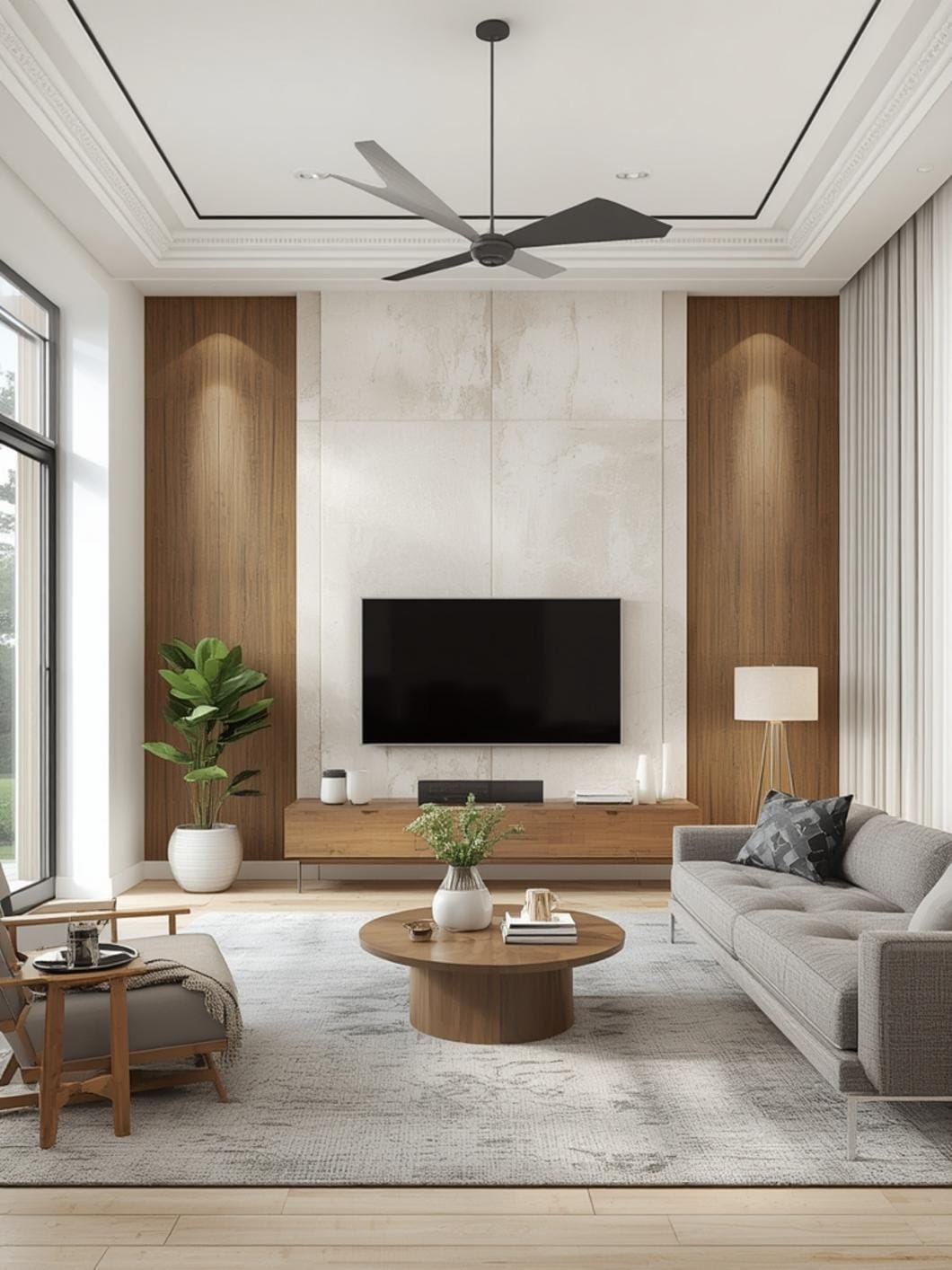
Your accent wall requires minimal upkeep, but a few simple habits ensure it looks freshly finished for years.
Dust your accent wall monthly using a microfiber duster or vacuum brush attachment, paying special attention to textured surfaces where dust settles into crevices. This quick maintenance prevents buildup that dulls colors and makes dirt harder to remove later.
Address scuffs and marks immediately with a damp microfiber cloth and gentle circular motions. Most marks disappear with plain water, but stubborn spots respond to a tiny drop of dish soap. Keep a small container of touch-up paint handy for the inevitable furniture bump or child-related incident.
Protect your investment by rearranging furniture periodically to prevent uneven fading from sunlight exposure. Even if your arrangement works perfectly, shifting pieces by just a few inches every six months equalizes UV exposure across your accent wall.
Clean wallpapered accent walls with extreme gentleness. Most removable wallpapers tolerate light dusting and spot-cleaning with barely damp cloths, but excessive moisture causes peeling and damage. Always test your cleaning method on a hidden corner first.
Refresh painted accent walls every 3-5 years depending on traffic and wear. High-quality paint lasts longer, but even premium finishes eventually show handling marks around light switches and furniture edges. A fresh coat takes just hours and costs minimal money compared to the visual impact it delivers.
Make Your Small Living Room Work Harder
Your small living room doesn’t need more square footage — it needs smarter design choices that maximize every inch you already have. An accent wall creates architectural interest and visual depth that transforms cramped quarters into cozy, intentional spaces you’ll love spending time in.
The beauty of accent walls lies in their accessibility. You don’t need contractor-level skills, thousands in renovation budgets, or permanent commitment to create dramatic change. Whether you invest a weekend afternoon or splurge on professional wallpaper installation, you’re giving your home personality that reflects who you are.
Ready to explore more small-space solutions? Browse DecorKingdom for hundreds of ideas that help you love your home exactly as it is, one beautiful room at a time.
Frequently Asked Questions
What color accent wall makes a small living room look bigger?
Light, cool colors like soft gray, pale blue, or sage green create the most space-expanding effect in small living rooms. These hues recede visually, making walls appear farther away than they actually are. However, dark accent walls also work beautifully when you paint the wall farthest from your entrance and keep surrounding walls light, creating depth through contrast rather than brightness.
Should I paint all four walls or just one in a small living room?
Paint just one accent wall in your small living room to maintain an open, airy feeling. Painting all four walls in a bold or dark color can make small spaces feel closed in and cave-like. Your accent wall creates a focal point and visual interest while the three remaining light walls reflect natural light and prevent the room from feeling cramped.
Can renters create accent walls without damaging walls?
Absolutely! Removable peel-and-stick wallpaper installs without paste or tools and removes cleanly when you move out. You can also use picture frame molding attached with removable adhesive strips to create architectural interest, or try washi tape in geometric patterns for a temporary accent wall. Always test your chosen method on a hidden spot first to ensure it won’t damage your specific wall surface.
Which wall should be the accent wall in a living room?
Choose the wall you see first when entering your living room, or the wall behind your main seating area like your sofa. Avoid walls with multiple windows, doors, or architectural interruptions that chop up the color field and dilute impact. Your accent wall should feel like a natural focal point that grounds your furniture arrangement and draws the eye intentionally.
How do I choose between paint and wallpaper for my accent wall?
Choose paint if you want maximum color flexibility, easy touch-ups, and the most budget-friendly option. Select wallpaper when you want pattern, texture, or visual complexity that paint alone can’t achieve. Wallpaper adds instant personality and works beautifully in small living rooms because patterns create visual interest without requiring additional wall decor that clutters precious space.
—
Meta Title: Accent Wall Ideas for Small Living Room That Work (2026)
Meta Description: Transform cramped quarters into cozy retreats with smart accent wall ideas for small living room spaces. Color tricks that actually expand your room!