5 Ways to Create a Mid Century Accent Wall
Your living room has great bones, but something’s missing. You want that effortless mid-century cool that makes design lovers swoon, but stark white walls just aren’t cutting it anymore.
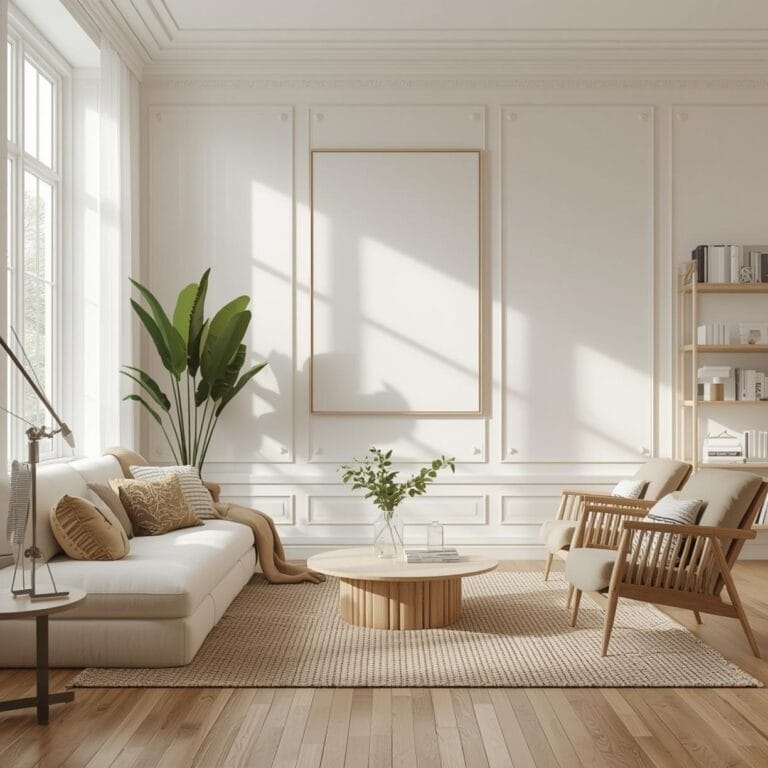
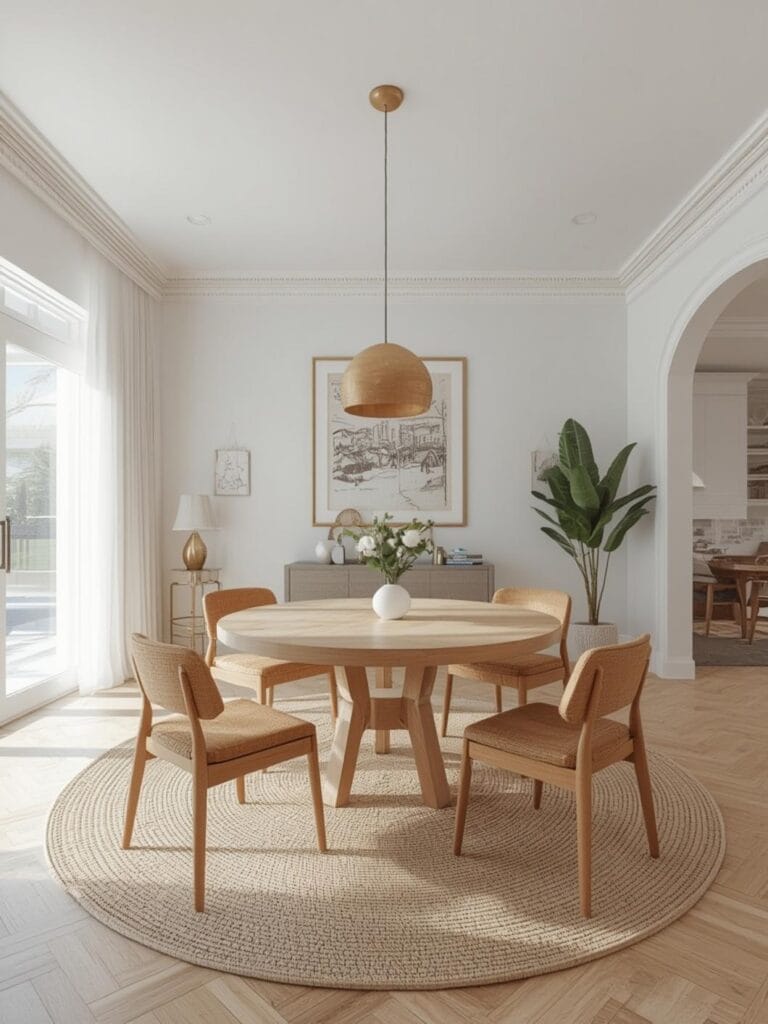
Mid century accent wall ideas bring instant personality to your home without the commitment of redecorating an entire room. Whether you’re drawn to warm wood paneling, bold geometric patterns, or earthy color blocking, the right accent wall can transform your space from bland to magazine-worthy in a weekend.
The beauty of mid-century design is its simplicity. Clean lines, organic shapes, and purposeful color create visual interest without overwhelming your space. An accent wall becomes the focal point that ties your whole room together.
Table of Contents
What You’ll Need to Get the Look
Creating a mid-century accent wall doesn’t require fancy materials or expensive equipment. Most of these projects use supplies you can find at your local home improvement store.
For painted accent walls, you’ll need:
– High-quality interior paint in your chosen colors
– Paint rollers and brushes
– Painter’s tape (FrogTape works especially well for crisp lines)
– Drop cloths to protect your floors
– Level and measuring tape
For wood accent walls, consider:
– Thin plywood strips or tongue-and-groove panels
– Wood stain or natural finish
– Construction adhesive or finishing nails
– Sandpaper for smoothing rough edges
For wallpaper or peel-and-stick options:
– Pre-pasted wallpaper or removable wall decals
– Smoothing tool or plastic card
– Utility knife for trimming
– Sponge for cleanup
You might also want furniture and decor that enhances your accent wall. Think teak or walnut side tables, brass floor lamps with cone shades, and low-profile sofas with tapered legs. These elements complete the mid-century aesthetic.
Finding Your Style and Season
Mid-century accent walls work beautifully year-round, but certain styles shine in different seasons. Warm wood tones feel cozy during fall and winter months, creating that inviting atmosphere when you’re spending more time indoors.
Bright geometric patterns pop in spring and summer, bringing energy and playfulness to sun-filled rooms. Cool-toned color blocking works wonderfully in warmer months, while rich jewel tones add depth during darker seasons.
Consider your home’s natural light when choosing your accent wall style. North-facing rooms benefit from warm colors that compensate for cooler natural light. South-facing spaces can handle bolder, darker choices without feeling cramped.
Think about how you use the room throughout the year. A home office might call for energizing patterns that boost creativity, while a bedroom needs calming colors that promote relaxation.
Budget timing matters too. Paint projects cost less upfront, making them perfect for immediate refreshes. Wood paneling requires more investment but delivers lasting impact. Plan accordingly based on your financial calendar.
7 Ideas to Try in Your Home
1. Horizontal Wood Slat Wall
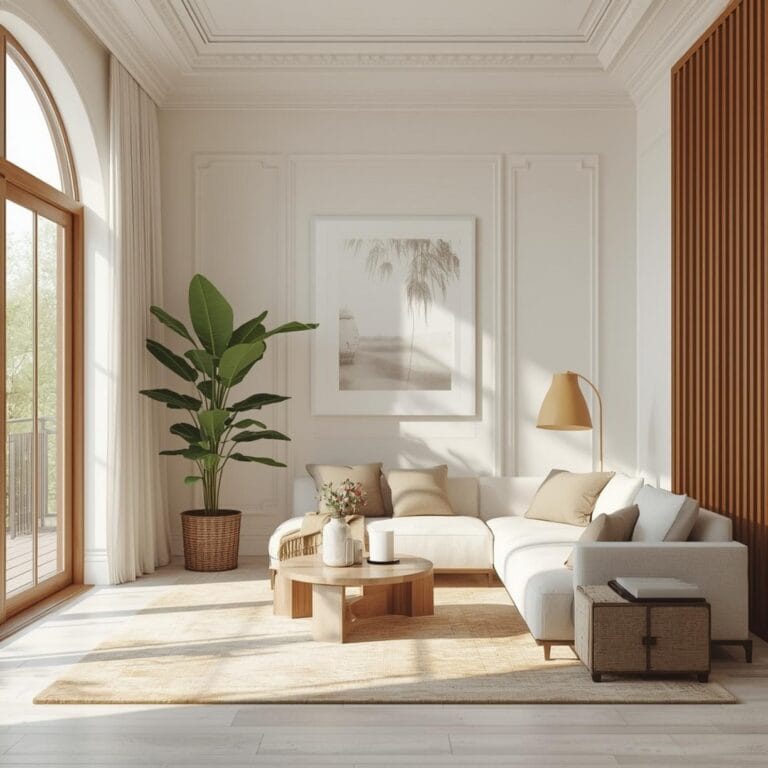
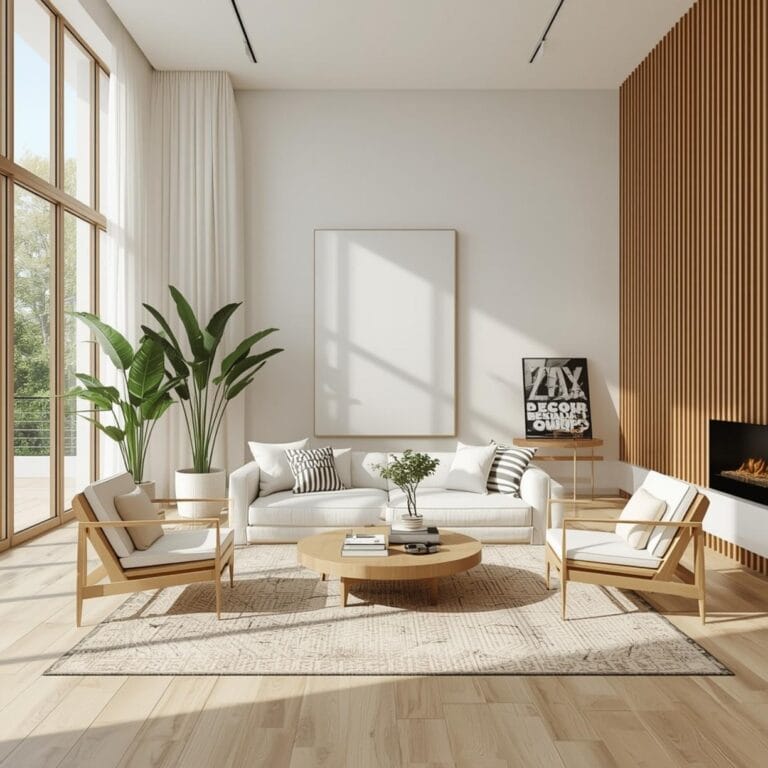
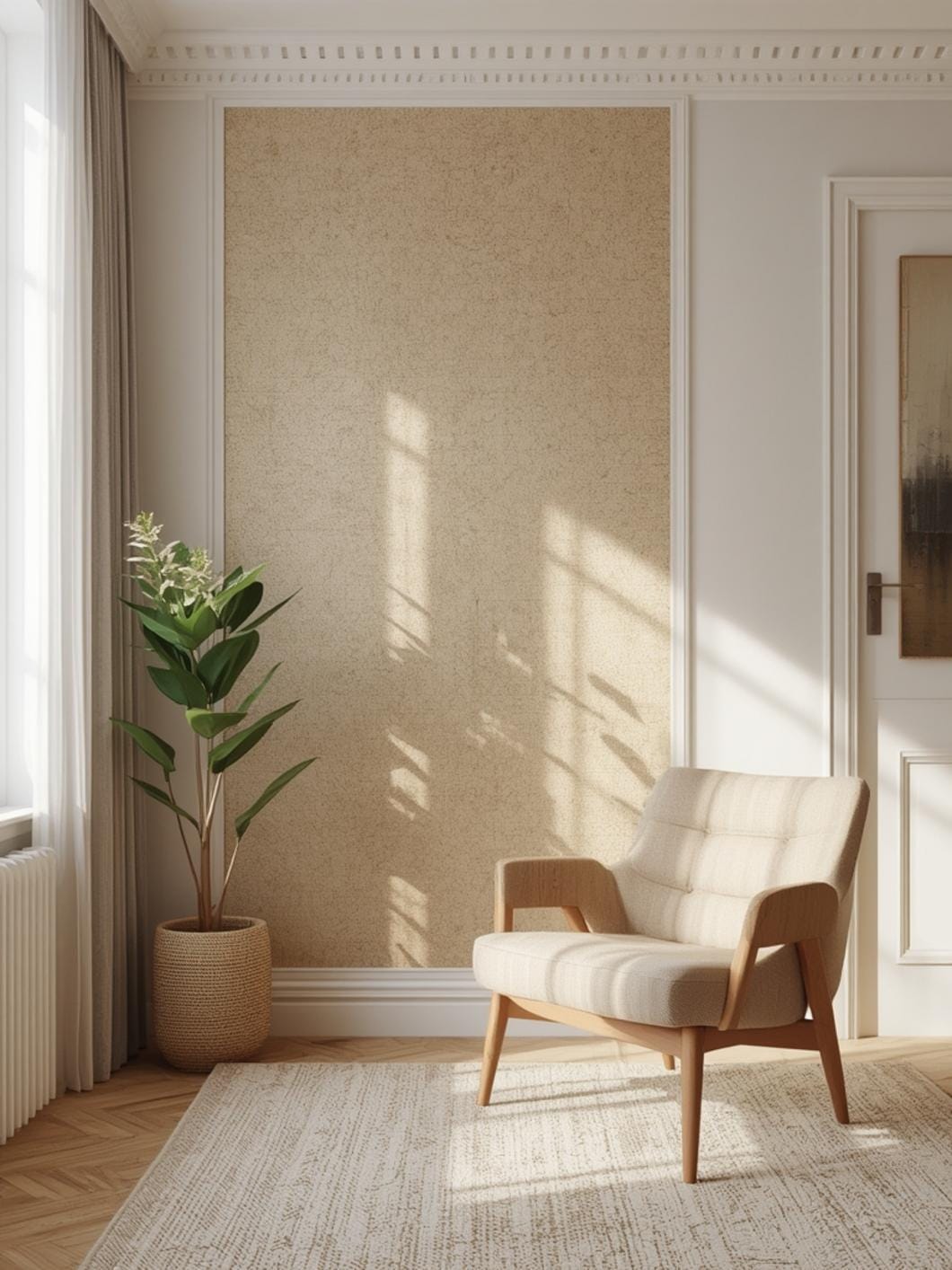
Install thin horizontal wood strips across your wall with small gaps between each slat. This creates beautiful shadow play and texture. Stain the wood in natural walnut or teak tones for authentic mid-century warmth. This works exceptionally well behind a sofa or bed.
2. Two-Tone Color Block
Paint your wall in two complementary colors divided horizontally. Place the division line about two-thirds up the wall rather than directly in the middle. Classic combinations include burnt orange with cream, olive green with tan, or mustard yellow with charcoal gray.
3. Sunburst Pattern
Create a focal point with painted “rays” extending from one corner of your wall. Use varying shades of the same color family for subtle sophistication, or go bold with contrasting hues. This technique draws the eye and adds dynamic movement to static spaces.
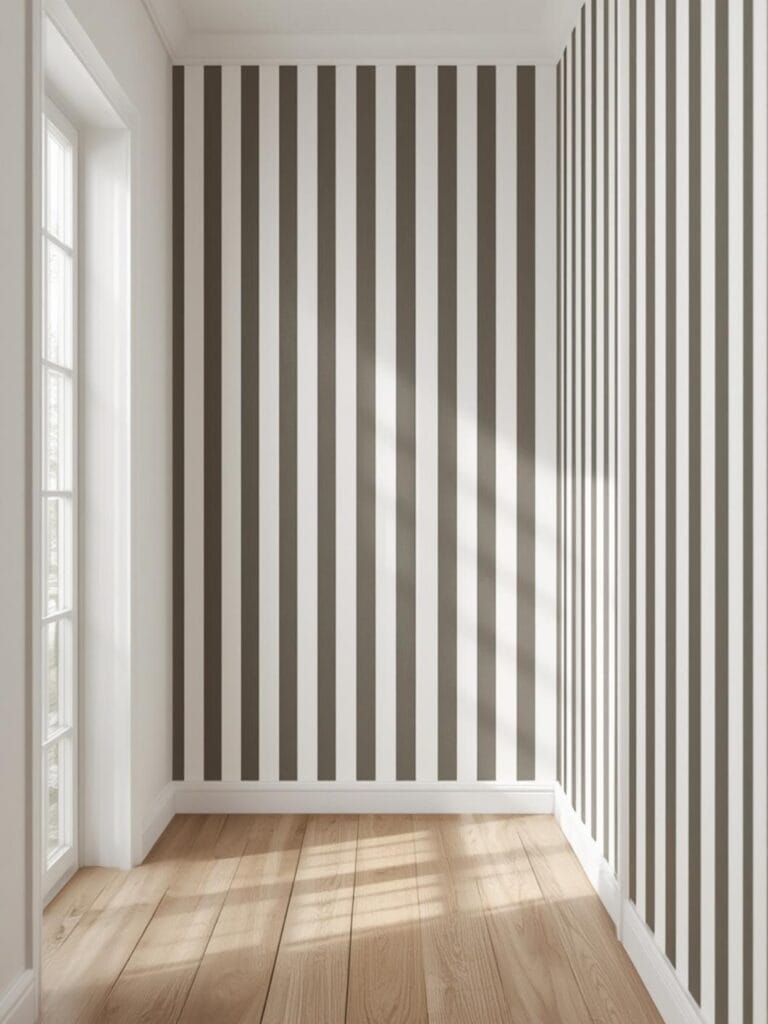
4. Vertical Color Stripes
Paint vertical stripes in different widths using a cohesive color palette. Vary the stripe widths from 4 inches to 12 inches for visual interest. Stick to three to five colors maximum to maintain that clean mid-century aesthetic.
5. Triangle Geometric Wall
How to paint a geometric accent wall with triangles creates stunning visual impact. Map out your pattern with painter’s tape, creating interlocking triangles in different sizes. Use three colors plus your base wall color. Paint one section at a time, letting each color dry completely before taping over it for adjacent shapes.
Start by painting your base color across the entire wall. Once dry, measure and tape your largest triangles first, then fill in smaller shapes around them. Remove tape while paint is still slightly tacky for the crispest lines.
6. Half Wall Wood Paneling
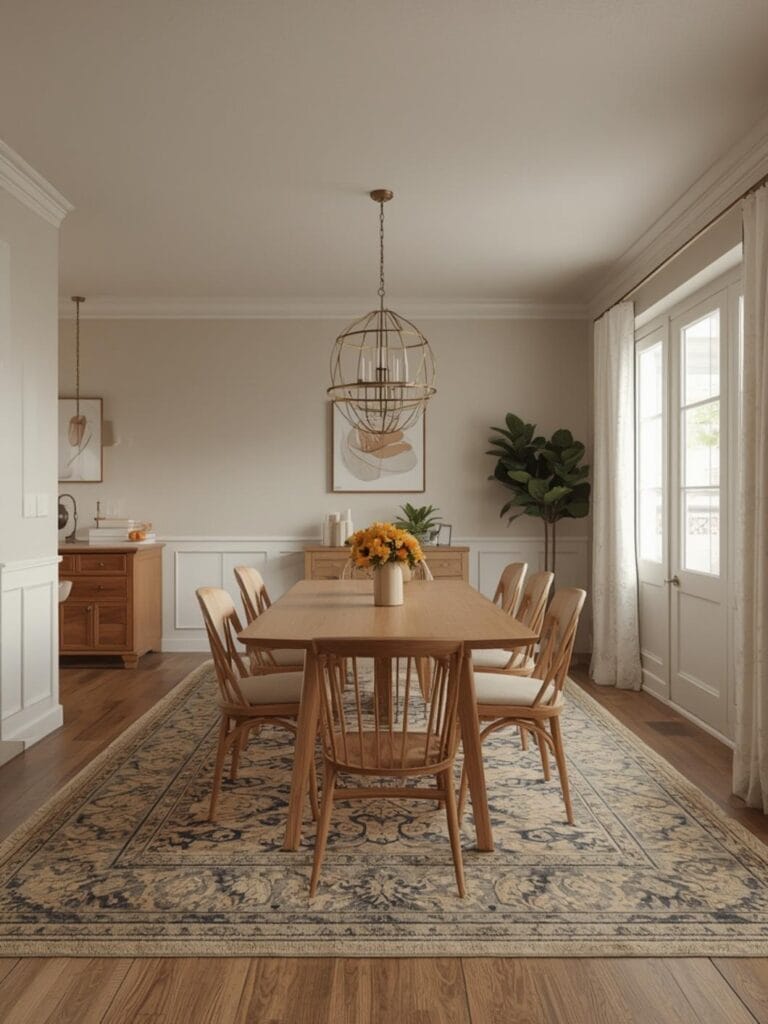
Install vertical wood paneling from floor to mid-wall, topped with a simple ledge or chair rail. Paint the upper portion in a complementary solid color. This grounds your space while maintaining an airy feel above. It’s perfect for entryways and dining rooms.
7. Curved Color Wave
Create a gentle horizontal wave across your wall using two or three colors. The organic curve softens the geometric mid-century aesthetic while staying true to the era’s love of natural forms. Use a projector to trace a smooth curve before taping and painting.
8. Starburst Accent Circle
Paint a large circle in a contrasting color, then add radiating lines from its center to create a starburst effect. Position this off-center rather than directly in the middle of your wall for that characteristic mid-century asymmetry.
9. Checkerboard Pattern
Use painter’s tape to create a grid of squares, then alternate colors in a checkerboard pattern. Keep squares fairly large—at least 12 inches—to avoid overwhelming the space. This works beautifully in home offices and creative spaces.
Benefits of Mid-Century Accent Walls
An accent wall creates an instant focal point that gives your room purpose and direction. Your eye knows exactly where to land when you enter the space, making the entire room feel more intentional and designed.
These walls add architectural interest to builder-grade homes that often lack distinctive features. You’re essentially creating custom architectural detail without the cost of renovation. This dramatically increases your home’s visual appeal.
Mid-century designs have timeless staying power. Unlike trendy styles that feel dated quickly, these clean lines and classic color combinations remain relevant decade after decade. You’re investing in a look that won’t embarrass you in five years.
Accent walls allow you to experiment with bold colors or patterns you’d never commit to room-wide. This controlled risk-taking lets you express personality without overwhelming your space or your confidence.
The project boosts your home’s perceived value when it comes time to sell. Buyers appreciate unique design elements that show care and attention to detail. A well-executed accent wall suggests the entire home has been thoughtfully maintained.
Tips, Alternatives, and Styling Advice
Budget-Friendly Option
Start with painted geometric patterns using tape and leftover paint samples. You can create stunning designs for under $50 if you already own basic painting supplies. Choose a simple two-tone color block or vertical stripes for maximum impact with minimal investment.
Mid-Range Option
Peel-and-stick wood-look planks or geometric wallpaper range from $150 to $400 depending on wall size. These removable options work perfectly for renters or commitment-phobes. The installation takes just a weekend and requires no special skills.
Premium Option
Real wood paneling with professional-grade stain and finish costs $500 to $1,200 but delivers unmatched warmth and texture. Reclaimed wood adds character and sustainability. This option increases your home value most significantly.
Small Space Adaptation
In compact rooms, place your accent wall opposite the entrance so it draws the eye forward, making the space feel larger. Use lighter colors with subtle patterns rather than dark, bold designs that can shrink a room visually.
Choose vertical elements like wood slats or vertical stripes to emphasize ceiling height in small spaces. Avoid busy patterns with multiple colors—stick to two tones maximum.
Common Mistakes to Avoid
Choosing the Wrong Wall
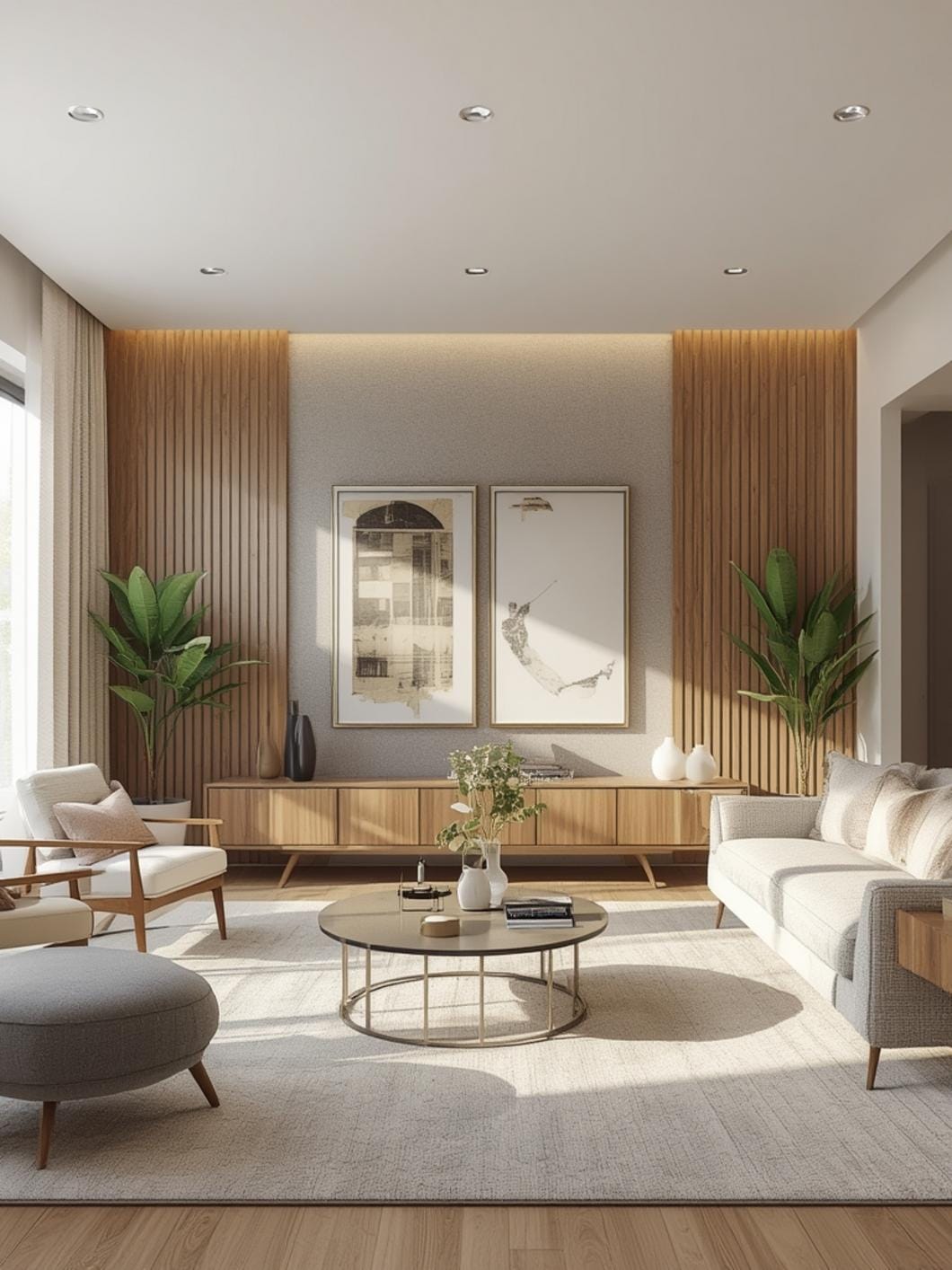
Many homeowners accent the first wall they see when entering a room, but this actually makes spaces feel smaller. Instead, accent the wall you face when sitting in the room’s main seating area, or the wall behind your focal point furniture.
Using Too Many Colors
Mid-century design thrives on restraint, yet excited homeowners often use five or six colors in geometric patterns. Limit yourself to three colors maximum including your base shade, and your design will feel sophisticated rather than chaotic.
Ignoring Your Room’s Proportions
Horizontal patterns in rooms with low ceilings make them feel even shorter. Choose vertical elements or patterns that draw the eye upward, creating the illusion of height even in eight-foot spaces.
Skipping the Primer
Painting directly over dark walls or unfinished wood leads to uneven color and requires multiple coats. Always prime first, especially when using lighter paint colors over darker surfaces or when painting wood.
Removing Tape Too Early or Too Late
Pulling painter’s tape while paint is completely dry causes chipping, but removing it too wet causes smearing. Remove tape when paint feels dry to light touch but isn’t fully cured—usually 30 to 60 minutes after application.
Maintenance and Upkeep Tips
Dust wood slat walls monthly with a microfiber cloth or vacuum brush attachment. Dust accumulates in the gaps between slats but removes easily with regular attention. Avoid wet cleaning unless necessary, as moisture can warp wood over time.
Touch up painted accent walls annually in high-traffic areas. Keep leftover paint properly sealed and stored for easy repairs. A small artist’s brush works perfectly for fixing tiny chips or scuffs.
Protect your accent wall from direct sunlight with sheer curtains or blinds. UV rays fade paint and wood stain gradually over years. This simple step preserves your wall’s vibrancy significantly longer.
Clean painted walls with a damp sponge and mild dish soap solution every few months. Wipe gently in circular motions, then dry immediately with a clean towel. This removes fingerprints and everyday grime without damaging your paint finish.
Inspect wallpaper edges quarterly and reglue any lifting corners with wallpaper adhesive. Catching small issues early prevents larger peeling problems that require complete sections to be replaced.
Make Your Space Shine
Your home deserves walls that reflect your personality and appreciation for timeless design. Mid-century accent walls deliver that perfect balance of bold statement and classic sophistication that works in any room.
Start with one wall and one weekend. You’ll be amazed how much character and warmth a single accent wall brings to your entire space.
Ready to explore more ways to bring mid-century style into your home? Browse DecorKingdom for inspiration that helps you create rooms you’ll love for years to come.
FAQs
What colors are most authentic for mid-century accent walls?
Authentic mid-century colors include burnt orange, mustard yellow, olive green, teal, and warm brown tones. These earth-inspired hues pair beautifully with natural wood furniture and brass accents. For more subdued spaces, consider charcoal gray, sage green, or muted terracotta paired with cream or off-white.
Can I create a mid-century accent wall in a rental apartment?
Absolutely! Peel-and-stick wallpaper and removable wall decals work perfectly for renters. You can also use painter’s tape to create temporary geometric patterns without paint. Another option is leaning large painted plywood panels against your wall to create the look without permanent changes.
Which wall should I choose for my accent treatment?
Select the wall behind your room’s main focal point—typically where your sofa, bed, or dining table sits. This wall naturally draws attention and creates a backdrop for your furniture. Avoid accenting walls with windows or doors, as these already have visual interest.
How do I choose between wood and paint for my accent wall?
Consider your budget, skill level, and desired maintenance. Paint costs less and allows more color flexibility, but wood adds warmth and texture paint can’t match. If you love natural materials and have a higher budget, choose wood. If you want easy updates and bold color, paint wins.
Will an accent wall make my small room feel even smaller?
Not if you choose wisely! Light colors and vertical patterns actually make small rooms feel larger. Place your accent wall on the far wall to draw the eye forward and expand perceived depth. Avoid dark colors and busy patterns in compact spaces under 150 square feet.
—
Meta Title: 9 Stunning Mid Century Accent Wall Ideas for 2026
Meta Description: Transform any room with mid century accent wall ideas using paint, wood, or geometric patterns. Get style tips for timeless design.