7 Ways to Style Your Bookshelf Decor Like a Pro
You stare at your bookshelf and something feels off. Maybe it’s cluttered with random knickknacks, or maybe it’s too sparse and boring. Either way, it doesn’t reflect the style you see in magazines or on Pinterest.
Here’s the good news: a great bookshelf decor idea isn’t about having expensive art or a design degree. It’s about arranging what you already own in a way that feels intentional and beautiful. Your bookshelf can become a curated gallery that tells your story while keeping your space organized.
This guide will walk you through exactly how to style your shelves like a pro, whether you’re working with a towering built-in or a simple five-shelf unit from your local furniture store.
Table of Contents
What You’ll Need to Get the Look
You don’t need to buy everything new to create a stunning bookshelf display. Start by gathering what you already have around your home, then fill in gaps as needed.
Books in Various Sizes:
– Hardcovers and paperbacks in different heights
– Coffee table books with beautiful covers
– Vintage books for texture and color
Decorative Objects:
– Small sculptures or figurines
– Ceramic vases or pottery pieces
– Picture frames in complementary finishes
– Decorative boxes for hidden storage
Natural Elements:
– Small potted plants or succulents
– Fresh or dried florals in simple vases
– Wooden bowls or trays
– Woven baskets
Lighting Touches:
– Battery-operated LED candles
– Small cordless picture lights
– String lights for a cozy glow
Personal Touches:
– Travel souvenirs that spark conversation
– Family photos in coordinating frames
– Artwork or prints that lean against the back
– Collections you actually love displaying
Finding Your Style and Season
Your bookshelf styling should reflect your personality and adapt to the seasons. Think about the mood you want to create in your space before you start arranging.
During spring and summer, lighter colors and fresh greenery bring energy to your shelves. White ceramic pieces, glass vases with fresh flowers, and books with pastel spines create an airy feeling. This is when you might swap out heavier decorative objects for something more delicate.
Fall and winter call for richer textures and warmer tones. Bring in brass candleholders, leather-bound books, and deeper colors like burgundy or forest green. Dried pampas grass or eucalyptus branches add seasonal interest without requiring weekly care.
Consider the room’s purpose too. A living room bookshelf might showcase more decorative elements and family photos, while a home office bookshelf leans more practical with reference books and organizational tools displayed beautifully.
Your lighting also changes throughout the year. In darker months, battery-powered candles or small accent lights make your bookshelf glow invitingly during evening hours.
7 Ideas to Try in Your Home
Ready to recreate that designer look? These styling techniques work on any bookshelf, from floor-to-ceiling built-ins to compact three-tier units.
The Rule of Thirds Approach
Divide each shelf visually into thirds. Place a stack of books on one third, a decorative object in the middle third, and leave the final third mostly empty or with a single small item. This creates breathing room and prevents that cluttered feeling.
Horizontal and Vertical Mixing
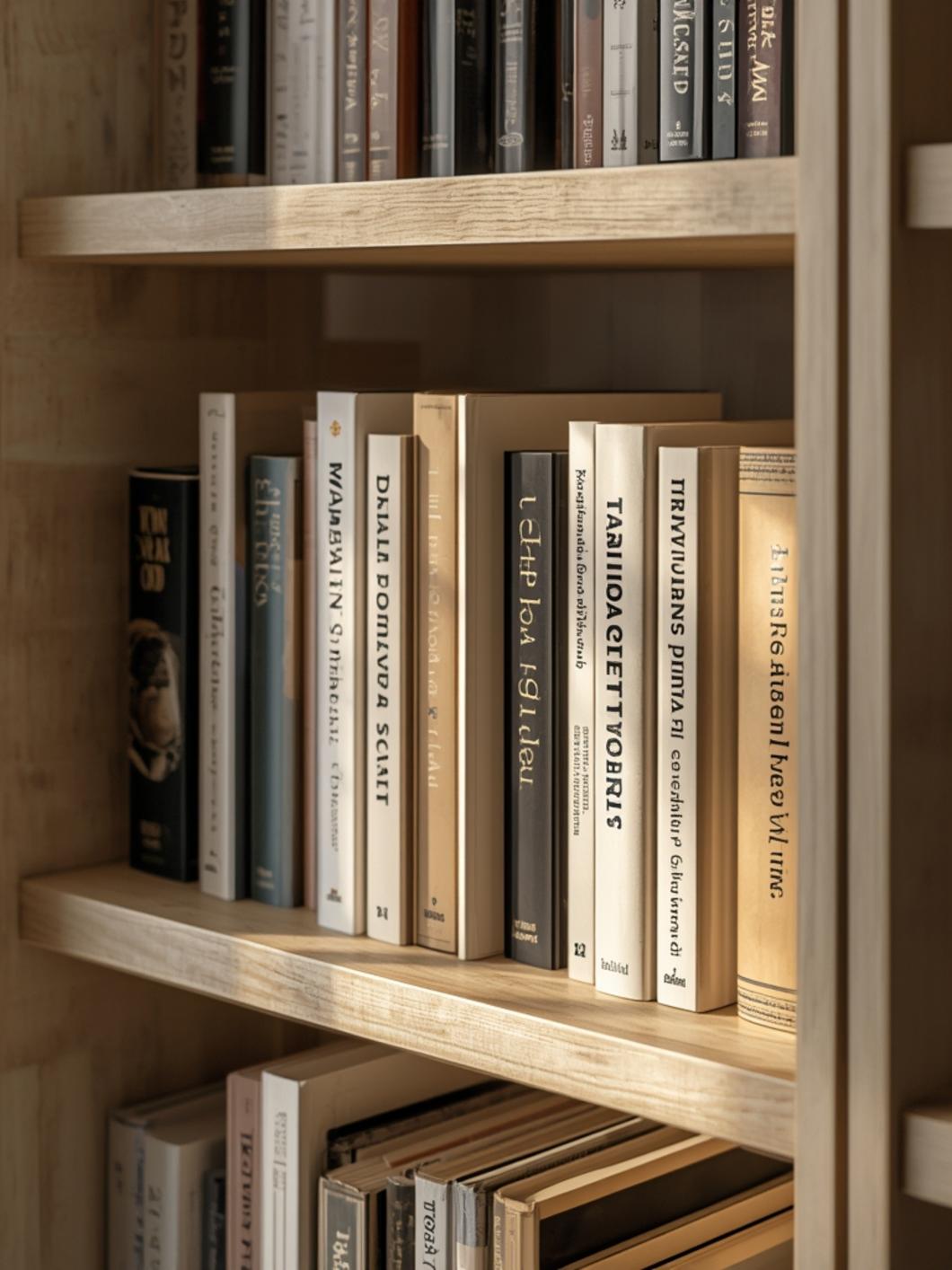
How to style a bookshelf with objects becomes easier when you vary book placement. Stack some books horizontally to create platforms for smaller objects on top. Stand others vertically in groups of three to five. This rhythm keeps your eye moving across the entire unit.
Place a small succulent or decorative box on top of horizontal book stacks to add height variation and visual interest.
The Color Block Method
Arrange books by color to create a rainbow effect or stick to a monochromatic palette. This technique works especially well in modern or contemporary spaces where you want the bookshelf to become a statement feature.
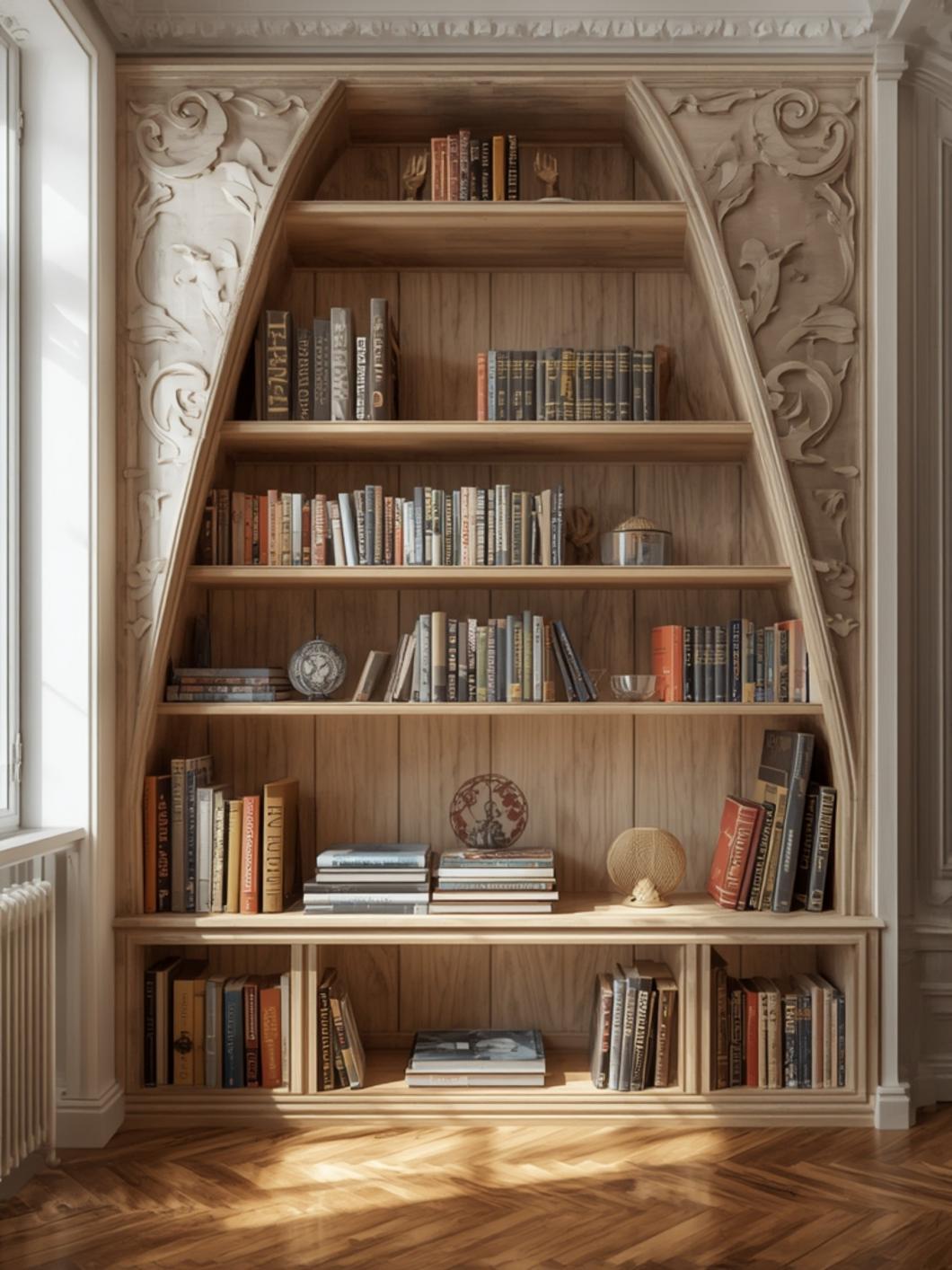
Group decorative objects by color family too. If you’re working with a blue-and-white theme, cluster your ceramic pieces together rather than scattering them randomly.
The Layering Technique
Place items at different depths on each shelf. Push some books all the way back, then layer smaller objects in front. Lean artwork or prints against the back wall with smaller decorative pieces in front. This creates dimension that makes your bookshelf feel professionally styled.
The Symmetry Strategy
For a more formal look, mirror your arrangements on either side of the bookshelf’s center. Use matching candleholders, identical vases, or paired decorative boxes to create balance. This works beautifully in traditional or transitional spaces.
The Asymmetrical Balance
Create visual weight without perfect symmetry by balancing a tall object on one side with a grouping of smaller items on the other. A large vase on the left might be balanced by three stacked books and a small plant on the right.
The Collection Showcase
Dedicate one or two shelves to displaying a collection you love. Whether it’s vintage cameras, pottery pieces, or travel souvenirs, grouping similar items creates impact. Mix in a few books or plants to keep it from feeling like a museum display.
Vary the heights within your collection by using small risers or stacked books as pedestals for shorter pieces.
Benefits of Thoughtful Bookshelf Styling
A well-styled bookshelf does more than look pretty in photos. It fundamentally changes how you experience your space every single day.
You’ll notice your room feels more pulled together immediately. That styled bookshelf becomes a focal point that anchors your entire design scheme, making decorating decisions for the rest of the room easier.
Organization becomes effortless when everything has its designated spot. No more random clutter accumulating on shelves because each item has been thoughtfully placed. You’ll actually be able to find that book you’re looking for.
Your bookshelf becomes a conversation starter when guests visit. Those travel souvenirs and personal collections finally get appreciated instead of hiding in drawers. You’re sharing your story through your styling choices.
The process itself is surprisingly therapeutic. Taking an afternoon to rearrange your shelves gives you creative satisfaction without requiring artistic skills. You can see immediate results from your effort.
Your space feels more expensive and designer-curated even though you’ve mostly used what you already owned. Strategic styling creates the illusion of a professionally decorated home.
Tips, Alternatives, and Styling Advice
Budget-Friendly Option
Shop your own home first. Raid other rooms for decorative objects, vases, and books. Thrift stores offer incredible finds for ceramic pieces and vintage books at under five dollars each. Print free artwork from museum websites and frame it yourself using basic frames from discount stores.
Spray paint mismatched candleholders or vases in one cohesive color to create a designer look for under twenty dollars total.
Mid-Range Option
Invest in a few quality anchor pieces like a beautiful ceramic vase or sculptural object. Mix these with your existing books and affordable finds. Purchase matching storage boxes or baskets to hide less attractive items while maintaining your aesthetic.
Add one or two real plants in ceramic pots that complement your color scheme. The greenery elevates everything around it.
Premium Option
Curate your bookshelf with hardcover books in coordinating colors, designer decorative objects, and original artwork. Invest in custom bookends, high-end ceramics, and professional framing for prints. Consider hiring an interior stylist for a one-time consultation to create your perfect arrangement.
Small Space Adaptation
If you’re working with a narrow bookshelf or limited shelving, focus on one styling technique rather than trying everything at once. The color-blocking method works particularly well in small spaces because it creates visual impact without requiring numerous objects.
Use the vertical space fully by adding items all the way to the top shelf. Small spaces benefit from drawing the eye upward.
Common Mistakes to Avoid
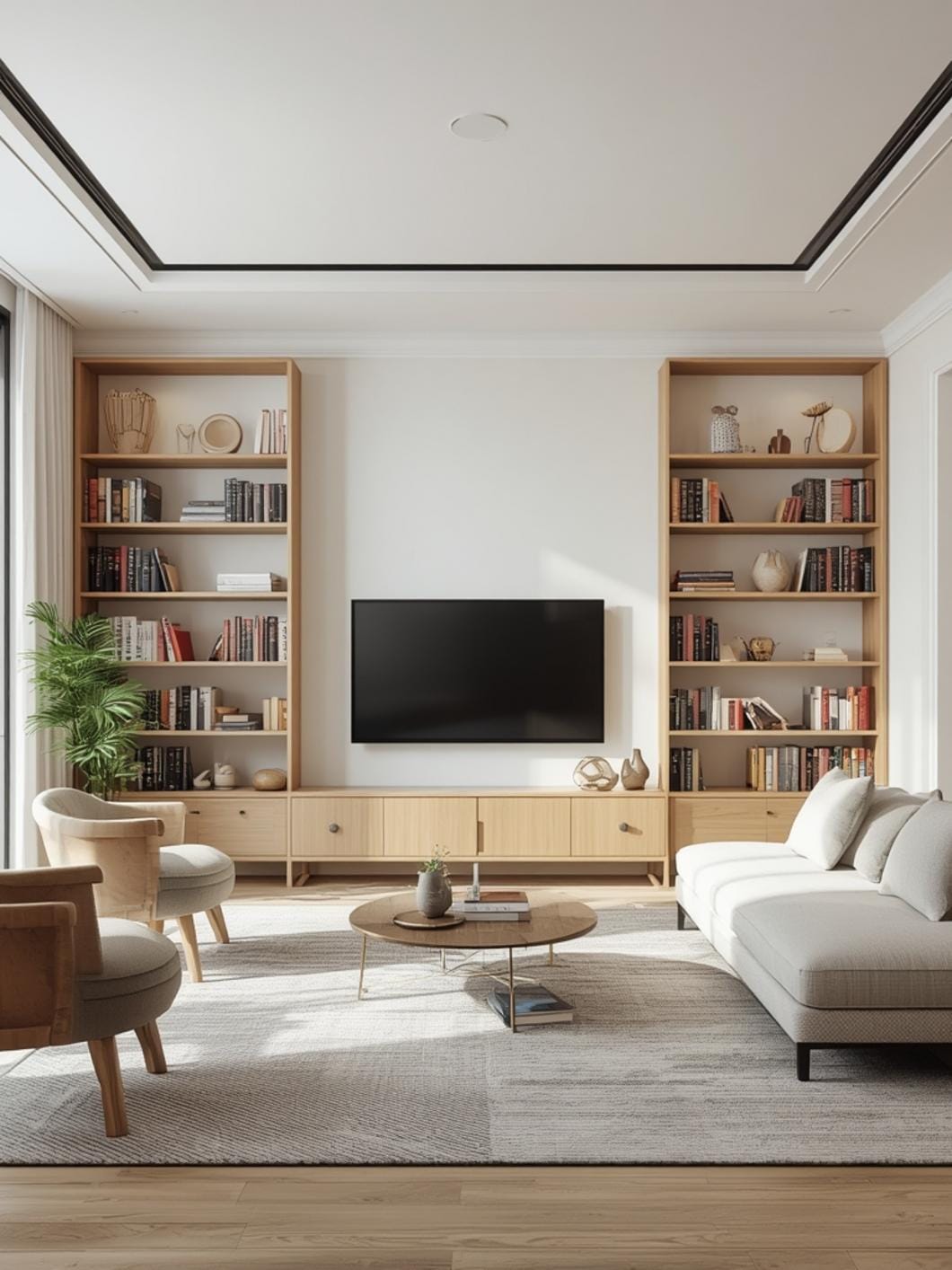
Many homeowners fill every inch of shelf space thinking more looks better. Leave at least 20% of each shelf empty to let your displayed items breathe and create a curated rather than cluttered feeling.
Pushing everything to the front edge of shelves makes your display look flat and one-dimensional. Vary the depth of your items, placing some at the back and layering others in front.
Using too many different styles or colors creates visual chaos that exhausts the eye. Stick to a cohesive color palette of three to five colors maximum, and choose decorative objects that share a similar aesthetic whether modern, traditional, or eclectic.
Ignoring scale means tiny objects get lost on large shelves while oversized items overwhelm small spaces. Match your decorative pieces to your shelf dimensions, using larger statement objects on bigger shelves and groupings of smaller items on compact units.
Forgetting to edit your collection leads to displaying things you don’t actually love. Remove items that don’t spark joy or fit your aesthetic even if they were expensive or gifts.
Maintenance and Upkeep Tips
Dust your bookshelf weekly using a microfiber cloth to prevent buildup on books and decorative objects. Remove items from shelves monthly to dust thoroughly behind them.
Rotate your decorative objects seasonally to keep your display feeling fresh. Store off-season items in labeled boxes so you remember what you have for next year’s rotation.
Real plants need weekly care, so water them on a consistent schedule and remove any dead leaves immediately. If this feels like too much maintenance, high-quality faux plants look realistic and require only occasional dusting.
Check that stacked books remain stable and adjust them if they start leaning. Books stacked too high become unstable and can topple, potentially breaking decorative items nearby.
Rearrange your shelves once or twice a year to prevent styling fatigue. Even small changes like swapping the positions of two objects can make your bookshelf feel new again.
Make Your Bookshelf Your Favorite Feature
Your bookshelf has the potential to become the most interesting element in your room. With the right styling techniques and a willingness to experiment, you can create a display that feels uniquely yours.
Start with one shelf and practice these techniques before tackling your entire unit. You’ll develop an eye for what works in your space and gain confidence in your styling abilities.
Ready to explore more ways to elevate your home? Browse DecorKingdom for inspiration that fits your style and budget perfectly.
FAQs
How many decorative objects should I put on each bookshelf?
Aim for three to five items per shelf including books, with at least 20% of the shelf left empty. Odd numbers of objects create more visual interest than even numbers. Group smaller items together as one unit rather than scattering them separately.
Should I organize my books by color or by topic?
Organize by color if your bookshelf is primarily decorative and you don’t reference your books frequently. Organize by topic or author if you use your books regularly and need to find specific titles quickly. You can also do a hybrid approach with frequently used books grouped by topic and decorative books arranged by color.
What’s the best way to display family photos on a bookshelf?
Use frames in coordinating finishes and limit yourself to three to five photos maximum to avoid a cluttered look. Mix frame orientations between vertical and horizontal, and vary the sizes slightly. Lean larger frames against the back of the shelf with smaller framed photos in front for dimension.
How do I keep my bookshelf from looking too matchy-matchy?
Mix different textures even when using a cohesive color palette. Pair smooth ceramic with rough wood, shiny metal with matte finishes. Vary the shapes of your objects too, combining round vases with rectangular books and angular sculptures. This creates interest while maintaining visual harmony.
Can I style a bookshelf without any books?
Absolutely! Use your shelves to display collections, plants, artwork, and decorative objects exclusively. Group items in odd numbers, vary heights, and leave breathing room between objects. Consider adding decorative boxes or baskets for hidden storage to prevent the shelves from looking too sparse.
—
Meta Title: Bookshelf Decor Idea: 7 Stunning Styles for 2026
Meta Description: Transform boring shelves into designer displays. This bookshelf decor idea guide shows you exactly how to style with objects you own.