Bookshelf Styling Ideas for Every Room
Your bookshelf is buried under stacks of paperbacks, random knick-knacks, and things you don’t know where else to put. You want it to look like those gorgeous shelves you see on Pinterest, but every time you try to arrange it, something feels off. Maybe the spacing looks wrong, or it just feels too cluttered—or worse, too empty.
Great bookshelf ideas decorating isn’t about perfection. It’s about creating a display that feels both beautiful and lived-in, where your favorite books and treasured items get the attention they deserve. Whether you’re working with built-ins, a ladder shelf, or a simple standalone unit, the right styling techniques can turn your bookshelf from messy storage into a stunning focal point.
The good news? You don’t need expensive decor or a complete overhaul to make it happen. With a few smart choices and some simple arranging tricks, your bookshelf can become one of the most personal and inviting spots in your home.
Table of Contents
What You’ll Need to Get the Look
Creating a beautifully styled bookshelf starts with gathering the right mix of elements. You’ll need your books (of course), but the magic happens when you layer in other pieces that add visual interest and personality.
Start with your books in various sizes—hardcovers, paperbacks, coffee table books, and vintage finds all work together. Remove any dust jackets that don’t fit your color scheme, or turn books backward to show the pages for a neutral backdrop.
For decorative elements, gather:
– Small plants (pothos, succulents, or faux greenery work beautifully)
– Framed photos or small art prints
– Decorative boxes or baskets for hidden storage
– Candles or small sculptures
– Vases or ceramic pieces in complementary colors
You’ll also want bookends to keep things upright, and possibly some small risers or cake stands to create different height levels. A step stool helps you reach upper shelves safely, and a tape measure ensures your spacing stays balanced as you arrange.
Finding Your Style and Season
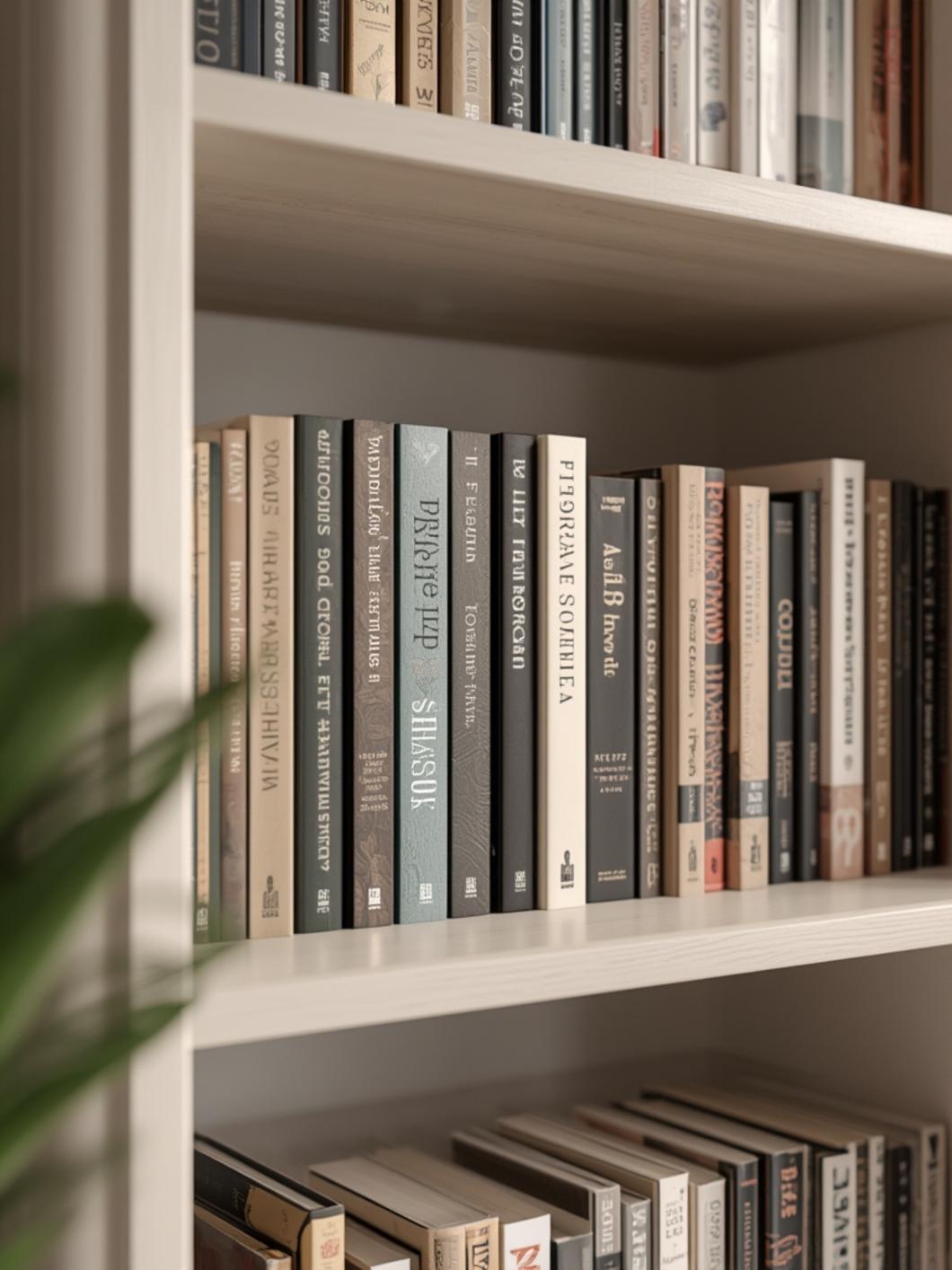
Your bookshelf style should reflect your personal taste and the overall vibe of your room. Take a moment to identify what speaks to you—modern and minimal, cozy and eclectic, or something in between.
Consider the season when selecting your decorative pieces. Spring and summer call for lighter colors, fresh florals, and airy arrangements. Fall and winter invite warmer tones, cozy textures, and seasonal elements like pinecones or dried branches.
Think about how the lighting in your room changes throughout the day. Shelves near windows might benefit from sun-loving plants, while darker corners could use metallic accents that catch and reflect light. Your bookshelf should feel intentional but never forced—it’s a reflection of your life and interests, not a museum display.
7 Ideas to Try in Your Home
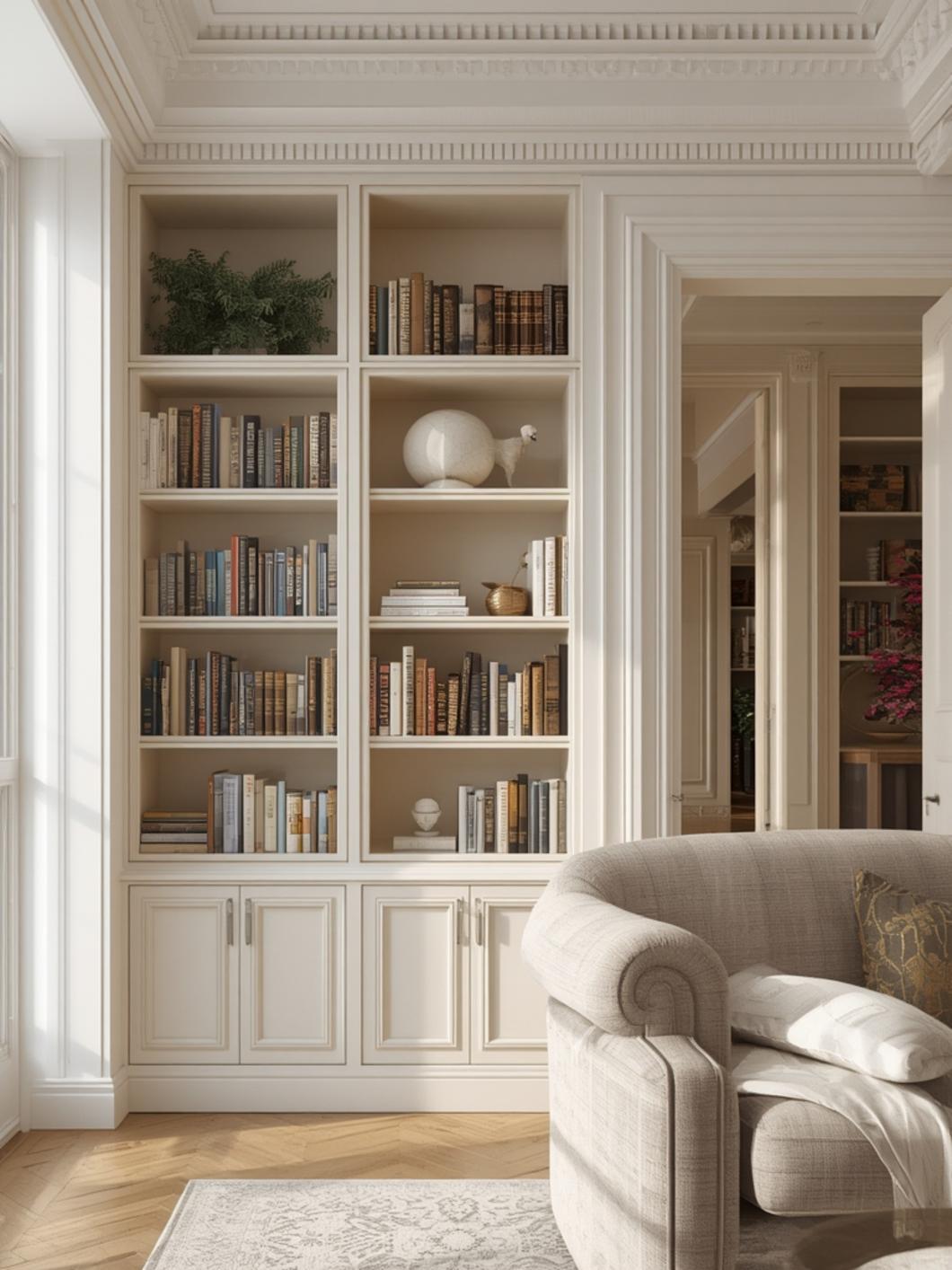
The Color Block Method: Arrange your books by color to create a rainbow effect or stick to a cohesive color palette. This creates immediate visual impact and makes a bold statement. Pull out shades that complement your room’s existing colors for a coordinated look that feels intentional.
Horizontal and Vertical Mix: Don’t stack all your books vertically. Lay some horizontally in small stacks of two or three, then top them with a small plant or decorative object. This breaks up the visual line and creates natural platforms for displaying treasures.
The Thirds Rule: When learning how to style a bookshelf with plants and decor, divide each shelf visually into thirds. Fill roughly one-third with books, one-third with decorative objects, and leave one-third breathing room. This prevents overcrowding while maintaining interest across the entire shelf.
Symmetrical Styling: For a more formal look, mirror your arrangements on either side of the shelf’s center point. Place matching bookends, similar-sized plants, or paired objects at equal distances. This works especially well for built-in bookcases flanking a fireplace or window.
The Layered Approach: Place larger items like art prints or mirrors against the back wall, then layer smaller objects in front. This creates depth and makes your shelves feel more dynamic. Lean framed photos casually instead of using shelf-mounted picture hangers for an effortless vibe.
Collections on Display: Dedicate one shelf to a curated collection—vintage cameras, colorful ceramics, or travel souvenirs. Grouping similar items together creates impact and tells a story. Mix in a few books related to the collection’s theme for added context.
The Greenery Grid: Distribute plants evenly across all shelves rather than clustering them in one spot. This creates visual rhythm and draws the eye up and across the entire bookcase. Vary the types of plants—trailing vines, upright succulents, and leafy pothos—for textural interest.
Benefits of Thoughtfully Styled Bookshelves
A well-styled bookshelf does more than look pretty—it transforms how you experience your home every single day. When you walk into a room with beautifully arranged shelves, you feel more organized and in control of your space.
These displays become conversation starters when guests visit. Your travel photos, collected treasures, and favorite books tell your story without you saying a word. They reveal your interests and personality in a way that generic store-bought decor never could.
Styled shelves also make you more likely to actually use and enjoy your books. When they’re displayed attractively rather than crammed in randomly, you’ll find yourself reaching for them more often. The plants you incorporate improve air quality while bringing life and color into your space.
Tips, Alternatives, and Styling Advice
Budget-Friendly Option: Shop your own home first. Gather items from other rooms—that vase from the guest room, picture frames from the hallway, or plants from the kitchen windowsill. Rearranging what you already own costs nothing and often yields the most personal results. Hit thrift stores for unique bookends and vintage finds that add character.
Mid-Range Option: Invest in a few statement pieces that anchor your shelves—a beautiful ceramic vase, a small sculpture, or high-quality faux plants that look convincingly real. Mix these with your existing books and budget-friendly finds. Focus your spending on items you’ll use across multiple rooms as you restyle over time.
Premium Option: Commission custom bookends from a local artisan, invest in rare books or first editions that double as art, or purchase museum-quality decorative objects. Work with an interior stylist for a single consultation to get professional guidance tailored to your space. Premium doesn’t mean more items—it means investing in fewer, exceptional pieces.
Small Space Adaptation: Use a ladder shelf or single bookcase instead of built-ins. Keep your color palette tight—choose two or three colors maximum. Select smaller-scale decorative objects and slim volumes. Utilize vertical space by placing taller items on lower shelves and gradually decreasing height as you move upward.
Common Mistakes to Avoid
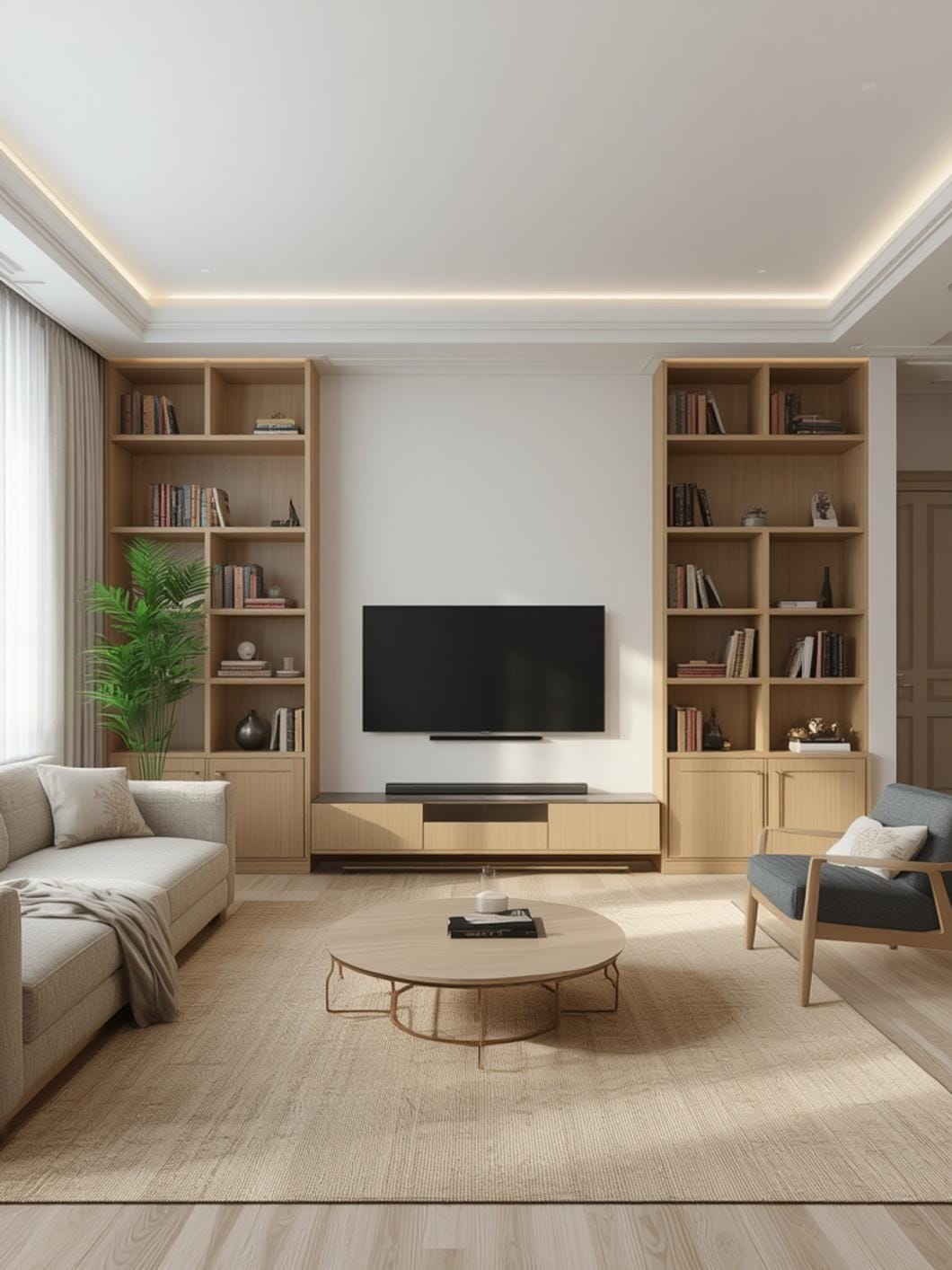
Overcrowding every shelf: When you cram too many items into each space, nothing gets proper attention and the whole display looks chaotic. Remove at least 20% of what you initially place—your shelves need breathing room to let individual pieces shine.
Ignoring scale and proportion: Placing all small objects together or all large ones creates visual imbalance. Mix sizes deliberately, pairing small treasures with larger books or taller vases with low, wide decorative boxes.
Forgetting about negative space: Empty space isn’t wasted space—it’s essential for a polished look. Leave sections of shelving partially bare to give your eye a place to rest and prevent visual overwhelm.
Using all the same heights: Shelves lined with identical-sized books feel flat and boring. Stack some books horizontally, use risers to elevate objects, and vary heights to create visual rhythm.
Never changing your display: Keeping the same arrangement year after year makes your shelves fade into the background. Rotate items seasonally, swap in new finds, and refresh the layout every few months to keep your space feeling current and loved.
Maintenance and Upkeep Tips
Dust your shelves every two weeks using a microfiber cloth or soft duster. Remove items shelf by shelf rather than trying to dust around them—it’s faster and more thorough. For books, dust from spine to edge to push dust away rather than deeper into pages.
Water shelf plants in your sink or tub to avoid water damage on wood shelves. Let them drain completely before returning them to their spots. Rotate plants occasionally so all sides get equal light exposure and grow evenly.
Rearrange items slightly every month or so. This prevents dust from building up in one spot and keeps you from getting bored with your display. It’s also a good opportunity to evaluate what’s working and what isn’t.
Check for fading if your shelves receive direct sunlight. Valuable books and photographs should be moved away from harsh light, or install UV-filtering window film. Fake plants will also fade over time in bright sun—rotate them with pieces from shadier spots.
Create Shelves That Reflect Your Story
Your bookshelf has the potential to be so much more than storage—it’s a canvas for showing off what you love and creating beauty in your everyday life. The styling techniques you’ve learned here give you a framework, but the real magic comes from your personal touches.
Start with one shelf and practice these ideas until you find your rhythm. Pay attention to what feels right in your space, and don’t be afraid to break the rules if something else works better. Your home should tell your story, and beautifully styled shelves are one of the best ways to share it.
Ready to transform more of your home with simple styling tricks? Explore more inspiring ideas and practical advice at DecorKingdom, where beautiful, functional living spaces are always within reach.
FAQs
How many items should I put on each bookshelf?
There’s no magic number, but aim to fill about 70% of each shelf’s space. This gives you room for visual breathing space while preventing the shelf from looking bare. A good rule of thumb is 3-5 distinct groupings per shelf—a stack of books, a plant, and a decorative object, for example.
Should I organize books by color or by author?
It depends on your priorities. Color-coding creates stunning visual impact and works well if you don’t reference your books frequently. Organizing by author or genre makes books easier to find when you want to read them. You can also combine both methods by color-coding within each genre section.
What’s the best way to arrange books and decorative objects together?
Use the “bookend method”—place decorative objects at the ends of book rows or on top of horizontal book stacks. This integrates decor naturally rather than segregating books and objects into separate sections. The objects should complement the books in height and color for the most cohesive look.
Can I style bookshelves without using real plants?
Absolutely. High-quality faux plants have come a long way and can look completely realistic when chosen carefully. You can also skip greenery entirely and use other natural elements like dried flowers, wooden bowls, or woven baskets. The goal is texture and visual interest, which many elements can provide.
How do I keep my bookshelf from looking too cluttered or too bare?
Step back every few minutes while styling and take a photo with your phone. The camera reveals balance issues your eye might miss when you’re up close. If it looks cluttered in the photo, remove items. If it looks bare, you need more visual weight—add larger objects or group smaller ones together for impact.
—
Meta Title: Bookshelf Ideas Decorating: 7 Stunning Styles for 2026
Meta Description: Transform cluttered shelves into beautiful displays. Fresh bookshelf ideas decorating your space with plants, books, and decor that reflects your style.