How to Choose Contemporary Living Room Curtains
Your living room deserves windows that feel as intentional as the rest of your design. You’ve spent hours perfecting your furniture layout, choosing the right paint color, and arranging your décor just so—but when you look at your windows, something feels off. Maybe the light floods in too harshly, or the bare glass makes the room feel cold and unfinished.
That’s where Contemporary Living Room Curtains come in. They’re the finishing touch that pulls everything together, softening harsh lines while adding warmth and personality to your space. Whether you’re starting fresh in a new home or refreshing a room that’s lost its spark, the right curtains transform how your living room feels from morning to night.
The best part? You don’t need a decorator’s budget or professional installation to make this happen. With the right approach and a bit of planning, you can achieve a polished, designer-worthy look that works beautifully for your lifestyle.
Table of Contents
What You’ll Need to Get the Look
Getting the perfect curtain setup starts with gathering the right elements. You’ll need curtain panels in your chosen fabric—linen and cotton blends work beautifully for contemporary spaces, offering that relaxed elegance that never goes out of style. Consider textured weaves or subtle patterns that add visual interest without overwhelming your room.
Your curtain rod matters more than you might think. Choose a rod that extends 6-8 inches beyond each side of your window frame, allowing panels to stack neatly when open. Brushed nickel, matte black, and warm brass finishes all complement modern aesthetics beautifully.
Hardware essentials include:
– Sturdy mounting brackets that match your rod finish
– Curtain rings or rod pocket panels, depending on your preferred style
– Tie-backs or holdbacks if you want the option to frame your windows during the day
– A reliable measuring tape and level for proper installation
Don’t forget functional elements like blackout linings if your living room doubles as a media space, or thermal linings to help with energy efficiency. Sheer panels make wonderful layering pieces, giving you privacy during the day while maintaining that airy, light-filled feeling contemporary design celebrates.
Finding Your Style and Season
Choosing the right moment to update your window treatments isn’t just about when you have time—it’s about matching your curtains to how you live and when you’ll appreciate them most. Spring and fall are ideal seasons for this refresh, when you’re naturally drawn to open windows and notice how light interacts with your space throughout the day.
Consider your living room’s daily rhythm. If you host weekend gatherings or family movie nights, prioritize curtains that give you control over light and privacy. Morning light lovers might lean toward sheers and lightweight fabrics, while evening entertainers benefit from heavier panels that create intimate, cozy atmospheres after dark.
Budget planning works best when you think in layers. Start with quality basics—solid panels in neutral tones that anchor your design. You can always add decorative elements like patterned sheers or stylish hardware later. Many homeowners find that investing in one spectacular window first, then matching it room by room over several months, creates better results than rushing to outfit every window at once.
Seasonal considerations extend beyond weather. Summer invites breezy, lighter fabrics that move with air conditioning and natural breezes. Winter calls for richer textures and layered approaches that add visual warmth even when temperatures drop. Your contemporary curtains should feel right for your climate and lifestyle, not just your Pinterest board.
7 Ideas to Try in Your Home
Floor-to-Ceiling Drama
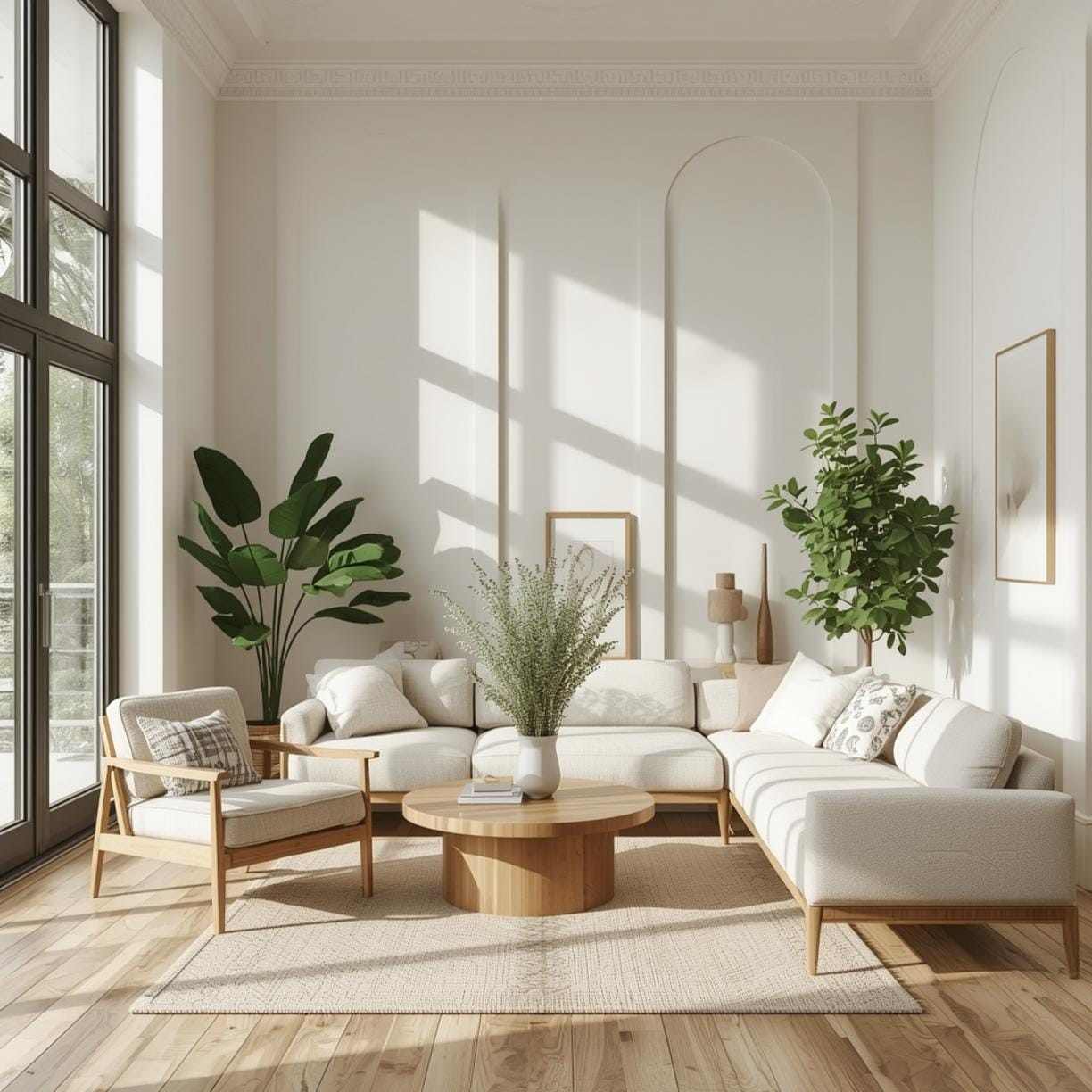
Mount your curtain rod as close to the ceiling as possible and let panels kiss the floor—or better yet, puddle slightly for a luxurious feel. This vertical line draws the eye upward, making your living room feel more spacious and grand. Choose solid colors in soft grays, warm whites, or deep charcoals for maximum impact without pattern competition.
The Layered Look
Pair sheer white or ivory panels closest to the window with heavier solid drapes on the outer rod. This gives you incredible flexibility—full privacy when you need it, filtered light during the day, and architectural interest even when both layers are open. How to measure windows for modern curtains becomes essential here, as you’ll need precise measurements for both layers to hang properly without bunching.
Minimalist Single Panels
For smaller windows or when you want a cleaner aesthetic, try single wide panels that draw to one side. This works especially well on windows flanking a fireplace or TV. Choose a sculptural holdback that becomes its own decorative element, keeping your sight lines clear while adding modern sophistication.
Monochromatic Texture Play
Stay within one color family but vary your textures wildly. A cream-colored room might feature raw linen curtains with subtle slub texture, paired with smooth painted walls and a plush velvet sofa. The curtains become a textural statement piece rather than a color accent.
Bold Pattern Statements
Contemporary doesn’t mean boring. Geometric prints, oversized florals, or abstract patterns in modern colorways can anchor your entire design scheme. Keep surrounding elements simpler—solid furniture, minimal wall art—and let your window treatments be the showstopper that guests notice first.
Two-Tone Color Blocking
Combine panels in complementary shades for a custom designer look without custom prices. Navy and cream, charcoal and blush, or sage and ivory create visual interest that feels intentional and fresh. Alternate panels across your window or dedicate each side to one color for different effects.
Natural Material Focus
Embrace organic textures through bamboo accents, jute trim details, or linen blends with visible natural fibers. These earth-forward choices bring warmth to contemporary spaces that sometimes risk feeling too sleek or cold. They’re particularly beautiful in living rooms with lots of natural wood elements or indoor plants.
Benefits You’ll Notice Immediately
The right curtains change how your living room functions throughout the day. You’ll gain control over natural light, dimming harsh afternoon sun that washes out your TV screen or fades your favorite furniture. Morning coffee feels more peaceful when you’re not squinting against glare, and evening conversations gain intimacy as you draw panels closed against the dark.
Privacy becomes effortless. You can enjoy your living room without feeling like you’re on display for the neighborhood. This psychological comfort transforms how you use your space—suddenly you’re more relaxed, more likely to truly unwind, because your home feels like a genuine retreat.
Energy efficiency improves noticeably with properly hung curtains. In summer, they block heat before it penetrates your windows, keeping cooling costs down. Winter brings the opposite benefit, as curtains create an insulating air pocket that reduces heat loss. Many homeowners report lower utility bills within the first month of adding quality window treatments.
The emotional impact shouldn’t be underestimated. Walking into a room with beautiful, well-chosen curtains simply feels better. Your living room looks finished and intentional rather than half-done. This sense of completeness affects your mood, your pride in your home, and even how guests perceive your space.
Tips, Alternatives, and Styling Advice
Budget-Friendly Option
Start with ready-made panels from home stores in standard sizes. Choose classic neutrals that won’t date quickly—oatmeal linen blends or soft gray cotton. Upgrade just your hardware to something more substantial, which instantly elevates even affordable panels. DIY hemming to your exact length costs nothing but an hour of time and makes budget curtains look custom.
Mid-Range Option
Invest in semi-custom panels where you choose fabric and length but avoid full custom pricing. Many online retailers offer this sweet spot, delivering quality materials with proper construction at reasonable prices. Splurge on blackout or thermal linings that add functionality, making your investment work harder for your lifestyle.
Premium Option
Consider custom drapery workrooms for challenging window sizes or when you want specific details like contrast banding, decorative trims, or hand-sewn pleats. Full-length silk curtains or heavyweight Belgian linen create luxury that’s immediately apparent. Professional installation ensures everything hangs perfectly, with proper stacking and clean lines.
Small Space Adaptation
In compact living rooms, mount curtain rods higher and wider than your actual windows to create the illusion of larger proportions. Choose lighter colors and simple patterns that don’t visually clutter limited space. Single panels that pull completely to one side maximize natural light while maintaining the dressed-window look when drawn.
Common Mistakes to Avoid
Hanging Curtains Too Low
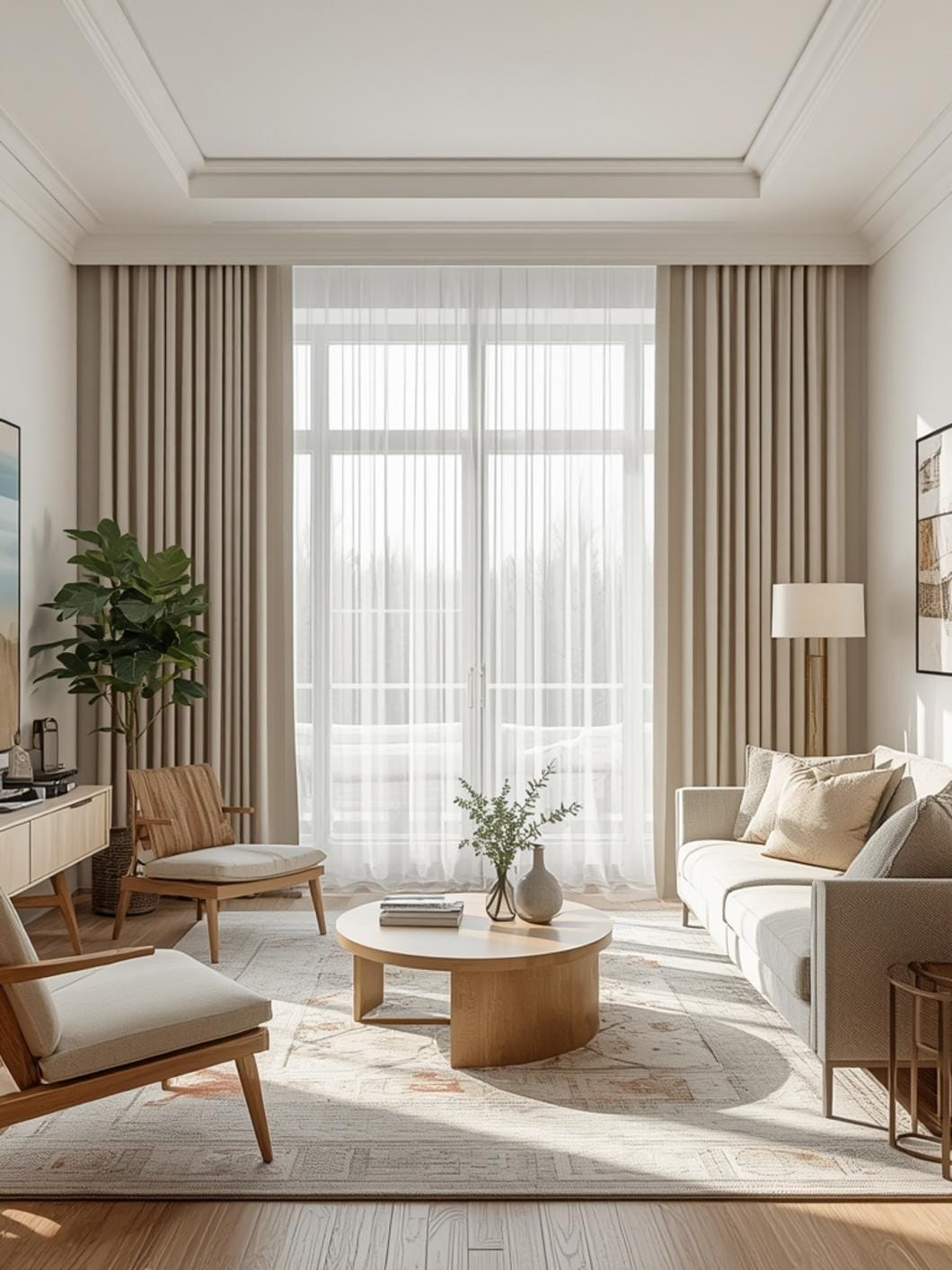
Many homeowners mount their rods right above the window frame, making ceilings feel lower and windows smaller. Instead, position your rod 4-6 inches below the ceiling line or crown molding to create beautiful vertical emphasis that makes your whole room feel more spacious.
Choosing Panels That Are Too Short
Curtains that hover inches above the floor look unfinished and awkward, like you’re wearing pants that are too short. Your panels should just touch the floor or extend an inch beyond for a clean, intentional look that grounds your windows properly.
Ignoring Light Control Needs
Buying beautiful curtains that don’t actually solve your light problems leaves you frustrated. If afternoon sun is blinding or early morning light wakes you during weekend movies, prioritize room-darkening fabrics over purely decorative choices—or layer sheer and opaque options for flexibility.
Skimping on Width
Flat, skimpy panels stretched across windows look cheap regardless of fabric quality. For proper fullness, your combined curtain width should be at least 1.5 to 2 times your window width, creating those elegant folds and draping that signal quality.
Matching Everything Too Perfectly
Contemporary design celebrates subtle contrast rather than matchy-matchy coordination. Your curtains don’t need to exactly match your throw pillows or area rug—in fact, it’s better if they don’t. Choose complementary tones and let each element have its own personality within your cohesive color story.
Maintenance and Upkeep Tips
Keep your contemporary curtains looking fresh with regular light vacuuming using your upholstery attachment. This removes dust and allergens before they settle into fabric fibers, extending time between deep cleanings. Run the vacuum from top to bottom in gentle strokes every few weeks.
Most modern curtain fabrics can be machine washed on gentle cycles, but always check care labels first. Remove hardware like rings or clips before washing, and line dry whenever possible to prevent shrinkage. Steam pressing while slightly damp gives professional-looking results without the dry cleaning bill.
Rotate panels seasonally if you have spares, switching between heavier winter options and lighter summer fabrics. This rotation extends the life of each set while keeping your room feeling fresh and seasonally appropriate. Store off-season curtains in breathable fabric bags, never plastic, to prevent moisture and musty odors.
Address stains immediately with spot cleaning rather than waiting for full washes. Blot—never rub—spills with clean white cloths and gentle fabric cleaner appropriate for your material. Quick action prevents stains from setting into fibers permanently.
Sun exposure gradually fades even quality fabrics, so consider UV-protective spray treatments for windows receiving intense afternoon light. Closing curtains during peak sun hours when you’re away protects both your panels and your furniture from damaging rays.
Conclusion
Contemporary living room curtains do more than cover windows—they complete your design vision while solving real daily challenges with light, privacy, and comfort. The right panels transform how your space feels from morning through evening, creating the polished, intentional look you’ve been working toward.
Your windows deserve the same thoughtful attention you’ve given to every other element in your living room. With proper planning, smart measurements, and style choices that reflect your personality, you’ll create a space that feels both beautifully designed and genuinely livable.
Ready to explore more ways to perfect your living spaces? Visit DecorKingdom for inspiration, practical advice, and design solutions that work for real homes and real budgets.
FAQs
What length should contemporary living room curtains be?
Your curtains should just touch the floor or extend about half an inch beyond for a clean, finished look. Avoid the common mistake of panels that hover 2-3 inches above the floor, which makes rooms feel unfinished. For a more dramatic, luxurious feel in formal living rooms, you can allow panels to puddle 1-2 inches on the floor.
How do I choose between light and dark colored curtains?
Consider your room’s natural light first—spaces with limited windows benefit from lighter curtains that reflect and maximize available light. Rooms flooded with sun can handle darker panels that create drama and help control glare. Your wall color matters too; lighter curtains create subtle contrast while darker panels make bold statements against pale walls.
Can I install curtain rods myself without professional help?
Absolutely! Standard curtain rod installation is one of the most homeowner-friendly projects you can tackle. You’ll need a drill, level, measuring tape, and the hardware that comes with your rod. Mark your mounting points carefully, ensuring they’re level, and secure brackets into wall studs or use appropriate anchors for drywall. Most installations take under an hour.
Should curtains match my sofa or accent colors?
Contemporary design works best with complementary rather than exact matches. Pull accent colors from your room’s palette, but avoid matching your curtains exactly to your sofa fabric—this dated approach makes spaces feel too coordinated. Instead, choose curtains that harmonize with your overall color scheme while adding subtle contrast or texture that keeps things interesting.
How often do I need to replace living room curtains?
Quality curtains typically last 5-10 years with proper care, though you might refresh them sooner if your style evolves or they show sun damage. Signs it’s time for replacement include noticeable fading, fabric deterioration, outdated styles that no longer reflect your taste, or functional issues like damaged linings. Regular maintenance extends their lifespan significantly.
—
Meta Title: Contemporary Living Room Curtains That Transform Spaces 2026
Meta Description: Discover how Contemporary Living Room Curtains create style, privacy, and comfort. Get expert tips for choosing and hanging modern window treatments perfectly.