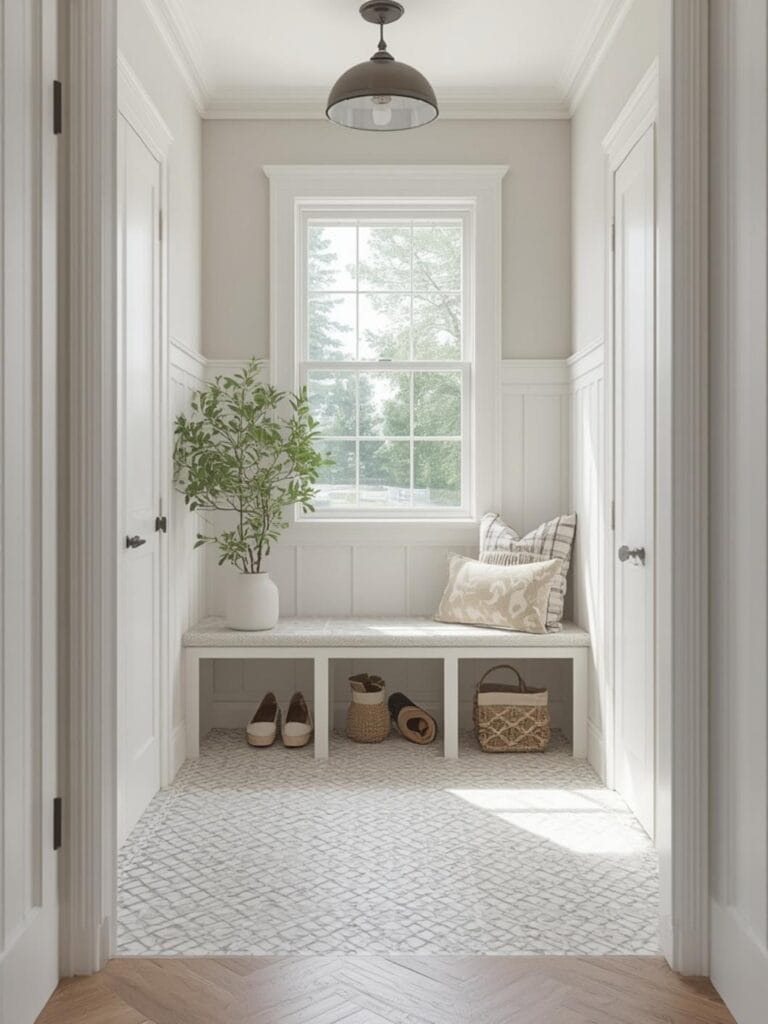
5 Ways to Add a Mudroom Addition to Your Home
You walk through the front door with groceries in one hand, your keys in the other, and suddenly there’s nowhere to put anything. Coats pile up on the banister, shoes scatter across the floor, and your kids’ backpacks end up in the middle of the hallway. Sound familiar?
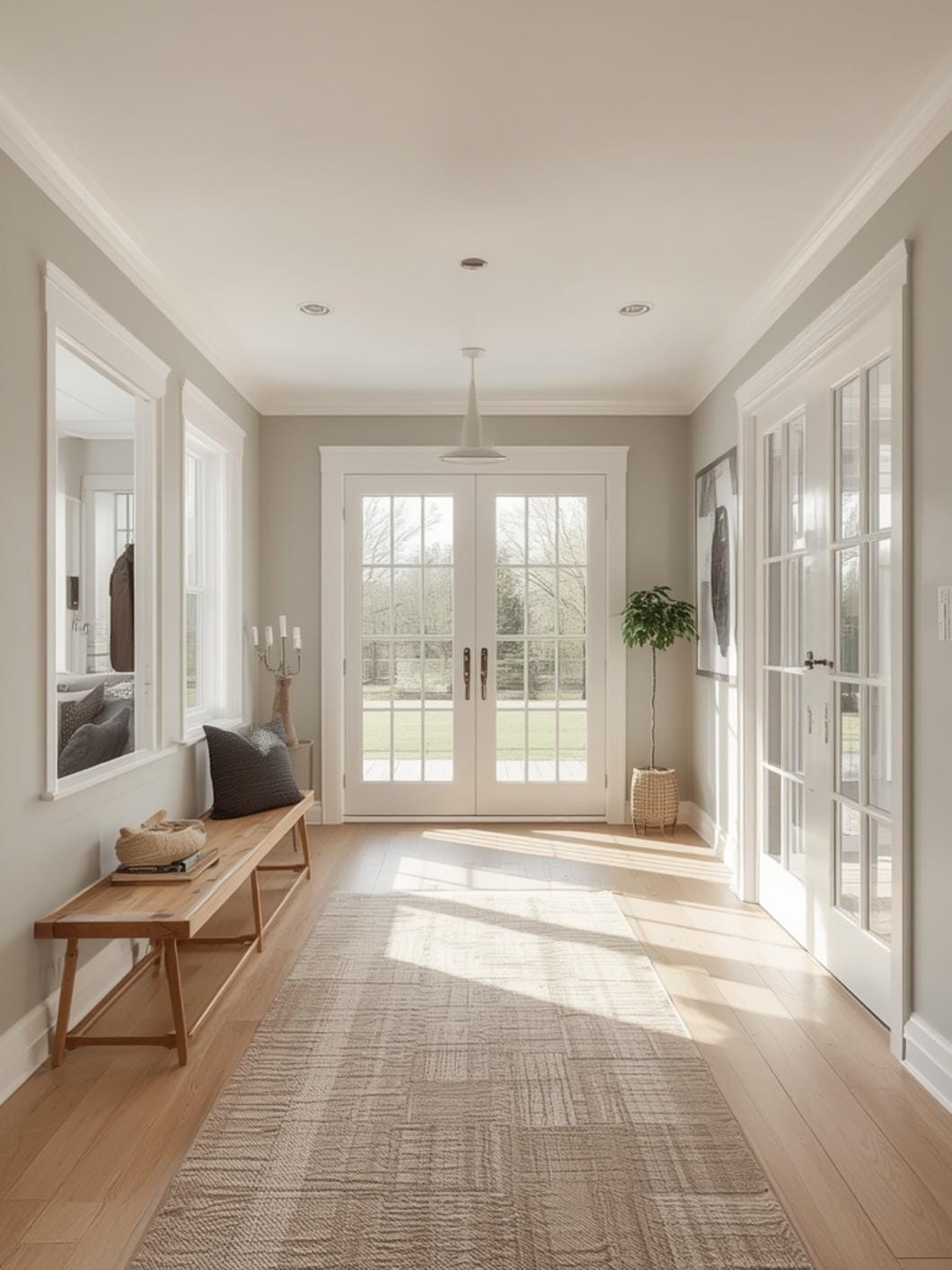
A dedicated mudroom can change everything about how your household functions. Whether you’re working with a spacious garage entry or carving out a small nook near your back door, the right mudroom addition ideas can give every family member a designated spot for their belongings and restore order to the chaos.
The best part? You don’t need a major renovation or a huge budget to create a mudroom that works beautifully for your lifestyle. With some thoughtful planning and creative design choices, you can add this hardworking space to almost any home.
Table of Contents
What You’ll Need to Get the Look
The materials and elements you choose will depend on your space and style, but here are the essentials that make any mudroom functional and beautiful:
Storage Furniture:
– Bench with cubbies or storage underneath
– Wall-mounted hooks (individual or rail-style)
– Open shelving units or cubby organizers
– Baskets or bins for smaller items
Flooring Options:
– Durable tile in ceramic or porcelain
– Luxury vinyl plank designed for high-traffic areas
– Sealed concrete for a modern industrial look
Organizational Accessories:
– Coat hooks or pegs (one per family member minimum)
– Shoe trays or boot trays to contain dirt and water
– Bins labeled for each person or category
– Wall-mounted key holder or mail organizer
Design Elements:
– Beadboard or shiplap wall paneling for texture
– Paint in wipeable satin or semi-gloss finish
– Good overhead lighting plus task lighting if needed
– Decorative mirror to check yourself before heading out
Finding Your Style and Season
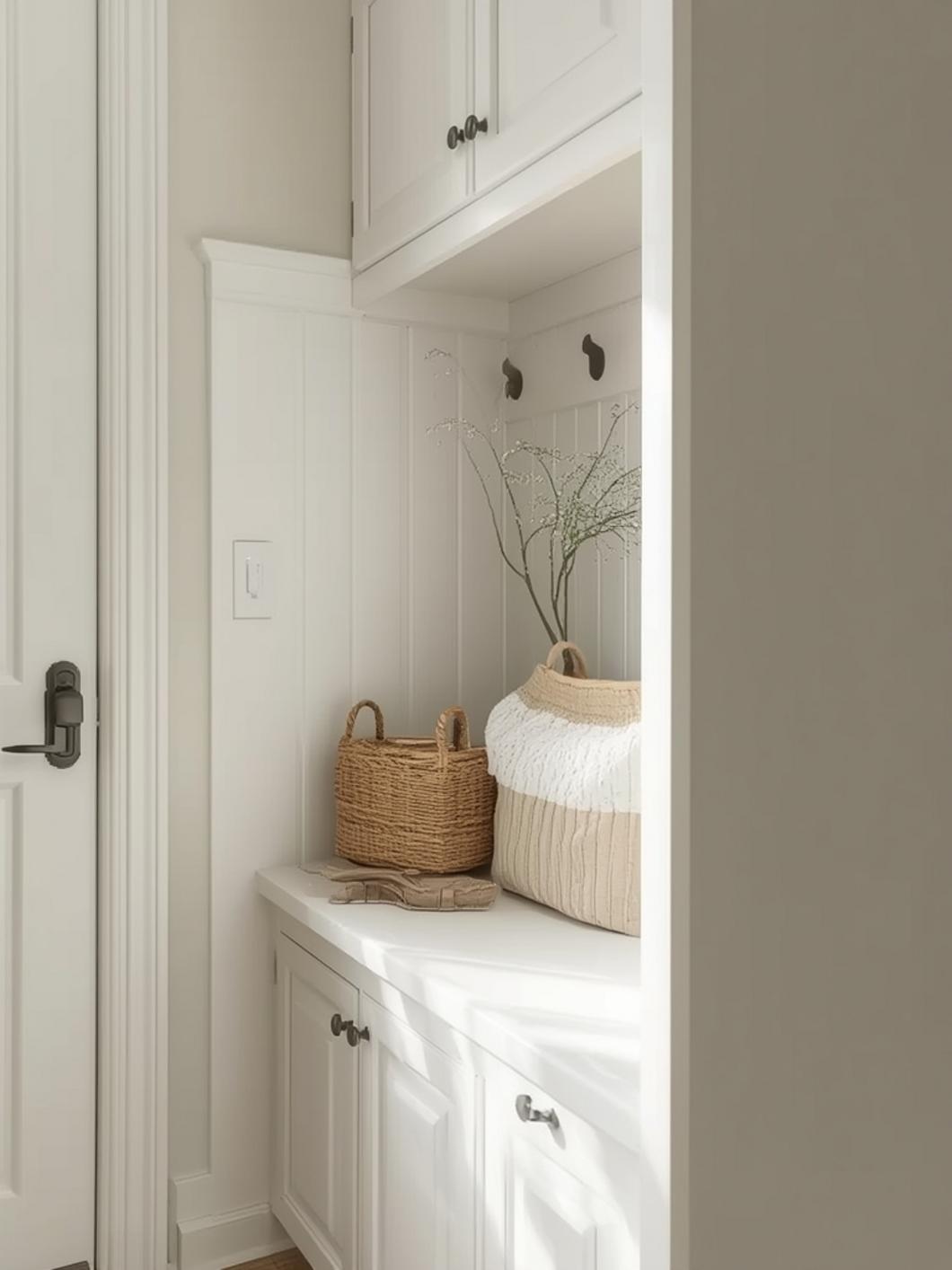
Your mudroom should reflect both your home’s aesthetic and the practical needs of your household. Consider which style direction feels most like you.
Farmhouse mudrooms embrace warmth with natural wood tones, vintage hooks, and wire baskets. Think painted bench seating, galvanized metal accents, and that cozy lived-in feel that makes everyone comfortable kicking off their shoes.
Modern mudrooms favor clean lines, minimalist storage solutions, and a streamlined color palette. Sleek built-ins, hidden storage, and contemporary hardware create a space that feels organized without visual clutter.
Coastal or cottage styles work beautifully in mudrooms with their emphasis on light colors, weathered wood finishes, and plenty of natural light. These spaces feel airy and relaxed while still being highly functional.
Seasonality also matters in your mudroom planning. If you live somewhere with harsh winters, you’ll need extra space for bulky coats, boots, and wet gear. Warmer climates can focus more on lightweight jackets, sandals, and sun hats. Think about what your family actually uses throughout the year.
7 Ideas to Try in Your Home
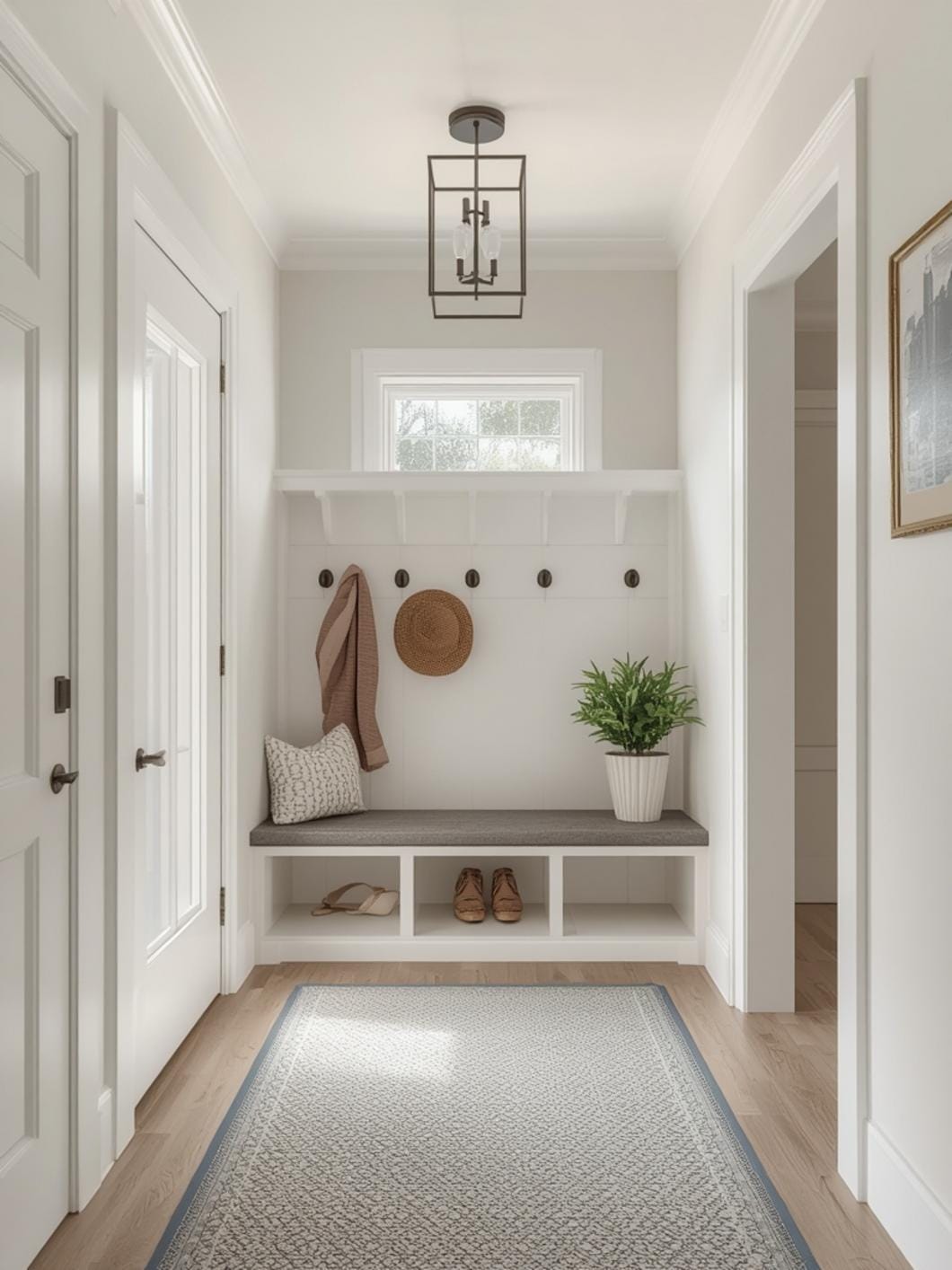
1. Convert Your Garage Entry
The door from your garage into your home is already a natural transition point. Add a wall of hooks, a narrow bench, and some open shelving to create an instant mudroom. This works especially well if you have even three to four feet of wall space available. Paint the area a different color from the rest of the garage to define the zone.
2. Claim a Closet Near the Door
Remove the closet door completely and reimagine that space as an open mudroom nook. Install hooks at varying heights, add a cushioned bench at the bottom, and use the upper shelf for seasonal storage. This approach gives you a dedicated mudroom without any construction. When you’re thinking about how to design a mudroom on a budget, repurposing existing space is one of the smartest moves you can make.
3. Build a Hallway Drop Zone
Even a narrow hallway can accommodate a mudroom if you think vertically. Mount a sleek floating bench with storage underneath, add hooks above it, and keep the color scheme light to prevent the space from feeling cramped. Shallow baskets that slide under the bench keep shoes contained without jutting into the walkway.
4. Screen Off Part of Your Laundry Room
If your laundry room sits near an entrance, section off part of it with a half wall or attractive room divider. The mudroom side gets hooks and storage, while laundry stays tucked behind the partition. This dual-purpose approach works brilliantly in homes where square footage is precious.
5. Add a Freestanding Mudroom Station
No permanent space available? Create a portable mudroom with a coat tree, hall tree, or entryway bench that includes built-in hooks and storage. These freestanding pieces can go anywhere near your most-used door and move with you if you relocate. Look for units with a small footprint but maximum vertical storage.
6. Transform Your Back Porch
An enclosed back porch makes an ideal mudroom location. Add weather-resistant storage pieces, install durable flooring that can handle moisture, and embrace the indoor-outdoor vibe with plants and natural materials. This keeps all the outdoor mess outside your main living areas.
7. Carve Out an Entryway Corner
Even the smallest entryway has potential. Install a corner bench with storage, add hooks in an L-shape configuration, and use a slim console table for keys and mail. Corner installations maximize awkward spaces that might otherwise go unused.
Benefits That Go Beyond Organization
A thoughtfully designed mudroom does so much more than just store your stuff. It creates a buffer zone between the outside world and your clean living spaces, dramatically reducing the amount of dirt and debris that gets tracked through your home.
You’ll spend less time searching for missing items when everything has a designated spot. Keys always go on the hook, shoes always go in the bin, and backpacks always hang in the same cubby. This simple organizational system saves countless minutes every single day.
Mudrooms also protect your home’s main flooring from excessive wear. All that traffic that would normally funnel through your kitchen or living room now gets concentrated in one durable, easy-to-clean area. Over time, this can extend the life of your more expensive flooring materials throughout the house.
The mental clarity that comes with an organized entryway shouldn’t be underestimated either. Walking into a tidy, functional space sets a positive tone when you arrive home and helps you leave feeling prepared and confident.
Budget-Friendly Ways to Create Your Mudroom
Budget Option ($100-300):
Start with freestanding pieces you can find secondhand or at budget retailers. A basic bench, individual hooks from the hardware store, and plastic bins create a functional mudroom for minimal investment. Paint everything the same color to create visual cohesion even when pieces don’t match perfectly.
Mid-Range Option ($300-800):
Invest in a quality hall tree or mudroom bench set that includes built-in storage and hooks. Add custom elements like a DIY shiplap accent wall or painted built-in shelving using basic lumber. This range gives you durability and style without custom construction costs.
Premium Option ($800+):
Go for custom built-ins designed specifically for your space, or purchase high-end modular mudroom systems from furniture retailers. Include special features like charging stations, hidden storage compartments, or custom cushions that match your home’s color scheme. This level allows for perfect proportions and maximum functionality.
Small Space Adaptation:
When you’re working with extremely limited square footage, think in terms of inches rather than feet. A single row of hooks mounted at the right height, one slim basket on the floor for shoes, and a small wall-mounted shelf can create mudroom functionality in as little as two feet of wall space.
Common Mistakes to Avoid
Installing hooks at the wrong height: Many people mount hooks too high for children to reach or too low for adult coats to hang properly. Install a lower row of hooks 40-42 inches from the floor for kids and a higher row at 60-65 inches for adults.
Choosing style over function: That gorgeous white bench cushion might look amazing in photos, but will it survive muddy shoes and wet umbrellas? Select materials that can withstand real-world use and clean easily.
Forgetting about shoe storage depth: Shoes need at least 14 inches of depth to sit properly without tipping over. Shallow cubbies or benches that aren’t deep enough create more frustration than they solve.
Skipping the bench entirely: Even a narrow 12-inch bench gives people a place to sit while removing shoes. Without seating, people hop on one foot trying to get boots off, which isn’t safe or practical for kids or older adults.
Underestimating how many hooks you need: Calculate one large hook per family member, then add at least three more for guests, seasonal items, and overflow. You’ll use every single one.
Keeping Your Mudroom Functional
A mudroom only works if you maintain it regularly. Establish a quick daily reset habit where everyone returns their items to the proper spots before bed. This five-minute routine prevents the slow slide into chaos.
Clean floors weekly with appropriate products for your flooring type. Mudrooms see concentrated traffic and mess, so this area needs more frequent attention than other parts of your home. Keep cleaning supplies right in the mudroom so you can quickly wipe up spills or tracked-in dirt.
Rotate seasonal items every few months. Store winter gear when summer arrives and vice versa. This keeps your active mudroom storage focused on what you’re actually using and prevents overcrowding.
Wash mudroom textiles monthly if possible. Bench cushions, decorative pillows, and floor mats all collect dirt and odors faster than you’d expect. Choose items with removable, machine-washable covers whenever possible.
Check hooks and hardware quarterly to ensure nothing has loosened. Tighten screws and anchors as needed so your storage systems stay secure under daily use.
Make Your Entryway Work for You
Your mudroom addition doesn’t need to be elaborate or expensive to transform how your household functions. The key is creating a system that makes sense for your specific family’s habits and needs.
Start with the basics—hooks, seating, and shoe storage—then add organizational elements as you discover what works best. Even small improvements make a noticeable difference in your daily routine.
Ready to tackle more home organization projects? Explore more practical ideas and inspiration at DecorKingdom, where we help homeowners create beautiful, functional spaces they love.
FAQs
How much does it cost to add a mudroom to an existing house?
Costs vary dramatically based on whether you’re converting existing space or building an addition. Converting a closet or corner runs $100-1000 depending on materials and furniture choices. Building a true addition with new construction costs $10,000-25,000 or more, which is why most homeowners prefer to repurpose existing space creatively.
What’s the minimum size for a functional mudroom?
You can create mudroom functionality in as little as 2 feet of wall space using hooks and a narrow shoe storage solution. However, 3-4 feet of width allows for more comfortable use with a bench and better organization. Depth-wise, 18-24 inches provides enough room for coats and bags to hang without touching the opposite wall.
Can you add a mudroom without major construction?
Absolutely, and this is the approach most homeowners take. Repurpose a coat closet by removing the door, dedicate a corner of your garage entry, or use freestanding furniture pieces to create a portable mudroom zone. These solutions require zero construction while delivering real organizational benefits.
Where should a mudroom be located in the house?
Place your mudroom at whichever door your family actually uses most frequently. For many households, that’s the garage entry or back door rather than the formal front entrance. The mudroom should intercept traffic before it reaches your main living spaces, creating that essential buffer zone.
What color should I paint my mudroom?
Choose wipeable paint finishes in colors that hide dirt between cleanings. Medium to dark grays, navy, or warm earth tones all work well. Alternatively, use white or light colors in satin or semi-gloss finishes that you can easily wipe down. Avoid flat or matte paint in mudrooms since they don’t clean well.
—
Meta Title: 7 Mudroom Addition Ideas That Transform Your Entryway 2026
Meta Description: Discover practical mudroom addition ideas for any home size or budget. Create an organized entryway that stops clutter at the door.