7 Living Room Accent Wall Ideas That Feel Intentional, Not Random
You walk into your living room every single day, and something feels off. The walls are fine, the furniture works, but the space just lacks personality. You’re craving something bold, something that makes a statement the moment someone steps through the door.
Living room accent wall ideas are your secret weapon for creating visual drama without overhauling your entire room. You don’t need to hire a designer or spend thousands of dollars to make your living room feel completely different. One well-chosen wall can change everything.
Whether you’re drawn to rich jewel tones, natural textures, or eye-catching patterns, an accent wall gives you the creative freedom to experiment without the commitment of painting every surface. Your living room deserves a focal point that reflects your personality.
Table of Contents
What You’ll Need to Get the Look
The beauty of accent walls is that you can achieve stunning results with relatively simple materials. Your shopping list will vary based on which style you choose, but here are the essentials:
Paint supplies:
– Premium interior paint in your chosen color
– Painter’s tape for crisp edges
– Paint rollers and brushes
– Drop cloths to protect your floors
– Primer if you’re going dramatically darker
Texture and material options:
– Peel-and-stick wallpaper for renters or commitment-phobes
– Wood planks or shiplap for rustic charm
– Decorative molding or trim pieces
– Fabric panels for a soft, textured look
Finishing touches:
– Picture hanging hardware for gallery walls
– Shelving brackets if you’re adding display space
– Lighting fixtures to highlight your new focal point
You probably already own basic painting tools, which means you’re halfway there. The right materials depend entirely on your vision and your home’s existing style.
Finding Your Style and Season
Your accent wall should feel intentional, not rushed. Think about how your living room functions throughout the year and what mood you want to create.
Spring and summer call for lighter, airier accent walls that reflect natural light. Consider soft sage greens, warm terracottas, or even a crisp white shiplap wall that brightens your space. These seasons are perfect for tackling this project because you can open windows for ventilation and faster drying times.
Fall and winter invite richer, cozier tones. Deep navy, forest green, or charcoal gray create that cocooning feeling when the weather turns cold. This timing also works well if you’re hosting holiday gatherings and want to refresh your space before guests arrive.
Your lifestyle matters too. If you have young children, consider washable paint finishes or wallpaper that can handle sticky fingers. Pet owners might choose darker colors that hide the occasional scratch or scuff mark.
The best time to start is when you have a clear weekend ahead. Most accent wall projects take 6-8 hours from prep to final coat, though drying time between coats adds extra waiting.
7 Ideas to Try in Your Home
The bold color statement
Paint the wall behind your sofa in a saturated jewel tone like emerald green or sapphire blue. This works beautifully in rooms with neutral furniture because the color becomes the star. How to paint an accent wall without professional help starts with proper preparation—move furniture away, tape off baseboards and ceiling edges, and apply two coats for rich, even coverage.
Your existing decor gets an instant upgrade when set against a dramatic backdrop. The contrast makes everything pop without changing a single piece of furniture.
The textured wood wall
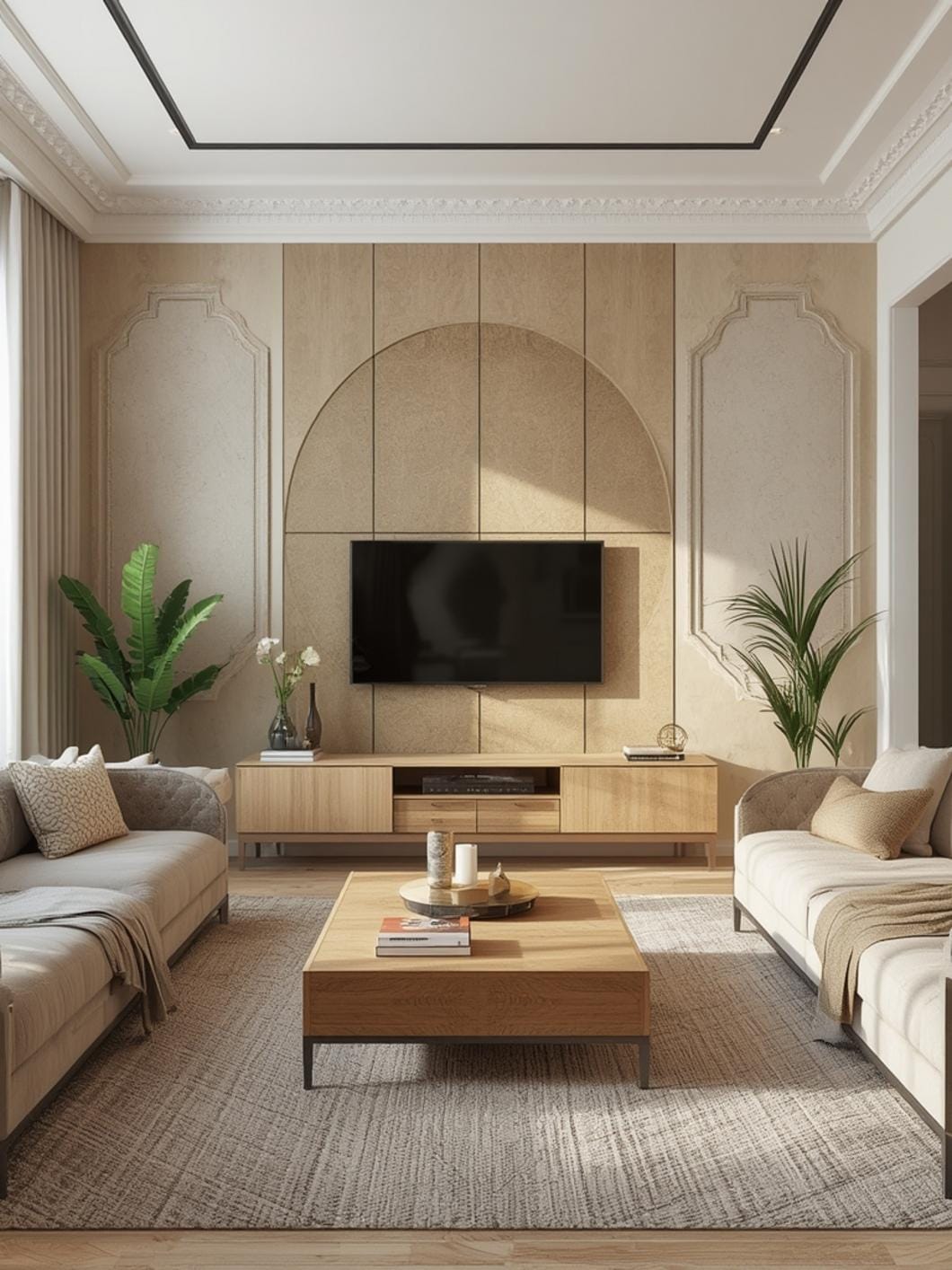
Horizontal shiplap or vertical board-and-batten adds architectural interest that paint alone can’t achieve. You can buy pre-primed boards from your local home improvement store and attach them with construction adhesive and finishing nails.
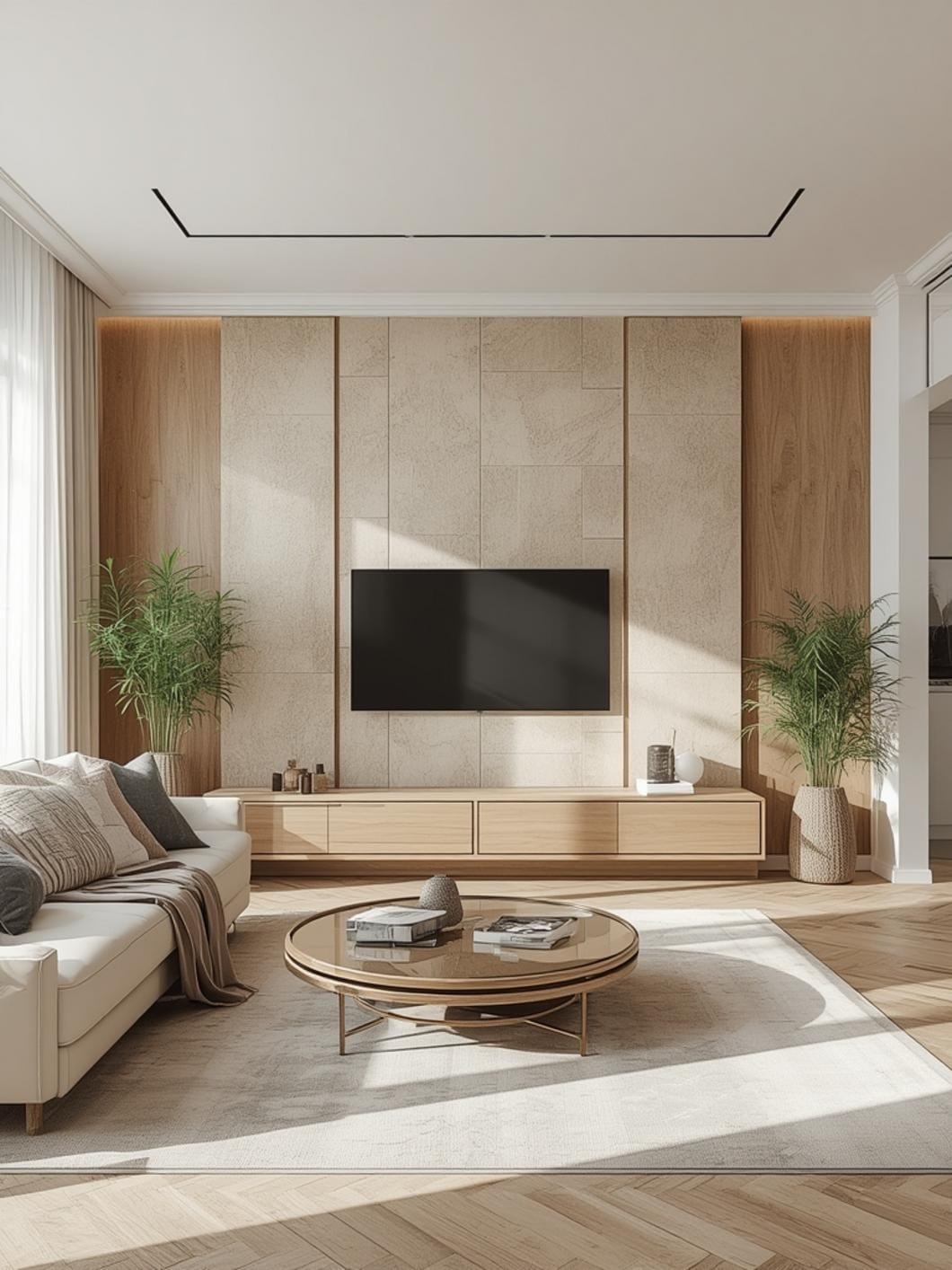
This style works especially well behind media consoles or entertainment centers. The texture adds depth while the horizontal or vertical lines visually expand your space.
The gallery wall feature
Paint one wall a few shades darker than your other walls, then layer it with artwork, photos, and decorative objects. The darker background makes your frames stand out and creates a curated, collected look.
You don’t need matching frames or a perfect grid. The accent color unifies everything and makes even mismatched pieces feel intentional.
The wallpaper wow factor
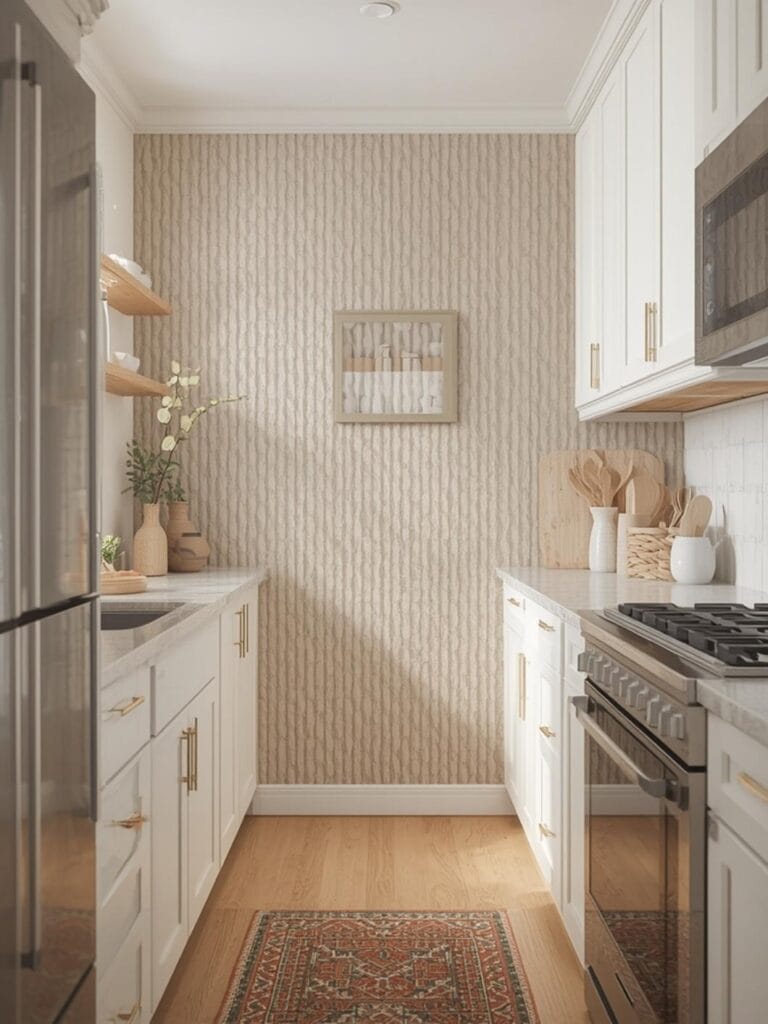
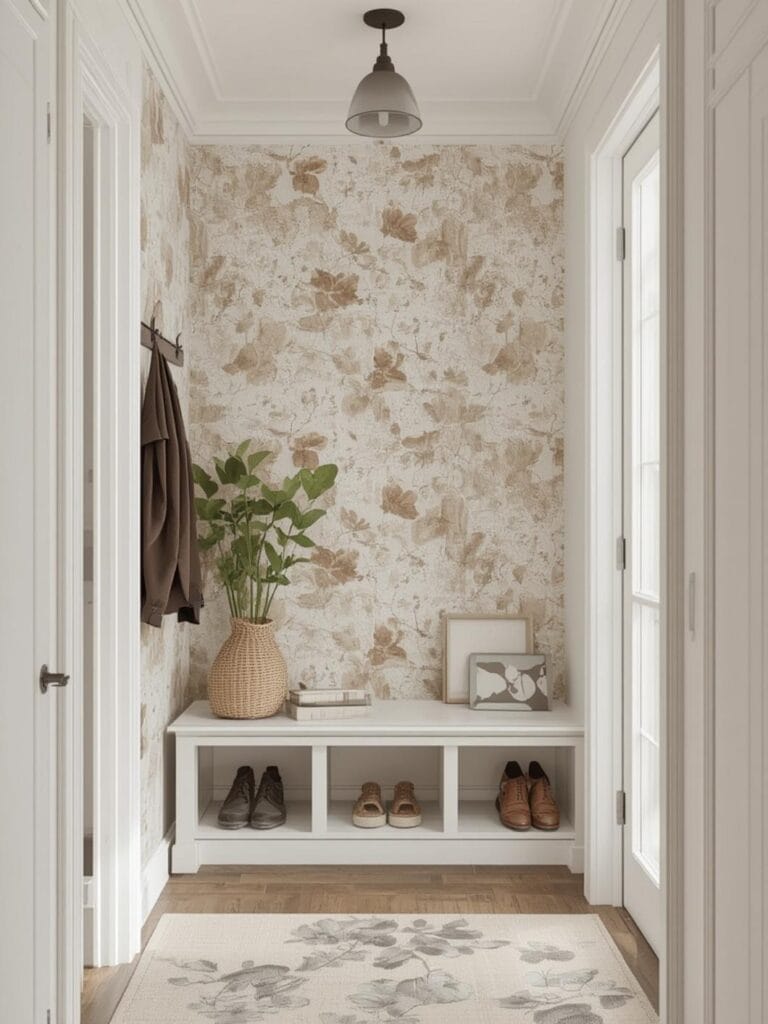
Modern peel-and-stick wallpaper has revolutionized accent walls for homeowners who rent or change their minds often. Choose bold botanicals, geometric patterns, or textured designs that would overwhelm an entire room but look stunning on one wall.
Application is straightforward—measure twice, smooth out bubbles as you go, and trim edges with a sharp blade. Most removable wallpapers come off cleanly when you’re ready for something new.
The two-tone drama
Divide your accent wall horizontally with painter’s tape, creating a darker bottom half and lighter top half. This technique adds visual interest and can make low ceilings appear higher when you place the division point above standard chair rail height.
The color combination matters here. Try pairing a soft cream with a dusty rose, or a warm gray with crisp white for modern appeal.
The architectural detail approach
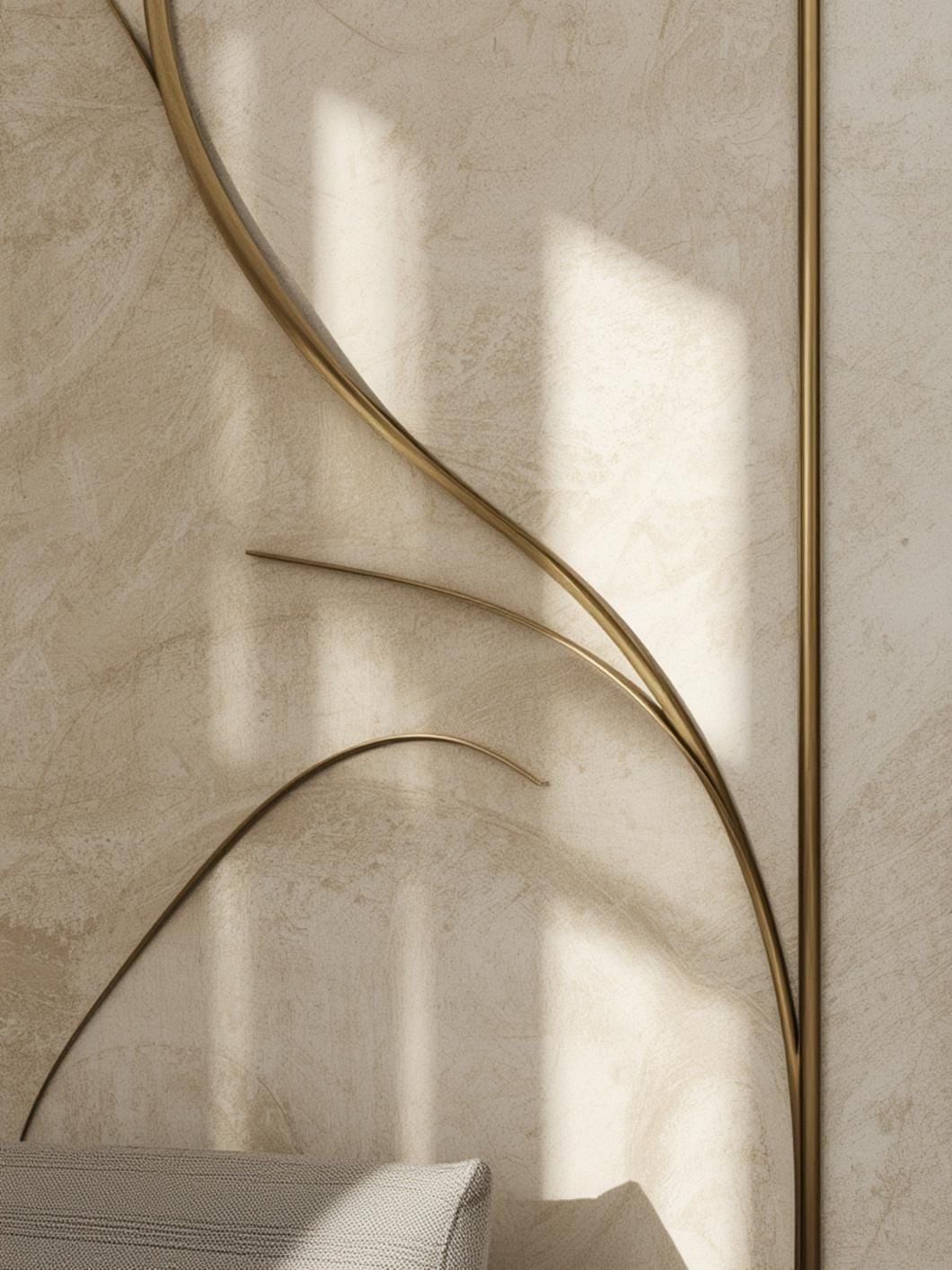
Add picture frame molding or decorative trim to create panels on your accent wall, then paint the entire surface—including the trim—in a single sophisticated color. This brings old-world elegance without the cost of actual paneling.
The raised molding catches light and creates subtle shadows that change throughout the day. It’s particularly stunning in rooms with natural light from multiple directions.
The natural stone or brick reveal
If you’re lucky enough to have brick or stone behind your drywall, consider exposing it as your accent feature. This requires more work than paint but delivers unmatched character and texture.
You’ll need to carefully remove drywall, clean the surface, and seal the brick or stone to prevent dust. The raw, organic texture brings warmth and history into modern spaces.
Benefits That Go Beyond Good Looks
An accent wall changes how you feel in your living room every single day. You’ll notice the difference immediately—your space feels more finished, more intentional, more yours.
The focal point draws the eye exactly where you want it, whether that’s your beautiful sofa, your fireplace, or your entertainment area. Guests always comment on accent walls because they signal that you’ve put thought into your home’s design.
From a practical standpoint, accent walls solve the problem of oddly shaped rooms or awkward architectural features. That strange short wall or off-center fireplace becomes a design asset instead of something you try to hide.
Your paint or wallpaper investment goes further when you’re only covering one wall. You can afford that premium wallpaper or luxury paint finish that would break your budget for an entire room. This makes high-end looks accessible on a realistic budget.
The psychological impact surprises most homeowners. A well-chosen accent wall can make a small room feel larger, a cold room feel warmer, or a boring room feel energized. Color and texture affect your mood more than you realize.
Tips, Alternatives, Styling Advice
Budget-friendly option
Use paint you already have in your garage, or buy mistinted paint from home improvement stores at a steep discount. Apply it with basic brushes and rollers you can wash and reuse. Skip the primer if you’re going from light to light or dark to dark.
Mid-range option
Invest in quality paint from a reputable brand in the exact color you want. Add peel-and-stick wallpaper samples as accent squares within your painted wall for added dimension. Use proper painter’s tape and quality brushes for professional-looking edges.
Premium option
Hire a painter just for the prep work and perfect edges, then finish with high-end wallpaper, specialty paint techniques like color washing or sponging, or real wood planks. Add integrated LED lighting to highlight the texture and create ambiance after dark.
Small space adaptation
In tiny living rooms, paint the shortest wall as your accent to avoid overwhelming the space. Light colors with subtle texture work better than dark, heavy colors. Consider vertical stripes or patterns that draw the eye upward, making ceilings feel higher and the room feel larger.
Common Mistakes to Avoid
Choosing the wrong wall
Many homeowners paint the first wall they see when entering the room, but this isn’t always the best focal point. Choose the wall that naturally draws your eye—usually the one behind major furniture or featuring architectural interest like a fireplace.
Skipping the sample step
That perfect color on the paint chip looks completely different on your wall in your lighting. Buy sample sizes and paint large swatches directly on your wall, then observe them at different times of day before committing to gallons.
Ignoring the fifth wall
Your ceiling is part of the equation too. A dark accent wall with a bright white ceiling creates harsh contrast that can feel jarring. Consider painting your ceiling a softer shade that transitions smoothly.
Going too trendy
That viral TikTok color might feel dated in six months. Choose colors and patterns that reflect your personal style, not just what’s currently popular. Trends fade, but a color you genuinely love stays beautiful.
Forgetting about furniture scale
Your accent wall needs breathing room. If every inch is covered by a massive sectional or floor-to-ceiling shelving, you’re wasting the impact. Leave some visible wall space so the color or texture can shine.
Maintenance and Upkeep Tips
Accent walls need surprisingly little maintenance once they’re complete. Painted walls benefit from occasional dusting with a microfiber cloth or gentle vacuum with a brush attachment. This prevents dust buildup that dulls the color over time.
For washable paint finishes, spot-clean marks with a damp cloth and mild soap. Test your cleaning method in an inconspicuous corner first to make sure it won’t damage the finish or remove paint.
Wallpapered accent walls collect less dust than textured paint but need careful cleaning. Use a barely damp cloth for smooth wallpapers, and avoid moisture entirely on paper-based patterns that might stain. Most peel-and-stick options are wipeable, which makes them perfect for busy households.
Wood or shiplap accent walls benefit from occasional dusting and very rare conditioning if you’ve used natural wood. Painted wood needs nothing beyond what regular painted walls require.
Touch up any chips or marks as soon as you notice them. Keep leftover paint in a sealed container with the wall location written on the lid. Small touch-ups now prevent having to repaint the entire wall later.
Your Living Room Is Ready for Its Close-Up
Your accent wall journey doesn’t have to be complicated or expensive. One weekend, some quality materials, and a clear vision are all you need to create a living room that finally feels complete.
The best part? You’ve done this yourself, which means you can change it whenever you’re ready for something new. That’s the beauty of accent walls—they’re permanent enough to feel substantial but changeable enough to grow with your style.
Start browsing paint swatches and wallpaper samples this week. Your living room is waiting for the transformation only you can give it, and DecorKingdom has everything you need to make it happen with confidence.
FAQs
What is the best wall to use as an accent wall in a living room?
The wall behind your main seating area or the one featuring your fireplace typically makes the best accent wall. Choose the wall that naturally draws attention when you enter the room, not necessarily the largest wall. This creates a focal point that enhances your furniture arrangement rather than competing with it.
Can I use dark colors on an accent wall in a small living room?
Yes, dark accent walls can actually make small living rooms feel more intimate and sophisticated rather than cramped. The key is choosing the shortest wall in the room and keeping your other walls and ceiling light. This creates depth without closing in the space, especially when paired with adequate lighting.
How do I choose between paint and wallpaper for my accent wall?
Paint works best if you want solid colors, are working with textured walls, or have a tight budget. Wallpaper delivers patterns and textures that paint can’t match and works beautifully on smooth walls. Consider peel-and-stick wallpaper if you rent or like changing your decor frequently, as it removes cleanly without damage.
Should my accent wall color match anything else in the room?
Your accent wall should complement rather than exactly match your existing decor. Pull a color from your artwork, throw pillows, or rug—but go several shades darker or lighter than those accessories. This creates a cohesive look without being too matchy-matchy, which can feel dated.
How long does it take to paint an accent wall by yourself?
Most DIY accent walls take 6-8 hours total, including prep work, two coats of paint, and cleanup. You’ll need to factor in drying time between coats, which is typically 2-4 hours depending on your paint and room ventilation. Plan for a full weekend day to complete the project without rushing.
—
Meta Title: 7 Living Room Accent Wall Ideas That Wow (2026 Guide)
Meta Description: Transform your living room with stunning accent wall ideas. Get paint tips, texture options, and DIY steps for walls that impress without a designer.