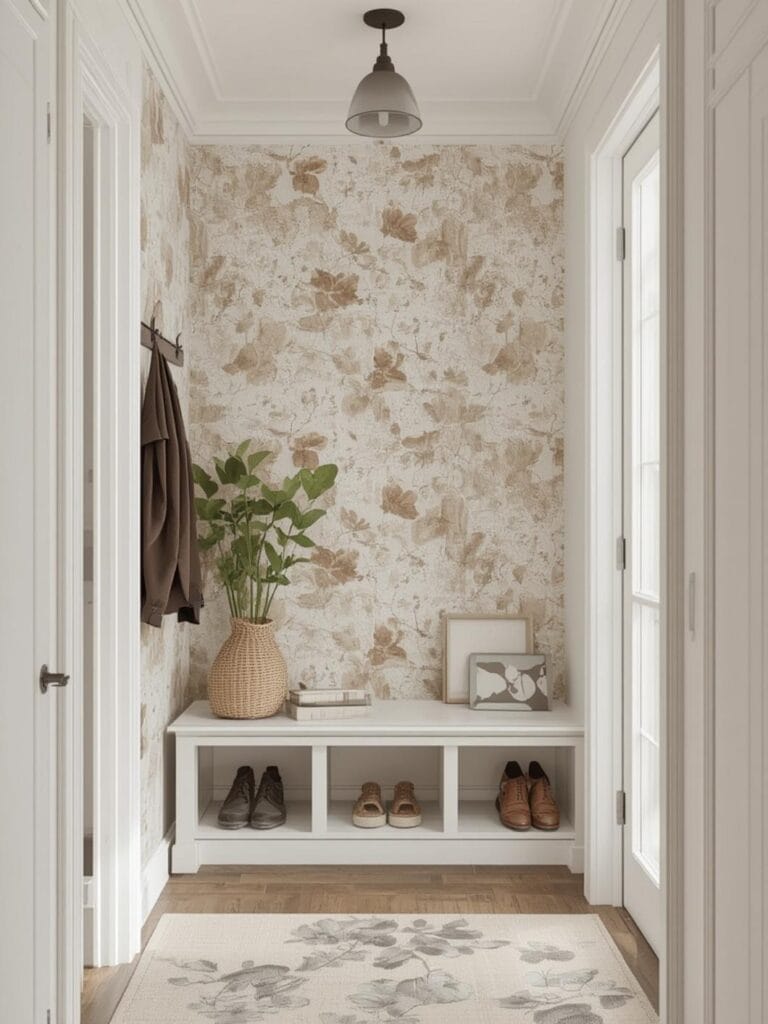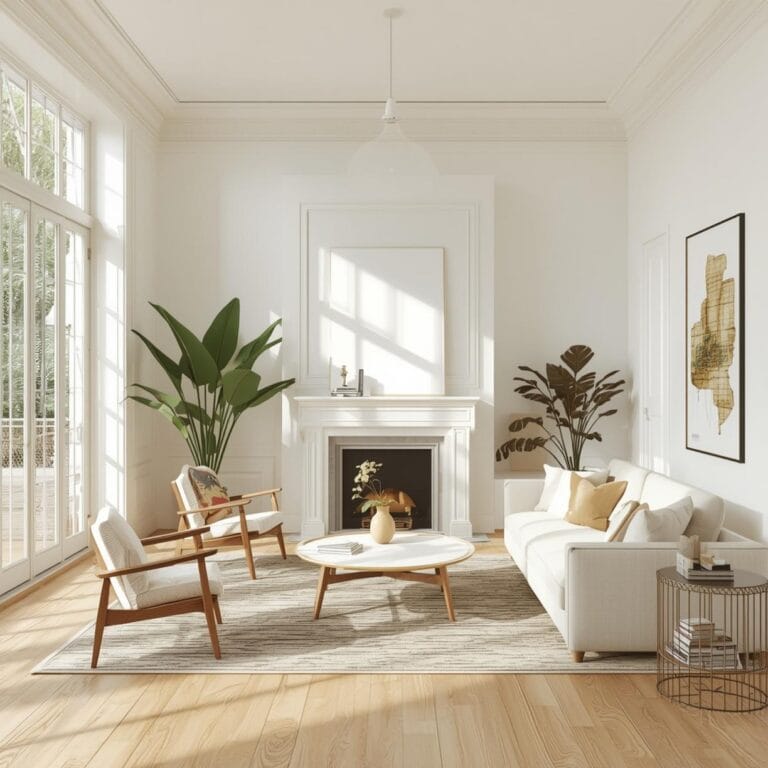
How to Choose Pacific Home Decor Flooring
You walk into a beachside café and instantly feel that sense of calm. The weathered wood floors, the soft sandy tones, the easy-going vibe that makes you want to kick off your shoes and stay awhile. Now imagine bringing that feeling into your own living room.
Pacific home decor flooring captures that breezy coastal aesthetic without requiring you to live near an ocean. It’s about creating a space that feels relaxed, light, and effortlessly beautiful. Whether you’re starting fresh or refreshing tired floors, the right choice can completely change how your home feels every single day.
The best part? You don’t need to be a design expert to get it right. With the right guidance, you can select flooring that looks stunning and stands up to real life.
Table of Contents
What You’ll Need to Get the Look
Creating an authentic coastal floor design starts with understanding what makes this style work. Think natural textures, soft color palettes, and materials that feel organic rather than overly polished.
Color Palette Essentials:
– Driftwood gray tones that mimic weathered beach wood
– Warm sandy beiges and taupes
– Whitewashed or bleached oak finishes
– Soft blue-gray undertones for subtle coastal hints
Material Options:
– Wide-plank laminate with distressed textures
– Water-resistant vinyl planks in coastal colorways
– Engineered wood with wire-brushed finishes
– Luxury vinyl tile (LVT) with realistic wood grain patterns
Complementary Decor Elements:
– Natural fiber area rugs in jute or sisal
– Light-colored furniture with simple lines
– Rattan or wicker accent pieces
– Sheer white curtains that let natural light flow
– Decorative elements in sea glass colors
The key is selecting flooring that doesn’t try too hard. Pacific coastal style celebrates imperfection and natural variation, so look for planks with color differences and subtle texture rather than uniform, perfect boards.
Finding Your Style and Season
Coastal flooring works beautifully year-round, but certain times make more sense for installation and styling changes.
Best Times to Install:
Spring and fall offer ideal conditions for flooring installation. The moderate humidity levels help materials acclimate properly, and you won’t be dealing with extreme temperature swings that can affect adhesives or locking systems.
Summer installations work well too, especially if you’re preparing your home for holiday gatherings later in the year. Just ensure proper climate control during the installation process.
Seasonal Styling Shifts:
Your coastal floors provide the perfect foundation for subtle seasonal changes. In warmer months, keep the look crisp and minimal with whites and light blues. As fall arrives, layer in warmer textiles and deeper taupes while maintaining that breezy foundation.
Winter becomes cozy-coastal by adding plush throw rugs and soft textures that contrast beautifully with your cool-toned floors. The flooring itself remains constant while your accessories do the seasonal work.
Budget Considerations:
Expect to invest $3–$8 per square foot for quality laminate or vinyl that truly captures the coastal aesthetic. Premium engineered wood options range from $8–$15 per square foot. Remember that coastal style depends more on the right color and texture than expensive materials, so don’t feel pressured to choose the highest price point.
7 Ideas to Try in Your Home
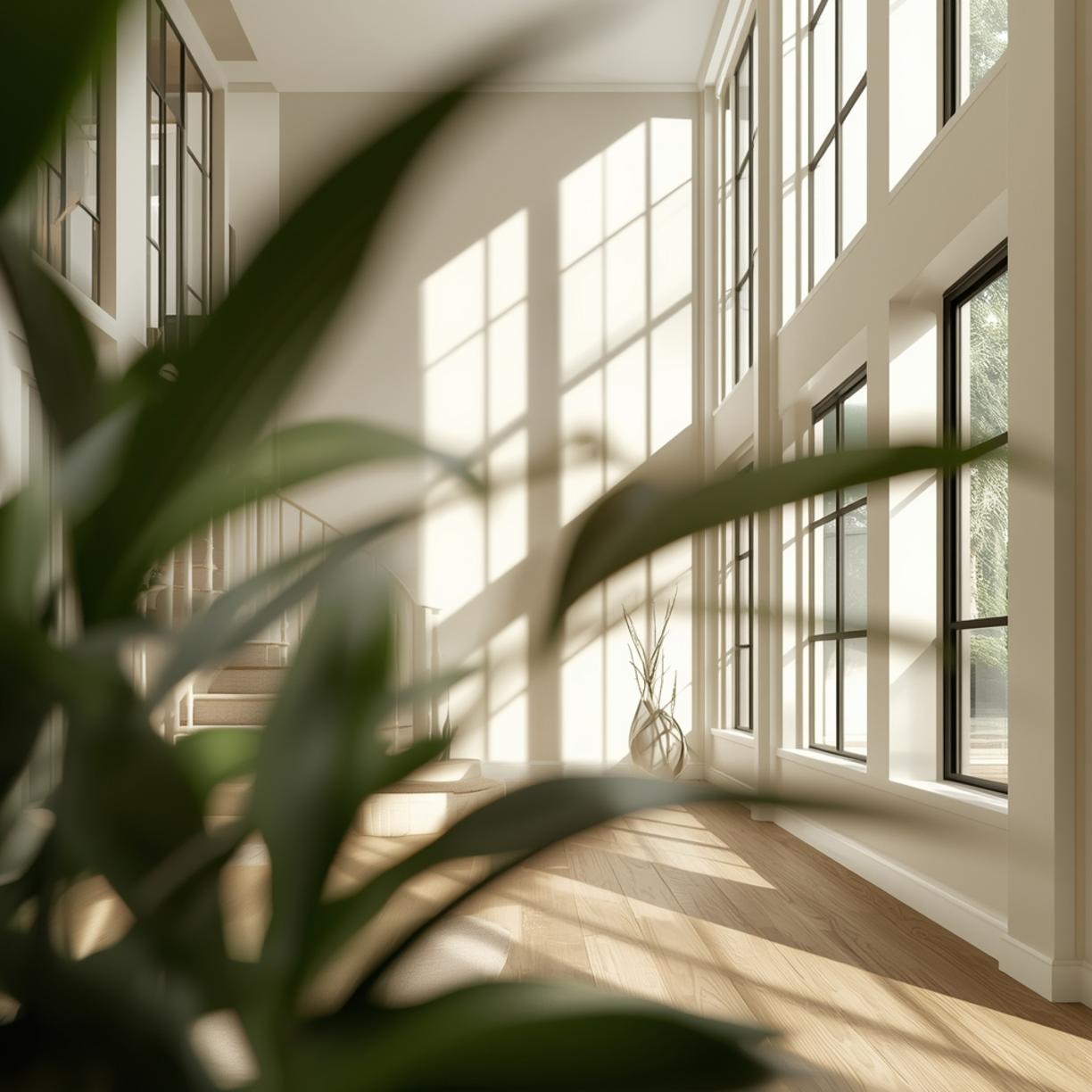
1. The Classic Whitewashed Plank
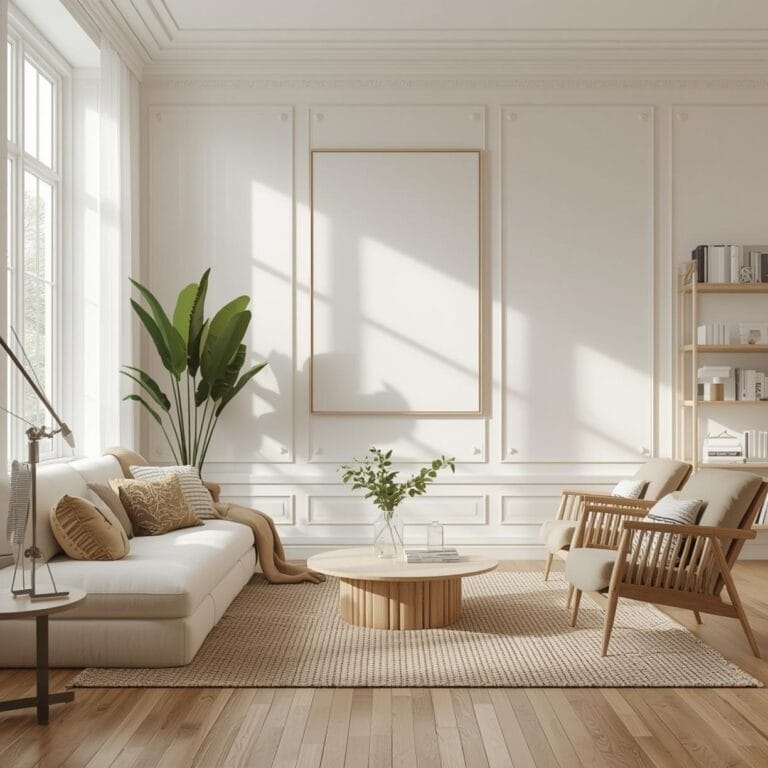
Install wide-plank laminate in a whitewashed oak finish throughout your main living areas. This creates the foundation for the ultimate coastal look. The light, airy appearance makes rooms feel larger and reflects natural light beautifully. Pair it with white or cream furniture for a cohesive, serene space.
2. Weathered Driftwood in Open Concept Spaces
Choose gray-toned laminate with heavy distressing and color variation. This works especially well in open floor plans where you want visual interest without breaking up the space with different flooring types. The weathered appearance hides minor scratches and daily wear exceptionally well.
3. Herringbone Pattern for Elegant Coastal
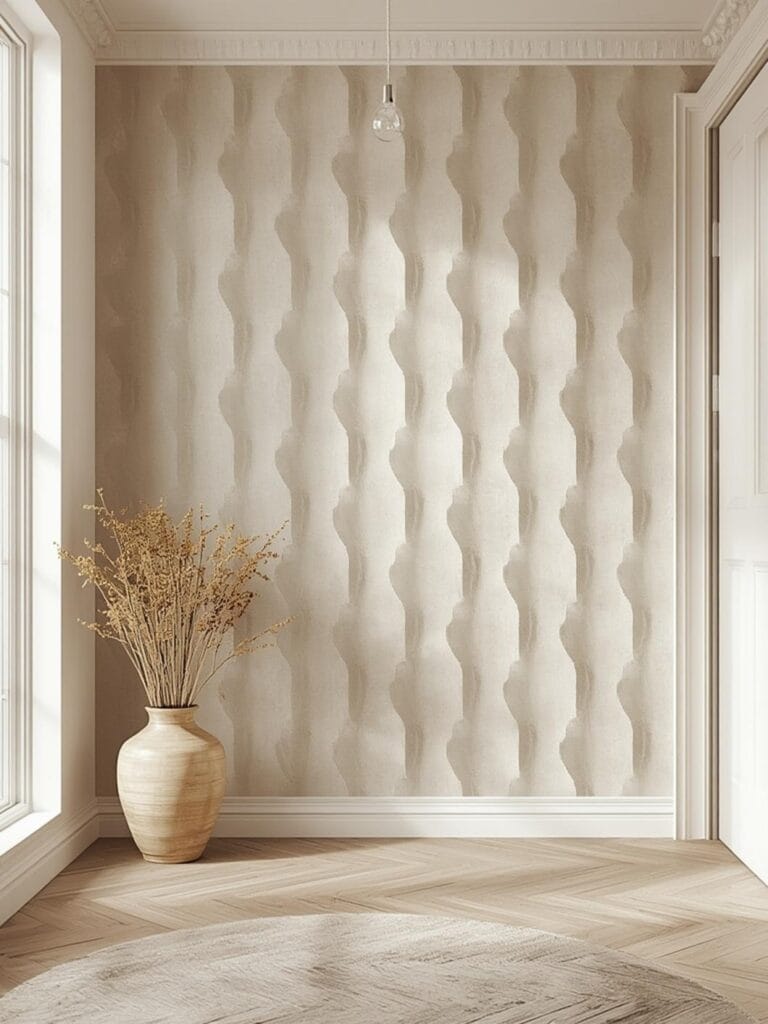
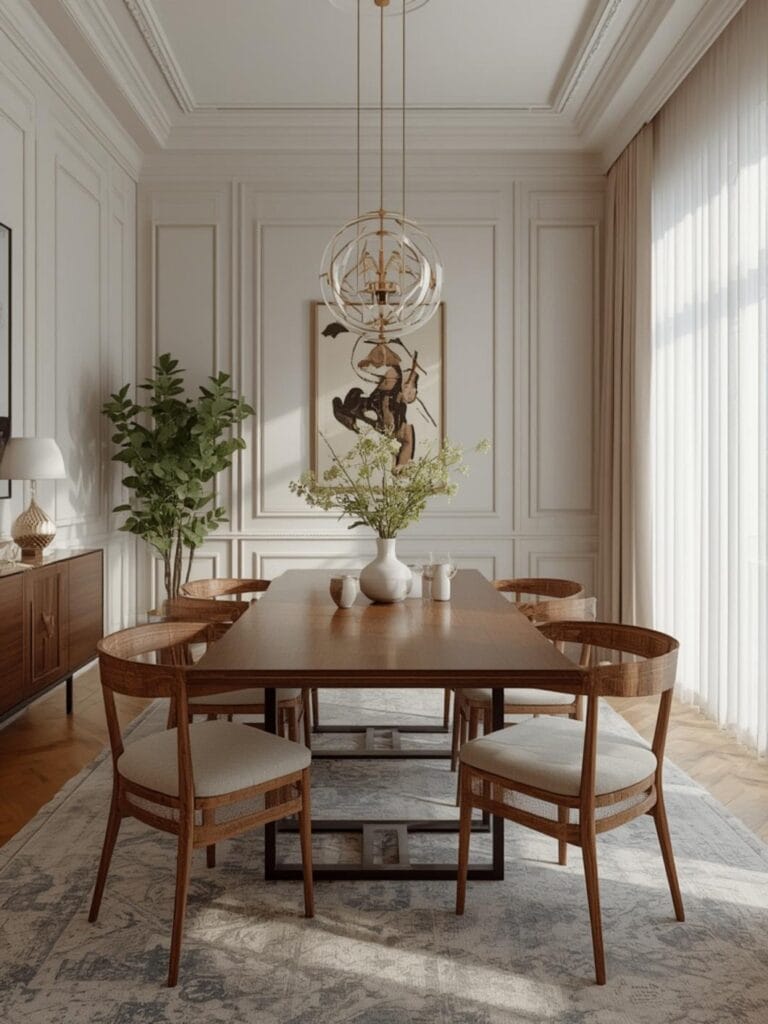
Take standard coastal-colored planks and install them in a herringbone pattern in your entryway or dining area. This adds architectural interest while maintaining the relaxed coastal vibe. It’s a simple way to elevate the look without changing your color palette.
4. Mixed-Width Planks for Authentic Character
Instead of uniform plank sizes, install a mix of 5-inch, 7-inch, and 9-inch planks in complementary coastal tones. This mimics the randomness of real reclaimed wood and adds visual texture that feels collected over time rather than installed all at once.
5. Pale Blue-Gray for Unexpected Coastal Charm
Move beyond standard wood tones and try laminate with subtle blue-gray undertones. This works beautifully in bedrooms or bathrooms where you want that ocean-inspired feeling to be more pronounced. Keep walls neutral to let the flooring make the statement.
6. Light and Dark Contrast Approach
Install pale driftwood-toned flooring and intentionally place it against darker coastal-inspired trim or accent walls in deep navy. The contrast amplifies both elements and creates a more sophisticated take on beach house style.
Knowing how to maintain coastal style laminate flooring ensures your beautiful new floors stay gorgeous for years. Daily sweeping or dust mopping removes the sand and grit that can dull the finish. Weekly damp mopping with a laminate-specific cleaner keeps the surface fresh without excess moisture. Place mats at entryways to catch debris before it reaches your floors, and use felt pads under furniture legs to prevent scratches.
7. Continuous Flow with Strategic Transitions
Run the same coastal flooring throughout multiple rooms, using thin transition strips only where absolutely necessary. This creates a seamless, open feeling that’s quintessentially coastal. Your eye travels freely through the space rather than stopping at threshold changes.
Benefits Beyond Beauty
The emotional impact of coastal flooring goes deeper than aesthetics. Walking into a home with these soft, natural tones immediately reduces stress. There’s a psychological connection between natural wood tones and feelings of calm that researchers have documented.
Your daily routines become more pleasant. Morning coffee feels different when you’re standing barefoot on floors that remind you of beach vacations. Evening wind-down time is more relaxing in a space that doesn’t visually compete for your attention.
Practical Lifestyle Advantages:
Modern coastal-style laminates and vinyl planks offer waterproof or water-resistant properties that real hardwood can’t match. Spills from kids, pets, or entertaining won’t cause the panic they might with traditional wood floors.
The light colors hide dust better than dark floors, meaning you’ll spend less time obsessing over every speck. Scratches blend into the distressed texture rather than standing out as damage.
These floors work with your life as it changes too. Coastal style bridges traditional and modern, meaning it won’t look dated in five years. It complements both minimalist and maximalist decorating approaches, giving you flexibility as your taste evolves.
Budget-Friendly to Premium Options
Budget-Friendly Choice:
Quality laminate in coastal tones from major home improvement stores ranges from $2–$4 per square foot. Brands like TrafficMaster and Style Selections offer convincing whitewashed and gray options. For a 200-square-foot room, expect material costs around $400–$800. These options look great from standing height and handle normal traffic beautifully.
Mid-Range Option:
Premium laminate or luxury vinyl plank (LVP) with enhanced texture and deeper embossing runs $5–$8 per square foot. Brands like Pergo Outlast or LifeProof offer superior water resistance and longer warranties. The texture feels more authentic underfoot, and the visual realism improves significantly. Budget $1,000–$1,600 for that same 200-square-foot space.
Premium Option:
Engineered hardwood in coastal-inspired finishes offers the most authentic look and feel. Expect $8–$15 per square foot for quality products from specialty flooring retailers. The real wood top layer provides warmth and character that synthetic options can’t quite match. Your 200-square-foot room would cost $1,600–$3,000 in materials.
Small Space Adaptation:
In smaller rooms like bathrooms or powder rooms, splurge on premium materials since you need less square footage. A small bathroom might only require 50 square feet, making premium options surprisingly affordable. The higher-quality appearance makes a bigger impact in intimate spaces where people notice details.
Common Mistakes to Avoid
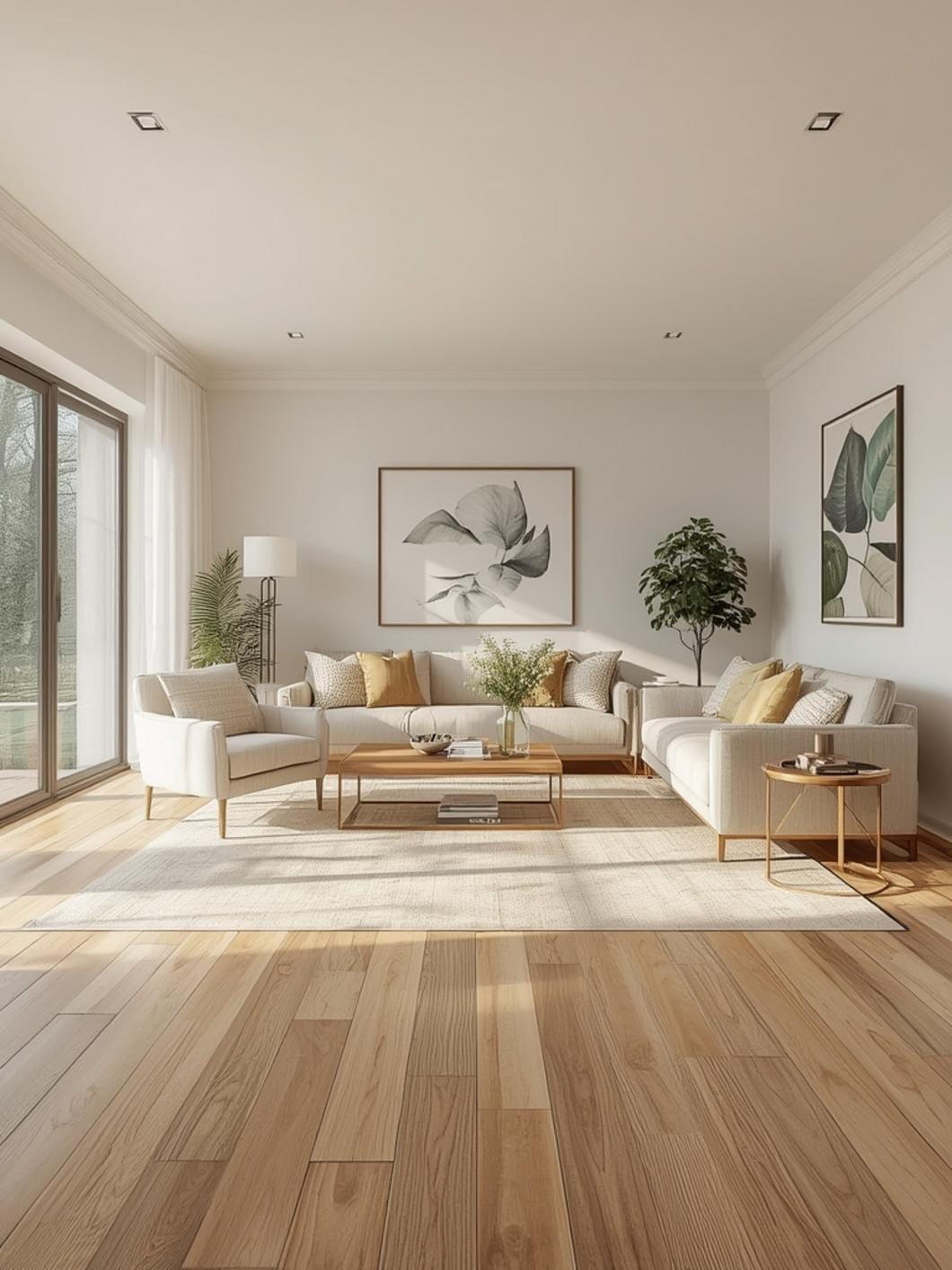
Choosing Too Dark or Too Orange:
Many people select what they think is “coastal” but end up with honey oak or medium brown tones that feel dated and landlord-special. Stick to gray-toned, whitewashed, or very pale natural finishes that actually reflect coastal aesthetics.
Skipping Acclimation Time:
Laminate and vinyl need 48 hours in your home before installation to adjust to your specific temperature and humidity. Rushing this step causes gaps or buckling later. Simply stack the unopened boxes in the installation room for two days before starting.
Ignoring Texture and Sheen:
Super shiny, smooth laminate reads as cheap regardless of color. Coastal style needs matte or satin finishes with visible texture and grain. When comparing samples, run your hand across the surface—you should feel variation, not glass-smooth uniformity.
Mismatching Undertones:
Your coastal gray flooring might have blue undertones while your walls have beige undertones, creating a disjointed look. Hold samples next to your existing wall colors in natural light to ensure they harmonize rather than clash.
Using Wrong Installation Method:
Floating floors need expansion gaps around all edges, which some DIYers skip to avoid dealing with trim. Those gaps prevent buckling and are non-negotiable. Plan to install or reinstall baseboards to cover the gaps properly.
Maintenance That Keeps the Beauty
Daily maintenance takes less than five minutes. Sweep or use a microfiber dust mop to remove surface dirt and debris. This simple habit prevents the grit from acting like sandpaper under foot traffic.
Weekly damp mopping requires only water and a manufacturer-approved cleaner. Spray the cleaner on your mop rather than directly on floors to avoid excess moisture. Work in small sections and the floor dries within minutes.
Dealing with Spills:
Wipe up liquid spills immediately with a dry cloth. For sticky messes, use a damp cloth with a drop of dish soap, then dry the area thoroughly. Even water-resistant flooring shouldn’t sit in standing water for extended periods.
Seasonal Deep Cleaning:
Every few months, go over high-traffic areas with a slightly damp microfiber mop and laminate cleaner. Move furniture occasionally to clean underneath and check for any issues developing. This prevents buildup in one spot while other areas stay pristine.
Preventing Damage:
Window treatments aren’t just decorative—they protect your floors from UV fading. Coastal tones can shift or yellow with direct sun exposure over time. Use furniture pads religiously, especially on pieces you move frequently like dining chairs.
Creating Your Coastal Haven
Your floors set the emotional tone for your entire home. Pacific coastal style brings that vacation feeling into your everyday life without requiring major renovation or design expertise.
Start by choosing the right shade—err on the side of too light rather than too dark. Consider your maintenance preferences and budget to select the right material. Then trust the process and live with your beautiful new floors.
Ready to explore more ways to bring coastal calm into your home? DecorKingdom has dozens of articles helping you create the relaxed, beautiful space you deserve.
Frequently Asked Questions
Does coastal style flooring work in homes that aren’t near the beach?
Absolutely. Coastal style is more about creating a feeling of relaxation and lightness than literal beach proximity. The soft colors, natural textures, and breezy aesthetic work beautifully in any location, from city apartments to suburban homes. Think of it as bringing vacation vibes home rather than trying to match your geographic location.
What’s the difference between gray and whitewashed coastal flooring?
Gray coastal floors lean cooler and more contemporary, often with blue or silver undertones. Whitewashed floors start with a natural wood base that’s lightened with white stain or paint effects, showing more of the natural grain. Gray feels more modern and sleek, while whitewashed reads as softer and more traditional-coastal. Both work—it depends on your overall home style.
Can I install coastal laminate flooring myself or do I need professionals?
Most modern laminate and vinyl plank flooring features click-lock installation that confident DIYers can handle. You’ll need basic tools like a saw, spacers, and measuring tape. The biggest challenge is working around doorframes and getting clean cuts. If you’re comfortable with basic home improvement projects, you can likely tackle it. Complex layouts or very large spaces might benefit from professional help.
How do I keep my coastal floors from looking washed out or too cold?
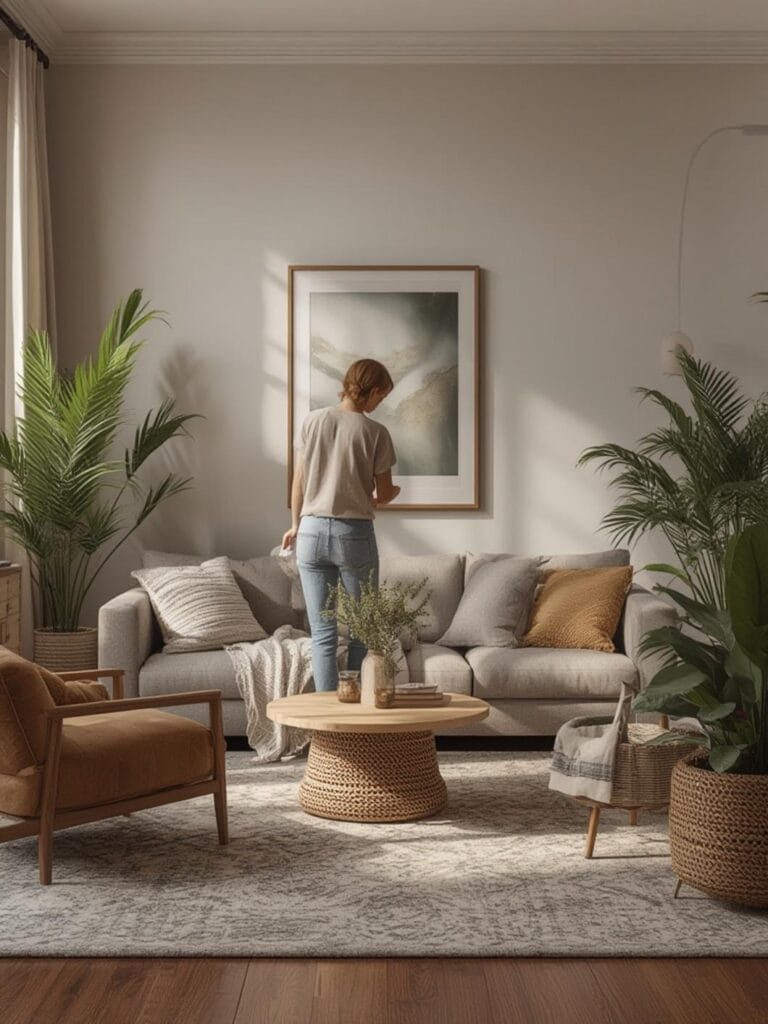
Balance is everything. Layer in warm textiles like jute rugs, linen curtains, and natural wood furniture to add warmth. Include plants for life and color. Use warm white or soft white light bulbs rather than cool daylight bulbs. Add texture through baskets, throws, and pillows in warm neutrals. The cool-toned floor becomes a canvas rather than a cold statement.
Will light coastal floors show every scratch and mark?
Surprisingly, no. Light floors with distressed textures and color variation actually hide minor scratches better than dark, uniform floors where every mark shows as a light line. The key is choosing floors with visible grain, texture, and subtle color changes rather than solid, flat finishes. Those natural variations camouflage the normal wear of daily life beautifully.
—
Meta Title: Pacific Home Decor Flooring Guide 2026 – Style & Care Tips
Meta Description: Create your dream coastal home with pacific home decor flooring. Get style ideas, maintenance tips, and budget options that bring beach vibes indoors.