7 TV Accent Wall Ideas That Make Your TV Feel Built-In
Your TV sits flat against the wall, but something feels off. The space around it looks bare, unfinished, like it’s waiting for something more. You’ve tried hanging a few frames or adding a shelf, but nothing quite pulls the room together the way you imagined.
You’re not alone in wanting a TV wall that feels intentional and beautiful. Accent TV wall ideas transform that awkward blank wall into a focal point that balances function with style. Whether you love bold textures, subtle elegance, or something playfully creative, your TV wall can become the anchor of your entire living space.
This guide walks you through everything you need to create a TV wall that works for your home and your lifestyle.
Table of Contents
What You’ll Need to Get the Look
Creating a standout TV wall doesn’t require a complete renovation. Most projects use materials you can install yourself or hire a handyman to help with for a day.
Here’s what you’ll typically work with:
– Wood planks or shiplap panels for textured accent walls
– Peel-and-stick wallpaper in bold patterns or neutral tones
– Stone veneer panels or faux brick for a rustic or industrial vibe
– Floating shelves in wood, metal, or glass
– LED strip lighting for backlighting effects
– Decorative molding or trim to frame the TV area
– Paint in accent colors that complement your furniture
– Cable management boxes or raceways to hide cords
– Artwork, plants, or sculptural objects for styling the shelves
– Acoustic foam panels or fabric-wrapped boards for sound control
You don’t need every item on this list. Choose materials that fit your style and budget, and build from there.
Finding Your Style and Season
The best time to tackle your TV wall is when you’re ready to refresh your space or moving into a new home. Many homeowners start these projects in early spring or fall when the weather’s comfortable and you’re spending more time indoors thinking about your space.
Consider your room’s natural light before choosing colors and textures. A dark wood accent wall looks dramatic in a bright room with large windows but can feel heavy in a basement or north-facing space. Light-colored materials work well in smaller rooms or areas with limited daylight.
Think about how you use the room too. If your living room doubles as a home theater, you’ll want darker tones and possibly sound-absorbing materials. If it’s a bright, social space where you entertain, lighter textures and open shelving might feel more inviting.
Budget anywhere from $200 for a simple DIY project using paint and floating shelves to $2,000+ for custom millwork or stone installations. Most homeowners land somewhere in the middle with peel-and-stick solutions and ready-made materials.
7 Ideas to Try in Your Home
1. The Textured Wood Plank Wall
Horizontal or vertical wood planks add warmth and dimension behind your TV. Choose reclaimed barn wood for rustic charm or smooth white-washed planks for a coastal feel. The wood naturally absorbs some sound, making your space feel cozier and less echoey during movie nights.
2. Bold Wallpaper Statement
Peel-and-stick wallpaper in geometric patterns, marble prints, or botanical designs creates instant drama. Frame just the TV wall rather than the entire room to keep it from overwhelming the space. Removable wallpaper is perfect for renters or anyone who likes to change styles frequently.
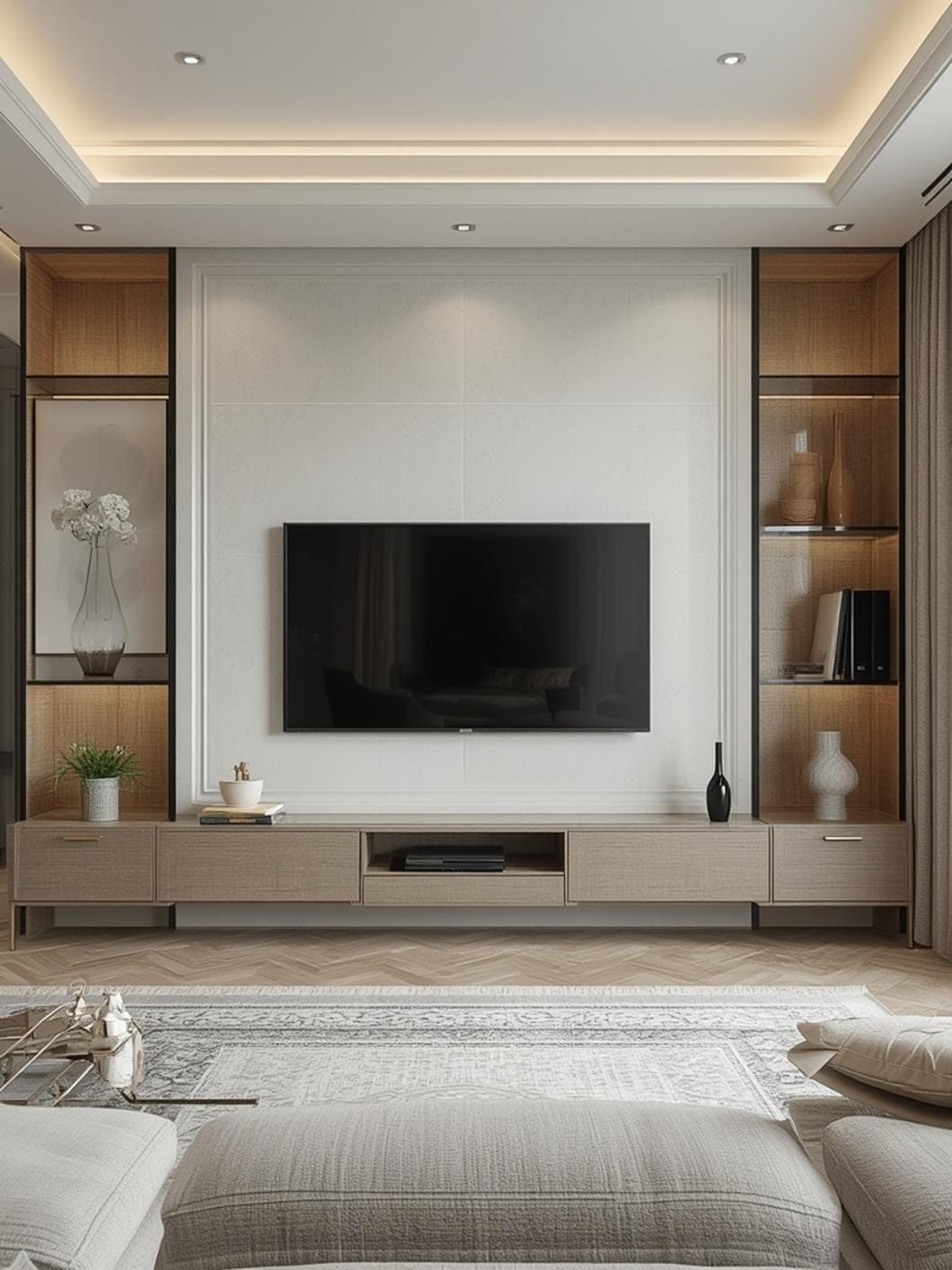
3. Built-In Shelf Gallery
Floating shelves on both sides of your TV create a balanced, curated look. Mix books, plants, family photos, and decorative objects in varying heights. Paint the back wall a deep color like navy or charcoal to make the items pop.
4. Stone or Brick Accent
Faux stone veneer panels or exposed brick (real or faux) bring architectural interest to modern spaces. This works especially well in rooms with contemporary furniture and clean lines. The texture adds visual weight that grounds the TV without competing with it.
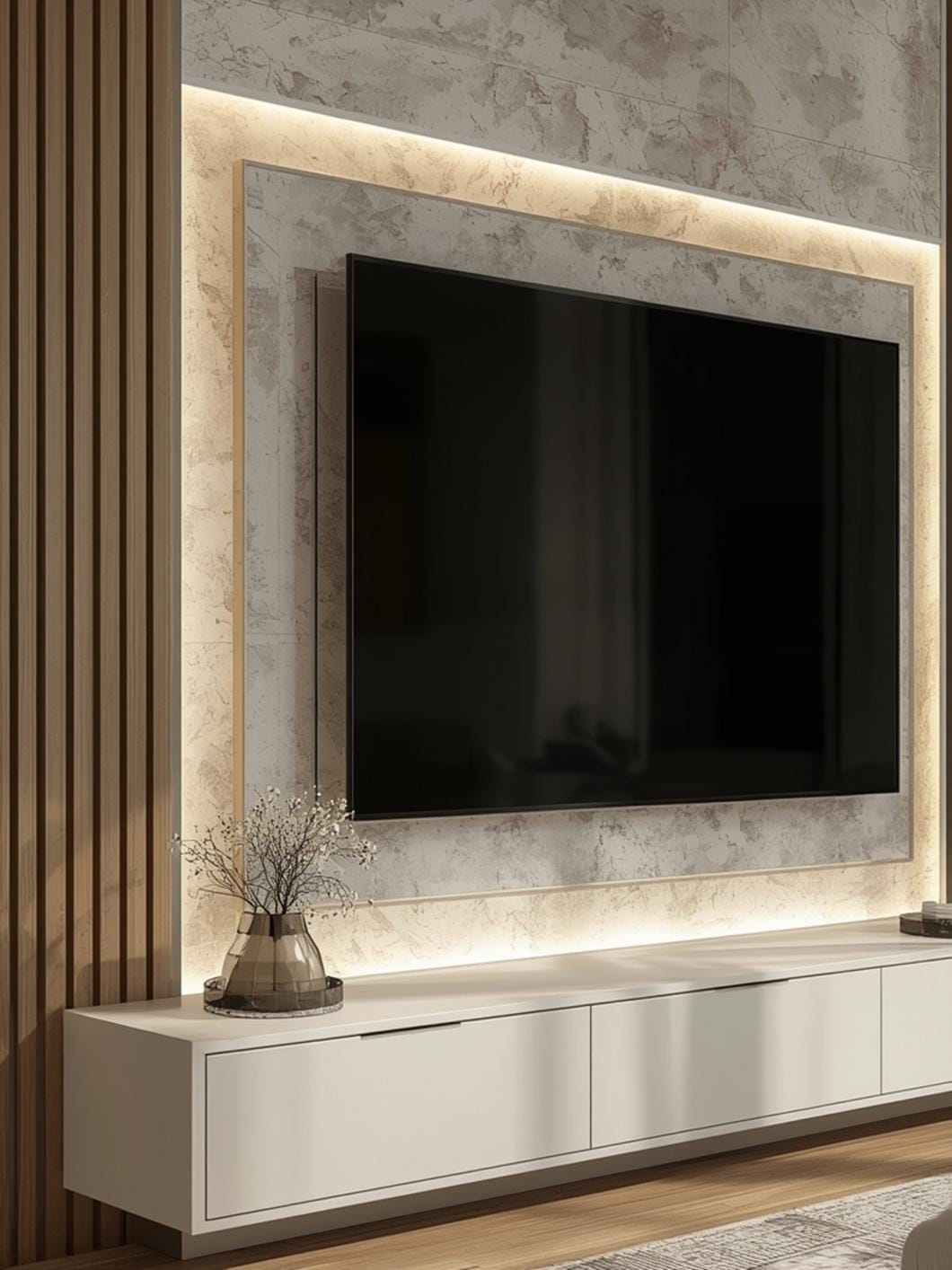
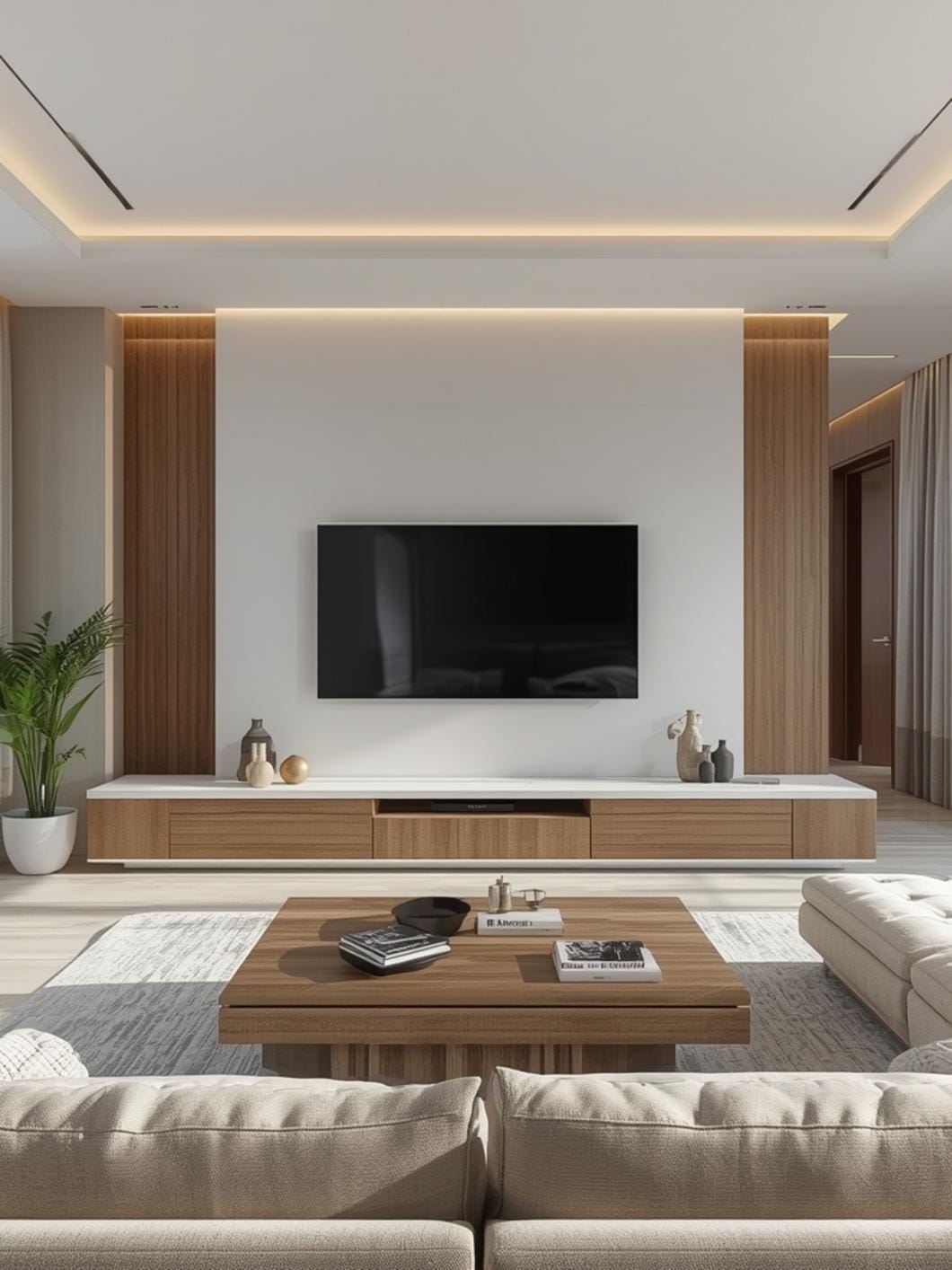
5. The Backlit Panel Effect
Mount your TV on a slightly recessed panel with LED strip lighting around the edges. The soft glow reduces eye strain during evening viewing and creates a floating effect. Choose warm white LEDs for a cozy feel or color-changing strips for versatility.
6. Millwork and Molding Frame
Add decorative molding around your TV to create a “frame” effect. This traditional approach works beautifully in homes with classic or transitional style. Paint the molding and wall in complementary shades or use a monochromatic scheme for subtle sophistication.
7. Sound-Absorbing Fabric Panels
TV wall soundproofing solutions don’t have to look clinical. Fabric-wrapped acoustic panels in custom colors become functional art pieces. Arrange them in a grid pattern around your TV or create an asymmetrical design. These panels dramatically improve audio quality by reducing echo and absorbing sound waves that bounce off hard surfaces.
Each of these approaches can be adapted to your room size, existing decor, and personal taste. Mix elements from different ideas to create something uniquely yours.
Benefits Beyond Just Looking Good
An intentionally designed TV wall does more than please your eyes. It actually changes how you experience your living room every day.
A well-planned accent wall makes your TV feel integrated rather than awkward. Instead of a black rectangle stuck on a white wall, it becomes part of a cohesive design story. Your guests won’t focus on the TV itself but on the overall ambiance you’ve created.
The right materials and layout improve your viewing experience too. Darker walls reduce glare from windows. Textured surfaces help manage sound, making dialogue clearer and reducing that hollow echo in open-plan spaces. When you add intentional lighting, you can watch comfortably at any time of day without harsh overhead lights.
Storage solutions built into your TV wall keep remotes, gaming controllers, and streaming devices organized but accessible. This reduces daily clutter and makes your living room feel calmer and more put-together.
Perhaps most importantly, a beautiful TV wall makes you enjoy your home more. You’ll actually want to spend time in that room, whether you’re watching something or just relaxing nearby.
Tips, Alternatives, and Styling Advice
Budget-Friendly Option
Paint an accent wall in a rich color and add two simple floating shelves from a home improvement store. Style them with books and a few plants. This entire project costs under $150 and takes a weekend.
Mid-Range Option
Install peel-and-stick wood plank wallpaper behind your TV and add LED strip lighting around the perimeter. Include a low media console with closed storage below. Budget around $400-$600 for materials.
Premium Option
Hire a carpenter to build custom floor-to-ceiling cabinetry with a recessed TV niche. Add integrated lighting, closed storage below, and open shelving. This investment typically runs $1,500-$3,000 depending on your area and materials.
Small Space Adaptation
In tight spaces, skip the shelving on both sides and create a vertical accent panel that extends just slightly wider than your TV. This draws the eye up rather than out, making the room feel taller without crowding the space. Use lighter colors to keep the room from feeling closed in.
Consider your room’s style when choosing materials. Smooth painted surfaces suit modern minimalist homes, while natural wood and stone work better in spaces with organic, earthy vibes.
Common Mistakes to Avoid
Mounting the TV too high: Many homeowners mount their TV at standing eye level, but you watch from the couch. The center of your screen should be at eye level when you’re seated.
Ignoring cable management: Beautiful design falls apart when cords dangle everywhere. Use cable raceways, in-wall routing, or a media console that hides wires before you finish the rest of your project.
Forgetting about outlets and connections: Make sure you have accessible power outlets and cable connections where you need them. Planning these locations before you install your accent wall saves frustration later.
Overstyling the shelves: Too many objects create visual clutter that fights with your TV for attention. Leave plenty of negative space and group items in odd numbers for a more balanced look.
Choosing trendy over timeless: That ultra-bright wallpaper might look amazing now but could feel dated in two years. Stick with classic textures and neutral bases, then add personality through easily changeable accessories.
Keeping Your TV Wall Looking Fresh
Most TV wall designs require minimal upkeep once they’re installed. Dust floating shelves and decorative objects monthly with a microfiber cloth to prevent buildup.
If you’ve used wood planks, a light dusting every few weeks keeps them looking clean. Occasionally wipe them with a slightly damp cloth if they’re sealed or painted. Avoid harsh cleaners that can damage finishes.
Stone or brick veneer needs even less attention. A soft brush removes dust from textured surfaces without damaging them.
Fabric-wrapped acoustic panels can be vacuumed gently with an upholstery attachment every month or two. If you notice significant dust or pet hair accumulation, spot-clean with a slightly damp cloth.
LED strip lights last years without replacement, but check connections periodically to ensure they’re secure and functioning properly.
Refresh your shelf styling seasonally by rotating out accessories, updating plants, or swapping artwork. This keeps your TV wall feeling current without requiring major changes.
Creating Your Perfect TV Wall
Your TV wall should reflect how you actually live, not just follow the latest trends. Think about what you need from the space—storage, better sound, softer lighting, or simply something that makes you smile when you walk in the room.
Start with one element that excites you most, whether that’s a bold paint color, interesting texture, or clever storage solution. Build from there, adding pieces that support your vision without overwhelming it.
Ready to explore more ways to make your living spaces work harder and look better? Browse more inspiration and practical advice right here on DecorKingdom, where beautiful, functional homes begin.
FAQs
How far should my TV stick out from an accent wall?
Your TV should sit 2-4 inches from the wall when mounted on a standard bracket. This allows airflow behind the screen and gives you access to ports and cables. If you want a perfectly flush look, consider a recessed niche that hides the TV’s depth, though this requires more extensive wall modification.
Can I do an accent TV wall in a rental apartment?
Absolutely! Use removable peel-and-stick wallpaper, tension-mounted floating shelves, or freestanding furniture pieces that don’t require wall anchors. LED strip lights with adhesive backing can be removed without damage. Focus on solutions that enhance your space without permanent changes.
What colors work best behind a TV?
Darker colors like charcoal, navy, deep green, or warm gray reduce glare and make the TV less prominent when it’s off. Medium tones work well too, but avoid stark white or very light colors that create harsh contrast and reflect light onto your screen.
Do I need to hire a professional for a TV accent wall?
Most accent wall projects are DIY-friendly for homeowners comfortable with basic tools. You can handle painting, peel-and-stick materials, and simple shelf installation yourself. Consider hiring help for heavy materials like stone veneer, extensive millwork, or if you want to relocate outlets.
How do I make my TV wall work with existing furniture?
Choose accent wall colors and materials that complement your current furniture rather than match exactly. If your furniture is light and neutral, add depth with darker walls or rich textures. If your pieces are bold, keep the TV wall more understated to avoid competing focal points.
—
Meta Title: 7 Stunning Accent TV Wall Ideas That Transform Any Room 2026
Meta Description: Transform your blank TV wall into a stylish focal point. Explore accent TV wall ideas from wood planks to soundproofing solutions.