How to Choose the Right Accent Wall Panels for Your Space
Your living room feels a little flat, doesn’t it? You’ve rearranged the furniture, swapped the throw pillows, maybe even repainted — but something’s still missing. That missing piece might just be texture and dimension on your walls. Accent wall panel ideas can completely shift the mood of a room without requiring a full renovation or professional crew.
Wall panels aren’t just for fancy restaurants or boutique hotels anymore. They’re budget-friendly, renter-friendly in some cases, and surprisingly easy to work with if you know where to start. Whether you’re drawn to modern geometric patterns or cozy farmhouse vibes, there’s a panel style that fits your home perfectly.
This guide walks you through everything you need to know — from picking the right materials to avoiding rookie mistakes that waste time and money.
Table of Contents
What You’ll Need to Get the Look
Before you start shopping, it’s helpful to know what’s actually available. Wall panels come in a surprising variety of materials, and each one creates a different vibe in your space.
Wood panels are the classic choice. You’ll see them in shiplap, board and batten, and tongue-and-groove styles. They bring warmth and texture instantly.
MDF panels are a budget-friendly alternative to real wood. They’re lightweight, paintable, and come pre-primed in many cases. Perfect if you’re planning to paint the wall white or another solid color.
3D wall panels are made from materials like PVC, fiberboard, or even plant fiber. These add dramatic shadows and sculptural interest — think wavy patterns or geometric tiles.
Peel-and-stick panels are ideal for renters or anyone who wants a temporary update. They go up fast and come down clean, with no nails or glue required.
You’ll also want to grab a few basic supplies depending on your panel type: a level, measuring tape, adhesive or finishing nails, paintable caulk, and sandpaper for any rough edges.
Finding Your Style and Season
Accent walls aren’t just about aesthetics — they’re about creating a feeling. Think about the mood you want in the room before you commit to a style.
Cozy and grounded spaces benefit from natural wood tones, especially in bedrooms or reading nooks. Horizontal wood panels make a room feel wider, which is perfect for narrow spaces.
Modern and bold rooms can handle darker panels or high-contrast colors. Black fluted panels behind a bed or sofa create instant drama without overwhelming the space.
Airy and light styles work best with white or soft gray panels. Vertical paneling draws the eye up and makes ceilings feel taller — a trick that works wonders in small homes.
Seasonally, rich wood tones feel at home in fall and winter, while painted panels in crisp whites or soft blues shine in spring and summer. But honestly, if you love it year-round, go for it.
7 Ideas to Try in Your Home
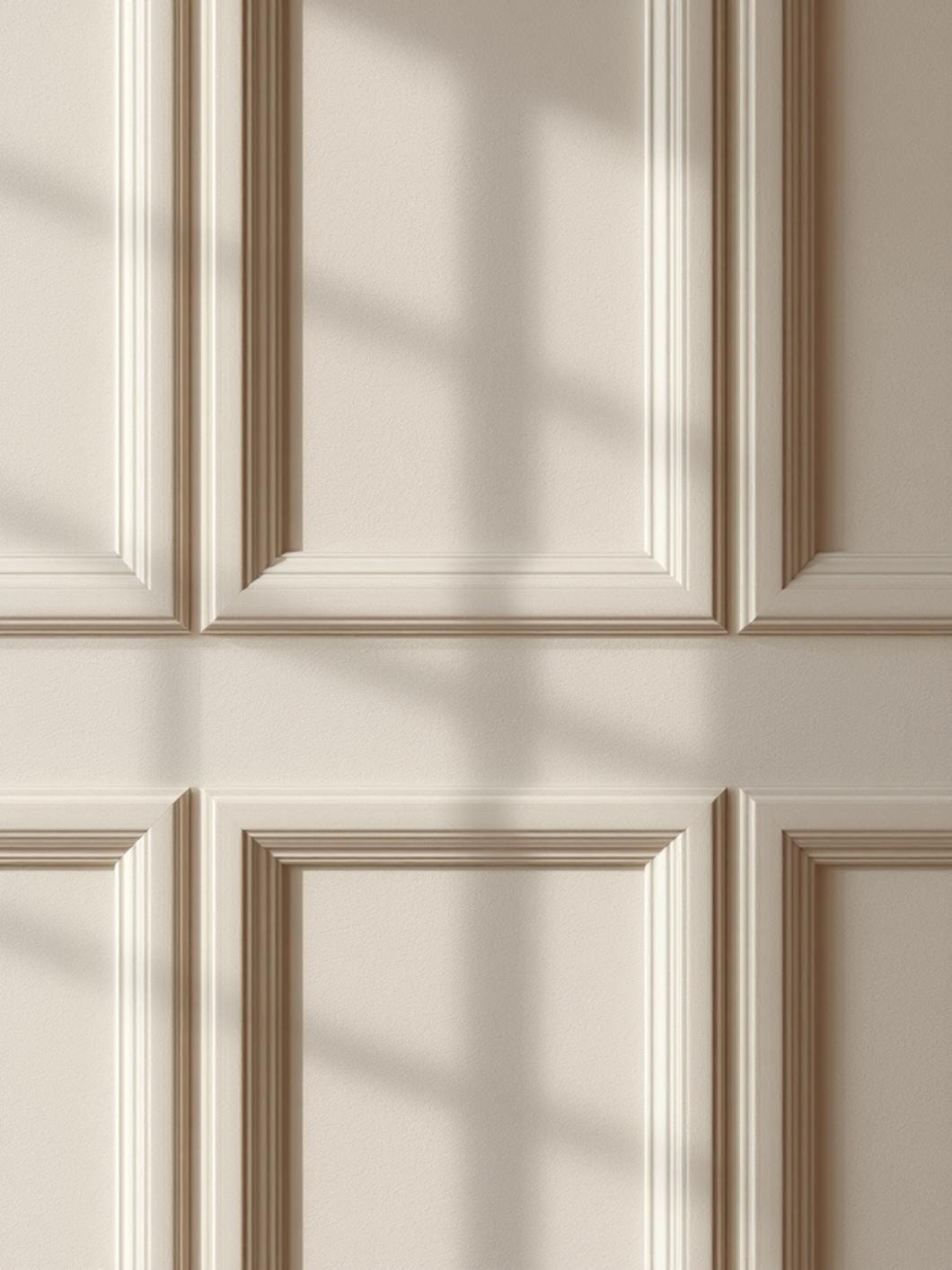
Here are some of the most popular and practical accent wall panel styles that real homeowners are loving right now.
Horizontal Shiplap in the Bedroom
Shiplap runs horizontally across the wall with a small gap between each board, creating subtle shadow lines. It’s the go-to for farmhouse and coastal styles, but it works in modern homes too when painted in soft neutrals. If you’re wondering how to install shiplap accent wall on your own, the process involves measuring your wall, cutting planks to size, and securing them with a nail gun or construction adhesive. Start from the bottom and work your way up, using spacers to keep gaps consistent.
Vertical Board and Batten in the Dining Room
This style features wide vertical boards with narrow strips (battens) covering the seams. It adds height and structure to a room, making it feel more formal without being stuffy. Paint it all one color for a seamless look, or try a two-tone approach with darker panels and lighter walls above.
Fluted Panels Behind the Sofa
Fluted panels have narrow, vertical grooves that catch light beautifully. They’re having a major moment in modern living rooms and bedrooms. You can buy pre-made fluted panels in wood or MDF and mount them directly to the wall with adhesive. Keep the rest of the wall minimal so the texture can shine.
3D Geometric Panels in the Entryway
These panels come in all kinds of patterns — hexagons, waves, squares, diamonds. They’re lightweight and often paintable, so you can customize them to match your color scheme. A single accent wall in an entryway or hallway makes a big first impression without requiring much square footage.
Peel-and-Stick Wood Panels in a Nursery
If you’re renting or just love the idea of easy updates, peel-and-stick panels are your best friend. They look like real wood but go up in minutes with no tools required. Perfect for creating a cozy accent wall in a nursery or guest room without damaging the walls underneath.
Painted Tongue-and-Groove in the Bathroom
Tongue-and-groove panels fit together like puzzle pieces, creating a smooth, continuous surface. When painted with moisture-resistant paint, they work beautifully in bathrooms. They add cottage charm and hide imperfections in older walls at the same time.
Dark Stained Panels in the Home Office
A dark wood or dark-stained accent wall adds instant gravitas to a home office or library. It makes the space feel intentional and focused, especially when paired with warm lighting and brass or gold accents. Stick to one wall so the room doesn’t feel too heavy.
Benefits That Go Beyond Style
Accent wall panels do more than just look good — they solve real problems in your home.
They hide wall imperfections like cracks, dents, or uneven textures. Instead of patching and repainting over and over, panels give you a fresh start with way less prep work.
Panels also add soundproofing. Thicker wood or 3D panels absorb sound better than flat drywall, which can make a big difference in open-plan homes or rooms with hard flooring.
They’re a renter-friendly update when you choose peel-and-stick or lightweight panels installed with removable adhesive. You get a custom look without losing your security deposit.
And perhaps best of all, panels increase perceived home value. Buyers love seeing thoughtful design details, and an accent wall suggests the home has been cared for and updated.
Tips, Alternatives, and Styling Advice
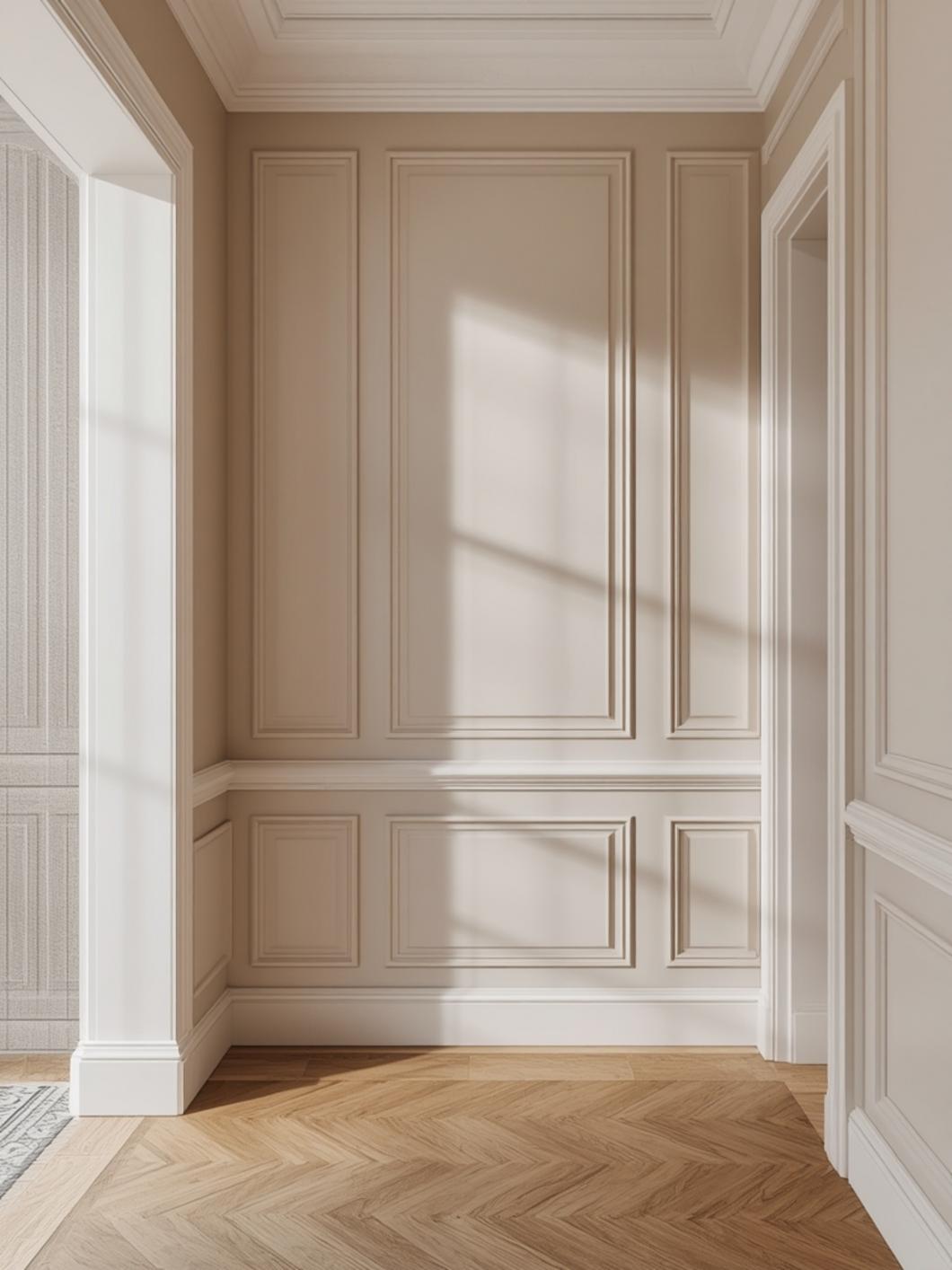
Every budget and style has options when it comes to wall panels.
Budget-friendly option: Use MDF panels or peel-and-stick designs. Both are available at big-box home improvement stores and cost a fraction of real hardwood. Paint them yourself to save even more.
Mid-range option: Go with pre-finished shiplap or board-and-batten kits. These come ready to install and often include all the trim pieces you need. You’ll spend more upfront but save hours of prep and painting time.
Premium option: Invest in solid hardwood panels or custom millwork. These are heirloom-quality and can be refinished or restained over the years as your style evolves. They’re especially worth it in high-traffic areas like living rooms or master bedrooms.
Small space adaptation: In tight rooms, stick to vertical panels in light colors. This draws the eye up and makes the ceiling feel higher, which visually expands the space. Avoid dark or overly busy patterns that can close in a small room.
Common Mistakes to Avoid
Even simple projects can go sideways if you skip a few key steps.
Not measuring twice before cutting. Panel pieces are often sold in long planks that need to be trimmed to fit your wall. Measure carefully and mark your cuts clearly to avoid wasting materials.
Skipping the level. Eyeballing it might seem fine at first, but even a slight tilt becomes glaringly obvious once the whole wall is done. Use a level on every single piece, especially your first row.
Forgetting to account for outlets and switches. Plan your panel layout around electrical boxes so you’re not stuck trimming around them awkwardly later. Mark their locations on your wall before you start installing.
Choosing the wrong adhesive for the material. Some panels need construction adhesive, others work with double-sided tape, and some require nails. Check the manufacturer’s instructions and follow them exactly to avoid panels sagging or falling off.
Rushing the paint or stain. If you’re painting or staining panels, do it before installation whenever possible. It’s faster, cleaner, and you’ll get better coverage. Touch up seams and nail holes afterward for a flawless finish.
Maintenance and Upkeep Tips
Wall panels are refreshingly low-maintenance compared to other design features, but a little care keeps them looking fresh.
Dust regularly with a microfiber cloth or duster, especially if you have textured or grooved panels. Dust settles into the crevices and can dull the finish over time.
Wipe down painted panels with a damp cloth and mild soap when needed. Avoid harsh chemicals that can strip paint or damage finishes.
Check for loose pieces every few months, especially if you used adhesive instead of nails. A little extra glue or a finishing nail can fix any lifting before it becomes a bigger issue.
Refinish wood panels as needed over the years. A light sanding and fresh coat of stain or polyurethane brings back the original luster and protects the wood from wear.
Bring Your Walls to Life
Accent wall panels are one of those rare projects that deliver big visual impact without requiring a total room overhaul. Whether you’re drawn to the warmth of wood, the drama of dark tones, or the flexibility of peel-and-stick designs, there’s an option that fits your home and skill level.
Start with one wall, take your time with measurements, and trust your instincts on style. You’ll be surprised how much a single textured wall can shift the entire feel of a room.
Ready for more inspiration? Explore the rest of DecorKingdom for ideas that make your house feel like home.
FAQs
What is the easiest type of wall panel for beginners to install?
Peel-and-stick panels are by far the easiest option. They require no tools, no nails, and no permanent adhesive. Just measure, cut with scissors or a utility knife, peel off the backing, and press into place. They’re perfect for renters or anyone trying wall panels for the first time.
Can I install wall panels over textured walls?
You can, but smooth walls give better results. If your walls have heavy texture like popcorn or orange peel, consider using a thin layer of drywall or plywood as a base for the panels. This creates a flat surface and prevents gaps or uneven mounting.
Do I need to paint wall panels before or after installation?
Paint before installation whenever possible. It’s faster, neater, and gives you better coverage. You can touch up seams, nail holes, and edges after the panels are up, but doing the bulk of the painting beforehand saves a ton of time.
How do I choose which wall to panel in a room?
Choose the wall that draws your eye first when you walk in — usually the one behind the bed, sofa, or dining table. Avoid walls with lots of windows or doors, since those break up the visual flow and make installation trickier.
Are wall panels safe for bathrooms and kitchens?
Yes, but choose moisture-resistant materials. Look for panels labeled as water-resistant or use solid wood with a waterproof sealant. Avoid plain MDF in high-moisture areas unless it’s specifically rated for bathrooms, as it can warp or swell over time.
—
Meta Title: Accent Wall Panel Ideas That Transform Any Room (2026)
Meta Description: Discover stunning accent wall panel ideas for every style and budget. From shiplap to 3D designs, find inspiration that works in your home.