How to Choose Popular Kitchen Lighting Styles
You walk into your kitchen every morning, but something just doesn’t feel right. The space looks flat, the countertops feel dark, and cooking dinner becomes a chore instead of a joy. The problem might not be your cabinets or your backsplash—it’s your lighting.
Table of Contents
Your kitchen deserves better than a single overhead bulb doing all the work. A Popular Kitchen Lighting Styles Guide helps you understand how different lighting types work together to create a space that’s both beautiful and functional. Whether you’re cooking, entertaining, or just grabbing your morning coffee, the right lighting makes every moment easier.
Let’s explore the lighting styles that can completely change how your kitchen looks and feels.
What You’ll Need to Get the Look
Creating layered kitchen lighting doesn’t require a complete renovation. You’ll need three main types of fixtures working together: ambient lighting for overall illumination, task lighting for work areas, and accent lighting for visual interest.
For ambient lighting, consider recessed ceiling lights, flush-mount fixtures, or semi-flush ceiling lights. These provide your base layer of light throughout the room.
Task lighting comes in several forms:
– Under-cabinet LED strips for countertop work areas
– Pendant lights hung over islands and peninsulas
– Track lighting directed at specific prep zones
Accent lighting adds personality and depth. Small spotlights, toe-kick lighting, and inside-cabinet lighting all count as accent layers. You might also want dimmer switches for any fixture, letting you adjust brightness throughout the day.
Don’t forget about light bulb temperature. Warm white bulbs create a cozy atmosphere, while cool white bulbs work better for food prep areas where you need crisp visibility.
Finding Your Style and Season
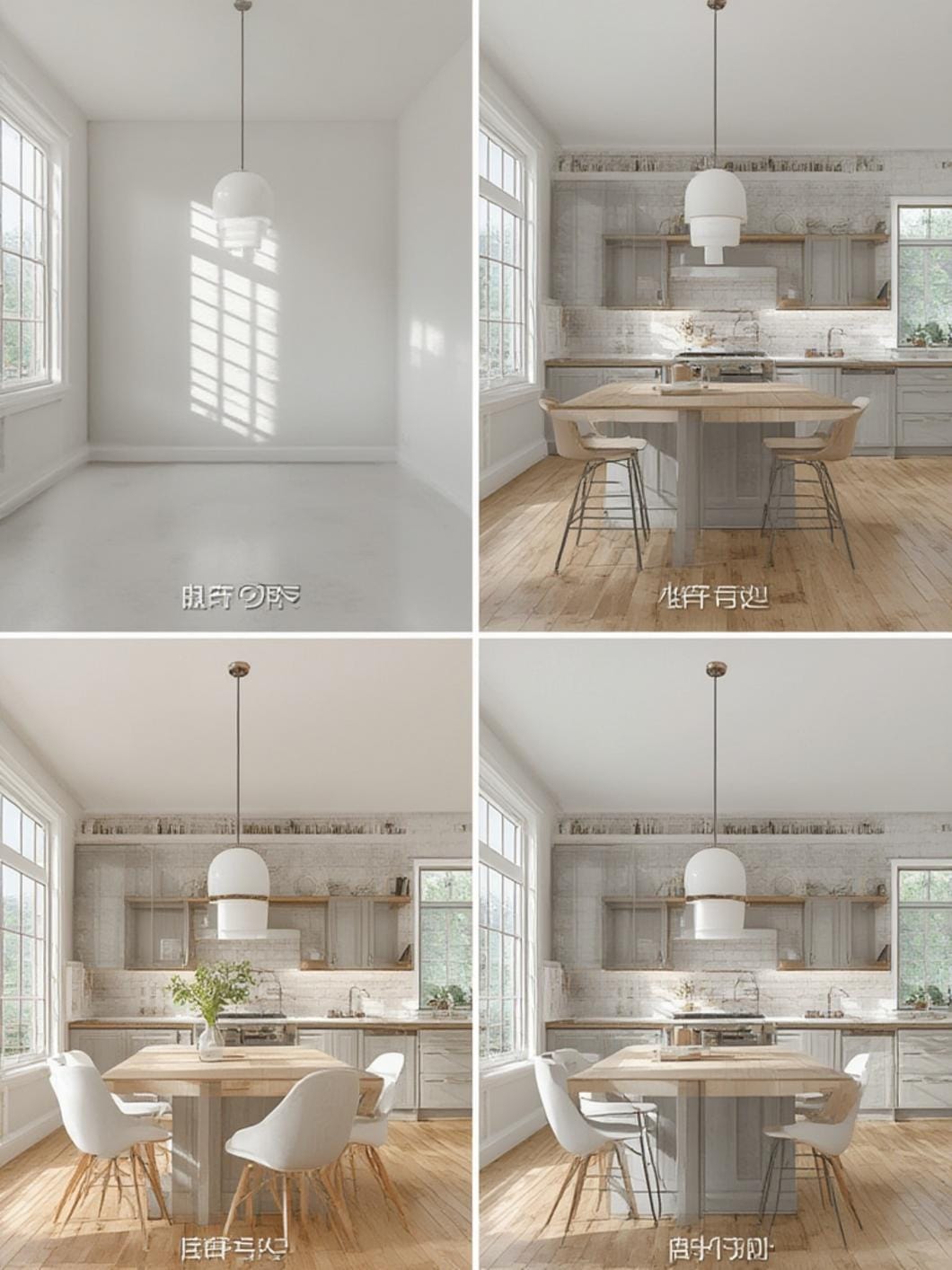
Your kitchen lighting should reflect both your design style and how you actually use the space. Modern kitchens often feature clean-lined pendants and hidden LED strips, while farmhouse kitchens shine with exposed Edison bulbs and lantern-style fixtures.
Think about when your kitchen gets the most use. If you cook elaborate dinners after sunset, you need strong task lighting over your stove and counters. If your kitchen doubles as homework central during fall and winter evenings, you’ll want bright, adjustable overhead lighting.
Summer kitchens benefit from cooler light temperatures that don’t add perceived heat to the space. Winter months call for warmer tones that make the room feel cozy and inviting during long, dark evenings.
Holiday entertaining puts extra demands on your lighting too. Installing dimmers lets you shift from bright prep lighting to softer ambient lighting when guests arrive.
7 Ideas to Try in Your Home
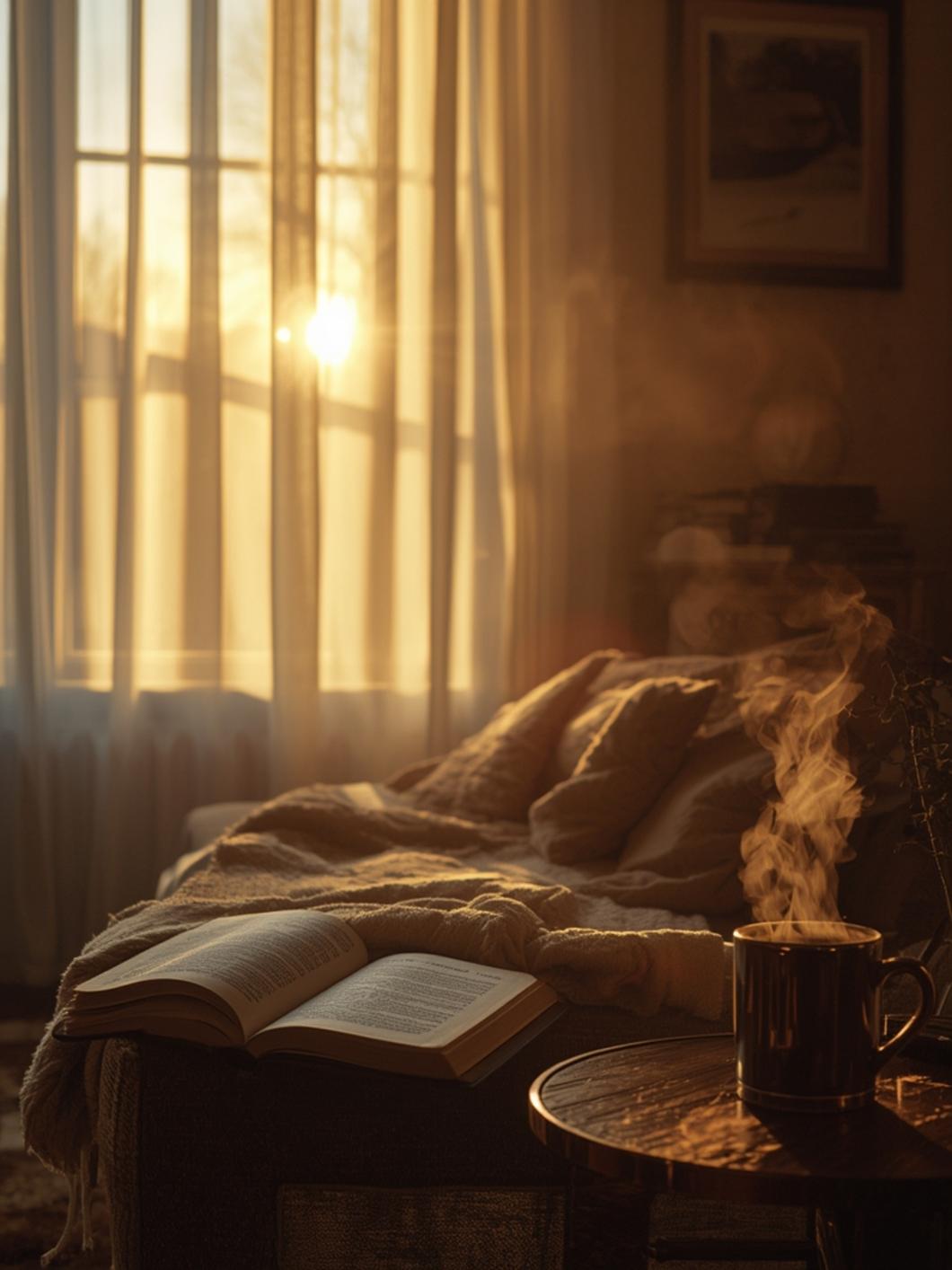
Statement Pendant Style
Large, eye-catching pendants hung over your island create instant visual impact. Choose oversized glass globes, industrial metal shades, or natural woven materials depending on your decor. Hang them 30-36 inches above your countertop for the perfect balance of light and clearance.
Minimalist Recessed Approach
If you love clean ceilings without visible fixtures, recessed lighting delivers seamless style. This works especially well for How to choose kitchen lighting for low ceilings since the fixtures sit flush with the ceiling surface. Space them 4-6 feet apart in a grid pattern for even illumination.
Farmhouse Lantern Charm
Mount glass lantern pendants with black or bronze frames for authentic farmhouse appeal. Pair them with under-cabinet lighting for task areas, and add a vintage-inspired flush-mount fixture for general lighting. This combination feels collected rather than matchy-matchy.
Industrial Track Drama
Adjustable track lighting gives you flexibility to aim light exactly where you need it. Choose oil-rubbed bronze or matte black tracks with exposed bulbs for industrial style. This works beautifully in loft-style kitchens or urban spaces with exposed brick.
Coastal Linear Lighting
Long, linear LED fixtures create clean lines perfect for coastal or modern kitchens. Install one or two over your island, choosing fixtures with natural wood accents or woven details. The elongated shape complements the horizontal lines in modern cabinetry.
Transitional Mixed Metals
Combine different metal finishes across your lighting for sophisticated transitional style. Try brushed nickel pendants over the island, oil-rubbed bronze under-cabinet fixtures, and a chrome ceiling fixture. Keeping similar shapes ties the varied finishes together.
Glamorous Chandelier Focus
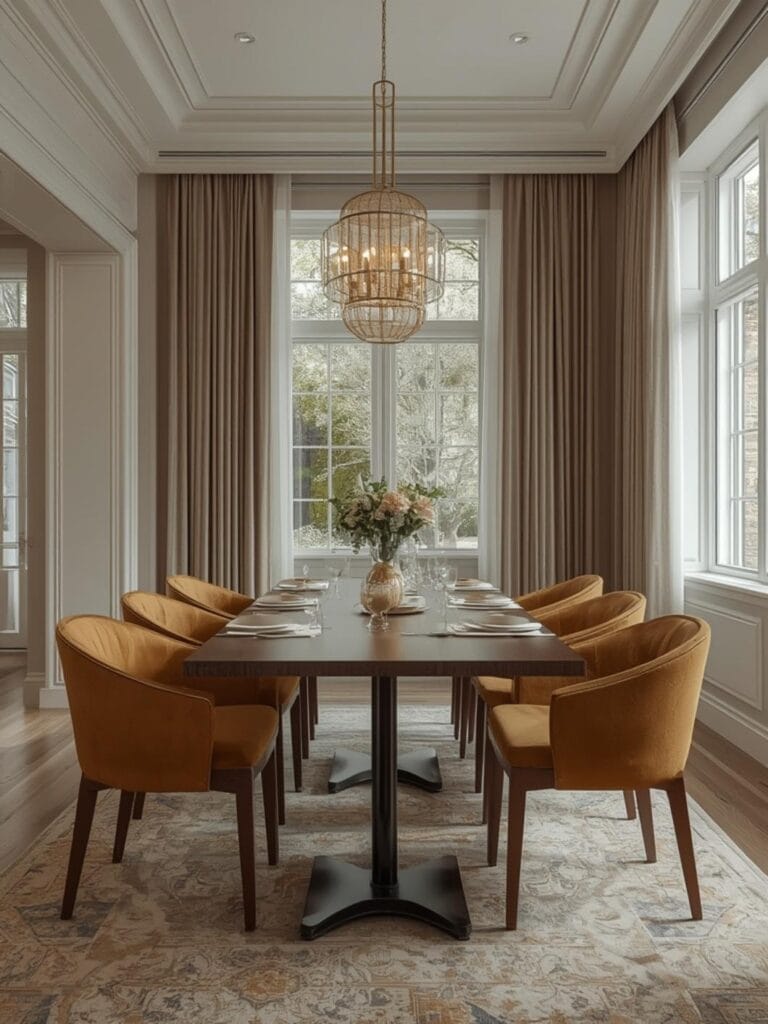
Who says chandeliers only belong in dining rooms? A small crystal or beaded chandelier over your kitchen table or island adds unexpected elegance. Keep other lighting simple so your chandelier becomes the star of the show.
Benefits / Advantages
The right kitchen lighting transforms how you experience your home’s most-used room. Good lighting prevents eye strain and headaches that come from working in dim conditions, making meal prep genuinely enjoyable instead of frustrating.
Layered lighting gives you control over the mood of your space. Bright task lighting helps you see clearly when chopping vegetables or reading recipes, while dimmed ambient lighting creates an intimate atmosphere for dinner parties.
Proper lighting also makes your kitchen safer. Well-lit countertops mean fewer knife mishaps, and illuminated walkways prevent trips and falls during midnight snack runs.
Beyond function, beautiful lighting fixtures add personality and style to your kitchen. Pendants and chandeliers become jewelry for your space, expressing your taste while serving a practical purpose.
Energy-efficient LED options save money on electricity bills while lasting years longer than traditional bulbs. You’ll spend less time on ladder duty changing bulbs and more time enjoying your beautifully lit kitchen.
Tips, Alternatives, Styling Advice
Budget-Friendly Option: Start with affordable LED strip lights under your cabinets and add a set of simple pendant lights over your island. You can find stylish options under $150 that completely change your kitchen’s functionality.
Mid-Range Option: Invest in a combination of recessed lighting, quality pendant fixtures, and professional-grade under-cabinet lighting. This typically costs $500-1200 and creates truly layered lighting that works for any activity.
Premium Option: Custom fixtures, architectural lighting design, and smart home integration bring your kitchen lighting to luxury levels. Expect to invest $2000+ for museum-quality illumination with app control and programmed scenes.
Small Space Adaptation: In compact kitchens, focus your budget on task lighting first. A single statement pendant over a small island or table, combined with under-cabinet strips, delivers maximum impact without overwhelming the space.
Consider swapping outdated brass or builder-grade fixtures one at a time rather than replacing everything at once. Even changing just your island pendants can refresh the entire room.
Common Mistakes to Avoid
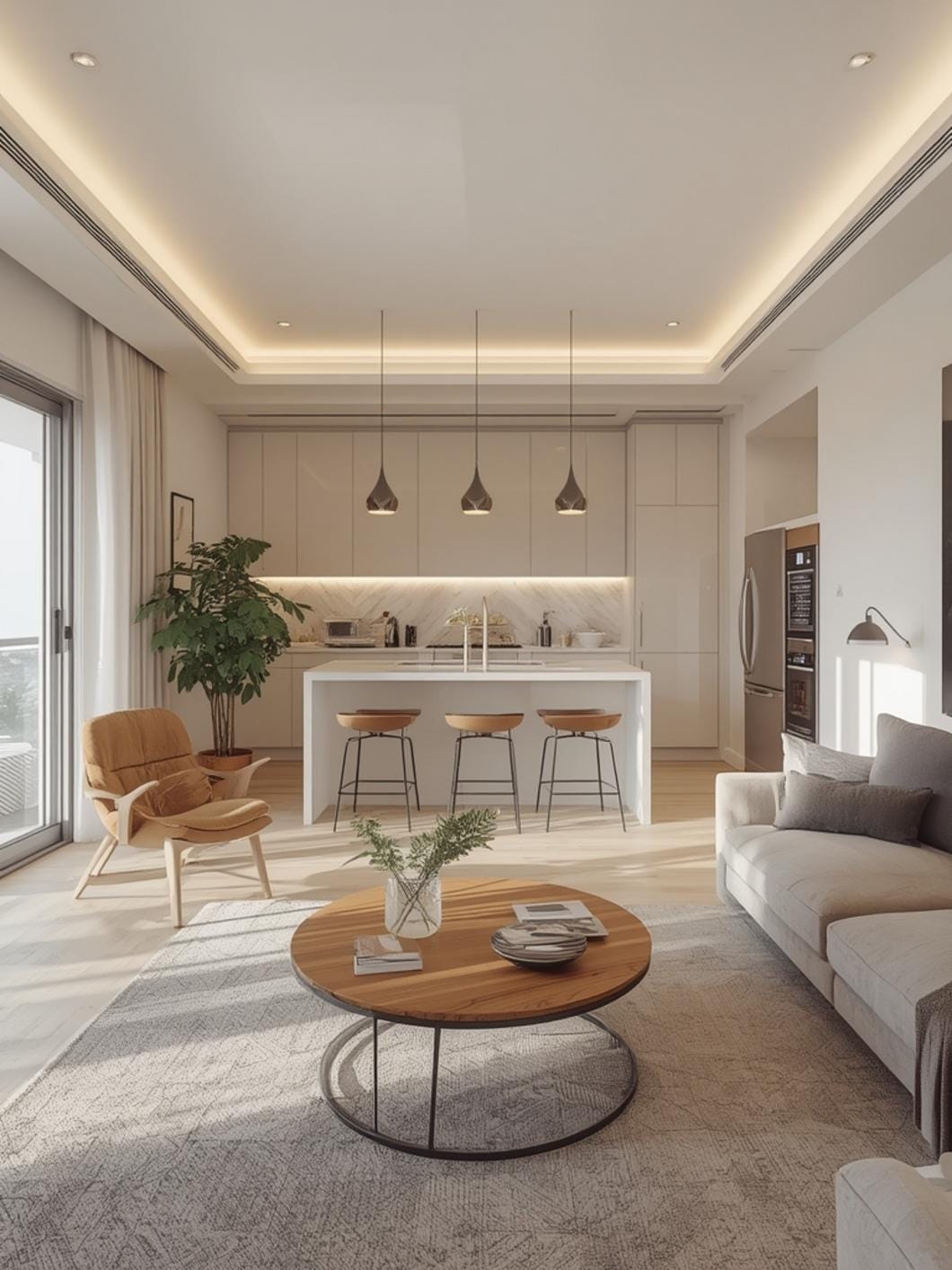
Relying on a single overhead fixture leaves your kitchen looking flat and creates harsh shadows across work surfaces. Layer at least two types of lighting to eliminate dark corners and provide proper task illumination.
Hanging pendants too high makes them useless for task lighting and creates glare. Keep island pendants 30-36 inches above the countertop to ensure they light your work surface without blocking sightlines.
Choosing bulbs that are too cool or too warm throws off your kitchen’s color balance. Test different bulb temperatures in your space before committing, aiming for 2700-3000K for most kitchen areas.
Forgetting about dimmer switches means you’re stuck with one lighting level all day long. Install dimmers on at least your ambient lighting to adjust brightness from breakfast to dinner parties.
Ignoring the ceiling height when selecting fixtures leads to bumped heads or fixtures that disappear into high ceilings. Scale your lighting to your room’s proportions, choosing larger fixtures for tall ceilings and flush-mounts for low ceilings.
Maintenance / Upkeep Tips
Dust your light fixtures monthly with a microfiber cloth to keep them bright and beautiful. For fixtures you can’t easily reach, use an extendable duster or wait until you need to change bulbs.
Clean glass pendants and chandeliers every few months with a mixture of warm water and mild dish soap. Remove the fixture if possible, or carefully clean in place using a soft cloth.
LED strips under cabinets collect cooking grease and dust. Wipe them down every few weeks with a damp cloth to maintain their brightness and prevent buildup.
Check dimmer switches periodically to ensure they’re working smoothly. If you notice flickering or buzzing, the dimmer might not be compatible with your LED bulbs and should be replaced.
Replace any burned-out bulbs promptly to maintain balanced lighting throughout your kitchen. Keep spare bulbs on hand so you’re never caught working in a dim kitchen.
Conclusion
Your kitchen lighting does so much more than help you see—it sets the mood, enhances safety, and showcases your personal style. By combining ambient, task, and accent lighting in styles that speak to you, you create a kitchen that works beautifully at any hour.
The possibilities are truly endless, from industrial track systems to glamorous chandeliers and everything in between. Start with one improvement that excites you, and watch how the right light transforms your daily routine. Explore more kitchen inspiration and design guides at DecorKingdom to keep creating the home you’ve always imagined.
FAQs
What’s the most important type of kitchen lighting to install first?
Task lighting should be your top priority, especially under-cabinet lights for countertops. These make cooking safer and more enjoyable by eliminating shadows in your work areas. You can add ambient and accent lighting later, but proper task lighting improves your kitchen immediately.
How many pendant lights should I hang over my kitchen island?
The number depends on your island’s length and your pendant size. For islands up to 5 feet, two pendants work well spaced 24-30 inches apart. Longer islands need three or more pendants, maintaining that 24-30 inch spacing and keeping them centered over the island.
Can I use regular bulbs in kitchen fixtures or do I need special ones?
Regular LED bulbs work fine in most kitchen fixtures, but choose ones rated for enclosed fixtures if your lights have glass shades. For range hoods and areas near heat, use bulbs rated for high temperatures. Always check your fixture’s maximum wattage to avoid safety issues.
Why do my kitchen lights flicker when I use the dimmer switch?
Most flickering happens because older dimmer switches aren’t compatible with LED bulbs. LEDs require special LED-compatible dimmers to work properly. Replace your old dimmer with one specifically labeled for LED use, and the flickering should stop.
How do I make my low-ceiling kitchen feel brighter without major renovations?
Focus on flush-mount or semi-flush ceiling fixtures that sit close to the ceiling, and add under-cabinet lighting to bounce light off your countertops. Use lighter paint colors on ceilings and walls to reflect more light, and choose bulbs in the 2700-3000K range for warm, inviting brightness.
—
Meta Title: Popular Kitchen Lighting Styles Guide: 2026 Trends & Tips
Meta Description: Kitchen looking flat? Discover 7 lighting styles that create beautiful, functional spaces—from pendants to recessed lights, for any ceiling height.