How to Choose Kitchen Lighting Placement Guide:exact heights & spacing for every zone
You walk into your kitchen in the morning, flip the switch, and something just feels…off. Maybe the counters are shadowy when you’re chopping vegetables, or that gorgeous backsplash you installed disappears into darkness. Poor lighting placement can turn even the most beautiful kitchen into a frustrating space to work in.
Table of Contents
Getting your Kitchen Lighting Placement Guide right isn’t about complicated electrical blueprints or contractor-speak. It’s about understanding where you actually need light in your kitchen and how high, how far, and how bright those fixtures should be. When you place your lighting thoughtfully, your kitchen transforms from just functional to genuinely enjoyable to spend time in.
This guide walks you through everything you need to know about kitchen lighting placement, from pendant heights to under-cabinet spacing, in language that makes sense for real homeowners.
Key Terms and Elements to Know
Before you start planning your kitchen lighting, let’s clarify what we’re actually talking about. Understanding these basic elements helps you make smarter decisions without needing an electrical engineering degree.
Ambient lighting provides overall illumination for your entire kitchen. This typically comes from ceiling fixtures, recessed lights, or flush-mount lights that spread light evenly across the room.
Task lighting focuses on specific work areas where you need concentrated light. Think under-cabinet lights over counters, pendant lights over islands, or directional track lighting over your stove.
Accent lighting highlights architectural features or decor elements. These aren’t essential for function but add depth and visual interest to your kitchen design.
Pendant lights are hanging fixtures, usually over islands or dining areas, that combine task lighting with decorative appeal.
Recessed lights (also called can lights) sit flush with your ceiling and provide ambient or task lighting depending on their placement and beam angle.
Light layers refer to combining different types of lighting at various heights and intensities to create a balanced, functional kitchen.
Common Misconceptions to Clear Up First
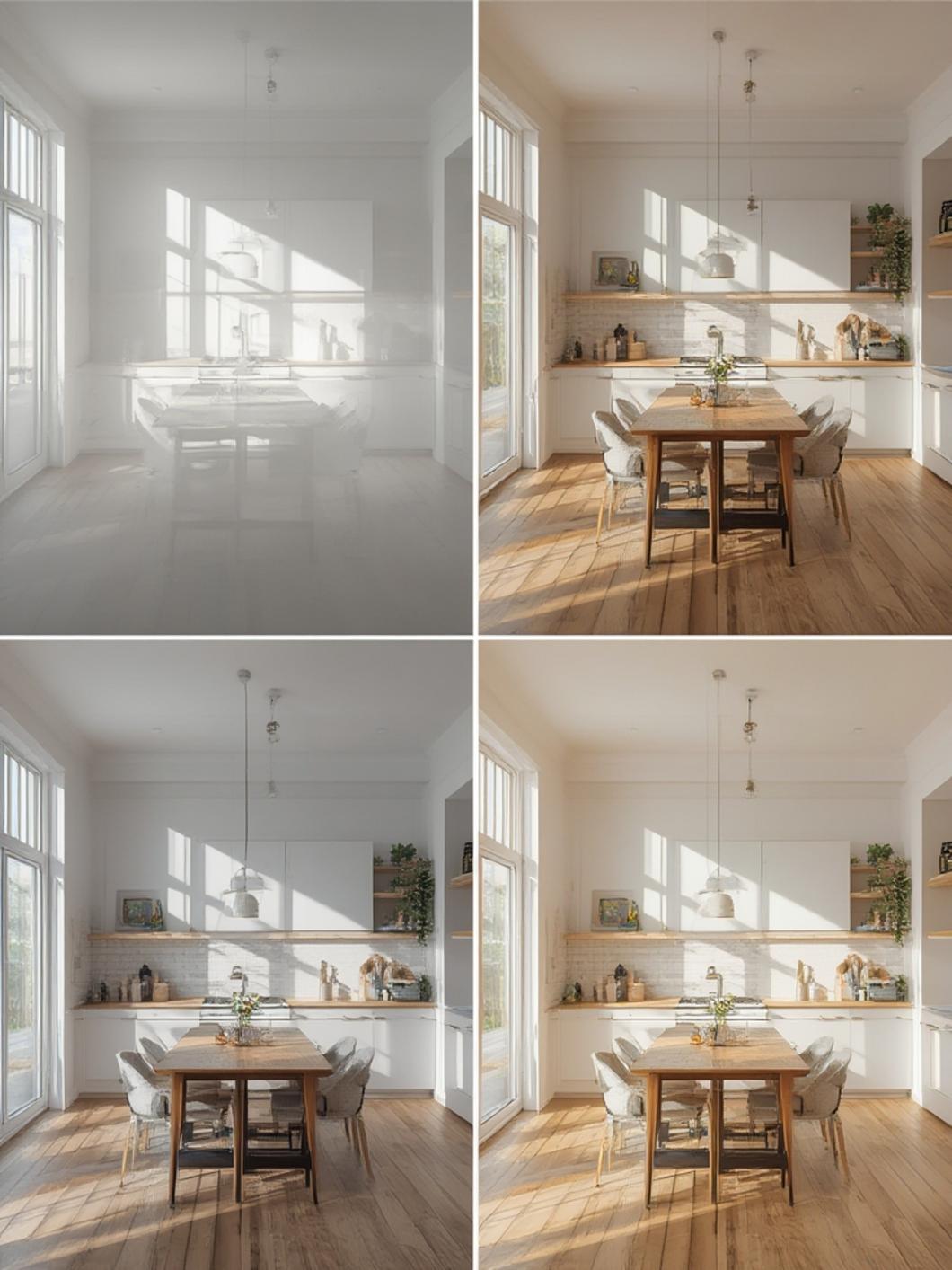
Many homeowners believe one central ceiling light is enough for a kitchen. This single-source approach creates harsh shadows exactly where you’re trying to work, making food prep frustrating and even unsafe.
Another common myth suggests that brighter is always better. Overlighting your kitchen creates glare and eye strain, especially on reflective surfaces like stainless steel appliances or glossy countertops.
Some people think pendant lights are purely decorative and don’t matter much for actual function. In reality, properly placed pendants provide essential task lighting while contributing to your kitchen’s overall aesthetic.
There’s also confusion about whether you need under-cabinet lighting if you have good overhead lights. Even with excellent ceiling fixtures, your body blocks light when you’re standing at the counter, creating shadows exactly where you need to see.
Finally, many assume lighting placement is permanent and can’t be adjusted without major renovations. While hardwired fixtures do require planning, many effective lighting solutions involve plug-in options or battery-powered fixtures that give you flexibility.
How It Works in Real Homes
Let’s break down how proper lighting placement actually functions in everyday kitchens, room by room and zone by zone.
Island and Peninsula Pendant Placement
How high should kitchen island pendant lights hang above counters is one of the most frequently asked questions in kitchen design, and for good reason. The standard range is 30 to 36 inches from the counter surface to the bottom of the pendant.
This height provides adequate task lighting without blocking sightlines across the kitchen. If your pendants are decorative statement pieces, hang them at 30 inches. For more utilitarian fixtures, 36 inches works better to keep them out of your way.
For islands longer than 5 feet, use multiple pendants spaced 24 to 30 inches apart. Center them over the island length, leaving at least 6 inches from each end.
Recessed Lighting Over Counters
Position recessed lights 18 to 24 inches away from the wall cabinets, directly over the front edge of your counters. This placement ensures the light falls on your work surface rather than being blocked by your upper cabinets.
Space these lights 24 to 36 inches apart along the counter length for even coverage without dark spots or overly bright patches.
Under-Cabinet Task Lighting
Mount under-cabinet lights toward the front of the cabinet base, about 2 to 3 inches from the front edge. This forward placement prevents shadows and provides direct light onto your countertop work surface.
If using strip lights, run them the full length of each cabinet section for seamless coverage. Individual puck lights should be spaced 8 to 12 inches apart.
Sink Area Lighting
Center a recessed light directly over your sink, positioned about 12 to 18 inches from the wall. If you have a window over your sink, this light compensates for cloudy days and evening tasks.
For undermount or farmhouse sinks with no upper cabinet above, consider a small pendant or semi-flush mount positioned 30 to 40 inches above the sink rim.
Range and Cooktop Lighting
Your range hood typically includes built-in lighting, but if it doesn’t or if you have a cooktop without a hood, place a recessed light centered over the cooking surface. This light should be on its own switch so you can control it independently.
General Room Lighting
For overall ambient light, space recessed ceiling lights in a grid pattern approximately 4 to 6 feet apart. The exact spacing depends on your ceiling height and the beam angle of your fixtures.
In a 10×12 kitchen, you might use 4 to 6 recessed lights for comfortable general illumination that doesn’t overwhelm the space.
Benefits of Proper Kitchen Lighting Placement
When you get lighting placement right, your kitchen becomes genuinely easier to use. You’ll stop squinting at recipe cards, struggling to see if chicken is cooked through, or accidentally nicking your fingers while chopping because of shadows.
Properly placed lighting also makes your kitchen feel larger and more inviting. Strategic placement draws the eye around the room and highlights the design elements you invested in, like beautiful tile work or custom cabinetry.
Good lighting placement improves safety by eliminating dark corners and shadowy work zones where accidents happen. You’ll navigate your kitchen more confidently, especially during evening meal prep or late-night snack runs.
Well-planned lighting creates ambiance for different occasions. With layered lighting on separate switches, you can have bright task lighting for cooking and softer ambient lighting for entertaining or relaxing.
Finally, thoughtful placement actually saves energy. When lights are positioned correctly, you need fewer fixtures running at lower wattages to achieve the same functional result.
Tips, Alternatives, and Practical Options
Budget-Friendly Option: Start with LED strip lights under your cabinets and a few strategically placed plug-in pendant lights. Battery-operated puck lights give you flexibility to test placement before committing to permanent fixtures.
Mid-Range Option: Combine quality recessed lighting with hardwired under-cabinet fixtures and a statement pendant over your island. This balanced approach covers all your lighting needs while incorporating visual interest.
Premium Option: Install a complete lighting system with dimmer switches for each zone, designer pendant fixtures, and color-temperature-adjustable LEDs that let you shift from bright white for cooking to warm white for dining.
Small Space Adaptation: In compact kitchens, focus your lighting budget on under-cabinet task lights and one excellent ambient fixture. Multi-directional track lighting gives you flexibility without requiring multiple ceiling penetrations.
Consider installing dimmer switches on all your lighting circuits. This simple upgrade lets you adjust brightness for different tasks and times of day without changing any fixture placement.
Think about light color temperature too. Warm white (2700-3000K) creates a cozy atmosphere, while cool white (3500-4100K) provides better task lighting for food preparation.
Common Mistakes to Avoid
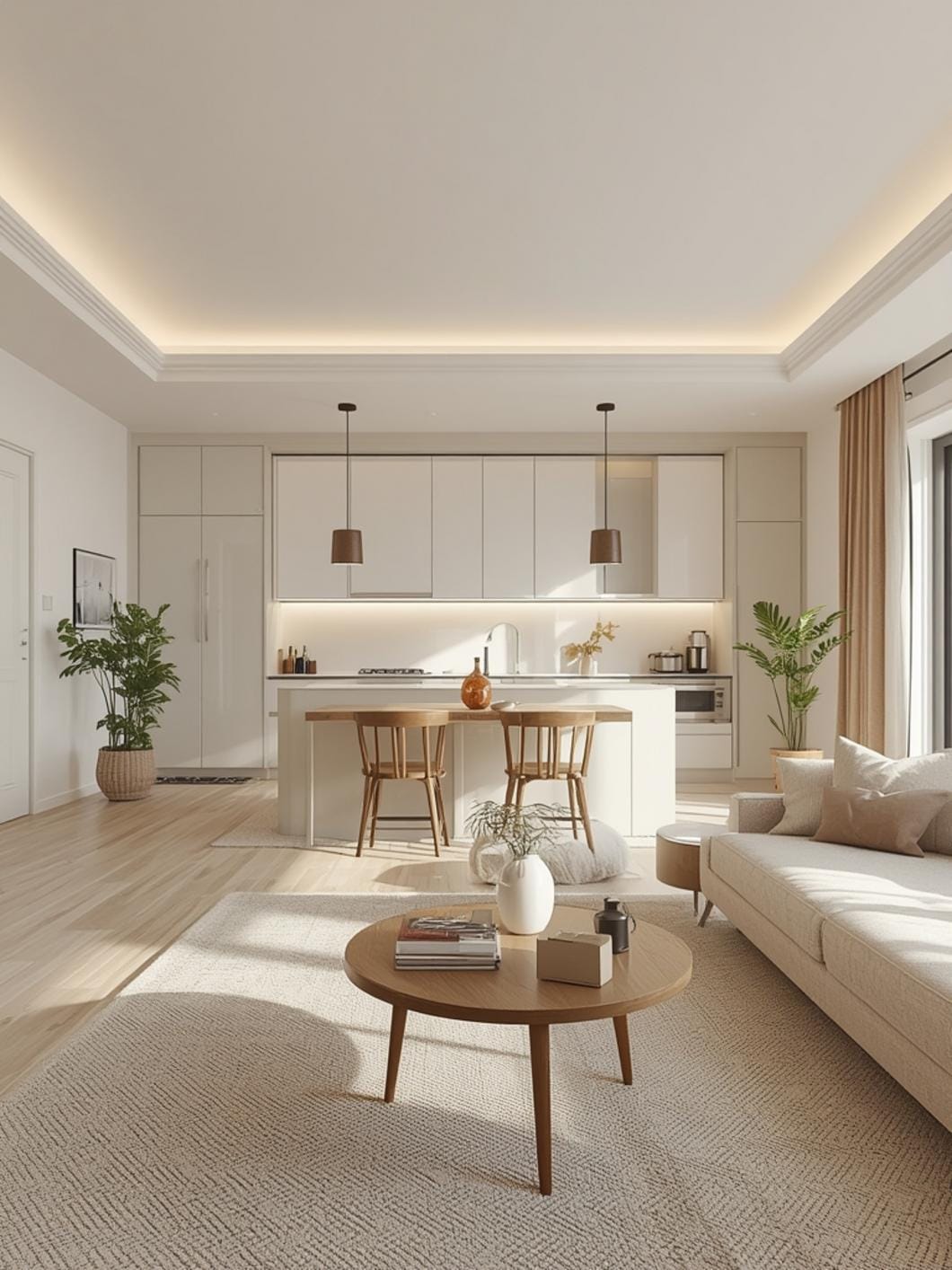
Many homeowners place pendant lights too high, essentially turning them into ineffective ceiling fixtures. Keep them within the 30-36 inch range from the counter surface to maintain both function and proportion.
Spacing recessed lights too far apart creates alternating pools of light and shadow across your counters. Stick to the 24-36 inch spacing guideline for even, comfortable illumination.
Installing under-cabinet lights at the back of cabinets instead of the front causes your body to block the light when you’re working. Always position these lights toward the front edge of the cabinet base.
Putting all kitchen lights on a single switch forces you to choose between too much light or not enough. Install separate switches for ambient, task, and accent lighting to give yourself flexibility.
Forgetting about the sink area leaves you working in your own shadow during evening dishwashing or food prep. Always include dedicated lighting directly over the sink, regardless of window placement.
Maintenance and Upkeep Tips
LED bulbs last for years, but when they do need replacing, keep spares on hand that match your existing color temperature. Mismatched bulbs create an unpleasant patchwork lighting effect.
Dust pendant lights and recessed fixtures quarterly using a microfiber duster or cloth. Clean glass pendant shades with glass cleaner to maintain maximum light output and visual appeal.
Check under-cabinet lighting connections periodically, especially if you notice flickering or sections going dark. Loose connections are often the culprit and easy to reseat.
If you have dimmer switches, occasionally run lights through their full range from bright to dim. This prevents dimmer mechanisms from getting stuck at one setting.
Keep track of when you installed each fixture and what products you used. This information proves invaluable when you need to reorder specific bulbs or troubleshoot issues years later.
Making Your Kitchen Lighting Work for You
Getting your kitchen lighting placement right doesn’t require a degree in electrical engineering or a massive renovation budget. It’s about understanding where light needs to fall in your specific kitchen and choosing fixture heights and positions that support how you actually use the space.
Start with one area, test your placement, and build from there. Your kitchen lighting should make daily tasks easier and your space more enjoyable, not more complicated.
Ready to transform other spaces in your home with thoughtful design? Explore more practical guides and inspiration at DecorKingdom.
FAQs
How far apart should recessed lights be in a kitchen?
Space recessed lights 24 to 36 inches apart for even coverage without dark spots or excessive brightness. The exact spacing depends on your ceiling height and fixture beam angle, but this range works well for standard 8-9 foot ceilings. Measure and mark positions before installation to visualize the pattern.
Can pendant lights be the only lighting over a kitchen island?
Pendant lights alone can work if they provide enough lumens and are positioned correctly, but they work best combined with general room lighting. For islands used primarily for dining or casual seating, pendants might suffice. For food prep areas, supplement pendants with recessed or under-cabinet lighting for better task illumination.
What’s the best placement for lights in a galley kitchen?
Run a single row of recessed lights down the center of a galley kitchen ceiling, spacing them 3 to 4 feet apart. Add under-cabinet lighting on both sides to eliminate shadows on your work surfaces. This combination provides adequate ambient and task lighting without overcrowding the narrow space.
How many recessed lights do I need for a 12×12 kitchen?
A 12×12 kitchen typically needs 6 to 8 recessed lights for comfortable general illumination, arranged in a grid pattern. This provides one light approximately every 4 to 5 feet. Supplement with task lighting under cabinets and over work zones for complete coverage.
Should kitchen lighting be warm or cool white?
Warm white (2700-3000K) creates a welcoming, cozy atmosphere perfect for entertaining and dining areas. Cool white (3500-4100K) provides crisp, clear light better suited for food preparation and detailed tasks. Many homeowners use cool white for task lighting and warm white for ambient lighting to get the benefits of both.
—
Meta Title: Kitchen Lighting Placement Guide: Perfect Heights 2026
Meta Description: Stop guessing where kitchen lights should go. This placement guide shows you exact heights, spacing, and positions for every fixture in your kitchen.