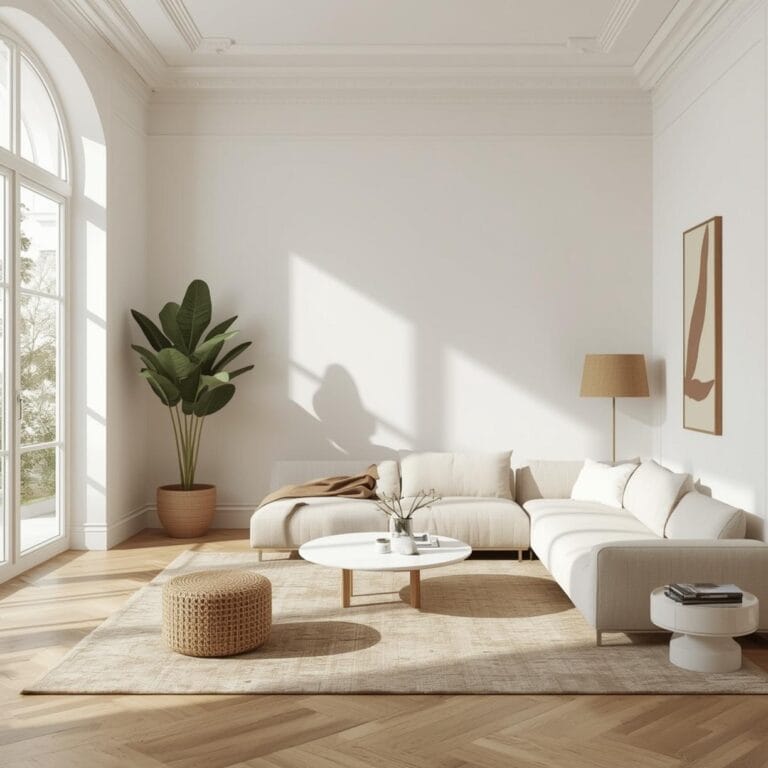
How to Choose Living Room Curtains and Wall Decor
You walk into your living room and something feels off. The furniture is nice, the paint color is lovely, but the windows look bare and the walls feel incomplete. You’re not alone—this is one of the most common design dilemmas homeowners face.
The truth is, Living Room Curtains & Wall Decor work together to create the atmosphere you’ve been craving. They frame your views, control natural light, and tell the visual story of your space. When you get these elements right, your living room transforms from “just fine” to genuinely inviting.
The best part? You don’t need an interior designer’s budget or professional installation skills to achieve a pulled-together look. With the right approach, you can create a living room that feels both stylish and uniquely yours.
Table of Contents
What You’ll Need to Get the Look
The beauty of coordinating curtains and wall decor is that you can start simple and build from there. Here’s what most homeowners find helpful:
For Your Windows:
– Curtain panels in your chosen fabric and color
– Curtain rods with coordinating finials
– Wall anchors appropriate for your wall type
– Measuring tape
– Level
– Pencil for marking
For Your Walls:
– Artwork, prints, or photographs
– Picture hanging kit with various hooks
– Optional: floating shelves for layered decor
– Optional: decorative mirrors to reflect light
– Optional: wall sconces for ambient lighting
Decor Accents:
– Throw pillows that echo your curtain colors
– Area rug to anchor the space
– Table lamps or floor lamps
– Decorative objects for shelves or side tables
Start with your curtains first—they’ll set the tone for everything else. Once they’re up, you’ll have a much clearer vision for your wall decor.
Finding Your Style and Season
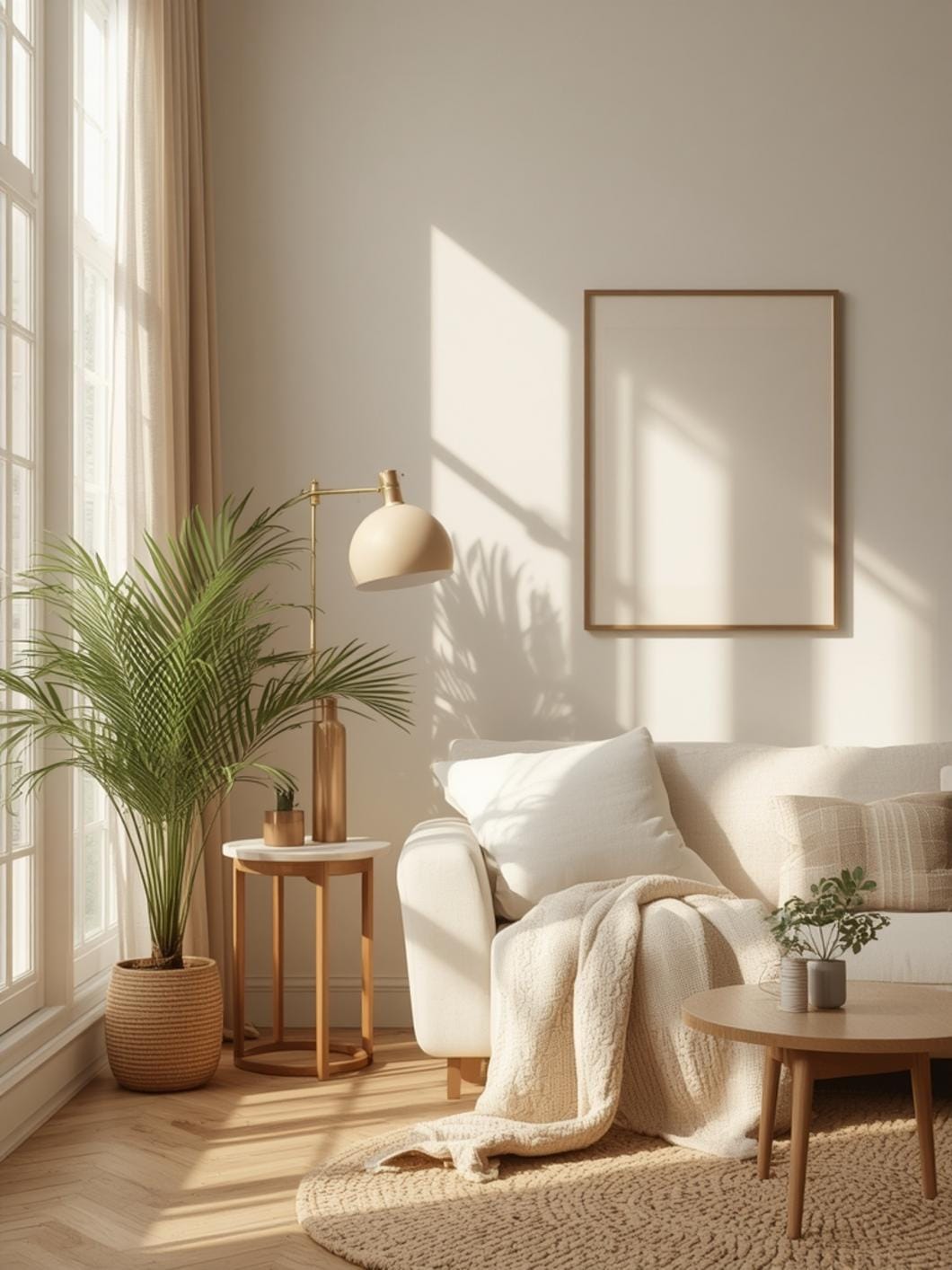
Your living room isn’t just for one season or one occasion. It’s the heart of your home, so your curtain and wall decor choices should feel right year-round while still allowing for seasonal touches.
Consider Your Natural Light
If your living room gets brilliant morning sun, you’ll want curtains that can soften that intensity without making the room feel dark. Linen or cotton blends work beautifully here. For rooms with less natural light, sheer curtains layered with heavier drapes give you flexibility throughout the day.
North-facing windows tend to cast cooler light, so warm-toned wall decor helps balance the atmosphere. South-facing rooms benefit from cooler artwork or mirrors that spread the abundant sunlight around.
Think About How You Use the Space
Do you host movie nights every weekend? You’ll want curtains that block light effectively. Is your living room where you curl up with coffee and a book on Sunday mornings? Lighter, more ethereal window treatments create that peaceful vibe.
Wall decor should support these activities too. A gallery wall of family photos creates conversation. Large abstract pieces add sophistication for entertaining. The key is choosing what genuinely resonates with your lifestyle, not what a magazine says you should have.
Seasonal Flexibility
You don’t need to redecorate completely with each season, but small adjustments keep your space feeling fresh. Swap throw pillow covers that coordinate with your curtains. Rotate artwork between rooms. Add seasonal elements to floating shelves without taking down your permanent pieces.
7 Ideas to Try in Your Home
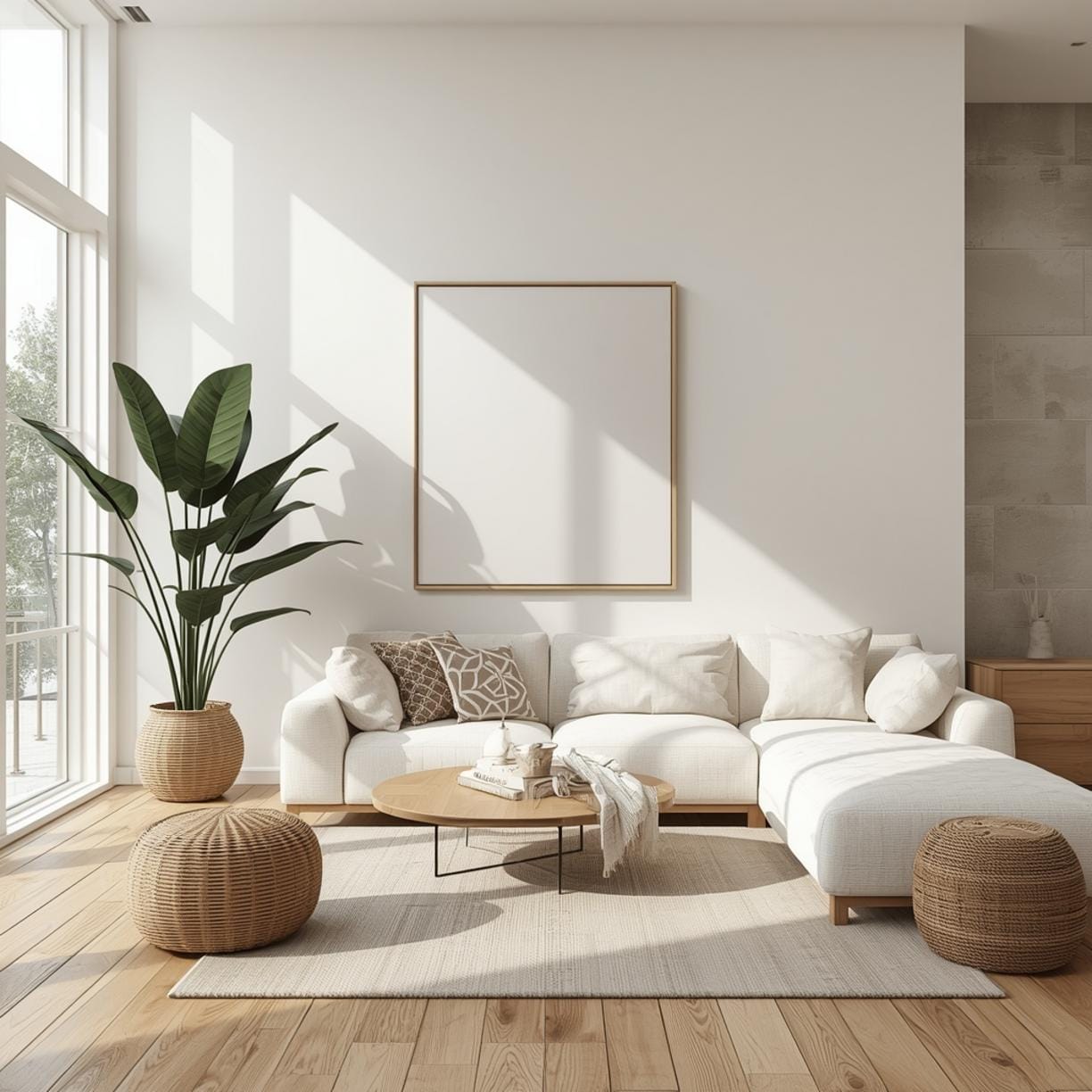
Let’s explore specific combinations that work beautifully together. These aren’t rules—think of them as starting points you can adapt to your taste.
1. The Classic Neutral Foundation
Floor-length white or cream linen curtains create an elegant backdrop for virtually any wall decor style. This approach works especially well if you love changing your decor frequently. Hang a large statement piece—perhaps a colorful abstract painting—above your sofa, then echo those accent colors in smaller pieces throughout the room.
2. Bold Pattern Play
If your walls are painted in a solid, neutral color, patterned curtains become instant artwork. Choose geometric prints, botanicals, or even subtle stripes. Then keep your wall decor simpler—perhaps black and white photography or minimalist line drawings. This prevents visual overload while maintaining interest.
3. Layered Texture Approach
Velvet curtains in a rich jewel tone paired with woven wall hangings, macramé pieces, or textured canvas art creates depth without relying on bright colors. This works wonderfully in rooms where you want a cozy, sophisticated feel.
4. The Gallery Wall Complement
Planning a gallery wall? Choose curtains in a solid color that appears in your artwork collection. How to measure windows for custom curtains becomes especially important here—you want your panels to frame the windows perfectly without competing with your carefully curated wall display.
For measuring, you’ll need width measurements at three points (top, middle, and bottom of your window frame) and the length from where your rod will sit to your desired endpoint. Add 8-12 inches to your width for proper fullness.
5. Mirror Magic
Light, airy curtains in soft gray or blue paired with strategically placed mirrors amplify natural light throughout your space. Position a large mirror across from your window to bounce light around. Add smaller decorative mirrors in gallery wall arrangements for extra sparkle.
6. The Monochromatic Moment
Choose curtains and wall decor in varying shades of the same color family. Imagine deep navy curtains with wall art ranging from pale blue to midnight—this creates a sophisticated, cohesive look that feels intentional and calming.
7. Nature-Inspired Harmony
Earthy linen curtains in sage, terracotta, or warm beige complement botanical prints, landscape photography, or natural wood wall shelves. This style brings the outdoors in and works beautifully with
Benefits of Coordinating Curtains and Wall Decor
When you approach these elements as a cohesive design decision rather than separate purchases, your living room benefits in multiple ways.
Visual Harmony That Reduces Stress
Your brain naturally seeks patterns and connections. When your curtains and wall decor share a color story, style aesthetic, or design theme, your space feels more peaceful. You’ll notice you actually relax more easily in a well-coordinated room.
Improved Functionality
The right curtains don’t just look good—they control light, provide privacy, and even help with temperature regulation. Paired with thoughtfully placed wall decor, you create focal points that draw the eye exactly where you want it to go, making your room feel larger and more intentional.
Flexibility for Future Changes
When you start with a cohesive approach, making small updates becomes easier. You can swap out throw pillows, switch artwork between rooms, or add seasonal accents without the whole space feeling disjointed.
Increased Home Value
Buyers notice when a home has been decorated with care. Well-chosen curtains and coordinated wall decor suggest that the entire property has been maintained with the same attention to detail.
Tips, Alternatives, and Styling Advice
Not everyone has the same budget or space to work with, but everyone deserves a beautiful living room. Here’s how to achieve the look at different price points.
Budget-Friendly Option
Start with affordable ready-made curtain panels from home stores and invest your energy in DIY wall decor. Print your own photography, frame fabric samples, or create abstract art with paint samples. The key is choosing one cohesive color palette and sticking with it. Sometimes the most impactful designs come from creative constraints.
Mid-Range Option
Splurge on custom or semi-custom curtains that perfectly fit your windows, then build your wall decor collection gradually with a mix of purchased art and personal pieces. This is where really shines. One beautiful large-scale piece of artwork paired with budget-friendly supporting elements creates balance.
Premium Option
Invest in fully custom curtains with designer fabric and professional installation, paired with curated original artwork or high-end prints. Add architectural elements like picture molding or board and batten walls that create built-in framework for your decor. Custom drapery hardware becomes jewelry for your windows.
Small Space Adaptation
In compact living rooms, mount your curtain rods as high as possible—even to the ceiling—to create the illusion of height. Keep wall decor scaled appropriately; one medium-sized piece often works better than multiple small ones. Use mirrors strategically to make the space feel larger.
Common Mistakes to Avoid
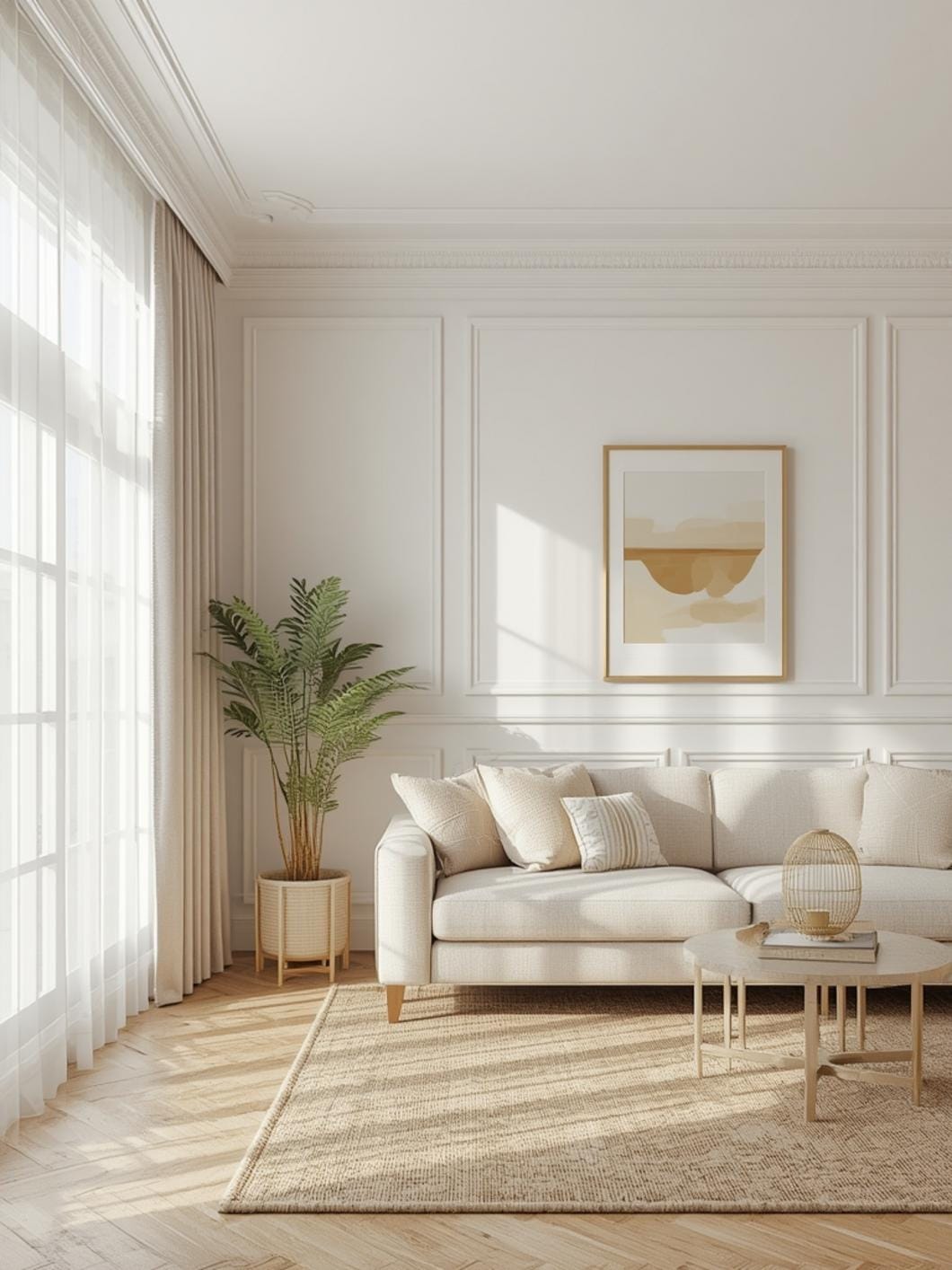
Even the most design-savvy homeowners can stumble into these common pitfalls. Here’s what to watch for:
Hanging curtains too low or too short. Mount your rods 4-6 inches above the window frame and choose panels that just kiss the floor or puddle slightly for an elegant look that makes your ceilings appear higher.
Choosing curtain width that’s too narrow. Your panels should be 1.5 to 2 times the width of your window when closed for proper fullness. Skimpy curtains look sad and unfinished, no matter how expensive the fabric.
Hanging wall decor at the wrong height. The center of your artwork should be at eye level, typically 57-60 inches from the floor. This creates proper visual balance with your curtains and furniture.
Mixing too many competing patterns. If you have patterned curtains, keep wall decor more subdued, and vice versa. One statement element per wall section prevents visual chaos.
Ignoring scale and proportion. A tiny piece of art above a large sofa looks lost. Make sure your wall decor is substantial enough for the furniture it’s anchoring—generally two-thirds to three-quarters the width of the sofa.
Maintenance and Upkeep Tips
Keeping your curtains and wall decor looking fresh doesn’t require professional help. Regular care makes a significant difference.
For Your Curtains
Vacuum them monthly using your upholstery attachment to prevent dust buildup. Most curtains can be washed according to their care labels every 3-6 months—just check first. Linen and cotton usually handle machine washing well, while silk and velvet often need professional cleaning.
Steam wrinkles out of hanging curtains rather than taking them down repeatedly. A handheld garment steamer works perfectly for this quick refresh.
For Your Wall Decor
Dust frames and artwork weekly with a microfiber cloth. For glass-covered pieces, clean with glass cleaner and a soft cloth. Avoid spraying cleaner directly on the frame—spray your cloth instead to prevent liquid from seeping behind the glass.
Check hanging hardware twice a year, especially in homes with active kids or pets. Tighten any loose screws and replace worn hooks before they fail.
Protecting From Sun Damage
UV rays fade both curtains and artwork over time. Use UV-protective glass for valuable pieces, and rotate artwork periodically if certain walls get intense sunlight. Consider sheer curtains or solar shades underneath decorative panels for added protection.
Bringing It All Together
Creating a cohesive look with your living room curtains and wall decor isn’t about following rigid rules or spending a fortune. It’s about understanding how these elements work together to create the atmosphere you want to come home to every day.
Start with what excites you most—maybe it’s those perfect curtains you’ve been eyeing, or perhaps it’s a piece of artwork that speaks to you. Build from there, keeping a consistent color palette and style direction in mind.
Your living room should tell your story and support how you actually live. Ready to explore more ways to make your home uniquely yours? Browse through DecorKingdom for endless inspiration and practical advice that works for real homes and real budgets.
FAQs
What color curtains make a living room look bigger?
Light, neutral colors like white, cream, or soft gray create the illusion of more space because they reflect light rather than absorb it. Hanging them high and wide also tricks the eye into seeing larger windows and higher ceilings. If you love darker colors, use them in rooms with plenty of natural light to prevent the space from feeling cave-like.
Should my wall art match my curtains exactly?
No, exact matching looks forced and dated. Instead, pull one or two accent colors from your curtains to incorporate into your wall decor, or work within the same color family with different shades and tones. This creates visual connection without looking overly coordinated. Think harmony, not identical twins.
How many curtain panels do I need for a standard window?
For windows up to 60 inches wide, use two panels. Wider windows need four panels for proper fullness when closed. If you’re hanging curtains primarily for decoration and rarely close them, you can use fewer panels, but they won’t have that luxurious, full appearance most people prefer.
Can I mix different curtain styles in one room if I have multiple windows?
It’s generally better to keep curtains consistent within the same room for visual cohesion. If you have a large window and a small window, use the same fabric and style but adjust the panel count appropriately for each window size. This creates unity while acknowledging the architectural differences.
How do I choose between ready-made and custom curtains?
Ready-made curtains work great if your windows are standard sizes and you’re working with a tight budget or timeline. Custom curtains are worth the investment if you have unusual window dimensions, want specific fabric that’s not available ready-made, or desire unique details like contrast banding or custom pleating. Custom options ensure a perfect fit that makes your whole room look more polished.
—
Meta Title: Living Room Curtains & Wall Decor Guide 2026
Meta Description: Discover how Living Room Curtains & Wall Decor work together to create stunning, cohesive spaces. 7 style ideas + measuring tips inside!