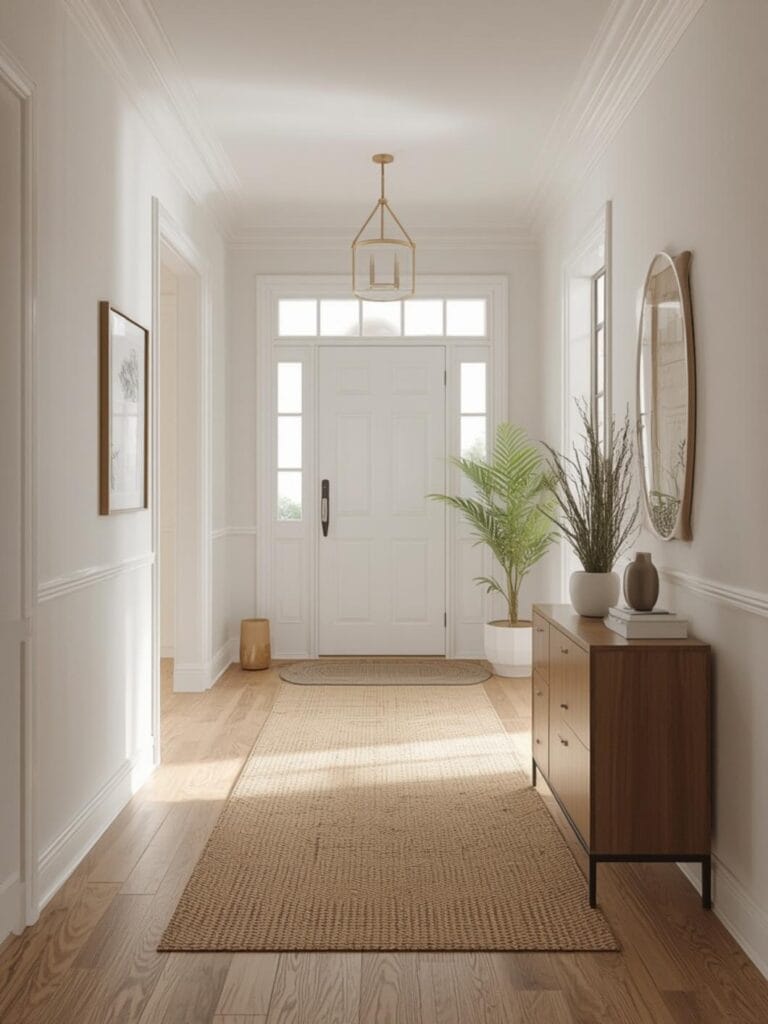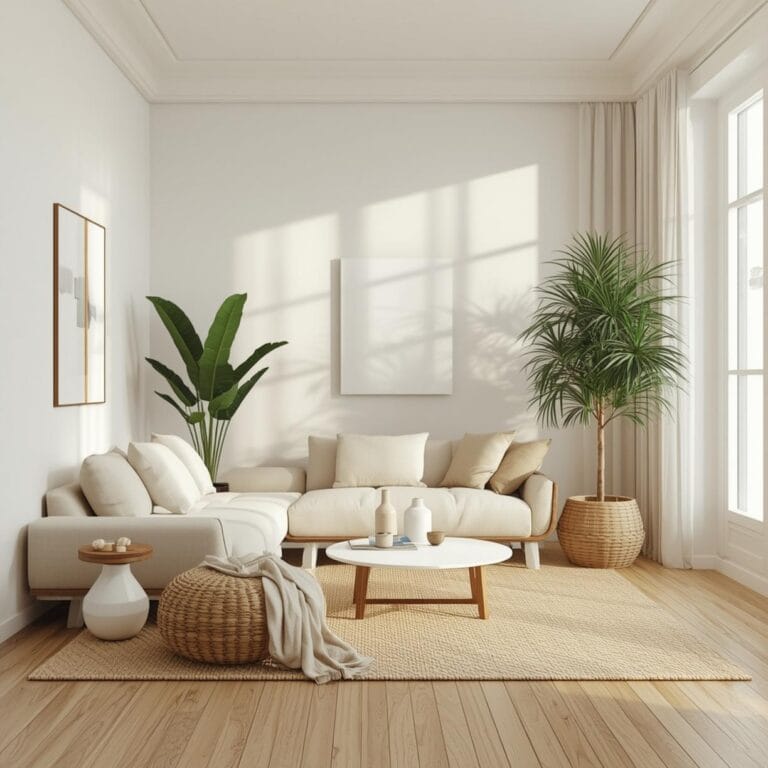
How to Choose Living Room Skylight Design Ideas
Have you ever walked into your living room on a cloudy afternoon and wished it felt just a little brighter? Maybe your space feels cozy but lacks that open, airy feeling you see in magazines. You’re not alone — many homeowners struggle with dark living rooms that never quite feel as inviting as they’d like.
That’s where Living Room Skylight Design Ideas come in. Skylights transform dim, closed-off spaces into bright, welcoming rooms filled with natural light. They don’t just brighten your home — they change how you feel in it every single day.
The best part? You have more options than you might think. From sleek modern designs to traditional styles that complement any decor, skylights work beautifully in nearly every living room layout. Let’s explore how you can bring this stunning feature into your home.
Table of Contents
What You’ll Need to Get the Look
Before you start dreaming about sun-filled afternoons in your living room, it’s helpful to understand what goes into creating a skylight design that works for your space. Here’s what you’ll want to consider:
Skylight Types:
– Fixed skylights (non-opening, purely for light)
– Ventilating skylights (open for airflow)
– Tubular skylights (smaller, perfect for tight spaces)
– Glass paneled skylights (dramatic, modern look)
Frame Materials:
– Aluminum frames (low maintenance, sleek appearance)
– Wood frames (warm, traditional aesthetic)
– Vinyl frames (budget-friendly, energy-efficient)
Glass Options:
– Double-paned glass for insulation
– Low-E coatings to reduce heat gain
– Tinted glass for UV protection
– Frosted glass for diffused light
Complementary Decor:
– Light-colored furniture to reflect natural light
– Mirrors to amplify brightness
– Sheer curtains for adjustable light control
– Potted plants that thrive in bright conditions
You’ll also want to think about shade solutions. Motorized blinds built into the skylight frame give you control over light levels throughout the day. Manual shades work beautifully too and cost significantly less.
Finding Your Style and Season
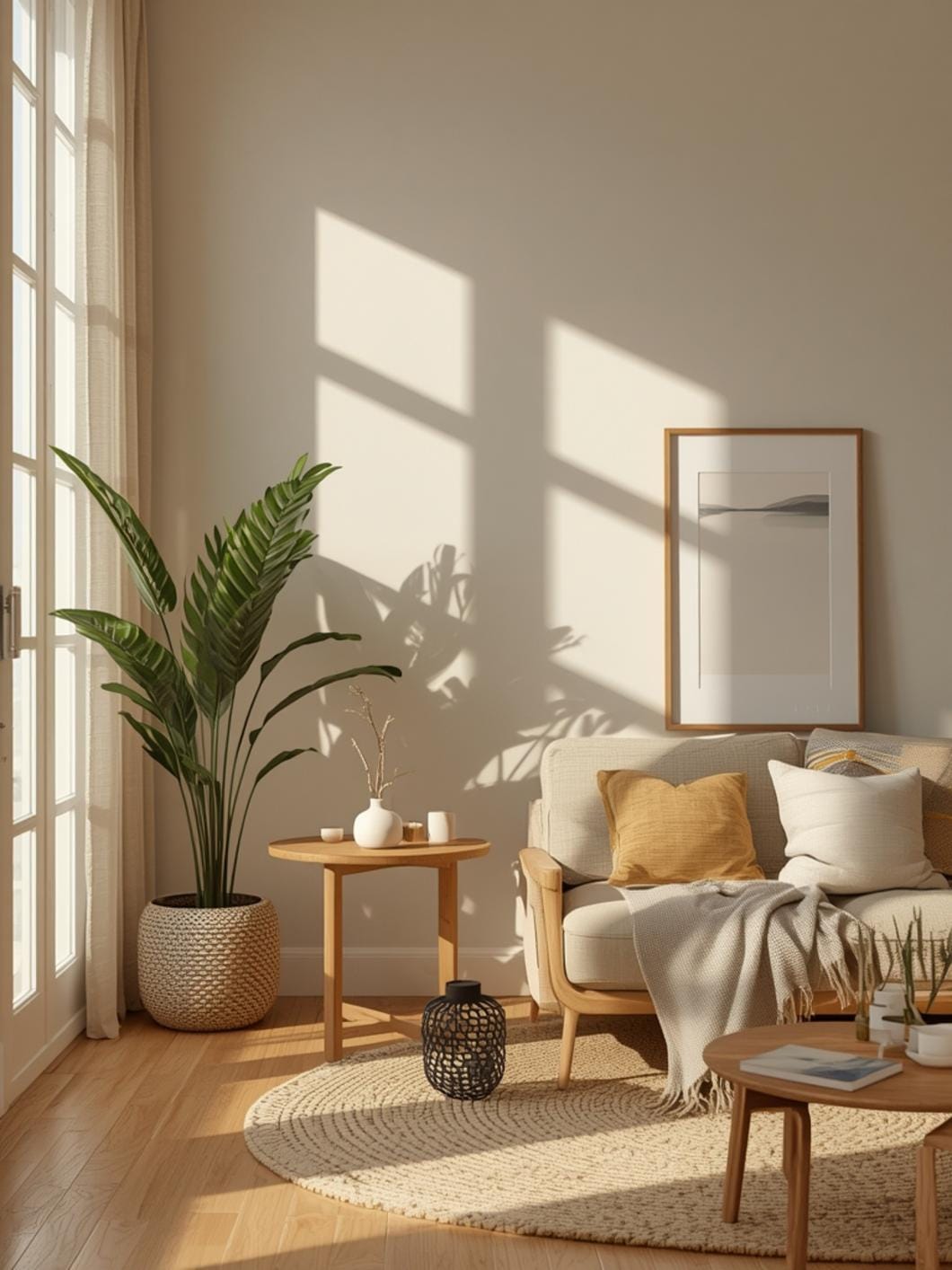
Timing matters when you’re planning a skylight addition. Not just for installation, but for how you’ll experience it throughout the year.
Seasonal Considerations:
Spring and fall offer ideal installation weather. Your home stays comfortable during construction, and contractors can work more efficiently. Summer installations work well too, though you’ll want to plan around extreme heat waves.
Winter isn’t impossible, but it’s trickier. If you live in a snowy climate, wait until after the heavy snow season passes. Ice and freezing temperatures complicate installation and can delay your project.
Style and Mood Planning:
Think about how light moves through your living room during different times of day. Morning light from an east-facing skylight creates an energizing start to your day. Afternoon western light feels warm and golden, perfect for cozy evenings.
Your home’s architectural style should guide your skylight design. Traditional homes look stunning with classic rectangular skylights that match window proportions. Modern spaces shine with dramatic, oversized glass panels or geometric arrangements.
Consider your furniture placement too. A skylight positioned above your seating area creates a beautiful focal point, but make sure the afternoon sun won’t create uncomfortable glare on your TV screen.
7 Ideas to Try in Your Home
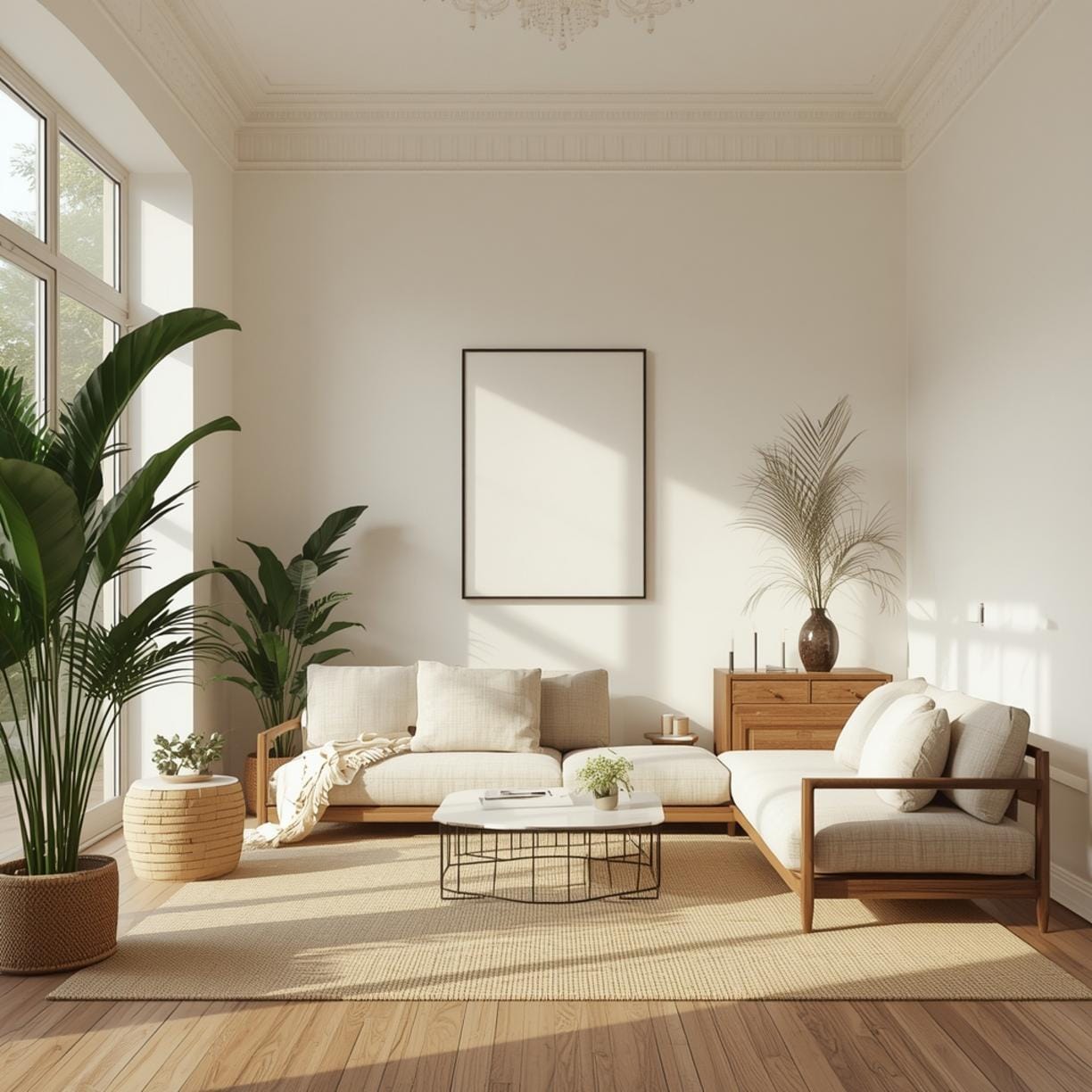
Ready to explore specific design approaches? These ideas work in real homes and can be adapted to fit your unique space and style.
1. The Classic Center Skylight
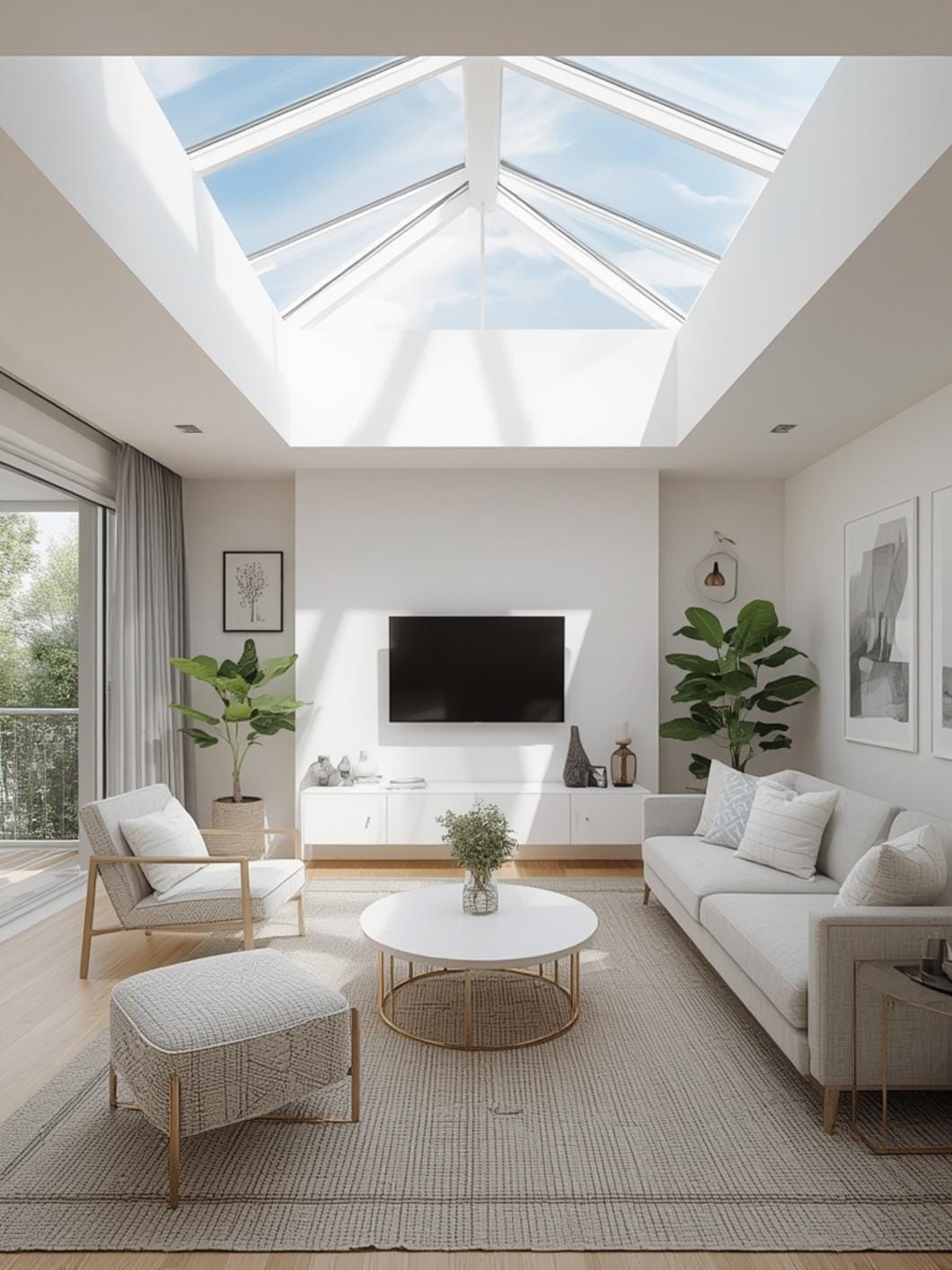
Position a single, generously-sized skylight in the center of your living room ceiling. This traditional approach distributes light evenly across the entire space. It works especially well in square or rectangular rooms where you want balanced illumination. Pair it with neutral walls to maximize the light-reflecting effect.
2. Linear Skylight Strip
Install a long, narrow skylight that runs along your ceiling like a ribbon of light. This modern design works beautifully in contemporary homes and creates dramatic shadows that change throughout the day. It’s particularly stunning in living rooms with vaulted or cathedral ceilings where the length emphasizes the room’s architectural lines.
3. Clustered Tubular Design
Group three or four tubular skylights together in one area of your living room. This approach brings significant natural light without the structural commitment of a large skylight opening. It’s perfect for homes where roof framing makes traditional skylights challenging, and the multiple light sources create interesting patterns on your ceiling.
4. Corner Skylight Drama
Place a skylight in the corner where your living room walls meet the ceiling. This unexpected placement creates stunning angular light that highlights architectural details. It’s an excellent choice for rooms where center placement would interfere with ceiling fans or light fixtures. How to install skylights in living rooms without structural damage starts with working with your existing roof structure rather than fighting against it — corner placement often aligns naturally with roof framing.
5. Skylight Tunnel Above Seating
Create a dedicated “light well” directly above your main seating area using a deep-set skylight. This design works wonderfully in homes with attic space above the living room. The tunnel effect focuses natural light exactly where you spend the most time, creating an intimate, naturally lit conversation space.
6. Grid Pattern Installation
Install four smaller skylights in a symmetrical grid pattern across your living room ceiling. This balanced approach suits traditional and transitional decor styles. The multiple light sources eliminate shadows and create even, consistent natural light throughout the day. It’s particularly effective in large living rooms where a single skylight might not provide adequate coverage.
7. Skylight and Clerestory Combination
Pair a central skylight with high clerestory windows along one wall. This combination floods your living room with light from multiple angles, creating a bright, airy atmosphere that feels almost like being outdoors. The varied light sources prevent the harsh shadows that can occur with single-direction lighting.
Benefits Beyond Brightness
Natural light through skylights offers advantages that go far beyond simply seeing better in your living room.
Health and Wellness Boost
Your body needs natural light to regulate sleep patterns and maintain healthy vitamin D levels. A skylit living room helps normalize your circadian rhythm, especially during darker winter months. Many homeowners report sleeping better and feeling more energized after adding skylights to spaces where they spend significant time.
Energy Savings That Add Up
You’ll use fewer lights during daytime hours, which reduces electricity bills month after month. Modern skylights with quality glazing also provide insulation that helps maintain comfortable temperatures year-round. Some homeowners report reducing their daytime artificial lighting use by 60-80% in skylit rooms.
Home Value Increase
Real estate agents consistently note that homes with skylights attract more interest and often sell faster than comparable homes without them. Buyers recognize the value of natural light and view skylights as a premium upgrade worth paying extra for.
Mood Enhancement
Sunlit rooms simply feel better. Natural light has been proven to reduce stress, improve focus, and create a more positive atmosphere. Your living room becomes a space you genuinely want to spend time in, rather than just a room you pass through.
Visual Space Expansion
Skylights make rooms feel larger and more open without actually adding square footage. The vertical connection to the sky draws your eye upward and creates a sense of spaciousness that standard windows can’t match.
Tips, Alternatives, Styling Advice
Budget considerations play a significant role in skylight decisions. Here’s how different investment levels translate into real-world results.
Budget-Friendly Option ($800-$1,500)
Tubular skylights offer the most affordable entry point into natural lighting. These compact units funnel sunlight through a reflective tube, bringing surprising amounts of light into your living room. They require minimal structural changes and can often be installed in a single day. While they don’t offer sky views, they deliver excellent light performance for the price.
Mid-Range Option ($2,500-$5,000)
Fixed skylights in standard sizes hit the sweet spot between cost and impact. You’ll get substantial natural light, beautiful sky views, and professional installation with proper flashing and weatherproofing. Choose double-paned, Low-E glass for the best energy efficiency. This range typically includes one skylight with basic shade options.
Premium Option ($6,000-$12,000+)
Ventilating skylights with motorized controls and rain sensors offer maximum functionality and convenience. Premium installations might include multiple units, custom sizes to match your room proportions, or dramatic oversized designs. High-end options feature advanced glazing technology, integrated blinds, and smart home compatibility that lets you control everything from your phone.
Small Space Adaptation
If your living room feels cramped, a single well-placed skylight creates more visual impact than multiple small windows. Position it above your main seating area to draw the eye upward and emphasize vertical space. Pair it with light-colored walls and minimal window treatments to maximize the spacious feeling.
Common Mistakes to Avoid
Learning from others’ missteps saves you time, money, and frustration. Here are the most common skylight mistakes homeowners make.
Ignoring sun path planning. Many people install skylights without considering how the sun moves across their roof throughout the day and year. Solution: Use a sun path calculator or smartphone app to map out where sunlight will actually fall in your living room before finalizing placement.
Skipping shade solutions. Beautiful natural light is wonderful until it’s blasting down on you during a summer afternoon. Solution: Install shade systems during initial installation — adding them later costs more and may require modifications to your skylight frame.
Choosing size based on guesswork. Too small and the skylight won’t deliver enough light; too large and you’ll deal with excessive heat gain and glare. Solution: Follow the general guideline of skylight size equaling 5-15% of your floor space, adjusting based on your climate and how many windows you already have.
Forgetting about furniture glare. That gorgeous skylight might create frustrating reflections on your TV screen or wash out artwork. Solution: Map out sight lines from your seating areas before installation, ensuring the skylight won’t cause viewing problems with screens or reflective surfaces.
Overlooking condensation issues. Poor ventilation around skylights leads to condensation, which can damage ceilings and walls over time. Solution: Ensure your contractor properly insulates around the skylight frame and maintains adequate attic ventilation to prevent moisture buildup.
Maintenance Keeps Them Beautiful
Skylights need regular attention to maintain their appearance and function properly year after year.
Quarterly Cleaning Routine
Clean the interior glass every three months using a microfiber cloth and glass cleaner. This prevents dust buildup that gradually dims the light. For exterior cleaning, use a soft brush on an extension pole twice yearly to remove leaves, branches, and debris from the outer glass and frame.
Annual Seal Inspection
Check the weatherstripping and flashing around your skylight each spring. Look for any gaps, cracks, or separation where water might enter. Catching small issues early prevents expensive water damage later. Most problems show up as small gaps between the frame and ceiling material.
Condensation Management
If you notice condensation forming between glass panes, this indicates seal failure and requires professional attention. Interior condensation usually means your home’s humidity levels are too high — run bathroom and kitchen exhaust fans more often and consider a dehumidifier during humid months.
Operating Component Care
If you have ventilating skylights, test the opening mechanism monthly. Clean tracks and hinges annually with a dry cloth, then apply silicone-based lubricant to moving parts. This prevents sticking and extends the life of mechanical components.
Light Up Your Living Space
Skylights transform ordinary living rooms into bright, welcoming spaces where your family naturally wants to gather. The right design brings not just light, but a connection to the outdoors that makes your home feel more open and alive.
Whether you choose a single dramatic skylight or a pattern of smaller ones, you’re investing in how your home feels every single day. The natural light, the glimpse of sky, the way sunshine streams across your furniture — these details create the atmosphere that turns a house into a home you love.
Ready to explore more ways to enhance your living space? Browse DecorKingdom for additional inspiration on creating rooms that reflect your style and meet your family’s needs.
FAQs
Will a skylight make my living room too hot in summer?
Modern skylights with Low-E glass and proper shading systems actually manage heat very effectively. The key is choosing double-paned glass with UV-blocking coatings and installing adjustable shades you can close during peak sun hours. Most homeowners find the light benefits far outweigh any temperature concerns when skylights are properly specified for their climate.
Can I add a skylight to a living room with a second story above it?
Yes, but you’ll need a light tunnel or light shaft system. These use reflective tubing to channel sunlight from your roof through the second-story space and into your living room below. While they don’t provide sky views, they deliver surprisingly effective natural light and work well in multi-story homes.
How do I know if my roof structure can support a skylight?
A professional contractor will evaluate your roof framing during the planning phase. Most roofs can accommodate at least one skylight, though the size and placement may need to work around existing rafters and trusses. Homes with older construction sometimes require additional framing support, which your contractor can incorporate into the installation plan.
Do skylights leak more than regular roofs?
Quality skylights properly installed with correct flashing rarely leak. The key is hiring experienced installers who understand proper waterproofing techniques. Most skylight leaks actually result from installation errors rather than product failure. Choosing reputable manufacturers and certified installers virtually eliminates this concern.
Can I install motorized shades in an existing skylight?
Many skylight manufacturers offer retrofit shade systems designed for existing units. The feasibility depends on your specific skylight model and frame design. Some systems mount inside the skylight frame, while others attach to the ceiling around the opening. Motorized options typically require minimal wiring and can be battery-operated for easier installation.
—
Meta Title: Living Room Skylight Design Ideas That Transform (2026)
Meta Description: Discover stunning Living Room Skylight Design Ideas that flood your space with natural light. 7 styles from classic to modern, plus expert tips.