10 Small Entryway Decor Ideas to Maximize Your Space
Walking through your front door should feel welcoming—not chaotic. But when your entryway is barely big enough for a doormat, creating that feeling can seem impossible. You trip over shoes, toss keys on the floor, and wonder how anyone manages to make these tiny spaces look magazine-ready.
The good news? Small entryway decor ideas don’t require a big budget or a renovation. With the right approach, even the tiniest entry can become a functional, beautiful space that sets the tone for your entire home. You just need to think vertically, choose multi-purpose pieces, and embrace creative storage solutions that don’t feel cramped.
Your entryway might be small, but it’s the first thing you and your guests see every single day. Making it work harder—and look better—is absolutely worth the effort.
Table of Contents
What You’ll Need to Get the Look
Creating a functional and stylish small entryway starts with choosing the right elements. You don’t need everything on this list, but these pieces work together to maximize both form and function.
Essential furniture pieces:
– Narrow console table (24 inches deep or less)
– Wall-mounted coat rack or hooks
– Small bench with hidden storage
– Slim shoe cabinet or rack
Decorative elements:
– Framed mirror (preferably oversized to reflect light)
– Small tray for keys and mail
– Wall-mounted shelf or floating ledge
– Basket for scarves, gloves, or dog leashes
Lighting and accessories:
– Table lamp or wall sconce
– Small potted plant or faux greenery
– Decorative bowl or catchall dish
– Artwork or wall prints in matching frames
Storage solutions:
– Over-the-door organizer
– Wall-mounted mail sorter
– Umbrella stand (slim profile)
– Adhesive hooks for bags
The key is selecting pieces that serve double duty. A bench with lift-up storage beats a simple stool every time. A mirror with hooks behind it gives you two functions in one spot.
Finding Your Style and Season
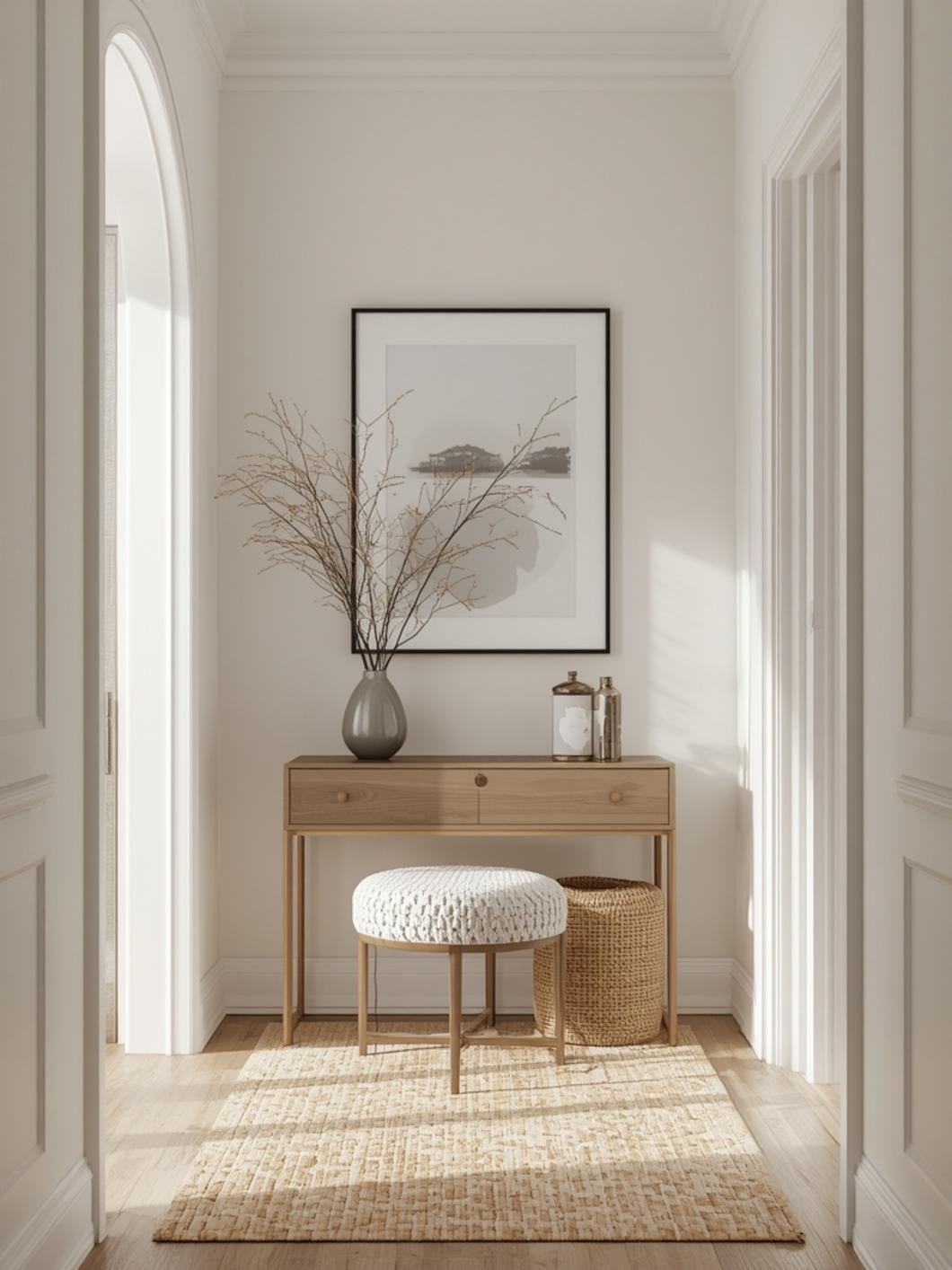
Your entryway decor can shift with the seasons without requiring a complete overhaul. The trick is establishing a base style, then swapping out small accessories as the year progresses.
Spring and summer call for lighter colors and fresh textures. Swap heavy baskets for woven seagrass versions. Add a vase with fresh or faux flowers. Choose artwork with botanical prints or coastal themes. Light linen or cotton textiles keep things breezy.
Fall and winter invite warmer, cozier elements. Trade bright pillows for rich burgundy or forest green. Add a small lantern with LED candles. Switch to wool or chunky knit textures. Seasonal touches like pinecones in a bowl or a simple wreath above your console table make a big impact.
Your personal style matters more than trends. If you love modern minimalism, stick with clean lines and neutral tones year-round. If you’re drawn to farmhouse charm, incorporate rustic wood and vintage metal finishes. Coastal lovers can keep blues and whites as their foundation in every season.
The best time to refresh your entryway is during spring cleaning or before holiday guests arrive. But honestly? Any weekend when you’re craving a change works perfectly. Small spaces transform quickly—you can restyling your entire entry in an afternoon.
7 Ideas to Try in Your Home
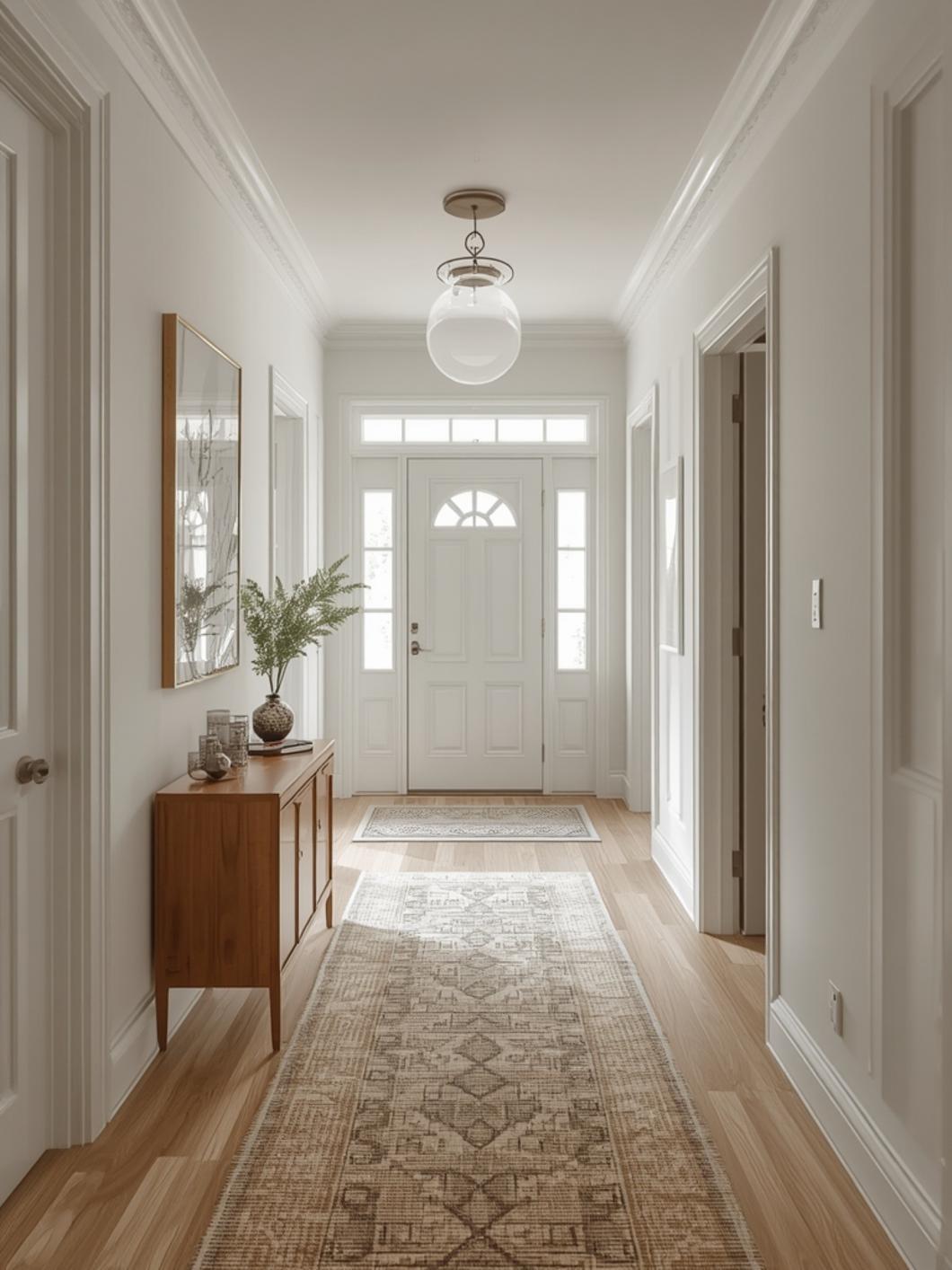
These practical ideas work in real homes with limited square footage. Pick one or combine several based on your space and needs.
1. The vertical storage wall
Mount a pegboard or grid panel on your narrowest wall. Add hooks for coats, a small shelf for keys, and clips for mail. Paint it the same color as your wall for a seamless look, or make it a contrasting accent. This approach keeps everything off the floor while taking up zero floor space.
2. The floating shelf entry
Skip the console table entirely and install two floating shelves at different heights. The upper shelf holds decor—a mirror, small plant, and framed photo. The lower shelf acts as a key drop with a decorative tray. Hooks mounted below hold everyday bags and jackets.
3. The bench-and-basket system
Place a narrow bench against one wall with two or three woven baskets tucked underneath. Each family member gets their own basket for shoes, mail, or accessories. How to maximize storage in a tiny entryway often comes down to using the space under your furniture wisely.
4. The corner command center
Use the corner most people ignore. Mount a corner shelf unit or place a small triangular table there. Add a cork board or magnetic board above for reminders and calendars. This setup works especially well in apartments where wall space is limited.
5. The mirror illusion trick
Hang a large floor mirror (at least 4 feet tall) on your most visible wall. The reflection instantly doubles the visual space and bounces natural light around. Place a slim console or wall-mounted shelf in front of it. The depth created by the reflection makes your entry feel significantly larger.
6. The hidden door storage
Mount an over-the-door organizer with clear pockets on the back of your front door or a nearby closet door. Use it for sunglasses, dog leashes, reusable shopping bags, or hand sanitizer. You get tons of storage without sacrificing any wall or floor space.
7. The multi-hook gallery wall
Create a gallery wall that combines framed artwork with decorative hooks. Arrange 4-6 frames in a balanced layout, then add vintage-style hooks between them. This gives you both visual interest and functional hanging space. Choose frames in matching finishes to keep it cohesive.
Each of these ideas solves the challenge of limited space while maintaining style. You can implement any of them in a single afternoon with basic tools and readily available materials.
Benefits of a Well-Organized Small Entryway
A thoughtfully designed entryway does more than look pretty—it changes how your whole home functions and feels.
Your mornings become less stressful. When everything has a designated spot, you’re not frantically searching for car keys or your kid’s backpack. You grab what you need and go. That extra five minutes of calm before work? Priceless.
Your home feels instantly cleaner. Containing the clutter right at the entry point prevents it from spreading into your living room and kitchen. Shoes stay in one spot. Mail doesn’t pile up on the dining table. The ripple effect throughout your home is remarkable.
Guests feel more welcome. A styled entry signals that your home is cared for and intentional. Even if the rest of your house is chaotic, that first impression matters. Your guests have a dedicated spot to set down their belongings, which immediately puts them at ease.
Your home feels more spacious. Strategic mirrors and vertical storage create the illusion of more square footage. Light-colored decor and smart organization prevent that cramped, overwhelming feeling that small spaces can trigger.
You actually maintain it. Here’s the truth: complicated systems fail. When your entryway setup is simple and functional, you’ll actually use it. That means your space stays organized week after week, not just for the first few days.
The emotional benefit might be the biggest one. Coming home to an organized, beautiful entry—even a tiny one—genuinely lifts your mood. Your home becomes a retreat rather than another source of stress.
Tips, Alternatives, and Styling Advice
Small entryway solutions come in every price range. Start with what fits your budget and upgrade over time.
Budget-friendly approach ($50-150): Shop thrift stores for a narrow vintage bench or table. Paint it to match your style. Add command hooks ($15 for a set), a thrifted mirror ($20-40), and baskets from discount stores. DIY a key holder using a piece of reclaimed wood and some hooks from the hardware store. This approach requires more time but delivers big impact.
Mid-range investment ($200-500): Purchase a quality console table with built-in storage drawers. Add a proper wall-mounted coat rack in a finish that matches your home’s hardware. Invest in a good-sized mirror with an attractive frame. Buy matching storage baskets and a decent table lamp. These pieces should last years and genuinely improve functionality.
Premium solution ($600+): Custom built-ins maximize every inch of your specific space. A professional carpenter can create floor-to-ceiling storage that looks built-in. Pair this with designer lighting, a statement mirror, and high-end baskets or bins. This level of investment makes sense if you plan to stay in your home long-term.
Small space adaptation: If your entryway is truly minimal—just a door opening into your living space—create a “virtual” entryway using a narrow runner rug to define the zone. Place a small console table perpendicular to the wall to create separation. Use the back of your sofa as a boundary if it’s nearby.
Renter-friendly options: Stick with removable adhesive hooks, freestanding furniture, and over-the-door organizers. Lean a large mirror against the wall instead of mounting it. Choose lightweight pieces you can easily take with you. Your landlord will thank you, and moving day will be much simpler.
The most important tip? Measure everything before you buy. A console table that’s two inches too wide will make your space feel impossibly cramped. Take photos of your entryway on your phone when you’re out shopping to reference the wall color and existing elements.
Common Mistakes to Avoid
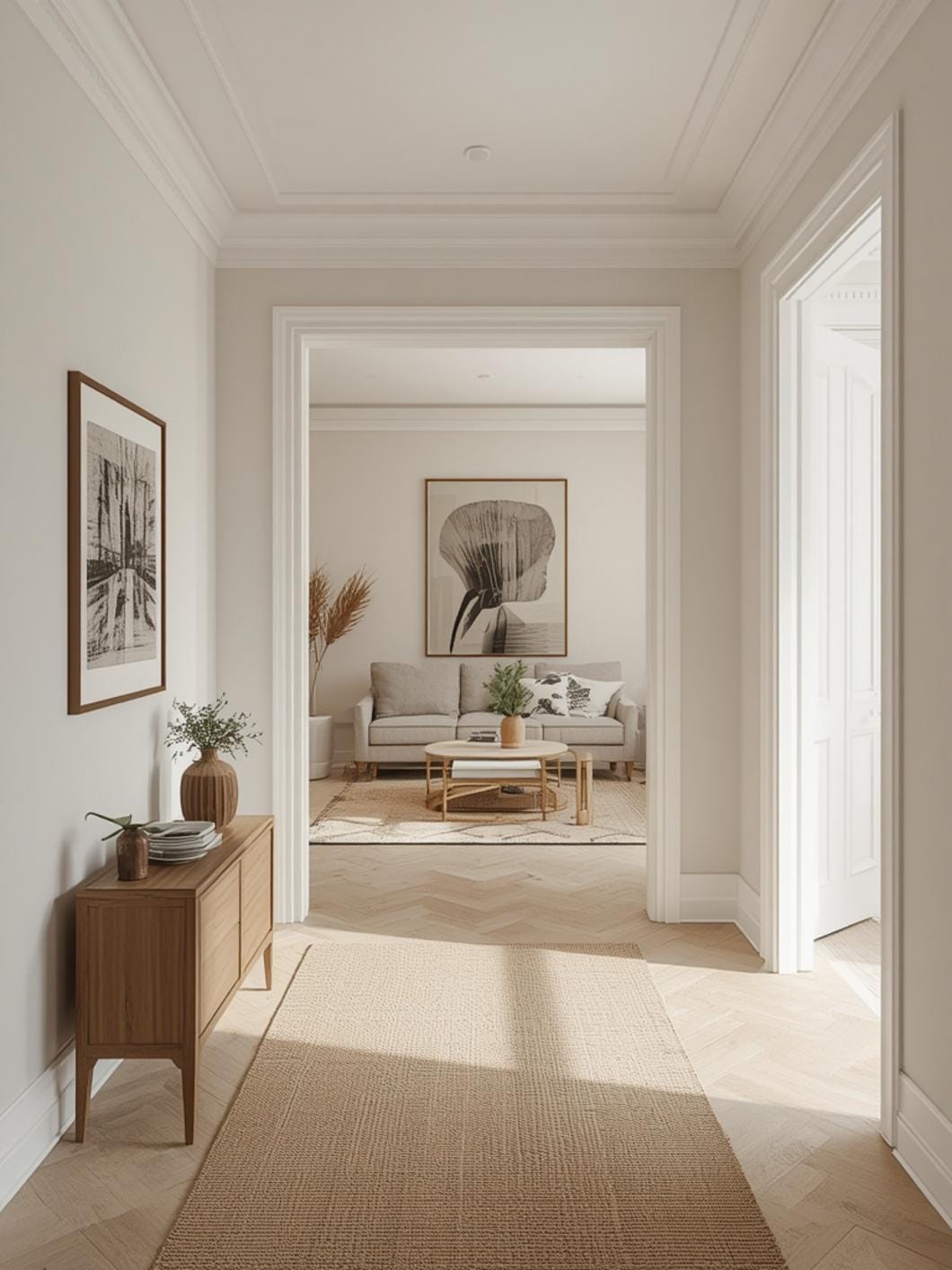
Choosing furniture that’s too large for the space. Even if that console table is gorgeous, if you have to turn sideways to walk past it, it’s wrong for your entry. Measure your space and leave at least 30 inches of walkway clearance.
Forgetting about lighting. Dark entryways feel smaller and less welcoming than they actually are. Add a table lamp, wall sconce, or even a plug-in LED light strip under a shelf to brighten things up instantly.
Hanging too many coats on display. Five jackets piled on wall hooks looks messy no matter how nice the hooks are. Keep only current-season, frequently-used items on display and store everything else in a nearby closet.
Ignoring the vertical space. When floor space is limited, walls become your best friend. Mount shelves, hooks, and organizers up high to keep the floor clear and create visual height that makes the space feel larger.
Skipping the landing zone for small items. Keys, sunglasses, and mail need a home, or they’ll end up scattered everywhere. A small tray or bowl on your console table solves this in seconds and keeps your entry tidy.
Using too many competing colors or patterns. Small spaces look chaotic when there’s too much visual noise. Stick to a simple color palette of 2-3 main colors, and use patterns sparingly for the biggest impact.
Maintenance and Upkeep Tips
Keeping your small entryway looking great requires minimal effort when you build good habits.
Do a quick 2-minute tidy every evening. Return items to their proper spots, straighten the shoe situation, and toss junk mail immediately. This daily reset prevents clutter from building up over the week.
Wipe down surfaces weekly. Dust and dirt accumulate quickly near the front door. A quick wipe of your console table, mirror, and any shelves takes less than five minutes and keeps everything looking fresh.
Rotate seasonal items every few months. Pack away heavy winter scarves when spring arrives. Store summer hats when fall comes around. This keeps only relevant items in your space and prevents overcrowding.
Clean your mirror monthly with glass cleaner. Smudges and fingerprints make mirrors look dingy and reduce that light-reflecting benefit. A clean mirror genuinely makes your space feel brighter and larger.
Vacuum or sweep twice a week minimum. The entryway catches all the outdoor dirt tracked in daily. Stay on top of floor cleaning to prevent grime from spreading throughout your home.
Reassess your system quarterly. If shoes are piling up outside the shoe cabinet, you need more shoe storage. If mail is overflowing, you need a bigger sorting system. Adjust your setup as your needs change rather than fighting against what’s not working.
Most maintenance comes down to putting things back where they belong. When you’ve created designated spots for everything, upkeep becomes automatic rather than a chore.
Conclusion
A small entryway doesn’t have to be a source of daily frustration. With smart storage solutions, vertical thinking, and pieces that work double duty, even the tiniest space can become both beautiful and functional. The key is choosing elements that fit your lifestyle and actually using them consistently.
Start with one or two ideas that speak to you most. Maybe it’s finally adding those hooks you’ve been thinking about, or finding the perfect narrow bench. Small changes add up quickly in compact spaces.
Ready for more inspiration to make every corner of your home work harder? Explore more practical decorating ideas and real-home solutions at DecorKingdom.
FAQs
What’s the best furniture for a really narrow entryway?
Look for console tables that are 10-12 inches deep rather than the standard 14-16 inches. Wall-mounted floating shelves work even better because they take up zero floor space while still giving you a surface for keys and decor. Pair them with a few decorative hooks mounted directly to the wall below.
How do I make my tiny entryway look bigger?
Hang a large mirror to reflect light and create the illusion of depth. Keep your color palette light and neutral. Use vertical storage solutions to draw the eye upward. Most importantly, keep clutter to a minimum—empty space actually makes a small area feel more spacious than cramming in too many decorative items.
Where should I put shoes in a small entryway with no closet?
A slim shoe cabinet with a lift-up lid or sliding doors keeps shoes hidden but accessible. Alternatively, use a bench with baskets or bins tucked underneath for each family member’s daily shoes. Store off-season and less-used shoes in bedroom closets to keep your entryway from becoming overwhelmed.
Can I create an entryway if my front door opens right into my living room?
Absolutely. Use a runner rug to define the entry zone visually. Place a narrow console table or bookshelf perpendicular to the wall to create a subtle divider. Even just a coat rack and a small table can establish an entryway feeling without requiring any structural changes.
How often should I declutter my entryway?
Do a quick daily tidy-up that takes 2-3 minutes—just putting things back in their spots and tossing junk mail. Then do a deeper edit every season when you rotate out weather-specific items. This prevents the gradual buildup of stuff that no longer serves you and keeps your system working smoothly.
—
Meta Title: Small Entryway Decor Ideas That Actually Work (2026)
Meta Description: Transform your cramped entry with small entryway decor ideas that maximize space. Get 7 actionable solutions for tiny entryways that look amazing.