How to Choose Laundry Room Tile Ideas
Your laundry room deserves more than just being a forgotten corner of your home. It’s where you tackle one of life’s most repetitive chores, so why not make it a space you actually enjoy spending time in? The right laundry room tile ideas can turn this hardworking room into something truly special.
Most homeowners overlook the flooring and wall surfaces in their laundry rooms, settling for whatever came with the house. But here’s the thing: tiles aren’t just practical for handling spills and splashes. They’re also an incredible opportunity to inject personality and style into a space that sees daily use.
Whether you’re planning a full renovation or just want to refresh your existing space, the tile choices you make will set the tone for years to come. From classic subway patterns to bold geometric designs, there’s a perfect option waiting for your home.
Table of Contents
What You’ll Need to Get the Look
Choosing tiles for your laundry room involves more than just picking pretty patterns. You’ll need to think about the complete picture to create a cohesive, functional space.
Start with your floor tiles. Look for options specifically rated for high-traffic areas with good slip resistance. Porcelain and ceramic tiles work beautifully because they can handle dropped detergent bottles and the occasional water puddle without breaking a sweat.
For wall applications, you have more flexibility. Subway tiles remain a timeless favorite, but don’t overlook peel-and-stick options if you’re renting or want a budget-friendly refresh. Glass tiles can add a touch of luxury behind your utility sink area.
You’ll also want to consider:
– Tile spacers and leveling clips for a professional-looking installation
– Waterproof grout in colors that complement your tile choice
– Transition strips where your laundry room meets other flooring types
– A quality tile sealer for natural stone options
Don’t forget about accent pieces. Decorative border tiles or a single statement wall can elevate your design without requiring tiles throughout the entire room. Mix matte and glossy finishes to create visual interest while keeping your space practical.
Finding Your Style and Season
Unlike seasonal decorating in your living spaces, laundry room tile choices are permanent decisions that need to work year-round. The good news? Certain styles have staying power that transcends passing trends.
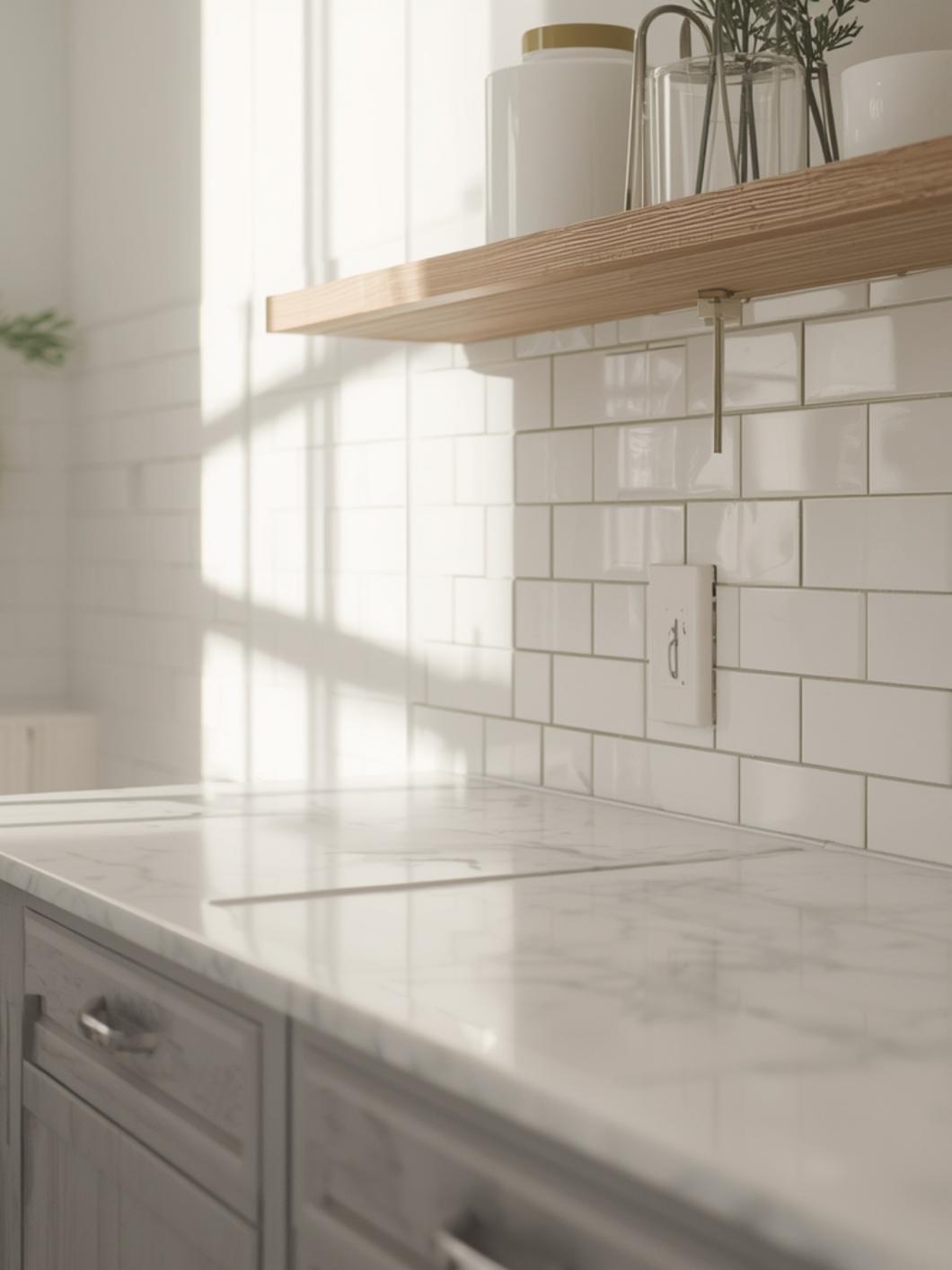
Classic white or neutral tiles never go out of style and create a clean, fresh backdrop that makes the room feel larger. This works especially well if your laundry room doubles as a mudroom or pet washing station. You can always add seasonal touches through rugs or wall art.
Patterned cement tiles have exploded in popularity and bring instant character to even the smallest laundry spaces. Moroccan-inspired designs, geometric patterns, or vintage-look encaustic tiles create focal points that make folding laundry feel a little less mundane.
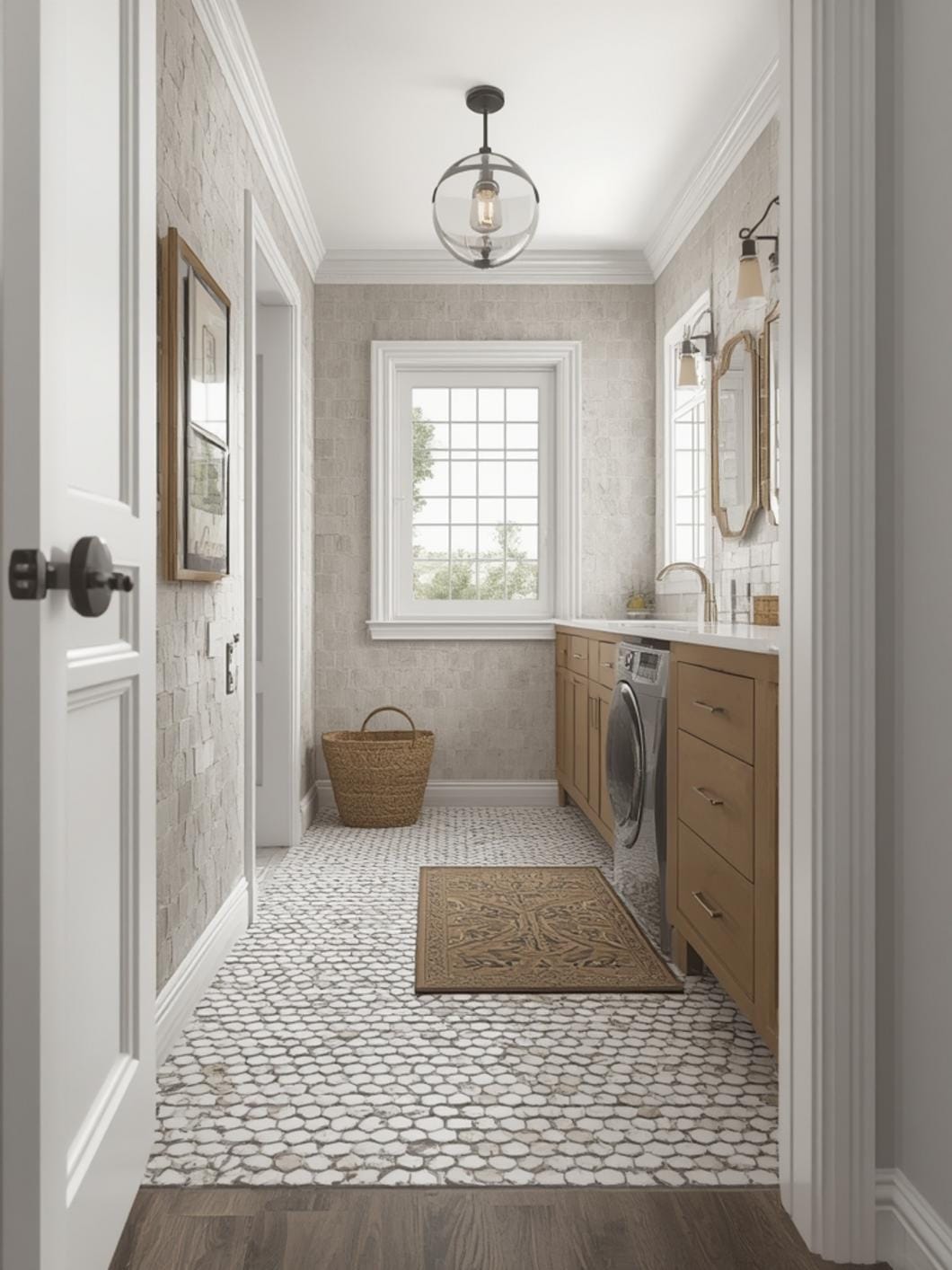
Consider your home’s overall aesthetic too. Farmhouse-style homes look beautiful with hexagon or penny tiles. Modern spaces shine with large-format rectangular tiles in concrete or marble looks. Traditional homes can embrace classic checkerboard patterns or timeless subway tile arrangements.
The best time to tackle a tile project is during mild weather when you can keep windows open for ventilation during installation and curing. Spring and fall offer ideal conditions, though the urgency of a washing machine leak won’t wait for perfect weather.
7 Ideas to Try in Your Home
1. Classic Subway Tile with a Twist
White subway tiles laid in a traditional brick pattern never fail, but you can make them special with colored grout. Navy, charcoal, or even sage green grout lines transform ordinary subway tiles into something magazine-worthy. This approach gives you the durability and practicality you need while expressing your personality through an unexpected detail.
2. Terrazzo Makes a Comeback
This speckled composite material from mid-century homes is having a major moment. Modern terrazzo tiles come in gorgeous color combinations that hide dirt and wear beautifully. The busy pattern is forgiving for a space where you’re constantly moving wet clothes and dealing with detergent drips.
3. Wood-Look Porcelain
You get the warmth of wood without any moisture worries. These best tiles for wet areas and moisture resistance mimic hardwood planks so convincingly that guests won’t believe they’re tile. They’re perfect for creating a seamless flow from your kitchen or hallway into the laundry room.
4. Hexagon Tile Floor
Small hexagon tiles (often called penny tiles) create a vintage charm that’s especially beautiful in white or soft gray. The smaller scale adds visual interest underfoot while maintaining a classic, clean look. The grout lines provide natural traction, making these a smart choice for potentially wet floors.
5. Statement Wall Behind Appliances
You don’t need to tile the entire room to make an impact. A single wall behind your washer and dryer, covered in patterned or colorful tiles, creates a stunning backdrop. This approach lets you be bold without overwhelming the space or your budget.
6. Large Format Concrete-Look Tiles
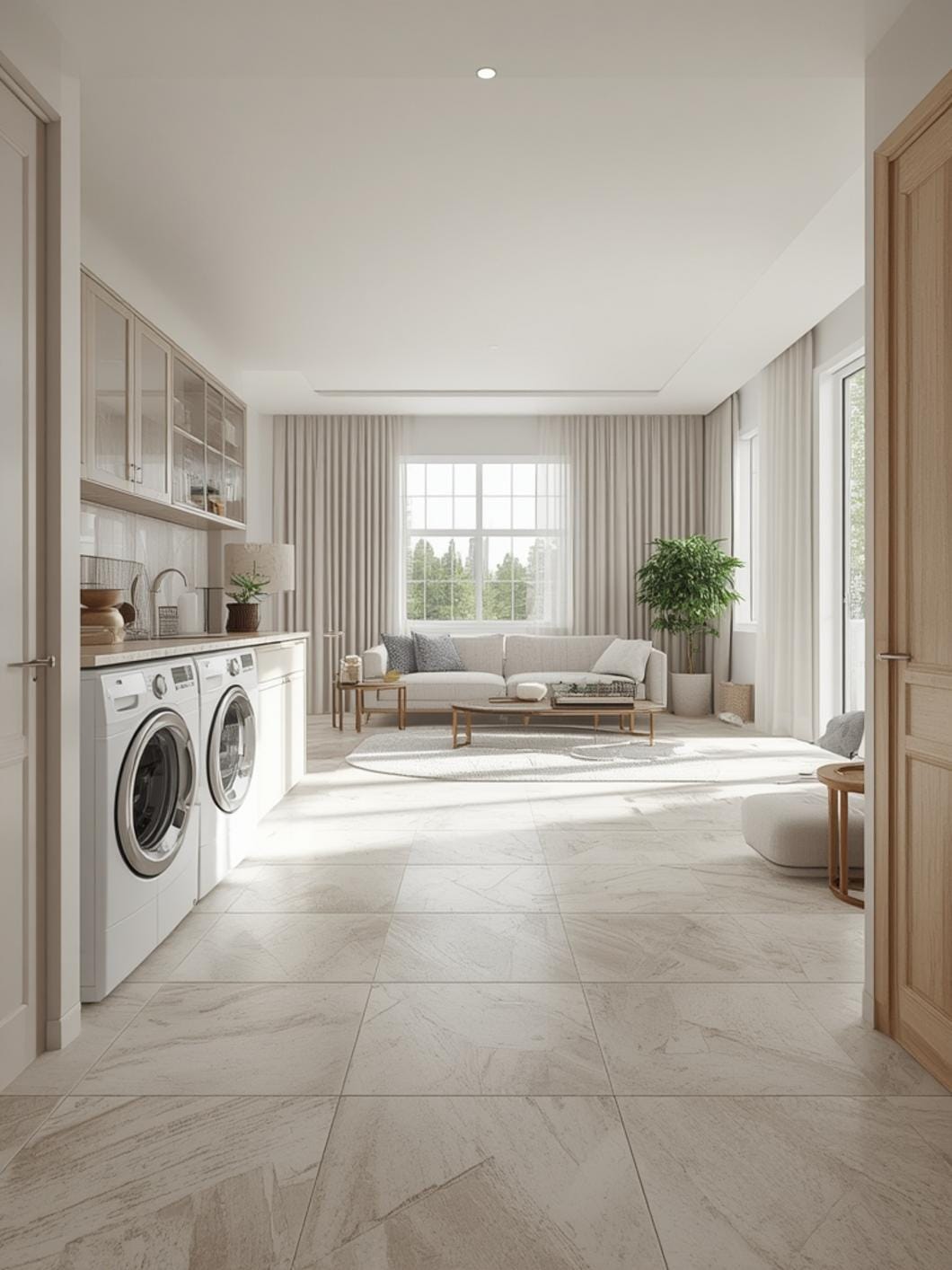
Bigger tiles mean fewer grout lines to clean, and concrete-look porcelain delivers an industrial-chic vibe that’s surprisingly warm. These work beautifully in modern and transitional homes. The large format makes small laundry rooms feel more spacious too.
7. Mixed Materials
Combine different tile types for a custom look. Try patterned cement tiles on the floor with simple subway tiles on the walls, or create a border using decorative tiles around plain field tiles. This designer trick adds sophistication while keeping costs manageable.
Benefits Beyond Beauty
The right tile choices deliver advantages that go far beyond good looks, making your daily laundry routine easier and protecting your home investment.
Durability stands out as the biggest benefit. Quality tiles laugh in the face of dropped detergent bottles, rolling laundry baskets, and heavy foot traffic. Unlike vinyl or laminate, tiles won’t dent, scratch, or peel away from moisture exposure over time.
Water resistance is crucial in a room where leaks and spills are almost guaranteed at some point. Properly installed tiles with sealed grout create a waterproof barrier that protects your subfloor and walls from costly moisture damage. This peace of mind is priceless.
Maintenance couldn’t be simpler. A quick sweep and damp mop keep tile floors looking fresh, while wall tiles wipe clean with a cloth. You won’t worry about staining the way you would with painted drywall or cheaper materials.
The psychological impact surprises many homeowners. Walking into a beautifully tiled laundry room makes the chore feel less burdensome. When you’ve created a space that looks finished and intentional, you’ll find yourself more motivated to keep it organized and functional.
Tiles also contribute to better air quality in your home. Unlike some flooring materials that can off-gas chemicals, ceramic and porcelain tiles are inert and don’t release harmful substances. This matters especially in an enclosed space where you’re handling chemicals regularly.
Smart Options for Every Budget
Budget-Friendly Approach
Ceramic tiles from home improvement stores offer excellent value without sacrificing quality. Focus your tile investment on high-impact areas like the floor, then paint the walls with moisture-resistant paint. Peel-and-stick tiles work surprisingly well for accent walls if you’re renting or want maximum flexibility.
You can create a high-end look by choosing simple white tiles and elevating them with interesting patterns like herringbone or vertical stacks. The installation pattern costs nothing extra but delivers designer appeal.
Mid-Range Sweet Spot
Porcelain tiles hit the perfect balance of durability and affordability. At this price point, you can tile both floors and walls without breaking the bank. Consider mixing expensive decorative tiles with affordable field tiles to stretch your budget while maintaining style.
This tier also opens up better size options. Larger format tiles (12×24 inches or bigger) create fewer grout lines and feel more upscale. They’re worth the moderate price increase for the cleaner look and easier maintenance.
Premium Investment
Natural stone tiles like marble, slate, or travertine bring luxury and uniqueness to your laundry room. No two pieces look exactly alike, creating a truly custom space. These require professional installation and regular sealing but reward you with timeless beauty that increases home value.
Handmade cement tiles fall into this category too. Their artisan quality and bold patterns make them instant conversation starters. Use them strategically as accents to control costs while still achieving that wow factor.
Small Space Adaptation
Tiny laundry closets benefit from light-colored, glossy tiles that reflect light and make the space feel larger. Stick with the same tile on floors and walls to eliminate visual breaks that chop up the space. Vertical subway tile patterns draw the eye upward, creating the illusion of higher ceilings in cramped quarters.
Common Mistakes to Avoid
Choosing Fashion Over Function
Those gorgeous textured tiles might look amazing in the showroom, but deep grooves and rough surfaces trap lint and dirt in a laundry room. Stick with smooth or lightly textured options that clean easily with a quick wipe.
Skipping the Waterproofing Step
Some homeowners assume tile alone provides enough water protection, but moisture can seep through grout lines without proper waterproofing behind the tile. Always use cement board or waterproofing membrane behind tiles in wet areas, especially around utility sinks and behind washing machines.
Ignoring Grout Color Consequences
White grout looks crisp initially but shows every speck of dirt in a hardworking laundry room. Choose a grout color that’s one or two shades darker than your tile to hide inevitable staining while still looking intentional.
Installing Slippery Tiles
Polished marble or high-gloss porcelain might be beautiful, but they become skating rinks when wet. Always check the slip-resistance rating (look for a COF rating of 0.5 or higher) to prevent accidents when carrying heavy laundry baskets across damp floors.
Going Too Trendy
That bold geometric pattern might be everywhere on Pinterest right now, but will you still love it in ten years? Tile is a long-term commitment. Choose patterns and colors you can live with for the long haul, saving trend experiments for easily changeable elements like accessories.
Keeping Your Tiles Looking Fresh
Daily maintenance takes almost no effort. Sweep or vacuum regularly to prevent dirt from grinding into grout lines. Wipe up spills when they happen, especially if you’re working with acidic products like vinegar-based cleaners that can etch certain stone tiles.
Deep clean your tile floors monthly with a pH-neutral cleaner made specifically for tile and grout. Avoid harsh chemicals, vinegar, or bleach on natural stone, as these can damage the surface over time. A microfiber mop works wonders for streak-free cleaning.
Grout needs attention too. Seal your grout lines every one to two years to maintain their water resistance and prevent staining. This simple step takes less than an hour and dramatically extends the life of your installation. If grout starts looking dingy, a specialized grout cleaner or a paste of baking soda and water can restore its original color.
For natural stone tiles, annual resealing is essential. This protective barrier keeps liquids from penetrating the stone’s porous surface. Test whether your stone needs sealing by putting a few drops of water on the tile—if it darkens or absorbs within a few minutes, it’s time to reseal.
Address cracked or loose tiles immediately. These issues only get worse with time and can lead to water damage beneath the surface. Most tile repairs are straightforward for a handy homeowner or require only a quick visit from a professional.
Create Your Dream Laundry Space
Your laundry room works hard for your household every single day. Treating it to beautiful, durable tile isn’t just about aesthetics—it’s about creating a functional space that makes daily chores more pleasant and protects your home from water damage.
The tile ideas we’ve explored offer something for every style preference and budget level. Whether you’re drawn to classic subway tiles or ready to embrace bold patterned cement tiles, the right choice will serve your home well for decades to come.
Ready to discover more ways to make every room in your home beautiful and functional? Explore our other design guides at DecorKingdom for inspiration that fits your real life and your real budget.
FAQs
What type of tile is best for laundry room floors?
Porcelain tile is your best bet for laundry room floors because it’s incredibly durable, water-resistant, and available in countless styles. Look for textured or matte finishes rather than polished ones to prevent slipping on wet surfaces. Ceramic tiles work well too and typically cost less, though they’re slightly less dense than porcelain.
Can I install laundry room tile myself or do I need a professional?
Many homeowners successfully install tile themselves, especially for straightforward layouts with standard rectangular or square tiles. You’ll need basic tools, patience, and willingness to follow instructions carefully. However, complex patterns, natural stone materials, or rooms with tricky layouts benefit from professional installation to ensure proper waterproofing and avoid costly mistakes.
How do I choose grout color for my laundry room tiles?
Select a grout color that’s slightly darker than your tile to hide dirt and staining without creating harsh contrast. Gray grout works beautifully with white tiles and shows far less wear than pure white. Test your grout choice on a sample board before committing, as it looks different once it dries and is sealed.
Are peel-and-stick tiles durable enough for a laundry room?
Modern peel-and-stick tiles have improved dramatically and can work for laundry rooms, especially on walls or in low-traffic areas. However, traditional ceramic or porcelain tiles still outperform them in durability and moisture resistance for floors. Peel-and-stick options work best as temporary solutions or for renters who want to refresh the space without permanent changes.
How much does it cost to tile an average laundry room?
Expect to spend between $800 and $2,500 for a typical 50-square-foot laundry room, including materials and professional installation. Budget ceramic tiles bring costs down, while natural stone or handmade tiles increase them significantly. DIY installation can cut your costs roughly in half, though you’ll need to invest in tools and materials for proper preparation and waterproofing.
—
Meta Title: Laundry Room Tile Ideas That Work (2026 Guide)
Meta Description: Transform your laundry room with stunning laundry room tile ideas that combine beauty and durability for wet areas. Budget to luxury options included.