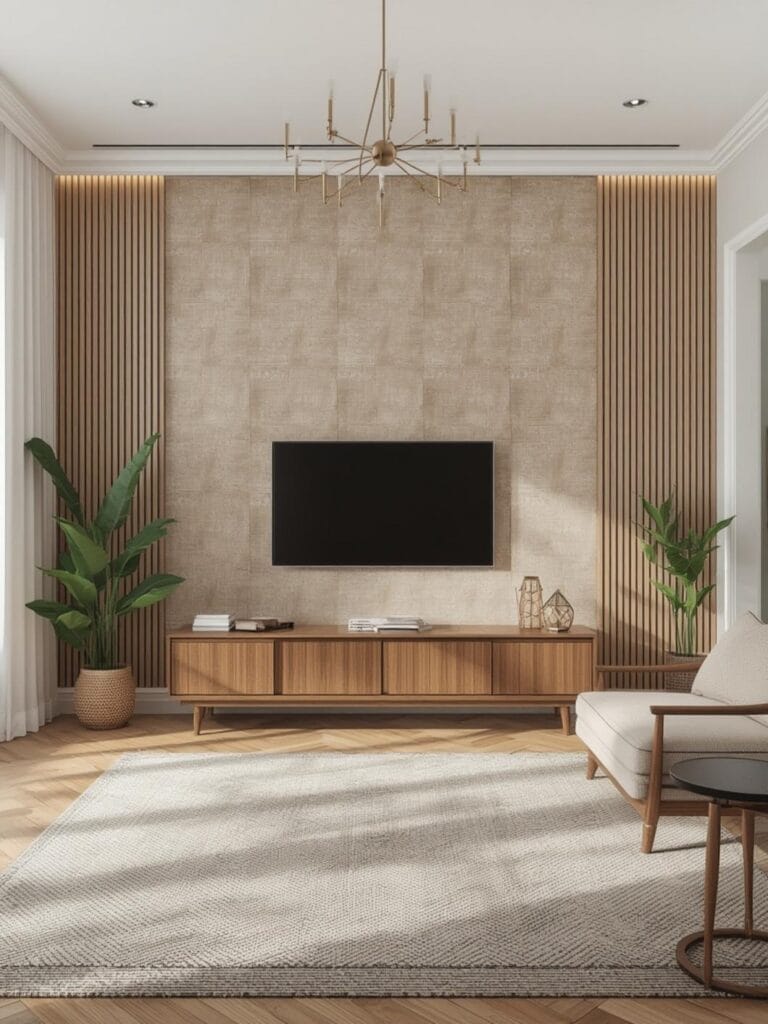
10 Modern Wood Accent Wall Ideas for a Sleek, Minimalist Look
You walk into a room and something feels missing. The walls are plain, the space lacks personality, and no amount of throw pillows seems to fix it. That’s exactly where modern wood accent wall ideas come in. These stunning focal points add warmth, texture, and character without requiring a complete room overhaul.
Wood accent walls have evolved far beyond rustic cabin vibes. Today’s designs range from sleek horizontal planks to geometric patterns that complement everything from minimalist lofts to cozy farmhouses. The best part? Many of these projects are completely achievable for homeowners who love a good weekend DIY challenge.
Whether you’re drawn to the clean lines of shiplap or the dramatic impact of reclaimed barn wood, creating your perfect accent wall is more accessible than you might think.
Table of Contents
What You’ll Need to Get the Look
Starting a wood accent wall project requires careful selection of materials that match both your style vision and skill level. Here’s what you’ll need:
Wood Options:
– Shiplap boards (primed or raw)
– Tongue-and-groove planks
– Reclaimed barn wood
– Cedar or pine boards
– Peel-and-stick wood panels
– Wood plank wallpaper (for renters)
Basic Installation Supplies:
– Stud finder
– Level (4-foot recommended)
– Measuring tape
– Miter saw or circular saw
– Construction adhesive
– Finishing nails or brad nailer
– Wood filler
– Sandpaper (120-grit and 220-grit)
Finishing Materials:
– Paint or stain in your chosen color
– Polyurethane sealant (optional)
– Primer for raw wood
– Brushes and rollers
– Drop cloths
You don’t need a contractor’s toolkit to create something beautiful. Most hardware stores will even cut boards to size if you don’t have access to a saw.
Finding Your Style and Season
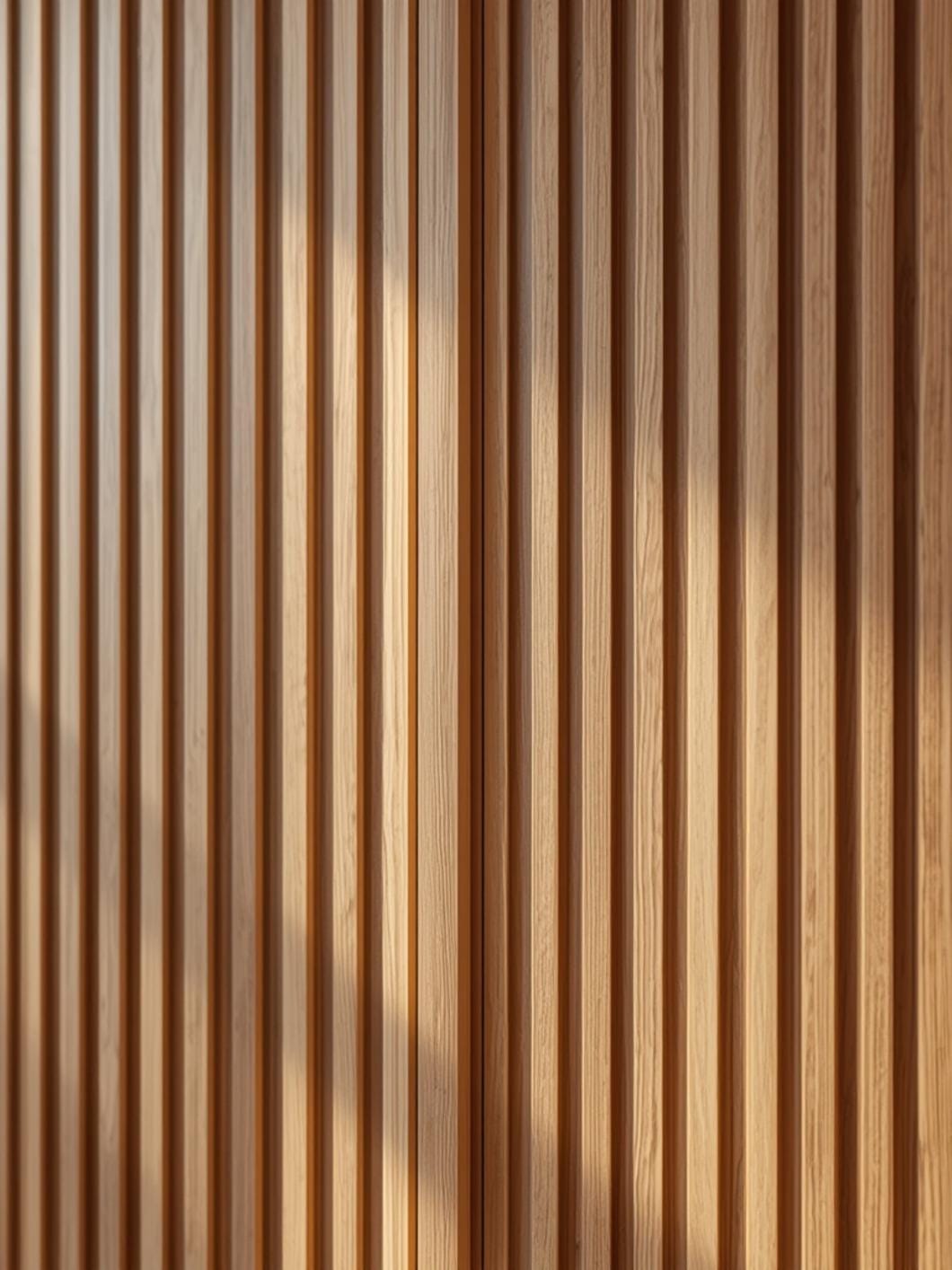
The beauty of wood accent walls is their year-round versatility. Each season brings different opportunities to showcase your wall’s character.
Spring and Summer call for lighter wood tones. Whitewashed shiplap or natural maple creates an airy, beachy feel that brightens shorter days. These lighter walls pair beautifully with botanical prints and linen textiles.
Fall and Winter are perfect for embracing richer tones. Deep walnut stains or weathered gray barn wood add cozy sophistication. These walls create the perfect backdrop for layered throws and ambient lighting during darker months.
Consider your room’s natural light before committing to a finish. North-facing rooms benefit from warmer wood tones, while south-facing spaces can handle darker, more dramatic treatments.
The best time to tackle this project is during mild weather when you can open windows for ventilation while staining or sealing. Most homeowners find weekends in spring or early fall ideal for installation.
7 Ideas to Try in Your Home
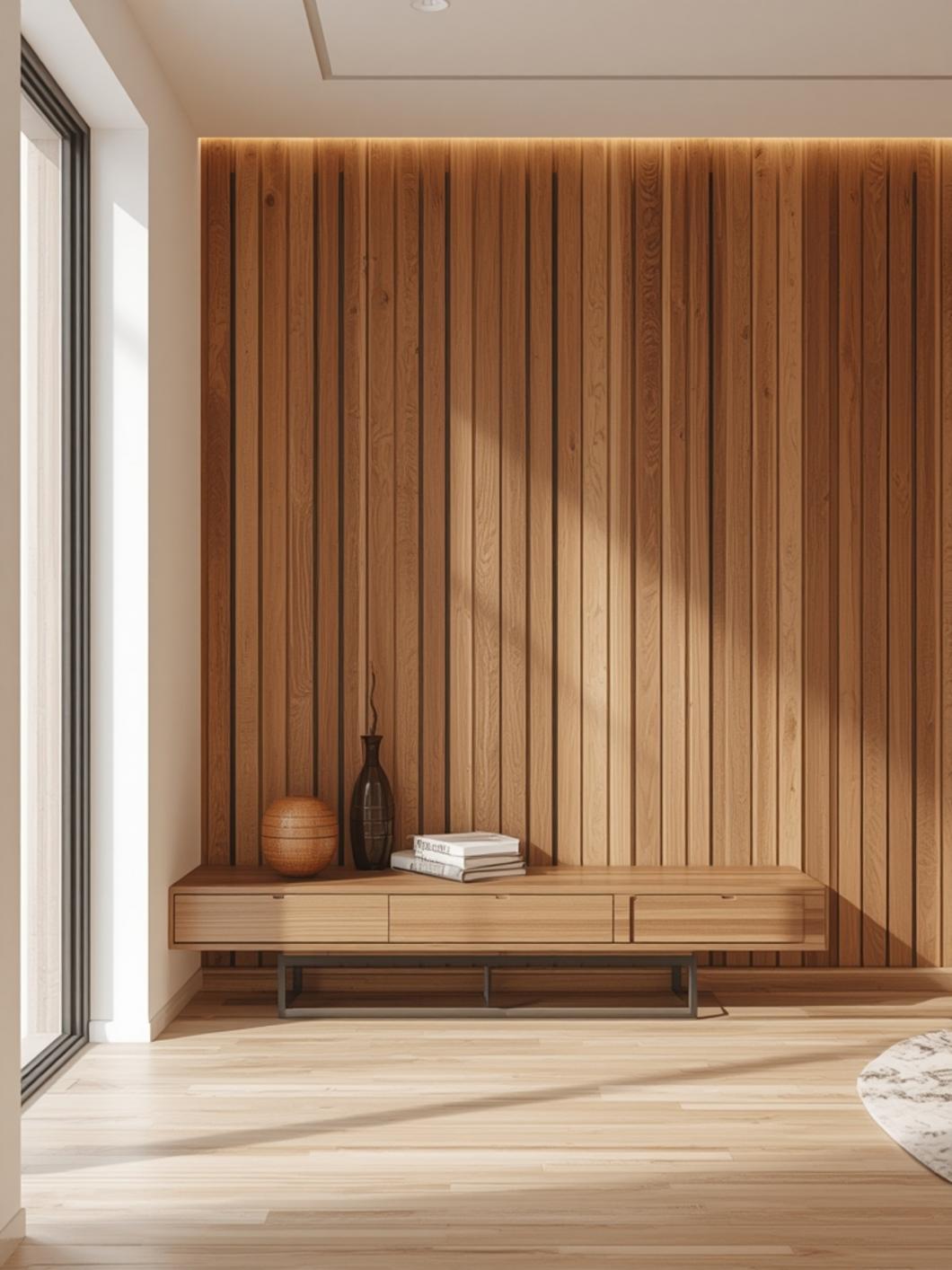
The Classic Horizontal Shiplap
This timeless design runs planks horizontally with slight gaps between each board. For those wondering how to install shiplap accent wall yourself, start at the bottom and work upward, using nickel spacers between boards for consistent gaps. The horizontal lines visually widen narrow rooms and create that coveted modern farmhouse aesthetic.
Paint it crisp white for coastal vibes or leave it natural for Scandinavian minimalism.
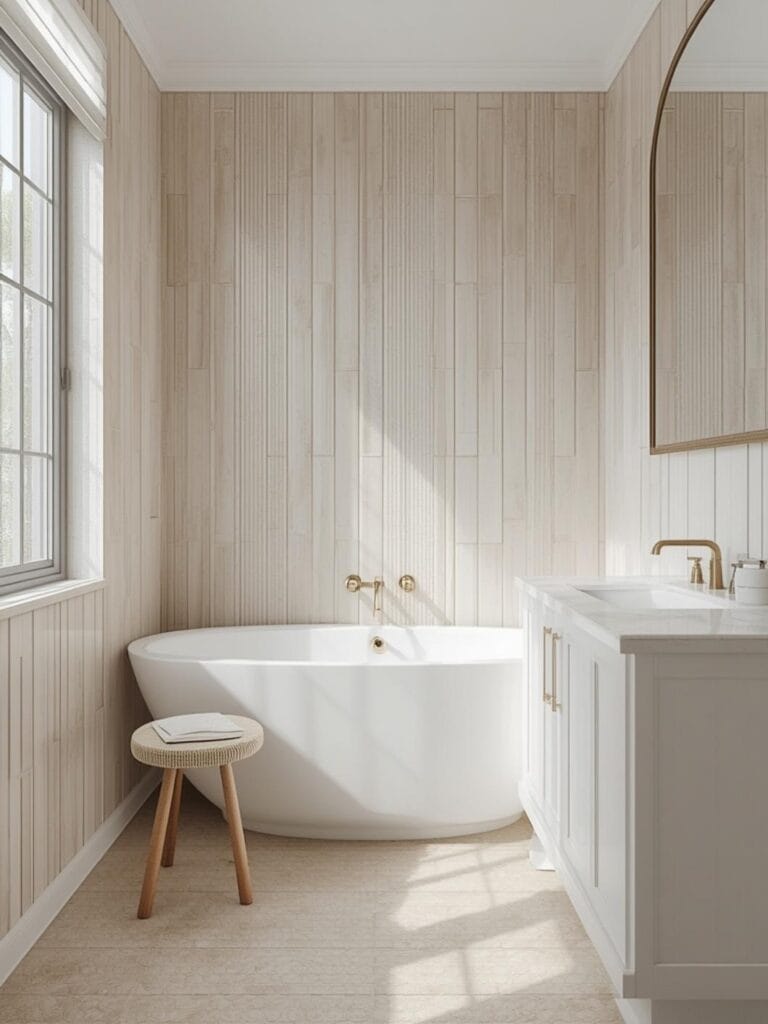
Vertical Plank Drama
Flip the orientation for dramatic impact. Vertical planks draw the eye upward, making ceilings feel taller. This works exceptionally well behind beds or in entryways where you want to create presence.
Mix wood widths for added visual interest—alternate between 4-inch and 6-inch boards for subtle variation.
The Chevron Statement
Create a bold geometric pattern by cutting boards at 45-degree angles and arranging them in a chevron pattern. This design requires more precision but delivers show-stopping results.
Start from the center and work outward to keep the pattern symmetrical.
Reclaimed Barn Wood Texture
Weathered barn wood brings instant character with its natural patina and varied tones. Each board tells a story through nail holes, saw marks, and color variations. This style pairs beautifully with industrial metal accents and leather furniture.
Clean the wood thoroughly but embrace imperfections—they’re part of the charm.
Grid Pattern Sophistication
Create a modern grid by arranging boards in rectangular frames. This works particularly well with darker stains and looks stunning behind dining tables or in home offices.
Keep grid sizes consistent for a cohesive look—12×18-inch rectangles create pleasing proportions.
Two-Tone Contemporary
Combine two complementary wood tones or a wood-and-paint combination. Try natural wood on the lower two-thirds with painted white boards on top, or alternate rows of light and dark stain.
This approach adds depth while keeping the design fresh and unexpected.
Diagonal Herringbone
For maximum visual impact, arrange boards in a classic herringbone pattern. This complex design creates movement and sophistication, perfect for feature walls in living rooms or master bedrooms.
This pattern requires patience and precision, but the three-dimensional effect is worth the effort.
Benefits of Adding Wood to Your Walls
Wood accent walls deliver benefits that extend beyond simple aesthetics. They fundamentally change how a room feels and functions.
The natural texture of wood absorbs sound differently than painted drywall. Your room becomes quieter, with less echo—particularly noticeable in open-concept spaces. This acoustic softening makes conversations more intimate and TV viewing more enjoyable.
Wood adds warmth both visually and physically. The material has natural insulating properties that help regulate room temperature. You’ll notice your space feels cozier in winter without cranking the thermostat.
These walls serve as instant focal points that eliminate the need for large artwork or complicated gallery walls. Your furniture arrangement becomes intuitive—everything naturally orients toward this architectural feature.
The design also increases your home’s perceived value. Buyers consistently rate homes with quality accent walls as more desirable and worth higher prices than comparable homes with standard painted walls.
Perhaps most importantly, wood accent walls are forgiving. Minor imperfections blend into the natural variation of the material, unlike painted walls where every ding shows.
Tips, Alternatives, and Styling Advice
Budget-Friendly Approach: Peel-and-stick wood planks offer the look without permanent commitment. These removable panels cost $30-50 per wall and install without tools. Perfect for renters or those testing the style before committing.
Quality has improved dramatically—many options now look nearly identical to real wood.
Mid-Range Option: Real pine or cedar boards from home improvement stores provide authentic wood at reasonable prices. Expect $150-300 for a standard bedroom wall, including materials and finishing supplies.
Buy extra boards—you’ll want to test stain colors on scrap pieces first.
Premium Choice: Reclaimed barn wood or exotic hardwoods create truly unique walls. These materials cost $500-1000+ but deliver one-of-a-kind character. Each board is different, with rich patina that can’t be replicated.
Source these materials from architectural salvage yards for best selection.
Small Space Adaptation: In compact rooms, install your wood wall only three-quarters height or create a smaller accent section behind specific furniture pieces. This prevents overwhelming the space while still adding architectural interest.
Lighter wood tones work better in tight quarters—they reflect light and prevent claustrophobia.
Common Mistakes to Avoid
Many homeowners skip acclimating their wood to room temperature before installation. Bring your boards inside and let them sit for 48 hours so they adjust to your home’s humidity—this prevents warping and gaps after installation.
Another frequent error is forgetting to locate studs before starting. Your boards need to be secured into wall studs for long-term stability, not just drywall. Mark all stud locations with painter’s tape before installing your first board.
People often choose boards that are too wide for their wall height. Maintain proper proportions by selecting plank widths that complement your ceiling height—8-inch boards can overwhelm rooms with 8-foot ceilings.
Rushing the finishing process leads to disappointing results. Apply thin coats of stain or paint and let each dry completely before adding the next. This patience ensures even color without drips or dark spots.
Some homeowners install accent walls on exterior walls without checking for moisture issues first. Always verify your exterior wall has proper insulation and vapor barrier to prevent trapped moisture problems.
Maintenance and Upkeep Tips
Wood accent walls require minimal maintenance once properly sealed. Dust them monthly using a microfiber cloth or vacuum with a soft brush attachment. This prevents buildup in grooves and textured areas.
For sealed walls, spot clean marks with a slightly damp cloth and mild soap. Wipe immediately with a dry cloth to prevent water damage. Never spray cleaner directly on wood—it can seep into seams.
Inspect your wall twice yearly for any boards that may have loosened. Humidity changes cause minor wood movement. Reattach any loose sections promptly using construction adhesive or finishing nails.
If you notice any scratches or dings, wood filler markers in matching colors provide quick fixes. For deeper damage, lightly sand the area and reapply your original finish.
Maintain consistent indoor humidity levels between 30-50% to prevent wood expansion and contraction. A simple hygrometer helps you monitor conditions year-round.
Reapply polyurethane sealant every 3-5 years if your wall experiences high traffic or direct sunlight. This refreshes protection and keeps wood looking vibrant.
Your New Favorite Wall Awaits
Wood accent walls offer that perfect combination of visual impact and DIY accessibility. You’ve seen the possibilities—from clean horizontal shiplap to bold herringbone patterns—and learned exactly what it takes to make each style work in your space.
The room you walk into tomorrow can feel completely different from the one you left today. Your plain walls are actually blank canvases waiting for the warmth and character only wood can provide.
Ready to explore more ways to elevate your home’s style? Browse our collection of design inspiration at DecorKingdom for your next project.
FAQs
What type of wood is best for an accent wall?
Pine and cedar offer excellent value and workability for most homeowners. Pine takes paint beautifully while cedar provides natural resistance to moisture and insects. For modern spaces, consider pre-finished plywood panels that eliminate the need for staining. Reclaimed wood delivers unmatched character but costs significantly more and requires extra prep work.
Can you install a wood accent wall without damaging your existing wall?
Yes, several methods protect your drywall. Peel-and-stick planks remove cleanly without damage, perfect for rentals. For permanent installations, use construction adhesive sparingly combined with finish nails into studs—this minimizes drywall holes. French cleat systems allow you to mount wood panels that can be removed later with zero wall damage.
How much does a typical wood accent wall cost?
Budget $100-300 for a DIY project using pine or cedar boards in an average bedroom. Peel-and-stick options run $30-80 per wall. Premium reclaimed wood installations cost $500-1500 depending on materials. Labor adds $200-500 if hiring help, though most homeowners successfully complete this as a weekend project.
Do wood accent walls work in small rooms?
Absolutely, when done thoughtfully. Choose lighter wood tones that reflect light rather than absorb it. Install planks vertically to emphasize height or use the accent wall technique on just one wall rather than multiple surfaces. Consider partial walls that extend only behind beds or sofas to add interest without overwhelming compact spaces.
How long does installing a shiplap accent wall take?
Most homeowners complete a standard bedroom accent wall in one weekend—about 12-16 hours total. Day one covers measuring, cutting, and initial installation. Day two handles finishing touches, filling nail holes, and applying stain or paint. Your first board takes longest as you establish your system, but installation speeds up significantly as you develop rhythm.
—
Meta Title: 7 Modern Wood Accent Wall Ideas That Wow (2026 Guide)
Meta Description: Discover stunning modern wood accent wall ideas for any room. Get inspired with DIY-friendly designs from shiplap to herringbone patterns.