How to Choose the Perfect Basement Home Office Ideas
Your basement has so much potential, but right now it might feel more like a forgotten storage room than a place where you’d want to spend your workday. If you’ve been dreaming of a dedicated workspace away from the chaos of the main floor, you’re in the right place.
Creating basement home office ideas that work for your lifestyle doesn’t have to be complicated or expensive. With the right approach to lighting, layout, and decor, that underused space can become your favorite room in the house. Whether you’re working from home full-time or just need a quiet spot for evening projects, your basement can deliver the focus and comfort you need.
The beauty of a basement office is the separation it provides from daily household activity. You get privacy, quiet, and a real boundary between work and home life—even though they’re under the same roof.
Table of Contents
What You’ll Need to Get the Look
Setting up your basement office starts with gathering the right pieces. You don’t need to buy everything at once, but having a clear list helps you build the space gradually without forgetting key elements.
Furniture essentials:
– A sturdy desk with enough surface area for your monitor and paperwork
– An ergonomic office chair that supports long work sessions
– Shelving units or a bookcase for storage and display
– A small side table or filing cabinet for supplies
Lighting components:
– Overhead LED fixtures or recessed lighting
– A quality desk lamp with adjustable brightness
– Floor lamps to brighten dark corners
– Dimmer switches for flexible light control
Decor and comfort items:
– Area rug to add warmth and define your workspace
– Window treatments if you have basement windows
– Wall art or bulletin boards for personality and function
– Plants that thrive in lower light conditions
– Storage baskets or boxes to keep clutter hidden
Technical basics:
– Surge protector power strips
– Cable management clips and sleeves
– Adequate outlets or extension cords with safety features
– A small space heater or fan depending on your basement temperature
Finding Your Style and Season
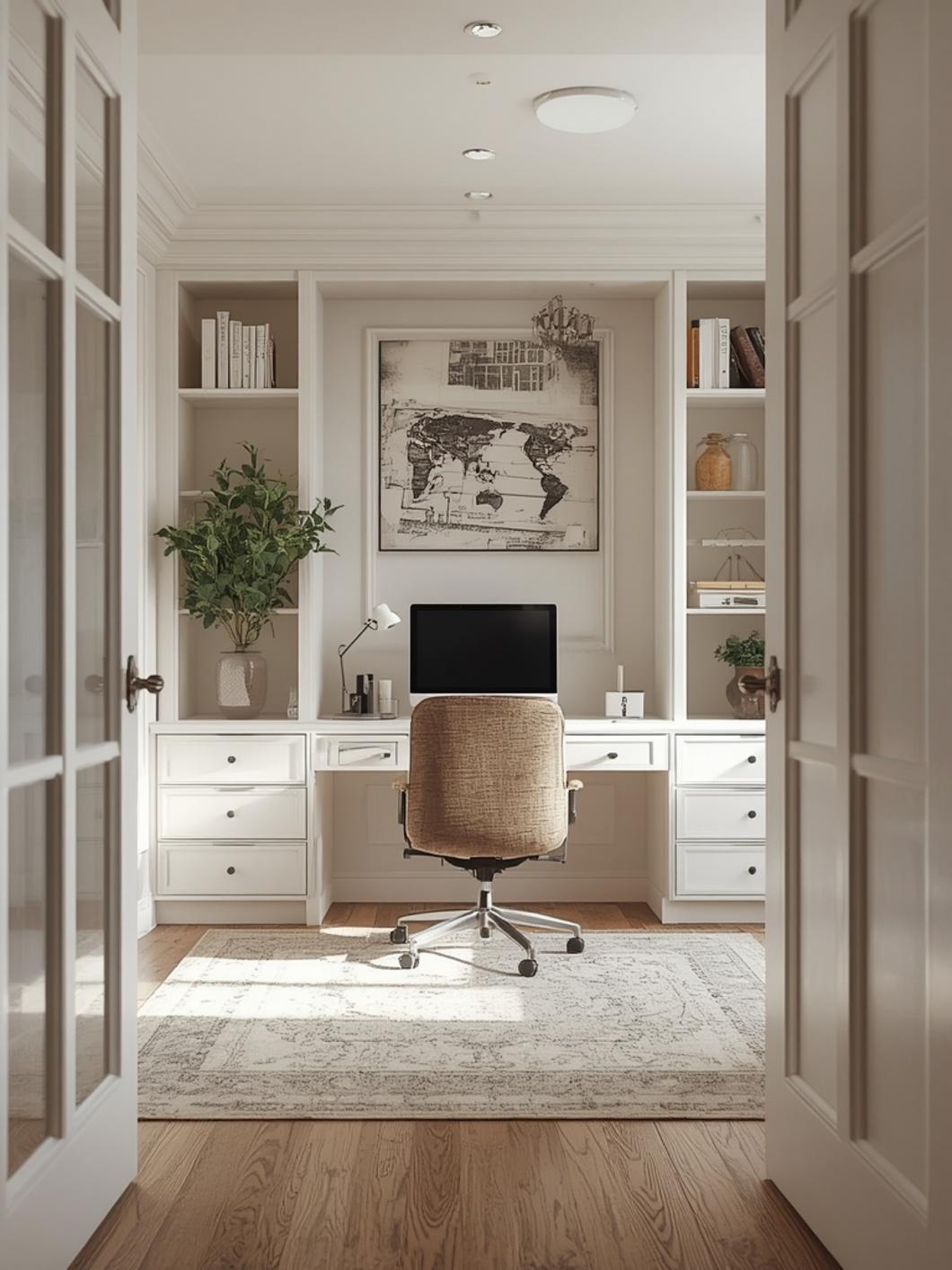
Your basement office should reflect how you work best, not just copy what you see in magazines. Think about whether you need a minimal, distraction-free environment or a more creative, eclectic space filled with inspiration.
Timing your setup matters more than you might think. Fall and winter are ideal seasons to tackle a basement office project since you’ll naturally spend more time indoors. The cooler months also make basement temperatures more comfortable without additional climate control.
Consider your work schedule when planning the project. If you work from home already, set up your office over a long weekend rather than trying to function without a proper workspace. Break the project into phases—start with essential furniture and lighting, then add decor and comfort elements as your budget allows.
Your basement’s existing conditions will guide some decisions too. If you have small windows or none at all, prioritize lighting solutions early. If moisture is an issue, address that before bringing in furniture or electronics.
7 Ideas to Try in Your Home
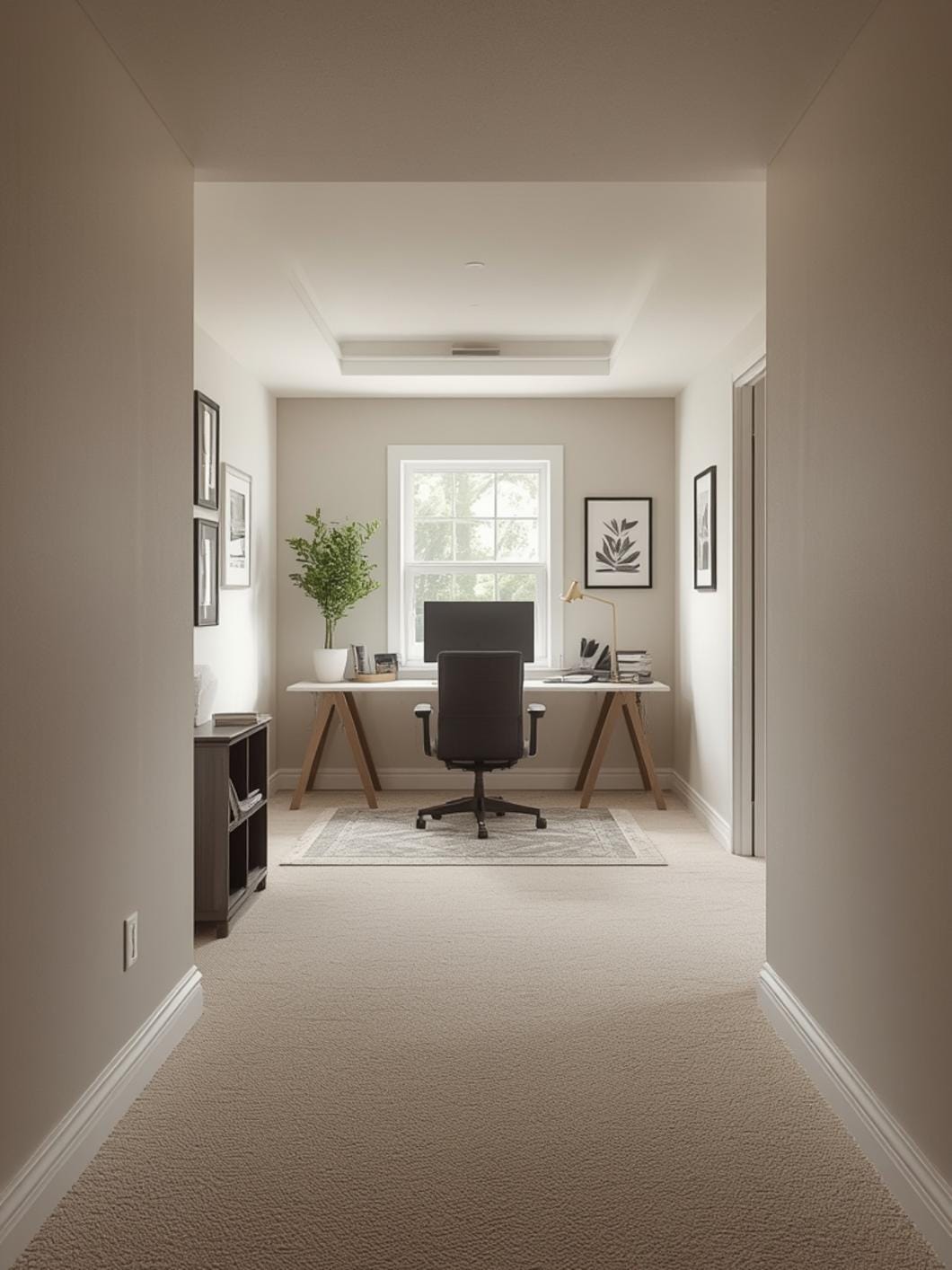
Create a library office with built-in character. Floor-to-ceiling shelving transforms plain basement walls into an impressive backdrop for your workspace. Fill shelves with books, storage boxes, and decorative objects that inspire you. Position your desk perpendicular to the shelves so you can easily grab what you need without turning your chair completely around.
Design a bright Scandinavian-inspired retreat. Combat basement darkness with an all-white color scheme, light wood furniture, and plenty of warm-toned lighting. Add texture through a chunky knit throw blanket on your chair and a sheepskin rug under your desk. This approach makes even windowless basements feel fresh and inviting rather than cave-like.
Build a dual-purpose craft and office space. If you need workspace for both professional work and creative hobbies, divide your basement office into zones. Use one wall for your computer desk and another for a craft table or standing desk. Rolling storage carts let you switch between modes easily without permanent separation.
Establish a modern industrial vibe with exposed elements. Embrace your basement’s utilitarian bones by leaving ceiling pipes visible and pairing them with metal shelving units and Edison bulb lighting. Add a vintage desk and leather chair to soften the look. This style works especially well if your basement has concrete floors—just add a large area rug for comfort.
Maximize natural light with a window-focused layout. If you’re lucky enough to have basement windows, position your desk directly in front of them or perpendicular for side lighting. Keep window treatments minimal—sheer curtains or light-filtering blinds work best. Understanding how to improve basement lighting for a home office means making the most of every natural light source first before adding artificial options.
Create an energizing space with bold accent walls. Paint one wall in a deep, saturated color like navy, forest green, or charcoal to add drama without overwhelming the space. Keep the other walls light to maintain brightness. This single accent wall behind your desk creates a professional backdrop for video calls while adding personality.
Design a cozy reading nook combo office. Not every basement office needs to be all business. Add a comfortable armchair and small side table in one corner for reading work documents or taking phone calls. A standing floor lamp bridges your desk area and reading spot, making the whole space feel cohesive and multi-functional.
Benefits of a Dedicated Basement Office
Working from your basement offers privacy that’s hard to achieve anywhere else in your home. When you close that basement door, household noise stays upstairs while you enjoy uninterrupted focus time.
The temperature stability of basements works in your favor too. They naturally stay cooler in summer and maintain consistent temperatures in winter, which means you’re comfortable without constantly adjusting the thermostat.
Having a separate space creates a psychological boundary between work and personal life. When you physically leave your basement office at the end of the day, you’re signaling to your brain that work is done. This separation helps prevent burnout and protects your evening relaxation time.
Basement offices also increase your home’s functionality and value. You’re taking unused square footage and turning it into productive, finished space. Future buyers will appreciate having a dedicated home office already in place.
The isolation from main living areas means you can take calls without worrying about background noise. No more kids running through your video meetings or dogs barking at the mail carrier during important phone calls.
Tips, Alternatives, and Styling Advice
Budget-friendly approach: Start with a basic desk and chair from a local furniture store, then add a clip-on desk lamp and a few command hooks for cable management. Paint the walls yourself in a light, neutral color to brighten the space without hiring help. Use items you already own—like a bookshelf from another room—to save money initially.
Mid-range option: Invest in quality ergonomic furniture that will last for years and protect your body during long work sessions. Add multiple light sources including overhead fixtures and a good desk lamp. Include proper storage solutions like filing cabinets or custom shelving. Budget for a few decorative touches like artwork, plants, and a nice area rug that makes the space feel finished.
Premium upgrade: Consider custom built-in desks and shelving that maximize every inch of your basement. Install recessed lighting with dimmer controls throughout the ceiling. Add a small split system for independent climate control. Include soundproofing materials in walls and ceilings for complete quiet. Finish with designer furniture pieces and high-end technology like a motorized standing desk.
Small space adaptation: If your basement is tight on square footage, choose a corner desk that takes advantage of two walls. Mount your monitor on an articulating arm to free up desk surface. Use vertical wall space for floating shelves instead of floor-standing bookcases. A fold-down desk can work for truly tiny basements where you need the space for other purposes sometimes.
Common Mistakes to Avoid
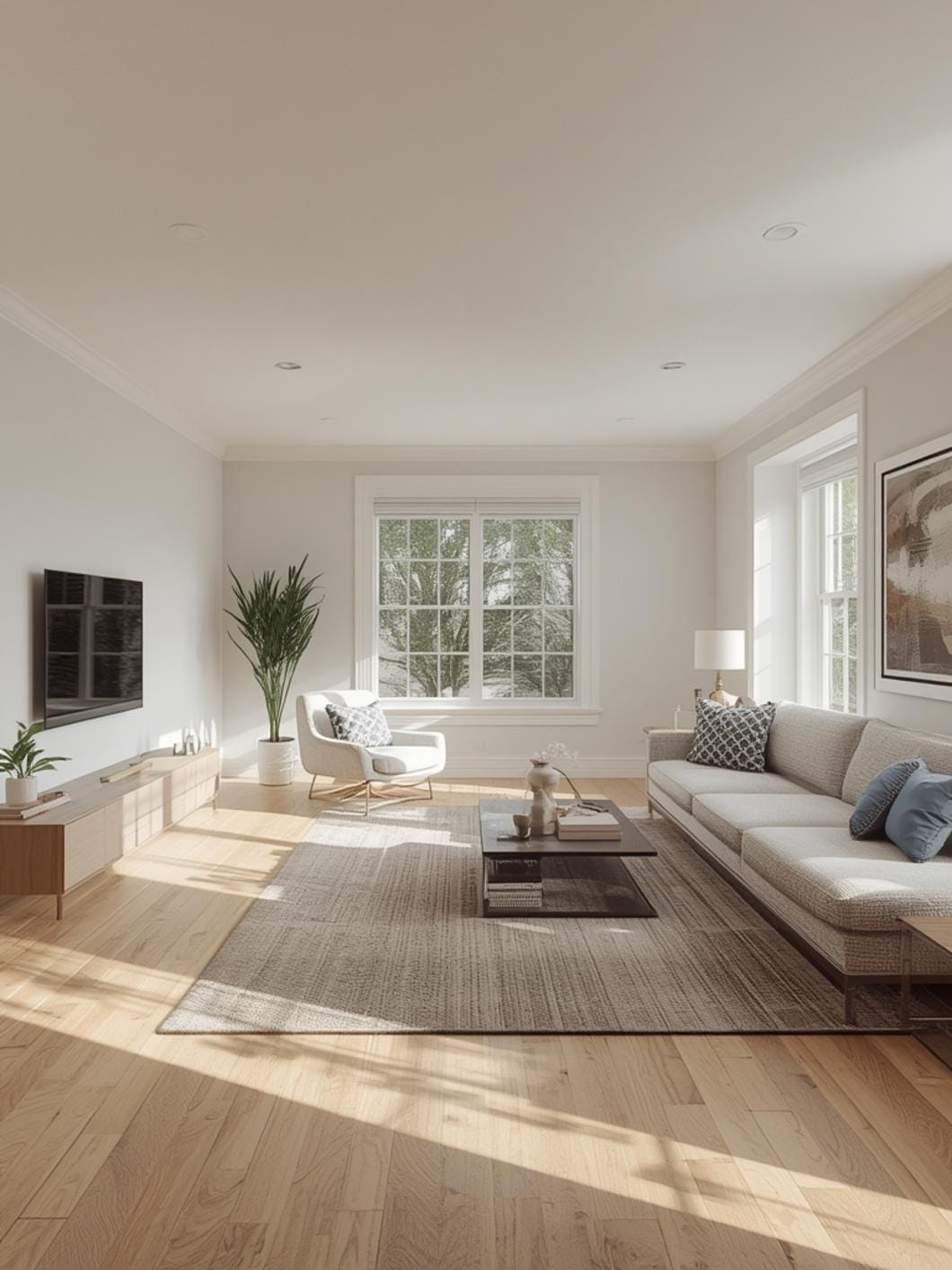
Ignoring moisture issues before setting up your office. Basements are prone to dampness, and bringing in furniture and electronics without addressing this first leads to mold, mildew, and damaged equipment. Run a dehumidifier regularly and fix any water seepage problems before you move in.
Relying only on overhead lighting. A single ceiling fixture creates harsh shadows and eye strain during long work sessions. Layer your lighting with overhead, task, and ambient sources to create a comfortable, well-lit environment throughout the day.
Choosing dark paint colors thinking they’ll feel cozy. While dark walls can look sophisticated, they make naturally dim basements feel even darker and smaller. Stick with light, warm neutrals on most walls and save dark colors for a single accent wall if you want drama.
Forgetting about proper ventilation and air circulation. Basements can feel stuffy and stale without good airflow, which affects your focus and comfort. Make sure your HVAC system reaches the basement adequately, or add a standalone air purifier and fan to keep air moving.
Skipping the area rug on concrete or tile floors. Hard basement floors feel cold and uncomfortable underfoot, and they make the space feel unfinished. A large area rug under your desk adds warmth, reduces echo, and makes your office feel like a real room rather than a converted storage area.
Maintenance and Upkeep Tips
Check your basement office monthly for any signs of moisture or musty odors. Catching water problems early prevents major damage to your workspace and equipment. Keep your dehumidifier running consistently and empty it regularly if it’s not self-draining.
Dust your electronics and furniture weekly since basements can accumulate dust more quickly than upper floors. Use a microfiber cloth on screens and surfaces to keep everything clean without scratching. Don’t forget to dust light fixtures and ceiling fans monthly.
Vacuum or sweep floors weekly and deep clean your area rug every few months. Basements can trap dirt and allergens, so regular cleaning keeps your breathing environment healthy during long work days.
Test your smoke detectors and carbon monoxide alarms quarterly. Basements need these safety devices just like the rest of your home, but they’re often forgotten during routine checks.
Rotate your plants occasionally if you have them, since basement light comes from fewer directions than upstairs rooms. Wipe down plant leaves monthly to remove dust that blocks their ability to photosynthesize in already-limited light conditions.
Bringing Your Basement Office Vision to Life
Your basement offers the perfect opportunity to create a focused, personalized workspace that supports your productivity and well-being. With thoughtful attention to lighting, layout, and comfort, you can turn that underused space into an office you genuinely enjoy spending time in.
The key is starting with the basics—good lighting, comfortable furniture, and a layout that works for your specific tasks—then gradually adding the personal touches that make the space feel like yours. You don’t need to complete everything at once.
Ready to explore more ways to make your entire home work harder for you? DecorKingdom has hundreds of ideas to help you create spaces you’ll love living in every single day.
FAQs
Do basement offices feel too dark and depressing to work in?
Not if you plan your lighting properly. Combine overhead lighting with desk lamps and floor lamps to eliminate shadows and create a bright, energizing environment. Light-colored walls and strategic mirror placement also help reflect available light throughout the space.
How can I make my basement office warmer in winter?
Add a small electric space heater with automatic shut-off features for safety, and place an area rug over cold floors. Make sure your home’s heating system adequately covers the basement, or consider adding a vent if needed. Insulated curtains on windows also help retain heat.
What’s the best desk position for a basement office?
Position your desk so you face into the room rather than a blank wall, which feels less confining. If you have windows, place your desk perpendicular to them so light comes from the side instead of behind your screen creating glare or in front causing eye strain.
Should I finish my basement walls before setting up an office?
Yes, finished walls with drywall and paint create a more professional, comfortable environment than exposed concrete or studs. Finished walls also provide better insulation, reduce echo, and give you surfaces for hanging artwork and shelves. The investment makes your daily work experience significantly better.
How do I deal with low basement ceilings in my office?
Use vertical design elements like tall bookcases and vertical artwork to draw the eye upward. Paint the ceiling the same light color as the walls to minimize the visual boundary. Avoid hanging pendant lights or ceiling fans that drop down and make the space feel more cramped.
—
Meta Title: 15 Basement Home Office Ideas That Actually Work (2026)
Meta Description: Transform your basement into a productive workspace with these practical basement home office ideas for lighting, layout, and style.