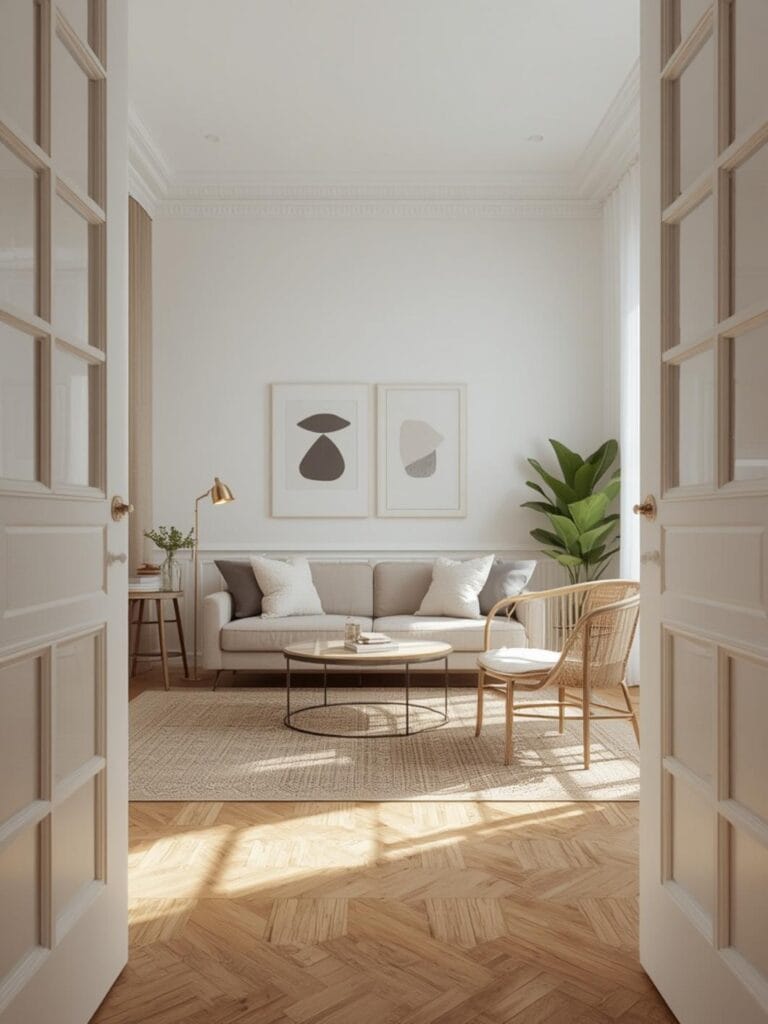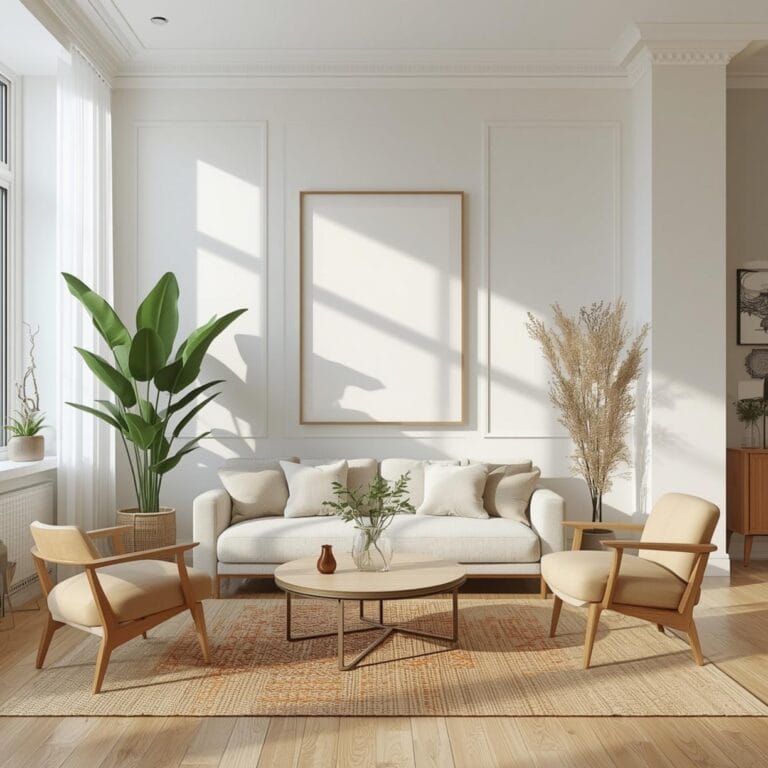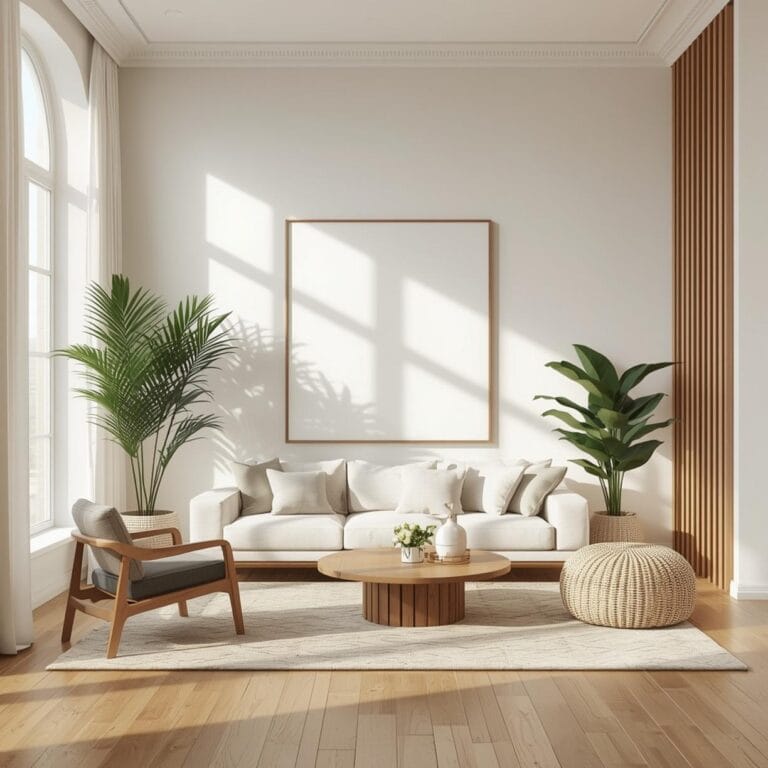
7 Wood Paneling Accent Wall Ideas That Add Texture, Not Bulk
Your living room feels a little flat. The bedroom lacks warmth. You scroll through home decor photos and keep seeing those gorgeous wood walls that make spaces feel instantly cozier and more expensive. The good news? Creating a wood paneling accent wall masterpiece in your own home is more achievable than you think, even if you’ve never tackled a wall project before.
Wood accent walls have moved far beyond the dark, dated paneling of decades past. Today’s options range from sleek vertical slats to rustic reclaimed barn wood, and everything in between. Whether you’re drawn to modern minimalism or farmhouse charm, there’s a wood wall style waiting to become the focal point of your favorite room. And the best part? Most of these looks are easier to achieve than you’d think.
This guide walks you through everything you need to know to plan, choose, and create a wood paneling accent wall that fits your style, space, and budget.
Table of Contents
What You’ll Need to Get the Look
The beauty of wood paneling projects is that they’re surprisingly flexible. Your material choices depend entirely on the style you’re after and how much hands-on work you want to do.
Wood Materials:
– Tongue-and-groove planks for a seamless, classic look
– Shiplap boards for that popular farmhouse vibe
– Vertical wood slats for modern, airy designs
– Peel-and-stick wood panels for the easiest installation
– Reclaimed barn wood for rustic character
Installation Essentials:
– Construction adhesive or wood glue
– Finishing nails (if not using peel-and-stick)
– Level tool to keep everything straight
– Measuring tape and pencil
– Sandpaper for smoothing rough edges
– Paint, stain, or sealant for finishing
Styling Elements:
– Wall sconces or picture lights to highlight texture
– Artwork or mirrors to layer over the wood
– Floating shelves in complementary wood tones
– Plants to soften the geometric lines
You don’t need a workshop full of power tools. Many wood paneling options come pre-cut and ready to install with basic supplies you might already have at home.
Finding Your Style and Season
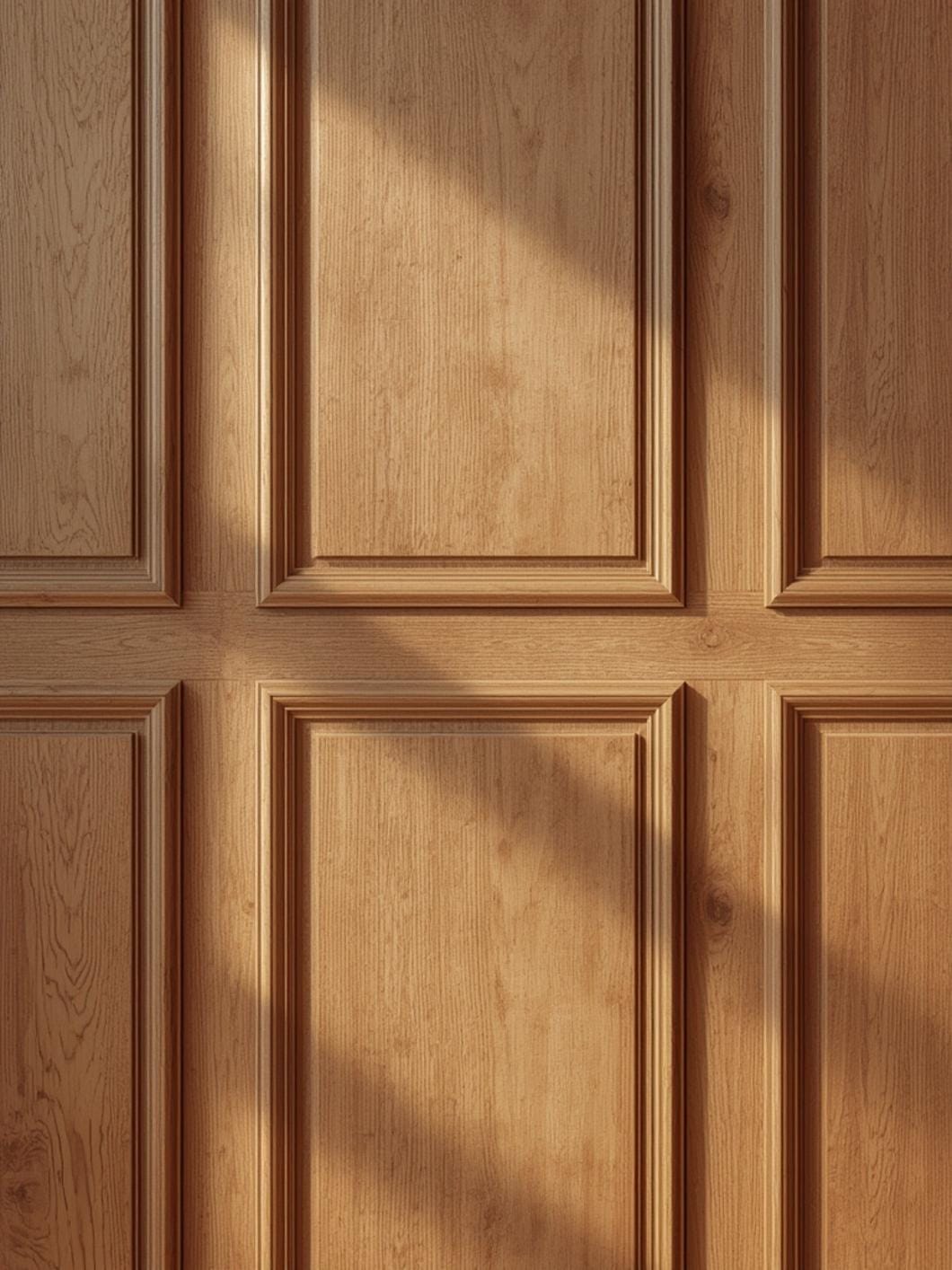
Timing your wood wall project matters more for style inspiration than strict seasonality. That said, certain times of year naturally lend themselves to different approaches.
Fall and Winter are perfect for planning and installation. You’re spending more time indoors anyway, and a wood accent wall adds exactly the kind of warmth you crave during cooler months. Dark walnut stains and rich wood tones feel especially appropriate as the days get shorter.
Spring and Summer inspire lighter, brighter wood wall treatments. Whitewashed finishes, natural blonde woods, or even painted panels in soft colors keep spaces feeling fresh. These seasons also work well if you need to work with windows open for ventilation during staining or sealing.
The real consideration is your room’s existing light. North-facing rooms with limited natural light benefit from lighter wood tones year-round. Sun-drenched spaces can handle deeper, moodier wood colors without feeling cave-like.
Budget planning deserves attention too. Peel-and-stick panels typically run $2–5 per square foot. Real wood planks range from $3–8 per square foot for basic pine or poplar. Premium options like reclaimed wood or exotic hardwoods can climb to $10–20 per square foot.
Don’t forget finishing costs. Stain, paint, or sealant adds another $0.50–2 per square foot depending on the product and how many coats you apply.
7 Ideas to Try in Your Home
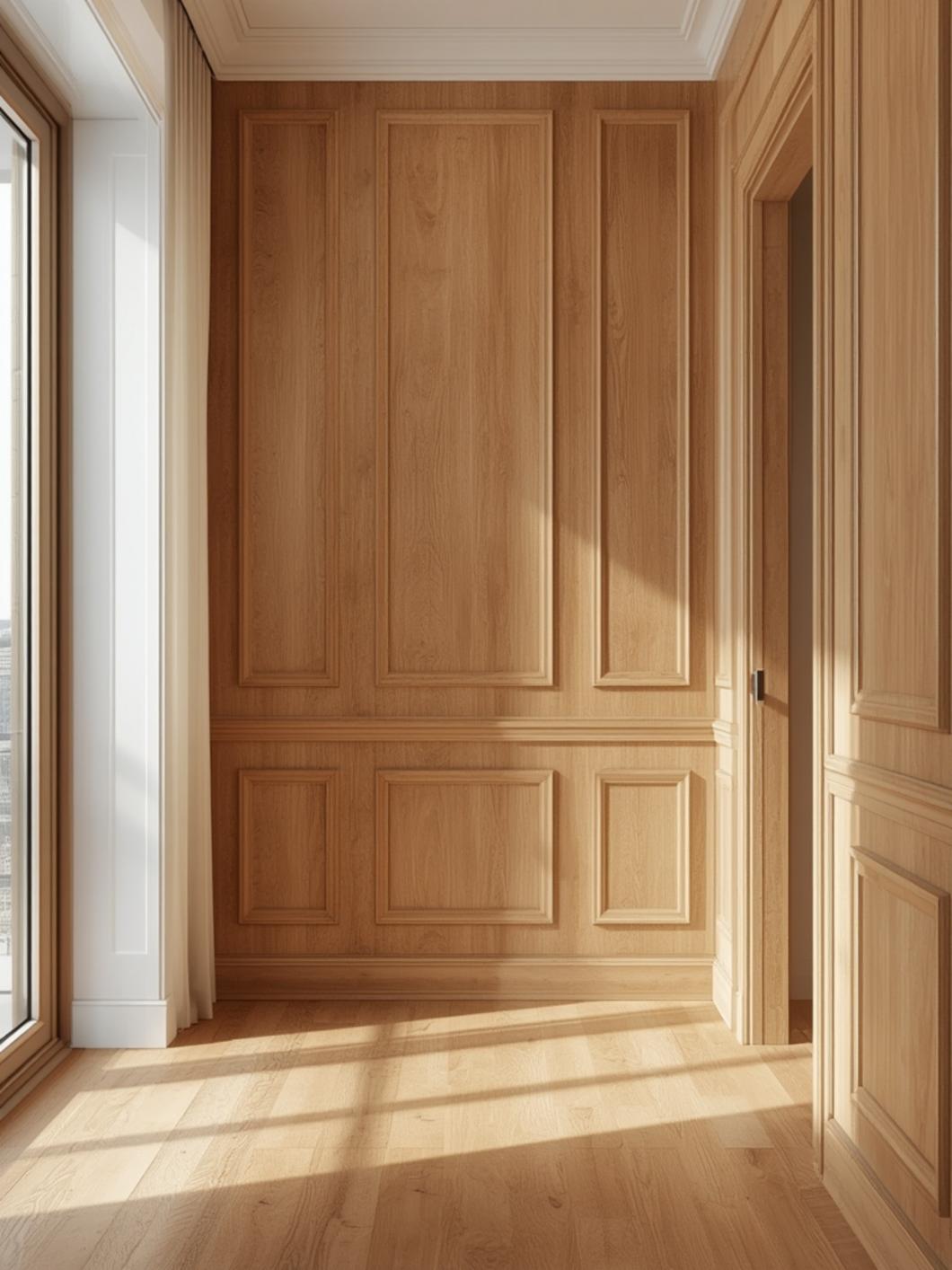
1. Vertical Slat Wall with Spacing
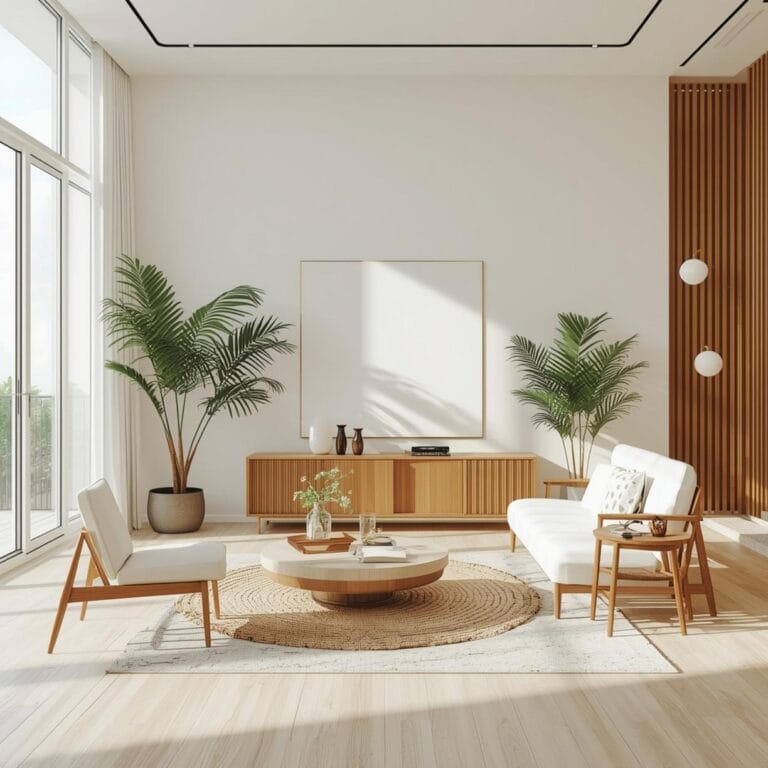
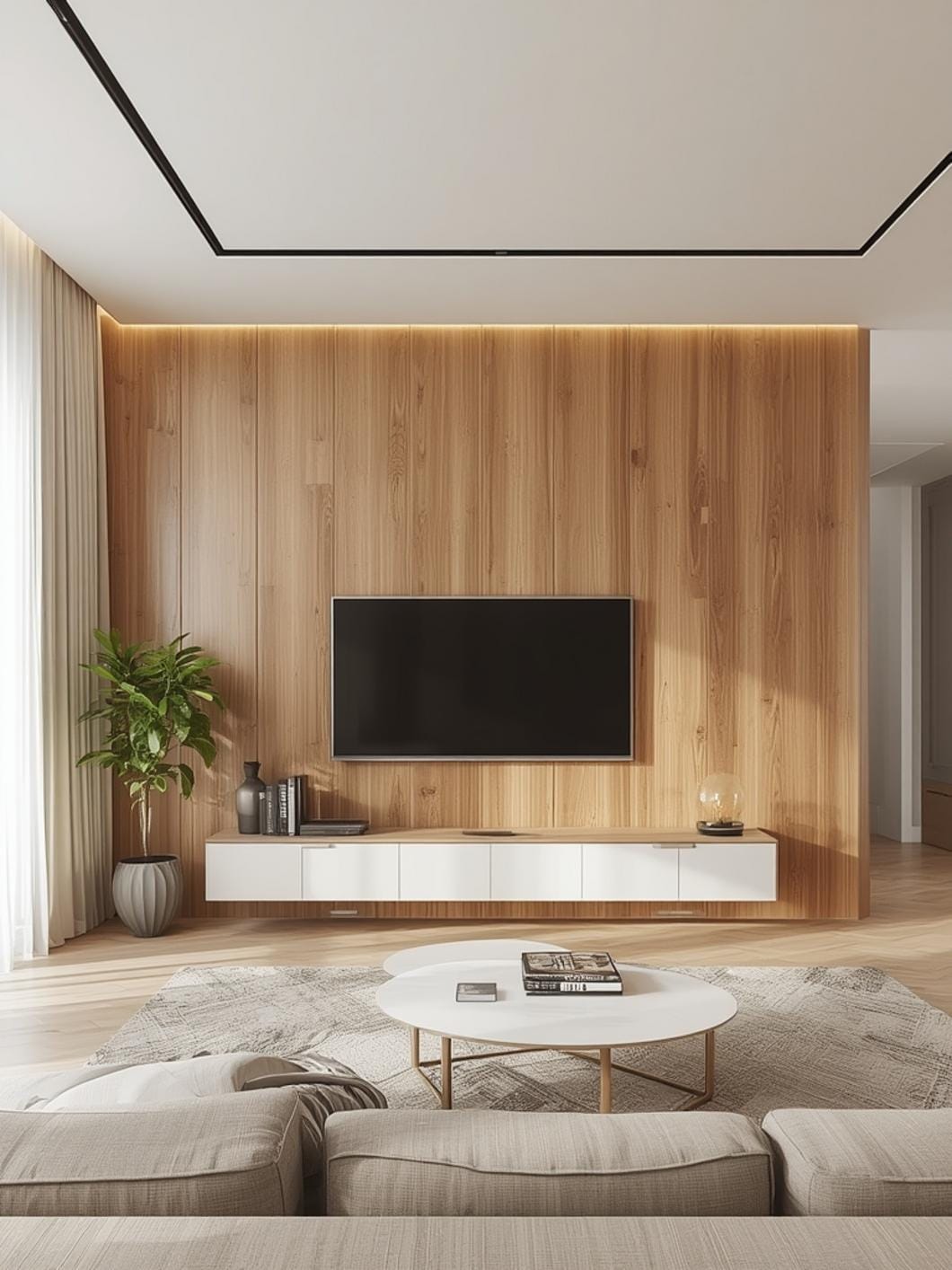
This modern design uses narrow wood strips installed vertically with consistent gaps between each slat. The spacing creates visual interest and makes walls feel taller. It works beautifully behind beds, sofas, or as a dining room feature. Paint the wall behind the slats in a contrasting color for extra depth.
2. Horizontal Shiplap in Natural Finish
Classic shiplap installed horizontally brings that casual, coastal vibe everyone loves. Leave it in natural wood tones with just a clear sealant to let the grain shine through. This style suits living rooms, bedrooms, and even bathrooms if you use moisture-resistant wood or proper sealing.
3. Herringbone Pattern Statement Wall
For maximum impact, arrange wood planks in a herringbone or chevron pattern. This takes more planning and cutting, but the geometric design becomes instant art. It looks stunning behind a fireplace or as a bedroom headboard wall. The wood paneling cost per square foot runs higher for this style because of increased material waste and labor.
4. Whitewashed Reclaimed Barn Wood
Nothing beats the character of weathered barn wood. The varied widths, nail holes, and natural imperfections tell a story. A whitewash treatment keeps it from feeling too rustic while preserving all that texture. This style brings warmth to modern farmhouse or cottage-style homes.
5. Dark Stained Accent Wall with Built-In Lighting
Go dramatic with a deep espresso or ebony stain. Add integrated LED strip lighting along the top or bottom edge to create a soft glow that highlights the wood texture. This sophisticated approach works especially well in media rooms, home offices, or primary bedrooms.
6. Mixed-Width Plank Wall
Instead of uniform boards, use planks of varying widths installed vertically or horizontally. The randomness creates organic visual movement. Stick with one wood species and finish for cohesion, but let the different widths provide the interest. This style hides imperfections beautifully too.
7. Geometric Panel Accent Wall
Create a modern focal point using wood panels arranged in geometric shapes—rectangles, squares, or even triangles. Paint or stain different sections in varying shades of the same color family. This artistic approach turns your wall into a three-dimensional sculptural element.
Each of these ideas adapts to different skill levels. Peel-and-stick options work for any style if you want the look without the commitment or construction work.
Benefits of Wood Accent Walls
Beyond pure aesthetics, wood paneling brings practical advantages that improve your daily experience at home.
Instant Architectural Interest: Newer homes often lack the character of older houses. A wood accent wall adds depth and dimension that flat drywall simply can’t provide. It creates a focal point that grounds your furniture arrangement and gives the eye somewhere interesting to land.
Improved Room Acoustics: Wood naturally absorbs and diffuses sound better than hard drywall surfaces. If your room feels echoey or your home office picks up too much noise, a wood wall helps soften the acoustics without requiring professional sound panels.
Warmth Without Raising the Thermostat: Wood adds psychological warmth that makes spaces feel cozier immediately. The natural material creates an organic, welcoming atmosphere that’s especially valuable in minimalist or contemporary spaces that might otherwise feel cold.
Value Addition: Well-executed wood accent walls appeal to future buyers. They’re seen as a desirable upgrade that shows attention to design detail. Unlike trendy wallpaper patterns, quality wood treatments remain stylish across different design eras.
The tactile quality matters too. Running your hand across real wood grain connects you to natural materials in a way that plastic or vinyl just doesn’t. That sensory experience subtly improves how you feel in your space every single day.
Styling Advice for Different Budgets
Budget-Friendly Approach: Peel-and-stick wood panels or wood-look vinyl planks give you the aesthetic at the lowest cost and easiest installation. Focus on one smaller wall—perhaps behind a bed or sofa—rather than trying to cover a large expanse. You’ll still get major impact for $100–300 depending on your wall size.
Mid-Range Option: Real wood planks from your local home improvement store offer authentic texture without premium pricing. Pine, poplar, or cedar boards typically cost $3–6 per square foot. Do your own installation over a weekend to save on labor. Add a quality stain or paint for a custom finish. Budget $500–1,000 for an average-sized accent wall.
Premium Investment: Reclaimed wood, exotic hardwoods, or custom millwork creates a truly one-of-a-kind feature. Professional installation ensures perfect results, especially for complex patterns. These projects run $1,500–3,500+ but deliver heirloom quality that lasts decades.
Small Space Adaptation: In compact rooms, try a partial wall treatment instead of floor-to-ceiling coverage. Panel just the top two-thirds of the wall, or create a horizontal band at mid-height. This gives you the warmth of wood without overwhelming limited square footage. Lighter wood tones and vertical orientations make small rooms feel larger rather than more cramped.
Common Mistakes to Avoid
Skipping the Acclimation Period: Many homeowners mount wood straight from the store without letting it adjust to their home’s humidity. Always let real wood sit in the room for 48–72 hours before installation so it expands or contracts to its final size, preventing gaps or buckling later.
Forgetting About Electrical Outlets: Measuring and cutting around outlets and switches takes planning. Mark these locations carefully on your boards before installation, and cut openings slightly larger than the outlet boxes for easier fit and future access.
Using the Wrong Adhesive: Not all construction adhesives work equally well on every surface or wood type. Check the product label to ensure it’s rated for your specific application. Poor adhesive choice leads to boards popping off months later.
Ignoring the Room’s Proportions: A heavy, dark wood wall can overwhelm a small room or one with low ceilings. Choose your wood color and orientation based on your space’s actual dimensions, not just what looks good in photos of larger rooms.
Rushing the Finish Work: Gaps between boards, visible nail heads, or uneven stain application ruin an otherwise beautiful wall. Take time with prep work, sanding, and finishing coats. The difference between acceptable and stunning often comes down to these final details.
Maintenance Tips for Lasting Beauty
Wood accent walls require surprisingly little upkeep, but a few simple practices keep them looking fresh for years.
Regular Dusting: Use a microfiber cloth or soft brush attachment on your vacuum to remove dust from grooves and texture. This prevents buildup that dulls the wood’s appearance. Monthly dusting is plenty for most homes.
Immediate Spill Cleanup: If your wood wall is near kitchens or high-traffic areas, wipe any splashes immediately with a slightly damp cloth. Water spots can stain unsealed or lightly sealed wood if left to dry naturally.
Annual Inspection: Check once yearly for any loose boards, especially near corners or edges. A small dab of wood glue reattaches any pieces that have started to separate. Catching these early prevents larger repairs later.
Resealing When Needed: Most sealed wood walls need refinishing every 5–7 years in high-humidity areas like bathrooms, or every 10+ years in climate-controlled living spaces. You’ll know it’s time when water stops beading on the surface.
Avoid harsh chemical cleaners or abrasive scrubbing. Wood is forgiving and ages beautifully, but aggressive cleaning strips finishes and damages the grain. Gentle care maintains that natural beauty indefinitely.
Your Next Step to a More Beautiful Home
A wood accent wall changes not just how a room looks, but how it feels. The warmth, texture, and natural character transform ordinary spaces into rooms you’re genuinely excited to spend time in.
Start by identifying which room needs that transformation most. Picture yourself in that space with a beautiful wood wall behind your favorite furniture. That vision is absolutely achievable, whether you choose a simple peel-and-stick solution or dive into a custom installation project.
Ready for more ways to elevate your home’s style? Explore DecorKingdom for hundreds of inspiring ideas that help you create spaces you love, one room at a time.
FAQs
What is the cheapest way to do a wood accent wall?
Peel-and-stick wood panels or vinyl planks designed to look like wood offer the most budget-friendly option. They typically cost $2–4 per square foot and require no special tools or skills to install. You can complete a standard bedroom accent wall for under $150 in materials.
Can I install wood paneling over existing paint?
Yes, you can install most wood paneling directly over painted drywall as long as the surface is clean, dry, and relatively smooth. Remove any loose or peeling paint first, and wipe down the wall to remove dust and grease. The adhesive or nails will hold just fine to properly prepared painted surfaces.
How do I choose between horizontal and vertical wood planks?
Horizontal planks make rooms feel wider and work well in traditional or coastal styles. Vertical planks create the illusion of height and suit modern or contemporary spaces. Consider your room’s proportions—use vertical in rooms with low ceilings and horizontal in narrow spaces.
Do wood accent walls make rooms feel smaller?
Dark wood walls can make small rooms feel cozier but potentially more enclosed. Lighter wood tones, vertical orientations, and walls with spacing between slats actually help small rooms feel larger by adding depth and dimension. Choose your wood color and style based on how much natural light your room receives.
How long does it take to install a wood accent wall?
A DIY wood accent wall typically takes one to two full days for an average-sized bedroom wall, including prep work and installation. Peel-and-stick options might only need 4–6 hours. More complex patterns like herringbone or mixed-width designs can take a full weekend. Factor in additional time if you’re staining or painting the wood yourself.
—
Meta Title: Wood Paneling Accent Wall Ideas That Transform Any Room 2026
Meta Description: Discover stunning wood paneling accent wall ideas for every style and budget. Create warmth and character in your home with these proven designs.