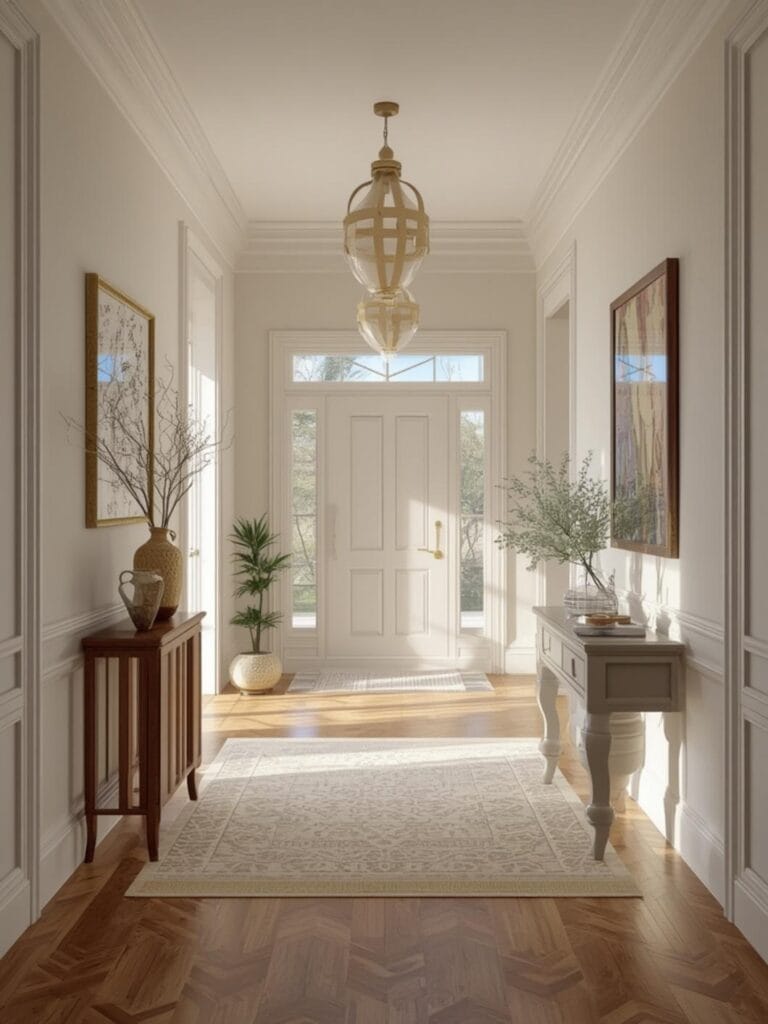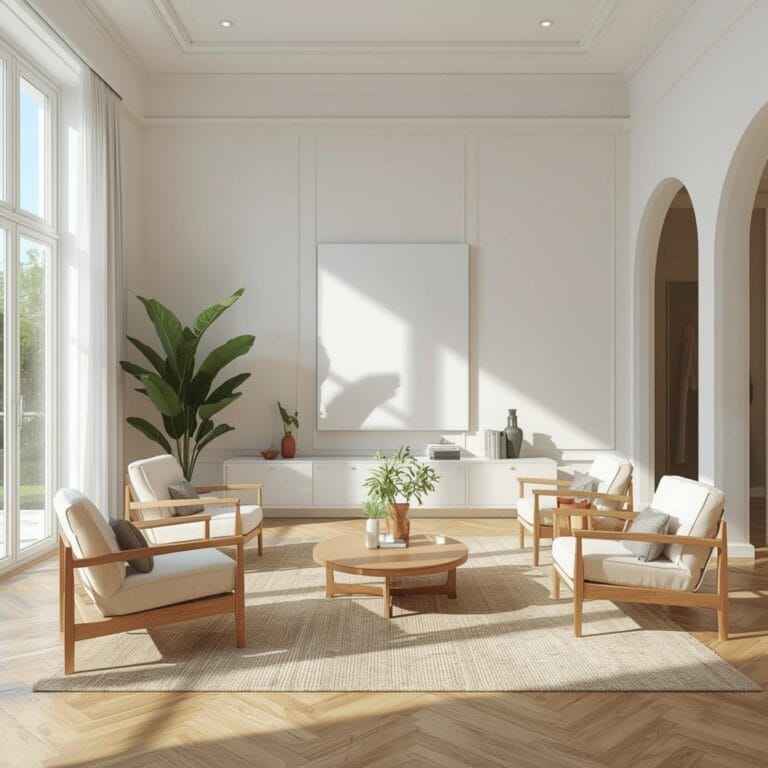
7 Exterior Accent Wall Ideas That Boost Curb Appeal
You pull into your driveway every day, but when’s the last time your home’s exterior made you stop and smile? Most houses blend into the neighborhood with predictable paint schemes and zero personality. But there’s a surprisingly simple way to make yours stand out without a full renovation.
Exterior accent wall ideas give you the chance to add drama, depth, and character to your home’s facade with one bold design choice. Whether you highlight your front entryway, dress up a boring garage wall, or frame your outdoor living space, an accent wall creates instant visual interest that neighbors will notice.
The best part? You don’t need contractor skills or a massive budget to pull this off. With the right planning and a weekend or two, you can completely change how your home looks and feels from the street.
Table of Contents
What You’ll Need to Get the Look
Creating an exterior accent wall involves more than just paint and a brush. Here’s what you’ll need to bring your vision to life:
Surface preparation materials:
– Pressure washer or garden hose with scrub brush
– Exterior-grade primer suitable for your wall material
– Painter’s tape designed for outdoor use
– Drop cloths or plastic sheeting
– Sandpaper or wire brush for rough spots
Design and finishing materials:
– Exterior paint or stain in your chosen accent color
– Quality exterior paint brushes and rollers
– Paint trays and liners
– Decorative elements like shutters, planters, or outdoor art
– Outdoor lighting to highlight your new accent wall
Alternative material options:
– Cedar or reclaimed wood planks for a textured look
– Stone veneer panels for rustic charm
– Metal panels for modern industrial style
– Fiber cement board for clean contemporary lines
Finding Your Style and Season
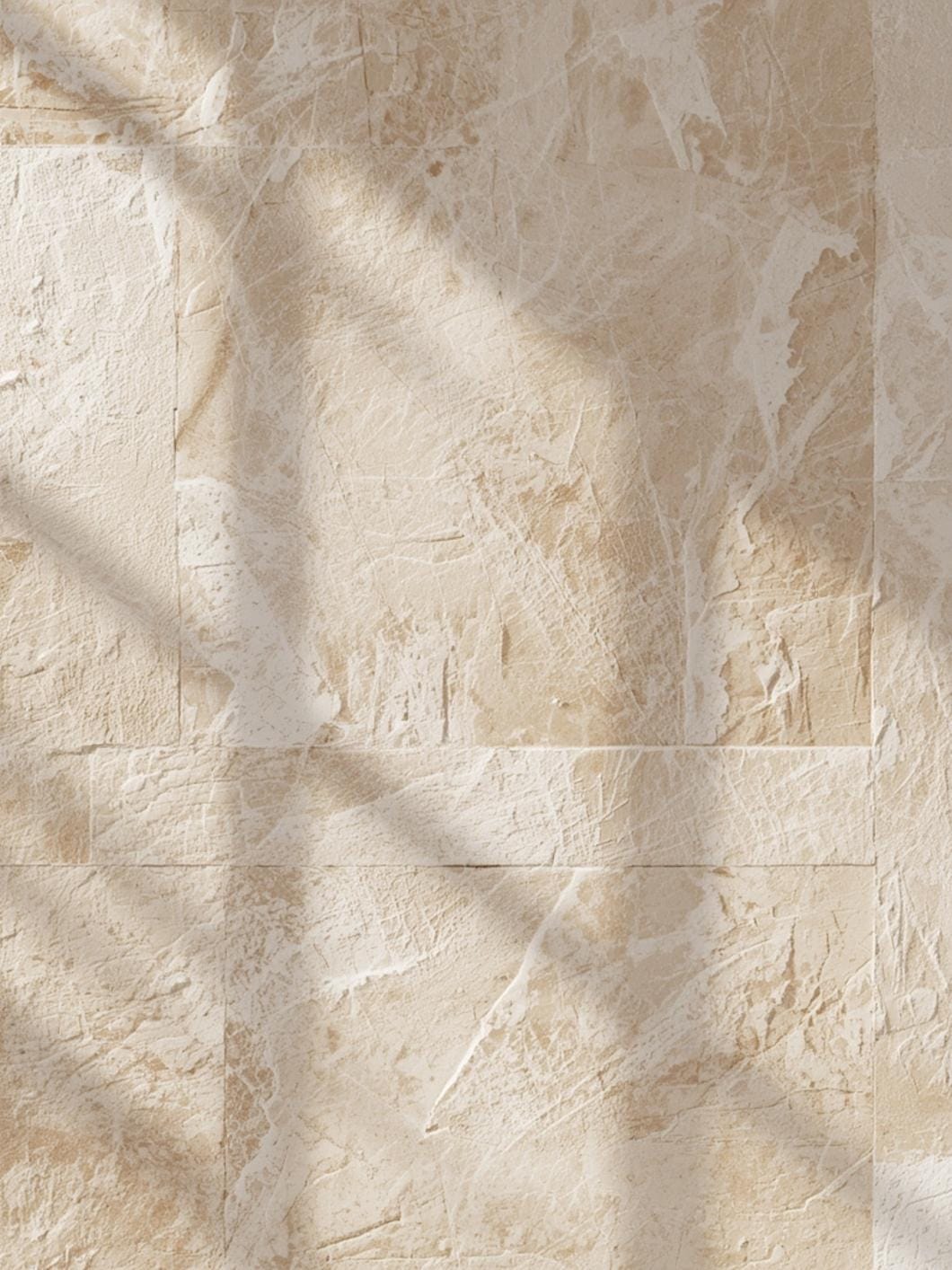
Timing matters when you’re planning an exterior accent wall project. Spring and fall offer the most comfortable working conditions, with mild temperatures that help paint cure properly without the harsh summer sun or winter freeze.
Think about how your accent wall will look across all four seasons. A deep charcoal or navy blue reads as sophisticated year-round, while warm terracotta or sage green blends beautifully with changing foliage.
Consider your neighborhood’s aesthetic too. You want your accent wall to stand out, but not clash with the overall street vibe. Drive around your area and notice which homes catch your eye in a good way.
Budget at least two full weekends for surface prep, painting, and any additional decorative touches. Rush this project and you’ll see it in the finish quality. Your accent wall will be on display 24/7, so it’s worth getting right.
7 Ideas to Try in Your Home
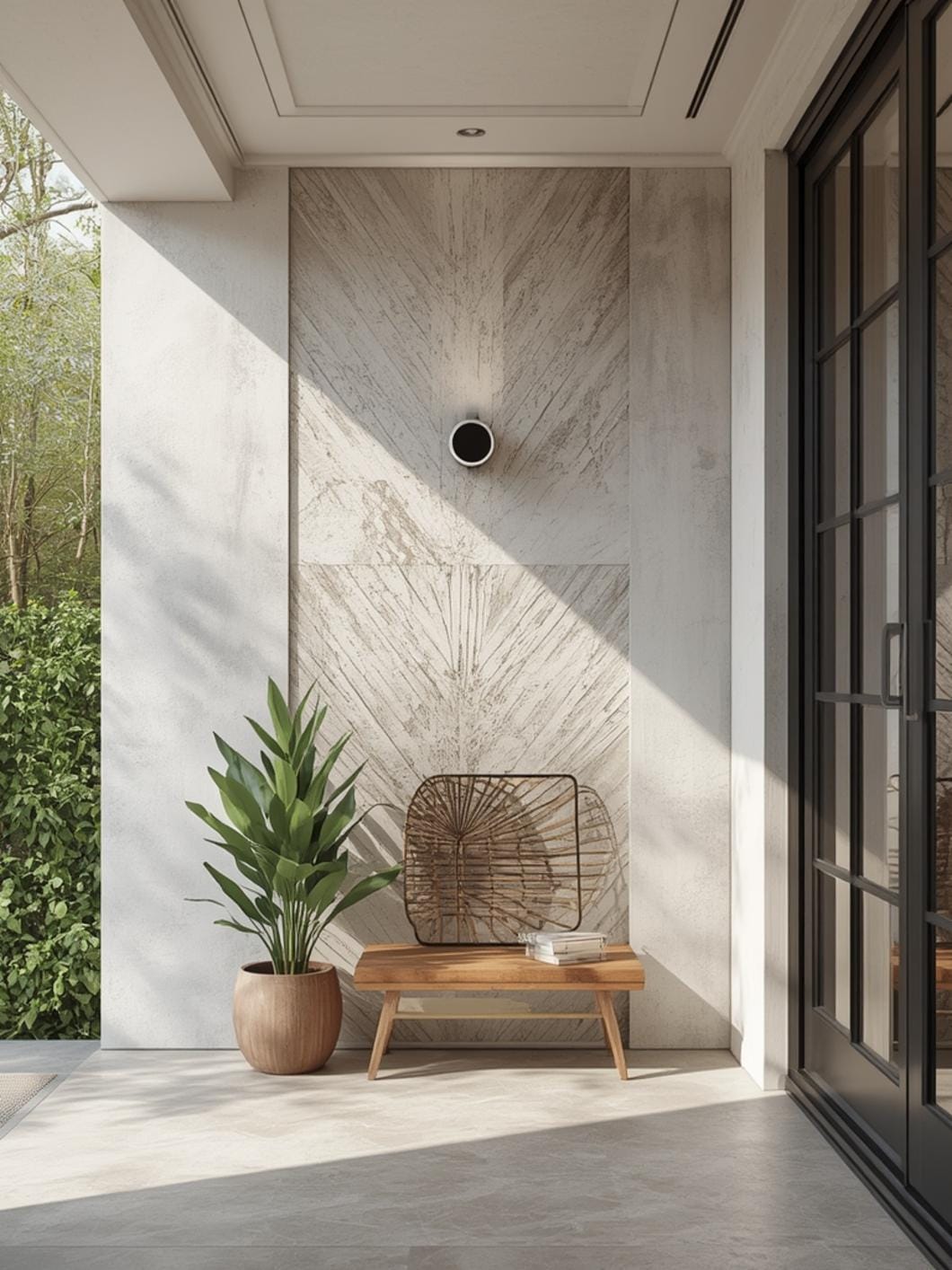
1. The Bold Entryway
Paint the wall behind or around your front door in a rich, saturated color that makes the entrance impossible to miss. Deep forest green, glossy black, or warm brick red all create an inviting focal point. Add matching or complementary planters on either side to complete the look.
This works especially well on homes with neutral main colors like beige, gray, or white. The contrast draws the eye exactly where you want it—right to your welcoming front door.
2. Garage Transformation
Turn your boring garage door wall into a design statement. Many homeowners overlook this large surface area, but it’s often the most visible part of your home from the street. Consider exterior accent wall color combinations for small spaces like soft gray with crisp white trim to make the area feel more intentional and less utilitarian.
Paint the entire garage wall a shade darker or lighter than your house body, or try a completely different color family. Add window boxes below any garage windows or hang outdoor art to emphasize the accent.
3. Vertical Board and Batten Feature
Install vertical wood planks on one exterior wall section to create texture and visual height. Paint them in a contrasting color to your main siding, or stain them natural for a rustic cabin vibe. This technique works beautifully to highlight a covered porch area or frame an outdoor seating space.
The vertical lines make your home appear taller and add architectural interest that flat siding simply can’t achieve.
4. Modern Two-Tone Split
Divide one exterior wall horizontally with two complementary colors. Use the darker shade on the bottom third and the lighter tone above, or reverse it for drama. This contemporary approach works particularly well on modern farmhouse and mid-century style homes.
The color split adds proportion and makes your home’s architecture more dynamic without any structural changes.
5. Stone or Brick Accent Column
Frame your entryway with stone veneer or brick on the wall sections flanking your door. This creates a sense of grandeur and permanence while adding beautiful texture. Choose materials that complement your home’s existing features like chimney brick or foundation stone.
This option requires more investment than paint alone, but the impact lasts for decades with minimal maintenance.
6. Shiplap Outdoor Wall
Add horizontal shiplap planks to create a coastal or farmhouse-inspired accent wall on your porch or patio area. Paint it bright white for classic charm, or try soft blue-gray for a more relaxed beach house feel. The horizontal lines make narrow spaces feel wider and more expansive.
This works especially well in covered outdoor living areas where you want to define the space as an extension of your home’s interior.
7. Colorful Focal Wall Behind Landscaping
Choose one exterior wall as a backdrop for your front yard landscaping. Paint it a color that complements your plantings—deep plum behind ornamental grasses, soft yellow behind climbing roses, or charcoal behind white hydrangeas. The contrast makes both the wall and your garden pop.
Position outdoor lighting to illuminate both the plants and the accent wall after dark for extended visual impact.
Benefits Beyond Beautiful
An exterior accent wall delivers more than just improved curb appeal. You’re making a smart investment in your home’s perceived value and your own daily enjoyment.
First impressions matter tremendously. When guests arrive or delivery drivers pull up, that pop of color or texture signals that your home is well-maintained and thoughtfully designed. It creates positive associations before anyone even steps inside.
You’ll also find yourself appreciating your home more when you come and go each day. That small moment of pride when you pull into your driveway or walk up to your door adds up to real quality-of-life improvement over time.
Real estate experts consistently note that homes with distinctive exterior features photograph better in listings and attract more showing requests. Even if you’re not selling soon, you’re building equity through enhanced curb appeal.
An accent wall can also solve practical problems. It draws attention away from less attractive features like utility meters or dated window styles while highlighting your home’s best architectural elements.
Tips, Alternatives, Styling Advice
Budget-friendly approach:
Start with just paint in a bold color on one prominent wall section. Prep the surface yourself on weekends and apply two coats of high-quality exterior paint. Add inexpensive planters and a new house number in a coordinating finish to enhance the accent. Total investment: $150–$300.
Mid-range option:
Combine paint with one architectural element like board and batten trim, decorative shutters, or a few rows of stone veneer at the base. Hire help for any structural additions but handle the painting yourself. Include landscape lighting to showcase your work after dark. Total investment: $800–$1,500.
Premium transformation:
Install high-end materials like cedar planks, natural stone, or metal panels across the entire accent wall. Work with a professional for installation and finishing. Add custom outdoor lighting, built-in planters, and architectural details like corbels or pergola elements. Total investment: $3,000–$6,000.
Small space adaptation:
Homes with limited exterior wall space can still benefit from accent wall thinking. Paint just the area immediately surrounding your front door in a contrasting color, or add a narrow vertical stripe of a different material beside your entrance. Even small changes create significant visual impact when executed with intention.
Common Mistakes to Avoid
Skipping proper surface preparation. Rushing straight to painting without cleaning, repairing, and priming leads to peeling and bubbling within months. Take time to pressure wash, fill cracks, sand rough spots, and apply quality primer before your accent color.
Choosing a color without testing samples. That perfect navy blue paint chip looks completely different on your actual exterior wall in different lighting conditions. Buy sample sizes and paint large test patches on your wall, then observe them for several days before committing.
Ignoring your home’s architectural style. A trendy color or material that clashes with your home’s design era creates confusion rather than charm. Research accent options that enhance rather than fight against your existing architecture.
Creating too many accent areas at once. More is not better when it comes to exterior accents. One well-executed focal wall makes a statement, while multiple competing accents create visual chaos. Pick your strongest feature and let it shine alone.
Forgetting about maintenance access. Don’t install permanent accent materials in areas where you regularly need to access utilities, hose connections, or outdoor outlets. Plan your design around practical access needs to avoid frustration later.
Maintenance and Upkeep Tips
Keep your exterior accent wall looking fresh with minimal effort. Rinse it down with your garden hose twice a year to remove dirt, pollen, and cobwebs. This simple step prevents buildup that makes colors look dingy.
Check painted surfaces annually for any chips or cracks, especially around edges and trim. Touch up small problems immediately with leftover paint before they spread. Keep extra paint stored properly in your garage for quick repairs.
Wood accent walls need occasional re-staining or sealing every 3–5 years depending on sun exposure. Plan this maintenance task for spring or fall when weather conditions are ideal for product application and curing.
Trim back any plants or vines that grow against your accent wall. While the combination looks charming, direct plant contact traps moisture against surfaces and accelerates wear. Maintain a few inches of clearance for airflow.
Inspect stone or brick veneer installations each spring for any loose pieces or deteriorating mortar. Catching and fixing these issues early prevents more expensive repairs down the road.
Making Your Mark
Your home’s exterior should reflect your personality just as much as your interior spaces do. An accent wall gives you permission to be bold and creative without overwhelming your entire house with a risky color choice.
Start with the ideas that excite you most, then adapt them to fit your home’s specific architecture and your neighborhood’s character. The right accent wall feels both fresh and like it’s always belonged there.
Ready to explore more ways to make your home stand out? DecorKingdom has dozens of exterior design ideas to help you create the curb appeal you’ve been dreaming about.
FAQs
What is the best color for an exterior accent wall?
The best color depends on your home’s existing palette and style. Deep charcoal, navy blue, forest green, and warm terracotta are versatile choices that complement most neutral house colors. Test several options on your actual wall before committing, as lighting dramatically affects how colors appear.
Can I put an accent wall on vinyl siding?
Yes, you can paint vinyl siding with specific exterior paints designed for vinyl application. Choose colors lighter than your existing siding color to prevent warping from heat absorption. Clean the surface thoroughly first and use primer formulated for vinyl surfaces for best adhesion.
How much does it cost to add an exterior accent wall?
A DIY painted accent wall costs $150–$500 depending on wall size and paint quality. Adding materials like wood planks or stone veneer increases costs to $800–$3,000 for mid-range projects, while premium installations with professional help can reach $6,000 or more for large areas.
Do exterior accent walls work on brick homes?
Absolutely. Brick homes benefit beautifully from accent walls using contrasting paint colors on trim areas, wood plank additions on porch walls, or stone veneer in different tones than the existing brick. The texture contrast between materials creates especially striking results on brick homes.
How do I choose which wall to accent on my home’s exterior?
Focus on the wall most visible from the street or your main approach to the house. Front entryway walls, garage walls facing the street, and walls flanking outdoor living spaces make the strongest candidates. Choose the area where you want to draw attention and create a focal point.
—
Meta Title: 50 Exterior Accent Wall Ideas That Pop in 2026
Meta Description: Transform your curb appeal with exterior accent wall ideas. Bold colors, textures & styles for every budget. Get inspired today!