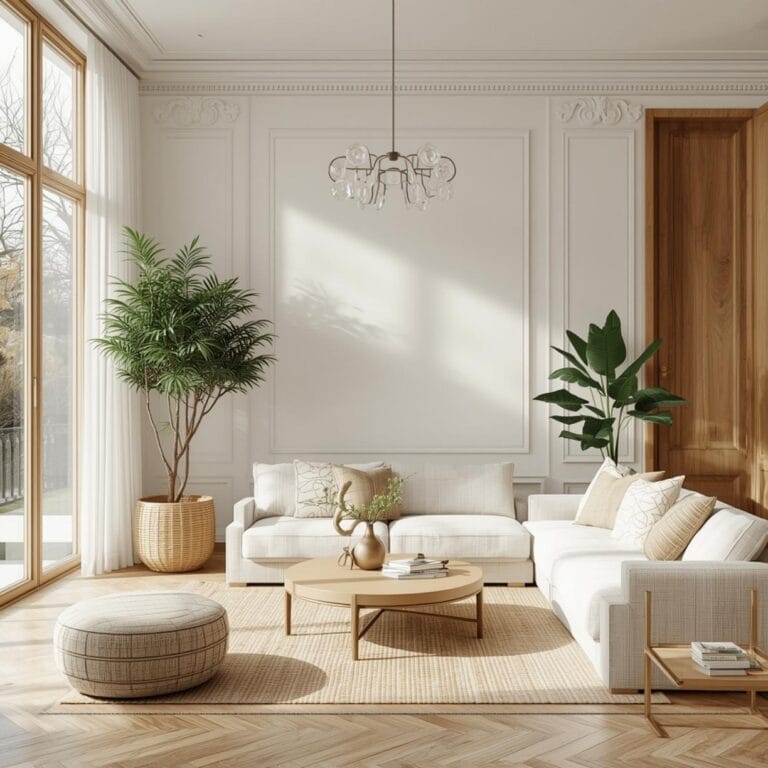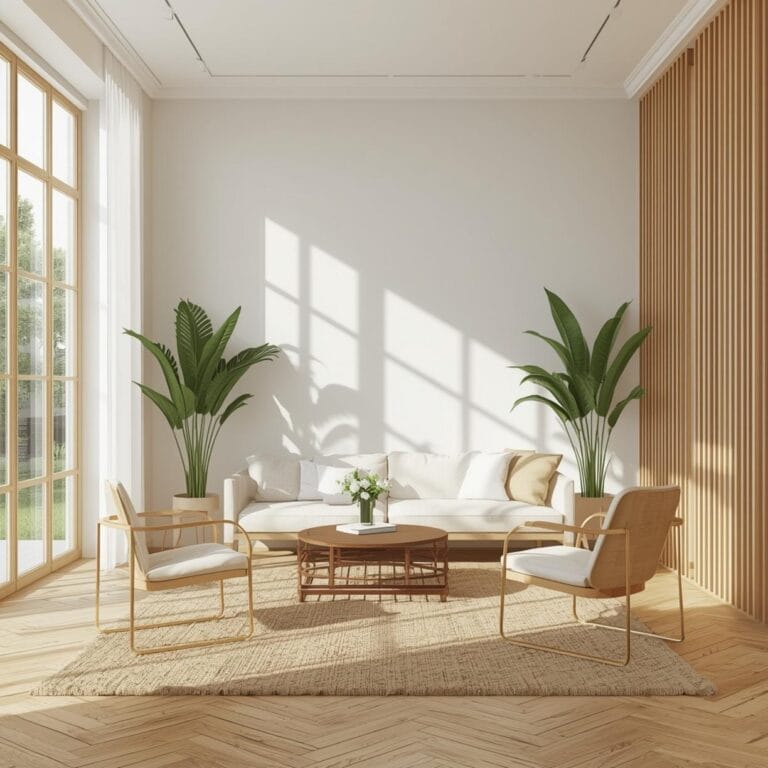
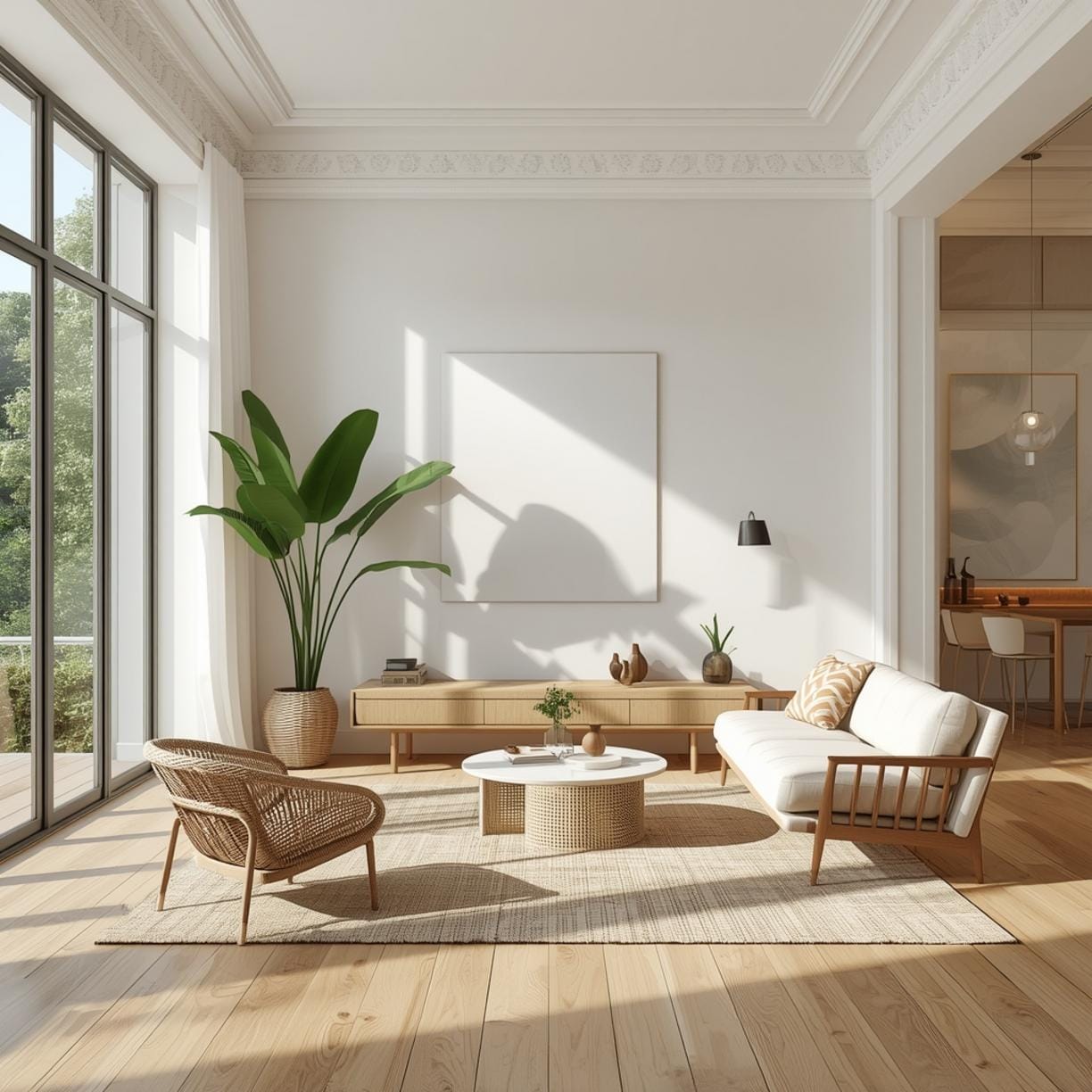
How to Choose the Right Living Room Size & Dimensions
Have you ever walked into your living room and felt like something was just off? Maybe the sofa feels too big, or the space seems cramped no matter how you arrange things. You’re not alone in this struggle.
Understanding Living Room Size & Dimensions is the foundation for creating a comfortable, functional space that actually feels like home. Most homeowners focus on furniture and decor first, but the real secret lies in knowing how to work with your room’s measurements and proportions.
Whether you’re moving into a new place, redesigning your current space, or simply trying to make your living room work better for your family, getting the dimensions right changes everything. Let’s walk through exactly what you need to know to make your living room feel just right.
Table of Contents
Key Terms and Elements to Know
Before you start measuring and planning, it’s helpful to understand the key components that affect how your living room functions. These elements work together to create either a harmonious space or a frustrating one.
Room dimensions include length, width, and ceiling height. Standard living rooms range from 12×12 feet (small) to 16×20 feet (medium) to 20×24 feet or larger (spacious). Your ceiling height matters too—8-foot ceilings create a cozier feel while 9 to 10-foot ceilings open up the space vertically.
Traffic flow refers to the pathways people use to move through your room. You’ll want at least 30 to 36 inches of clearance for main walkways, and 14 to 18 inches between your coffee table and seating.
Conversation zones are the areas where people gather to talk. The ideal distance between seating pieces is 4 to 10 feet—close enough to chat comfortably without shouting across the room.
Furniture scale means choosing pieces that fit your room’s proportions. A massive sectional might overwhelm a small space, while tiny furniture can make a large room feel sparse and disconnected.
Focal points draw the eye and anchor your furniture arrangement. This might be your fireplace, TV, large window, or an accent wall.
Common Misconceptions to Clear Up First
Many homeowners believe bigger is always better when it comes to living rooms, but that’s simply not true. A well-proportioned smaller space often feels more inviting than a cavernous room where furniture floats awkwardly.
Another myth suggests you need matching furniture sets to make a room work. The truth is that mixing pieces of appropriate scale creates much more visual interest and flexibility than matching sets ever could.
Some people think pushing all furniture against the walls maximizes space. Actually, this creates an empty void in the center and makes conversation zones feel disconnected. Floating furniture away from walls often makes rooms feel larger and more intentional.
You might hear that standard-sized sofas fit in every living room. But a 90-inch sofa that works perfectly in a 16×18 foot room will completely overwhelm a 12×12 foot space, making it feel cramped and difficult to navigate.
Many assume TV size doesn’t relate to room dimensions, but viewing distance matters tremendously. For a 55-inch TV, you’ll want to sit 7 to 11 feet away for comfortable viewing without neck strain.
How It Works in Real Homes
Let’s look at how different living room sizes actually function in real homes, so you can see where your space fits and what works best.
Small Living Rooms (10×12 to 12×14 feet) work beautifully when you embrace their cozy nature. A loveseat or apartment-sized sofa (60 to 72 inches) pairs well with two accent chairs or a single chair plus ottoman. Your coffee table should measure about 30×40 inches maximum.
In these spaces, mount your TV on the wall to save floor space. Position your main seating 6 to 8 feet from the screen. Use armless or low-back furniture to maintain sightlines across the room.
Medium Living Rooms (14×16 to 16×18 feet) offer the most flexibility for furniture arrangement. A standard sofa (78 to 84 inches) fits comfortably here, paired with a loveseat or two chairs creating an L-shape or conversational grouping.
How to arrange furniture in a small living room becomes easier when you understand proportions—even medium rooms benefit from these principles. Your coffee table can measure 48×30 inches, and you’ll have room for side tables beside seating pieces. Position seating 8 to 10 feet from your TV for optimal viewing.
Large Living Rooms (18×20 feet or bigger) need multiple zones to avoid feeling empty. Create a primary conversation area with your main seating, then add a secondary zone—perhaps a reading nook with two chairs and a bookshelf, or a game table near a window.
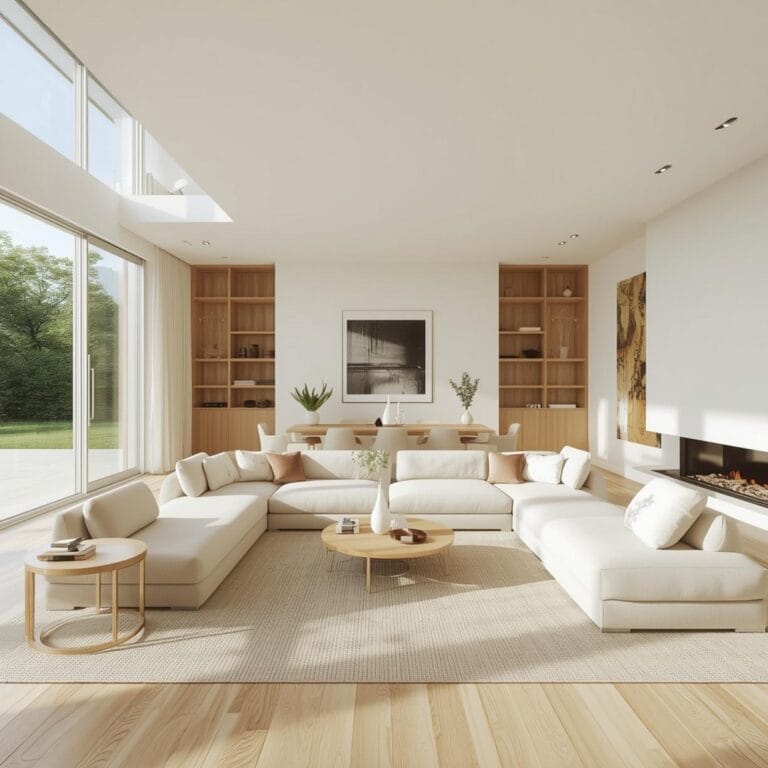
Use area rugs to define each zone visually. Your main rug should extend at least 6 inches beyond your furniture on all sides, or allow front furniture legs to rest on it. Large spaces work well with sectionals (100+ inches) or multiple seating groups.
Open Concept Spaces require strategic furniture placement to define your living area without walls. Position your sofa to face away from the kitchen or dining area, creating a visual boundary. A console table behind the sofa adds definition while providing display space.
Ceiling height affects furniture choices significantly. In rooms with 8-foot ceilings, keep furniture low and horizontal to emphasize width. In rooms with 10+ foot ceilings, taller bookcases, floor-to-ceiling curtains, and vertical artwork draw the eye upward and celebrate that volume.
Narrow Living Rooms (10 feet wide or less) challenge many homeowners. Float a sofa perpendicular to the longest wall rather than parallel. This breaks up the bowling alley effect and creates better flow. Choose a narrow coffee table (24 inches deep) and skip bulky recliners.
Benefits of Understanding Your Living Room Dimensions
Getting your room dimensions right transforms your daily living experience in ways you’ll notice immediately. Your space feels intentional rather than accidental, like everything has a purpose and place.
Proper spacing reduces stress in your home. You’ll stop bumping into furniture corners, and family members won’t bottleneck trying to walk through the room. Your space flows naturally, making everyday activities easier and more pleasant.
Understanding dimensions helps you shop smarter and avoid expensive mistakes. You won’t fall in love with that oversized sectional only to discover it overwhelms your room. You’ll know exactly what size pieces to look for before you start browsing.
Well-proportioned rooms actually feel larger than they are. When furniture scale matches room size, your brain perceives balanced, harmonious space rather than cramped quarters or awkward voids.
Your furniture lasts longer when it fits properly. Pieces that don’t get constantly bumped into or squeezed through doorways maintain their condition better over time. You’ll also change your layout less frequently because it works well from the start.
Social gatherings feel more natural in properly dimensioned spaces. Conversation flows easily when seating sits at comfortable distances. Guests intuitively know where to sit, and everyone can see and hear each other without shouting.
Tips, Alternatives, and Styling Advice
Budget-Friendly Approach: Start by measuring your room carefully and creating a simple floor plan on graph paper. Use painter’s tape on your floor to outline furniture dimensions before buying anything. Shop secondhand for well-made pieces in the right scale—quality matters more than newness.
Consider multipurpose furniture like ottomans with storage or nesting tables that expand when needed. These maximize function without overwhelming smaller spaces. Measure doorways and hallways too, ensuring your purchases actually fit through them.
Mid-Range Option: Invest in a quality measuring tool and use free online room planners to visualize different layouts before moving heavy furniture. Purchase key pieces new—your sofa and main seating—and mix in budget finds for accent chairs and tables.
Choose furniture with exposed legs rather than skirted pieces. This creates visual space underneath, making rooms feel less crowded. Look for modular pieces that adapt as your needs change, like sectionals with movable components.
Premium Approach: Work with an interior designer for a professional space plan based on precise measurements. Invest in custom or semi-custom furniture built to your exact specifications and room dimensions. This ensures perfect scale and proportion throughout your space.
Commission built-in storage or window seats that maximize every inch of your living room. These custom elements work with your architecture rather than against it, creating seamless integration that standard furniture can’t match.
Small Space Adaptation: Choose a loveseat (60 to 72 inches) instead of a full sofa. Add one or two armless accent chairs that tuck under windows or beside the loveseat. Use a round coffee table (30 to 36 inches diameter) that allows easier traffic flow than rectangular shapes.
Mount your TV and use floating shelves instead of bulky entertainment centers. Every inch of floor space counts in small living rooms, so vertical storage becomes your best friend.
Common Mistakes to Avoid
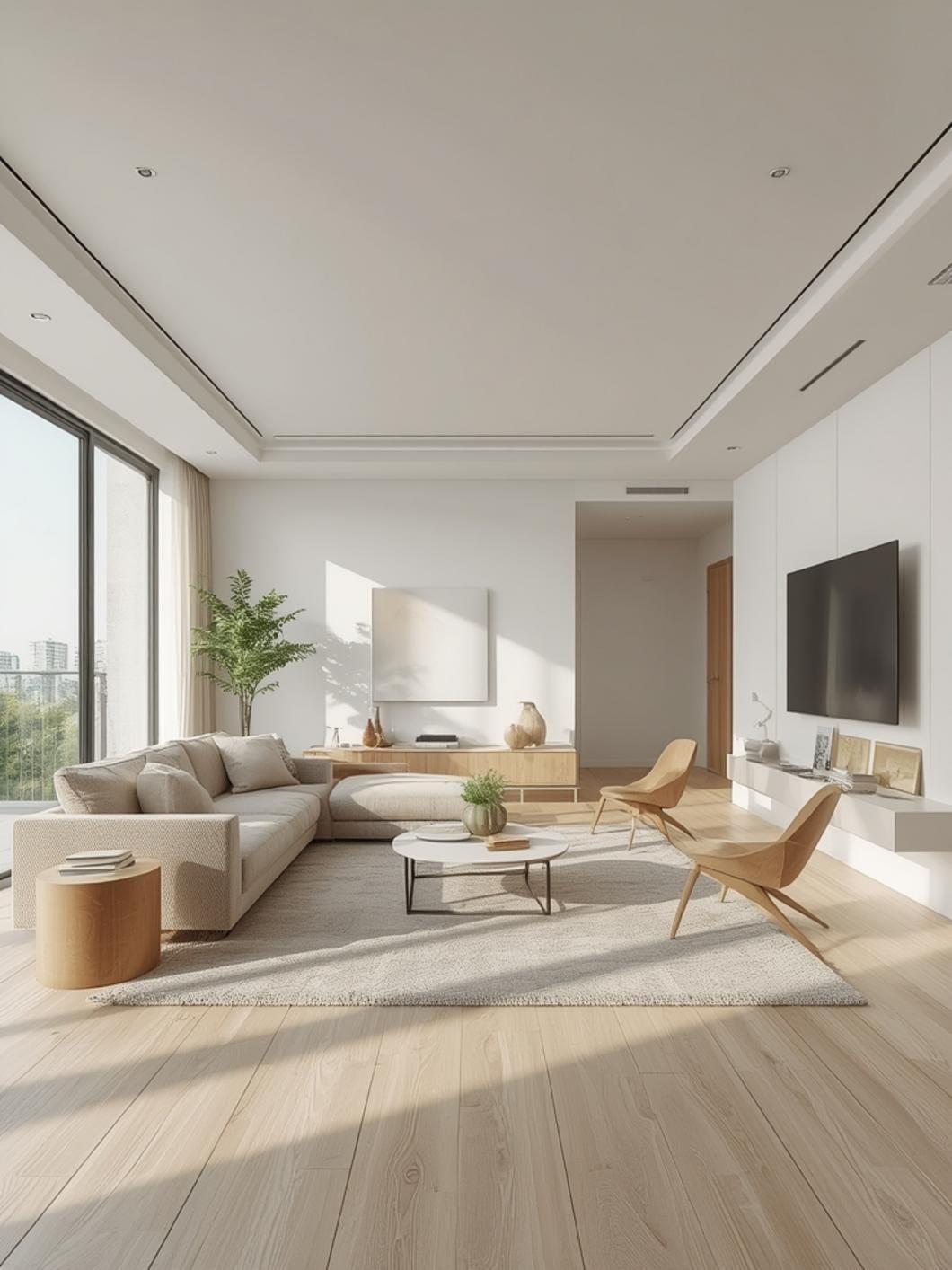
Buying furniture before measuring your space leads to returns, frustration, and compromised layouts. Always measure your room, doorways, and hallways first, then shop within those parameters.
Blocking natural traffic patterns creates daily annoyance and actually makes your room feel smaller. Leave clear pathways at least 30 inches wide so people can move through comfortably without squeezing past furniture.
Choosing a coffee table that’s too large or too small throws off your entire seating area proportions. Your coffee table should sit about two-thirds the length of your sofa and leave 14 to 18 inches between it and your seating for legroom.
Ignoring your TV viewing distance causes neck strain and eye fatigue. Measure the distance from your main seating to where your TV will sit, then choose the appropriate screen size for comfortable, enjoyable viewing.
Pushing every piece of furniture against the walls makes rooms feel disconnected and hollow. Float your sofa even 12 inches away from the wall to create depth and allow for a sofa table behind it for extra function and style.
Maintenance and Upkeep Tips
Remeasure your living room annually to ensure furniture hasn’t gradually shifted into awkward positions. Over time, pieces tend to migrate during cleaning or when kids play, creating less-than-ideal spacing without you realizing it.
Keep furniture legs protected with felt pads to prevent floor damage when you do rearrange. This makes moving pieces easier and protects your investment in both furniture and flooring.
Reassess your layout seasonally, especially if you use your fireplace in winter or open windows for cross-ventilation in summer. Sometimes rotating your furniture orientation by 90 degrees refreshes the space and improves seasonal function.
Document your room dimensions and successful furniture arrangements with photos and measurements. This creates a reference for future furniture shopping and helps you remember what worked well if you temporarily change things.
Check clearances around doorways and high-traffic areas every few months. As you add new decor pieces or plants, these pathways can become gradually more crowded without you noticing the creep.
Final Thoughts
Understanding your living room dimensions isn’t about following rigid rules—it’s about creating a space that works beautifully for your daily life. When furniture scale matches room size and traffic flows naturally, your living room becomes the welcoming heart of your home you’ve always wanted.
Start by measuring carefully, then choose pieces that honor those proportions. Your living room will feel more spacious, function better, and provide years of comfortable enjoyment for your family and guests.
Ready to transform your space with smart planning and beautiful design? Explore more inspiring ideas and practical guides right here on DecorKingdom to make every room in your home work perfectly for you.
Frequently Asked Questions
What is the average living room size in most homes?
The average living room in modern homes measures about 330 square feet, typically around 16×20 feet or 15×22 feet. Older homes often have smaller living rooms around 12×14 to 14×16 feet, while newer construction tends toward more spacious 18×20 feet or larger. Your specific region and home style significantly influence these numbers.
How far should my sofa be from the TV?
Your ideal viewing distance depends on your TV size. For a 50-inch TV, sit 6 to 10 feet away. For a 65-inch TV, position your sofa 8 to 13 feet from the screen. A simple formula is to multiply your screen size by 1.5 to get the minimum comfortable viewing distance in feet.
Can I fit a sectional in a small living room?
Yes, but choose an apartment-sized sectional designed for smaller spaces, typically with a total length under 90 inches. L-shaped sectionals work better than U-shaped ones in compact rooms. Position it to define your conversation area while maintaining at least 30 inches for walkways around it.
How much space should I leave between furniture pieces?
Leave 14 to 18 inches between your coffee table and seating for comfortable legroom. Maintain 30 to 36 inches for main walkways through the room. Side tables should sit within easy reach of seating, typically 2 to 6 inches away. Conversation seating works best 4 to 10 feet apart.
What size area rug do I need for my living room?
Your rug should be large enough that all furniture front legs rest on it, or it should extend at least 6 inches beyond your furniture on all sides. For a seating area, an 8×10 foot rug works in most medium living rooms, while 9×12 feet suits larger spaces. Small rooms often need a 5×7 or 6×9 foot rug.
—
Meta Title: Living Room Size & Dimensions Guide 2026: Perfect Spacing
Meta Description: Struggling with awkward furniture placement? Learn Living Room Size & Dimensions secrets to create functional, beautiful spaces that feel just right.