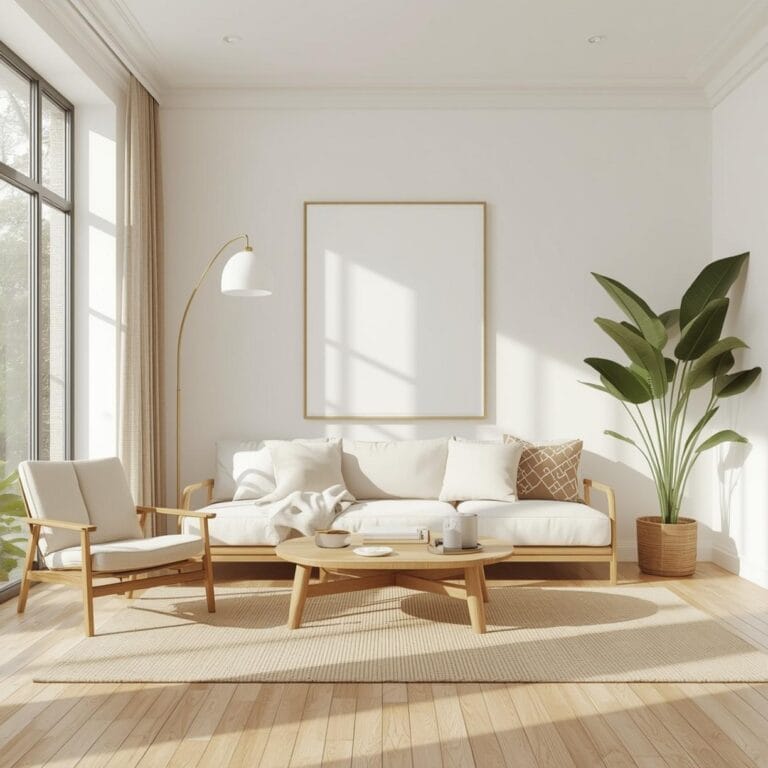
Dining Room Sets by Color: Transform Your Space with the Perfect Palette
You walk into your dining room and something feels off. The table is fine, the chairs are comfortable, but the whole space lacks personality. Maybe everything feels too matchy-matchy, or perhaps the colors clash in a way you can’t quite pinpoint.
Choosing Dining Room Sets by Color is one of the smartest ways to create a cohesive, intentional look in your home. When you select furniture based on a unified color story, your dining area instantly feels more pulled together and purposeful.
The beauty of this approach is that it works for any style. Whether you love bold jewel tones, soothing neutrals, or crisp whites, building your dining space around color creates instant visual harmony that makes every meal feel special.
Table of Contents
What You’ll Need to Get the Look
Creating a color-coordinated dining room involves more than just the table and chairs. You’ll want to think about all the elements that contribute to your overall palette.
Your main furniture pieces set the foundation:
– Dining table in your chosen finish or painted color
– Matching or complementary chairs (can mix styles if colors coordinate)
– Sideboard, buffet, or hutch in a complementary tone
– Bench seating if your space allows
Textile and soft elements add depth:
– Table runner or placemats that echo your color scheme
– Chair cushions in coordinating fabrics
– Window treatments that tie everything together
– Area rug that anchors the space
Decorative finishing touches complete the look:
– Wall art featuring your color palette
– Centerpiece elements like vases or bowls
– Lighting fixtures with coordinating metal finishes
– Dishware that complements your color story
Finding Your Style and Season
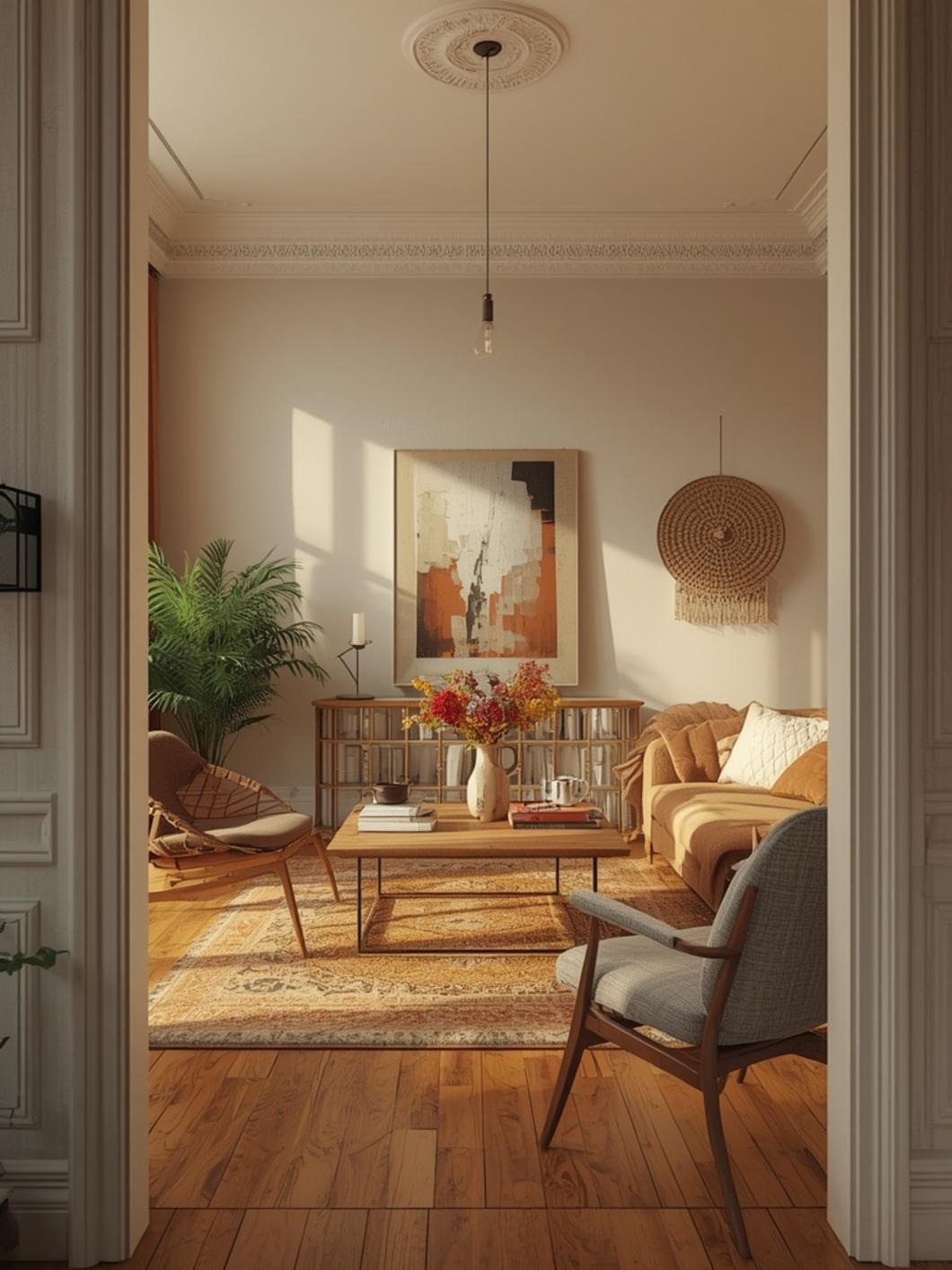
Color choices in your dining room should reflect both your personal style and how you use the space throughout the year. Some homeowners love changing their dining room mood with the seasons, while others prefer a timeless palette that works year-round.
Spring and summer call for lighter, airier color combinations. Whites, soft blues, pale greens, and buttery yellows create a fresh feeling perfect for casual brunches and garden-fresh dinners. These colors make smaller dining spaces feel more open and inviting.
Fall and winter welcome richer, more saturated tones. Deep burgundies, forest greens, warm browns, and navy blues create cozy gathering spaces for holiday meals. These colors add warmth and intimacy, especially in larger dining rooms that might otherwise feel cavernous.
Consider your home’s overall flow too. If your dining room opens directly to your kitchen or living area, choose colors that complement those spaces. You don’t need an exact match, but harmonious color families create better visual flow.
Think about your lifestyle and entertaining style. If you host formal dinners, classic neutrals with rich wood tones never go out of style. For casual family meals and kids’ birthday parties, more forgiving darker colors or patterns might serve you better.
7 Ideas to Try in Your Home
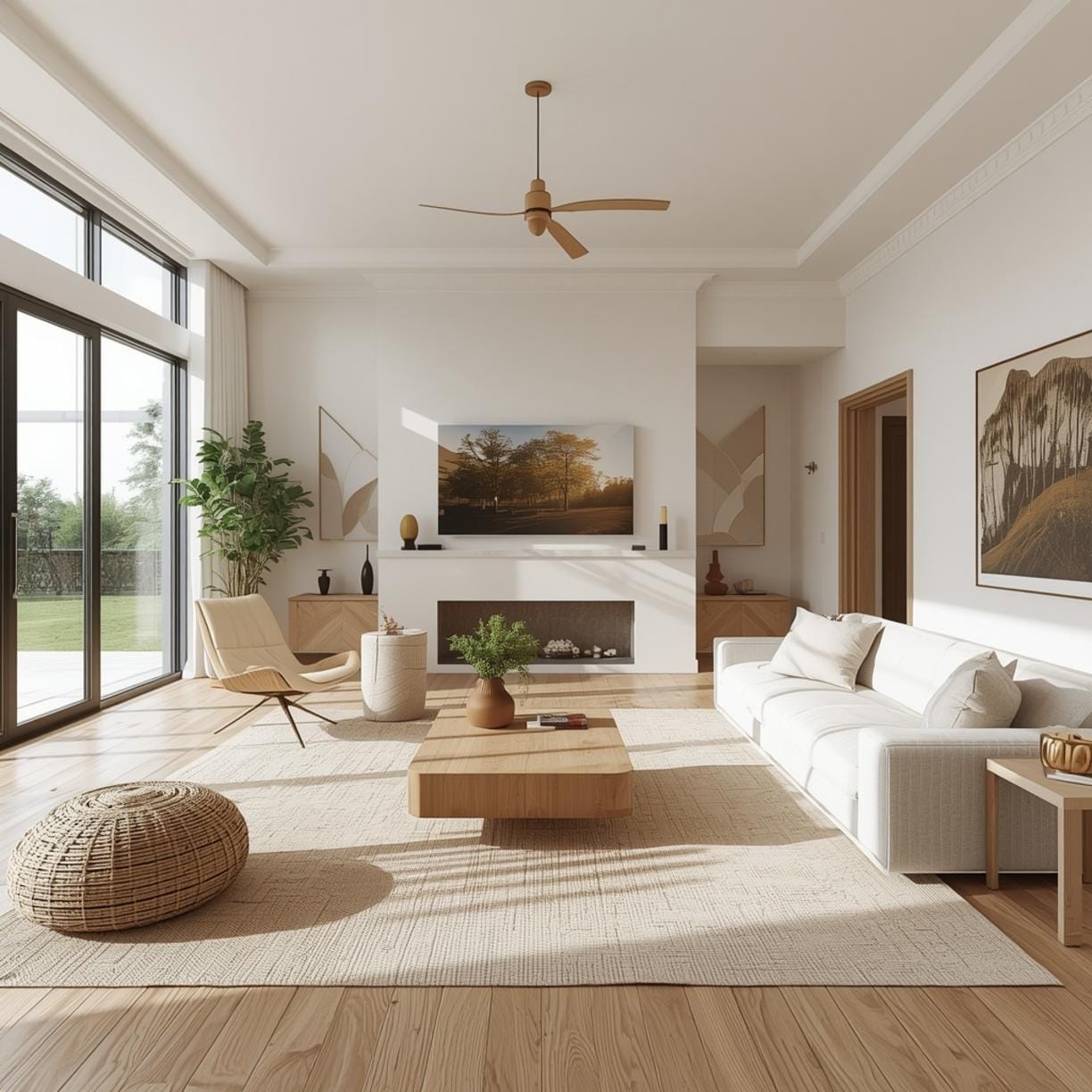
Classic White and Natural Wood
This timeless combination works in virtually any home style. A white or cream dining table paired with natural wood chairs creates an airy, Scandinavian-inspired look. Add white dishes, linen napkins, and greenery for a fresh, organic feel. This palette makes even the smallest dining nooks feel spacious and bright.
Navy and Brass Elegance
Deep navy dining chairs around a natural wood or white table create sophisticated contrast. How to choose dining room colors for small spaces becomes easier when you use darker colors on vertical elements like chairs rather than horizontal surfaces. Add brass lighting fixtures and gold-rimmed glassware to elevate the look. This combination feels both modern and classic.
Warm Gray Modern Farmhouse
Gray-washed or painted gray dining sets paired with white or cream accents hit that sweet spot between rustic and refined. Mix in black metal elements through lighting or hardware for definition. Soft white linens and greenery keep the space from feeling too industrial.
Sage Green Serenity
Soft sage green chairs or a painted table bring nature indoors without being too bold. Pair with natural wood tones and cream accents for a calming, organic space. This color works beautifully in dining rooms with lots of natural light and makes small spaces feel more open.
Black and White Drama
High-contrast black dining furniture against white walls creates instant impact. This bold choice works especially well in modern and transitional homes. Soften the look with natural fiber rugs, wood serving pieces, and greenery. The dramatic contrast actually makes spaces feel larger and more defined.
Warm Walnut and Caramel Tones
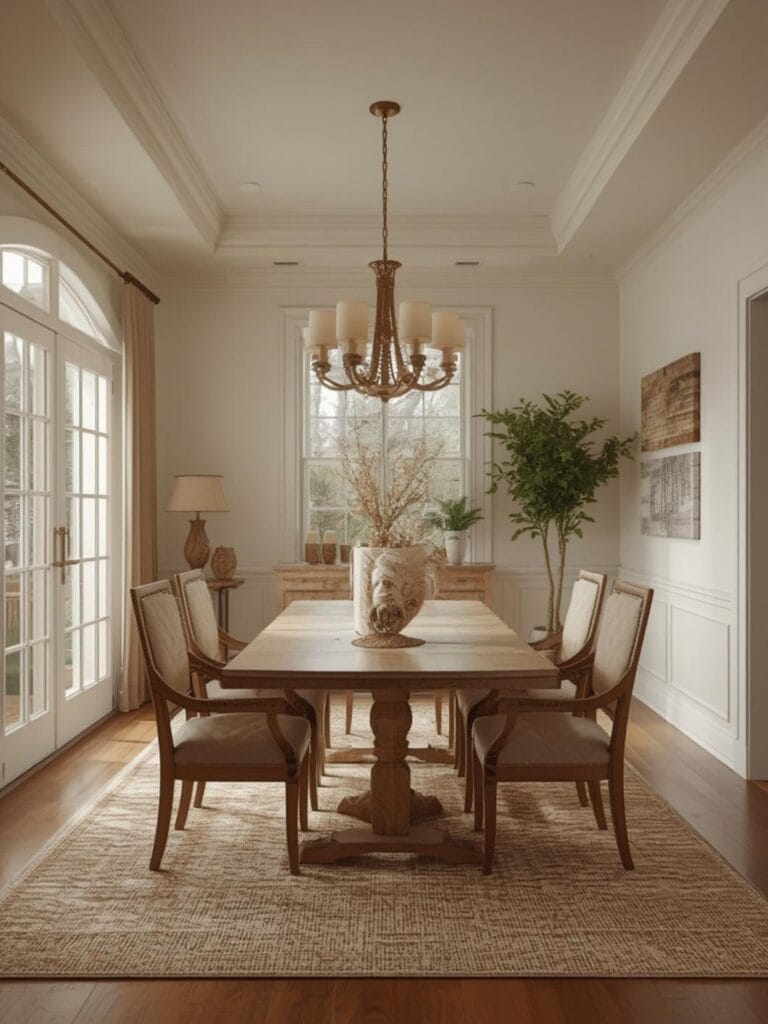
Rich walnut dining sets paired with caramel-colored leather chairs create a warm, inviting atmosphere perfect for family dinners. Layer in cream or ivory textiles to lighten the look. Brass or copper accents add warmth without competing with the wood tones.
Coastal Blues and Whites
Light blue dining chairs paired with a whitewashed or white table evoke relaxed coastal living. Add natural rope elements, white ceramics, and sandy neutral rugs. This palette works wonderfully in homes far from the beach, bringing vacation vibes to everyday meals.
Benefits of Choosing Sets by Color
Coordinating your dining furniture by color simplifies decorating decisions dramatically. When your main pieces share a color story, everything else falls into place more easily. You’ll spend less time second-guessing pillow choices or wall art.
A unified color palette creates a more spacious feeling, especially important in smaller dining areas. When furniture pieces share similar tones, your eye moves smoothly through the space rather than stopping at each contrasting element. This visual flow makes rooms feel larger and more cohesive.
Color-coordinated dining sets photograph beautifully for special occasions. Whether you’re hosting holidays or just documenting everyday life, a cohesive color palette makes your space look intentionally designed rather than randomly assembled.
The right color combination also influences mood during meals. Warm colors like reds, oranges, and warm browns stimulate appetite and conversation. Cool colors like blues and greens create calming environments perfect for lingering over coffee. Choose colors that match how you want your dining experience to feel.
Tips, Alternatives, and Styling Advice
Budget-Friendly Approach
Start with what you have and add color through paint. A can of quality furniture paint can transform mismatched chairs into a coordinated set for under $50. Add coordinating textiles like tablecloths and napkins to reinforce your color choice. This approach lets you test a color palette before committing to new furniture.
Mid-Range Option
Mix one investment piece with more affordable complementary items. Splurge on a beautiful solid wood table in your chosen finish, then pair it with budget-friendly chairs painted or upholstered in coordinating colors. Add a quality area rug that ties everything together.
Premium Investment
Purchase a complete dining set from a single manufacturer designed with color coordination in mind. These sets often feature perfectly matched finishes and proportions that create a polished, collected look. Add custom upholstered dining chairs in premium fabrics that elevate the entire space.
Small Space Adaptation
In compact dining areas, keep larger pieces like tables in lighter colors to maximize the sense of space. Save darker or more saturated colors for smaller elements like chair cushions or artwork. Use mirrors with frames in your chosen color to reflect light and make the space feel larger.
Common Mistakes to Avoid
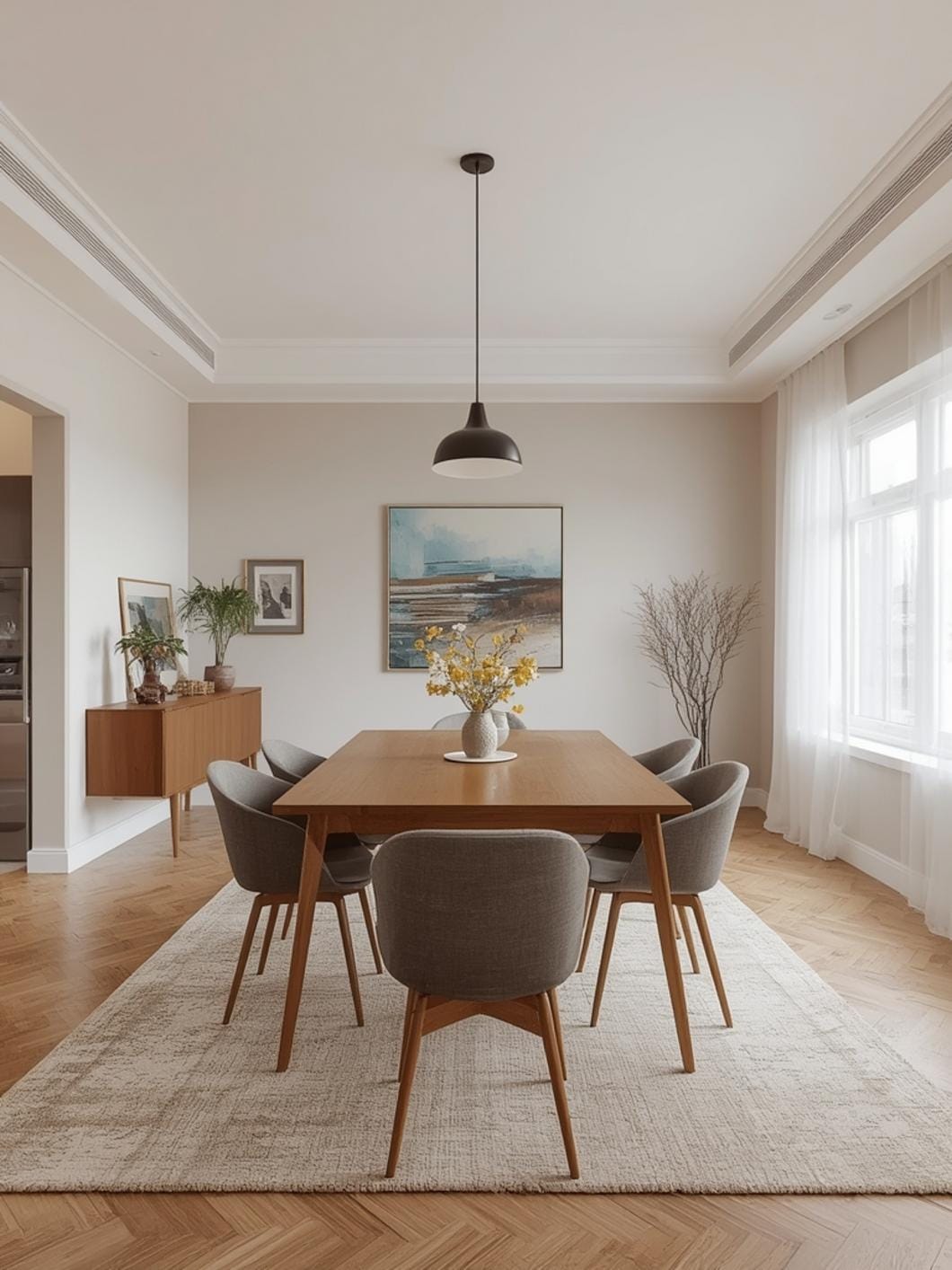
Many homeowners try to match every single element exactly, which creates a flat, one-dimensional look. Instead, choose 2-3 shades within your color family and vary the tones slightly for depth and visual interest.
Ignoring undertones leads to color clashes that feel off even when you can’t identify why. Warm grays pair with warm woods, while cool grays need cool-toned metals and woods. Always compare samples in your actual dining room lighting before committing.
Forgetting about your existing flooring and wall colors causes coordination problems. Your dining furniture colors should complement what’s already permanent in the space. Bring flooring samples or photos when furniture shopping to ensure harmony.
Choosing trendy colors without considering longevity means you’ll tire of your dining set quickly. If you love a trendy color, incorporate it through easily changeable elements like cushions and artwork rather than major furniture pieces.
Overlooking the impact of natural and artificial lighting changes how colors appear throughout the day. Test paint samples and fabric swatches in your dining room at different times before making final decisions. Morning light shows colors differently than evening artificial light.
Maintenance and Upkeep Tips
Protect painted dining furniture with coasters and placemats to prevent scratches and heat damage. Wipe spills immediately to avoid staining, especially on lighter colors. Most painted finishes can handle gentle cleaning with a damp cloth and mild soap.
Keep wood finishes looking fresh by dusting regularly with a microfiber cloth. Use furniture polish designed for your specific wood type every few months. Avoid placing hot dishes directly on wood surfaces, even if they’re sealed.
Clean upholstered dining chairs by vacuuming weekly with an upholstery attachment. Treat stains immediately with appropriate fabric cleaner for your upholstery type. Consider professional cleaning annually if your chairs see heavy use.
Refresh your color scheme seasonally with simple swaps. Change out table runners, placemats, and centerpieces to give your coordinated dining set new life without buying new furniture. A $30 seasonal refresh keeps your space feeling current and intentional.
Touch up painted furniture as needed with leftover paint kept specifically for this purpose. Small chips and scratches happen in well-used dining spaces. Addressing them quickly prevents larger problems and keeps your color-coordinated look polished.
Conclusion
Building your dining room around a thoughtful color palette creates a space that feels intentionally designed and perfectly suited to your home. Whether you choose calming neutrals or bold statement colors, coordinating your dining furniture by color simplifies decorating and creates beautiful visual harmony.
The right color combination transforms everyday meals into special moments and makes entertaining effortless. Your dining room becomes a reflection of your personal style while remaining functional for real family life.
Ready to create more beautiful spaces in your home? Explore more decorating inspiration and practical advice on DecorKingdom to make every room shine.
FAQs
What dining room color makes a small space look bigger?
Light colors like white, cream, pale gray, and soft blues reflect more light and create the illusion of more space. Keep your table and larger pieces in these lighter tones, and you can add darker accent colors through smaller elements like cushions or artwork without shrinking the space visually.
Can I mix different wood tones in my dining room furniture?
Yes, mixing wood tones works beautifully when done intentionally. Pair warm woods together (like walnut and oak) or cool woods together (like maple and birch). Vary the depth of color rather than mixing warm and cool undertones, and keep at least one consistent element like similar grain patterns or finishes.
How do I choose between painted and natural wood dining furniture?
Consider your lifestyle and maintenance preferences. Painted furniture offers unlimited color options and can be refreshed over time, but shows chips and scratches more easily. Natural wood offers timeless appeal and develops character with age, though it limits your color choices to various wood tones and stains.
Should my dining chairs match my table exactly?
Not necessarily. Many beautiful dining rooms feature chairs in complementary colors rather than exact matches. This approach adds visual interest while maintaining color coordination. Just ensure the undertones work together—pair warm with warm or cool with cool for a cohesive look.
How often should I update my dining room color scheme?
Major furniture pieces should last 10-15 years, so choose colors you truly love rather than following trends. Update your color scheme through affordable accessories like textiles, artwork, and seasonal decor every 1-3 years to keep the space feeling fresh without replacing expensive furniture pieces.
—
Meta Title: Dining Room Sets by Color: Perfect Palettes 2026
Meta Description: Choose Dining Room Sets by Color for instant harmony. Get 7 style ideas plus tips for small spaces that make decorating easy and beautiful.