How to Choose Mudroom Lighting Ideas for Every Space
Your mudroom works hard every single day. It’s where wet boots pile up, coats get tossed, and backpacks land in a heap after school. But when the lighting is dim or poorly placed, this hardworking space becomes frustrating to use. You deserve a mudroom that feels welcoming and functional from morning to night.
Great mudroom lighting ideas can completely change how your space looks and works. The right fixtures make it easier to find what you need, create a warm first impression for guests, and even make daily routines smoother for your whole family.
Whether you’re starting from scratch or upgrading what you already have, this guide will walk you through everything you need to know to light your mudroom beautifully.
Table of Contents
What You’ll Need to Get the Look
Creating a well-lit mudroom doesn’t require a huge investment or specialized tools. Start with the fixtures themselves—overhead lights, wall sconces, or pendant lights that match your home’s style.
Consider the bulb type carefully. LED bulbs offer the best value because they last years longer than traditional bulbs and use far less energy. Look for bulbs labeled “warm white” or “soft white” for a welcoming glow, or “daylight” if you prefer bright, energizing light.
You’ll also want to think about:
– Dimmer switches to adjust brightness based on time of day
– Motion sensors for hands-free convenience when your arms are full
– Light-colored paint or reflective surfaces to maximize your lighting
– Decorative fixtures that complement your mudroom’s overall design
Small accent pieces like mirrors can double your light by reflecting it around the room. A well-placed mirror near your main light source brightens dark corners without adding another fixture.
Finding Your Style and Season
Your mudroom lighting should reflect both your personal style and how you actually use the space. Think about when your mudroom gets the most action. Early mornings before work? After school when kids come rushing in? Late evenings when you’re coming home from dinner?
The season matters too. During winter months with shorter days, you’ll rely on artificial lighting much more. Summer evenings might only need your lights for an hour or two. This is worth considering if you’re choosing between basic switches and dimmers.
Consider your home’s architectural style when selecting fixtures. A farmhouse-style home looks stunning with rustic metal pendants or vintage-inspired sconces. Modern homes shine with sleek recessed lighting or minimalist track lights. Traditional spaces feel most cohesive with classic flush-mount fixtures or elegant chandeliers scaled for smaller spaces.
Your mudroom’s color palette influences lighting needs too. Dark walls absorb light, so you’ll need brighter or more numerous fixtures. Light, neutral walls reflect light beautifully, meaning fewer fixtures can do more work.
7 Ideas to Try in Your Home
Layered Lighting Approach
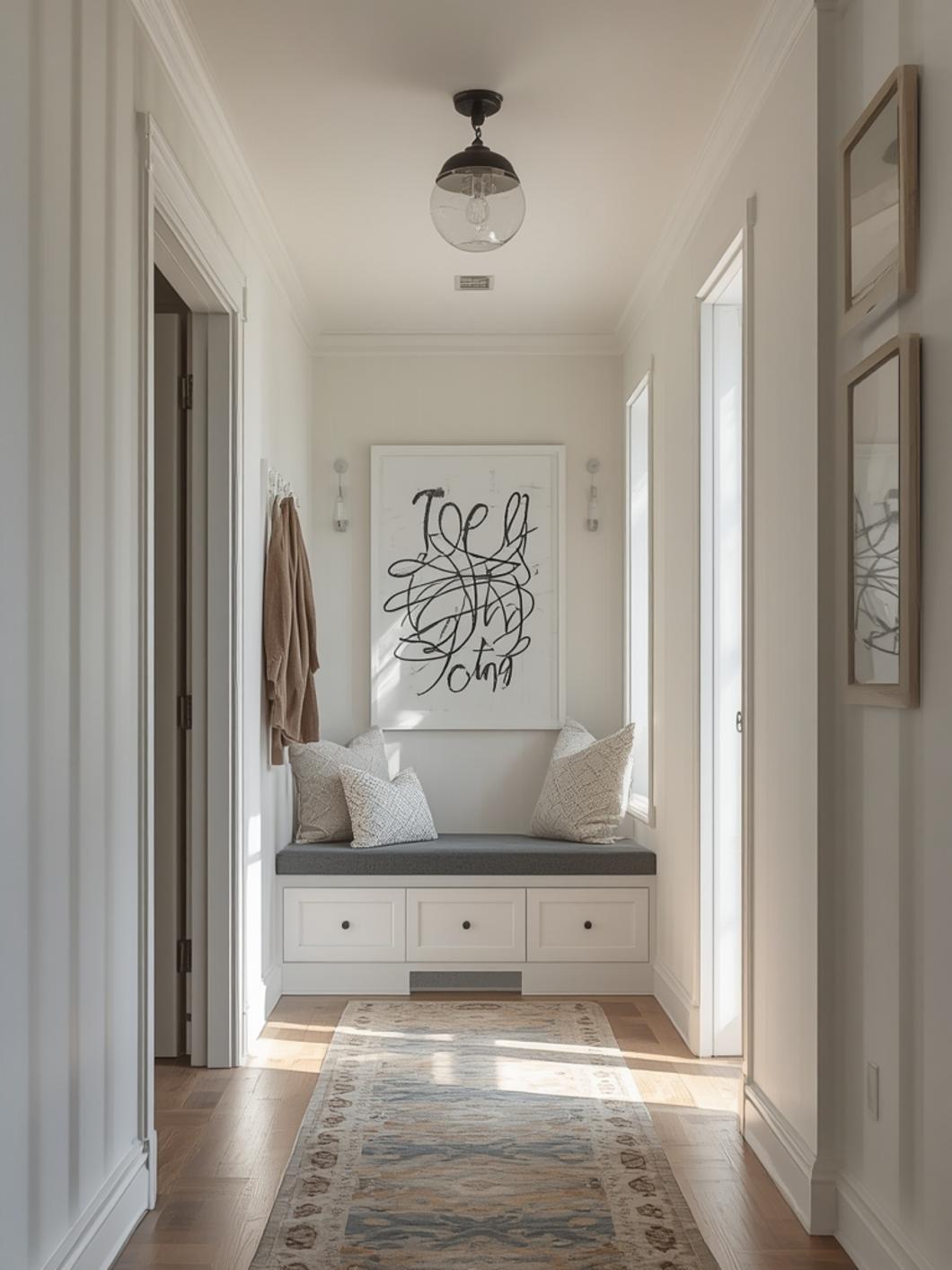
Combine overhead lighting with task lighting at key spots. Install a central ceiling fixture for general illumination, then add sconces near mirrors or cubbies. This creates depth and ensures no corner stays dark. The layered approach feels professionally designed while remaining budget-friendly.
Recessed Lighting for Clean Lines
If you love modern, uncluttered spaces, how to install recessed lights in a mudroom might be your perfect solution. These fixtures sit flush with the ceiling, creating a streamlined look that never goes out of style. Space them evenly across your ceiling—typically four to six feet apart—for balanced coverage. While installation requires cutting ceiling holes, many homeowners work with an electrician for the wiring, then finish the project themselves with trim kits that simply snap into place.
Statement Pendant Lights
Transform your mudroom into a design moment with eye-catching pendant lights. Hang them at varying heights if you have a long, narrow space, or center a single dramatic pendant over your main bench area. This works especially well in mudrooms with higher ceilings where a standard flush-mount would feel lost.
Sconce Lighting Flanking Storage
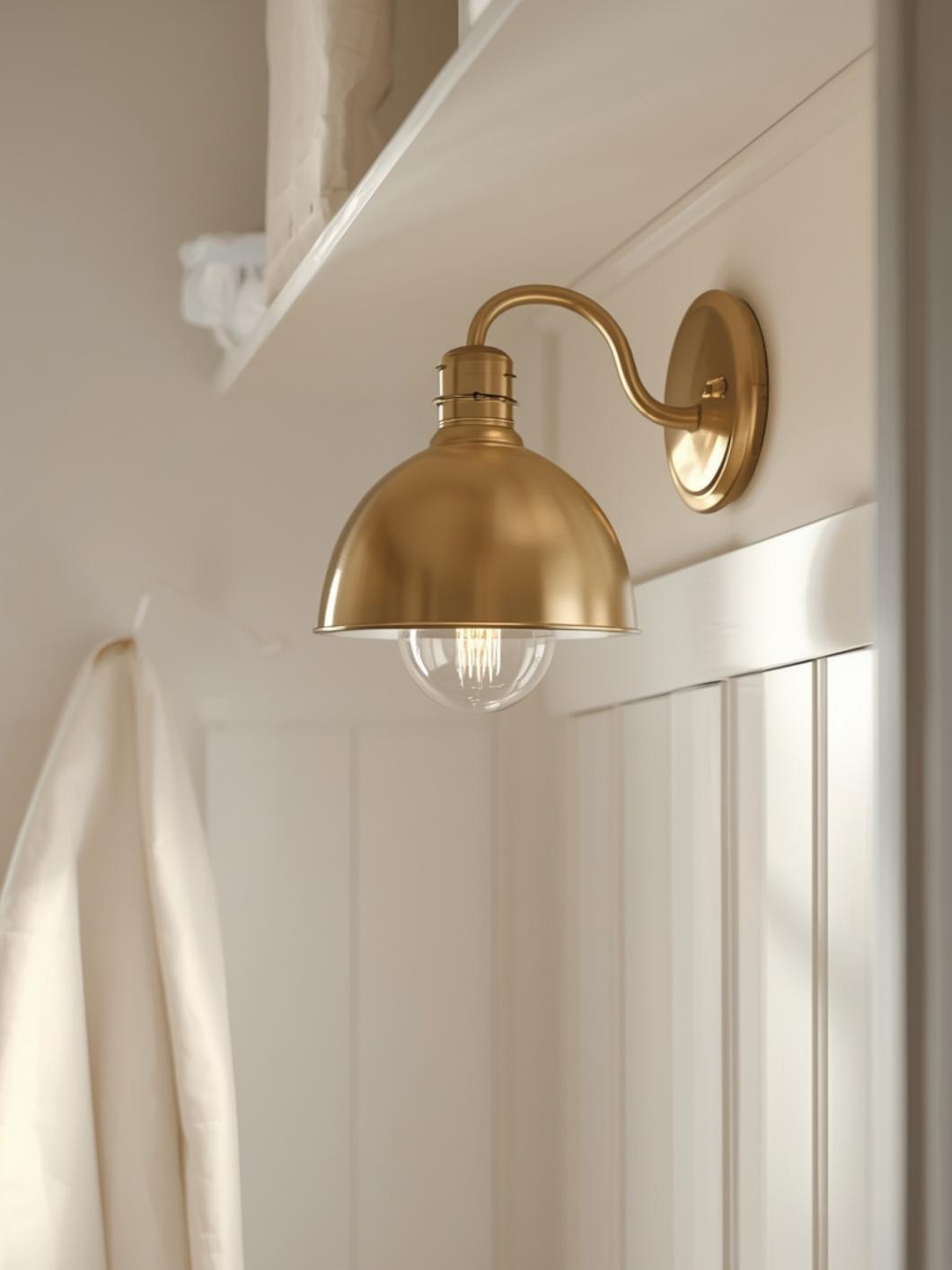
Mount sconces on either side of your storage cubbies or coat hooks. This creates flattering, shadow-free light exactly where your family needs it most. Sconces add architectural interest to plain walls while keeping floor space completely open. Choose fixtures with exposed bulbs for a vintage vibe or frosted glass shades for softer, diffused light.
Track Lighting for Flexibility
Track systems let you aim light exactly where you want it. Point fixtures toward storage areas, artwork, or architectural details you want to highlight. As your needs change, simply adjust the direction of individual lights. This adaptability makes track lighting brilliant for mudrooms that pull double duty as craft spaces or homework stations.
Under-Bench LED Strips
Add subtle LED strip lighting underneath benches or shelving units. This creates a gentle glow that guides you safely through the space at night without harsh overhead lights. The effect feels high-end and spa-like while serving a practical purpose. LED strips are remarkably easy to install—most come with adhesive backing and plug directly into outlets.
Ceiling-Mounted Flush Fixtures with Character
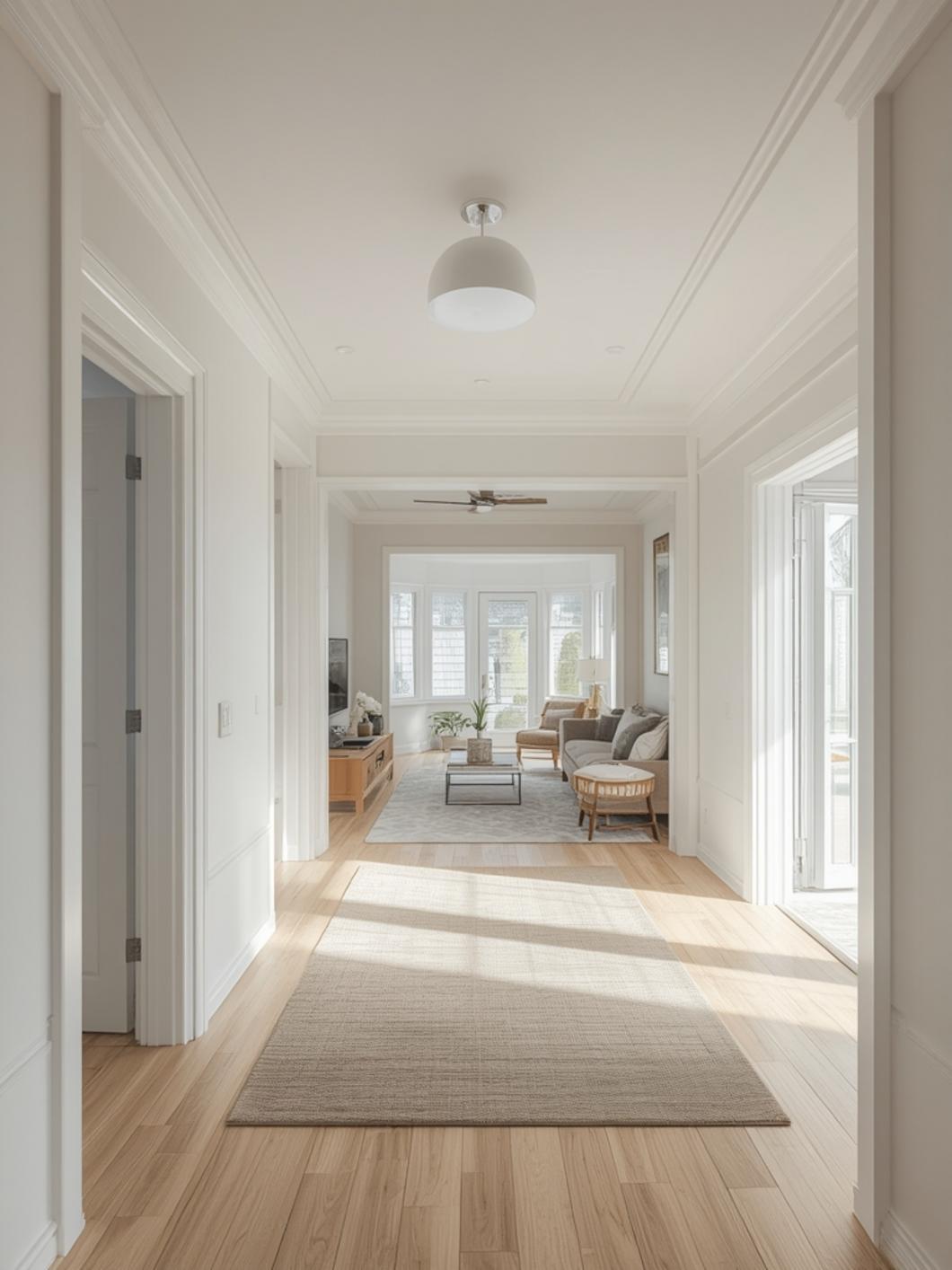
Not every mudroom has the ceiling height for pendants, but that doesn’t mean settling for boring builder-grade fixtures. Modern flush-mount and semi-flush options come in stunning designs—from drum shades to geometric metal frameworks. These sit close to the ceiling while delivering plenty of personality and ample light.
Benefits You’ll Love Daily
The right lighting makes your mudroom genuinely enjoyable to use instead of just functional. You’ll notice how much easier it becomes to find mittens, spot muddy paw prints before they get tracked through the house, or check your appearance one last time before heading out.
Good lighting improves safety dramatically. No more tripping over shoes in dim corners or fumbling with keys at the door. Your family can move through the space confidently at any hour.
Well-lit mudrooms also increase your home’s perceived value. When potential buyers tour homes, a bright, welcoming entry makes an immediate positive impression. Even if you’re not selling anytime soon, you’ll appreciate coming home to a space that feels intentionally designed rather than neglected.
Energy-efficient lighting reduces your utility bills while helping the environment. LED fixtures use up to 75% less energy than incandescent bulbs and last decades longer, meaning fewer bulb changes and less waste.
Tips, Alternatives, and Styling Advice
Budget-Friendly Option
Start with affordable flush-mount LED fixtures from home improvement stores. Pair them with battery-operated LED puck lights placed inside cubbies or under shelves. This combination costs under $100 but delivers professional-looking results. Paint your mudroom a light, reflective color to maximize the impact of every fixture.
Mid-Range Option
Invest in quality sconces or pendant lights that make a style statement, around $150–$300 for fixtures. Add a dimmer switch so you can adjust brightness throughout the day. Choose fixtures with warranty coverage and replaceable parts that will serve your home for many years. This tier offers the best balance of style, function, and longevity.
Premium Option
Custom lighting design with recessed fixtures, decorative pendants, and integrated smart home controls runs $500–$1,500 depending on your space size. Include motion sensors that automatically adjust lighting based on time of day and occupancy. Smart bulbs let you change color temperature from your phone—warm and cozy for evenings, bright and energizing for mornings.
Small Space Adaptation
Tiny mudrooms need strategic lighting more than oversized fixtures. One well-placed flush-mount LED provides plenty of light for spaces under 50 square feet. Add a small mirror with integrated LED lighting to brighten faces while doubling your perceived space. Wall-mounted fixtures save precious floor and bench space while delivering focused task lighting exactly where needed.
Common Mistakes to Avoid
Relying on a Single Overhead Fixture
One central ceiling light creates harsh shadows and leaves corners dark. Instead, combine overhead lighting with supplemental sconces or under-cabinet strips for even, flattering illumination throughout the space.
Choosing the Wrong Bulb Color Temperature
Bulbs that are too cool (daylight or bright white) can make your mudroom feel sterile and uninviting. Stick with warm white (2700K–3000K) for a welcoming atmosphere that transitions naturally from your home’s other living spaces.
Ignoring Natural Light
Positioning furniture or storage units directly in front of windows blocks valuable daylight. Arrange your layout to maximize natural light during the day, then supplement with artificial lighting for mornings, evenings, and cloudy days.
Installing Fixtures at the Wrong Height
Sconces mounted too high provide inadequate task lighting, while pendants hung too low create head-bumping hazards. Mount sconces at 60–66 inches from the floor, and hang pendants at least 6.5 feet high in walkways or 30–36 inches above benches.
Forgetting About Switch Placement
Light switches located only at one end of the mudroom create frustration. Install three-way switches at both entries so you can control lights from whichever door you use most, especially helpful when your hands are full of grocery bags.
Maintenance and Upkeep Tips
Keep your fixtures clean by dusting them monthly with a microfiber cloth. Dirt and dust reduce light output more than you’d expect, sometimes by as much as 30%. For glass shades, wipe with a damp cloth and dry immediately to prevent water spots.
Check your bulbs seasonally. Even long-lasting LEDs eventually dim or fail. Replace any flickering or noticeably dimmer bulbs promptly to maintain consistent lighting levels throughout your space.
Inspect fixtures annually for loose connections or mounting hardware. Tighten any screws that have worked loose from door vibrations or daily use. This simple check prevents fixtures from eventually falling or creating electrical hazards.
If you’ve installed dimmer switches, ensure they’re compatible with your bulb type. LED bulbs require LED-compatible dimmers—using the wrong combination causes annoying buzzing sounds and shortened bulb life.
Clean your light switches and sensor covers regularly, especially in mudrooms where dirty hands frequently touch them. A quick wipe with disinfecting wipes keeps everything looking fresh and functioning properly.
Bringing It All Together
Your mudroom deserves lighting that works as hard as the space itself. From recessed fixtures that create clean lines to statement pendants that showcase your style, the right choices make this transitional space truly shine.
Start with one or two upgrades that address your biggest frustrations—maybe that dark corner where backpacks always get lost, or the dim lighting that makes morning routines harder than they should be. Even small improvements create noticeable differences in how your mudroom looks and functions.
Ready to explore more ways to make your home beautiful and functional? DecorKingdom has hundreds of inspiring ideas waiting for you.
FAQs
What type of lighting works best in mudrooms with low ceilings?
Flush-mount or semi-flush fixtures work perfectly for ceilings under 8 feet tall. Look for designs with LED technology that provides bright, even light without hanging down into your space. Consider adding wall sconces too—they draw the eye horizontally, making ceilings feel higher while adding functional task lighting.
How many lights do I need in a standard mudroom?
Most mudrooms between 50–100 square feet need two to four light sources for adequate coverage. This could be two overhead fixtures plus sconces, or four evenly-spaced recessed lights. The key is eliminating shadows in work areas like benches and storage cubbies while providing general ambient lighting throughout.
Can I add mudroom lighting without hiring an electrician?
Many lighting upgrades are homeowner-friendly, like replacing existing fixtures, installing plug-in sconces, or adding battery-operated LED strips. However, adding new electrical circuits, installing recessed lighting, or moving switches requires professional electrical work for safety and code compliance. Focus on upgrade projects rather than completely new installations.
Should mudroom lights match the fixtures in my adjacent rooms?
Your mudroom lighting should complement rather than exactly match neighboring spaces. Choose fixtures in the same finish family (like all brushed nickel or oil-rubbed bronze) but don’t stress about identical styles. Mudrooms are transitional spaces that can handle slightly different fixture types while still feeling cohesive with your overall design.
What’s the most energy-efficient mudroom lighting option?
LED fixtures are far and away the most energy-efficient choice, using 75% less energy than incandescent bulbs and lasting 25 times longer. Add motion sensors or timers to ensure lights only run when actually needed. Combining LEDs with smart controls or basic timers can reduce your mudroom lighting costs to just a few dollars per year.
—
Meta Title: Mudroom Lighting Ideas That Transform Your Space (2026)
Meta Description: Discover mudroom lighting ideas that blend style and function. From recessed lights to pendant fixtures, create a welcoming entry for your home.