How to Choose Garage Organization Categories
Your garage has become a dumping ground for everything that doesn’t fit inside the house. Bikes block the car, holiday decorations spill out of boxes, and you’re pretty sure there’s a toolbox somewhere under that pile of sports gear. The problem isn’t that you have too much stuff—it’s that everything needs a proper home.
Understanding garage organization categories changes everything. Instead of cramming things wherever they fit, you create logical zones that make sense for how your family actually lives. When you group similar items together and give each category its own designated space, your garage transforms from chaos into a system that works.
This approach isn’t just about tidiness. It saves you time every single day and protects the things you’ve invested in from damage caused by poor storage.
Table of Contents
Key Terms and Elements to Know
Before you start sorting through years of accumulated garage items, knowing what you’re working with helps tremendously. These are the main categories most families need:
Seasonal items include holiday decorations, winter gear, camping equipment, and pool supplies. These are things you use predictably but infrequently throughout the year.
Sports and recreation equipment covers bikes, balls, bats, fishing poles, kayaks, helmets, and protective gear. This category typically needs the most flexible storage since items get used regularly.
Garden and lawn care supplies encompass tools, pots, soil, fertilizer, hoses, and everything related to outdoor maintenance. These items often need to stay accessible during growing season.
Automotive supplies include car care products, fluids, tools, jumper cables, and emergency kits. Most homeowners keep basic maintenance items on hand even if they’re not DIY mechanics.
Home improvement materials cover paint cans, extra tile, wood scraps, hardware, and basic tools. These remnants from past projects often become future problem-solvers.
Workshop tools range from power drills to hand tools, workbenches, and project supplies. Even if you’re not a serious woodworker, most homes accumulate basic tools over time.
Household overflow catches things like extra paper products, bulk purchases from warehouse stores, pet supplies, and anything temporarily stored before donation.
Common Misconceptions to Clear Up First
Many homeowners assume they need expensive custom garage systems before they can get organized. The truth is that understanding your categories comes first—systems come later. You need to know what you’re organizing before you buy storage solutions.
Another myth suggests that everything should be hidden behind closed cabinet doors for a clean look. Open shelving actually works better for many categories because you can see what you have at a glance. Closed cabinets make sense for hazardous materials or messy items, but most categories benefit from visibility.
Some people believe garage organization is a one-time weekend project. Real organization is actually an ongoing system that evolves with your family’s changing needs. What worked when your kids played soccer might not work when they switch to band instruments.
The biggest misconception is that you need more space. Most garages have plenty of room—they just use it inefficiently. Vertical space goes unused while floor space gets crammed full. Understanding how to maximize small garage storage space means looking up, not out.
Don’t assume all categories need equal space either. Your specific lifestyle determines which categories need premium real estate near the garage door and which can live in harder-to-reach spots.
How It Works in Real Homes
Start by emptying your garage completely—yes, everything. This sounds extreme, but it’s the only way to truly see what you have and make intentional decisions. Park cars in the driveway and spread items across your lawn or driveway in category piles.
As you sort, create your main category zones based on frequency of use. Items you grab daily or weekly should live closest to the entry door you use most often. Seasonal items can go overhead or in back corners. This accessibility principle drives your entire layout.
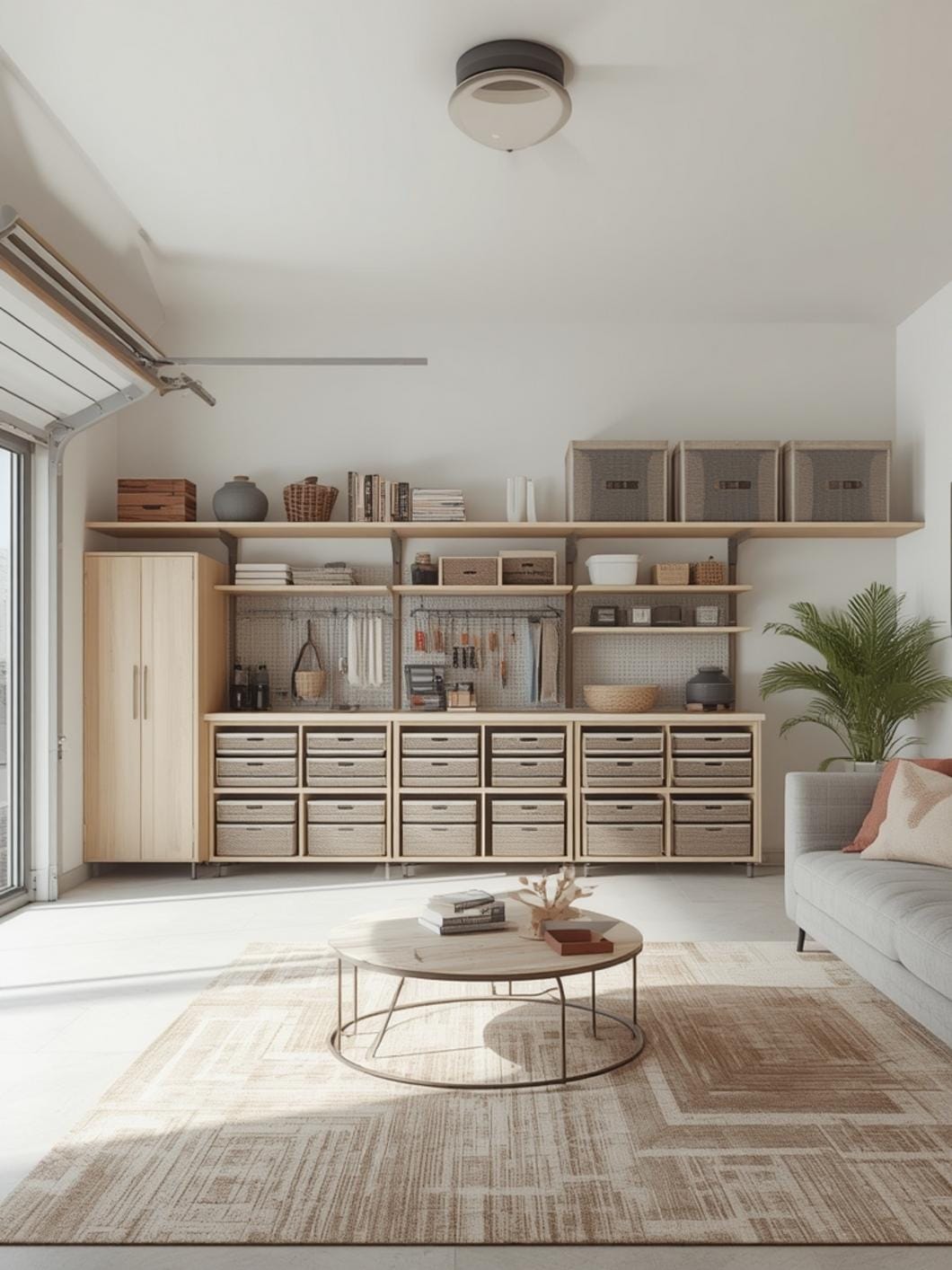
The sports and recreation zone benefits from hooks, racks, and bins that keep equipment off the floor. Bikes hang on wall-mounted hooks, balls go in mesh bins where air can circulate, and helmets hook onto pegboards. Everything has a specific spot, making cleanup after activities quick and natural.
Your seasonal storage works best in clear bins labeled by holiday or season. Stack these on overhead racks or high shelves since you only need them a few times yearly. This approach of how to maximize small garage storage space keeps bulky seasonal items out of the way without requiring a storage unit.
Garden supplies cluster near the garage door that leads to your yard. Wall-mounted tool racks keep long-handled items organized vertically, while shelves hold pots, soil, and chemicals at a safe height. can help you design this zone efficiently.
The automotive zone typically needs just one shelf or cabinet near where you park. Basic supplies stay contained and accessible without taking up valuable real estate. Most homeowners overestimate how much automotive storage they actually need.
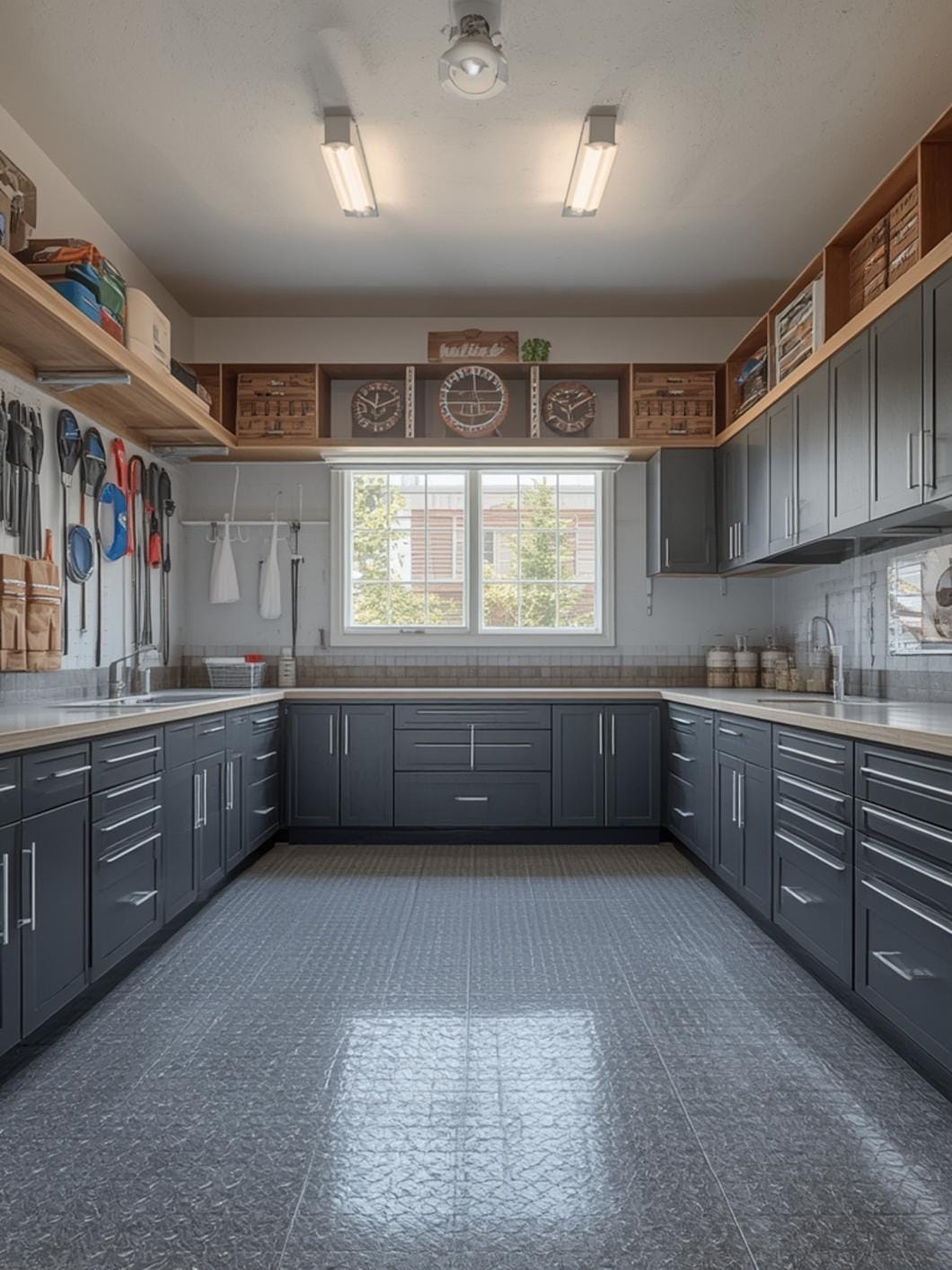
Workshop tools deserve dedicated space even in small garages. A fold-down workbench saves floor space when not in use. Pegboard above the bench keeps frequently used tools visible and organized. Drawer units on wheels can roll under the bench when you’re not working on projects.
Household overflow items often end up in the garage by default. Give this category specific boundaries—one shelving unit or designated corner—so it doesn’t gradually take over your entire space. Regularly review this zone and move items into the house or donation pile.
Benefits of Category-Based Organization
Your mornings become dramatically easier when you know exactly where to find what you need. No more digging through boxes hunting for bike helmets or searching for that specific holiday decoration. Everything lives in its logical home, and family members can find things independently.
This system protects your investments too. Seasonal decorations stored in proper bins last decades instead of getting crushed in random boxes. Tools stay organized and visible, so you don’t waste money buying duplicates of things you already own but can’t locate.
Safety improves significantly when hazardous materials have dedicated zones away from children’s sports equipment. Sharp tools stay contained on pegboards instead of hiding in dark corners where someone might reach blindly.
Your actual garage space grows without any construction. By using vertical storage and creating efficient zones, most families discover they have room to park both cars—something that seemed impossible before. can help you reclaim even more space.
The mental relief shouldn’t be underestimated either. Walking into an organized garage instead of a chaotic mess reduces daily stress. You feel more in control of your home and more capable of tackling other organizing projects.
Budget-Friendly to Premium Category Solutions
Budget-friendly approach: Start with what you already have. Repurpose bookshelves from inside the house for garage use. Use nails and scrap wood to create simple tool hangers. Clear plastic bins from discount stores work perfectly for seasonal items when properly labeled. This method costs under $100 and dramatically improves organization.
Mid-range solution: Invest in a combination of wall-mounted systems and freestanding shelving units. Metal utility shelves are affordable workhorses that hold significant weight. Add slatwall panels for flexible hook placement. Purchase matching bins in various sizes to create a cohesive look. This level typically runs $300-600 depending on garage size.
Premium investment: Custom garage systems with cabinets, overhead racks, and coordinated components create magazine-worthy spaces. These systems maximize every inch with specialty storage for specific items. Professional installation ensures everything is level and secure. Expect to invest $2,000-5,000 for comprehensive solutions.
Small space adaptation: When garage space is extremely limited, prioritize categories ruthlessly. Keep only current-season sports equipment accessible and rotate others to off-site storage. Use ceiling-mounted racks for everything possible. Consider a small storage shed for lawn equipment to free garage space for daily-use items.
Common Mistakes to Avoid
Buying storage before sorting: Many homeowners rush to purchase organizing systems before understanding what they actually need to store. You end up with the wrong sizes, wasted money, and bins that don’t fit your categories. Always sort first, measure second, then shop.
Creating categories that are too specific: When you make thirty micro-categories instead of seven broad ones, maintaining the system becomes exhausting. Keep categories simple enough that putting things away feels effortless, not like filing taxes.
Ignoring family accessibility: Organizing everything based on your own logic confuses everyone else in your household. Your system needs to make sense to the people who use it daily, especially kids who need to put away their own sports gear.
Storing everything at the same height: Using only floor space or only overhead leaves massive amounts of usable area empty. Efficient garages use every vertical inch from floor to ceiling with appropriate items at each level.
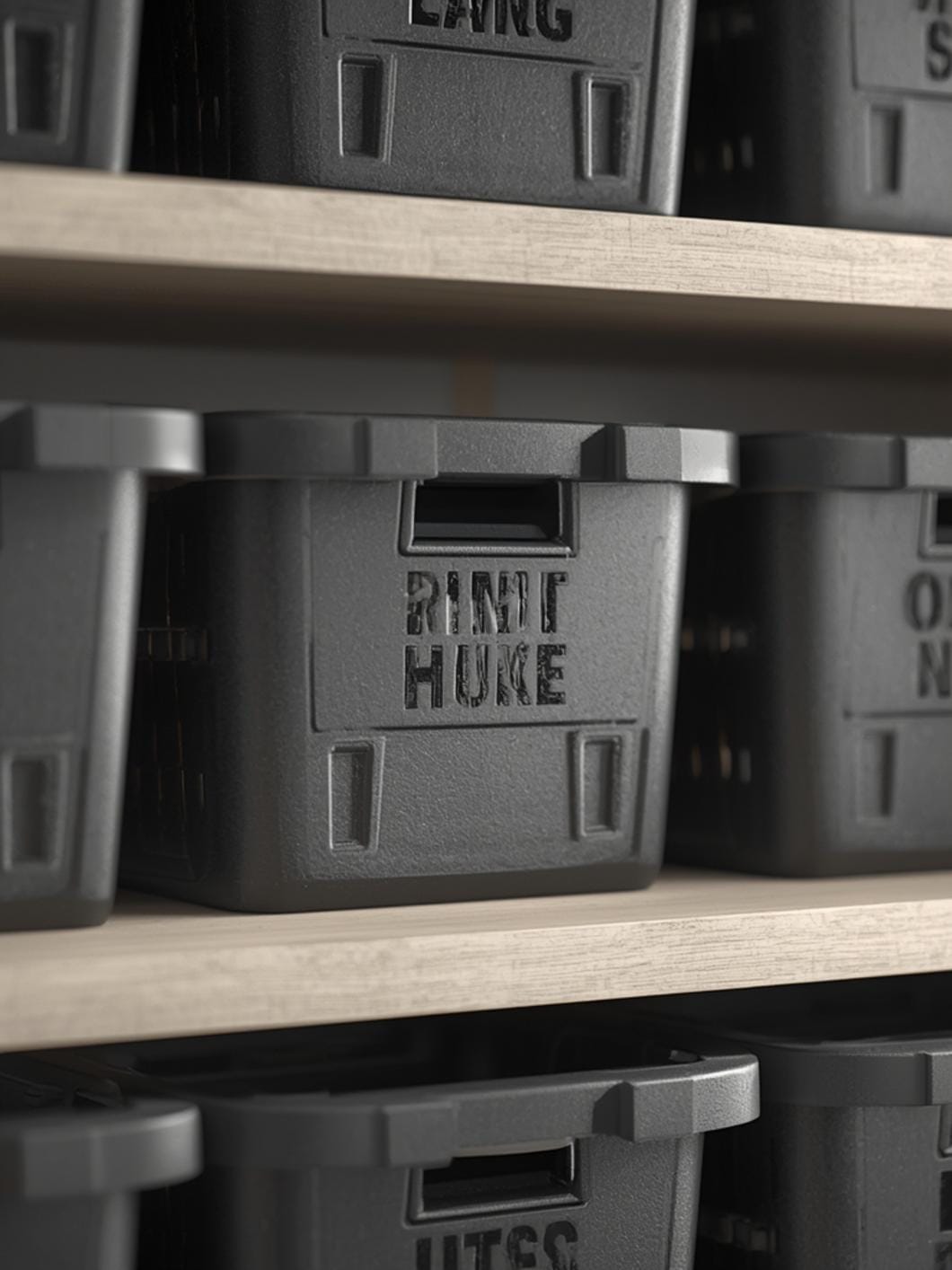
Forgetting to label clearly: Even with perfect categories, unlabeled bins create confusion six months later when you’re hunting for specific holiday decorations. Label everything clearly with large, readable text on multiple sides of each container.
Maintenance and Long-Term Success
Set a quarterly review date to reassess your categories and adjust as needed. Families change—kids grow out of sports, hobbies shift, and seasonal needs evolve. Your garage organization should adapt with these changes instead of becoming outdated and ignored.
Implement a one-in-one-out rule for categories that tend to accumulate. When new sports equipment arrives, old equipment gets donated or discarded. This prevents gradual category creep that eventually overwhelms your system.
Do a quick five-minute reset weekly where you return items to their proper zones. This regular maintenance prevents the small messes that snowball into chaos. Make it a Sunday evening routine before the busy week begins.
Deep clean your garage twice yearly when changing seasonal items. Spring and fall transitions offer natural opportunities to sweep, reassess categories, and refresh your system. This also reminds you what you’re storing and whether you still need it.
Involve everyone who uses the garage in maintaining the system. When family members understand the categories and agree on the logic, they’re more likely to maintain it consistently. Hold a quick family meeting when implementing your new system to get buy-in.
Getting Started With Your New System
The satisfaction of walking into a well-organized garage where every category has its place and everything makes sense is worth the initial effort. Your space works for your family instead of against it, saving time and reducing frustration daily.
Start with just one category this weekend if tackling the whole garage feels overwhelming. Sort through sports equipment or seasonal decorations and create that single zone properly. Once you experience how much better that category functions, you’ll feel motivated to organize the rest.
Browse more garage transformation ideas on DecorKingdom for inspiration and detailed guidance on creating the organized, functional space your home deserves.
FAQs
How many garage organization categories do most homes need?
Most families use between five and eight main categories depending on lifestyle and hobbies. The most common core categories are seasonal items, sports equipment, garden supplies, automotive supplies, and tools. Add categories based on your specific needs rather than trying to fit into someone else’s system.
Should I organize my garage by family member or by item category?
Category-based organization works better than person-based systems in shared garages. When items are grouped by type rather than owner, everyone can find what they need quickly. You can add individual bins within categories for personal items if needed.
What’s the best way to handle items that fit into multiple categories?
Choose the category where you’ll most naturally look for the item first. For example, bike maintenance supplies could go with automotive or with sports equipment—put them wherever your family will instinctively check first. Consistency matters more than perfection.
How do I decide which categories get prime garage real estate?
Base this entirely on frequency of use rather than size or value. Items you access daily or weekly deserve the easiest access near the door you use most. Seasonal items you touch a few times yearly can go overhead or in back corners.
Can I still organize by categories if my garage is extremely small?
Absolutely—small garages benefit even more from category organization. You may need to limit how many categories you can accommodate and use off-site storage for some items. Focus on keeping categories you use frequently and store rarely-used categories elsewhere.
—
Meta Title: Garage Organization Categories That Actually Work in 2026
Meta Description: Transform garage chaos with smart garage organization categories. Learn which zones your family needs and how to create a system that lasts.