Dining Room Set Buying Guide: Size, Shape, and Material Tips
You walk into a furniture store or scroll through endless online galleries, and suddenly you’re overwhelmed. Round or rectangular? Wood or glass? Six chairs or eight? How to Choose the Best Dining Room Set can feel like trying to solve a puzzle with too many pieces and no picture on the box.
Your dining room isn’t just where you eat dinner. It’s where your family gathers for homework sessions, where friends linger over coffee, and where holiday memories happen year after year. The right dining set anchors all of that, while the wrong one becomes an expensive regret you live with every single day.
This guide walks you through every decision you’ll face, from measuring your space to picking materials that match your real life. No fluff, no sales pitches—just practical advice to help you choose a dining set you’ll actually love using.
Table of Contents
Key Terms and Elements to Know
Before you start shopping, understanding these core elements will help you make smarter choices:
Table shapes and their impact: Round tables encourage conversation and work beautifully in square rooms. Rectangular tables maximize seating and fit naturally in long, narrow spaces. Square tables create intimacy but limit how many people you can accommodate.
Material categories: Solid wood offers durability and timeless appeal but requires regular care. Engineered wood provides budget-friendly style with less maintenance. Glass tops create visual lightness but show every fingerprint. Metal bases add modern edge and industrial character.
Seating styles: Side chairs offer flexibility and easier movement. Armchairs provide comfort but need more space per person. Benches maximize seating capacity and work perfectly for kids. Upholstered options add softness but require cleaning attention.
Finish options: Natural wood tones bring warmth and hide minor scratches better. Painted finishes offer color flexibility but may chip over time. Distressed looks add character and disguise everyday wear beautifully.
Extension mechanisms: Butterfly leaves store inside the table for convenience. Drop-in leaves require storage space elsewhere. Self-storing leaves simplify the expansion process significantly.
Common Misconceptions to Clear Up First
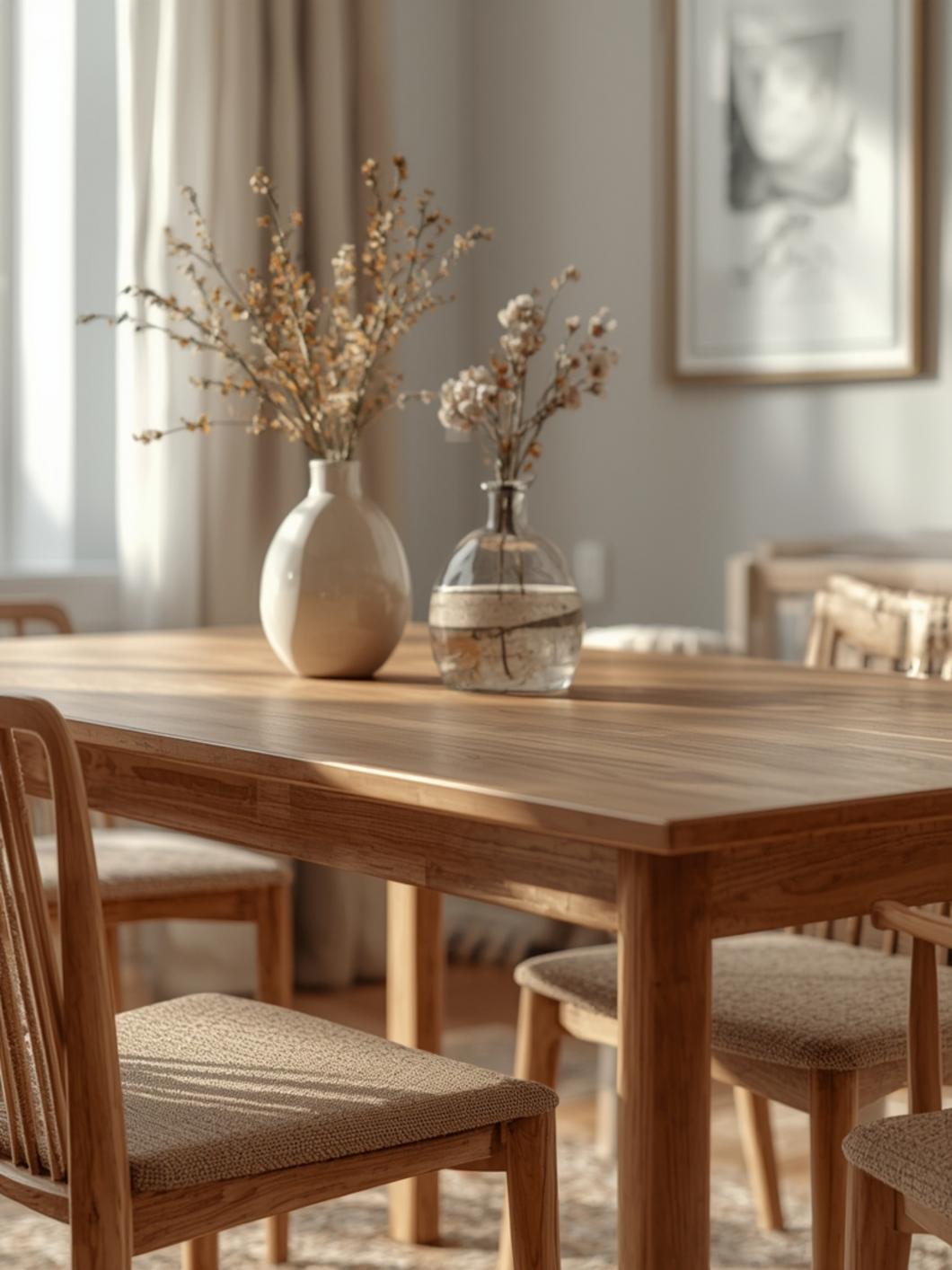
Many homeowners make their dining room decisions based on myths that lead to disappointment. Here’s what you need to know before you buy.
Bigger is always better: Many people buy the largest table their room can technically fit, then realize they’ve created an obstacle course. You need at least 36 inches of clearance around the entire table for comfortable movement. Measure your room carefully and subtract that walking space before determining maximum table size.
Matching everything creates better design: Complete matching sets often look stiff and showroom-generic. Mixing your table with different chairs—or using a bench on one side—creates personality and visual interest that feels collected and intentional rather than catalog-ordered.
Dark wood is outdated: Wood tone trends cycle through light and dark phases constantly. Choose based on your existing flooring and cabinetry rather than chasing trends. Dark wood adds richth and grounds a space beautifully when balanced with lighter walls and textiles.
You must buy all chairs at once: Starting with four to six chairs and adding more later gives you budget flexibility. Many manufacturers keep popular styles in production for years, making it easy to expand your seating as needed.
Formal dining requires formal furniture: Your dining room serves your lifestyle, not outdated rules about formality. A casual farmhouse table can absolutely host elegant dinner parties with the right linens and place settings.
How It Works in Real Homes
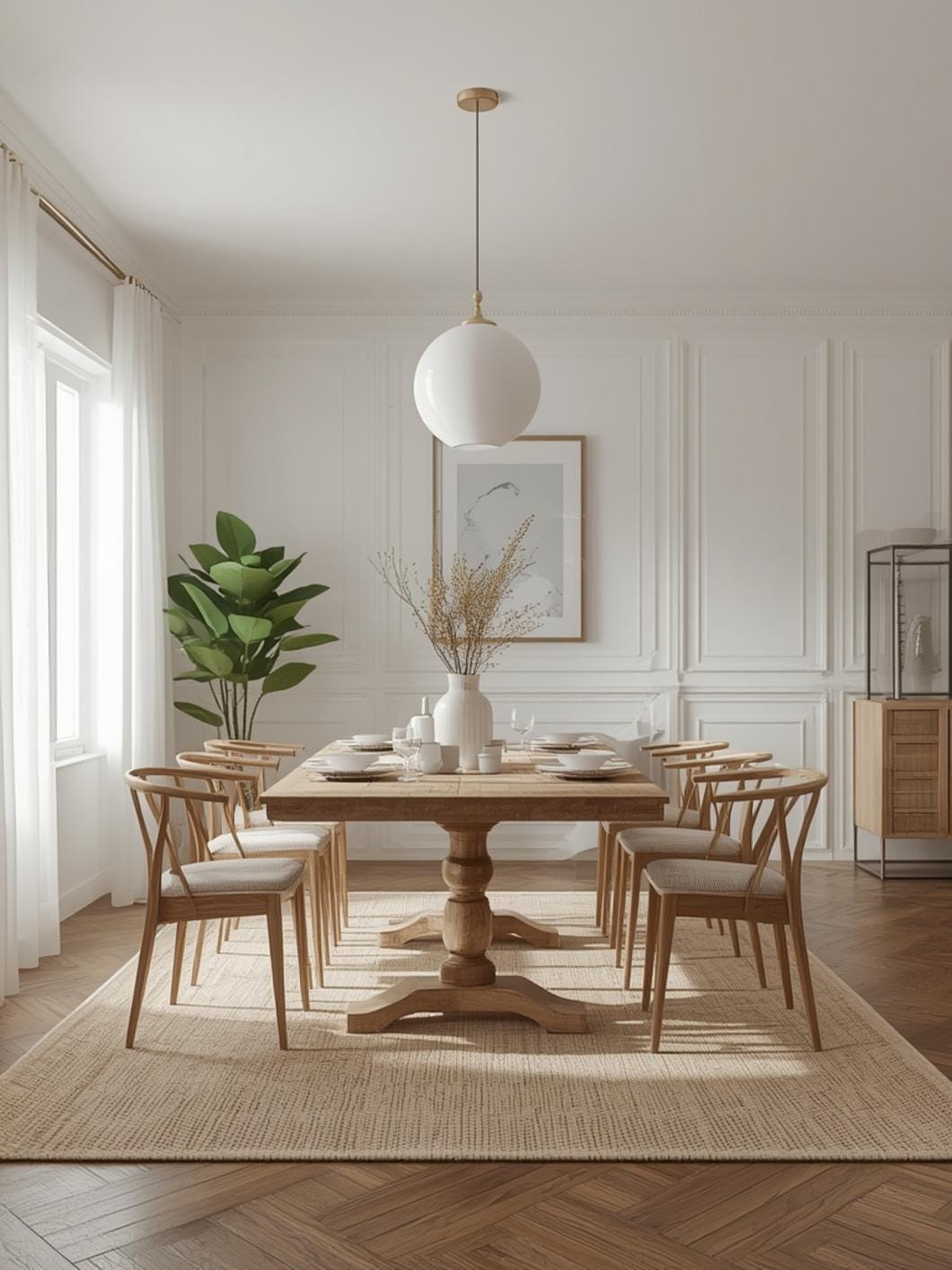
Understanding how different dining sets function in actual homes helps you make choices that work for your daily reality.
Measuring your space accurately: Start by measuring your room’s length and width. Subtract 72 inches (36 inches on each side) from both dimensions—that’s your maximum table size. A family of four typically needs a 36×48 inch table minimum, while six people require at least 36×72 inches. Round tables 48 inches in diameter comfortably seat four to six people.
Evaluating your household needs: Consider who uses this space most often. Growing families benefit from extension tables that adapt as kids get older. Empty nesters might prefer fixed-size tables with beautiful bases that would hide under leaves. Homes that entertain frequently need eight or more seats, while everyday dining for two suggests different priorities entirely.
Testing comfort before buying: Sit at any table you’re seriously considering for at least five minutes. Your thighs should clear the table apron by at least two inches. Armchairs should slide under the table when not in use. Stand up and sit down multiple times—awkward clearance becomes incredibly annoying over time.
Understanding traffic flow: Walk around the table in the store or showroom. Can you easily access every seat without asking others to move? Picture carrying a full serving dish from your kitchen location. Map out the path furniture creates in your actual floor plan before committing.
Matching your decor style: Your dining set should complement your home’s overall aesthetic. Traditional homes pair naturally with turned legs and classic profiles. Contemporary spaces benefit from clean lines and minimal ornamentation. Transitional styles bridge both worlds with simplified traditional shapes.
Considering future flexibility: Life changes, and your dining set should adapt. Dining room set maintenance and care tips become crucial for pieces you plan to keep long-term, but buying quality that lasts matters more than saving money on furniture you’ll replace in three years. Choose neutral colors and classic silhouettes that work through multiple decor updates.
Balancing budget with quality: Allocate more budget to the table than chairs—tables endure heavier use and last longer. Solid wood tables survive decades while particleboard options may wobble within years. You can always upgrade chairs later, but replacing a failing table means starting completely over.
Benefits of Choosing the Right Dining Set
The perfect dining set does more for your home than simply providing a place to eat meals.
It anchors your entire home’s social life: A welcoming dining table naturally draws people together. Kids gravitate there for homework and projects. Friends instinctively gather around it during parties. The right set makes your home feel more connected and intentionally designed rather than haphazardly furnished.
Your entertaining confidence skyrockets: When you love your dining space, you actually use it. You’ll invite people over more often because you’re proud of the setting you’re offering. Dinner parties become joyful rather than stressful when your furniture supports the experience beautifully.
Your home’s resale appeal increases: Future buyers notice quality dining furniture that shows well in photos and in person. A beautiful dining space photographs exceptionally well and helps potential buyers envision their own family meals, which creates emotional connections that speed sales.
Daily life becomes more pleasant: Even simple Tuesday dinners feel more special at a table you genuinely love. The visual harmony of well-chosen furniture reduces household stress in subtle but meaningful ways that accumulate over time.
Investment value grows over years: Quality dining sets appreciate while cheap furniture depreciates. Solid wood pieces often sell for 50-70% of their original price years later, while particleboard options become essentially worthless after light use.
Design Options and Alternatives
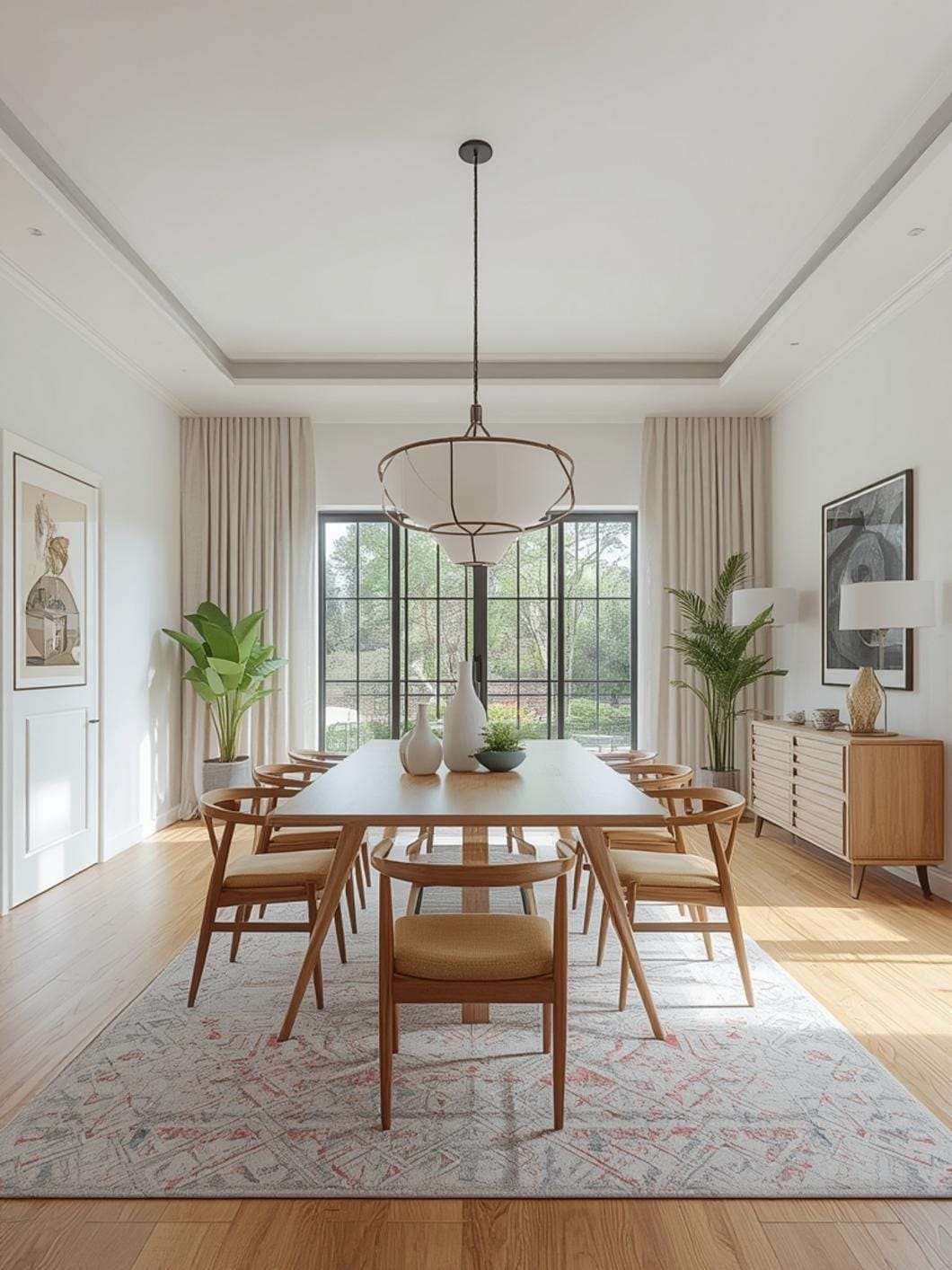
Different budget levels open different possibilities, each with distinct advantages worth considering.
Budget-friendly approach: Look for solid wood tables with simple designs that skip ornate details. Pair an unfinished table you stain yourself with mixed seating from different sources. IKEA’s Lerhamn table offers genuine solid wood construction at entry-level pricing, while secondhand stores often stock vintage chairs with beautiful bones that need only light refinishing.
Mid-range investment: This sweet spot typically gets you solid hardwood construction with quality joinery and moderate customization options. Expect chairs with comfortable proportions and finishes that resist daily wear. Extension mechanisms work smoothly, and you’ll find styles that span from farmhouse casual to urban contemporary.
Premium selection: High-end sets feature exceptional wood grain matching, hand-rubbed finishes, and furniture-grade construction with mortise-and-tenon joinery. Chairs offer ergonomic shaping and premium upholstery options. These pieces become family heirlooms that actually survive multiple generations of use and multiple home moves.
Small space solutions: Drop-leaf tables expand only when you need them, then fold back to conserve precious square footage. Round pedestal tables eliminate corner legs that create bruised shins in tight quarters. Glass tops make small rooms feel more spacious through visual lightness. Consider counter-height sets that double as workspace in studio apartments or kitchen-dining combinations.
Multi-functional approaches: Some dining tables include built-in storage drawers for placemats and napkins. Bench seating with lift-top storage hides seasonal items. Expandable tables that convert from coffee table height to dining height work brilliantly in extremely small homes where every piece must serve multiple purposes.
Common Mistakes to Avoid
Even experienced decorators make these errors when choosing dining furniture—here’s how to sidestep them completely.
Buying a table before measuring the room and existing doorways: Many homeowners fall in love with a table, then discover it won’t fit through their front door or around the hallway corner. Always measure your delivery path first, including staircases and door frames, before falling in love with any furniture.
Choosing seating that looks beautiful but feels uncomfortable: Gorgeous chairs that hurt after twenty minutes ruin every meal. Always sit in chairs for several minutes before buying, and bring along a family member with different proportions to test comfort across body types.
Ignoring your room’s lighting when selecting finishes: Dark tables in dimly lit rooms create a cave-like feeling that makes spaces feel smaller and less inviting. Similarly, high-gloss finishes in rooms with multiple windows create blinding glare during sunny hours. Consider your natural light patterns before committing to any finish.
Forgetting about cleaning and maintenance requirements: Glass tops show every fingerprint and water spot, requiring daily wiping for presentable appearance. Light-colored upholstery with kids or pets becomes a stressful cleaning project. Choose materials that match your actual willingness to maintain them, not your aspirational cleaning schedule.
Prioritizing trendy styles over longevity: Dining sets represent significant investments you’ll live with for years or decades. Extremely trendy colors or shapes date quickly and limit your decorating flexibility over time. Choose classic proportions in neutral finishes, then add personality through easily changed elements like chairs and accessories.
Maintenance and Upkeep Tips
Protecting your investment ensures your dining set stays beautiful through countless meals and gatherings.
Daily care routines: Wipe up spills immediately before they soak into wood grain or set into upholstery. Use coasters and placemats consistently to prevent heat rings and moisture damage. A quick daily wipe-down with a slightly damp cloth prevents buildup that requires aggressive cleaning later.
Weekly cleaning practices: Dust your entire set with microfiber cloths that capture particles without scratching finishes. Vacuum upholstered chairs using the brush attachment to remove crumbs from crevices. Check table extensions and moving parts for crumbs or debris that could damage mechanisms.
Seasonal deep care: Apply furniture polish or conditioning oil to wood surfaces every three to four months following manufacturer recommendations. Tighten any loose screws in chair legs and table bases. Rotate table leaves if you store them separately to ensure even aging and color matching over time.
Protection strategies: Use table pads under tablecloths for formal dinners to prevent heat damage from serving dishes. Apply furniture felt pads under chair legs to protect floors and reduce scraping noise. Consider professional fabric protection treatment for upholstered pieces if your household includes young children.
Addressing damage quickly: Touch up small scratches on wood with matching stain markers before they expand. Treat upholstery stains immediately with appropriate cleaners for the specific fabric type. Tighten wobbly joints as soon as you notice them—waiting allows damage to worsen exponentially.
Making Your Final Decision
You’ve done the measuring, tested the chairs, and considered your lifestyle needs. Now it’s time to commit with confidence.
The dining set you choose will witness thousands of meals, homework sessions, game nights, and meaningful conversations over the coming years. Trust the research you’ve done and choose based on your real life rather than aspirational visions that don’t match your daily reality.
Ready to explore more ways to make your dining space truly special? Browse our collection of dining room design inspiration and practical decorating guides at DecorKingdom to discover your next project.
FAQs
What size dining table fits a 10×12 room?
A 10×12 room provides 120 square feet, which comfortably accommodates a 36×60 inch rectangular table or a 48-inch round table after allowing for the required 36 inches of clearance on all sides. These sizes seat six people comfortably for everyday meals while leaving adequate walking space around the perimeter. Measure your specific room carefully, as doorways and windows can reduce usable space.
Should I choose a round or rectangular dining table?
Round tables work best in square rooms and encourage conversation by eliminating a “head of table” dynamic, though they typically seat fewer people than rectangular tables of similar square footage. Rectangular tables fit naturally in long rooms, maximize seating capacity, and work better against walls when you need to save space. Consider your room shape, typical guest count, and whether you entertain formally or casually.
How many chairs do I need for a 72-inch table?
A 72-inch rectangular table comfortably seats six to eight people depending on chair width and whether you place seats at the table ends. Plan for 24 to 30 inches of table width per person for comfortable elbow room. If you regularly host larger gatherings, consider an extension table that expands to 96 inches to accommodate ten people rather than crowding eight chairs tightly.
Is solid wood worth the extra cost over veneer?
Solid wood typically lasts 20 to 30 years or longer with proper care and can be refinished multiple times when surfaces become damaged, while veneer furniture generally lasts 5 to 10 years and cannot be refinished once the thin veneer layer wears through. If you plan to keep your dining set long-term or want furniture you can pass down, solid wood represents better value despite higher upfront costs.
Can I mix different chair styles around my dining table?
Mixing chair styles creates visual interest and personality that feels more collected than matchy-matchy sets straight from a catalog. Keep your mix cohesive by repeating one element across all pieces—perhaps the same wood tone, similar seat heights, or complementary colors. Many designers recommend using matching chairs on the long sides with different styles at the heads, or placing a bench on one side with chairs opposite.
—
Meta Title: How to Choose the Best Dining Room Set: Expert Guide 2026
Meta Description: Overwhelmed by dining set options? Learn how to choose the best dining room set for your space, style, and budget with this complete guide.