10 Ways to Transform Your Kitchen With an Accent Wall
Your kitchen feels a little flat, doesn’t it? The cabinets are fine, the countertops do their job, but something’s missing. The whole room just blends together without any real personality or warmth.
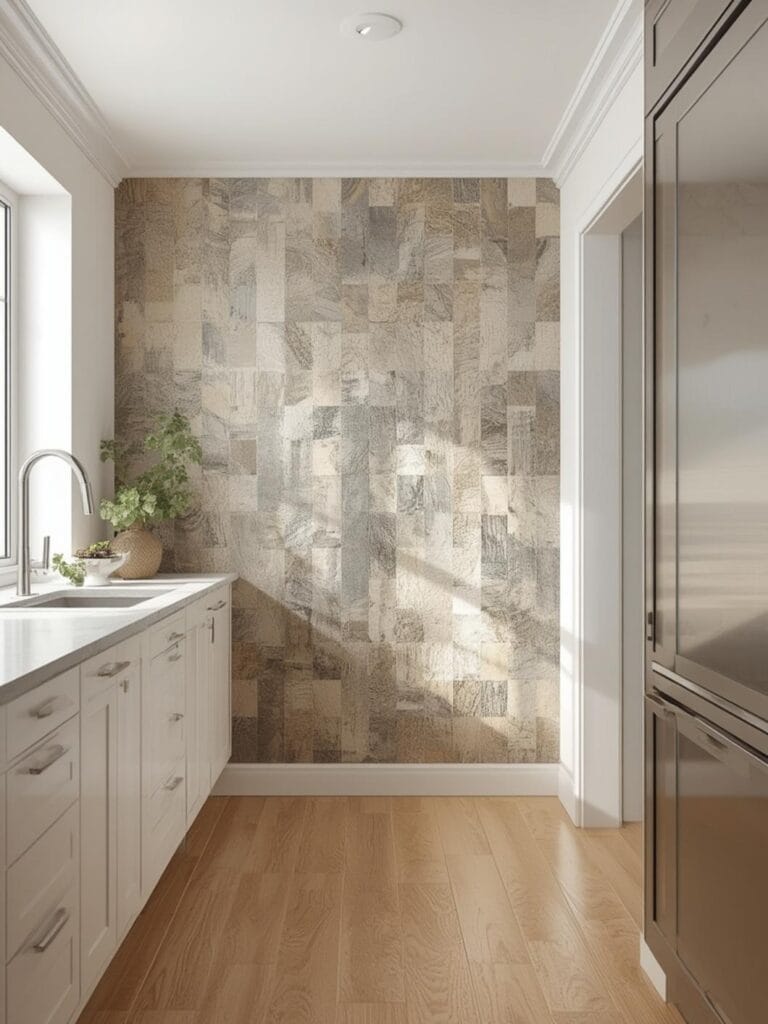
Kitchen accent wall ideas can completely change that feeling without the cost or commitment of a full renovation. A single wall with bold color, texture, or pattern creates a focal point that makes your kitchen feel intentional and designed, not just functional.
The best part? Most accent wall projects are weekend-friendly and budget-conscious. You’re not ripping out cabinets or hiring contractors—you’re simply giving one wall the attention it deserves.
Table of Contents
What You’ll Need to Get the Look
The materials for your kitchen accent wall depend entirely on the style you choose, but here are the most common supplies homeowners work with:
– Paint and primer: Choose kitchen-specific paint that resists moisture and wipes clean easily
– Peel-and-stick wallpaper: Removable options make it risk-free for renters or commitment-phobes
– Wood planks or shiplap: Creates texture and warmth, available pre-finished or ready to stain
– Tile or backsplash materials: Perfect for walls behind stoves or sinks where durability matters
– Stencils or painter’s tape: For creating patterns, stripes, or geometric designs with paint
– Spackle and sandpaper: To prep walls before painting
– Drop cloths and painter’s tape: Protect your floors and trim during the process
– Brushes, rollers, or foam applicators: Depending on your chosen technique
You don’t need specialty tools or professional equipment. Most accent wall projects use supplies you can pick up at any home improvement store and apply yourself over a weekend.
Finding Your Style and Season
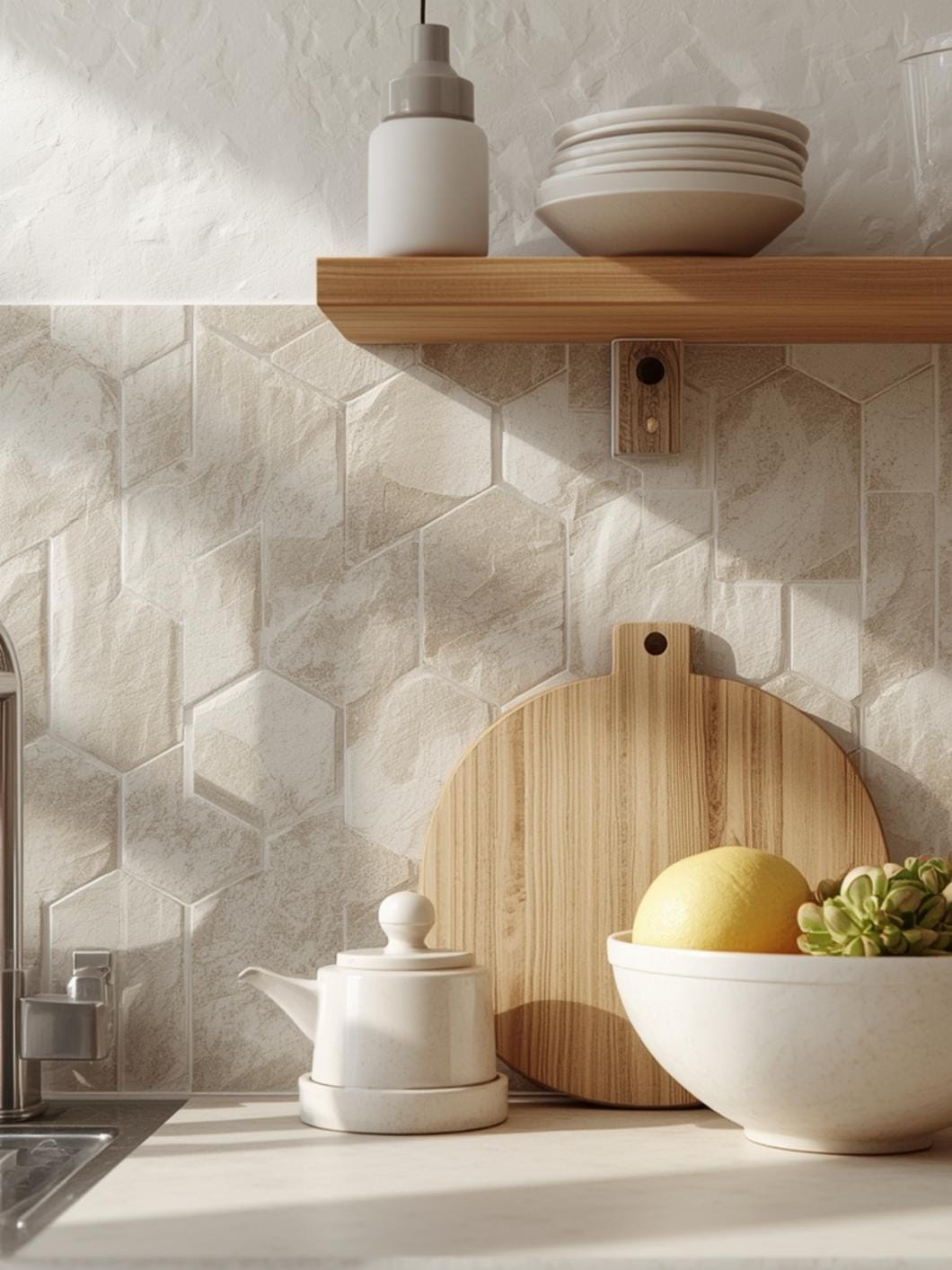
Choosing an accent wall design starts with understanding the mood you want your kitchen to have. Think about how much natural light your space gets and what time of day you use it most.
Darker accent colors work beautifully in kitchens with lots of windows or bright overhead lighting. They add drama without making the room feel cave-like. If your kitchen is naturally dim, consider lighter accent walls with texture instead of color—think whitewashed wood or soft gray geometric patterns.
Seasonal timing matters less for the project itself and more for how you’ll use your kitchen during it. Painting an accent wall in summer means you can open windows for ventilation. Winter projects work fine too, but plan for longer drying times if you can’t circulate fresh air easily.
Consider your existing color palette before committing to a bold choice. Your accent wall should complement your cabinets, countertops, and flooring, not fight with them. Pull a dominant or secondary color from your existing materials and amplify it on your accent wall.
7 Ideas to Try in Your Home
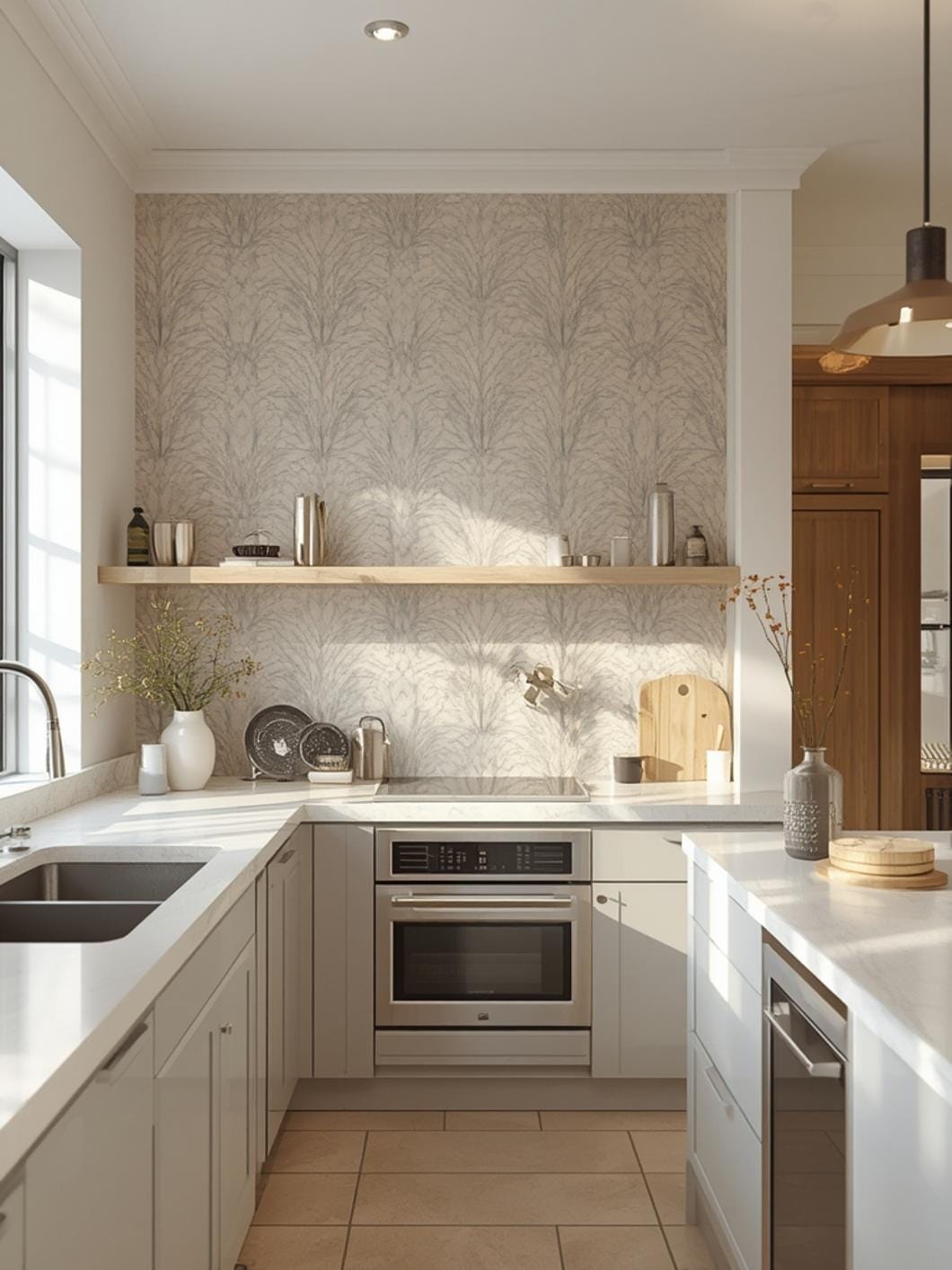
1. Deep Jewel Tones Behind Open Shelving
Paint the wall behind open shelves in emerald green, sapphire blue, or deep plum. The color peeks through between dishes and glassware, creating visual interest without overwhelming the space. This works especially well in kitchens with white or light wood cabinets.
2. Warm Wood Planks for Texture
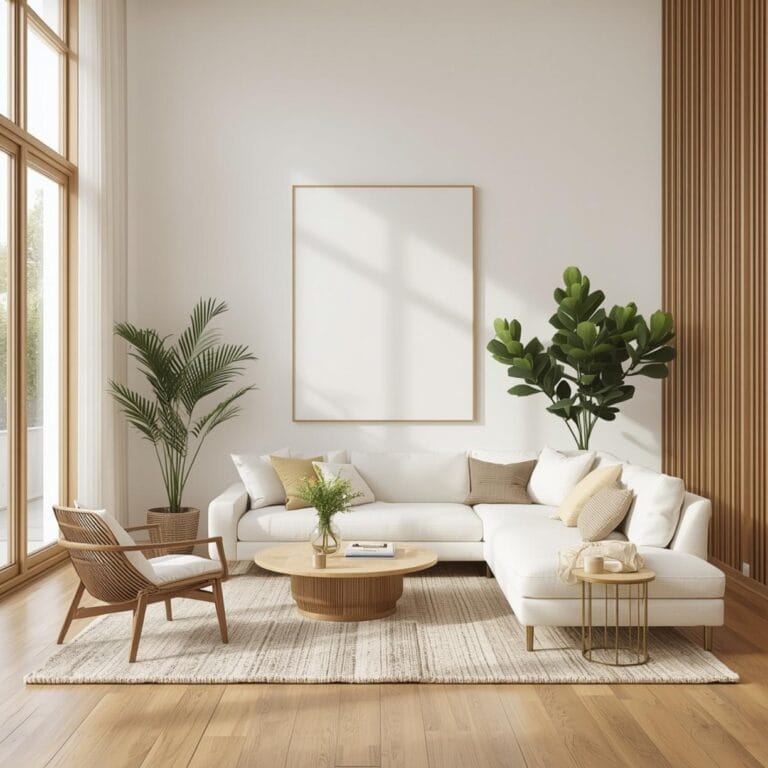
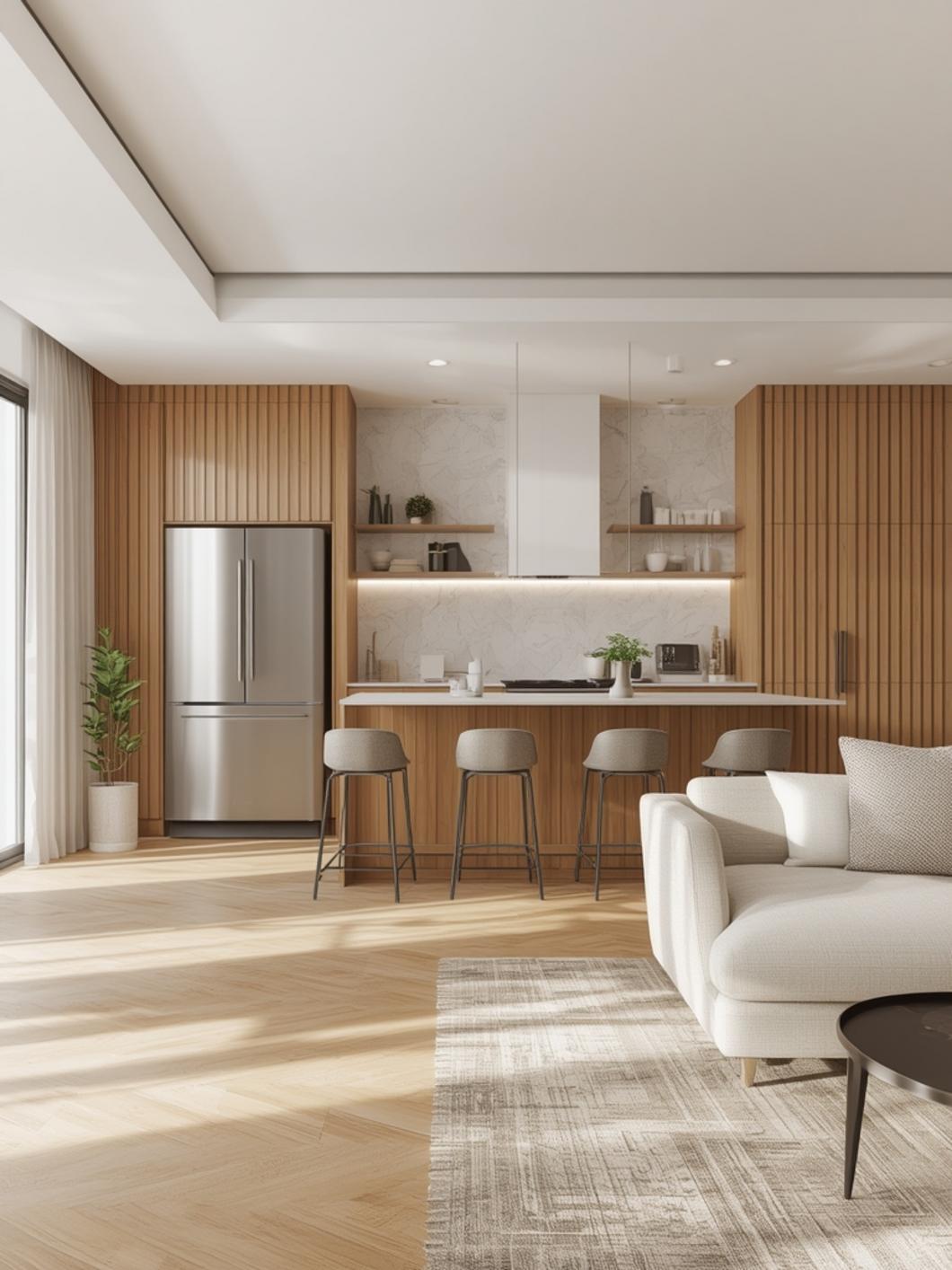
Install horizontal wood planks on your largest wall to add warmth and natural texture. Pre-finished planks in honey, walnut, or weathered gray tones bring an organic element that softens all those hard kitchen surfaces. How to paint a kitchen accent wall isn’t always about paint—sometimes it’s about adding dimension through natural materials.
3. Bold Black or Charcoal for Modern Drama
A matte black or charcoal gray accent wall creates instant sophistication in modern or transitional kitchens. Pair it with brass or gold hardware for warmth, or keep it cool with stainless steel and white marble. This look works best on walls without upper cabinets.
4. Soft Sage or Clay for Earthy Calm
Muted earth tones like sage green, terracotta, or warm clay bring a relaxed, organic feel. These colors work beautifully in kitchens with natural wood elements and create a calming backdrop for busy mornings and family dinners.
5. Geometric Patterns with Painter’s Tape
Use painter’s tape to create triangles, chevrons, or color-blocked sections in two complementary shades. This DIY approach adds pattern without the commitment of wallpaper and lets you customize the design to fit your exact wall dimensions.
6. Classic Subway Tile Accent
Extend your backsplash upward to create a full wall of subway tile. Choose unexpected grout colors—charcoal with white tile, or cream with sage tiles—to make this traditional material feel fresh. This option adds texture and is incredibly easy to clean.
7. Peel-and-Stick Wallpaper with Pattern
Modern removable wallpapers come in everything from subtle textures to bold botanicals. They’re perfect for renters or anyone nervous about permanent changes. Choose patterns with colors that already exist in your kitchen for a cohesive look.
Benefits Beyond the Visual Impact
An accent wall does more than just look good—it changes how your kitchen functions emotionally for you and your family. That pop of color or texture gives your eye a place to rest, making the room feel more intentional and less like a collection of appliances.
Accent walls also help define zones in open-concept spaces. If your kitchen flows into a dining or living area, a distinct wall treatment creates subtle separation without closing off the room with physical barriers.
From a practical standpoint, choosing durable materials like tile or scrubbable paint for your accent wall means that high-traffic area stays looking fresh longer. You’re putting extra protection exactly where you need it most.
The psychological benefit matters too. A kitchen that feels designed and personal makes you want to spend time there. Cooking feels less like a chore and more like spending time in a space you actually enjoy.
Budget-Friendly to Showstopper Options
Budget-Conscious Approach
A single gallon of quality paint costs $30-50 and covers one accent wall in most kitchens. Add painter’s tape, a roller, and a brush for under $80 total. Choose a bold color in your existing cabinet palette to avoid needing new accessories. This weekend project takes 4-6 hours including prep and two coats.
Mid-Range Upgrade
Peel-and-stick wallpaper or pre-finished wood planks run $100-300 depending on your wall size. These materials add texture beyond what paint alone can achieve. Installation takes a full weekend but requires no special skills, just patience and a level. The removable nature makes it lower-risk than permanent materials.
Premium Investment
Full-wall tile installation or custom millwork creates a lasting architectural feature. Expect to spend $500-1,500 on materials for a statement wall. While you can DIY tile if you’re patient, many homeowners hire help for the precision work. The result is a truly custom feature that adds resale value.
Small Kitchen Adaptation
In compact kitchens, treat the wall behind your stove or sink as the accent area. Even a small section of bold color or interesting tile creates impact without overwhelming the space. This focused approach costs less and takes just a few hours to complete.
Mistakes That Undermine Your Design
Choosing the Wrong Wall
Many homeowners accent the first wall they see when entering, but that’s not always the right choice. Instead, choose the wall with the most uninterrupted surface or the one behind a natural focal point like open shelving or your range. This creates intentional design rather than random decoration.
Skipping the Sample Step
Paint looks completely different in your actual kitchen light than it does on a tiny paint chip. Buy sample sizes and paint large poster boards you can move around the room at different times of day. This $15 investment prevents expensive regret.
Forgetting About Upper Cabinets
If your chosen wall has upper cabinets, you’re left with awkward small sections of exposed wall. These broken-up areas rarely look intentional. Choose a wall that’s mostly clear, or commit to removing some upper cabinets for open shelving.
Using Non-Kitchen Paint
Regular interior paint won’t hold up to kitchen humidity, grease, and splashes. Always choose paint labeled for kitchens and bathrooms—it contains mildew inhibitors and wipes clean without the finish dulling. The small price difference saves you from repainting in a year.
Ignoring Undertones
A blue paint might look perfect in the store but turn purple next to your warm wood cabinets. Every color has undertones that interact with your existing materials. Always compare your paint sample directly against your cabinets, countertops, and flooring before committing.
Keeping Your Accent Wall Fresh
Kitchen accent walls face more wear than walls in other rooms, so maintenance matters. Wipe painted walls monthly with a damp microfiber cloth to remove cooking residue before it builds up. For stubborn spots, use a gentle all-purpose cleaner—never abrasive scrubbers that damage the finish.
Wood plank walls need occasional dusting with a dry cloth. If you’ve used unsealed wood, wipe up any splashes immediately to prevent staining. Once a year, check for any lifting edges and secure them with a tiny dab of adhesive.
Peel-and-stick wallpaper edges sometimes lift in humid kitchens. Press them back down while they’re still sticky, or use a small amount of removable adhesive designed for wallpaper. Run your exhaust fan while cooking to minimize moisture exposure.
Tile accent walls are the lowest maintenance option—just wipe them down with your regular kitchen cleaner. Check grout lines annually and reseal if they’re looking dingy. A grout pen can refresh discolored grout in minutes without regrouting.
Touch up paint scratches or chips as soon as you notice them. Keep a small jar of your accent color on hand for quick fixes that prevent small damage from becoming obvious wear.
Making Your Kitchen Yours
Your kitchen accent wall is one of the simplest ways to inject personality into a space that often feels purely functional. Whether you choose bold color, natural texture, or pattern play, you’re creating a backdrop that makes every morning coffee and family dinner feel a bit more special.
The projects are manageable, the investment is reasonable, and the impact is immediate. You don’t need contractor-level skills or a massive budget—just a clear vision and a weekend.
Ready to transform that blank wall into your kitchen’s best feature? Browse more kitchen design ideas and practical how-tos here at DecorKingdom to find the perfect style for your home.
Frequently Asked Questions
What is the best wall to accent in a kitchen?
Choose the wall behind your stove, sink, or open shelving—these are natural focal points where eyes land anyway. The wall should have minimal interruptions from cabinets, windows, or doors. In galley kitchens, the short end wall works best, while in open kitchens, accent the wall that anchors the cooking zone.
Can I paint an accent wall in a rental kitchen?
Most landlords allow paint if you return the wall to its original color before moving out. Keep the original paint color information and save some of the existing paint for touch-ups. Alternatively, use peel-and-stick wallpaper or removable planks that leave no damage. Always check your lease and get written permission before starting.
How do I choose between paint and wallpaper for my accent wall?
Paint works best if you want solid color, need to match existing tones precisely, or have textured walls. Wallpaper excels when you want pattern, need to hide wall imperfections, or want easy removal later. Paint is slightly cheaper but wallpaper installs faster. Consider your skill level—paint requires steady cutting-in while wallpaper needs pattern matching.
Should my accent wall match my backsplash?
Your accent wall and backsplash don’t need to match, but they should complement each other. If your backsplash has multiple colors, pull one of them onto your accent wall. If you have white subway tile, that’s neutral enough to work with any accent wall color. Avoid using the exact same material in both places—it dilutes the impact of each feature.
How do I test paint colors before committing?
Buy sample sizes of your top three colors and paint large sections of poster board or foam core board. Tape these boards to your intended accent wall and observe them at different times of day for at least 48 hours. Kitchen lighting changes dramatically from morning to evening, and you need to see how each color shifts throughout the day.
—
Meta Title: 7 Kitchen Accent Wall Ideas That Transform Your Space (2026)
Meta Description: Kitchen accent wall ideas for every style and budget. Get bold colors, textures, and DIY techniques that make your kitchen unforgettable.