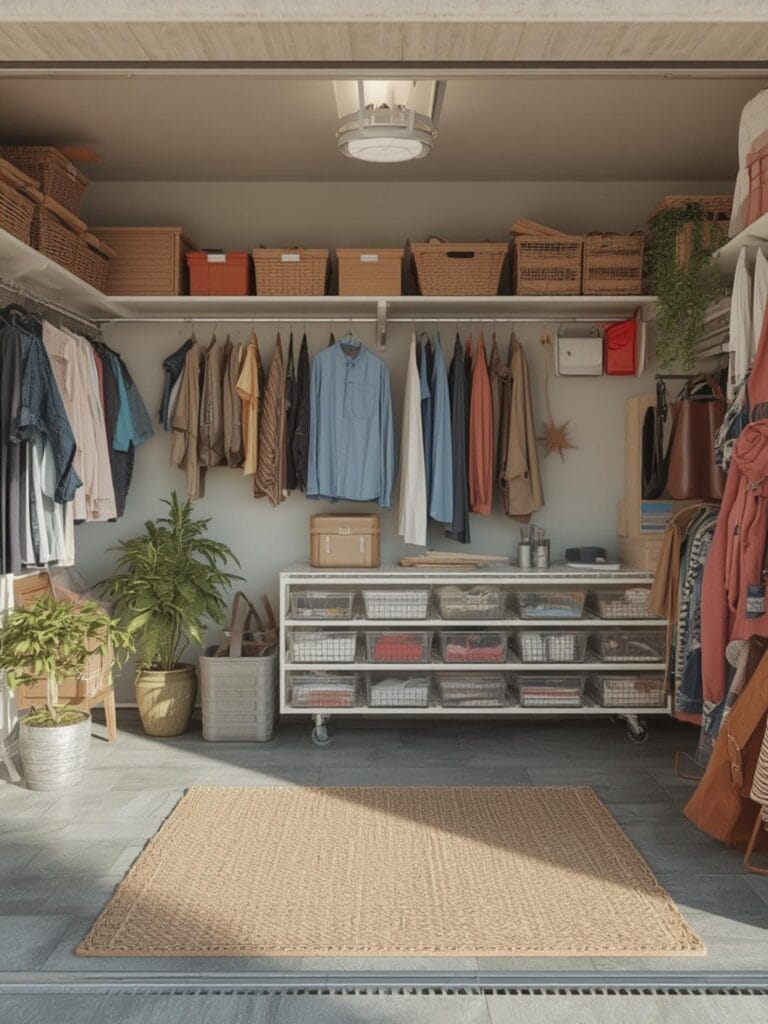
7 Ways to Maximize Your Basement Laundry Room Design
You know that corner of your basement where laundry piles up and clutter seems to multiply? It doesn’t have to be a dreary afterthought. With the right approach, your basement laundry area can become one of the most functional and surprisingly pleasant spots in your home.
If you’re tired of dark, cramped washing conditions, you’re in the right place. These basement laundry room design ideas will help you create a space that makes laundry day feel less like a chore and more like a manageable part of your routine.
The best part? You don’t need a massive budget or professional help to make a real difference. Small changes in layout, lighting, and storage can completely shift how your basement laundry room looks and functions.
Table of Contents
What You’ll Need to Get the Look
Creating a beautiful basement laundry room starts with gathering the right elements. You’ll want practical items that also add visual appeal to what might otherwise feel like a utilitarian space.
Essential Furniture & Fixtures:
– Wall-mounted shelving units or open shelves
– A folding table or countertop surface above your machines
– Base cabinets or a storage cart on wheels
– A laundry sink if plumbing allows
– Hanging rod for air-drying delicates
Lighting Elements:
– LED shop lights or track lighting (the basement needs all the brightness you can add)
– A decorative pendant light if you have ceiling height
– Battery-operated puck lights for inside cabinets
Decor & Finishing Touches:
– Vinyl peel-and-stick flooring in a water-resistant pattern
– Removable wallpaper or a fresh coat of paint in a light, cheerful color
– Coordinating baskets for sorting laundry
– A small area rug (washable is best)
– Wall art or framed prints to add personality
– Matching containers for detergent and supplies
Storage Solutions:
– Over-the-door organizers
– Tension rods between exposed joists
– Clear bins for seasonal items
– Label maker for keeping everything organized
Finding Your Style and Season
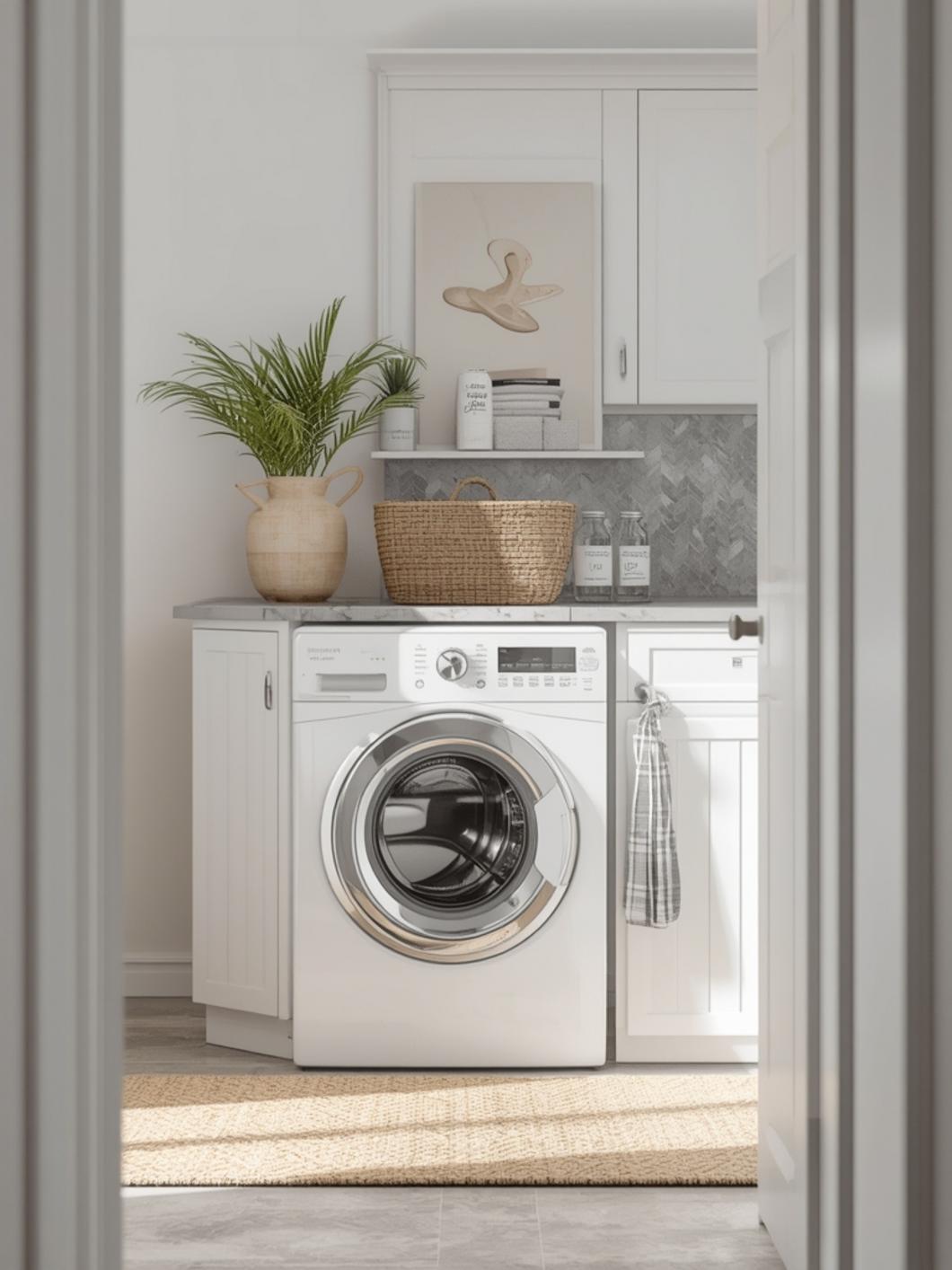
Your basement laundry room doesn’t operate on seasonal schedules like your living room might, but timing still matters when you’re planning your design refresh.
Spring and early summer work beautifully for basement projects. You’ll have natural light staying brighter longer, which makes working in a typically dim space much easier. Plus, you can keep basement windows open for ventilation while paint or adhesives dry.
If you’re painting walls or installing peel-and-stick flooring, avoid winter months when humidity levels drop dramatically. Adhesives don’t bond as well in cold, dry conditions common in basement environments during heating season.
Consider your household rhythm too. Back-to-school season might inspire you to finally tackle that laundry chaos, but it’s also your busiest time. Choose a weekend when you can dedicate focused attention without the pressure of daily laundry piling up.
Budget-wise, think about spreading purchases across a few months if needed. Start with the structural improvements like lighting and storage, then add those pretty decorative touches as you find pieces you love.
7 Ideas to Try in Your Home
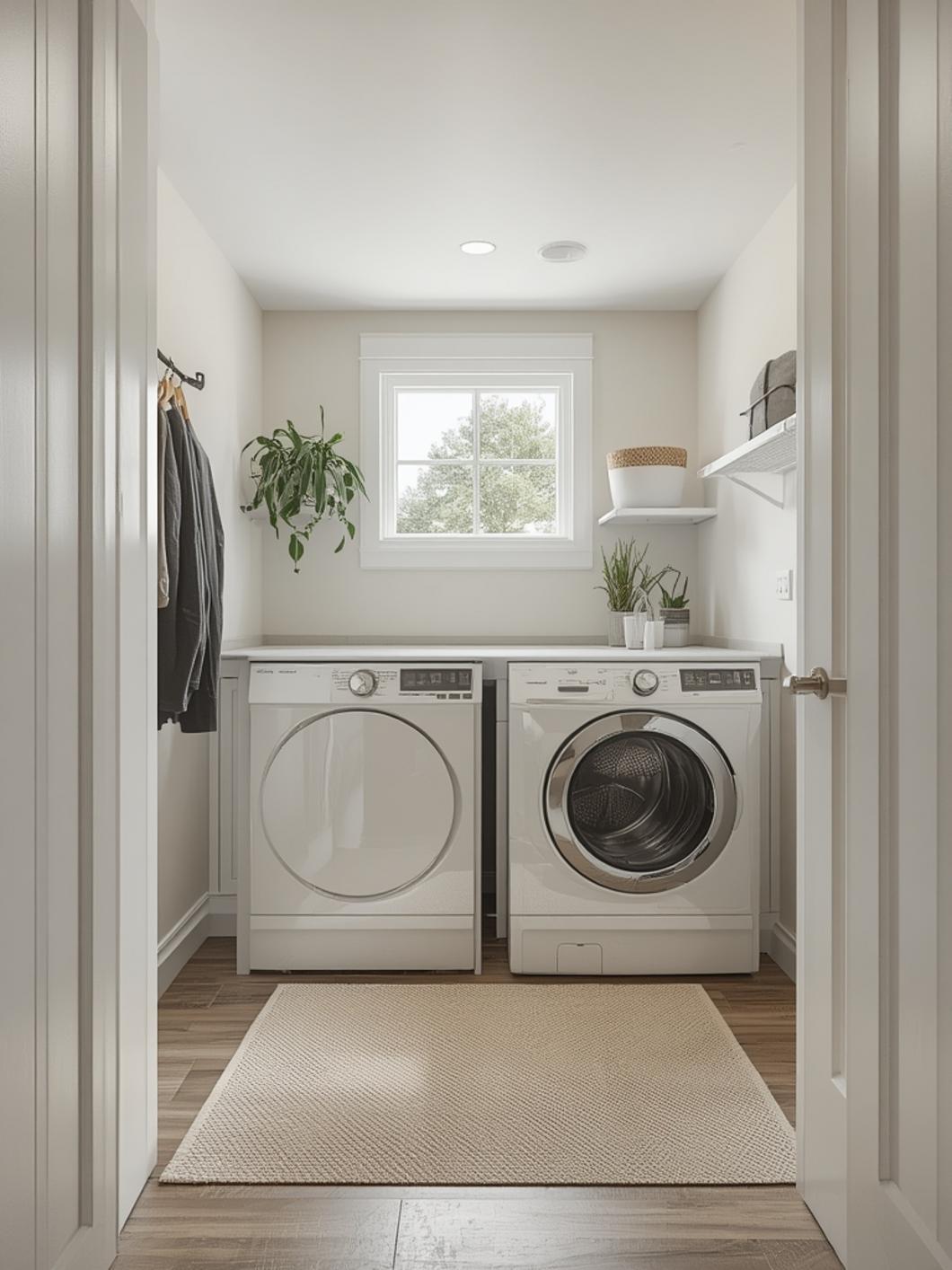
Create a Bright White Canvas
Paint everything white or cream to maximize light reflection in your basement. White walls, ceiling, and even painted concrete floors create an instant brightness boost. Add black hardware and fixtures for a modern farmhouse contrast that feels intentional rather than sterile.
Install Floating Shelves Between Machines
That narrow gap between your washer and dryer? Perfect for a slim rolling cart that stores detergents and stain removers. Above the machines, install floating shelves to display pretty jars of laundry pods and color-coordinated supplies that make the space feel designed rather than thrown together.
Embrace Pattern on the Floor
Your basement laundry room floor takes a beating from wet shoes and detergent spills. Instead of fighting it, choose peel-and-stick vinyl tiles in a bold geometric or farmhouse-style pattern. The pattern hides minor wear while adding major style points.
Build a Folding Station Above Your Machines
If your washer and dryer sit side by side, a countertop spanning both creates instant workspace. You can purchase a butcher block counter cut to size, or use a sturdy piece of finished plywood. This single addition transforms your laundry flow completely.
Add Vertical Storage Solutions
Walls are your best friend when figuring out how to maximize small basement laundry room storage. Install pegboards for hanging brooms and dustpans, add hooks for reusable shopping bags, and mount wire baskets for each family member’s clean clothes. Going vertical keeps your floor space clear and creates surprising amounts of storage.
Designate a Sorting Station
Three canvas bins on a simple wooden frame or metal rack give each family member a designated spot for dirty clothes. Label them clearly: lights, darks, and delicates. This system stops the floor pile-up before it starts and makes laundry day move faster.
Create an Air-Dry Zone
Hang a tension rod between exposed basement joists or install a wall-mounted drying rack that folds away when not in use. Add a small fan nearby to improve air circulation. Your delicates will dry properly, and you’ll save energy while extending the life of your favorite clothes.
Install Task Lighting Everywhere
Basements are naturally dark, and a single overhead bulb won’t cut it. Add under-cabinet lighting if you have upper storage, position a bright LED shop light directly above your folding area, and consider a small desk lamp on a shelf for checking stains and treating spots.
Make It Personal
Your laundry room should feel like part of your home, not a forgotten cave. Hang artwork you love, add a small plant that thrives in low light (pothos or snake plants work beautifully), or paint an accent wall in your favorite color. These touches make the space somewhere you don’t mind spending time.
Benefits of a Well-Designed Basement Laundry Room
A thoughtfully designed basement laundry space changes your entire relationship with this household task. When your laundry room functions well, you’ll actually keep up with the washing instead of letting it pile up until you’re desperate for clean socks.
Good lighting and a pleasant atmosphere mean you won’t dread heading downstairs. Many homeowners find they’re more motivated to tackle other basement organization projects once the laundry area looks great.
Storage solutions that actually work save you money too. You’ll stop buying duplicate cleaning supplies because you can see what you already have. Your clothes last longer when you have proper space to sort, treat stains immediately, and air-dry delicates correctly.
There’s also the surprising benefit of home value. A finished, organized basement laundry room signals to future buyers that the home has been cared for. It’s not just about the expensive renovations—even small improvements show attention to detail.
Finally, reclaiming this space from chaos creates mental relief. One less area of your home that stresses you out means more energy for the spaces and activities you truly enjoy.
Tips, Alternatives, and Styling Advice
Budget-Friendly Approach: Focus on paint, lighting, and simple organization systems. A gallon of bright white paint, battery-operated LED strips, and tension rods with hanging baskets can completely transform the space for under $150. Shop thrift stores for decorative baskets and vintage jars for storage.
Mid-Range Option: Invest in custom shelving from a home improvement store, upgrade to luxury vinyl plank flooring, and add a butcher block countertop. Include a few quality organizational systems like drawer dividers and pull-out hampers. This level typically runs $500-$1,000 depending on your space size.
Premium Upgrade: Consider built-in cabinetry designed specifically for your basement dimensions, a farmhouse sink installation, and high-end finishes like subway tile backsplash. Professional lighting installation and custom storage solutions create a laundry room that rivals the rest of your home. Expect to invest $2,500-$5,000 for this level of finish.
Small Space Adaptation: When square footage is tight, every inch counts. Use the back of your laundry room door for hanging storage, install narrow shelving that’s only 6 inches deep, and choose a wall-mounted ironing board that folds completely flat. Stackable washer-dryer units free up floor space for a small cart or hamper.
Color Psychology Tip: Basements can feel heavy and closed in. Choose paint colors with warm undertones even if you want a neutral palette. Soft grays with beige undertones feel cozier than stark grays with blue undertones, which can amplify that basement chill.
Common Mistakes to Avoid
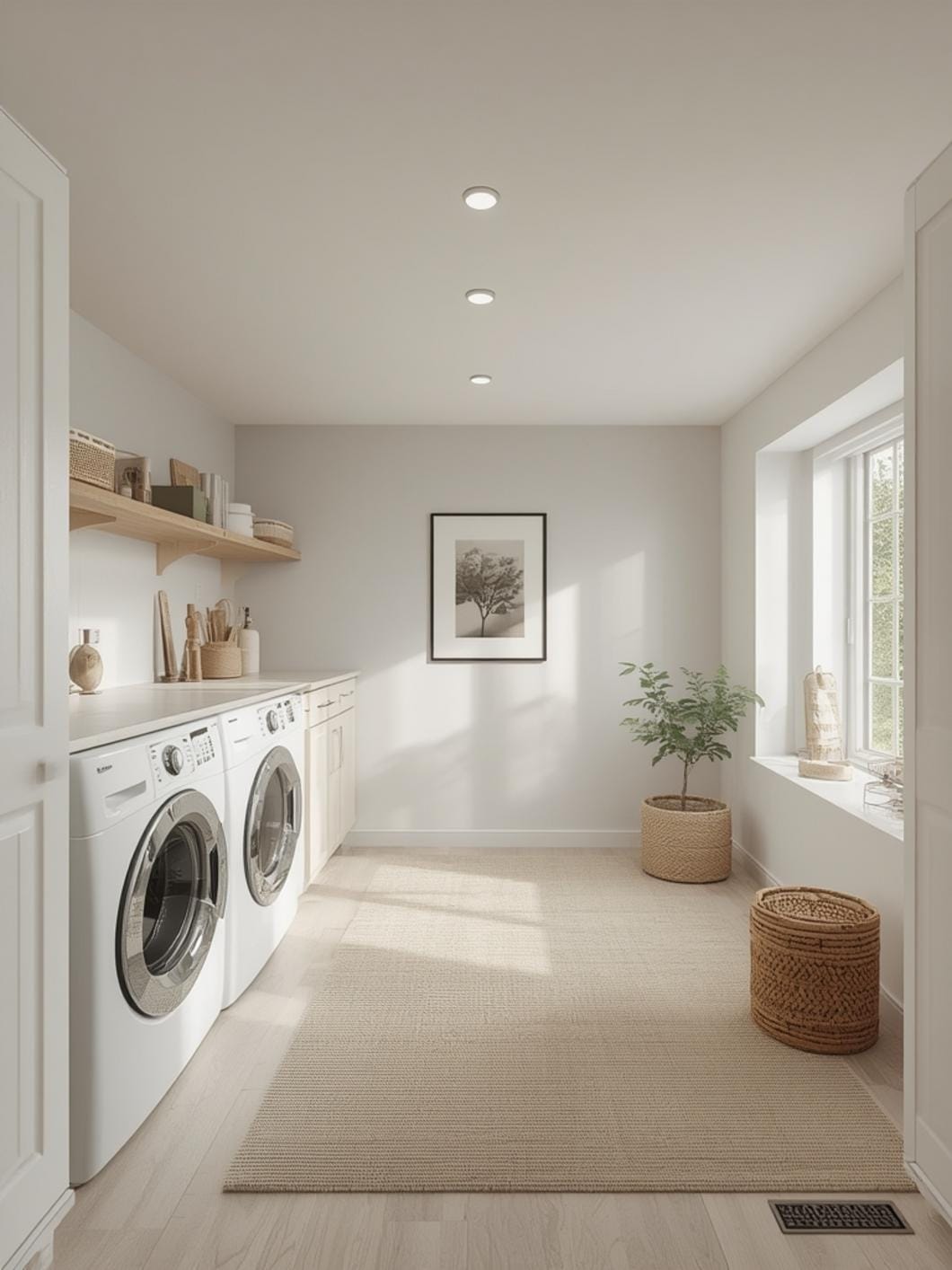
Ignoring moisture issues before decorating. Basements naturally have higher humidity, and pretty organization won’t help if your supplies are growing mold. Address any water seepage or dampness first, then consider a dehumidifier before you invest in materials.
Choosing dark paint colors to hide dirt. This backfires in basements where you’re already fighting limited natural light. Dark walls make the space feel smaller and gloomier, which means you’ll avoid it even more. Choose light, bright colors and clean more frequently instead.
Forgetting about ergonomics when placing storage. Reaching above your head for heavy detergent bottles or bending to the floor for dryer sheets multiple times per load adds unnecessary strain. Place your most-used items between waist and shoulder height for easier access.
Skipping the sorting system. Dumping all dirty clothes in one pile means you’ll spend time sorting on laundry day instead of just starting a load. Separate hampers or bins take seconds to use daily but save significant time weekly.
Installing materials that can’t handle moisture. Regular drywall, untreated wood, and standard paint won’t hold up to basement humidity long-term. Choose mold-resistant drywall, treated lumber for any building projects, and paint with mildew-resistant properties formulated for high-moisture areas.
Maintenance and Upkeep Tips
Keep your basement laundry room functioning beautifully with these simple maintenance habits. Wipe down your washer and dryer monthly with a damp microfiber cloth to prevent dust buildup, and leave the washer door open between loads to air out and prevent mildew.
Check your dryer vent every three months for lint accumulation. A clogged vent reduces efficiency and creates a fire hazard. You can do this yourself with a long dryer vent brush purchased at any home improvement store.
Sweep or vacuum your laundry room floor weekly, even if it doesn’t look dirty. Lint, dust, and small debris accumulate quickly in this high-traffic space. Mop with appropriate cleaner for your flooring type every two weeks.
Refresh your storage systems seasonally. Pull everything off shelves, wipe down surfaces, check expiration dates on cleaning supplies, and reorganize as needed. This 30-minute task quarterly prevents the gradual slide back into chaos.
Run a dehumidifier during humid summer months to protect your investment in storage systems and decor. Empty it regularly and clean the filter to maintain efficiency. This simple step prevents that musty basement smell from taking hold.
Conclusion
Your basement laundry room deserves more than being the forgotten corner where dirty clothes pile up. With intentional design choices focused on lighting, storage, and creating a pleasant atmosphere, you can transform this necessary space into one that actually works for your daily life.
The key is starting with practical improvements that solve your biggest frustrations, then layering in those personal touches that make the space feel like home. Even small changes create momentum for keeping the area organized and functional.
Ready to make your entire home work better for you? Explore more practical design inspiration and organization solutions at DecorKingdom.
FAQs
What’s the most important improvement for a basement laundry room?
Lighting makes the single biggest impact in basement spaces. Replace any dim bulbs with bright LED options, add task lighting above your work surfaces, and consider painting walls white to maximize light reflection. Good lighting makes the space feel cleaner, larger, and much more pleasant to use.
How do I deal with exposed pipes and ductwork in my basement laundry room?
Embrace them rather than fighting them. Paint all exposed elements the same color as your ceiling to help them visually recede, or go bold with black paint for an industrial look. You can also hang items from pipes using S-hooks, turning them into functional storage solutions.
Can I use regular furniture in my basement laundry room?
Avoid solid wood furniture that will warp with basement humidity. Metal shelving, plastic storage units, and furniture made from composite materials handle moisture much better. If you love a wooden piece, seal it thoroughly with polyurethane before placing it in your basement.
How can I make my basement laundry room smell fresh?
Start by addressing the source—check for mildew in your washer gasket, clean your dryer vent, and run a dehumidifier to control moisture. Add activated charcoal bags to absorb odors, and place a small bowl of baking soda on a shelf to naturally freshen the air.
What flooring works best in a basement laundry room?
Luxury vinyl plank or peel-and-stick vinyl tiles offer the best combination of water resistance, durability, and easy installation for homeowners. These materials handle the occasional spill or leak without damage, come in attractive designs, and install right over concrete with minimal preparation.
—
Meta Title: Basement Laundry Room Design Ideas That Actually Work 2026
Meta Description: Turn your dark basement laundry into a bright, organized space. These basement laundry room design ideas are simple, budget-friendly, and work.