5 Quick Accent Wall Ideas to Transform Any Room in a Weekend
You’ve been scrolling through home design photos for weeks, dreaming of a room that finally feels like you. Maybe your living room feels too plain, or your bedroom needs something special that paint alone can’t deliver. That’s where Accent wall ideas come in — they’re the quickest way to add personality, depth, and style without renovating your entire space.
An accent wall draws the eye and creates a focal point that makes the rest of your room feel more intentional. Whether you go bold with color, texture, or pattern, this single design choice can completely change how your home feels when you walk through the door.
The best part? You don’t need contractor skills or a huge budget to pull it off. With the right approach and a bit of planning, you can create a stunning accent wall that becomes the signature feature of your favorite room.
Table of Contents
What You’ll Need to Get the Look
The beauty of accent walls is that you can choose from so many different approaches. Here’s what you might use depending on the style you’re going for:
– Paint in a bold or contrasting color (eggshell or satin finish works best for most rooms)
– Peel-and-stick wallpaper for renters or commitment-phobes who want pattern without permanence
– Wood planks or shiplap panels for texture and warmth (many come pre-finished and easy to install)
– Wall molding or trim to create dimensional panels (often DIY-friendly with adhesive backing)
– Removable wall decals or stencils if you want a custom design without hiring an artist
– Fabric panels stretched over frames for a soft, textured look
– Stone veneer or brick panels (lightweight versions designed for interior walls)
– Gallery wall elements like frames, shelves, and mirrors to build visual interest
– Paint samples and poster boards for testing colors before you commit
– Basic tools like a level, measuring tape, painter’s tape, and a quality roller or brush
Choose materials that match your skill level and the mood you’re creating. Paint is the most beginner-friendly option, while wood planks or molding require a bit more patience but deliver incredible impact.
Finding Your Style and Season
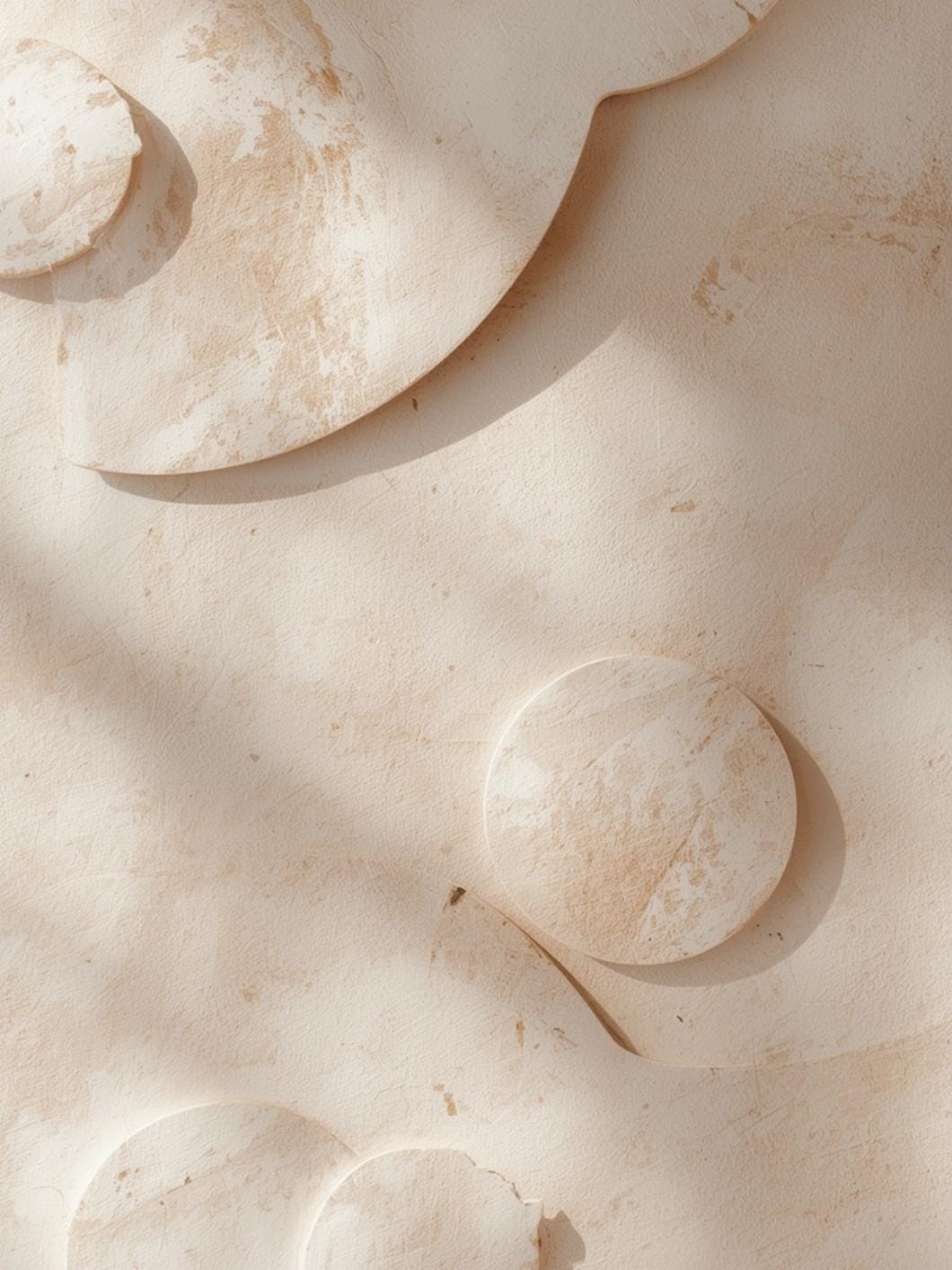
Think about the room’s purpose and how you want to feel in that space. A bedroom accent wall should feel calming and personal, while a living room can handle more drama and conversation-starting choices.
Season and lighting play a bigger role than most people realize. A deep navy or forest green can feel cozy in fall and winter but might seem too heavy in a sun-filled summer room. Test your color or material choice at different times of day to see how natural light changes its appearance.
Your existing furniture and decor should guide your decision too. If you have a lot of patterned textiles and colorful accessories, a solid accent wall in a complementary tone will let those pieces shine. If your room is mostly neutral, this is your chance to introduce the personality you’ve been craving.
7 Ideas to Try in Your Home
1. Classic Bold Color
Paint one wall in a rich, saturated hue while keeping the other three neutral. Jewel tones like emerald, sapphire, or burgundy add sophistication, while terracotta or sage bring warmth. The wall behind your bed or sofa is usually the natural choice.
2. Two-Tone with a Horizontal Split
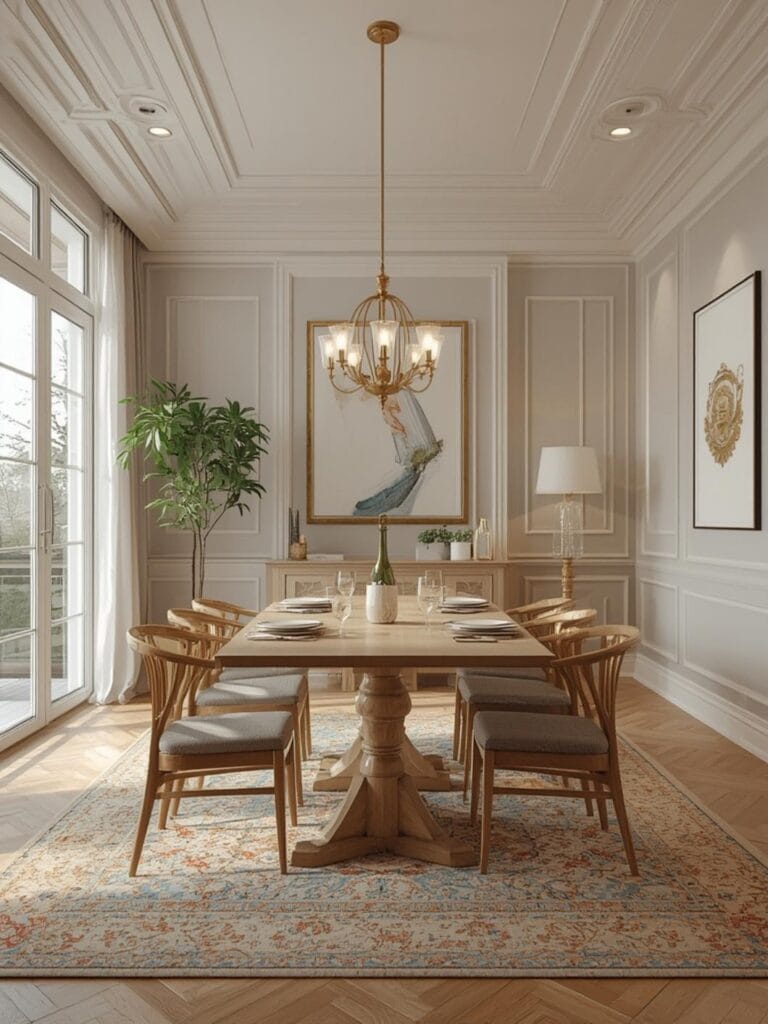
Divide your wall horizontally with two complementary colors — darker on the bottom, lighter on top. This works beautifully in dining rooms and entryways, especially when you add chair rail molding at the split line for a polished finish.
3. Textured Wood Planks
Install horizontal shiplap, vertical barn wood, or even reclaimed pallet wood for instant warmth and character. Leave it natural, stain it in a rich tone, or paint it for a modern farmhouse vibe. This approach works especially well behind a fireplace or TV.
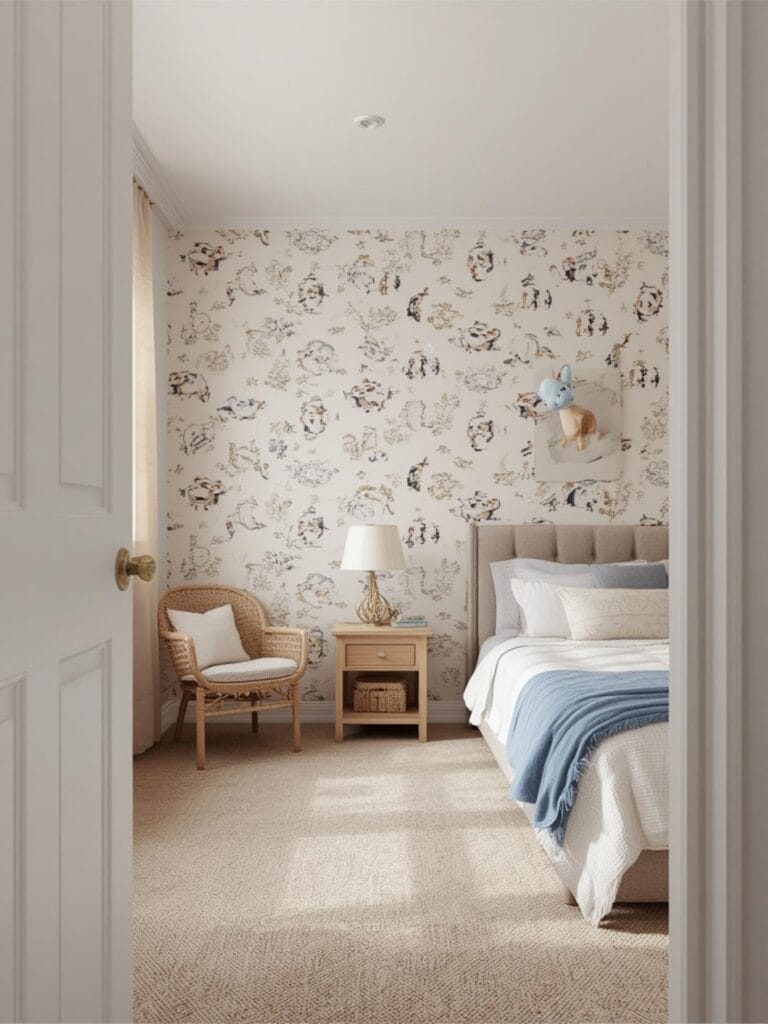
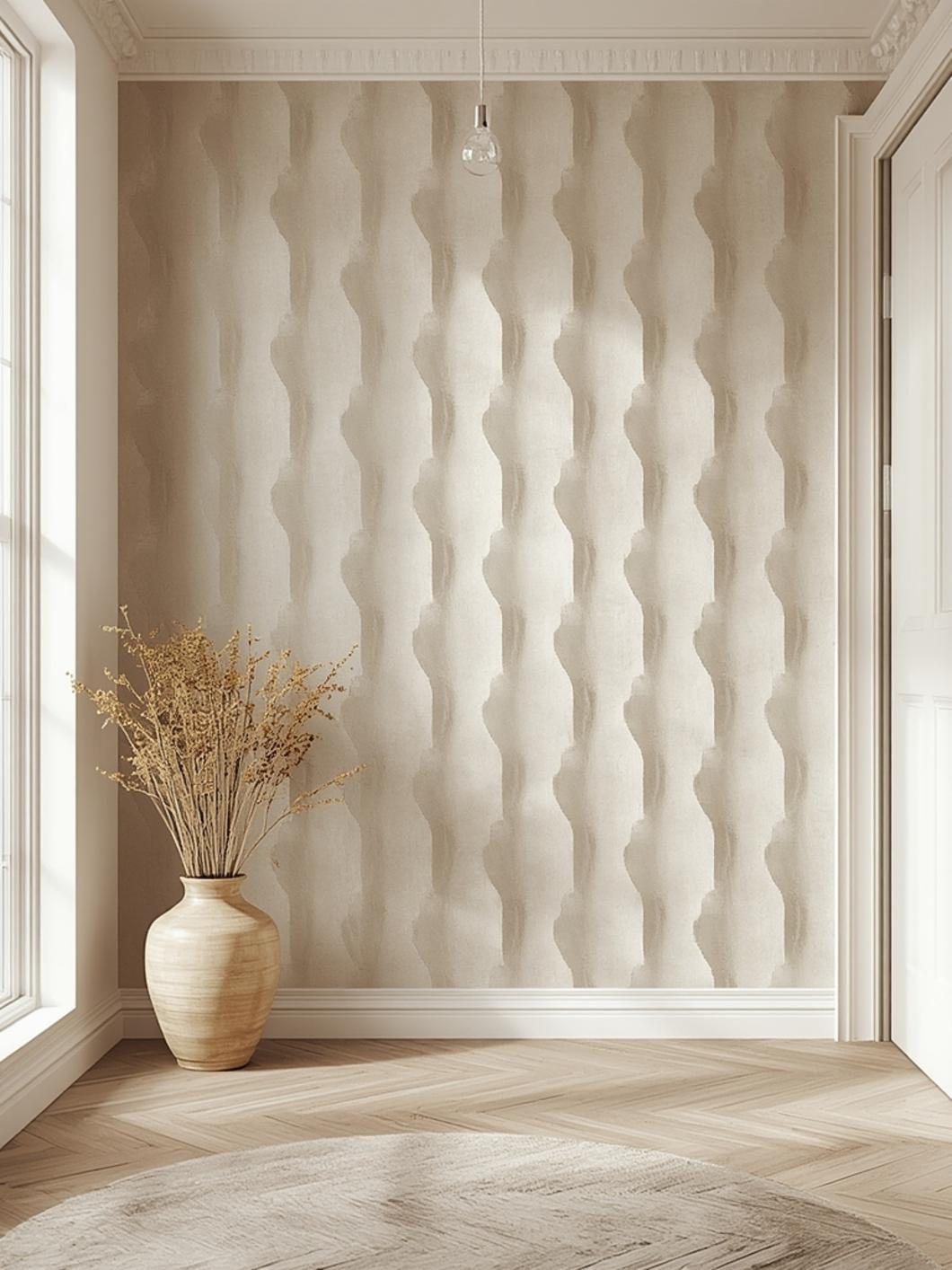
4. Wallpaper with Personality
From bold florals to geometric patterns, wallpaper has come back in a big way. Peel-and-stick versions make it easy to experiment without commitment. How to choose the right accent wall color for your room starts with looking at the dominant colors in your favorite wallpaper patterns — they’ll tell you what your eye naturally loves.
5. Gallery Wall Accent
Turn your accent wall into a curated collection of frames, mirrors, and art. Paint the wall a contrasting color first, then arrange your pieces in a salon-style layout. This works beautifully in hallways, staircases, and living rooms where you want to showcase memories and personality.
6. Dimensional Wall Molding
Create elegant raised panels using trim pieces or adhesive molding strips. Paint everything the same color for a subtle, sophisticated look, or paint the inset panels a shade darker for more contrast. This technique instantly elevates a bedroom or home office.
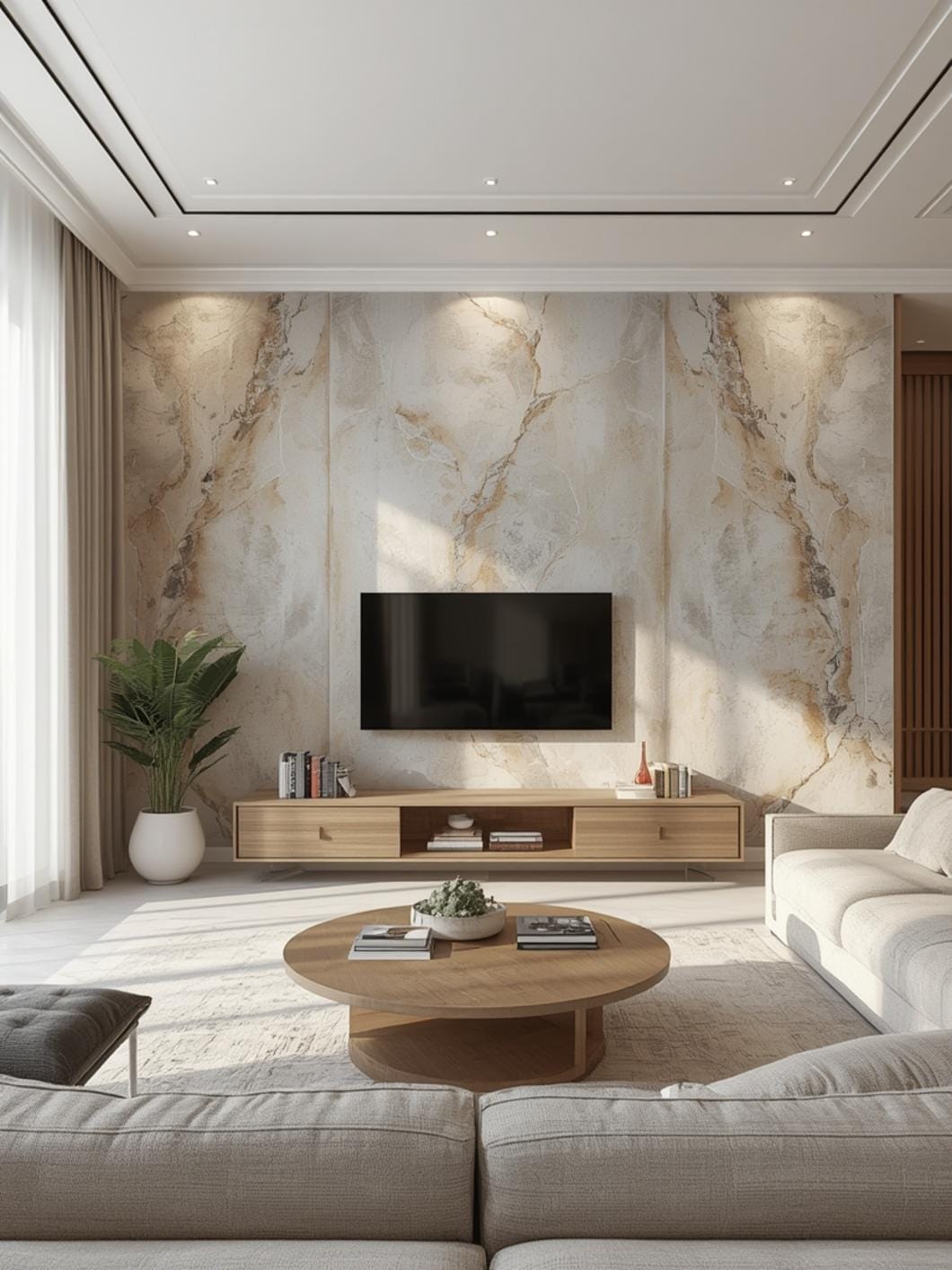
7. Stone or Brick Veneer
Lightweight stone or brick panels add serious texture and visual interest without the weight of real masonry. They work beautifully as a fireplace surround, behind a dining banquette, or in an industrial-style loft space.
Benefits / Advantages
An accent wall solves that frustrating feeling of walking into a room that just doesn’t feel finished. It creates a sense of intention and completion that makes your entire home feel more curated and thoughtful.
This design choice also helps define zones in open-concept spaces. If your living and dining areas flow together, an accent wall can visually separate them without adding physical barriers.
You’ll find that decorating becomes easier too. Once you have a strong focal point, furniture placement and accessory choices become more obvious. Your eye knows exactly where to land when you enter the room.
The emotional impact is real — color and texture affect your mood every single day. A calming accent wall in your bedroom can help you unwind at night, while a bold choice in your home office can energize and inspire your workday.
Tips, Alternatives, Styling Advice
Budget-Friendly Option
Use paint in an unexpected color on just one wall. Buy sample sizes first to test, then invest in a quart or gallon once you’re sure. Painter’s tape and a good roller are all you need to transform a room for under $50.
Mid-Range Option
Choose peel-and-stick wallpaper or pre-finished wood panels. These run between $100–300 for an average wall and give you professional-looking results with beginner-friendly installation. They’re also removable if you change your mind later.
Premium Option
Custom wall molding, real wood planks with professional installation, or high-end wallpaper with intricate patterns can run $500–1,500 depending on wall size. The investment pays off in dramatic visual impact and lasting quality.
Small Space Adaptation
Choose the wall you see when you first enter the room — this draws the eye forward and makes the space feel larger. Vertical patterns or planks installed vertically will make low ceilings feel higher, while horizontal lines can make narrow rooms feel wider.
Common Mistakes to Avoid
Choosing the wrong wall as your accent
Many people paint the first wall they see, but the accent wall should be the one your furniture arrangement naturally highlights. Put your accent where your eye lands when you’re actually using the room.
Going too matchy-matchy with existing colors
If your sofa is blue, don’t paint your accent wall the exact same blue. Choose a complementary color or a shade that’s several tones deeper or lighter for visual interest.
Forgetting to test your color or material in the actual lighting
Colors look completely different in store lighting versus your home. Get samples and live with them on your wall for at least 48 hours before committing.
Stopping the accent treatment at random points
If your wall has windows or doors, decide whether you’ll paint or treat the full wall edge-to-edge or stop at the architectural breaks. Stopping mid-wall usually looks unfinished and awkward.
Rushing the prep work
Clean walls, filled holes, and quality primer make all the difference between a DIY project that looks homemade and one that looks professionally done. The extra hour of prep time is always worth it.
Maintenance / Upkeep Tips
Paint accent walls need the same care as any painted surface — wipe down scuffs and marks with a damp cloth and mild soap. Keep leftover paint in a sealed container for touch-ups, especially in high-traffic areas or rooms with kids.
Wallpaper can be gently cleaned with a dry microfiber cloth or barely damp sponge, depending on the material. Always check the manufacturer’s cleaning instructions before introducing any moisture.
Wood plank walls benefit from occasional dusting with a dry cloth or vacuum brush attachment. If you’ve used natural wood, you might want to refresh the finish or sealant every few years to maintain its color and protection.
For stone or brick veneer, dust regularly and wipe with a slightly damp cloth if needed. These materials are generally very low-maintenance and durable once properly installed.
Conclusion
An accent wall gives your room the personality and polish it’s been missing, and you have so many creative options to match your style and skill level. Whether you start with a bold paint color, experiment with textured materials, or create a gallery wall that tells your story, this single design decision can make your entire home feel more intentional and beautiful.
The perfect accent wall is waiting to transform your space — and you’ll find even more inspiration and practical advice right here at DecorKingdom to help you create a home you absolutely love.
FAQs
Which wall should be the accent wall in a living room?
Choose the wall behind your sofa or the one your seating arrangement faces — this creates a natural focal point. Avoid walls with lots of windows or doors, as they break up the visual impact. The goal is to highlight the room’s main gathering area.
Can you do an accent wall in a small room without making it feel smaller?
Absolutely — just choose the far wall you see when entering the room, as this draws the eye forward and creates depth. Lighter colors or vertical patterns work especially well in small spaces, while very dark colors might need more careful consideration.
Should your accent wall be lighter or darker than the other walls?
Either can work beautifully depending on your goal. Darker accent walls create drama and coziness, while lighter accent walls with darker surrounding walls can make architectural features pop. The key is enough contrast to make the accent wall clearly intentional.
Do accent walls go behind the bed or across from it?
Behind the bed is the traditional choice and creates a headboard effect even without furniture. However, if you spend more time looking at the opposite wall while lying in bed, that can work too. Consider which wall you see most and want to highlight.
How do I choose between paint and wallpaper for my accent wall?
Paint is more budget-friendly and easier to change later, making it perfect for commitment-phobes or frequent redecorators. Wallpaper delivers pattern and detail that paint can’t match, and peel-and-stick versions offer the best of both worlds — personality without permanence.
—
Meta Title: Accent Wall Ideas That Transform Any Room (2026 Guide)
Meta Description: Accent wall ideas to add personality fast. Get paint, wallpaper, and texture inspiration plus tips to avoid common mistakes homeowners make.