“7 Grey Accent Wall Ideas for a Living Room That Feels Warm, Not Cold
Your living room feels a little flat, doesn’t it? The furniture is fine, the layout works, but something’s missing. The room doesn’t have that polished, pulled-together feeling you see in design magazines.
A grey accent wall might be exactly what you need. Grey accent wall living room ideas have become incredibly popular because they add depth and sophistication without overwhelming your space. Grey works beautifully with nearly every color scheme, from soft pastels to bold jewel tones.
The best part? Creating an accent wall is one of the most achievable weekend projects for any homeowner. You don’t need special skills or expensive tools — just a little planning and patience.
Table of Contents
What You’ll Need to Get the Look
Before you start planning your grey accent wall, gather these essentials:
Paint and supplies:
– High-quality interior paint in your chosen grey shade (flat, eggshell, or satin finish)
– Primer if painting over dark colors or new drywall
– Painter’s tape (2-inch width works best)
– Paint rollers and brushes
– Drop cloths or plastic sheeting
– Paint tray and liners
Furniture and decor considerations:
– Your existing sofa and chairs (you’ll design around these)
– Wall art or mirrors to hang on or near the accent wall
– Throw pillows and blankets in complementary colors
– Floor or table lamps to highlight your new wall
– Decorative accessories like vases or sculptures
Optional extras:
– Textured paint additives for dimensional interest
– Stencils for adding subtle patterns
– Picture ledges to display artwork without drilling multiple holes
Choose quality paint even if it costs a bit more. The color consistency and coverage make a noticeable difference in the final result.
Finding Your Style and Season
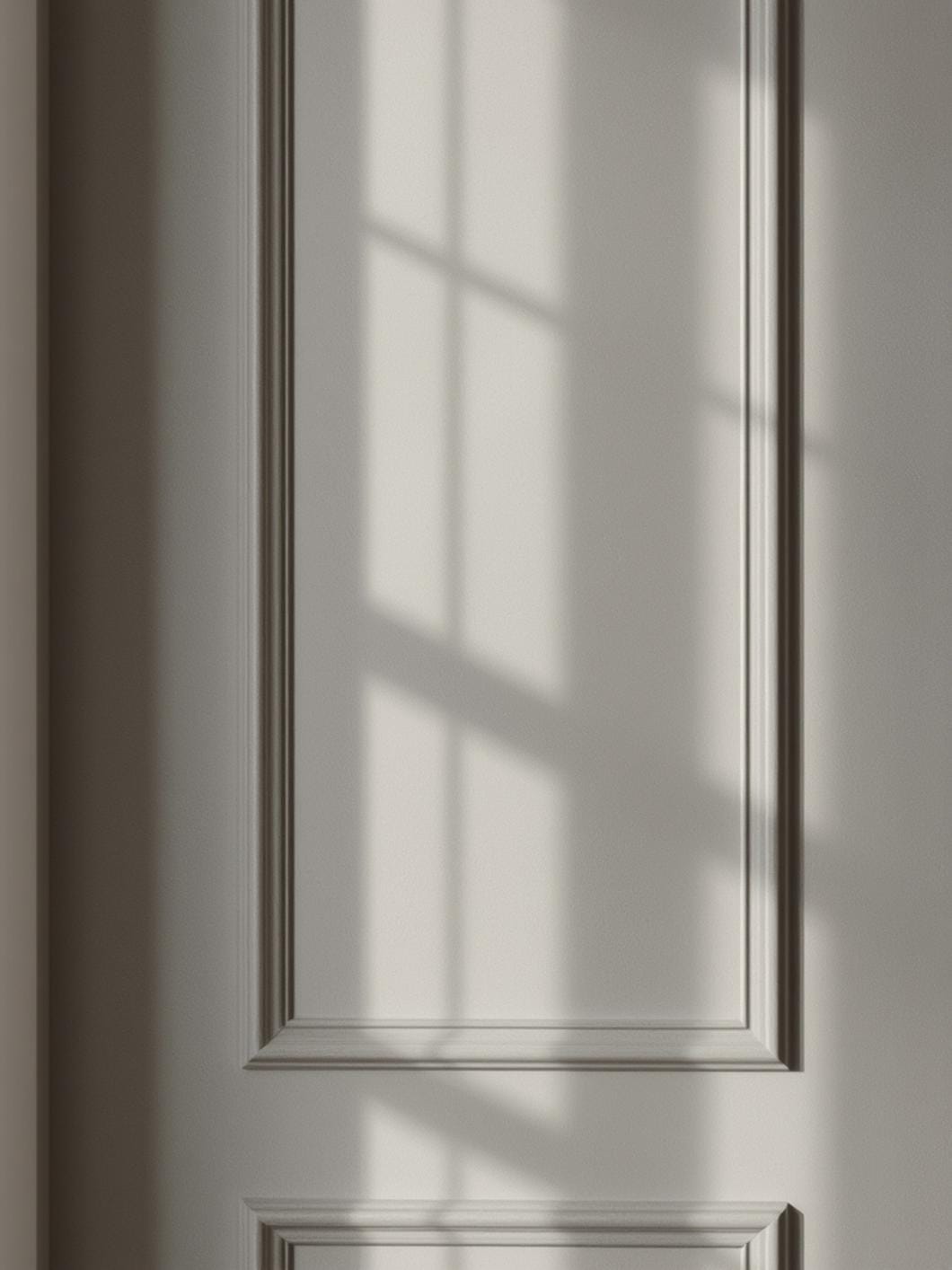
Grey accent walls work year-round, but certain shades feel more appropriate during different seasons. Understanding this helps you choose a grey that feels right in your home.
Cool-toned greys with blue or purple undertones feel fresh in spring and summer. They pair beautifully with white trim and light-colored furniture. These shades create an airy, coastal feeling that opens up your space.
Warm-toned greys with beige or greige undertones feel cozy in fall and winter. They complement wood furniture and brass fixtures perfectly. These greys create that inviting, hygge atmosphere everyone craves when the weather turns cold.
Consider your natural light too. North-facing rooms receive cooler light, so a warm grey prevents the space from feeling too stark. South-facing rooms get warm light throughout the day, making cooler greys work beautifully.
The season you paint matters for practical reasons too. Spring and fall offer moderate temperatures and humidity levels, helping paint dry properly. Avoid painting during extreme heat or cold when possible.
Think about your home’s overall aesthetic. Modern farmhouse styles lean toward greige and warm greys, while contemporary spaces often feature true greys or charcoal tones.
7 Ideas to Try in Your Home
1. Classic Fireplace Wall
Paint the wall behind your fireplace in a medium charcoal grey. This creates instant architectural interest and makes the fireplace the undeniable focal point. Decorate the mantel with white candles, greenery, and gold accents to create beautiful contrast.
Hang a large mirror or piece of artwork above the mantel. The grey backdrop makes everything pop visually.
2. Behind-the-Sofa Statement
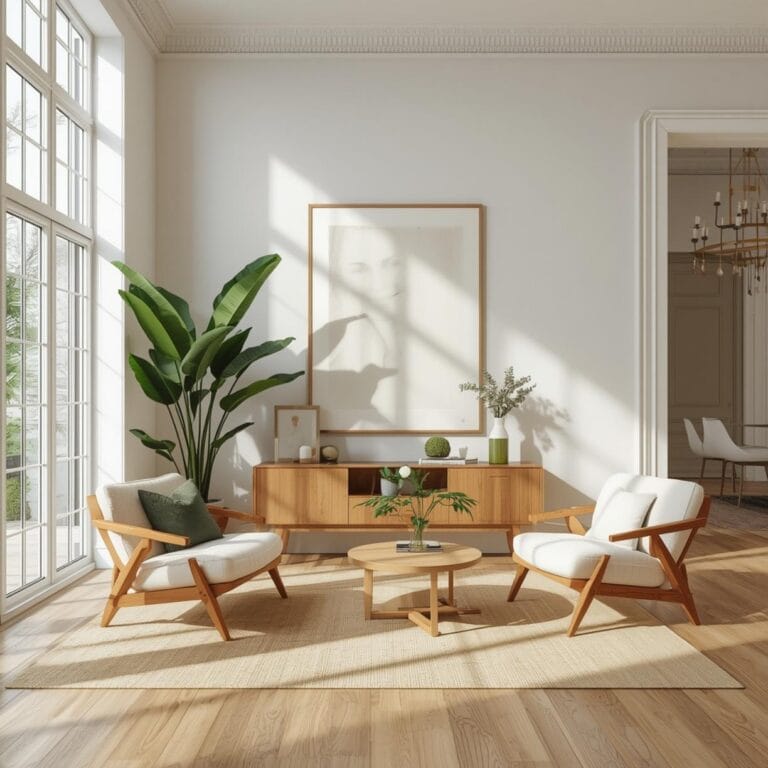
Choose the wall behind your sofa as your accent wall. A soft, cool grey creates the perfect backdrop for colorful throw pillows and artwork. This approach works especially well in open-concept spaces where the living room flows into other areas.
Gallery walls look particularly stunning against grey. The neutral background lets your photos and art take center stage without competing for attention.
3. Shiplap Texture in Light Grey
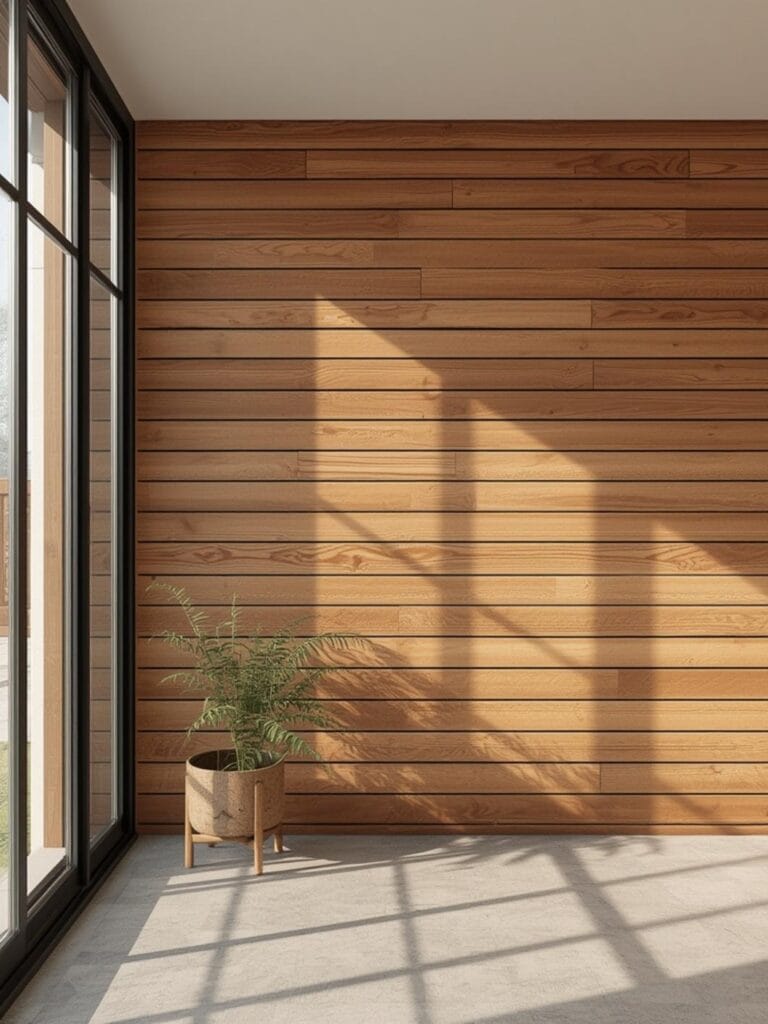
If you’re comfortable with how to paint an accent wall without professional help, consider adding texture first. Install horizontal shiplap boards, then paint them in a light dove grey. This farmhouse-inspired look adds dimension and architectural character.
The texture catches light throughout the day, creating subtle shadows that make your wall feel dynamic. Pair this with natural wood furniture and woven baskets for a cohesive, relaxed aesthetic.
4. Two-Tone with Chair Rail
Install a chair rail at standard height (around 32 inches from the floor). Paint below the rail in a darker slate grey and above in a lighter shade or white. This traditional approach adds elegance and makes standard-height ceilings appear taller.
This technique works beautifully in formal living rooms or spaces where you want to honor traditional architecture.
5. Geometric Accent Design
Tape off a large geometric shape — like a hexagon or asymmetrical rectangle — and paint just that section grey. Leave the rest of the wall white or in your existing color. This modern approach creates a focal point without committing an entire wall to the accent color.
Center your television or a piece of statement furniture within the geometric shape for maximum impact.
6. Floor-to-Ceiling Built-in Backdrop
If you have built-in shelving or bookcases, paint the wall behind them in a deep charcoal grey. The shelves and their contents stand out beautifully against the dark background. Style the shelves with a mix of books, white ceramics, and plants for a curated look.
This approach makes builder-grade shelving look custom and expensive.
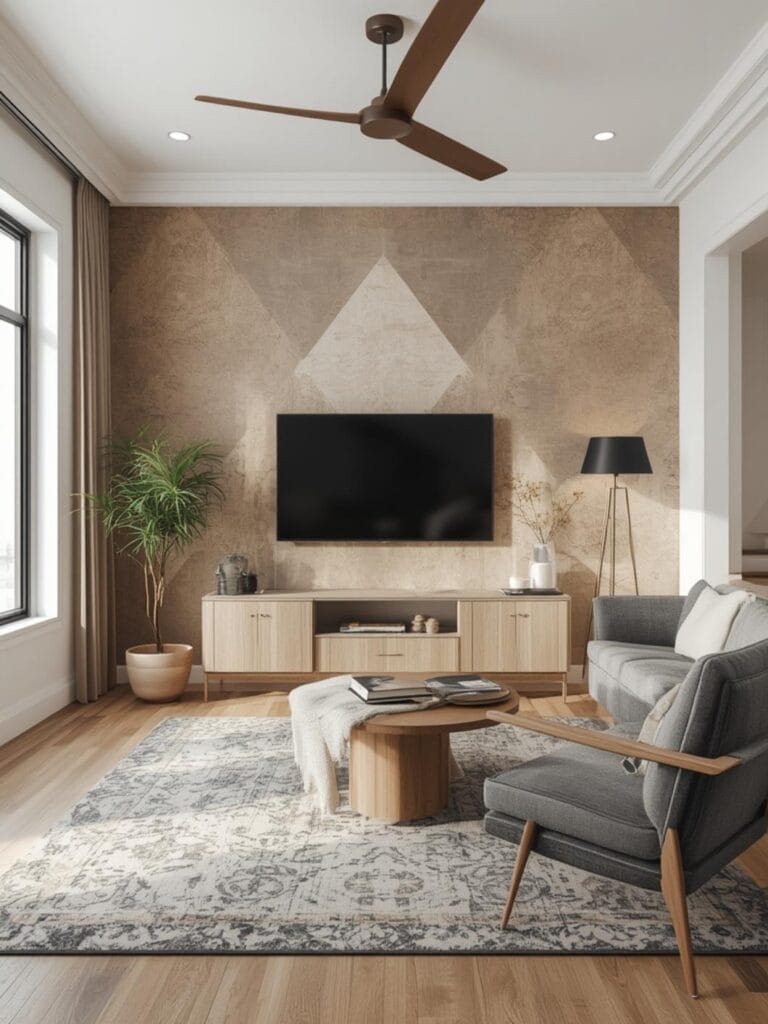
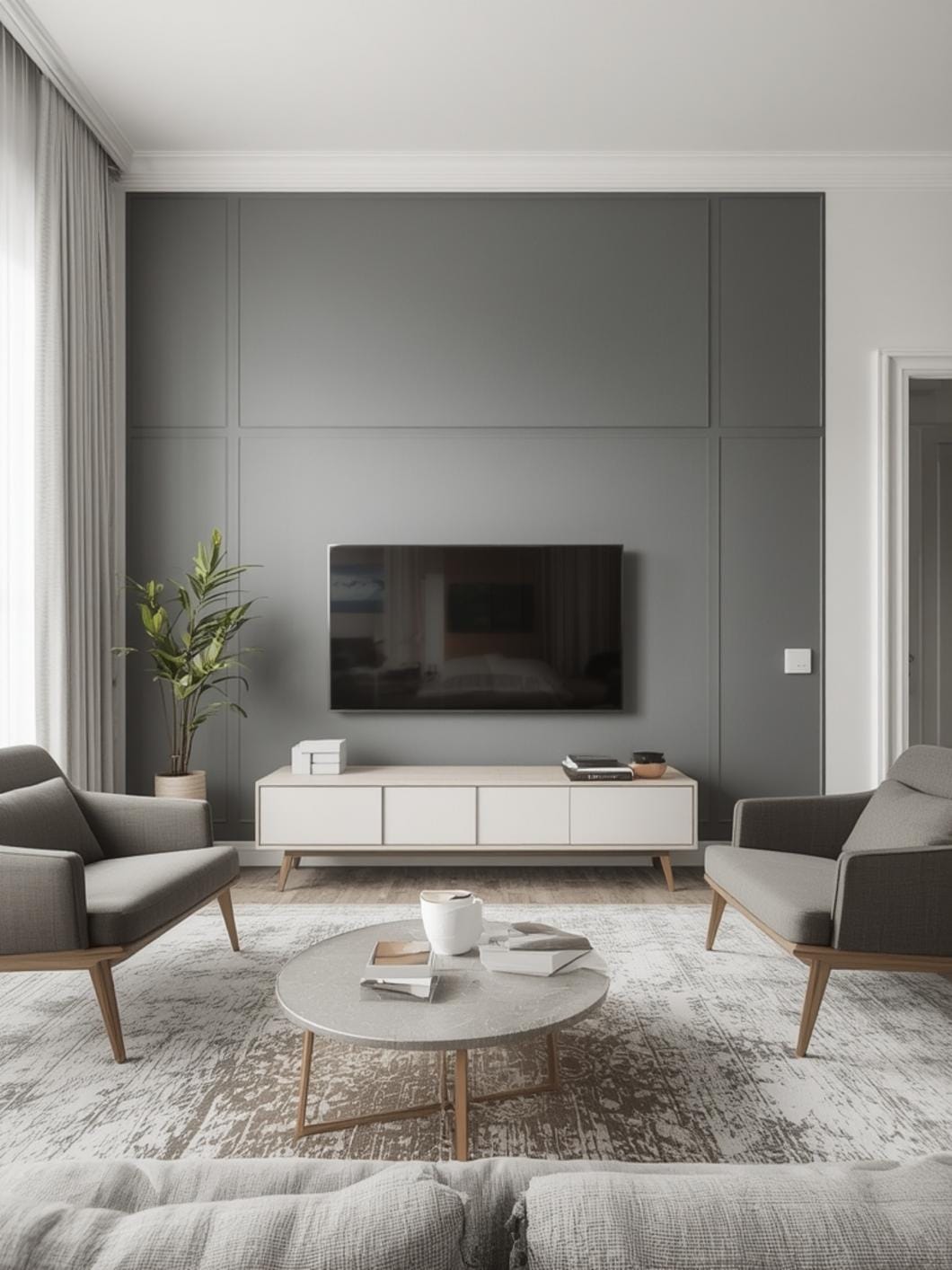
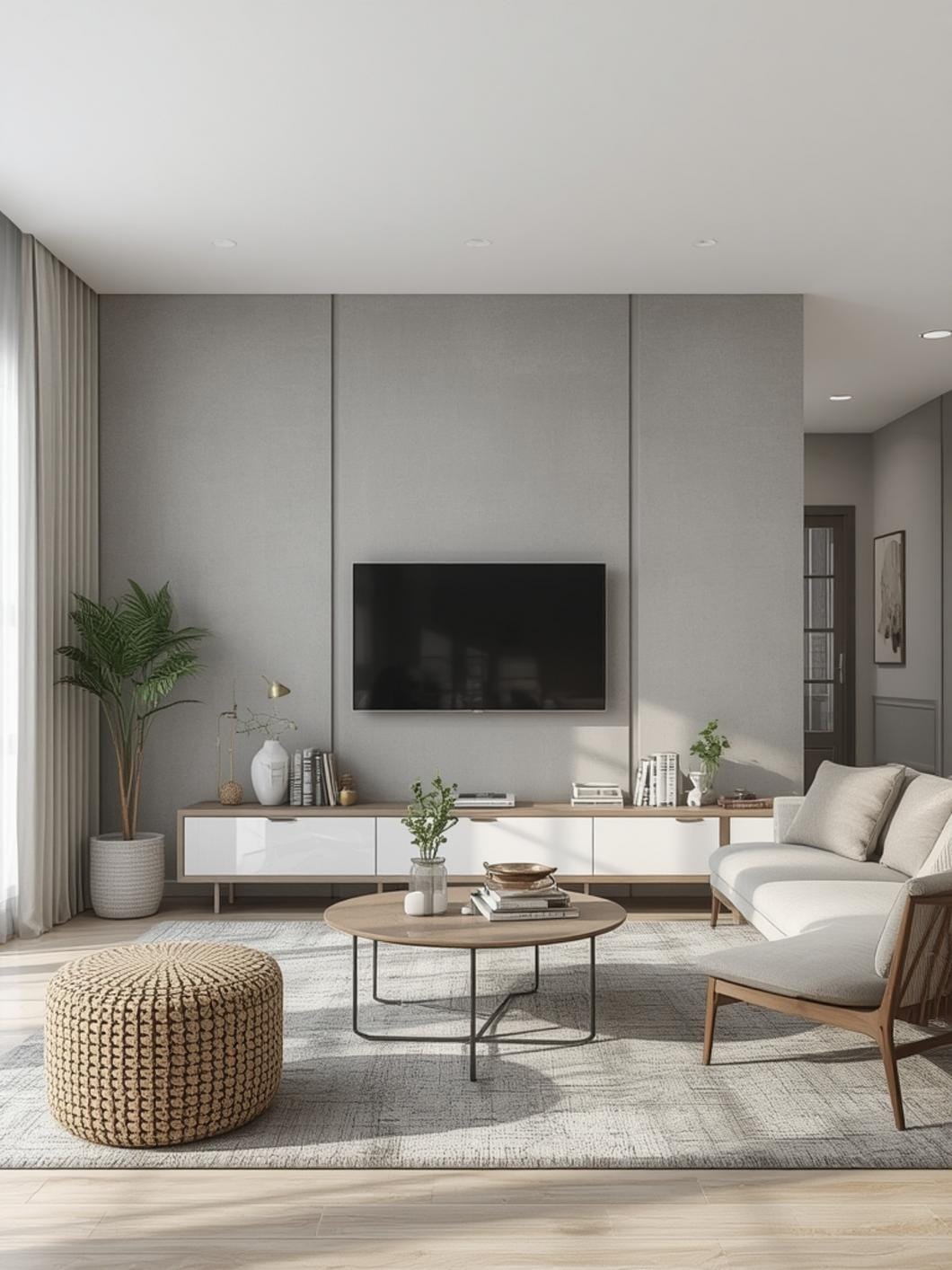
7. Media Wall in Soft Greige
Paint the wall where your television hangs in a warm greige. This grey-beige hybrid is incredibly forgiving — it hides fingerprints and dust better than stark white, and it reduces screen glare. Mount your TV at proper viewing height and add floating shelves on either side for symmetry.
Keep the shelving minimal to avoid visual clutter around your screen.
Benefits of a Grey Accent Wall
A grey accent wall immediately adds sophistication without the commitment of painting your entire room. Grey feels current and timeless simultaneously — it won’t look dated in a few years the way trendy colors sometimes do.
Your existing furniture suddenly looks more cohesive. Grey acts as a unifying element that ties together pieces you may have collected over time. That mismatched chair finally feels intentional rather than random.
Grey accent walls photograph beautifully, making your space more Instagram-worthy. If you ever decide to sell your home, neutral grey appeals to the widest range of buyers. It shows well in listing photos and helps potential buyers envision their own belongings in the space.
The color creates visual depth and dimension. Rooms with accent walls feel more finished and thoughtfully designed. Your guests will notice the difference immediately, even if they can’t quite articulate what changed.
Grey is incredibly forgiving during the painting process too. Small imperfections and roller marks are far less visible than they would be with stark white or bold colors.
Tips, Alternatives, and Styling Advice
Budget-friendly option: Use sample-size paint cans to test multiple grey shades on your wall before committing to a full gallon. Paint large swatches (at least 2 feet by 2 feet) and observe them at different times of day. This fifteen-dollar investment saves you from expensive mistakes.
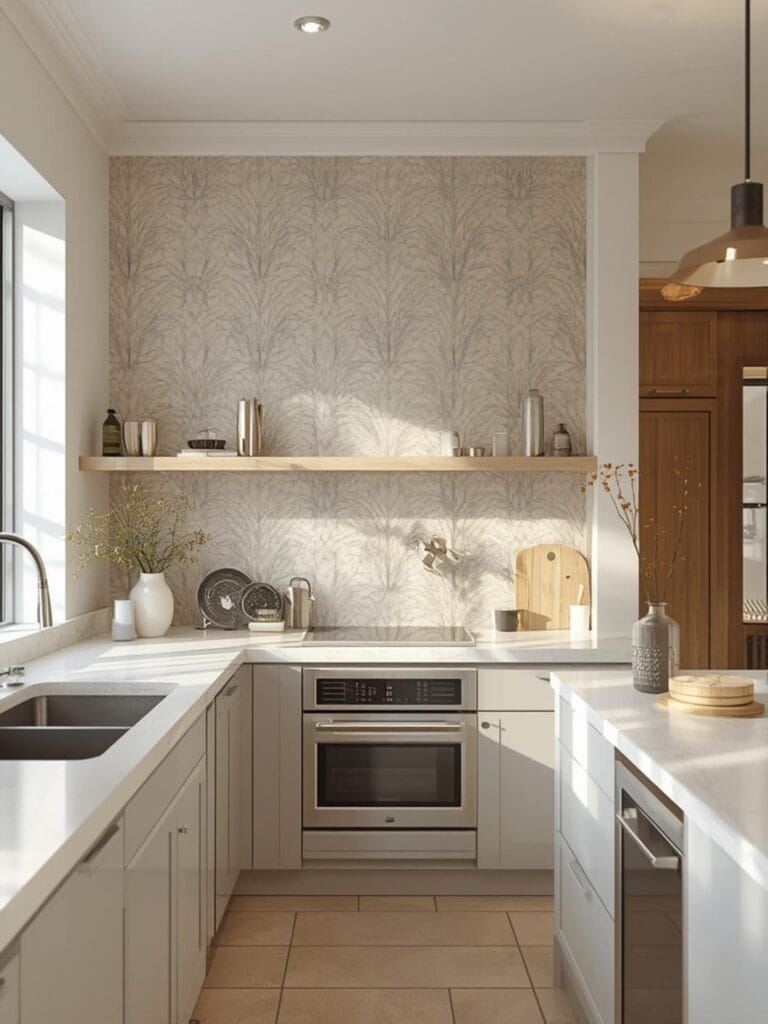
Consider removable wallpaper in grey patterns if you rent or want flexibility. Many peel-and-stick options look remarkably high-end and require zero painting skills.
Mid-range option: Invest in designer-grade paint from brands that offer complex grey formulations. These paints have superior coverage and richer color depth than basic options. You’ll typically need only two coats instead of three or four.
Add picture frame molding to your accent wall before painting. The three-dimensional panels create elegant detailing that looks custom.
Premium option: Hire a decorative painter to add subtle texture or patterns to your grey accent wall. Techniques like color washing or Venetian plaster create depth that flat paint can’t achieve. These finishes look expensive because they are — but they’re stunning conversation starters.
Consider installing board and batten before painting. The vertical lines create farmhouse charm while making your ceilings appear higher.
Small space adaptation: In compact living rooms, paint a narrow vertical section grey instead of an entire wall. This creates a focal point without overwhelming the space. Position your largest piece of furniture against or near this section to anchor the room visually.
Alternatively, paint just the recessed area of a single architectural feature, like an alcove or the space between two windows.
Common Mistakes to Avoid
Choosing grey based solely on the paint chip. Paint chips look completely different under your home’s specific lighting conditions. Always test your chosen grey on the actual wall and observe it for at least 24 hours before committing.
Skipping the primer step. Primer ensures even color coverage and helps your grey look true to the paint chip. Without it, your previous wall color may show through or alter the grey’s undertones.
Painting the wrong wall. The accent wall should be your natural focal point — typically the wall you first see when entering the room or the one behind your main furniture piece. Painting a random wall just because it’s empty creates visual confusion instead of enhancing your space.
Forgetting to remove outlet covers and light switch plates. These small details make the difference between a DIY project that looks homemade and one that appears professional. Take the extra five minutes to unscrew and remove them before you start taping.
Choosing a grey that clashes with your flooring. Cool greys can make warm wood floors look orange, while warm greys might make cool-toned tile look dingy. Bring a flooring sample to the paint store when selecting your grey.
Maintenance and Upkeep Tips
Grey accent walls are remarkably low-maintenance, but a few simple habits keep them looking fresh for years.
Dust your walls monthly using a microfiber duster or the brush attachment on your vacuum. Grey shows dust less than white, but regular cleaning prevents buildup that dulls the color over time.
Keep touch-up paint in a small, labeled container. Flat and matte finishes are easiest to touch up because they blend seamlessly. Eggshell and satin finishes may show slight sheen differences in repaired areas.
Clean smudges and marks immediately with a damp microfiber cloth. For stubborn marks, use a magic eraser sponge very gently — excessive scrubbing can remove paint along with the mark.
Avoid placing furniture directly against your freshly painted accent wall for at least two weeks. Paint needs time to cure fully, and leaning furniture against it too soon can leave impressions or transfer marks.
If you have young children or pets, consider a washable or scrubbable paint finish. These formulations resist staining and stand up to gentle cleaning better than standard flat paints.
Your Grey Accent Wall Journey Starts Now
A grey accent wall transforms your living room from ordinary to magazine-worthy without requiring contractor-level skills or investment. You’ve got all the information you need to choose the perfect shade, plan your project, and create a space that feels intentionally designed.
Start by testing paint samples this weekend. Observe how they look with your furniture, lighting, and existing decor. Trust your instincts — the right grey will feel immediately obvious once you see it on your wall.
Ready to explore more ways to elevate your living spaces? Browse DecorKingdom for hundreds of achievable ideas that make your home feel more you.
FAQs
What shade of grey works best for a living room accent wall?
Medium greys with warm undertones work beautifully in most living rooms because they feel inviting without appearing stark. Look for greys described as “greige” or with names including warm words like taupe or mushroom. These shades complement both modern and traditional furniture styles while creating that cozy, sophisticated atmosphere you’re after.
Should my grey accent wall be lighter or darker than my other walls?
Your accent wall should typically be at least two shades darker than your other walls to create noticeable contrast. If your remaining walls are white or very light, any medium to dark grey will work beautifully. The contrast is what creates visual interest and makes the accent wall feel intentional rather than accidental.
Can I do a grey accent wall if I have grey furniture?
Absolutely — just make sure there’s enough contrast between the furniture grey and wall grey. If you have a light grey sofa, choose a medium or dark grey for your accent wall. Conversely, dark grey furniture looks stunning against a lighter grey wall. The key is avoiding matchy-matchy tones that blend together instead of creating dimension.
How do I pick the right wall in my living room for the accent color?
Choose the wall you naturally look at when you enter the room — this is typically the wall behind your sofa or the one with your fireplace or television. Avoid walls with multiple doors or windows, as these interruptions break up the visual impact. The accent wall should feel like a natural focal point, not an afterthought.
Will a grey accent wall make my small living room feel smaller?
Not if you choose wisely — lighter and medium greys actually make small spaces feel larger by adding depth without closing in the room. Darker charcoal greys can make walls feel closer, so save those dramatic shades for larger living rooms. Consider painting the far wall to create the illusion of additional space.
—
Meta Title: 7 Stunning Grey Accent Wall Living Room Ideas (2026 Guide)
Meta Description: Transform your space with grey accent wall living room ideas that add instant polish. Get 7 achievable styles plus expert tips for homeowners.