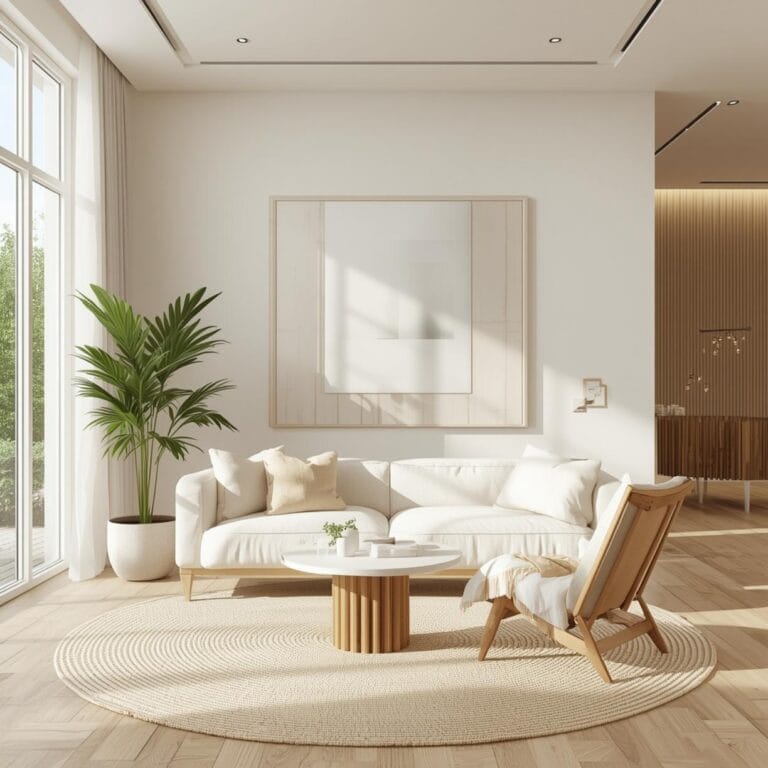
How to Choose the Best Antique Kitchen Fixtures
Have you ever walked into a friend’s kitchen and felt instantly charmed by the little details? Maybe it was a gorgeous curved faucet or a porcelain pull that looked like it came from another era. Those touches tell a story your home might be missing.
Table of Contents
The right Best Antique Kitchen Fixtures can transform your cooking space from generic to genuinely special. You don’t need a complete renovation to add warmth and personality. Sometimes all it takes is swapping out a few key pieces to make your kitchen feel collected over time rather than assembled overnight.
Whether you’re restoring an older home or adding vintage soul to a builder-grade kitchen, antique fixtures offer authenticity that new reproductions just can’t match. Let’s explore how to choose pieces that work beautifully in your real, everyday kitchen.
What You’ll Need to Get the Look
Creating an authentic vintage kitchen starts with understanding which fixtures make the biggest visual impact. You’ll want to focus on pieces that combine function with undeniable charm.
Consider these essential elements:
– Faucet sets with separate hot and cold handles in brass, copper, or nickel finishes
– Cabinet hardware including knobs, pulls, and bin pulls in period-appropriate materials
– Lighting fixtures such as schoolhouse pendants or industrial cage lights
– Sink accessories like soap dishes, towel bars, and drainboard attachments
– Wall-mounted pot racks in wrought iron or aged brass
– Apron-front or farmhouse sinks that complement vintage styling
The finish matters almost as much as the style itself. Unlacquered brass develops a beautiful patina over time, while polished nickel maintains its shine with minimal effort. Oil-rubbed bronze works wonderfully if you’re aiming for a darker, moodier aesthetic.
Don’t forget the smaller touches. Period-correct switch plates, vintage-style hooks, and reproduction ice box latches can tie your whole look together without breaking the budget.
Finding Your Style and Season
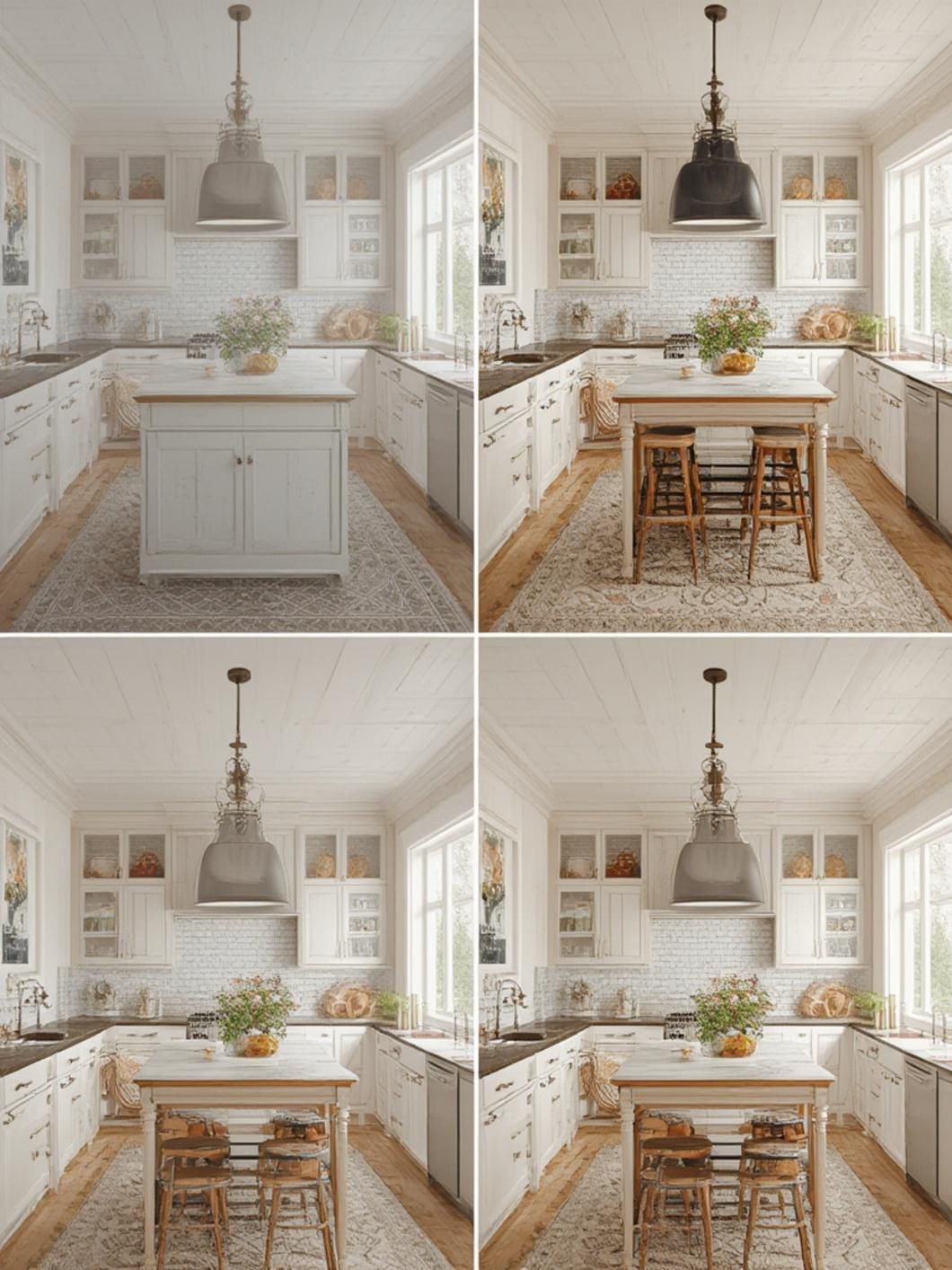
Shopping for antique fixtures works differently than ordering from a catalog. You’re hunting for specific pieces that speak to you, which means patience pays off beautifully.
Spring and fall bring the best opportunities. Estate sales pick up during these seasons, and many homeowners list vintage pieces online when they’re doing seasonal cleanouts. You’ll find better inventory and often better prices during these months.
Think about your kitchen’s existing character before you shop. A 1920s bungalow calls for different fixtures than a farmhouse from the 1890s. Victorian-era pieces feature more ornate details, while Depression-era fixtures lean simpler and more utilitarian.
Consider mixing eras thoughtfully rather than matching everything perfectly. A 1940s faucet can work beautifully with 1920s cabinet hardware if they share similar finishes or design sensibilities. This collected-over-time approach actually feels more authentic than a perfectly matched set.
Weather also affects your hunting strategy. Visit architectural salvage yards on sunny weekends when you can properly inspect finishes outdoors. Natural light reveals oxidation, wear patterns, and restoration needs that fluorescent warehouse lighting might hide.
Seven Ideas to Try in Your Home

Bridge-style faucets create instant focal points. These iconic designs feature a connecting pipe above the deck that bridges the hot and cold valves. They work especially well over farmhouse sinks and immediately establish vintage character. Look for pieces with porcelain cross handles for authentic period appeal.
Wall-mounted antique kitchen sink faucets free up counter space while making a major style statement. These pieces require different plumbing placement, so they work best during remodels or in homes with exposed plumbing. The high-arc spouts provide excellent clearance for filling tall pots.
Schoolhouse pendant lighting adds charm above islands. Original glass shades in milk white or clear bring soft, diffused light exactly where you need it. Hang them at varying heights for visual interest, or keep them level for a more formal look.
Bin pulls on drawers offer both beauty and function. These drop-style handles originally held labels on apothecary and file drawers. They provide easy grip and look spectacular running down a bank of drawers. Mix sizes strategically, using larger pulls on deeper drawers.
Brass pot racks combine storage with vintage appeal. Wall-mounted styles work beautifully in smaller kitchens where ceiling-hung racks might overwhelm. The warm metal finish complements both light and dark cabinetry while keeping your most-used cookware within easy reach.
Porcelain drainboards bring back lost functionality. These integrated drying surfaces attach directly to vintage sinks, creating a practical landing spot for washed dishes. Modern dish racks can’t match their seamless, built-in appeal.
Depression glass cabinet knobs add unexpected color. These pressed glass pieces came in gorgeous greens, pinks, and ambers. Use them sparingly as accents on upper cabinets or mix with metal hardware for an eclectic collected look that feels genuinely vintage.
Benefits That Go Beyond Beauty
Antique kitchen fixtures offer advantages that go deeper than just looking pretty. You’re investing in pieces that were built during an era when quality mattered more than quick manufacturing.
The materials themselves tell the story. Solid brass fixtures develop character as they age rather than deteriorating. Unlike modern chrome that can pit and peel, quality vintage brass can be polished back to glory decades later. You’re choosing pieces designed to last multiple lifetimes.
There’s real satisfaction in rescuing beautiful objects from landfills. Every antique fixture you install is one less piece sitting in a demolition dumpster. You’re preserving craftsmanship and history while creating something uniquely yours.
Your kitchen will stand out from every neighbor’s identical builder installation. Guests notice and remember vintage fixtures because they spark curiosity and conversation. These aren’t just functional items but talking points that make your space memorable.
The tactile experience matters more than you might expect. Turning a heavy brass valve or pulling a substantial bin handle simply feels better than operating lightweight modern hardware. That daily interaction adds small moments of pleasure to ordinary kitchen tasks.
Tips, Alternatives, and Styling Advice
Budget-friendly approach: Start with cabinet hardware, which delivers maximum visual impact for minimal investment. A set of antique knobs and pulls costs far less than replacing plumbing fixtures but dramatically changes your kitchen’s personality. Shop flea markets and online marketplaces for individual pieces rather than matched sets.
Mid-range option: Invest in a statement faucet as your signature piece. Let this be your splurge item, then surround it with more affordable vintage touches. A gorgeous bridge faucet or wall-mount design becomes the anchor that allows simpler hardware and lighting to shine.
Premium route: Commission a restoration specialist to refurbish high-end fixtures specifically for your space. Original Kohler, Crane, or Standard pieces from the early 1900s can be completely rebuilt with new internals while maintaining their exterior beauty. This option gives you authentic antiques with modern reliability.
Small kitchen adaptation: Focus on vertical surfaces when space is tight. Wall-mounted faucets, floating shelves with vintage brackets, and strategic pendant lighting add character without consuming precious counter space. Choose fixtures with slender profiles that don’t visually overwhelm compact areas.
Mix finishes intentionally rather than trying to match everything perfectly. Brass faucets pair beautifully with oil-rubbed bronze hardware if you include one transitional element that bridges both finishes. This approach feels curated rather than catalogue-perfect.
Common Mistakes to Avoid
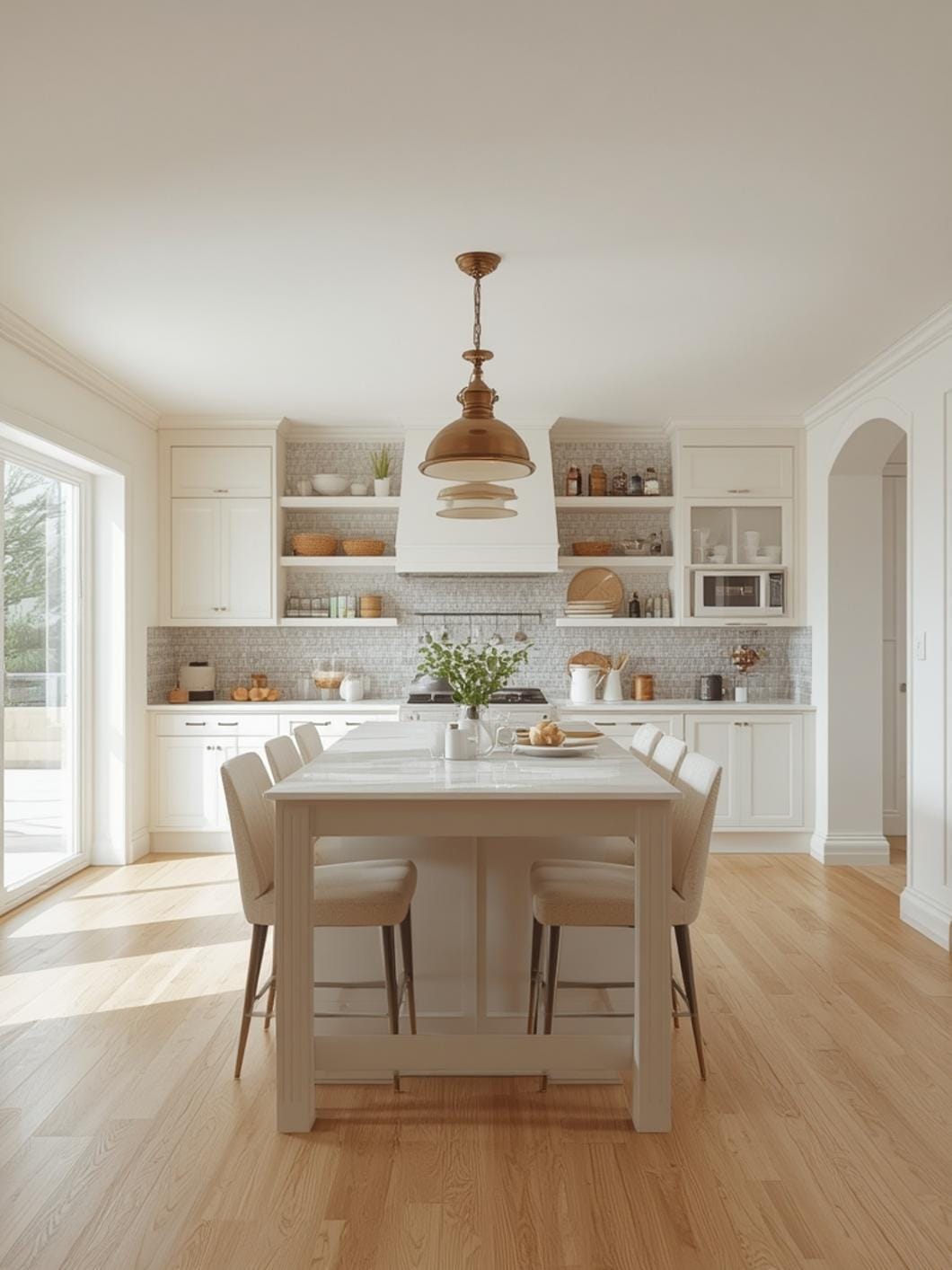
Buying fixtures without checking valve compatibility. Many antique faucets use different stem sizes than modern plumbing expects. Before purchasing, verify that replacement parts exist and that a plumber can adapt the piece to current standards, or you’ll own a beautiful paperweight.
Ignoring finish condition during purchase. Surface wear adds character, but active corrosion causes problems. Examine pieces closely for green oxidation on brass or pitting that goes beyond surface level. Minor tarnish polishes away easily, but deep corrosion requires professional restoration.
Forgetting about scale and proportion. An oversized bridge faucet might look stunning in photos but overwhelm a small sink. Measure your existing setup and compare dimensions carefully. What works in a spacious farmhouse kitchen can dominate a modest galley space.
Installing antique fixtures with modern quick-connect lines. Period pieces need proper threaded connections for stability and longevity. Take the extra time to install appropriate adapters rather than forcing modern shortcuts that can leak or fail.
Mixing too many different eras without a unifying element. A Victorian faucet, Art Deco hardware, and Industrial lighting creates visual chaos. Choose one era as your anchor and let other pieces complement rather than compete, or use finish as your common thread across different periods.
Maintenance and Upkeep Tips
Caring for antique fixtures takes gentle attention rather than harsh modern cleaners. Most vintage pieces respond beautifully to simple maintenance routines you can easily handle yourself.
For brass and copper fixtures, regular dusting prevents buildup that turns into stubborn grime. Use a soft microfiber cloth weekly to keep surfaces clean. When polishing becomes necessary, choose products specifically formulated for unlacquered metals that won’t strip developing patina.
Never use abrasive scrubbers on vintage finishes. Even soft sponges can scratch aged brass or nickel over time. Instead, apply cream cleaners with soft cloths using gentle circular motions. Rinse thoroughly with plain water and dry immediately to prevent water spots.
Mineral deposits around faucet aerators need regular attention in hard water areas. Remove and soak aerators in white vinegar monthly to dissolve buildup. This simple step maintains water flow and prevents internal valve damage from mineral accumulation.
Tighten loose handles promptly before they damage internal components. Most vintage fixtures use simple set screws that tighten with basic Allen wrenches. Addressing minor wobbles immediately prevents expensive repairs later.
Keep moving parts lubricated with appropriate products. Valve stems benefit from occasional applications of plumber’s grease, not general-purpose oils that can degrade rubber washers. This prevents seizing and extends the life of internal components.
Your Kitchen Deserves This Character
Adding antique fixtures brings soul to your kitchen in ways new products simply can’t replicate. You’re not just updating hardware but investing in pieces with history and craftsmanship that will serve your family beautifully for decades.
Start with one statement piece that excites you, then build around it as you discover treasures that complement your vision. Your kitchen will develop character gradually, telling its own unique story.
Ready to discover more ways to bring vintage charm into your home? Explore DecorKingdom for inspiration that helps you create spaces you’ll love living in.
Frequently Asked Questions
Are antique kitchen fixtures actually functional for daily use?
Absolutely, when properly restored and adapted to modern plumbing standards. The key is working with a knowledgeable plumber who can install appropriate adapters and replacement internal components. Many antique fixtures were built with better materials than modern equivalents, so they often outlast contemporary options once properly maintained.
How much should I expect to pay for authentic antique kitchen faucets?
Prices vary wildly based on condition, rarity, and manufacturer. You might find basic wall-mount faucets at estate sales for $50–$150, while restored pieces from premium makers like Kohler or Crane can run $400–$800. Bridge faucets typically cost more due to their complexity. Budget an additional $200–$400 for professional installation and any necessary plumbing adaptations.
Can I mix antique fixtures with modern appliances without looking mismatched?
Yes, and this combination actually creates beautiful contrast. Stainless appliances pair especially well with brass and nickel antique fixtures because the mixed metals add depth. The key is choosing appliances with clean, simple lines rather than heavily styled modern designs. Let your vintage fixtures be the decorative stars while appliances remain functional supporting players.
Where’s the best place to find authentic antique kitchen hardware?
Architectural salvage yards offer the best selection and knowledgeable staff who understand what you need. Estate sales and auctions can yield amazing finds if you’re patient and willing to hunt. Online marketplaces work well once you know exactly what you’re seeking, but inspect pieces carefully upon arrival. Avoid general antique malls where kitchen fixtures often get overpriced as decorative objects rather than functional hardware.
Do antique fixtures meet current building codes and water efficiency standards?
Original fixtures typically don’t meet modern flow-rate requirements, but most can be retrofitted with current aerators that reduce flow while maintaining function. Building codes focus on installation methods rather than fixture age, so properly installed antique pieces pass inspection. Always hire licensed plumbers for installation to ensure code compliance and proper function.
—
Meta Title: Best Antique Kitchen Fixtures That Transform Homes 2026
Meta Description: Discover Best Antique Kitchen Fixtures that add authentic character. From faucets to hardware, find pieces with soul for your kitchen.