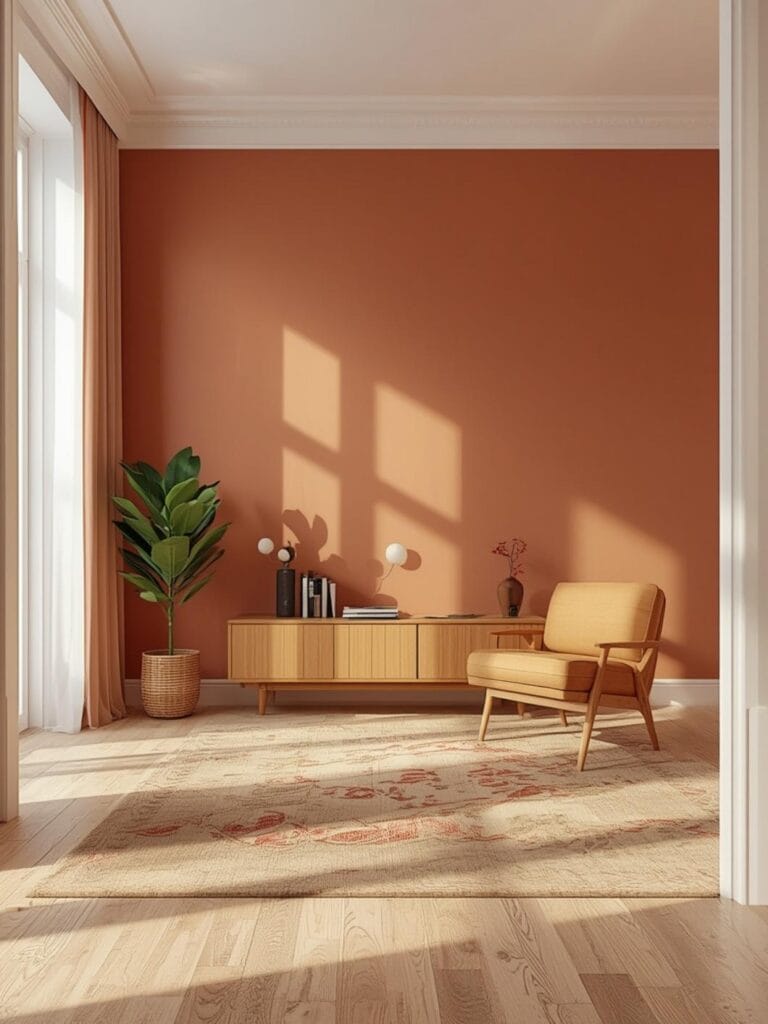
How to Choose Kitchen Table Lighting for Every Space
Picture this: your family gathers around the kitchen table for dinner, but the lighting feels all wrong. Maybe it’s too harsh, casting unflattering shadows on everyone’s faces. Or perhaps it’s too dim, making the beautiful meal you prepared look dull and uninviting.
Table of Contents
Getting your kitchen table lighting right transforms those everyday moments into something special. A Kitchen Table Lighting Guide helps you choose fixtures that not only illuminate your space but also create the warm, welcoming atmosphere your home deserves.
Whether you’re replacing outdated fixtures or lighting a new space for the first time, understanding the basics makes all the difference. Let’s walk through everything you need to know to light your kitchen table beautifully.
What You’ll Need to Get the Look
Creating the perfect kitchen table lighting setup involves more than just picking a pretty fixture. Here’s what you should consider having on hand:
Lighting Fixtures:
– Pendant lights (single large or multiple small)
– Chandelier scaled to your table size
– Track lighting for flexible positioning
– Recessed lighting for layered illumination
Functional Elements:
– Dimmer switch compatible with your bulbs
– LED bulbs in warm white (2700K-3000K)
– Adjustable hanging hardware or chains
– Ceiling medallion for added visual interest
Measurement Tools:
– Measuring tape for proper height placement
– Pencil for marking positions
– Painter’s tape to visualize fixture size
Finishing Touches:
– Decorative bulbs if using open fixtures
– Cord covers for exposed wiring
– Chain shorteners or cord adjusters
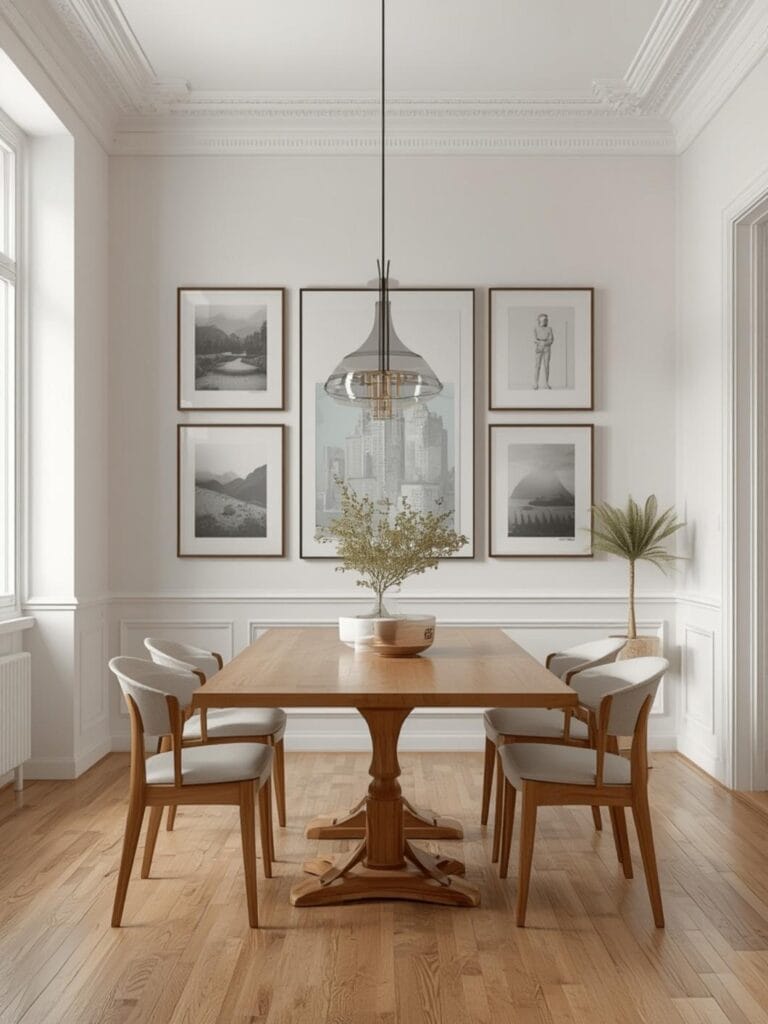
The style of fixture you choose should complement your existing kitchen decor. Industrial pendants work beautifully in modern farmhouse kitchens, while crystal chandeliers elevate traditional spaces. Glass globe pendants offer timeless versatility that works with nearly any style.
Finding Your Style and Season
Your kitchen table lighting should adapt to both your design preferences and how you use the space throughout the year.
Consider Your Daily Rhythm:
Morning breakfast requires bright, energizing light to help everyone start their day. Dinner gatherings benefit from softer, warmer illumination that encourages lingering conversations. Late-night homework sessions need focused task lighting without glare.
Seasonal Mood Shifts:
Spring and summer call for lighter, brighter settings that celebrate natural daylight streaming through windows. Fall and winter evenings feel cozier with dimmed, amber-toned lighting that creates a snug retreat from darker days outside.
Special Occasions:
Holiday dinners deserve adjustable lighting that can shift from functional to festive. Birthday celebrations feel more special when you can dim the lights for cake and candles. Your lighting should work as hard as you do when hosting.
Think about the finish and material of your fixtures too. Brushed brass and gold tones feel warm and inviting year-round. Matte black fixtures offer dramatic contrast that photographs beautifully for those dinner party moments worth sharing.
7 Ideas to Try in Your Home
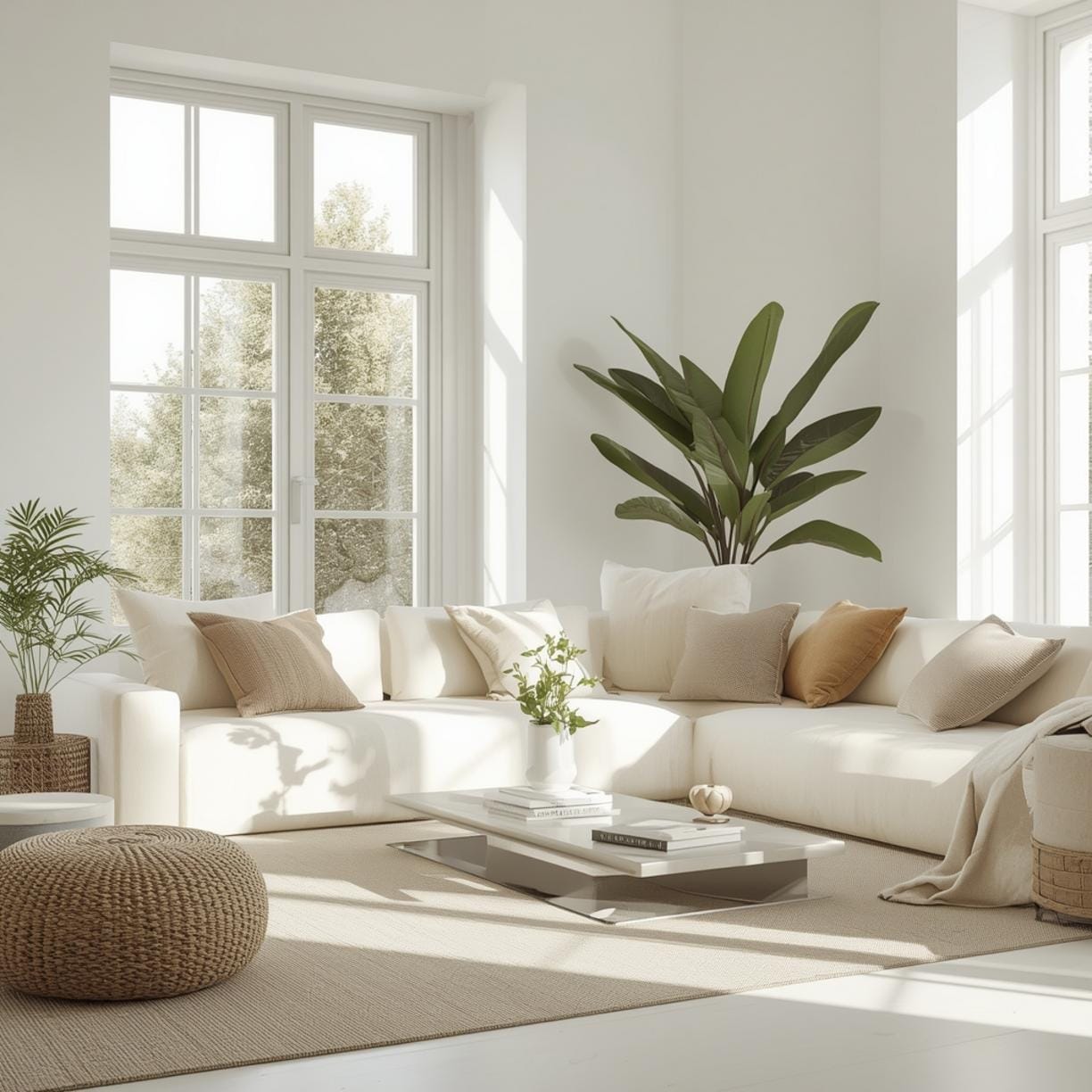
1. Classic Three-Pendant Setup
Suspend three identical pendants in a row above a rectangular table. Space them evenly, keeping 30-32 inches between centers. This arrangement provides balanced illumination while creating visual rhythm. Choose clear glass for a clean look or frosted for softer light diffusion.
2. Statement Chandelier Centerpiece
Position one stunning chandelier directly over the table center. This works especially well with round or square tables where a single focal point makes sense. The fixture should be roughly half to two-thirds the table’s width for proper proportion.
3. Layered Lighting Approach
Combine recessed ceiling lights with lower pendants for ultimate flexibility. The recessed lights provide ambient illumination for cleaning and daytime tasks, while pendants offer intimate dining atmosphere.
4. Linear Suspension Beauty
Install a single linear pendant that runs the length of your table. These sleek fixtures work beautifully over long farm tables or modern dining spaces. They distribute light evenly without visual clutter from multiple hanging fixtures.
5. Mixed Metal Drama
Pair different metallic finishes in complementary tones. Try mixing warm brass with cool brushed nickel for sophisticated contrast. This approach adds depth and personality while still maintaining cohesion through similar shapes or sizes.
6. Adjustable Track Lighting
Mount track lighting parallel to your table with adjustable heads you can redirect as needed. This practical solution works brilliantly in multipurpose spaces where the table serves various functions throughout the day.
7. Dimmer-Controlled Ambiance
Learning how to install dimmer switches for kitchen pendant lights opens up endless mood possibilities. Start by turning off the power at your circuit breaker, then replace your standard switch with a dimmer rated for LED bulbs. This simple upgrade lets you adjust brightness from full task lighting down to intimate dinner glow with just a twist of the dial. Always check that your bulbs are dimmable before purchasing a dimmer switch to avoid frustrating flickering issues.
Benefits You’ll Love Every Day
The right kitchen table lighting does so much more than simply brighten a room. It fundamentally changes how your family experiences this central gathering spot.
Creates Intentional Atmosphere:
Adjustable lighting lets you set the mood for any occasion. Brighten things up for energetic morning routines, then dim down for romantic dinners or relaxed evening conversations. Your space adapts to support whatever your day brings.
Enhances Food Presentation:
Proper lighting makes home-cooked meals look as appetizing as restaurant dishes. Warm light temperatures bring out the natural colors in fresh ingredients, making that salad look crisp and that roast appear perfectly golden.
Defines Your Space:
In open-concept homes, thoughtful table lighting creates visual boundaries without physical walls. The pool of light above your dining area signals this is the designated eating space, helping define different zones within a larger room.
Boosts Home Value:
Updated lighting fixtures signal to potential buyers that a home has been well-maintained and thoughtfully designed. It’s one of those details that subconsciously registers as quality.
Supports Daily Tasks:
From helping kids with homework to sorting mail and paying bills, your kitchen table likely serves many purposes. Proper lighting reduces eye strain and makes all these tasks more comfortable.
Smart Options for Every Budget
Budget-Friendly Approach ($100-$200):
Shop for simple pendant lights from big-box retailers or online marketplaces. Single-shade pendants in basic finishes like matte black or brushed nickel offer timeless appeal without breaking the bank. Pair affordable fixtures with quality LED bulbs for the best light output. Install dimmer switches yourself using basic household tools to add functionality without professional costs.
Mid-Range Sweet Spot ($200-$500):
Invest in designer-inspired fixtures with better materials and finishes. Look for brands offering adjustable hanging lengths and multiple finish options. Consider fixtures with integrated LED technology for long-term energy savings. This price range often includes better hardware and installation components that make hanging easier.
Premium Investment ($500-$1500+):
Choose handcrafted fixtures from lighting specialists or high-end home stores. Custom finishes, hand-blown glass, and unique designs make these pieces true focal points. Premium fixtures often include superior dimming capabilities and come with extended warranties. Consider this investment if your kitchen table serves as a true gathering hub where you spend significant time.
Small Space Adaptation:
Compact tables need proportionally smaller fixtures to avoid overwhelming the space. A single 8-10 inch pendant or a petite chandelier works better than multiple large fixtures. Consider wall-mounted swing-arm lamps positioned above the table as space-saving alternatives. These let you pull light directly over the table during meals, then swing it aside to free up visual space.
Common Mistakes to Avoid
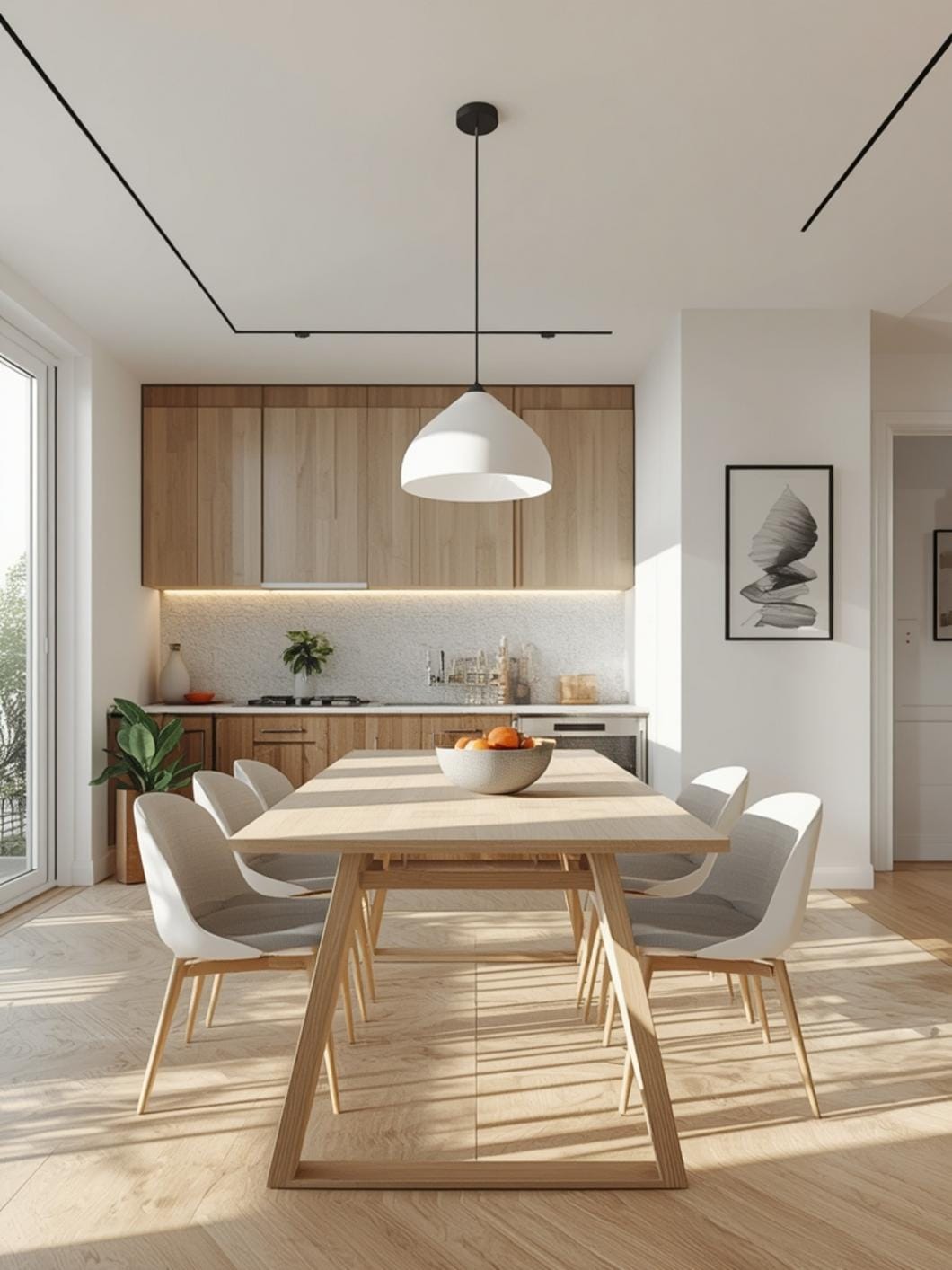
Hanging Fixtures Too High or Low:
Many homeowners guess at hanging height and get it wrong. The bottom of your fixture should sit 30-34 inches above the table surface for comfortable illumination without blocking sightlines across the table. Adjust up slightly for very tall family members or down for intimate spaces.
Choosing the Wrong Size:
An oversized fixture overwhelms a small table, while tiny pendants get lost above large dining surfaces. Measure your table and select fixtures that span roughly one-half to two-thirds the table width for balanced proportions.
Forgetting About Dimming Capability:
Installing beautiful new lights without dimming control is a missed opportunity. Not all LED bulbs work with all dimmers, so verify compatibility before purchasing. This single upgrade adds tremendous versatility to your lighting scheme.
Ignoring Light Bulb Color Temperature:
Cool white bulbs (4000K+) make food look unappetizing and create harsh shadows on faces. Always choose warm white bulbs (2700K-3000K) for dining areas to create an inviting atmosphere that makes everyone look their best.
Overlooking Existing Architecture:
Low ceilings can’t accommodate long pendant drops, while very high ceilings make standard fixtures look lost in space. Consider your specific room proportions when choosing fixture styles and hanging lengths.
Simple Maintenance for Lasting Beauty
Keeping your kitchen table lighting looking its best requires minimal effort with regular attention.
Weekly Dusting:
Use a dry microfiber cloth to wipe down fixture exteriors weekly. This prevents dust buildup that dims light output and makes fixtures look dingy. For hard-to-reach pendants, attach a cloth to an extendable duster.
Monthly Deep Cleaning:
Remove glass shades or globes monthly for proper washing. Use warm water with mild dish soap, rinse thoroughly, and dry completely before reinstalling. This maintains maximum light transmission through the glass.
Bulb Replacement:
Replace LED bulbs when they start flickering or noticeably dimming. Quality LEDs typically last 15,000-25,000 hours, but cheaper versions may fail sooner. Keep spare bulbs on hand to avoid being caught without proper lighting during dinner prep.
Connection Check:
Every few months, verify that pendant cords or chains are securely fastened at the ceiling connection point. Gently tug to ensure nothing has loosened over time. Tighten any decorative finials or covers that may have worked loose.
Dimmer Switch Care:
If your dimmer starts buzzing or behaving erratically, it may need replacement. Most dimmer switches last 10-15 years under normal use, but frequent adjustment can wear them faster.
Make Your Kitchen Table Shine
Your kitchen table deserves lighting that makes every meal feel special and every gathering more memorable. From choosing the right fixture size to adding dimmer controls for mood flexibility, these thoughtful touches create a dining space your family will love using every single day.
Start by measuring your space and table dimensions carefully. Then explore fixture styles that speak to your personal taste while maintaining proper proportions. Don’t forget that warm bulbs and dimming capability make any fixture more versatile and welcoming.
Ready to transform your own kitchen dining area? Explore more inspiring lighting ideas and practical home decor advice right here at DecorKingdom, where beautiful, functional spaces are always within reach.
Frequently Asked Questions
How low should pendant lights hang over a kitchen table?
The bottom of your pendant lights should hang 30-34 inches above the table surface. This height provides adequate illumination for dining while preventing fixtures from blocking conversation sight lines. Adjust slightly higher if you have particularly tall family members or lower for a more intimate feel in smaller spaces.
Can I mix different pendant light styles over one table?
Yes, mixing styles works beautifully when done thoughtfully. Keep one unifying element consistent—like finish color, bulb type, or general scale—while varying shapes or materials. Three mismatched vintage pendants in the same metallic finish create eclectic charm, while identical shapes in different colors offer playful coordination.
What wattage bulbs should I use for kitchen table lighting?
For LED bulbs, aim for 800-1000 lumens total output over your table, which translates to about 60-75 watt incandescent equivalent. Multiple pendant setups can use 300-400 lumens per fixture, while single chandeliers should provide the full brightness. Always choose warm white temperature (2700K-3000K) for the most flattering dining light.
Do I need an electrician to install kitchen table pendant lights?
If you already have a ceiling junction box in the correct location, many homeowners successfully install pendant lights themselves following manufacturer instructions carefully. However, if you need new wiring run or circuit additions, hiring a licensed electrician is essential for safety and code compliance.
How do I choose between one large fixture or multiple small pendants?
Your table shape guides this decision naturally. Round and square tables look balanced with single centered fixtures, while rectangular tables benefit from multiple pendants arranged in a line. Consider your ceiling height too—lower ceilings often look better with multiple small fixtures rather than one large piece that dominates the space.
—
Meta Title: Kitchen Table Lighting Guide: Perfect Fixtures 2026
Meta Description: Transform dinners with our Kitchen Table Lighting Guide. Find the right fixture size, height, and style for your space today.