How to Choose Kitchen Wall & Sconce Lighting
You’ve been scrolling through kitchen inspiration photos and keep noticing one stunning detail: beautiful light fixtures glowing softly above cabinets or framing doorways. Those aren’t just regular lights—they’re sconces, and they’re transforming ordinary kitchens into magazine-worthy spaces.
Table of Contents
Kitchen Wall & Sconce Lighting adds a layer of sophistication that overhead lights simply can’t match. While your ceiling fixtures handle the heavy lifting of illumination, wall sconces create ambiance, highlight architectural features, and make your kitchen feel warm and inviting after the sun goes down.
The best part? You don’t need to be an interior designer to pull off this look. With a bit of planning and the right approach, you can bring that designer touch into your own home.
What You’ll Need to Get the Look
Creating beautiful kitchen sconce lighting starts with choosing the right pieces and understanding what works in your space.
Lighting fixtures:
– Wall sconces in your preferred style (farmhouse, modern, industrial, traditional)
– Dimmable LED bulbs that match your desired color temperature
– Sconce shades or covers if not included with fixtures
Installation considerations:
– Existing junction boxes or electrical access points
– Mounting hardware appropriate for your wall type
– Wire covers or paintable raceways if surface-mounting
Styling elements:
– Coordinating finishes with cabinet hardware
– Decorative items to display near the lighting
– Paint or wallpaper to enhance the illuminated area
Your sconces should complement your kitchen’s existing style rather than compete with it. If you have brushed nickel cabinet pulls, brass sconces might look out of place unless you’re intentionally mixing metals.
Finding Your Style and Season
Kitchen sconce lighting works year-round, but certain styles shine in different contexts.
Spring and summer call for lighter, airier sconce designs. Glass shades, white finishes, and minimal designs keep things feeling fresh. Position them to highlight open shelving with white dishes or seasonal greenery.
Fall and winter are perfect for warmer, cozier sconce choices. Bronze finishes, Edison bulbs, and more substantial designs create that hygge feeling everyone craves when it’s cold outside. The amber glow bouncing off upper cabinets makes your kitchen feel like the heart of the home.
Consider your lifestyle timing too. If you’re an early riser who makes coffee before dawn, sconces provide gentle illumination without the harsh glare of overhead lights. Evening entertainers love how sconces create ambient lighting that makes guests feel welcome while keeping the space functional.
The beauty of sconces is their flexibility. Unlike recessed lighting that requires major construction, wall-mounted fixtures can be changed as your style evolves.
7 Ideas to Try in Your Home
The Classic Above-Cabinet Installation
When thinking about how to install wall sconces above kitchen cabinets, placement is everything. Mount sconces 12–18 inches above your upper cabinets to cast light upward, creating a soft glow that makes standard-height ceilings feel taller. Choose fixtures with upward-facing shades for maximum ceiling wash effect.
This works beautifully in kitchens with the standard gap between cabinets and ceiling. The light bounces off the ceiling and creates an almost ethereal quality that makes the entire room feel more spacious.
Flanking a Window or Pass-Through
Install matching sconces on either side of a kitchen window or pass-through opening. This frames the architectural feature and adds symmetry that our eyes naturally find pleasing. Use fixtures that extend 4–6 inches from the wall to ensure they don’t look crowded.
Corner Accent Lighting
Don’t ignore those awkward corners where upper cabinets end. A single sconce mounted on the perpendicular wall creates visual interest and illuminates that often-dark space. This is especially effective if you have decorative items or cookbooks displayed on top of cabinets.
Range Hood Companions
Mount sconces on the walls adjacent to your range hood at roughly the same height. This creates a gallery-like effect and provides task lighting for your primary cooking area without adding more overhead fixtures. Choose heat-resistant materials if they’ll be within three feet of cooking surfaces.
Open Shelving Illumination
If you’ve replaced upper cabinets with open shelving, install sconces directly above or below the shelves to highlight your displayed items. Downward-facing sconces eliminate shadows and make everything from your grandmother’s china to your trendy coffee mug collection look intentional.
Breakfast Nook Drama
Transform your kitchen eating area by installing sconces on the wall behind your breakfast nook or banquette. This creates an intimate dining experience separate from the functional cooking zone. Dimmer switches here are essential for mood control.
Cabinet Side Panels
If your kitchen design includes decorative end panels on cabinet runs, these vertical surfaces are perfect for sconces. Mount fixtures at eye level (around 60–66 inches from the floor) to create visual breaks in long stretches of cabinetry.
The key to all these installations is working with existing electrical access when possible. If you’re not comfortable with electrical work, a licensed electrician can typically install each sconce in 30–60 minutes.
Benefits / Advantages
Kitchen sconces do more than just look pretty—they genuinely improve how you experience your kitchen every day.
The layered lighting effect makes food preparation safer and more enjoyable. Instead of relying solely on overhead lights that cast shadows exactly where you’re working, sconces fill in those dark spots from different angles.
Your kitchen will photograph better too. If you share your space on social media or plan to sell your home someday, professional-looking lighting makes everything more appealing. Real estate photographers love sconces because they add dimension to listing photos.
Energy efficiency improves when you can selectively light areas instead of always using every overhead fixture. Running two sconces with LED bulbs costs pennies per month while creating the ambiance you want.
Perhaps most importantly, sconces make your kitchen feel custom and considered. They signal that someone thoughtfully designed this space rather than just accepting whatever the builder installed.
Tips, Alternatives, Styling Advice
Budget-Friendly Approach
Start with plug-in sconces that don’t require electrical work. Modern versions look nearly identical to hardwired fixtures and cost $40–$80 each. Use attractive cord covers painted to match your walls for a cleaner appearance. This gives you the sconce look while you save for permanent installation.
Mid-Range Option
Invest in quality hardwired fixtures ($100–$200 each) and have them professionally installed. Choose classic designs rather than ultra-trendy styles so they’ll look current for years. Brushed nickel, matte black, and oil-rubbed bronze remain timeless finish choices.
Premium Experience
Consider smart sconces with integrated dimming and color temperature control ($200–$400 each). These connect to your home automation system and let you adjust the lighting mood from your phone. Some models even sync with your circadian rhythm, providing cooler light in the morning and warmer tones at night.
Small Kitchen Adaptation
In compact kitchens, even one pair of sconces makes a dramatic difference. Mount them on your longest uninterrupted wall to draw the eye horizontally, making the space feel wider. Choose slim-profile fixtures that don’t protrude more than 4 inches from the wall.
Rental-Friendly Solution
Battery-operated LED sconces have improved dramatically. While they won’t provide as much light as hardwired versions, they create the same visual impact and require zero installation. Reserve them for decorative rather than task lighting purposes.
Common Mistakes to Avoid
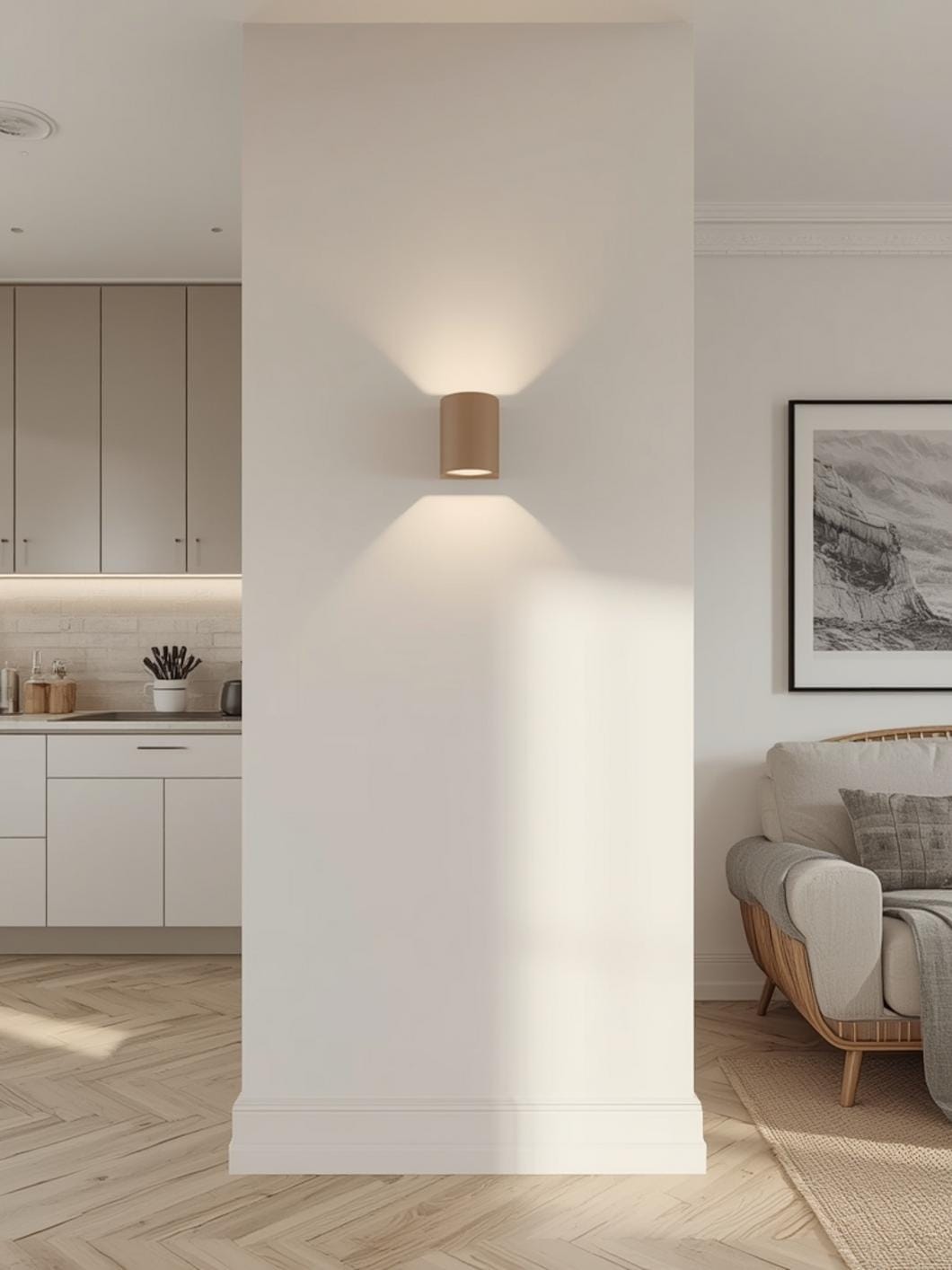
Installing sconces at the wrong height creates awkward proportions and reduces functionality. Measure carefully and use painter’s tape to mark proposed locations before making any holes—live with the tape placement for a few days to ensure it feels right.
Choosing sconces that are too large or too small for the space throws off the entire design. A good rule of thumb: the fixture width should be roughly one-third the width of the area you’re illuminating, whether that’s the space above cabinets or the width between cabinets and ceiling.
Forgetting about bulb temperature makes even beautiful fixtures look harsh or dingy. Kitchen sconces generally look best with bulbs in the 2700K–3000K range, which provides warm white light that makes food and faces look natural and appealing.
Mixing too many finish types creates visual chaos rather than collected character. Stick to two metal finishes maximum throughout your kitchen lighting—your sconces, pendants, cabinet hardware, and faucet should coordinate even if they’re not identical.
Installing sconces without dimmer switches limits their usefulness significantly. The ability to adjust brightness transforms sconces from decorative accents into functional mood lighting that works morning, noon, and night.
Maintenance / Upkeep Tips
Keep your kitchen sconces looking beautiful with minimal effort.
Dust fixtures monthly with a microfiber cloth or duster with an extendable handle. Kitchen environments attract grease particles that settle on all surfaces, so don’t skip this even if they look clean.
Deep clean glass or metal shades every three months by removing them (when fixtures are cool and power is off) and washing with warm soapy water. Dry completely before reinstalling to prevent water spots.
Replace LED bulbs when they dim noticeably rather than waiting for complete failure. Modern LEDs last 15,000–25,000 hours, but they gradually lose brightness over time. Fresh bulbs ensure consistent light quality.
Check mounting hardware annually by gently pulling on the fixture base. If anything feels loose, tighten mounting screws before the fixture works its way free from the wall. This is especially important for heavier sconces.
Wipe down visible cords or cord covers on plug-in models when you clean nearby surfaces. Dust and grease buildup on white cords becomes very noticeable over time.
Conclusion
Kitchen wall and sconce lighting transforms your cooking space from purely functional to genuinely inviting. The soft ambient glow, the architectural interest, and the layered lighting effect all work together to create a kitchen you’ll love spending time in.
Whether you start with one pair of sconces flanking a window or commit to a whole lighting redesign, you’re making a choice that enhances both beauty and function. Your kitchen deserves lighting that makes you smile when you walk in for that first cup of coffee.
Ready to brighten more spaces in your home? Explore more lighting inspiration and practical decorating advice here at DecorKingdom.
FAQs
Can I install wall sconces in a kitchen without existing electrical boxes?
Yes, you have several options. Plug-in sconces are the easiest solution for renters or DIYers, though you’ll need accessible outlets. For permanent installation without existing boxes, hire an electrician to run new wiring or consider battery-operated LED sconces for decorative accent lighting that doesn’t require any electrical work.
How far apart should I space sconces above kitchen cabinets?
Space sconces 3–4 feet apart for even light distribution in most kitchens. If your cabinet run is 8 feet or less, two sconces work well. For longer spans of 12–15 feet, consider three sconces evenly distributed. The goal is avoiding both dark gaps and overly bright clusters.
Do kitchen sconces provide enough light for cooking tasks?
Kitchen sconces work best as ambient or accent lighting rather than primary task lighting. They beautifully complement under-cabinet lights and overhead fixtures but shouldn’t be your only light source near work surfaces. Think of them as the supporting cast that makes your kitchen feel complete rather than the star performers.
What wattage bulbs should I use in kitchen wall sconces?
LED bulbs in the 40–60 watt equivalent range (actual draw of 5–10 watts) work well for most kitchen sconces. Choose higher lumens (600–800) if the sconces are your primary lighting in an area, or lower (300–400) if they’re purely decorative. Always check your fixture’s maximum wattage rating before installing bulbs.
Can I mix sconce styles with my existing pendant lights?
Absolutely, as long as they share some common element like finish color, era, or overall design aesthetic. Your sconces don’t need to match your pendants exactly—in fact, identical fixtures everywhere can look overly matchy. Aim for coordination rather than duplication, letting each fixture type shine in its designated role.
—
Meta Title: Kitchen Wall & Sconce Lighting Ideas That Wow (2026)
Meta Description: Kitchen Wall & Sconce Lighting adds warmth and style above cabinets. Get 7 designer-worthy ideas plus installation tips for homeowners.