How to Choose Economy Home Decor for 2026
Living paycheck to paycheck doesn’t mean your home has to look like it. You deserve a space that feels warm, personal, and put-together—even when your bank account says otherwise. The good news? Economy home decor 2026 is all about making smart choices that stretch every dollar without sacrificing style.
This year’s trends are finally working in your favor. Thrift stores are gold mines. DIY projects are simpler than ever. And homeowners everywhere are proving that a beautiful home has nothing to do with how much you spend and everything to do with how you spend it.
Table of Contents
Let’s explore how you can refresh your space without the financial stress.
What You’ll Need to Get the Look
You don’t need a shopping spree to create a home you love. Start with what you already own and add thoughtfully from there.
Thrifted and Secondhand Finds:
– Vintage frames for gallery walls
– Pre-loved furniture with good bones
– Ceramic vases and planters
– Neutral throw pillows and blankets
– Books with beautiful spines for styling
Budget-Friendly Basics:
– Peel-and-stick wallpaper samples
– Paint samples in trending colors
– Dollar store glass containers
– Command strips and removable hooks
– LED string lights or battery-operated candles
Nature’s Free Decor:
– Branches and dried grasses
– Pinecones and acorns
– Collected stones or shells
– Fresh greenery clippings
– Pressed flowers or leaves
The key is mixing free or nearly-free items with a few intentional purchases. Your home should tell your story, not a catalog’s.
Finding Your Style and Season
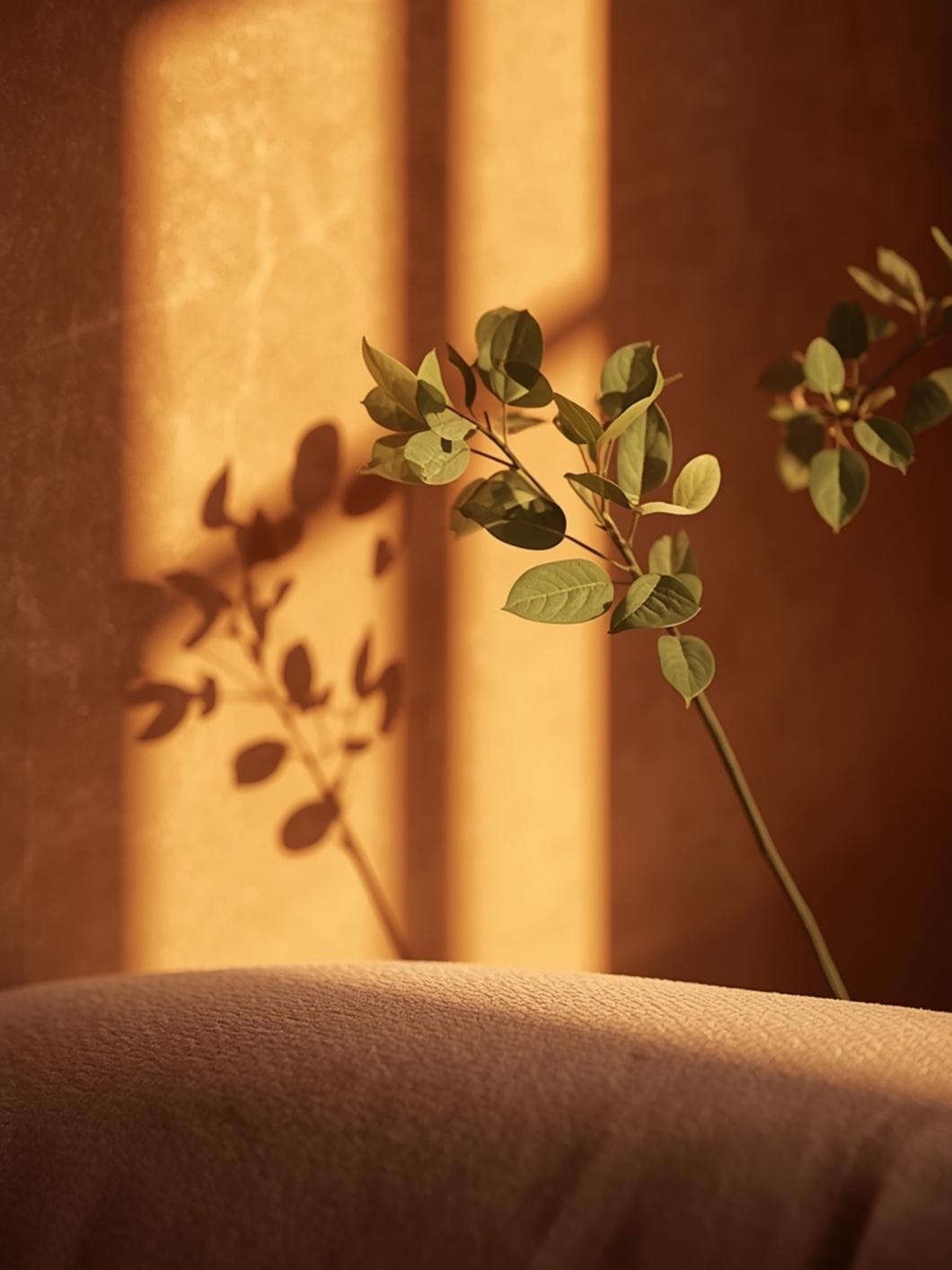
Decorating on a budget means being strategic about when and how you refresh your space. The seasons offer natural inspiration that costs nothing.
Spring and Summer: Focus on light, airy feels. Swap heavy curtains for sheer panels you can find at thrift stores. Bring in branches with fresh buds. Rearrange furniture to maximize natural light. These changes cost little but transform how your home feels.
Fall and Winter: Embrace cozy textures. Layer blankets you already own. Move seating closer together. Display pinecones in bowls. Light candles more often. The warmth comes from how you use your space, not what you buy.
Year-Round Approach: Choose one room per season to refresh. This spreads costs over the year and prevents overwhelm. Your bedroom in spring, living room in summer, kitchen in fall, and entryway in winter creates a rhythm of renewal without breaking the bank.
Timing also means shopping smart. Hit thrift stores on weekday mornings when inventory is freshly stocked. Check community buy-nothing groups before buying anything new.
7 Ideas to Try in Your Home
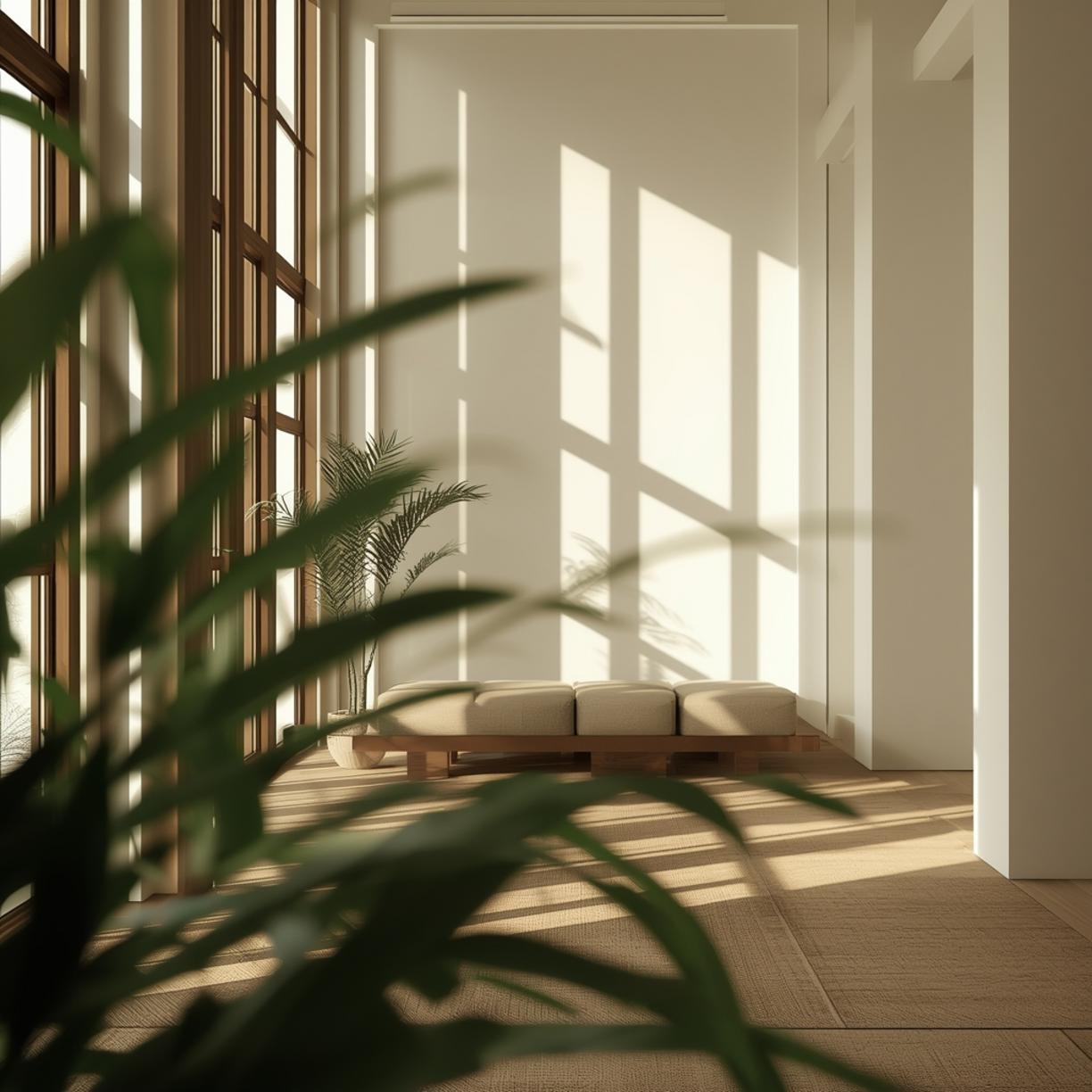
These practical ideas work in real homes with real budgets. Pick one that speaks to you and start there.
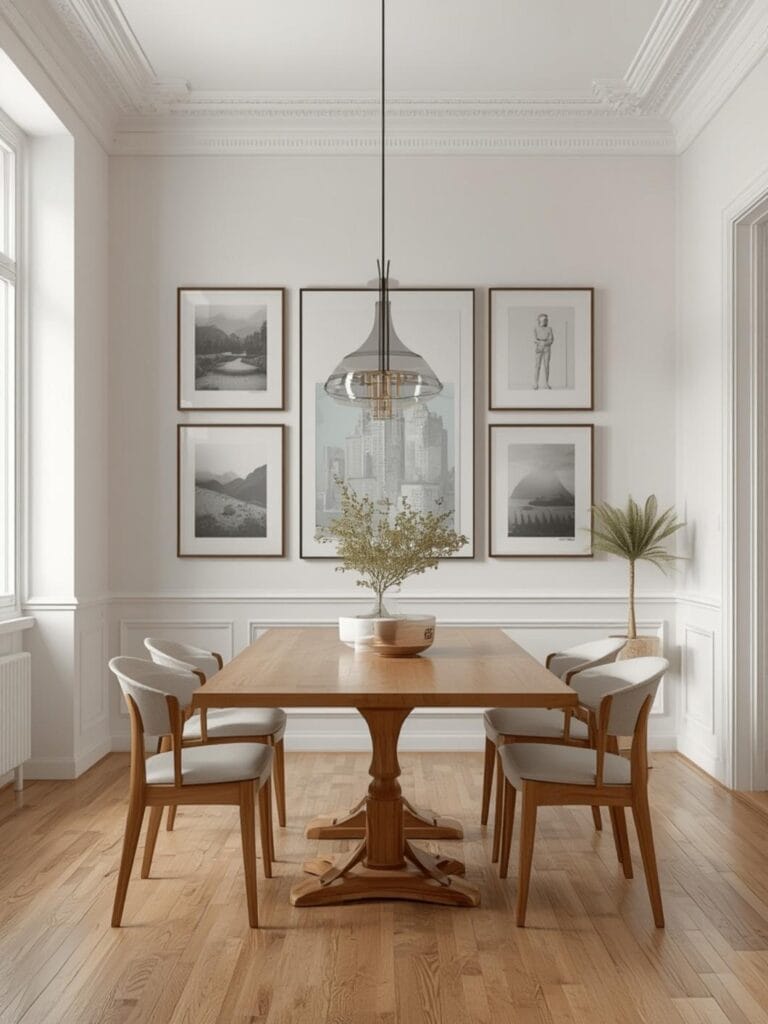
Create a Gallery Wall with What You Have: Pull out photos, kids’ artwork, postcards, and magazine pages you love. Mix frame styles from thrift stores or go frameless with washi tape. This budget-friendly home makeover on tight income costs almost nothing and fills empty walls with personality.
Paint One Accent Wall: A single gallon of paint runs under twenty dollars and completely changes a room’s mood. Choose the wall you see first when entering. Bold colors work beautifully when contained to one surface.
Rearrange Your Furniture: This costs zero dollars and might be the most impactful change you make. Pull seating away from walls. Create conversation areas. Angle pieces to improve flow. You’ll rediscover your space.
Style Open Shelving Intentionally: Remove half of what’s currently displayed. Group items in odd numbers. Add height variation with books or small boxes. Negative space is free and makes everything look more expensive.
Layer Textiles: Drape a blanket over your couch arm. Add a table runner you sew from fabric scraps. Place a bath mat outside your shower instead of inside. Layers create depth and comfort without major purchases.
Bring the Outdoors In: Collect branches, grasses, or interesting leaves on walks. Display them in jars or vases you already own. Natural elements add life and change with the seasons—for free.
Upgrade Your Lighting: Swap harsh overhead bulbs for warm LED options. Add a thrifted lamp to a dark corner. String battery-operated lights in unexpected places. Good lighting makes budget furniture look designer.
Each idea works alone or combined. Start small and build confidence as you go.
Benefits of Economy Decorating
Decorating on a budget teaches you skills that serve you forever. You learn to see potential instead of just price tags.
You Develop Real Style: When you can’t just buy everything new, you’re forced to make intentional choices. This builds a home that actually reflects who you are, not who stores tell you to be. Your space becomes uniquely yours.
Stress Decreases: Financial anxiety affects everything, including how you feel at home. When decorating doesn’t drain your bank account, your home becomes a source of peace instead of stress. You can enjoy what you’ve created without guilt.
Creativity Flourishes: Budget constraints spark innovation. You find solutions that people with unlimited money would never discover. That becomes your edge—a home that’s interesting because you had to think differently.
You Build Confidence: Every successful budget project proves you’re capable. Over time, you trust your eye and your instincts. That confidence extends beyond decorating into other areas of life.
The best part? Your home looks great and you can still pay your bills. That’s a win worth celebrating.
Tips, Alternatives, and Styling Options
Different budgets require different approaches. Here’s how to work with whatever you have.
Ultra-Budget Option: Focus entirely on rearranging, decluttering, and using what you own. Shop your own home first. Move decor from one room to another. This costs nothing and creates surprising freshness. Add free natural elements for organic beauty.
Small Monthly Budget: Set aside twenty to thirty dollars monthly for thrift store finds. Be selective—one great piece beats five mediocre ones. Save for three months if needed to afford something you really love. Patience pays off in better choices.
Occasional Splurge Approach: Save budget decorating for most rooms, then invest in one statement piece per year. Maybe a quality couch in year one, a beautiful rug in year two. This creates a foundation that elevates everything around it.
Small Space Advantage: Less square footage means fewer items needed. Focus on multi-functional pieces. A ottoman with storage. A mirror that reflects light. Every item should earn its place.
Rental-Friendly Options: Use removable solutions exclusively. Peel-and-stick wallpaper, command hooks, and furniture arrangements that don’t require holes. You can take your style with you when you move.
Remember that style isn’t about spending—it’s about editing. The items you choose not to bring home matter as much as the ones you do.
Common Mistakes to Avoid
Even budget decorating has pitfalls. Here’s how to sidestep them.
Buying Too Much at Once: It’s tempting to fill every empty space immediately, but that leads to clutter and regret. Instead, live with a space for a few weeks before adding more—you’ll discover what you actually need.
Choosing Trendy Over Timeless: That viral decor item might feel essential today but dated next year. Stick with neutral foundations and add personality through easily-swapped accents that cost less to replace.
Ignoring Quality Completely: Budget doesn’t mean accepting junk that breaks immediately. A sturdy thrift store chair beats a flimsy new one that collapses in six months—invest time finding quality secondhand instead.
Forgetting Scale and Proportion: A tiny piece of art on a huge wall looks lost, while oversized furniture overwhelms small rooms. Measure your space and consider scale before bringing anything home, even if it’s free.
Skipping the Cleaning Step: Thrifted and DIY items need proper cleaning before display. A beautiful vintage frame loses its charm covered in dust—take time to clean and prep everything you bring in.
These mistakes are easy to make but just as easy to avoid with a little planning.
Maintenance and Upkeep Tips
Keeping your budget-friendly home looking great doesn’t require expensive upkeep. Simple habits make all the difference.
Dust and Clean Regularly: Budget decor shows neglect quickly. A weekly dusting routine keeps thrifted treasures looking intentional instead of forgotten. Use a microfiber cloth and water—no special products needed.
Rotate Seasonal Elements: Store away items that don’t match the current season. This keeps your home feeling fresh and prevents visual clutter. Use clear bins so you remember what you have.
Touch Up Paint as Needed: Keep leftover paint for quick touch-ups. A five-minute fix prevents a whole room from looking tired. This small effort extends the life of your paint job by years.
Refresh Textiles: Wash throw pillows and blankets regularly. They collect dust and lose their appeal when dingy. Clean textiles make budget furniture look more expensive.
Rearrange Quarterly: Move a few pieces around every few months. This free refresh keeps your space feeling new without any purchases. It also helps you notice what’s working and what isn’t.
Maintenance takes minutes but saves money in the long run. Treat budget finds with care and they’ll serve you well.
Create Your Dream Home Today
Economy decorating isn’t about settling—it’s about getting creative with what you have and being smart about what you add. Your income doesn’t define your home’s potential. Your vision does.
Start with one room, one corner, or even one shelf. Small wins build momentum. Before long, you’ll have a home that feels expensive, personal, and completely yours—all while staying financially comfortable.
Ready to explore more budget-friendly ideas? DecorKingdom has hundreds of practical tips to help you create the home you deserve without the financial stress.
FAQs
How can I make my home look expensive on a tight budget?
Focus on decluttering first—removing excess makes everything look more intentional. Add one or two quality thrifted pieces rather than many cheap items. Good lighting and a fresh coat of paint in one room transform spaces for under fifty dollars total.
What are the best places to find cheap home decor in 2026?
Thrift stores remain unbeatable for unique finds at low prices. Community buy-nothing groups and Facebook Marketplace offer free or nearly-free items. Dollar stores now carry surprisingly stylish basics like vases, frames, and organizational pieces that look far more expensive than they are.
Is it worth buying secondhand furniture and decor?
Absolutely, especially for solid wood furniture that lasts decades. Older pieces often have better construction than new budget options. Just inspect for structural soundness and clean thoroughly before bringing items home—quality secondhand beats cheap new every time.
How do I decorate when I’m living paycheck to paycheck?
Start with zero-cost changes like rearranging furniture and decluttering. Add natural elements from outside. Shop your own home by moving decor between rooms. Set aside five dollars weekly if possible, which gives you twenty dollars monthly for occasional thrift store finds without financial strain.
What budget decorating trends will be popular in 2026?
Warm minimalism with earthy tones, thrifted vintage mixing with modern pieces, and sustainable choices like secondhand shopping are dominating. DIY projects using natural materials, maximizing natural light, and creating intentional spaces with fewer but better items continue trending throughout the year.
—
Meta Title: Economy Home Decor 2026: Brilliant Budget Ideas That Work
Meta Description: Transform your space with economy home decor 2026 tips. Real budget-friendly ideas for beautiful rooms without breaking the bank.