How to Choose the Perfect Small Living Room Sofa
You love your home, but your living room feels a little too cozy for comfort. The sofa you have now takes up half the space, making it hard to move around or add the coffee table you’ve been dreaming about. Finding the right seating that fits without overwhelming your room can feel like solving a puzzle.
The good news? You don’t need a big space to have a beautiful, comfortable living room. With smart Small Living Room Sofa Ideas, you can create a layout that feels open, inviting, and perfectly sized for your lifestyle. Whether you’re working with a narrow apartment or a compact family room, the right sofa style and placement can completely change how your space feels.
Table of Contents
Let’s explore how to choose and arrange sofas that make your small living room feel bigger, brighter, and more functional.
What You’ll Need to Get the Look
Before you start rearranging or shopping, it helps to think about the key pieces that will bring your vision to life. Here’s what you’ll want to consider:
– A compact sofa or loveseat in a streamlined silhouette (look for low backs and slim arms)
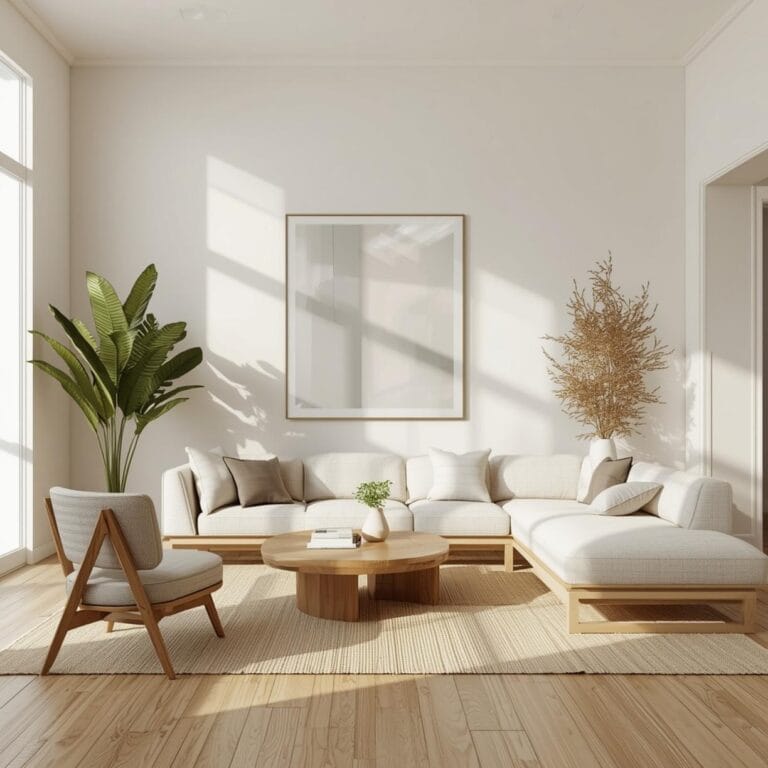
– A sectional with a chaise if your layout allows for corner seating
– An apartment-size sleeper sofa for rooms that double as guest spaces
– Furniture risers or legs to create visual lightness underneath
– A neutral or light-toned upholstery to reflect natural light
– Throw pillows and a cozy blanket to add personality without bulk
– A small side table or nesting tables that tuck away when not in use
– A large mirror or reflective decor to enhance the sense of space
– Area rug in the right size to anchor your seating without cutting the room in half
You don’t need every item on this list. Start with the sofa style that fits your space, then build around it with pieces that support how you actually live.
Finding Your Style and Season
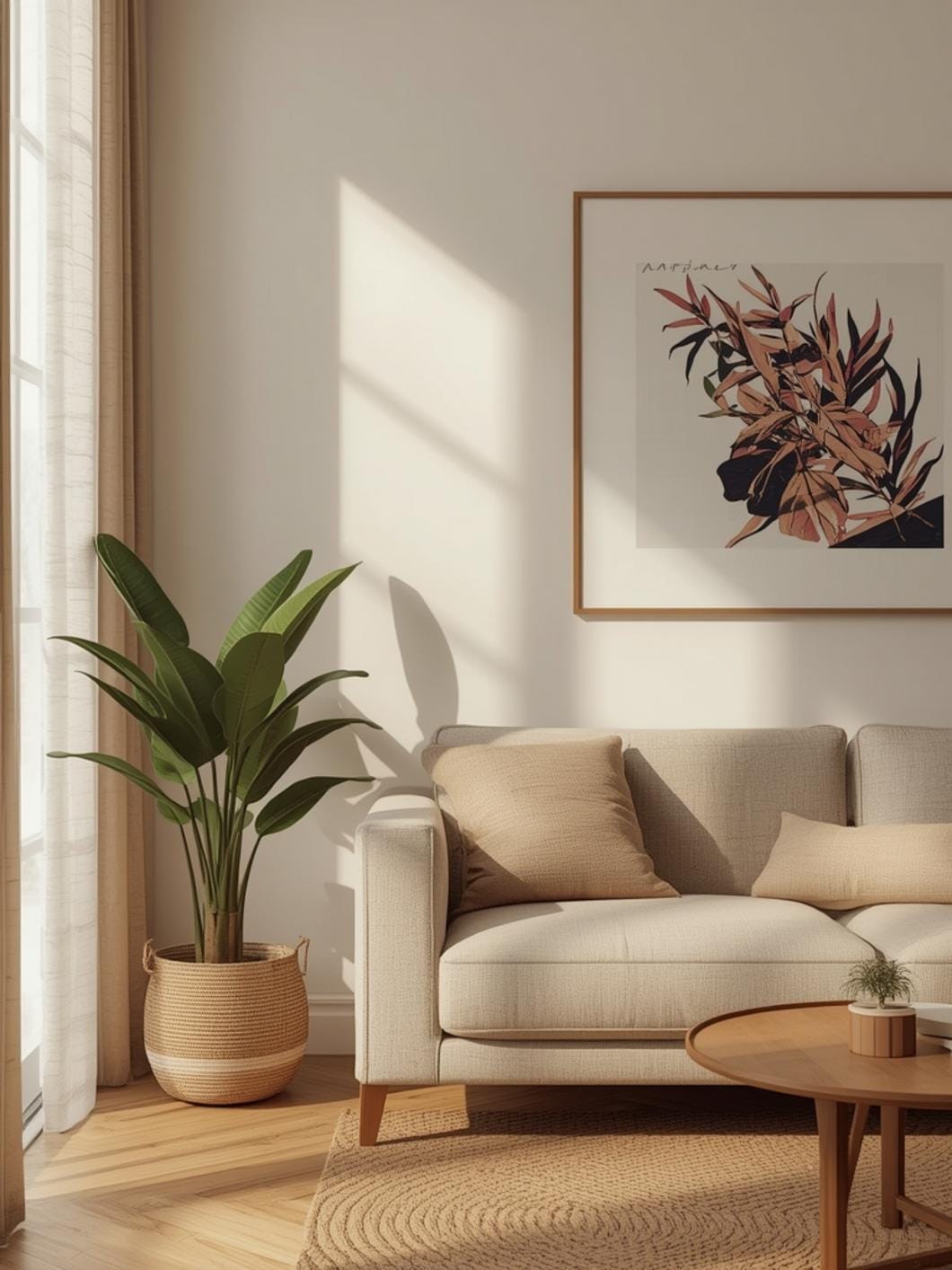
The best time to refresh your small living room is when you’re ready for a change. If you’re moving into a new place, downsizing, or just tired of bumping into oversized furniture, that’s your signal.
Spring and summer are ideal for lighter, breezier sofa styles in linen or cotton blends. These fabrics feel fresh and help your room stay cool during warmer months. Fall and winter invite richer textures like velvet or bouclé, which add warmth without adding visual weight if you choose them in soft, pale tones.
Think about how you use your living room. Do you host movie nights? You’ll want a sofa with deep cushions and room for a few friends. Do you need flexibility for small gatherings? A modular sectional or a loveseat paired with an accent chair gives you options.
Your budget matters too. You can find stylish small-scale sofas at every price point, so decide what you’re comfortable spending before you fall in love with something out of reach.
7 Ideas to Try in Your Home
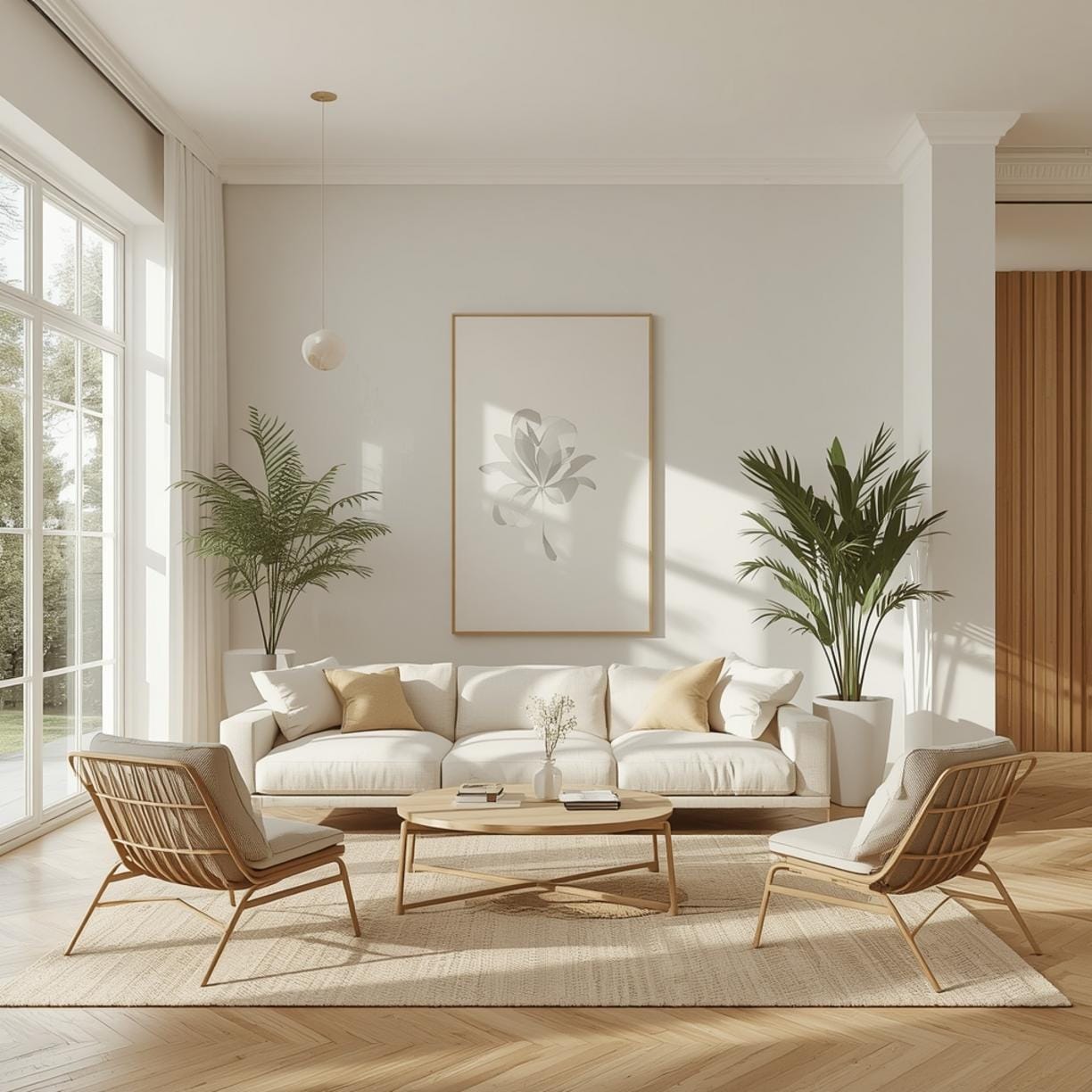
Ready to see how other homeowners are making small spaces work beautifully? Here are proven ideas you can adapt to fit your own living room.
1. The Float-Away Layout
Pull your sofa a few inches away from the wall instead of pushing it flat against it. This creates a sense of depth and makes your room feel more intentional. How to arrange a sofa in a small living room with limited space starts with letting go of the idea that everything must hug the walls. Even six inches of breathing room can transform the feel of your layout.
2. The Corner Sectional
If your living room has an empty corner, a small L-shaped sectional can maximize seating without blocking pathways. Choose one with a low profile and open legs so it doesn’t feel like a barrier. This works especially well in square-shaped rooms where traditional sofas leave awkward gaps.
3. The Loveseat Plus Armchair Combo
Instead of one large sofa, try a loveseat paired with a sleek armchair across from it. This setup creates a natural conversation zone and leaves room for a narrow console table or bookshelf along the wall. You get flexibility and style without sacrificing comfort.
4. The Backless Sofa or Daybed
For ultra-compact spaces, consider a backless sofa or upholstered daybed that can float in the middle of the room. These pieces work beautifully as room dividers in studio apartments or open-plan layouts. Add a few bolster pillows and you have seating that feels intentional and airy.
5. The Sleeper Sofa Solution
If your living room doubles as a guest room, invest in a high-quality sleeper sofa with a streamlined frame. Modern designs no longer look clunky or uncomfortable. Look for memory foam mattresses and easy-pull mechanisms so your guests actually want to sleep on it.
6. The Light and Bright Palette
Choose a sofa in a soft neutral like cream, light gray, or pale blush. Light colors reflect natural light and make your room feel more open. If you crave color, add it through pillows, throws, and artwork that you can swap out seasonally without changing your main furniture investment.
7. The Elevated Leg Style
Sofas with visible legs create visual space underneath, which tricks the eye into seeing more floor area. Avoid skirted sofas or those that sit directly on the ground. Even a few inches of clearance helps your room feel less crowded and easier to clean.
Benefits of Smart Sofa Choices in Small Spaces
When you get your sofa size and placement right, your entire home feels better. You’ll notice you can move through your living room without that awkward sideways shuffle past the coffee table. Your space starts to feel like it was designed with intention instead of just filled with whatever fit.
A well-chosen small sofa also makes entertaining easier. Your guests can actually sit comfortably without feeling squished or perched on the edge of cushions. You create flow, which is the secret ingredient that makes small spaces feel welcoming instead of cramped.
There’s also a financial benefit. Smaller sofas often cost less than their oversized counterparts, leaving room in your budget for the finishing touches that make your space uniquely yours. You can invest in quality over quantity, choosing a sofa that will last years instead of settling for something cheap just because it’s small.
Your mental space improves too. When your living room feels open and functional, you’re more likely to spend time there. You’ll actually use that room instead of avoiding it because it feels cluttered or uncomfortable.
Tips, Alternatives, and Styling Advice
Budget-Friendly Option
Look for loveseats or apartment-size sofas from brands that specialize in compact furniture. Choose a durable fabric in a neutral tone and dress it up with colorful pillows. You can often find floor models or online-only styles that cut costs without sacrificing quality.
Mid-Range Option
Invest in a small sectional with a reversible chaise. This gives you flexibility to reconfigure your layout if you move or want a fresh look. Choose performance fabrics that resist stains and wear, especially if you have kids or pets.
Premium Option
Consider a custom or semi-custom sofa built to your exact measurements. High-end retailers offer scaled-down versions of their popular designs with luxe fabrics and superior construction. You’ll pay more upfront, but you get a piece that fits your space perfectly and lasts for decades.
Small Space Adaptation
If your living room is truly tiny, explore modular seating. Individual poufs or ottoman-style seats can be rearranged for different occasions and tucked away when you need floor space. Pair them with wall-mounted shelving to keep surfaces clear and functional.
Common Mistakes to Avoid
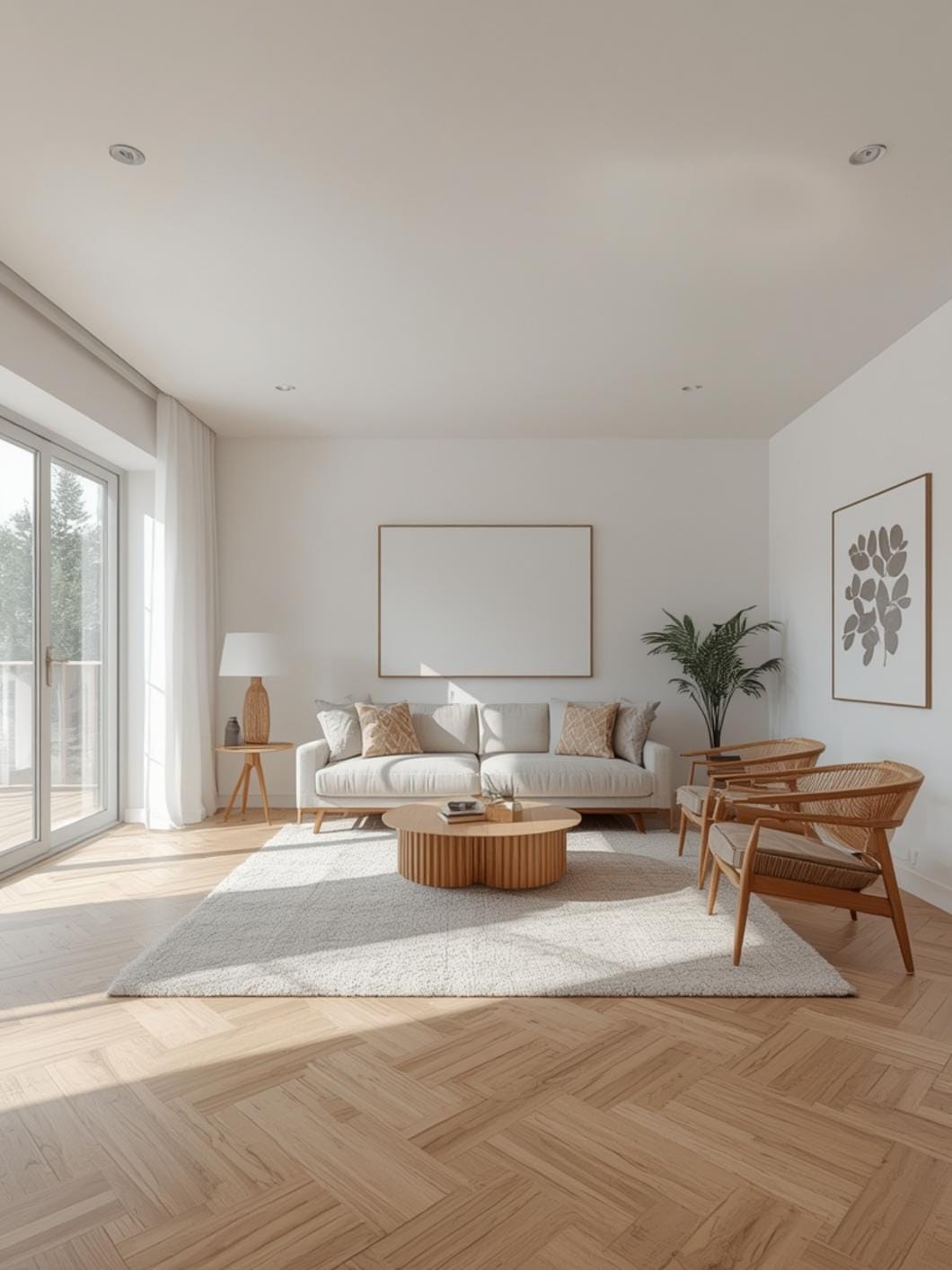
Choosing a sofa that’s too deep. Oversized cushions might feel cozy in the showroom, but in a small room they eat up precious inches. Look for sofas with a depth of 32 to 36 inches instead of the standard 40-inch deep models.
Blocking windows or pathways. Your sofa should enhance traffic flow, not create obstacles. Leave at least 18 inches between furniture pieces and 30 to 36 inches for main walkways.
Ignoring scale in other furniture. If you choose a petite sofa but pair it with a massive coffee table, your proportions will feel off. Keep all your furniture scaled to match your sofa size.
Skipping measurements before shopping. Never trust your memory or eyeball it. Measure your space, doorways, and stairwells before you fall in love with a sofa online or in-store. You’d be surprised how often beautiful sofas can’t make it up narrow staircases.
Using dark, heavy fabrics in already dim rooms. Dark colors absorb light and make spaces feel smaller. If you love rich tones, use them sparingly in pillows or throws rather than on your main furniture pieces.
Maintenance and Upkeep Tips
Keep your small living room sofa looking fresh with these simple habits. Vacuum your cushions weekly using the upholstery attachment to prevent dust and pet hair from settling deep into the fabric. Flip and rotate cushions every month so they wear evenly.
Treat spills immediately by blotting with a clean cloth. Never rub, as this pushes stains deeper. Use a mild upholstery cleaner that matches your fabric type, or stick with a mixture of water and a tiny drop of dish soap for most everyday messes.
Protect your sofa from direct sunlight, which fades fabric over time. If your living room gets strong afternoon light, consider sheer curtains or UV-blocking window film. This simple step extends the life of your upholstery by years.
Refresh your sofa’s appearance seasonally by washing throw pillow covers and blankets. This keeps your space feeling clean without the need for professional cleaning services. Most modern sofas with removable covers make this easy to do at home.
Your Small Living Room Can Feel Spacious
The right sofa changes everything in a compact living room. When you choose a piece that fits your space instead of fighting against it, you create a home that feels open, comfortable, and truly yours. Small doesn’t mean you have to sacrifice style or comfort.
Start by measuring your space and thinking honestly about how you live. Then explore the ideas that resonate most with your lifestyle. Your perfect small living room is closer than you think, and we’re here to help you create it. Explore more space-saving ideas and inspiring layouts right here at DecorKingdom.
FAQs
What is the best sofa size for a small living room?
For most small living rooms, look for sofas between 72 and 84 inches long. Loveseats work well in spaces under 150 square feet, while compact three-seaters fit rooms up to 200 square feet. Always measure your room first and leave at least 18 inches between the sofa and coffee table.
How do I make a small sofa look more expensive?
Choose quality over quantity with details like tailored cushions, visible wood legs, and neutral upholstery. Add texture through pillows and throws, and style your sofa with a cohesive color palette. Good lighting and a clean, uncluttered surrounding make even budget sofas look high-end.
Can I use a sectional in a really small room?
Yes, but choose a small-scale L-shaped sectional designed for apartments. Place it in a corner to maximize seating without blocking pathways. Look for low backs and slim arms to keep the visual weight light. Avoid oversized sectionals with deep recliners or bulky cushions.
Should I buy a sofa with storage in a small space?
Storage sofas can be helpful if you need extra space for blankets or pillows, but make sure the mechanism is easy to access. Avoid styles that require you to remove all the cushions every time you need something. Sometimes a separate storage ottoman works better and offers more flexibility.
What color sofa makes a small room look bigger?
Light, neutral colors like cream, soft gray, or pale beige reflect light and create an open feeling. If you want color, choose soft pastels or muted tones rather than deep, saturated shades. You can always add bolder colors through easily changeable accessories like pillows and artwork.
—
Meta Title: Small Living Room Sofa Ideas That Work in 2026
Meta Description: Discover Small Living Room Sofa Ideas that maximize space and style. Smart layouts and beautiful choices for compact homes.