How to Choose a Sectional for a Small Living Room
You’ve fallen in love with a gorgeous sectional sofa, but you’re worried it’ll swallow your small living room whole. You’re not alone — so many homeowners dream of that cozy, wraparound seating but hesitate because they think their space just isn’t big enough.
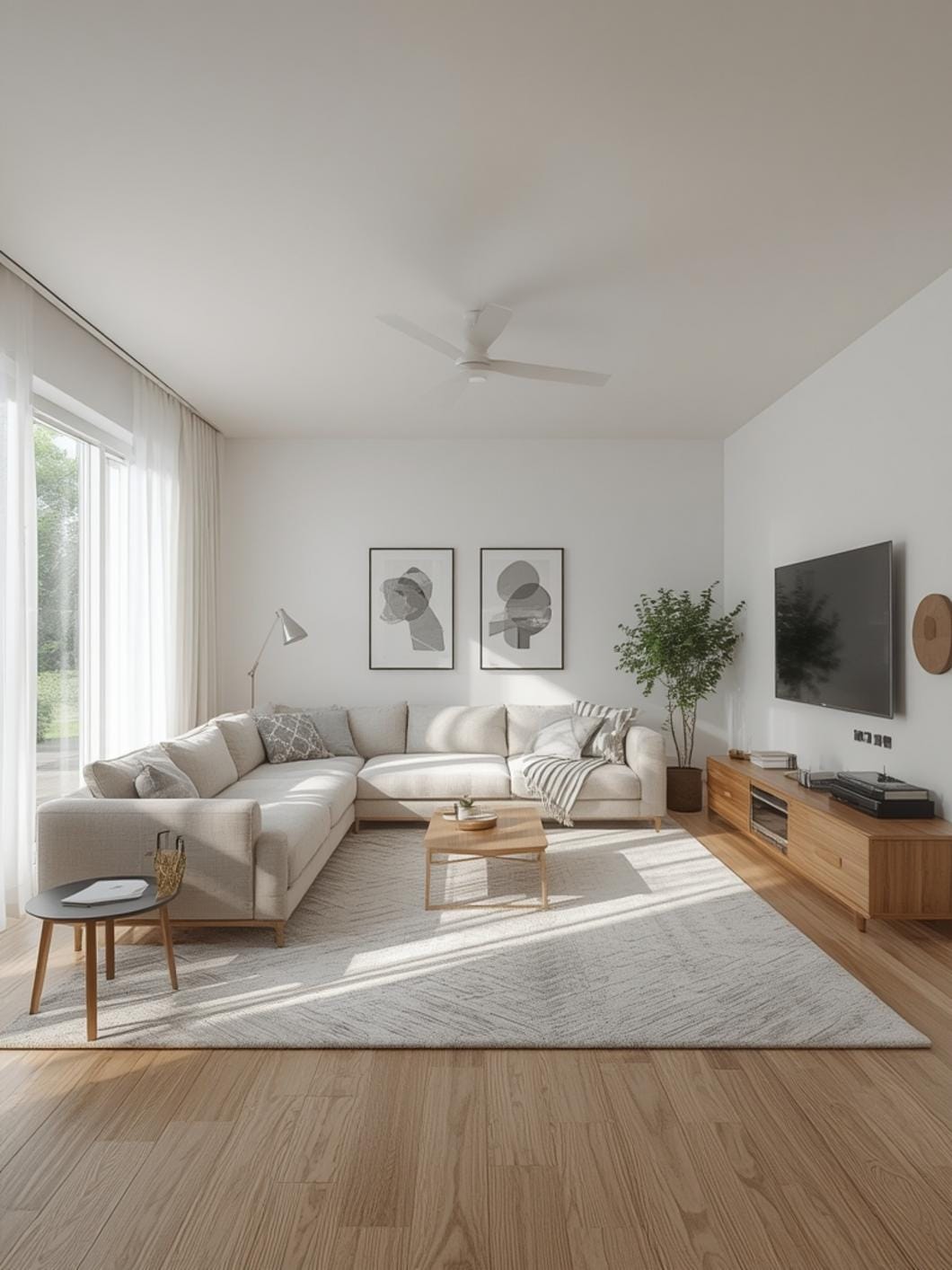
Here’s the good news: a sectional in small living room setups can actually be a smart choice. When you pick the right size and arrange it thoughtfully, a sectional can make your compact space feel more inviting and functional than a traditional sofa-and-loveseat combo ever could.
Let’s walk through exactly how to make it work beautifully in your home.
Table of Contents
Materials & Decor Elements
To create a cohesive, well-arranged small living room with a sectional, you’ll want to gather a few key items:
– Compact sectional sofa — look for apartment-sized or 2-piece modular options under 85 inches on the longest side
– Low-profile coffee table — glass, acrylic, or slim wooden styles that don’t block sightlines
– Area rug — helps define the seating zone and makes the room feel anchored
– Floating shelves or wall-mounted storage — keeps floor space open
– Slim side table or nesting tables — tucks beside the sectional without taking up much room
– Floor lamp or wall sconces — saves surface space while adding essential lighting
– Lightweight accent chairs — optional, but choose armless or open-frame styles if needed
– Decorative pillows and throws — softens the look and adds personality without clutter
Timing / Project Planning
The best time to introduce a sectional into your small living room is when you’re ready to reimagine your layout completely. Don’t think of this as just swapping out furniture — you’re creating a whole new flow.
Measure your space during the daytime when natural light helps you see dimensions clearly. Take measurements of doorways, windows, and walkways before you shop. Most furniture stores will hold a piece for 24–48 hours, giving you time to go home and tape out the footprint on your floor to visualize it.
Budget at least half a day to rearrange once your sectional arrives. You’ll likely need to experiment with placement, and that’s completely normal. Give yourself permission to try three or four different configurations before settling on the winner.
If you’re shopping during holiday sales or end-of-season clearances, you can save 20–40% on quality sectionals. Just make sure you’ve already measured your space so you can act quickly when you spot the right deal.
Step-by-Step Instructions
1. Measure Your Room and Map Traffic Flow
Start by measuring your living room’s length and width, then mark where people naturally walk through. You need at least 18 inches of clearance for comfortable walkways. Sketch a simple floor plan on graph paper or use a free room planner app to test layouts before moving heavy furniture.
2. Choose the Right Sectional Configuration
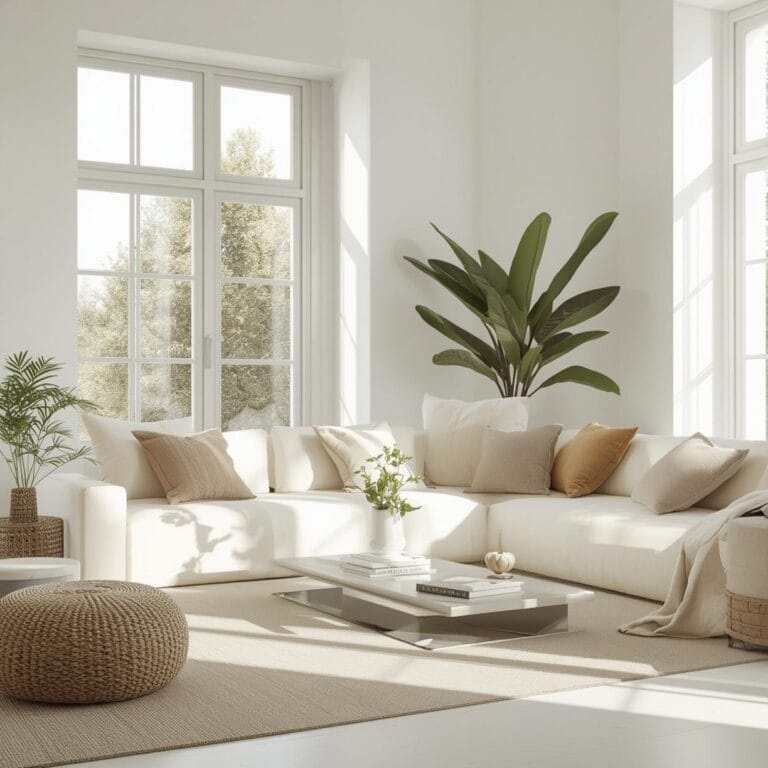
Not all sectionals are created equal for small spaces. An L-shaped sectional works better than a U-shaped one in compact rooms. Look for pieces with exposed legs rather than skirted bases — this visual trick makes the furniture appear lighter and creates a sense of openness underneath.
3. Position Against the Longest Wall or in a Corner
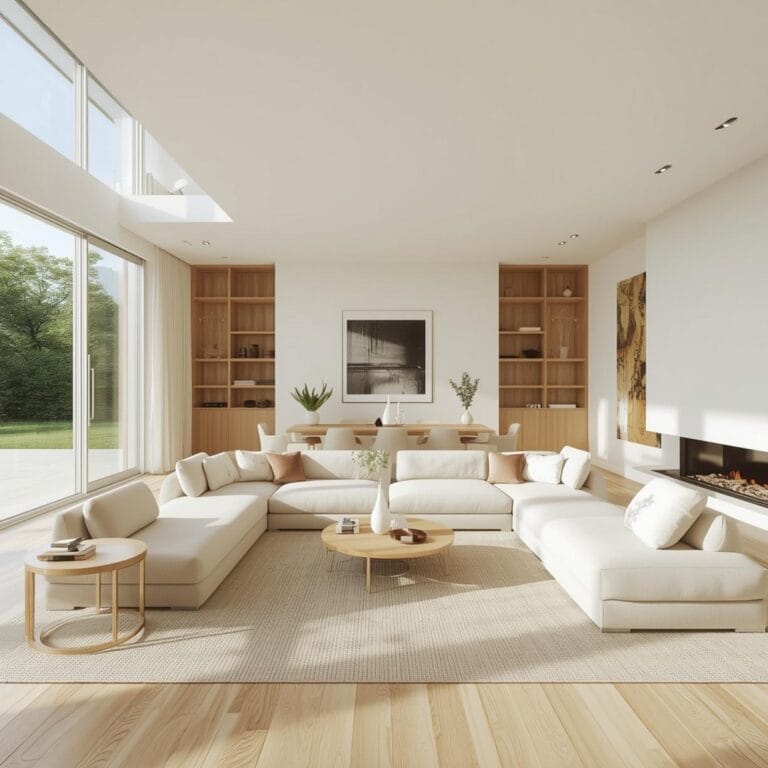
How to arrange furniture around a small sectional sofa starts with smart placement. Anchor your sectional against the longest wall or tuck it into a corner to maximize open floor space in the center of the room. Avoid floating it in the middle — that works in large rooms but cramps small ones.
4. Create Balance with a Proportional Coffee Table
Choose a coffee table that’s about two-thirds the length of your sectional’s longest side. Keep it low and simple. Round or oval shapes work beautifully because they soften angular lines and make navigation easier in tight quarters.
5. Define the Space with an Area Rug
Place your rug so the front legs of the sectional rest on it, or position the entire sectional on the rug if your room allows. This grounds the seating area and makes your arrangement feel intentional.
6. Add Vertical Storage and Light Fixtures
Mount shelves above the sectional or on adjacent walls to draw the eye upward. Use wall sconces or a tall floor lamp in the corner to save table space. Vertical elements create the illusion of higher ceilings and a more spacious room.
7. Keep Additional Seating Minimal and Flexible
If you need extra seating, choose one lightweight accent chair or a small ottoman that doubles as seating and a footrest. Nesting tables or a slim C-table that slides under the sectional arm adds surface space without permanent footprint.
Benefits / Advantages
A well-chosen sectional in a small living room delivers surprising benefits that traditional furniture arrangements just can’t match.
First, it maximizes seating capacity without eating up floor space with multiple separate pieces. You can comfortably seat four to six people on a compact sectional, perfect for movie nights or casual entertaining.
Sectionals naturally create a cozy, conversation-friendly atmosphere. Everyone faces toward the center, making gatherings feel more intimate and connected. Your small room suddenly feels like the heart of your home rather than a cramped afterthought.
They also eliminate awkward gaps between furniture pieces. No more fighting with a sofa and loveseat that never quite line up or leave weird dead zones in corners. A sectional flows continuously, making your layout look professionally designed.
Finally, many sectionals include built-in storage or convert into sleepers, giving you functional options that save you from buying additional furniture. When every square foot counts, this kind of versatility is golden.
Tips, Alternatives, Styling Advice
Budget-Friendly Option: Look for a simple two-piece sectional from brands like IKEA or Wayfair’s house brands. Choose neutral colors like gray or beige that you can personalize with colorful pillows. Expect to spend $600–$1,200 for decent quality that’ll last several years.
Mid-Range Option: Invest in a modular sectional from West Elm, Article, or Burrow in the $1,500–$2,500 range. These often feature removable, washable covers and sturdier frames. The modularity means you can reconfigure if you move or change your layout.
Premium Option: Splurge on a custom-sized sectional from a specialty furniture maker ($3,000–$5,000+). You’ll get exactly the dimensions you need, premium upholstery, and construction that lasts decades. Worth it if this is your forever home.
Small Space Adaptation: If your room is truly tiny (under 150 square feet), consider a loveseat with a matching chaise instead of a full sectional. You’ll get that lounging option without overwhelming the space.
Another smart adaptation: choose a sectional with a reversible chaise. This gives you flexibility to position the long side on either end, perfect when you’re working around windows or doorways.
Common Mistakes to Avoid
Choosing a sectional that’s too large. Measure carefully and opt for apartment-sized or compact models — anything over 90 inches will dominate a small room and block pathways.
Pushing the sectional flush against all walls. Leave 3–4 inches of breathing room between furniture and walls to avoid a cramped, boxed-in feeling that makes your room look even smaller.
Overloading with additional furniture. Resist the urge to add extra chairs, side tables, and bulky media consoles — your sectional should be the star, with only essential supporting pieces around it.
Ignoring scale with decor and lighting. Pair your sectional with appropriately sized accessories — oversized artwork or massive floor lamps will throw off the balance and make your space feel cluttered.
Forgetting about sight lines to the TV or focal point. Arrange your sectional so you’re not craning your neck to watch television or enjoy your fireplace — comfort matters more than following a standard layout rule.
Maintenance / Upkeep Tips
Keep your sectional looking fresh by vacuuming the cushions and crevices weekly with an upholstery attachment. Crumbs and pet hair love to hide in sectional corners, so regular attention prevents buildup.
Rotate and flip cushions every few months if they’re reversible. This distributes wear evenly and keeps your sectional from developing permanent body impressions in high-use spots.
Treat stains immediately with a clean, damp cloth and mild soap — blot, don’t rub. For tougher spots, check your sectional’s care tag and use the recommended cleaning method (water-based or solvent-based).
If your sectional has removable covers, wash them according to manufacturer instructions once or twice a year. Line drying prevents shrinkage and maintains shape better than machine drying.
Tighten any loose screws or bolts on modular pieces every six months. Sectionals that connect with hardware can loosen over time with regular use, but a quick check keeps everything stable and secure.
Conclusion
Your small living room absolutely can accommodate a beautiful, functional sectional when you choose the right size and arrange it thoughtfully. The key is measuring carefully, maximizing vertical space, and resisting the temptation to over-furnish.
A sectional offers unbeatable seating capacity and creates that cozy, gathered feeling that makes a house feel like home. With the tips and strategies you’ve learned here, you’re ready to create a welcoming space that works perfectly for both everyday life and entertaining.
Ready to transform more areas of your home? Explore our other guides at DecorKingdom for inspiration and practical advice that fits real life.
FAQs
What size sectional works best in a small living room?
Look for sectionals under 85 inches on the longest side, often marketed as “apartment-sized” or “compact.” Two-piece L-shaped configurations work better than sprawling U-shapes. Measure your room first and leave at least 18 inches for walkways before you buy.
Can you put a sectional in a 10×12 living room?
Yes, a 10×12 room (120 square feet) can absolutely accommodate a small sectional. Choose a compact L-shaped model and position it against the longest wall or in a corner. Skip extra seating and stick with a slim coffee table to keep the space functional.
Should a sectional float in the middle of a small room?
No, floating furniture works best in large, open-concept spaces. In a small living room, anchor your sectional against a wall or in a corner to maximize floor space and maintain clear traffic paths. Floating it will make the room feel cramped and awkward.
What’s better for a small space — sectional or sofa and loveseat?
A sectional often wins because it provides more seating in a smaller footprint without awkward gaps between separate pieces. It creates better flow and eliminates wasted corner space. A sofa-loveseat combo can work if you need flexible furniture placement, but sectionals usually feel more cohesive.
How do you make a sectional look good in a tiny living room?
Choose a sectional with exposed legs to create visual lightness, add a proportional coffee table, and use an area rug to define the space. Mount shelves and lighting on walls to save floor space, and keep additional furniture minimal. Light, neutral colors help the sectional blend rather than overwhelm.
—
Meta Title: Sectional in Small Living Room: Smart Ideas 2026
Meta Description: Worried a sectional won’t fit? Learn how to arrange furniture around a small sectional sofa for maximum style and comfort in compact spaces.