How to Choose Blue and Green Living Room Ideas
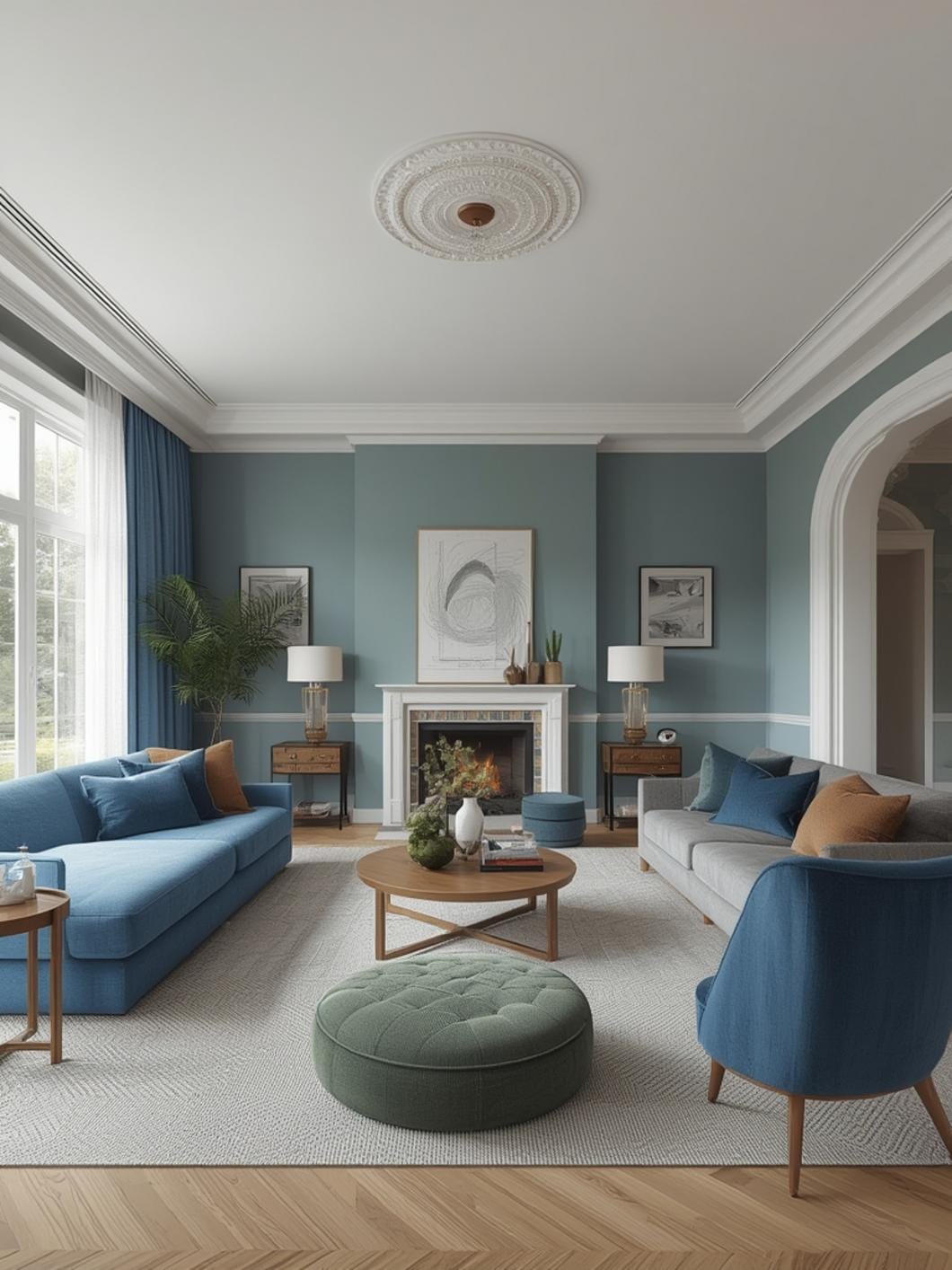
Have you ever walked into a room and felt instantly calmer, more creative, and completely at home? That’s the magic blue and green can bring to your living space. These two nature-inspired hues work beautifully together when styled thoughtfully, creating rooms that feel both energizing and serene.
Blue and green living room ideas have surged in popularity because they offer endless flexibility. Whether you’re drawn to deep navy and emerald or soft aqua and sage, this color duo adapts to virtually any design style. The key is understanding how to balance tones, textures, and proportions so your space feels cohesive rather than chaotic.
Your living room should reflect your personality while functioning as a comfortable gathering space for family and friends. Combining blue and green gives you that perfect blend of visual interest and natural harmony that makes a house feel like home.
Table of Contents
What You’ll Need to Get the Look
Creating a beautiful blue and green living room doesn’t require a complete overhaul. Smart choices in a few key areas can transform your space dramatically.
Paint and Wall Treatments:
– Quality interior paint in your chosen blue and green shades
– Primer for proper color saturation
– Painter’s tape for clean lines if doing accent walls
– Removable wallpaper in botanical or geometric patterns
Furniture Pieces:
– Sofa or sectional in neutral, blue, or green upholstery
– Accent chairs in complementary tones
– Coffee table and side tables in natural wood or metal finishes
– Storage ottomans for functionality
Textiles and Soft Furnishings:
– Throw pillows in varying shades of blue and green
– Area rug anchoring your seating arrangement
– Curtains or drapes in solid or patterned fabric
– Cozy throws for texture and warmth
Decorative Elements:
– Artwork featuring blue and green color schemes
– Ceramic vases and decorative bowls
– Table lamps with colored bases or shades
– Real or faux plants to enhance the natural palette
– Picture frames in gold, brass, or matte black
Finding Your Style and Season
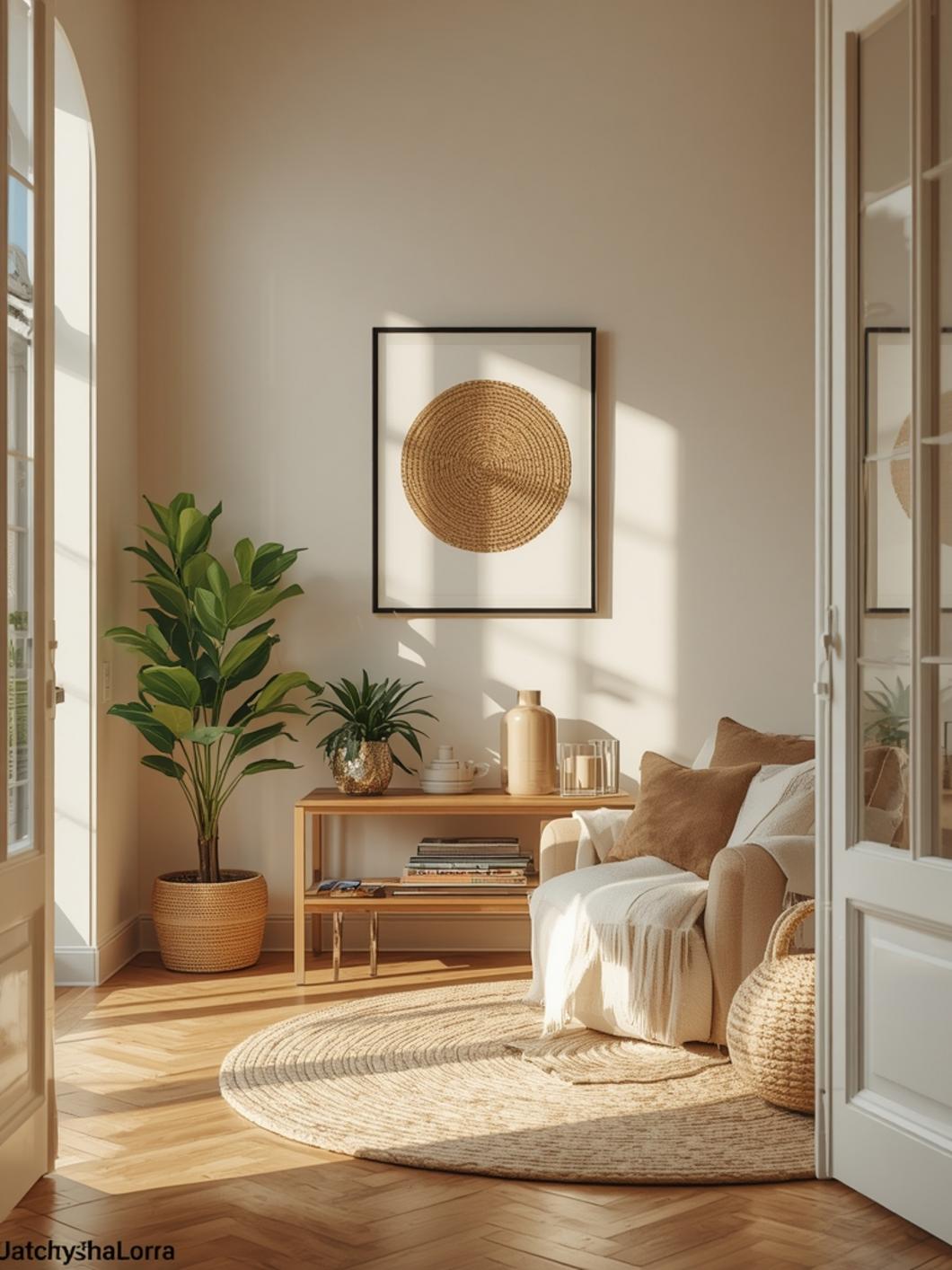
The beauty of blue and green living rooms is their year-round appeal. These colors transition effortlessly through seasons with minor adjustments to accessories and textures.
Spring and Summer Vibes:
Lighter shades shine during warmer months. Think sky blue paired with mint green, or aqua with soft seafoam. These combinations feel airy and refreshing, perfect when you want your space to feel breezy and open. Add white or cream accents to amplify the lightness.
Fall and Winter Warmth:
Deeper tones create cozy atmospheres as temperatures drop. Navy blue with forest green, or teal with olive, bring richness and depth. Layer in warm metallics like brass or copper, and add velvet or wool textures to make your living room feel like a sophisticated retreat.
Mood Considerations:
Your color intensity affects the room’s energy. Vibrant blues and greens create playful, energetic spaces ideal for families with children. Muted, sophisticated versions suit formal living rooms or homes with a more refined aesthetic. Consider how you use the space when selecting your specific shades.
The best time to implement these ideas is during any season that speaks to you. There’s no wrong time to refresh your living room with this timeless combination.
7 Ideas to Try in Your Home
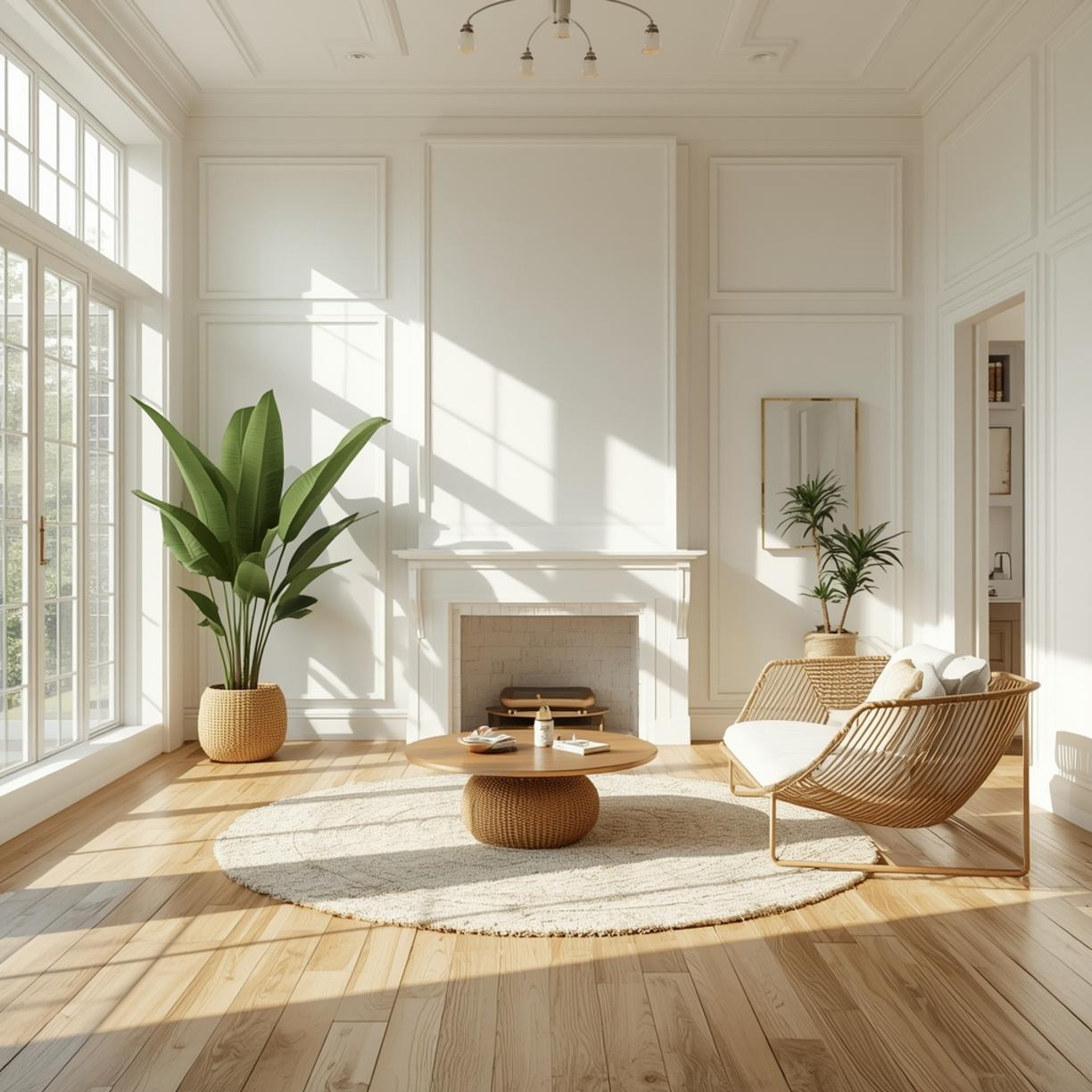
1. The Coastal Retreat
Paint walls a soft sandy beige and layer in navy blue and aqua green through furnishings. Add natural fiber rugs, driftwood accents, and plenty of white to capture that breezy seaside feeling. This approach works beautifully in rooms with good natural light.
2. The Jewel Tone Haven
Go bold with emerald green velvet sofas paired with sapphire blue accent chairs. Add gold-framed mirrors and rich wood tones for a luxurious, sophisticated space that feels like a high-end boutique hotel. This style shines in rooms with higher ceilings.
3. The Botanical Beauty
Create an indoor garden atmosphere with sage green walls and peacock blue accessories. Fill the space with real plants, botanical prints, and natural wood furniture. How to combine blue and green in interior design without clashing becomes simple when you take inspiration directly from nature—leaves naturally display both colors in perfect harmony.
4. The Modern Minimalist
Keep walls crisp white and introduce blue and green through carefully curated pieces. A teal sofa, sage green curtains, and a geometric rug in both colors create visual interest without overwhelming the space. Less is truly more with this approach.
5. The Pattern Play
Mix patterns confidently by varying their scale. A large floral wallpaper in blue and green pairs beautifully with smaller geometric throw pillows and a medium-scale striped rug. Keep the color palette consistent while changing pattern sizes for a designer-approved look.
6. The Moody Drama
Paint walls deep forest green and add navy blue furnishings for a cocooning effect. Balance the darkness with plenty of warm lighting, metallic accents, and a few lighter accessories. This works exceptionally well in rooms used primarily during evenings.
7. The Transitional Classic
Blend traditional and contemporary elements with powder blue walls, a green velvet Chesterfield sofa, and modern abstract art. Add classic molding and updated light fixtures for a timeless space that never feels dated.
Benefits of Blue and Green Living Rooms
This color combination offers advantages that extend far beyond aesthetics. Your daily life at home genuinely improves when your living space feels both beautiful and functional.
Psychological Comfort:
Blue naturally lowers stress levels and promotes calmness, while green connects us to nature and encourages balance. Together, they create an environment where you can truly unwind after demanding days. Your living room becomes a genuine sanctuary rather than just another space in your home.
Design Versatility:
Unlike trendy color schemes that feel dated within years, blue and green remain perpetually stylish. You can easily update the look by swapping accessories without repainting or replacing major furniture pieces. This flexibility saves money and keeps your space feeling fresh.
Universal Appeal:
These colors work for various personalities and age groups. Whether you’re decorating a young family’s playful space or a sophisticated adult retreat, blue and green adapt beautifully. This makes them excellent choices if you’re considering resale value down the road.
Enhanced Room Function:
The calming nature of this palette makes your living room more conducive to various activities. Whether you’re reading, entertaining, watching movies, or simply relaxing, the environment supports whatever you need.
Budget-Friendly to Premium Options
Budget-Conscious Approach:
Start with paint—it’s the most affordable way to introduce these colors dramatically. Choose one accent wall in a bold shade and keep remaining walls neutral. Shop discount home stores for blue and green throw pillows, and update lampshades with inexpensive fabric. Look for secondhand furniture pieces you can reupholster or paint.
Mid-Range Investment:
Invest in one quality statement piece like a beautiful blue sofa or green accent chairs. Purchase a good area rug that anchors the color scheme, and add custom curtains that perfectly fit your windows. Mix higher-end pieces with budget finds for a balanced approach that looks intentionally curated.
Premium Experience:
Commission custom furniture in your exact shade preferences. Invest in designer wallpaper, high-end textiles, and original artwork. Add architectural details like custom built-ins painted in complementary tones. Work with professionals for perfect paint finishes and impeccable styling that creates a magazine-worthy result.
Small Space Adaptations:
In compact living rooms, use lighter shades to maintain an open feeling. Opt for furniture with exposed legs rather than skirted pieces to preserve visual space. Choose one bold element like artwork or an accent wall rather than overwhelming the room with color everywhere. Mirrors in blue or green frames amplify light while reinforcing your color scheme.
Common Mistakes to Avoid
Using Too Many Shades:
Incorporating six different blues and five different greens creates visual chaos rather than cohesion. Limit yourself to two or three shades of each color, using varying intensities for depth while maintaining harmony.
Ignoring Undertones:
Pairing a warm green with yellow undertones alongside a cool blue with purple undertones creates unintentional clashing. Test paint samples together and ensure your blues and greens share either warm or cool undertones for a seamless look.
Forgetting Neutral Balance:
Making every surface blue or green overwhelms the eye and eliminates resting places. Include plenty of neutrals like white, cream, gray, or natural wood to give your eyes places to rest and your colors room to shine.
Overlooking Lighting:
Colors appear dramatically different under various lighting conditions, and ignoring this causes disappointment. Test your chosen shades at different times of day and with your actual light fixtures before committing to large purchases.
Matching Too Perfectly:
Using the exact same shade throughout feels flat and uninspired rather than sophisticated. Vary the intensity and depth of your blues and greens to create the dimension and visual interest that makes professionally designed rooms so appealing.
Keeping Your Space Fresh
Maintaining a blue and green living room requires minimal effort while keeping it looking magazine-ready.
Regular Cleaning Routines:
Vacuum upholstered furniture weekly to prevent dust buildup that dulls colors. Wipe down painted surfaces monthly with a barely damp microfiber cloth to maintain their vibrancy. Dust decorative accessories and artwork regularly to keep everything looking crisp.
Seasonal Refreshes:
Swap throw pillow covers and blankets seasonally to keep the space feeling current. Rotate artwork or decorative objects every few months to prevent visual boredom. These small changes make your living room feel continually refreshed without requiring major investments.
Protecting Your Investment:
Use window treatments to prevent direct sunlight from fading fabrics and painted surfaces. Apply fabric protector spray to upholstered pieces to guard against spills and stains. Address any marks or damage immediately rather than letting them become permanent problems.
Plant Care:
If you’ve incorporated real plants into your design, maintain them properly so they enhance rather than detract from your space. Remove dead leaves promptly, dust plant foliage regularly, and ensure proper watering schedules keep everything looking lush and healthy.
Bringing It All Together
Creating a beautiful blue and green living room is entirely within your reach. These colors offer the perfect balance of tranquility and visual interest, making your space somewhere you’ll actually want to spend time.
Start with one or two ideas that resonate with your personal style, and build from there. You don’t need to implement everything at once—even small changes create noticeable improvements in how your living room looks and feels.
Ready to explore more stunning color combinations and design ideas? Browse DecorKingdom for inspiration that helps you create the home you’ve always imagined.
Frequently Asked Questions
What’s the best blue and green ratio for a living room?
The 60-30-10 rule works beautifully here. Use one color for 60% of the room (usually walls or large furniture), the second color for 30% (accent furniture or curtains), and both colors plus neutrals for the remaining 10% in accessories. This creates perfect balance without overwhelming the space.
Can I use blue and green in a small living room without it feeling cramped?
Absolutely! Stick with lighter shades like powder blue and sage green, which actually make small spaces feel larger. Use these colors strategically on one accent wall or through accessories rather than painting every surface, and incorporate plenty of mirrors and good lighting to maintain an open, airy feeling.
Do blue and green living rooms work with hardwood floors?
Yes, they complement wood beautifully. Warm-toned woods pair wonderfully with warmer blues (like teal) and greens (like olive), while cooler woods look stunning with cooler blues (like navy) and greens (like emerald). The natural element of wood actually enhances the nature-inspired feel of this color combination.
How do I choose between blue or green as my dominant color?
Consider your room’s natural light and your personal preferences. Rooms with abundant natural light handle deeper greens beautifully, while spaces with limited light often benefit from blue as the dominant shade since it reflects light better. Also think about which color makes you feel most comfortable—that should be your primary hue.
What color curtains work best with blue and green living rooms?
White, cream, or light gray curtains keep the space feeling open and let your blue and green elements shine. If you prefer more color, choose curtains in either your dominant blue or green shade, or try a pattern that incorporates both colors. Avoid introducing entirely new colors unless you’re intentionally creating a more eclectic, maximalist look.
—
Meta Title: Blue and Green Living Room Ideas That Wow in 2026
Meta Description: Create stunning blue and green living room ideas that feel fresh, not chaotic. 7 designer-approved styles for every budget and space size.