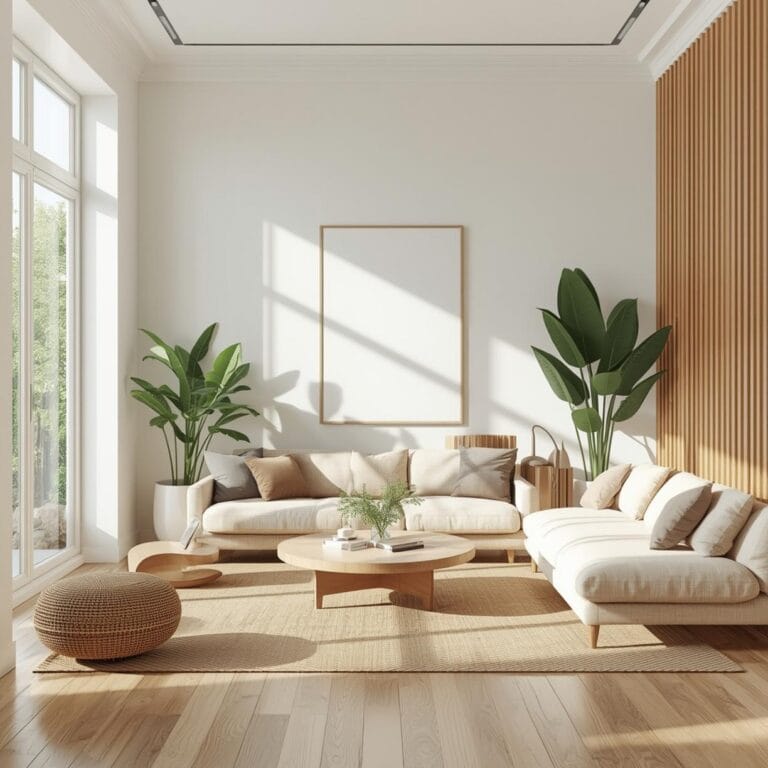
How to Choose Living Room Styles for Your Home
You walk into your living room and something feels off. The sofa’s fine, the rug is nice enough, but the space doesn’t quite feel like you. Maybe it’s too formal for how you actually live, or maybe it lacks that cozy factor you see in your favorite design feeds.
Choosing the right Living Room Styles isn’t about following trends blindly or copying someone else’s Pinterest board. It’s about finding a look that matches your lifestyle, makes you happy when you come home, and works with what you already have.
The good news? You don’t need a complete overhaul to get there. Small intentional changes can shift your entire living room vibe, whether you’re drawn to clean modern lines, warm traditional touches, or something refreshingly eclectic.
Table of Contents
What You’ll Need to Get the Look
The beauty of exploring different living room styles is that you’re probably already sitting on some perfect pieces. Most style transformations happen through thoughtful editing and strategic additions rather than starting from scratch.
For modern and contemporary looks, you’ll want clean-lined furniture, minimal accessories, and a neutral color palette with strategic pops of color. Think sleek sofas, geometric coffee tables, and artwork that makes a statement without clutter.
Traditional and transitional styles call for:
– Upholstered furniture with classic silhouettes
– Wood accent pieces with visible grain and detail
– Layered textiles like throw pillows and curtains
– Table lamps with fabric shades
– Decorative objects with personal meaning
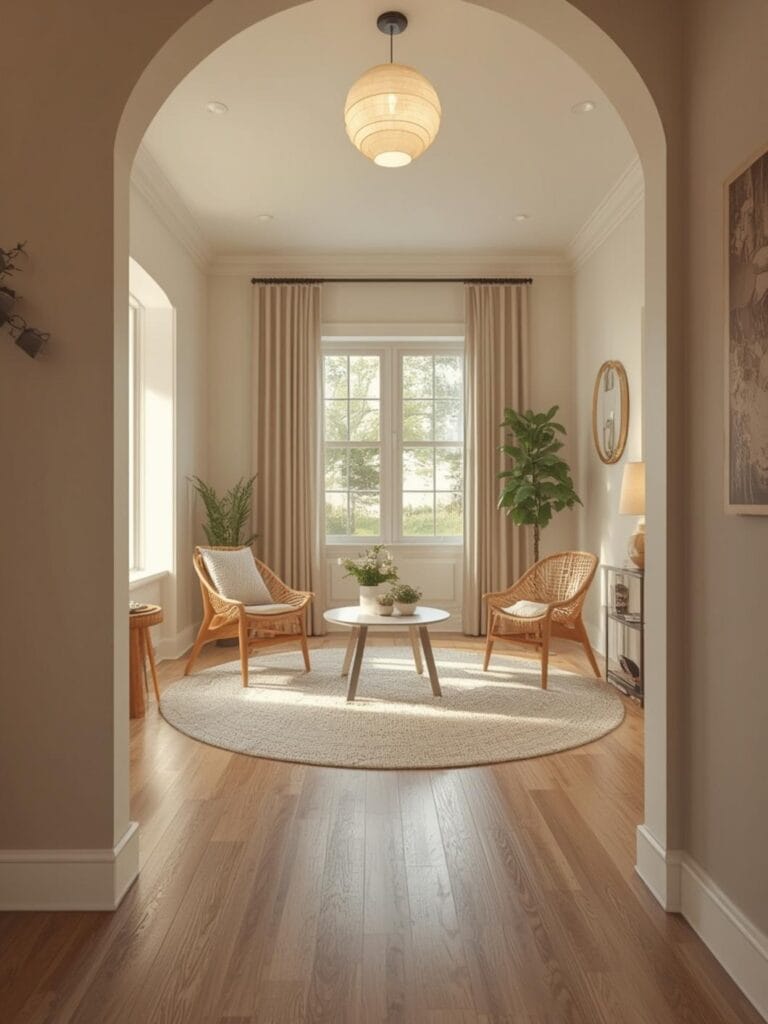
Bohemian and eclectic spaces thrive on collected treasures, mixed patterns, plants in various sizes, vintage finds, and globally inspired textiles. Coastal styles lean on natural materials like rattan and jute, soft blues and sandy neutrals, casual slipcover furniture, and anything that reminds you of the beach.
Industrial looks need exposed materials, metal accents, leather seating, Edison bulbs or statement lighting, and a slightly unfinished aesthetic that feels urban and cool.
Finding Your Style and Season
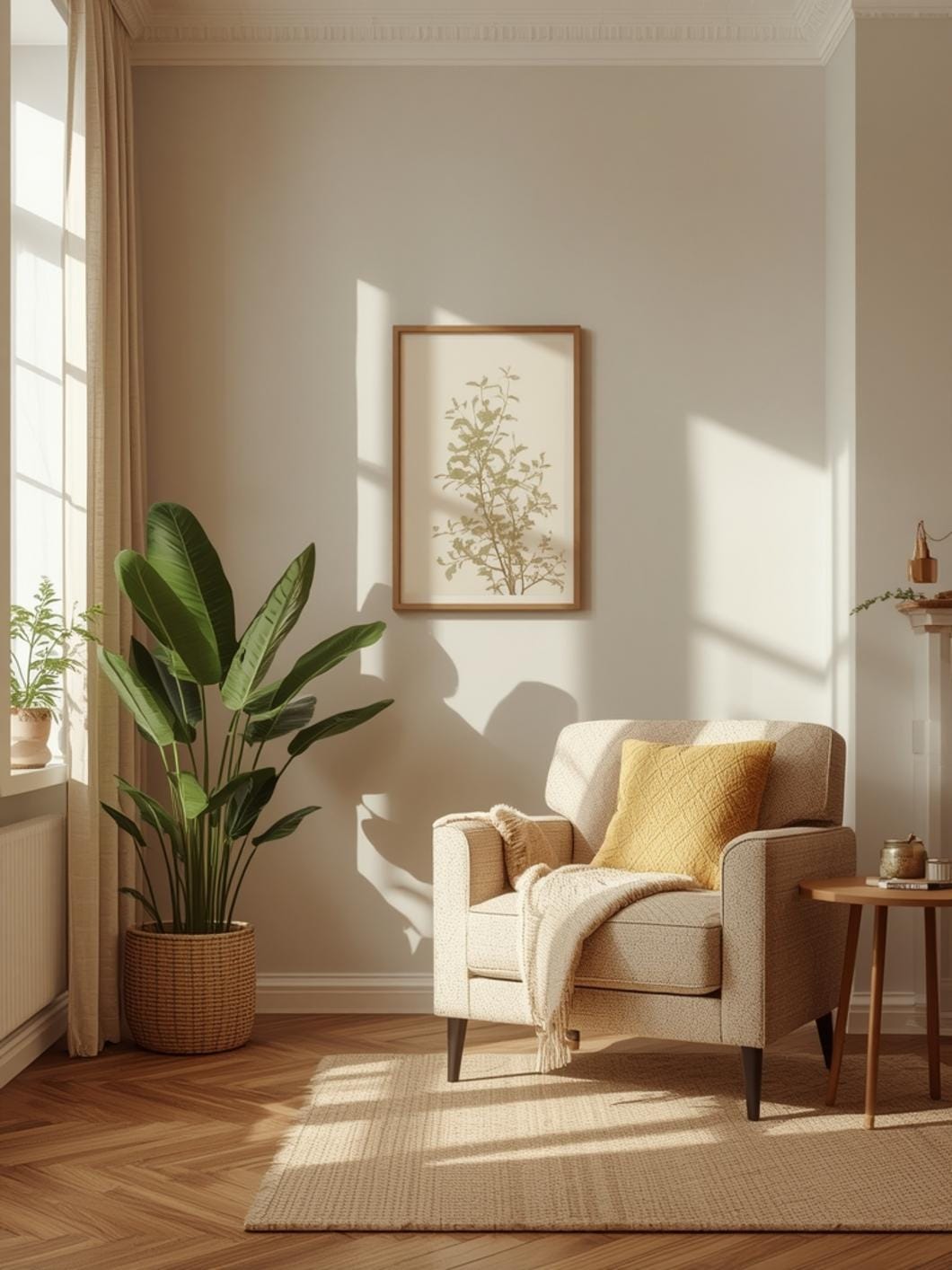
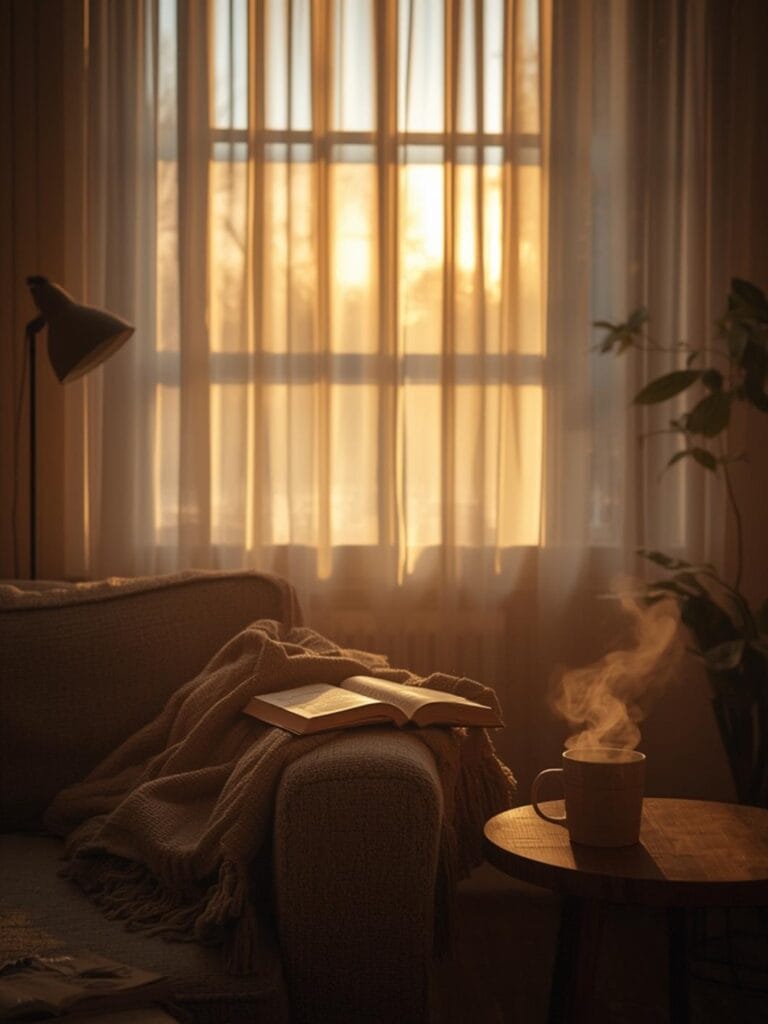
Your living room style should reflect how you actually use the space, not just how it photographs. If you host game nights every weekend, formal French country might frustrate you. If you love quiet evenings with a book, a busy maximalist space might feel overwhelming.
Think about your daily routine in this room. Do you eat here? Work here? Let kids play here? Your answers matter more than any design rule.
Season and light also play bigger roles than most people realize. A moody, dramatic style works beautifully in a north-facing room that gets soft light all day, but might feel cave-like in a small space with little natural light. Bright, airy styles shine in sun-filled rooms but can feel stark in darker spaces.
Consider starting your style exploration in spring or fall when you’re naturally refreshing your home anyway. This gives you time to live with small changes before committing to bigger investments.
Budget matters too, and different styles have different entry points. Scandinavian and minimalist looks can be incredibly affordable because they celebrate fewer, better pieces. Maximalist and collected styles let you build slowly over time, adding pieces as you find them.
7 Ideas to Try in Your Home
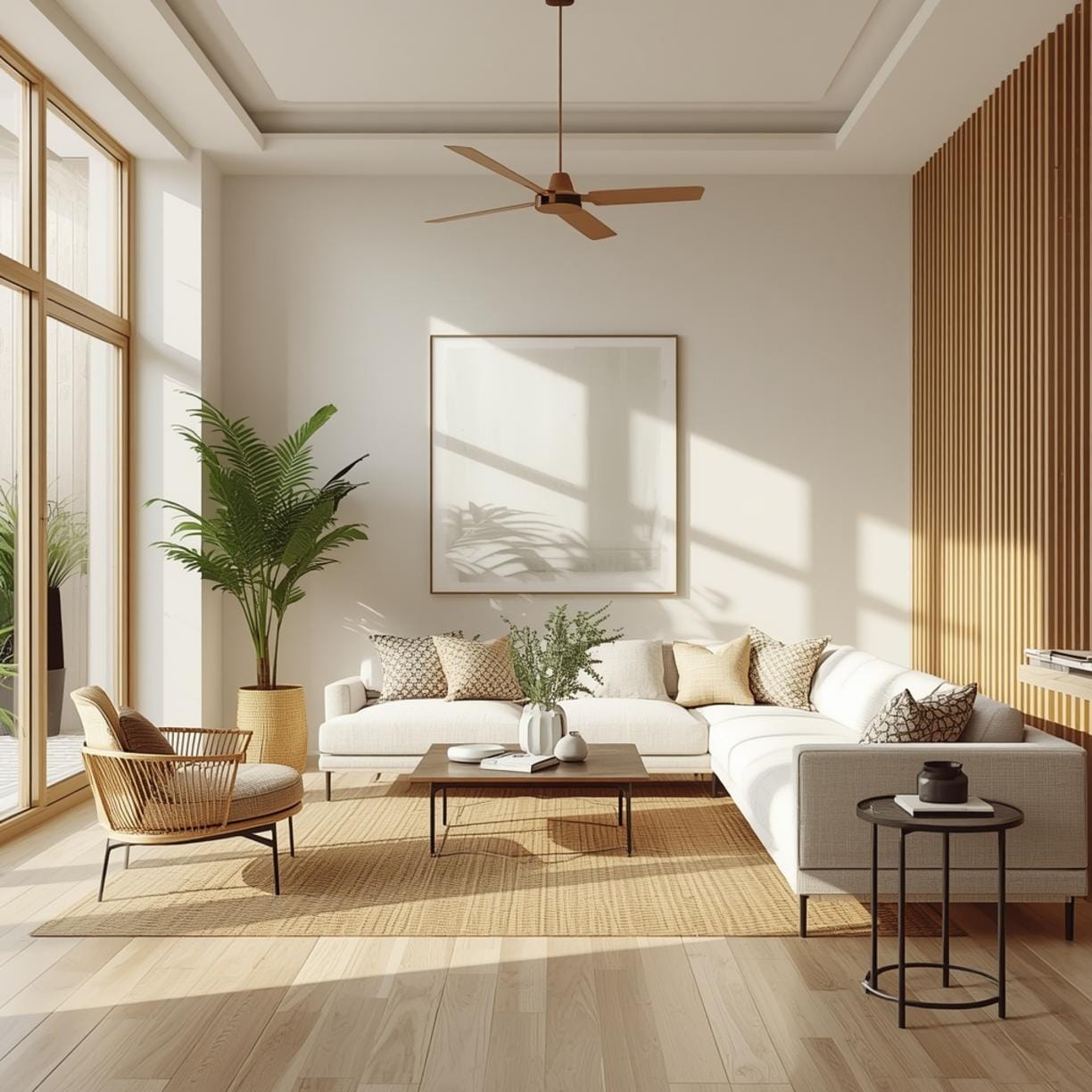
Modern Minimalist: Strip your space down to what you truly love and use. Keep your color palette to three colors maximum, choose furniture with exposed legs to create visual space, and let one beautiful piece be the room’s focal point. This approach works wonderfully in smaller homes where every square foot counts.
Warm Transitional: Bridge traditional comfort with contemporary simplicity by mixing classic furniture shapes in updated fabrics. Pair a rolled-arm sofa with a sleek modern coffee table, or hang contemporary art above a vintage console. This balanced approach feels timeless and works with pieces you already own.
Coastal Casual: Bring beach house vibes inland with a palette of whites, soft blues, and natural woods. Layer different textures like linen, cotton, and jute to keep the look from feeling flat. How to choose the right living room style for your home often comes down to what makes you feel relaxed, and coastal style excels at creating that breezy, vacation-at-home feeling.
Industrial Chic: Embrace raw materials and urban edge with exposed brick or concrete-look accents, metal shelving units, and leather seating with visible character. Soften the harder elements with plush textiles and warm lighting. This style loves high ceilings and open layouts but adapts surprisingly well to smaller spaces when you focus on key statement pieces.
Bohemian Eclectic: Layer patterns, colors, and textures without worrying about matching perfectly. Mix vintage finds with handmade items, pile on the pillows in different prints, and fill corners with plants. This forgiving style welcomes new finds and evolves naturally over time, making it perfect for people who love collecting meaningful objects.
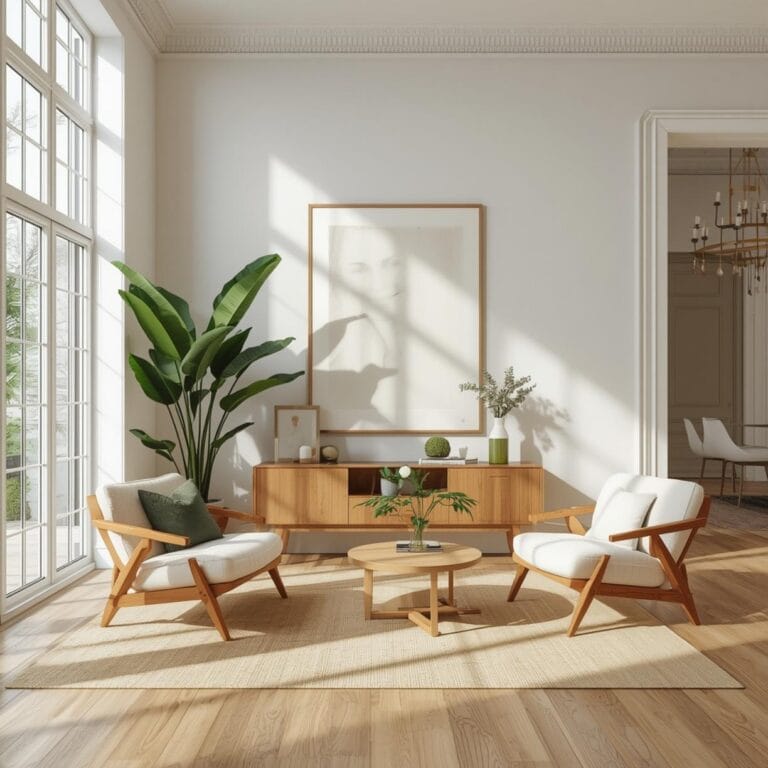
Scandinavian Simple: Celebrate function and coziness with pale woods, white walls, and pops of black for contrast. Keep furniture low and streamlined, add warmth through textiles like chunky knit throws, and maximize natural light. This style feels fresh year-round and creates a calming backdrop for busy lives.
Modern Farmhouse: Blend rustic charm with clean contemporary lines through shiplap or board-and-batten accents, vintage-inspired furniture with fresh upholstery, and a neutral palette warmed by natural wood tones. Add industrial-style lighting and you’ve got a look that feels both current and comfortably lived-in.
Benefits That Go Beyond Looking Good
The right living room style does more than please your eyes. It actually changes how you experience your home every single day.
When your space matches your personality, you’ll naturally spend more time there. You’ll invite people over more often, feel proud of your surroundings, and find yourself actually using the room instead of avoiding it.
A well-defined style also makes future decorating decisions infinitely easier. You’ll stop second-guessing every throw pillow purchase because you’ll know whether it fits your vision. Shopping becomes faster and more intentional when you understand your aesthetic direction.
Different styles offer practical lifestyle benefits too. Minimalist spaces are genuinely easier to clean and maintain. Transitional styles grow with you through life changes. Bohemian rooms hide kid messes better than pristine modern spaces.
The mental health benefits surprise people most. Coming home to a space that feels authentically yours reduces stress and creates a true sanctuary from the outside world.
Style Options for Every Budget
Budget-Friendly Approach: Start with paint to transform your walls, shop secondhand for unique furniture pieces with good bones, and make your own art by framing fabric or wallpaper samples. Focus spending on one quality sofa and build around it slowly. Thrift stores and online marketplaces offer incredible finds for bohemian, farmhouse, and eclectic styles especially.
Mid-Range Investment: Mix affordable basics with a few investment pieces that anchor your style. Spend more on your sofa and coffee table, save on accent chairs and side tables. Choose quality window treatments that frame your space beautifully. This balanced approach lets you achieve most styles authentically without breaking the bank.
Premium Experience: Invest in custom upholstery that fits your exact space and style, commission original artwork, choose high-end lighting that becomes functional sculpture, and work with quality natural materials like solid wood and real stone. Premium doesn’t always mean formal – you can do luxury bohemian or high-end coastal just as successfully as traditional elegance.
Small Space Adaptation: Any style works in a small living room if you scale appropriately. Choose furniture with exposed legs to create visual space, use mirrors to reflect light and expand sightlines, and embrace vertical storage instead of bulky cabinets. Minimalist, Scandinavian, and modern styles naturally suit smaller spaces, but don’t let that stop you from going bold if that’s your personality.
Common Mistakes to Avoid
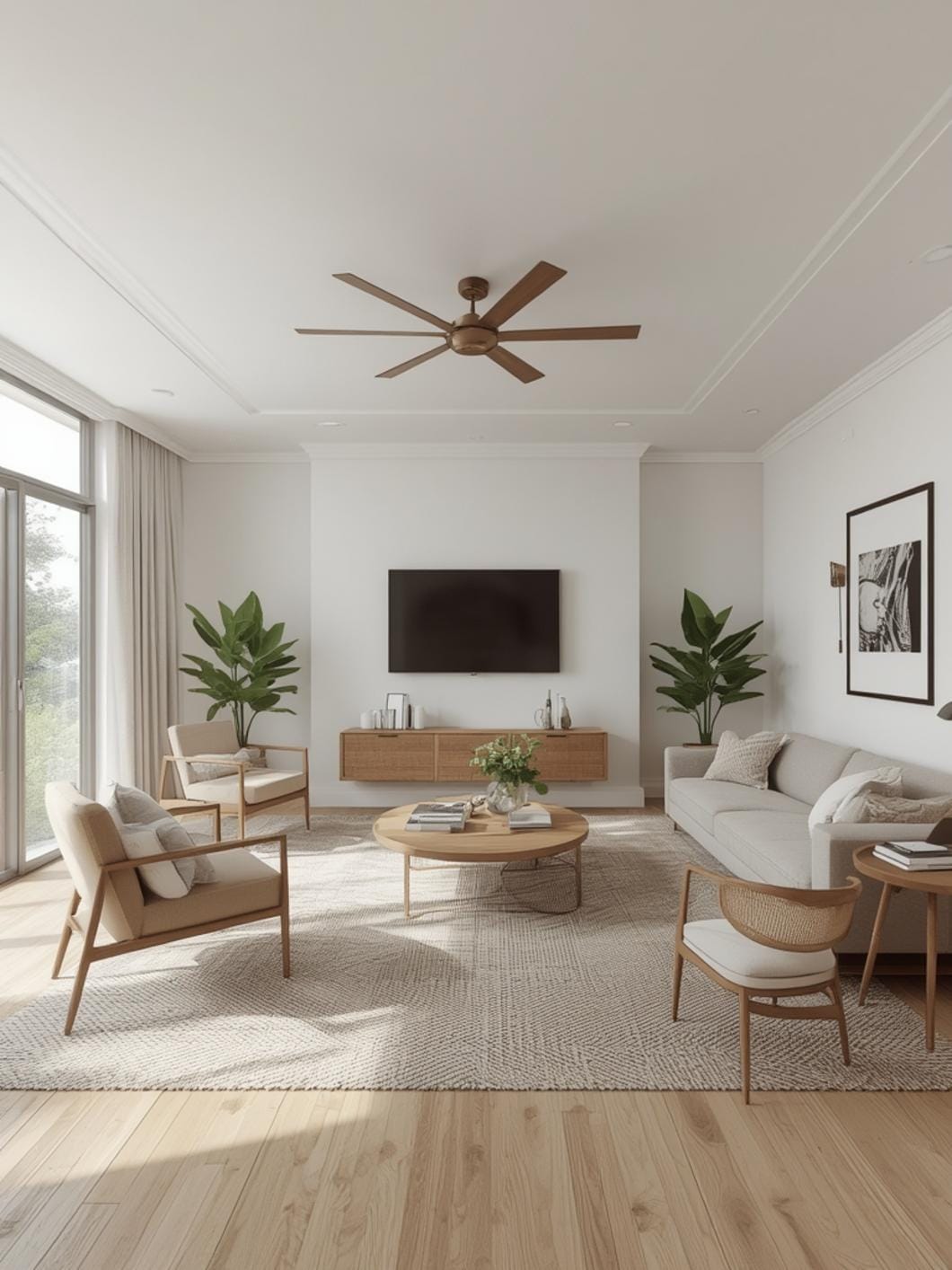
Copying a look exactly without considering your actual life: Pinterest rooms look perfect because they’re styled for photos, not living. Adapt inspiration to your real needs, like swapping delicate white upholstery for durable performance fabrics if you have kids or pets.
Ignoring your home’s existing architecture: A sleek minimalist interior can feel wrong in a 1920s Tudor, while heavy traditional furniture might fight against modern open-concept spaces. Work with your home’s bones instead of against them for a more cohesive feel.
Matching everything too perfectly: Even traditional styles need some variation in wood tones and fabric patterns. Rooms feel sterile and showroom-like when every piece matches exactly. Aim for harmony and balance instead of identical coordination.
Choosing style over comfort: That gorgeous modern chair won’t matter if nobody wants to sit in it. Test furniture for actual comfort, ensure there’s adequate seating for your household, and remember your living room needs to function first and photograph second.
Rushing the process with quick purchases: Living room style develops over time as you discover what you truly love. Buy one quality piece you’re certain about rather than filling the room quickly with furniture that’s just okay. Your style will evolve more authentically when you’re patient with the process.
Keeping Your Style Fresh Over Time
Most living room styles require surprisingly little maintenance once established. The key is making small seasonal refreshes instead of complete overhauls every few years.
Swap throw pillows and blankets seasonally to keep your space feeling current without major expense. Rotate artwork and accessories to prevent visual fatigue. Even a simple change like moving your coffee table books or switching which lamps you use can refresh your perspective.
Clean and maintain your furniture according to its specific materials. Leather needs conditioning, wood benefits from occasional polishing, and upholstery should be vacuumed regularly to prevent embedded dirt. These small acts of care keep your style looking intentional rather than worn.
Reevaluate your space twice a year and edit ruthlessly. If you haven’t used something in six months, it’s probably not serving your style or function. Donate or sell pieces that no longer fit and resist the urge to immediately replace them.
Stay inspired by following designers who work in your chosen style, but don’t let trends pressure you into constant changes. True style has staying power because it reflects your authentic preferences, not whatever’s currently popular.
Bringing It All Together
Your living room style should make coming home feel like a relief, not a chore. Whether you’re drawn to the clean simplicity of modern design, the collected warmth of bohemian spaces, or the balanced beauty of transitional style, trust your instincts about what feels right.
Start small, build intentionally, and remember that your best living room is one you actually want to live in. The perfect style isn’t about impressing visitors – it’s about creating a space where you genuinely love spending time.
Ready to explore more ways to make your home feel completely yours? Browse DecorKingdom for hundreds of style ideas, room-by-room guides, and design inspiration that celebrates real homes and real life.
FAQs
What’s the most popular living room style right now?
Modern transitional style leads in popularity because it blends timeless traditional comfort with clean contemporary lines. This approach works with pieces people already own and adapts easily as trends shift. That said, the “best” style is always the one that matches your lifestyle and makes you happiest at home.
Can I mix different living room styles together?
Absolutely, and this creates some of the most interesting spaces. The key is choosing one dominant style as your foundation (about 70% of the room) and bringing in elements from other styles as accents. Keep your color palette cohesive and repeat certain materials throughout to unify mixed elements.
How do I figure out my personal living room style?
Create a digital or physical inspiration board with rooms that appeal to you, then look for common threads in colors, furniture shapes, or overall feeling. Notice which rooms you save repeatedly – that’s your style speaking. Also consider how you actually use your living room, because your ideal style needs to match your real life.
Does living room style need to match the rest of my house?
Your home should feel cohesive but not identical room to room. It’s perfectly fine for your living room to have a slightly different style from your bedroom as long as there’s a common thread like color palette, wood tones, or overall formality level. Open-concept homes need more consistency than houses with defined separate rooms.
How much does it cost to change your living room style?
You can shift your style for under $500 with strategic paint, new textiles, and rearranged furniture. A moderate refresh with some new furniture pieces typically runs $2,000-$5,000. Complete transformations with all new furniture can cost $8,000-$15,000 or more, but most people achieve their desired style gradually over months or even years.
—
Meta Title: Living Room Styles Guide: Find Your Perfect Look 2026
Meta Description: Discover living room styles that match your life. From modern to bohemian, find your perfect aesthetic with our friendly guide and transform your space.