How to Choose Entryway Decorations Like a Pro
Your entryway is the first thing you see when you walk through the door, and it sets the tone for your entire home. But if yours feels cluttered, cramped, or just plain boring, you’re not alone. Many homeowners struggle to make this small space work hard while still looking beautiful.
The good news? With the right entryway decorations, you can transform this often-overlooked area into a welcoming, functional zone that makes coming home feel special. Whether you’re working with a narrow hallway or a generous foyer, there are simple ways to add personality and purpose to your entryway.
In this guide, you’ll discover practical ideas that fit real homes and real budgets—no contractor needed.
Table of Contents
What You’ll Need to Get the Look
Creating a beautiful entryway doesn’t require a complete renovation. Start with these foundational pieces and decor elements that work in most spaces:
– Console table or narrow bench – provides surface space and storage without blocking flow
– Mirror – reflects light and makes the space feel larger
– Hooks or wall-mounted rack – keeps coats and bags off the floor
– Basket or decorative tray – corrals keys, mail, and everyday essentials
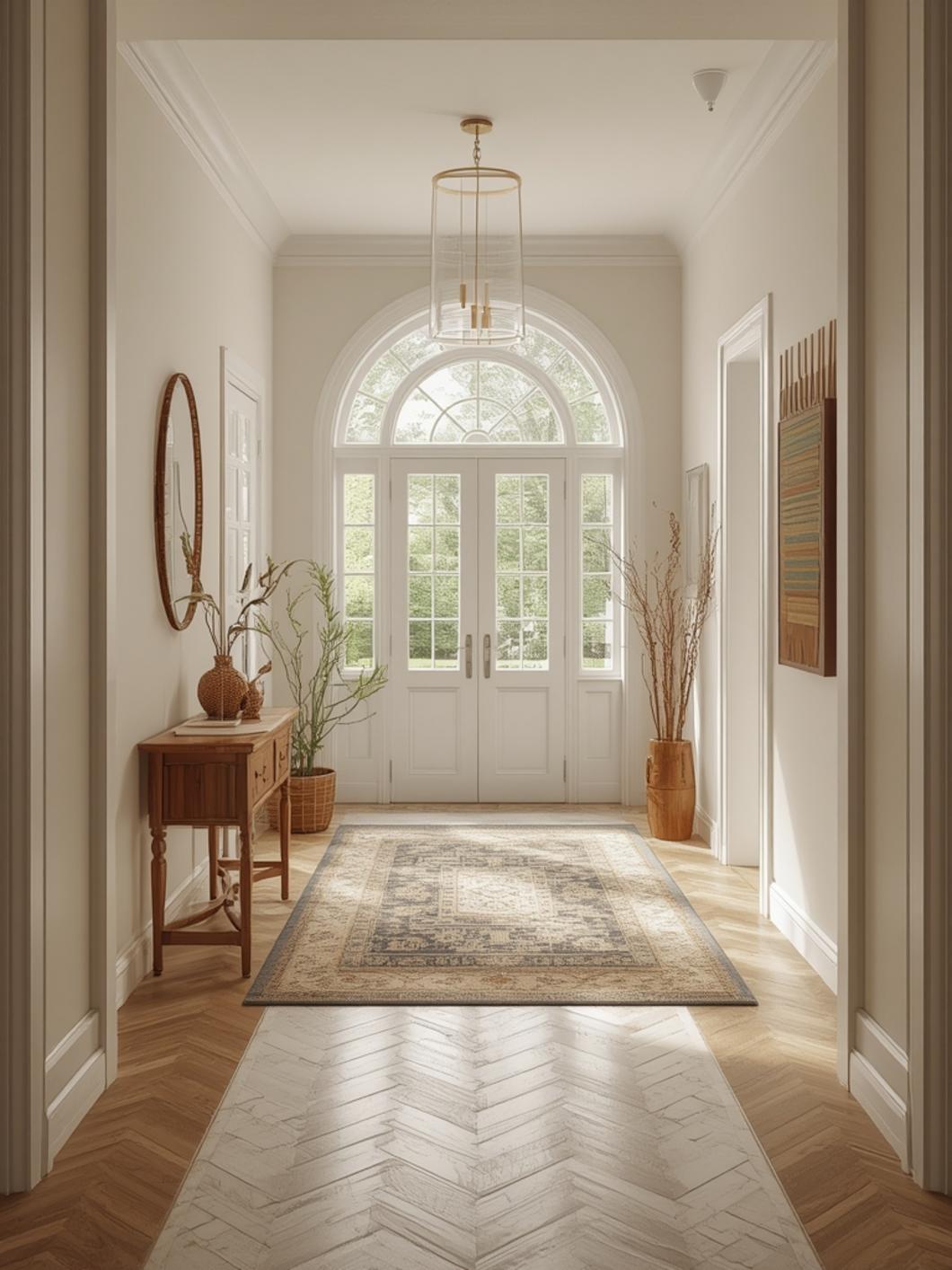
– Area rug or runner – adds warmth and defines the space
– Table lamp or wall sconce – creates ambient lighting beyond overhead fixtures
– Artwork or framed prints – adds personality and visual interest
– Small plants or fresh flowers – brings life and color to the area
– Decorative bowl or catchall dish – a stylish spot for pocket items
The key is choosing pieces that serve double duty. Every item should either solve a problem or make you smile when you see it.
Finding Your Style and Season
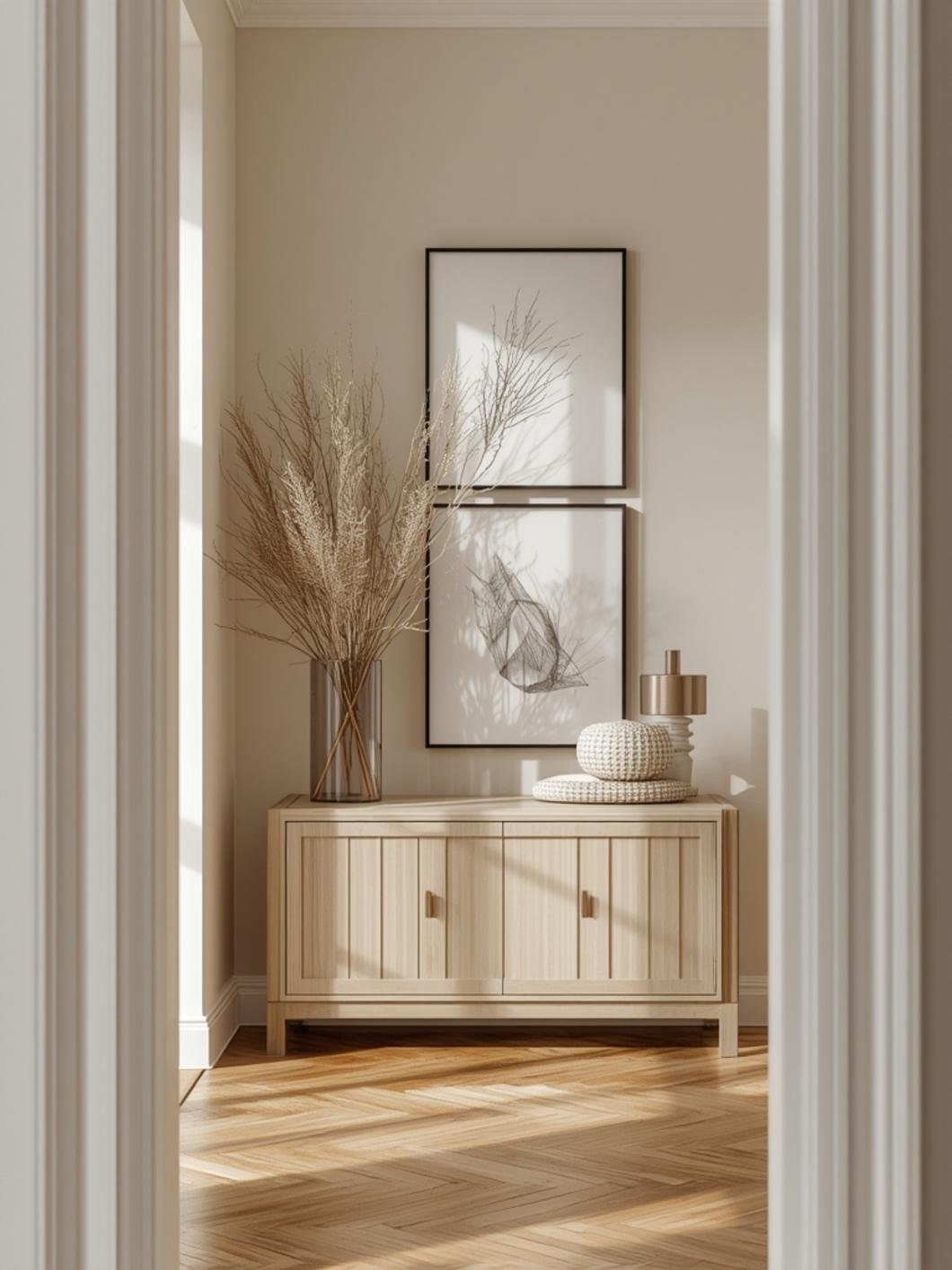
Your entryway decor can shift with the seasons and your mood, which keeps your home feeling fresh. Think about the feeling you want to create when you walk through the door.
For everyday styling, keep your core pieces neutral and timeless. This means your console table, mirror, and storage solutions stay consistent year-round. Then layer in seasonal touches that are easy to swap out.
Spring and summer call for lighter colors, fresh florals, and airy textures. Consider swapping heavy wool rugs for natural fiber runners, and add a vase of seasonal blooms or a bowl of lemons for a cheerful pop.
Fall and winter invite warmer tones, cozy textures, and richer colors. Add a chunky knit throw over your bench, switch to deeper-toned artwork, or display seasonal branches in a tall vase.
The beauty of entryway styling is that small changes make a big impact. You don’t need to redecorate entirely—just refresh a few key elements every few months to keep things interesting.
7 Ideas to Try in Your Home
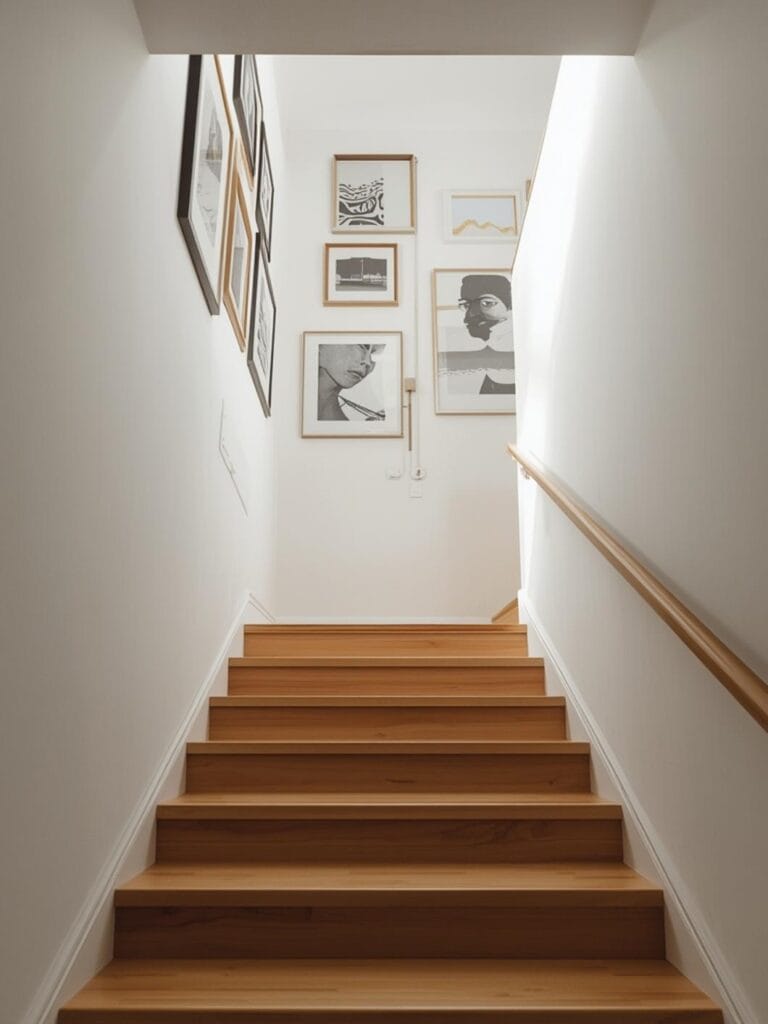
Create a Gallery Wall Moment
Instead of one large piece of art, arrange a collection of smaller frames in varying sizes. Mix family photos with art prints and meaningful quotes. This adds personality instantly and gives guests something interesting to look at while they’re taking off their shoes.
Layer Your Lighting
Don’t rely solely on overhead lighting. Add a table lamp on your console or install a plug-in wall sconce for softer, more inviting light. Warm-toned bulbs make your entryway feel like a cozy retreat rather than a sterile hallway.
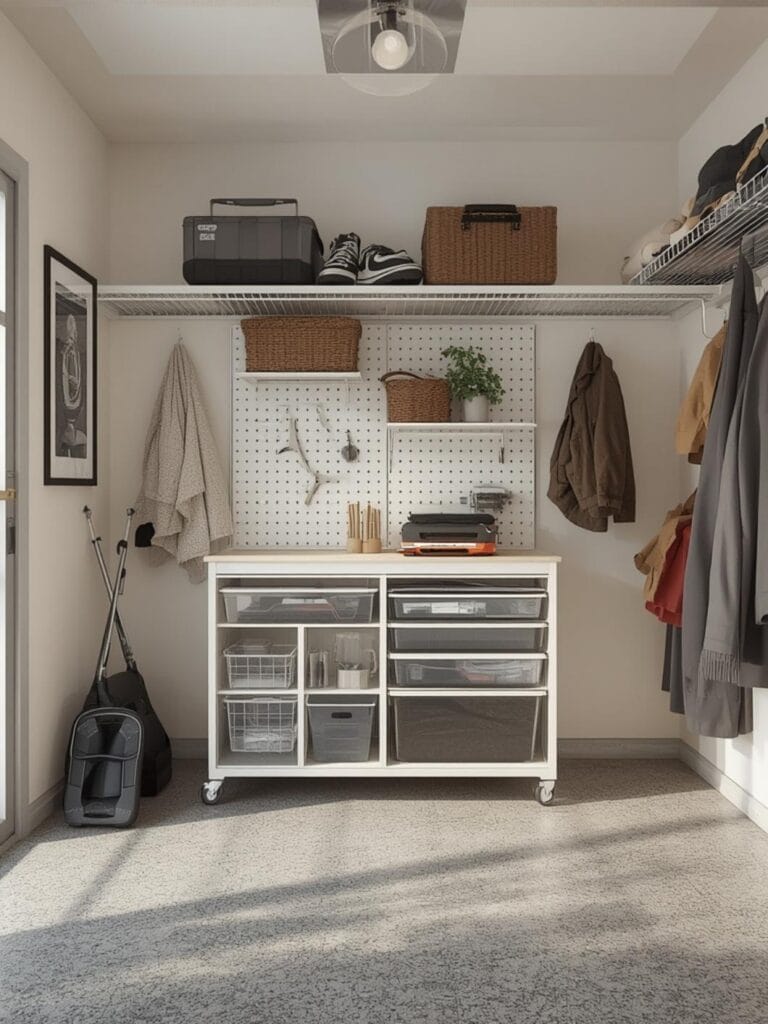
Build Vertical Storage
When floor space is limited, think upward. Mount a pegboard or decorative hooks at varying heights. This approach works beautifully if you’re figuring out how to arrange entryway furniture for small spaces, since it keeps essentials accessible without eating up precious square footage.
Add a Statement Mirror
A mirror isn’t just functional—it’s one of the most effective design tricks for making any space feel larger and brighter. Choose an oversized mirror with an interesting frame, or group several small mirrors together for an unexpected look.
Style Your Console Table in Threes
Interior designers often work in odd numbers because they’re more visually pleasing. Place three items on your console: perhaps a lamp on one end, a small plant in the middle, and a decorative object or tray on the other end.
Install Floating Shelves
If a console table won’t fit, floating shelves provide surface space without the bulk. Use them to display small plants, candles, or a rotating collection of decorative objects. Keep the bottom shelf practical with a basket for mail or a small tray for keys.
Create a Landing Zone
Designate specific spots for everyday items so they don’t end up scattered. A hook for each family member, a basket for shoes, a tray for mail—these simple systems prevent clutter before it starts. Make it pretty with matching baskets or a decorative tray that fits your style.
Bring in Natural Elements
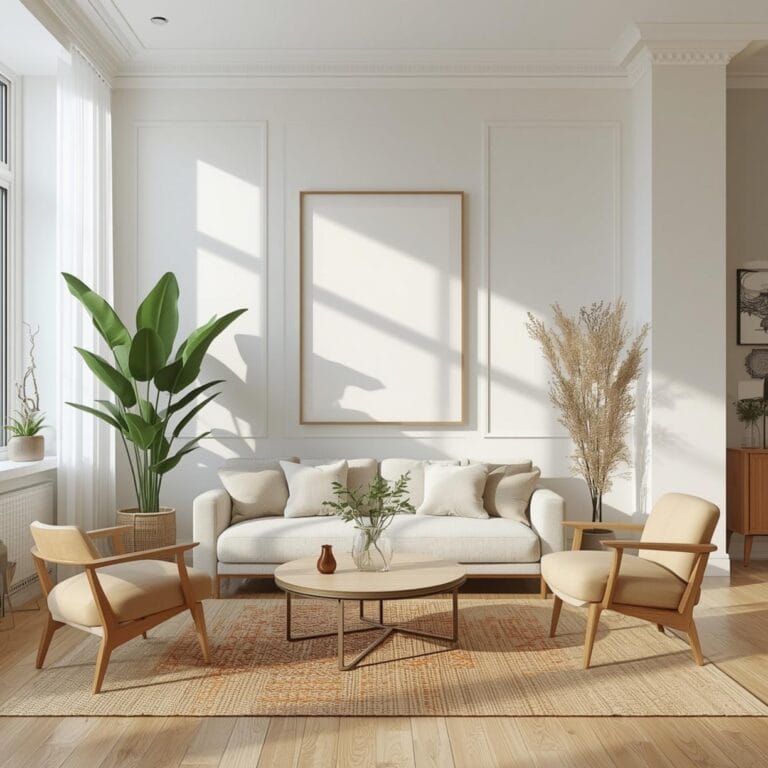
Fresh or faux greenery instantly makes your entryway feel more welcoming. A potted fiddle leaf fig, a simple vase of eucalyptus, or even a bowl of decorative balls adds texture and life. Natural elements work with any decor style and never go out of fashion.
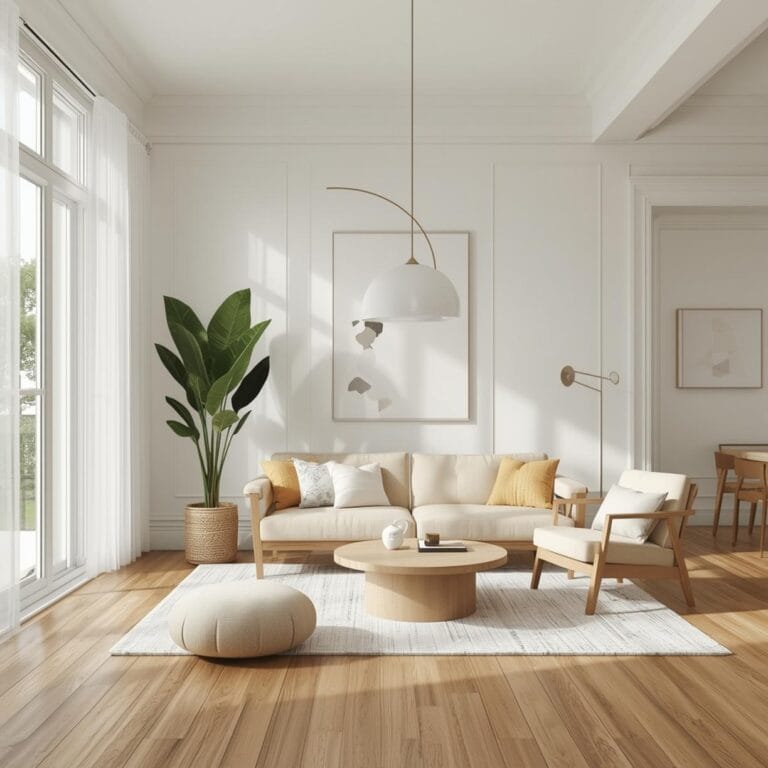
Define the Space with a Rug
Even if your entryway flows into another room, a rug creates a visual boundary that says “this is the entry.” Choose something durable and easy to clean, but don’t sacrifice style—this is one of the first things people see.
Benefits of a Well-Decorated Entryway
A thoughtfully decorated entryway does more than look pretty—it makes your daily routine smoother and more pleasant. Coming home to an organized, beautiful space improves your mood the moment you walk in.
When everything has a designated spot, you spend less time searching for keys, bags, or shoes. This small organizational win reduces morning stress and makes leaving the house easier.
For guests, your entryway creates that crucial first impression. It tells visitors they’re welcome and gives them a glimpse of your personal style before they see the rest of your home.
A well-designed entry also protects the rest of your house. It becomes a buffer zone where outdoor dirt, wet shoes, and daily clutter get contained before spreading throughout your home.
Tips, Alternatives, and Styling Advice
Budget-Friendly Option
Skip the expensive console table and use a narrow bookshelf turned sideways instead. Add an inexpensive mirror from a home goods store and dress it up with a decorative frame you paint yourself. Use command hooks instead of installing hardware, and shop thrift stores for unique baskets and trays.
Mid-Range Option
Invest in one quality piece like a solid wood console table or a statement mirror, then mix in affordable accessories. This approach gives you a high-end look without the full price tag. Spend more on items that get daily use, like a durable rug or sturdy bench.
Premium Option
Choose custom-built storage solutions that fit your exact space and needs. Invest in designer lighting fixtures and original artwork. Premium natural fiber rugs, high-quality ceramics, and unique vintage finds complete the look with pieces that tell a story.
Small Space Adaptation
When you’re truly tight on space, mount a narrow floating shelf instead of using floor furniture. Install a mirror above it to create the illusion of more room. Use the vertical wall space with mounted hooks and a small magnetic board for notes and reminders. Every inch counts, so choose multifunctional pieces whenever possible.
Color Coordination Tip
Pull one or two accent colors from adjacent rooms into your entryway so the space feels connected rather than choppy. If your living room features blue accents, echo that color in your entryway rug or artwork.
Common Mistakes to Avoid
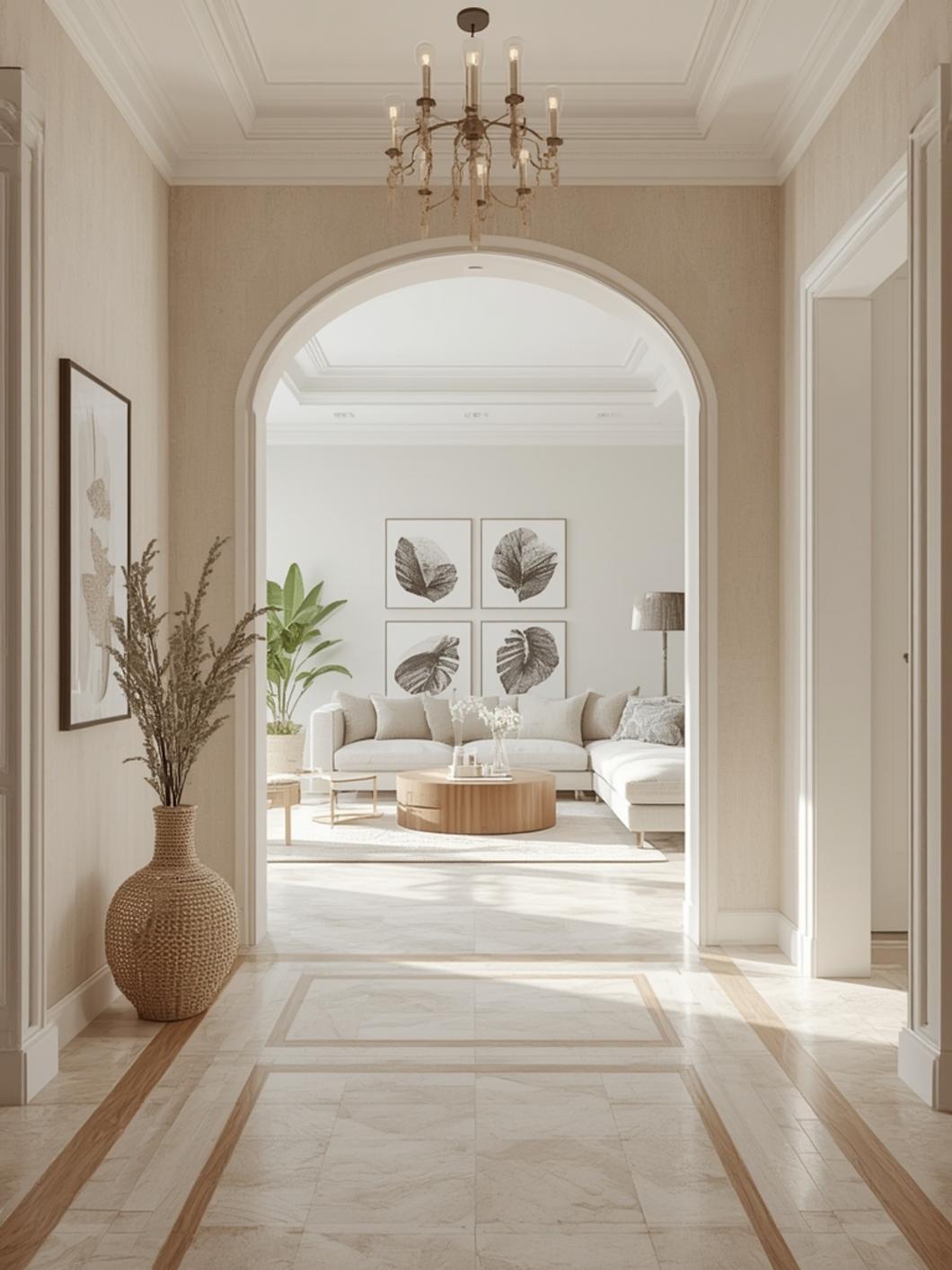
Blocking the Natural Flow
Placing furniture too close to the door creates an obstacle course rather than a welcoming entry. Leave at least 36 inches of clear walking space so people can move through comfortably.
Ignoring the Scale
Oversized furniture in a small entryway makes the space feel cramped and unusable. Measure your area carefully and choose appropriately sized pieces that leave room to move.
Forgetting About Lighting
Relying only on overhead lighting creates harsh shadows and an unwelcoming feel. Layer in softer light sources at eye level to make your entryway warm and inviting.
Skipping Storage Solutions
Without designated spots for everyday items, your entryway becomes a dumping ground. Add hooks, baskets, or a bench with storage to give everything a home.
Over-Decorating
Too many decorative objects create visual clutter rather than interest. Choose a few meaningful pieces and give them space to shine instead of crowding every surface.
Maintenance and Upkeep Tips
Keep your entryway looking fresh with a quick weekly routine. Wipe down your console table and mirror with a microfiber cloth to remove dust and fingerprints. This takes just a minute but makes everything look polished.
Vacuum or shake out your entryway rug weekly, especially during wet or muddy seasons. Rotate it occasionally so wear patterns stay even and the colors don’t fade unevenly from sunlight.
Every season, edit your decorative accessories and rotate them out. This prevents your entryway from looking stale and gives you a chance to deep clean surfaces underneath.
Check your hooks and wall-mounted pieces every few months to make sure they’re still secure. Tighten any loose screws before they become a problem.
Refresh your flowers or greenery regularly. Even faux plants need occasional dusting, and real flowers should be changed when they start to wilt.
Making Your Entryway Work for You
Your entryway sets the tone for your entire home, and it deserves more than just being a pass-through space. With the right decorations and a bit of thoughtful planning, you can create an area that’s both beautiful and functional.
Start with one or two changes from this guide and build from there. You don’t need to tackle everything at once—small improvements add up to a big transformation over time.
Ready to explore more ways to make your home beautiful and organized? Browse DecorKingdom for more inspiration and practical advice tailored to real homes like yours.
FAQs
What’s the ideal height to hang entryway hooks?
Mount hooks between 60 and 65 inches from the floor for adult use. If you have children, install a lower row around 40 inches so they can reach their own coats and bags. Multiple rows work well for families with varying heights.
How wide should an entryway console table be?
Choose a console that’s between 10 and 14 inches deep if your entryway is narrow. This provides surface space without blocking the walkway. Measure your space and leave at least 36 inches of clear path for comfortable movement.
Can you put a rug in a small entryway?
Yes, but choose the right size and shape. A runner works better than a large rectangular rug in narrow spaces. Make sure the rug doesn’t bunch up against doors or create a tripping hazard near the entry threshold.
How do you keep an entryway from looking cluttered?
Limit surfaces to three main decorative items and provide hidden storage for everyday essentials. Use baskets, closed console drawers, or wall-mounted organizers to keep necessary items accessible but out of sight. Edit regularly and remove things you don’t actually use.
What’s the best lighting for a dark entryway?
Layer multiple light sources instead of relying on one overhead fixture. Add a table lamp, plug-in wall sconce, or battery-operated LED lights inside closets. Choose warm-toned bulbs around 2700K to create an inviting glow rather than harsh brightness.
—
Meta Title: Entryway Decorations That Transform Small Spaces 2026
Meta Description: Create a stunning entryway with smart decorations that maximize style and function. Get practical ideas for any space and budget today.