Dining Room Table Sets with 6 Chairs: The Complete Guide to Choosing and Styling Your Space
You’ve outgrown the four-seater. Maybe your family expanded, or you simply love hosting dinner parties that feel more like celebrations. Whatever brought you here, you’re ready for a dining setup that seats everyone comfortably without feeling cramped.
Dining Room Table Sets with 6 Chairs strike that perfect balance between intimate family meals and social gatherings. They’re substantial enough to make a statement in your dining room, yet they don’t swallow up every inch of floor space like larger sets do.
The right six-chair dining set transforms your eating area into the heart of your home. You’ll find yourself lingering over breakfast, hosting game nights, and creating memories around a table that finally fits your lifestyle.
Table of Contents
Key Terms and Elements to Know
Before you shop, you need to understand what makes up a quality dining set for six. Your table shape dictates everything from chair arrangement to room flow.
Table shapes come in four main options:
– Rectangular tables (most common for six chairs, typically 60-72 inches long)
– Oval tables (softer edges, similar seating to rectangular)
– Round tables (cozy feel, requires 54-60 inch diameter for six)
– Square tables (rare for six, needs 60×60 inches minimum)
Chair styles include armchairs (typically used at table ends), side chairs (armless for easier tucking), and bench seating (one bench can replace two chairs on one side).
Materials range from solid wood (oak, walnut, maple) to engineered wood with veneer, glass tops with metal bases, or mixed materials combining wood and upholstery. Each affects durability, maintenance, and style.
Finish options include natural wood stains, painted finishes (farmhouse white is trending), distressed looks for rustic charm, or high-gloss contemporary finishes.
Common Misconceptions to Clear Up First
Many homeowners believe matching sets are their only option. That’s outdated thinking. Mixing a table with different chairs creates visual interest and personality. You might choose two armchairs for the ends and four complementary side chairs, or even add a bench on one side.
Another myth says you need a massive dining room for six chairs. A rectangular table that’s 36 inches wide and 72 inches long fits comfortably in a 10×12 foot space when you account for chair pullout and walking room. Measure your room and leave 36-42 inches of clearance on all sides.
Some think all six chairs must match perfectly. Real designers often use mismatched chairs in coordinating colors or styles for a collected, sophisticated look that feels more curated than catalog.
The biggest misconception is that expensive means better quality. Price doesn’t always reflect durability. A $1,200 solid wood set often outlasts a $3,000 set made with particleboard and fancy marketing.
How It Works in Real Homes
Understanding chair spacing prevents the crowded feeling that ruins otherwise beautiful dining rooms. Each person needs 24 inches of table width for elbow room. On a 72-inch rectangular table, you’ll seat three people comfortably on each long side.
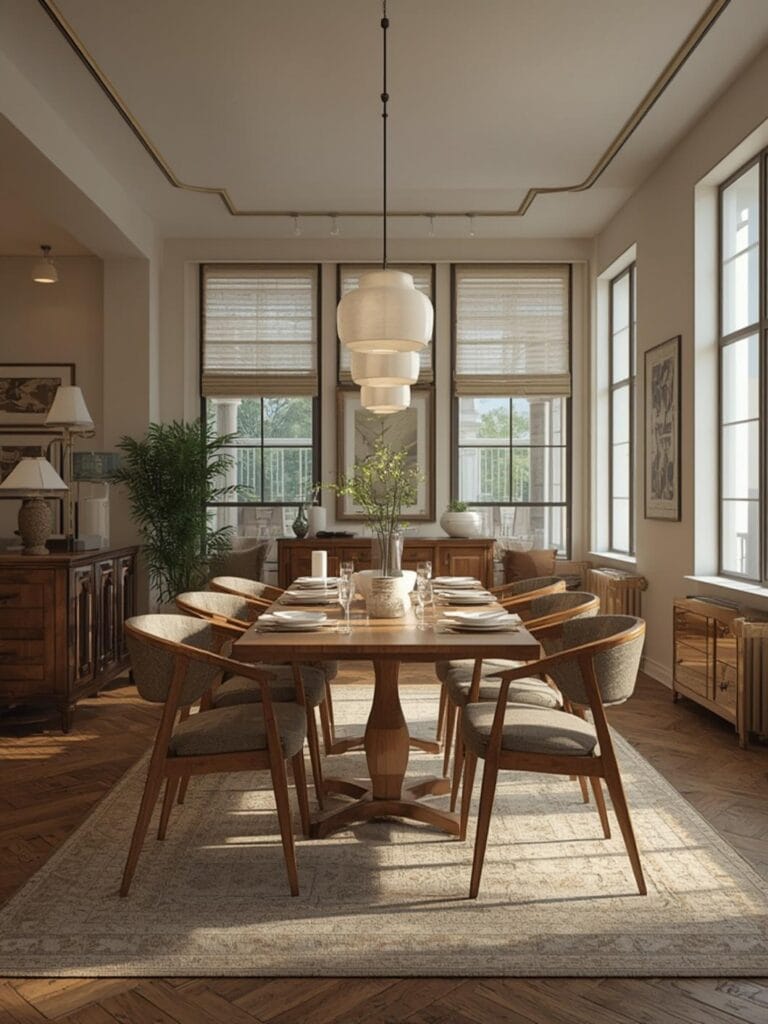
How to arrange 6 dining chairs around a table depends on your table shape and room layout. For rectangular tables, place two chairs at the short ends (heads of the table) and two on each long side. This classic arrangement works for both formal dinners and casual family meals.
Round tables seat six by spacing chairs evenly around the perimeter, roughly 60 degrees apart. This creates equal distances between all diners and encourages conversation since everyone faces the center. No one gets stuck at an awkward corner.
Traffic flow matters more than most realize. Your main walkway through the room should remain at least 36 inches wide even when chairs are pulled out. Position your table so the primary path doesn’t force people to squeeze behind seated diners.
Visual weight balancing keeps your room from feeling lopsided. If your table sits against one wall instead of centered, add a buffet or console table on the opposite wall. This grounds the space and provides serving area during meals. [INTERNAL LINK: dining room storage ideas]
Lighting height should place your chandelier or pendant 30-36 inches above the table surface. This illuminates faces without creating glare or blocking sightlines across the table during conversation.
Benefits of Six-Chair Dining Sets
The social dynamics shift beautifully with six seats. You’re no longer limited to small gatherings or awkward four-person dinners where someone sits alone on one side. Six creates balanced conversation groups naturally.
Your home value gets a subtle boost too. Real estate agents know that functional dining spaces appeal to buyers, and a six-person setup hits the sweet spot most families want. It’s neither too small nor overwhelming.
Flexibility becomes your friend with this size. Remove two chairs and you have an intimate four-person setting. Add a leaf and bring in folding chairs for eight when extended family visits. The six-chair base adapts to your changing needs.
Daily life improves in unexpected ways. Your kids spread homework across one end while you prep dinner at the other. Weekend mornings stretch longer when everyone fits comfortably around the table. The dining room stops being “just for holidays” and becomes the gathering spot you always imagined.
Tips, Alternatives, and Styling Options
Budget-friendly approach starts with shopping unfinished furniture stores where you can buy solid wood sets for $400-700. Add your own stain and finish for a custom look at a fraction of retail prices. Alternatively, buy a quality table and mix in affordable chairs from different sources.
Mid-range strategy focuses on mixed materials. A $900-1,400 set might feature a wood table with upholstered chairs, combining durability where you need it with comfort where you sit. Look for removable seat cushions you can spot-clean or replace.
Premium investment means $2,000+ for heirloom-quality hardwoods with hand-finished details. These sets last decades and develop beautiful patinas. Brands that offer replacement parts and refinishing services protect your investment long-term.
Small space adaptation swaps four side chairs for a bench on one side. This tucks completely under the table when not in use, recovering precious floor space. Choose a bench with hidden storage and you gain functionality too. [INTERNAL LINK: small dining room ideas]
Style mixing works brilliantly when you follow one simple rule: pick one unifying element. Match all wood tones, or keep all chairs the same height, or use one consistent color. That common thread prevents the mix from looking random.
Common Mistakes to Avoid
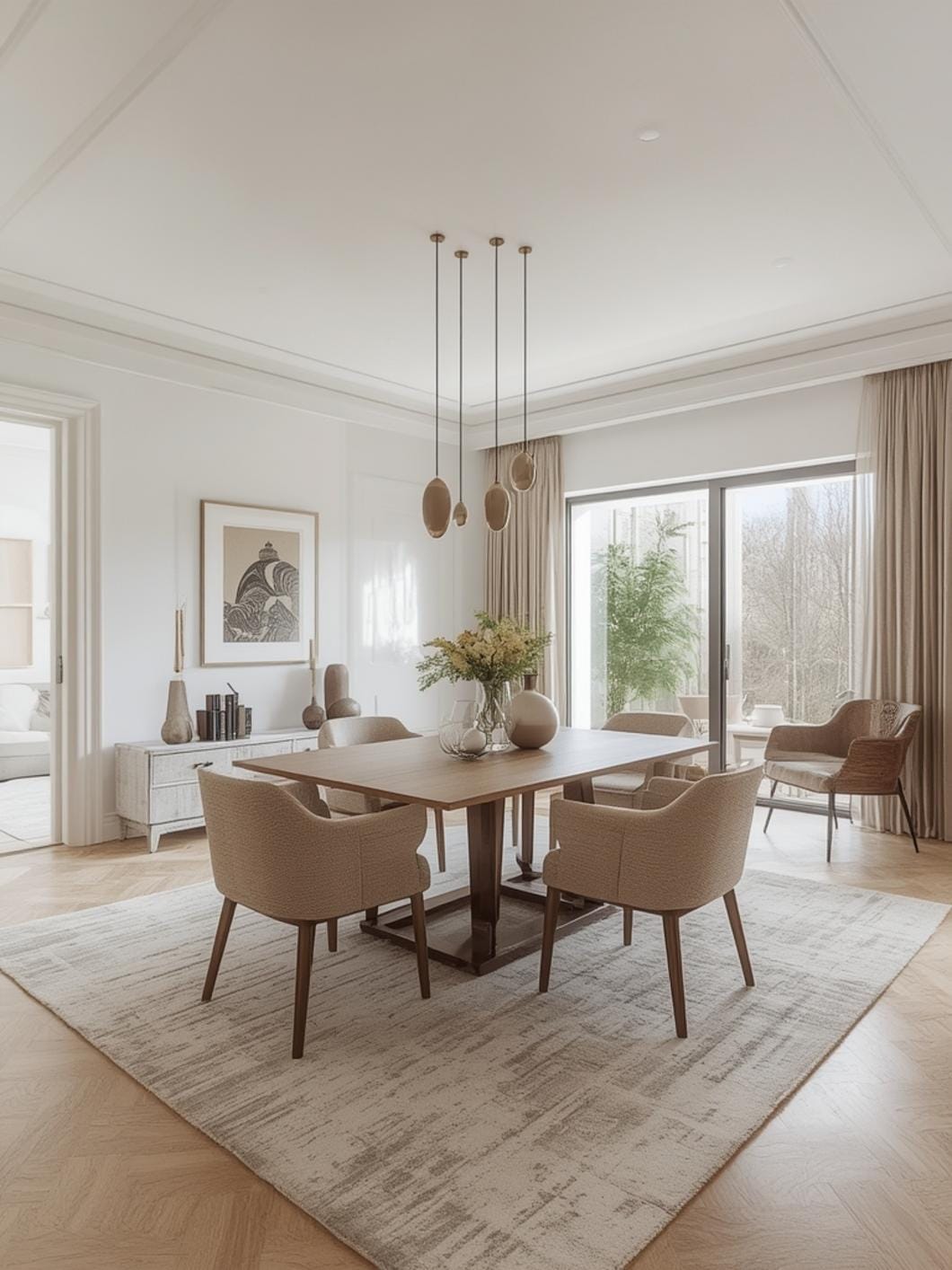
Buying oversized tables for your room dimensions is the most frequent error. Your table shouldn’t consume more than one-third of your floor space. Measure carefully and remember that 36-42 inches of clearance on all sides is non-negotiable for comfortable movement.
Ignoring chair comfort until after purchase leads to regret. Sit in the actual chairs for at least five minutes before buying. Your back should touch the backrest naturally, your feet should rest flat on the floor, and your arms should rest on the table without hunching your shoulders.
Choosing trendy finishes over timeless styles dates your room quickly. That distressed white farmhouse table looks perfect today but might feel tired in three years. Neutral wood tones and classic shapes adapt as your style evolves.
Skipping table pads or protective mats ruins beautiful surfaces unnecessarily. Even “durable” finishes scratch, stain, and water-ring. Invest $40 in a quality pad that fits under your tablecloth, or use placemats religiously.
Forgetting about chair storage when not in use creates clutter. If your dining room opens to other spaces, pushed-in chairs should look intentional, not messy. Choose chairs that tuck completely under the table or position the table where chairs become part of the room’s design.
Maintenance and Upkeep Tips
Wood tables need simple weekly dusting with a microfiber cloth. For deeper cleaning, use a barely damp cloth with a drop of dish soap, then dry immediately. Never let water pool on wood surfaces, even sealed ones.
Tighten chair screws quarterly since daily use loosens joints gradually. Keep a screwdriver in your dining room buffet drawer for quick fixes before wobbly chairs become damaged chairs.
Protect your table during everyday use with placemats, coasters, and trivets. These aren’t just decorative—they’re your first defense against heat marks and scratches. Make them part of your table setting routine.
Condition wood surfaces every 6-12 months with appropriate products. Oil finishes need mineral oil or beeswax. Polyurethane finishes just need occasional polish. Check your manufacturer’s care instructions and follow them precisely.
Rotate chair positions every few months so wear patterns stay even. The chairs at table ends get used more than side chairs, but switching them around balances fading from sunlight and wear on upholstery.
Address spills immediately by blotting (never rubbing) with a clean cloth. For upholstered seats, keep a small bottle of fabric cleaner handy. Treating stains within minutes prevents them from setting permanently.
Bringing It All Together
Your six-chair dining set does more than fill a room—it shapes how your household connects daily and celebrates together. The right combination of table shape, chair style, and thoughtful arrangement creates a space that works as hard as you do.
Start by measuring your room carefully, then shop with both your current needs and future flexibility in mind. Whether you choose a matching set or mix individual pieces, prioritize comfort and quality over fleeting trends.
Ready to explore more ways to create a home that truly reflects your lifestyle? Browse our complete collection of dining room inspiration and practical guides at DecorKingdom, where beautiful, functional spaces start.
FAQs
What size table do I need to seat 6 people comfortably?
For rectangular tables, aim for 72 inches long by 36 inches wide. Round tables need a 54-60 inch diameter. These dimensions give each person adequate elbow room without the cramped feeling smaller tables create. Remember to add space for centerpieces and serving dishes.
Can I fit a 6-chair dining set in a 10×10 room?
A 10×10 room works, but feels tight. You’ll need a table no larger than 60 inches to maintain the crucial 36-inch clearance for pulling out chairs and walking past. Consider a round table or a rectangular one positioned carefully to maximize your limited space.
Should I buy a matching set or mix and match chairs?
Both approaches work beautifully depending on your style. Matching sets offer foolproof coordination and often cost less than buying pieces separately. Mixed chairs create more personality and visual interest but require a careful eye to avoid looking unintentional. Start by matching one element like color or height.
How far apart should dining chairs be from each other?
Space chairs 6 inches apart at their widest point when pushed in. This prevents that squeezed-in feeling when everyone sits down simultaneously. If your chairs have arms, you might need 8-10 inches depending on arm width. Test spacing before finalizing your table size.
Is a bench better than chairs for family dining?
Benches work wonderfully for families with young children who slide in and out frequently. They save space and often provide storage underneath. However, they offer less individual comfort than chairs for extended meals. Many families compromise by using a bench on one side with chairs on the other and at the ends.
—
Meta Title: Dining Room Table Sets with 6 Chairs Guide 2026
Meta Description: Find the perfect 6-chair dining set for your home. Learn sizing, arrangement, and styling tips that create comfortable gathering spaces.