How to Choose the Perfect 7 Piece Dining Room Set
You walk past your dining room every day and feel that familiar twinge of disappointment. The table wobbles, the chairs don’t match, and somehow it never looks quite put together. You’ve been dreaming of a cohesive, beautiful space where your family actually wants to gather for meals.
Finding the right Best 7 Piece Dining Room Sets transforms this vision into reality. These complete sets take the guesswork out of furniture shopping by including a table and six matching chairs in one coordinated package.
Your dining room deserves furniture that works as hard as you do. Whether you’re hosting holiday dinners or helping kids with homework, the right set makes every moment more comfortable and every gathering more memorable.
Table of Contents
What You’re Actually Comparing
Understanding what separates a good dining set from a great one starts with knowing the key components you’re evaluating.
Table construction forms the foundation of any seven-piece set. Solid wood tables offer durability and timeless appeal, while engineered wood with veneer finishes provides budget-friendly options that still look elegant. The table base style matters too—pedestal bases maximize legroom, while four-leg designs offer traditional stability.
Chair design and comfort directly impact how long your family wants to linger at the table. Upholstered seats add softness for extended meals, while wood seats suit casual dining and easy cleanup. Armless chairs tuck neatly under the table, but armed chairs provide extra support for adults and elderly guests.
Finish consistency across all seven pieces creates visual harmony. Quality manufacturers match wood grain patterns and stain colors carefully. You’ll notice the difference between sets with factory-matched finishes versus pieces assembled from different production batches.
Size variations within seven-piece sets range dramatically. Rectangular tables typically measure 60 to 78 inches long, while round tables span 54 to 60 inches in diameter. Your room dimensions should guide this choice rather than aesthetics alone.
How to Decide Before You Buy
Making the right choice requires honest assessment of your space and lifestyle before falling in love with any particular style.
Measure your room twice, buy once. How to measure dining room for proper table fit starts with recording the full length and width of your space. Subtract six feet from both dimensions—this leaves the recommended three feet of clearance around all sides for chair pullout and comfortable movement. The remaining measurements show your maximum table dimensions.
Consider your real-life usage patterns. Families who eat together daily need different features than couples who host occasional dinner parties. Daily-use sets benefit from stain-resistant finishes and sturdy construction, while entertaining-focused sets can prioritize style over bulletproof durability.
Factor in delivery and assembly logistics. Seven pieces of furniture create a significant delivery event. Measure doorways, hallways, and stairwells if your dining room sits upstairs. Some larger tables arrive in two pieces that bolt together, while others ship fully assembled and may not fit through narrow passages.
Budget realistically for the complete picture. The advertised price covers furniture only. Factor in delivery fees, assembly services if needed, and protective items like table pads or chair cushions. Setting aside 15-20% extra prevents sticker shock at checkout.
Side-by-Side Comparison
Comparing your top options side-by-side reveals which set truly matches your needs rather than your initial impression.
Material Quality and Longevity
Solid hardwood sets crafted from oak, maple, or walnut withstand decades of daily use. These pieces often feature traditional joinery like mortise-and-tenon construction in chair frames. The trade-off comes in weight and price—expect to pay premium rates and recruit help for moving day.
Rubberwood and acacia offer mid-range durability at gentler price points. These sustainable hardwoods handle everyday family meals beautifully but may show wear faster in high-traffic households with young children.
Engineered wood with quality veneers creates affordable options that look sophisticated. Modern manufacturing produces remarkably durable surfaces, though you’ll need to baby them more carefully around water and heat.
Style Versatility and Design Lifespan
Traditional sets with turned legs and ornate details make bold statements that anchor your décor scheme. These designs stay in style for decades but demand commitment—you’ll build your room around the furniture rather than the other way around.
Transitional designs with clean lines and subtle details blend into various décor styles as your tastes evolve. These chameleon sets work equally well with farmhouse accents or modern artwork.
Contemporary sets featuring geometric shapes and minimalist silhouettes suit modern homes perfectly. Just remember that trendy designs may feel dated faster than timeless styles, potentially requiring replacement sooner than traditional furniture.
Seating Comfort Across Different Body Types
Side chairs without arms accommodate diners of all sizes comfortably. The open design lets people adjust their sitting position naturally and makes getting in and out easier for everyone.
Armchairs at table ends provide luxurious support for hosts and add visual interest to the set. However, arms limit who can sit comfortably—larger guests may feel squeezed, and arms interfere with pulling chairs close enough to the table for some people.
Upholstered seats and backs transform functional chairs into comfortable seating your family won’t want to leave. The cushioning makes lengthy holiday dinners bearable, but adds maintenance requirements for cleaning spills and refreshing fabric over time.
Table Shape and Social Dynamics
Rectangular tables seat the most people and fit naturally against walls in smaller spaces. The linear design creates conversational challenges—guests at opposite ends struggle to chat easily during large gatherings.
Round tables foster intimate conversation by placing everyone equidistant. These shapes work beautifully for families who prioritize connection during meals, though they require more floor space and seat fewer guests than equivalently sized rectangular tables.
Square tables offer a modern compromise, seating six comfortably with better conversation flow than rectangles. The symmetrical design suits square dining rooms particularly well but can feel awkward in long, narrow spaces.
Maintenance Requirements Over Time
Light finishes show scratches and watermarks more readily than dark stains, requiring vigilant use of placemats and coasters. However, these lighter tones brighten small spaces and hide dust between cleanings.
Dark finishes conceal most daily wear but showcase every fingerprint and water spot. You’ll wipe these tables down more frequently to maintain their dramatic appearance.
Distressed or rustic finishes cleverly camouflage new damage among intentional character marks. These forgiving surfaces suit busy households where perfection takes a backseat to functionality.
Benefits That Extend Beyond the Dining Room
Investing in a quality seven-piece set delivers advantages that ripple through your entire home life.
Instant cohesion eliminates decision fatigue. Shopping for seven coordinated pieces separately drains time and energy. You’ll visit multiple stores, compare finish samples, and still worry whether everything truly matches. Complete sets solve this problem immediately.
Improved hosting confidence changes your social life. Beautiful dining furniture encourages you to actually use your dining room rather than defaulting to kitchen counters. You’ll find yourself inviting friends over more often when you’re proud of the space.
Better posture and comfort during meals happens naturally with properly proportioned chairs and table height. Your family stops slouching over too-low tables or perching awkwardly on mismatched seats.
Resale value remains stronger with complete matching sets versus assembled pieces. Future buyers recognize the quality and coordination, making your furniture more attractive on the secondhand market if you eventually move or redecorate.
Room definition creates purposeful spaces in open floor plans. A substantial dining set anchors the dining zone visually, preventing your great room from feeling like an undefined expanse.
Budget-Friendly Through Premium Options
Finding the right set within your budget means knowing where each price tier makes compromises and where it delivers value.
Entry-level sets ($500-$1,200) typically feature engineered wood construction with veneer finishes. These sets suit first-time homeowners, renters who move frequently, or families who view furniture as temporary until kids grow. Expect serviceable quality that lasts five to ten years with careful use.
Mid-range options ($1,200-$3,000) incorporate solid wood frames with better joinery and more durable finishes. These sets balance quality with affordability, often featuring rubberwood or select hardwoods. You’ll get furniture that withstands active family life and looks good for 10-20 years.
Premium collections ($3,000-$7,000+) showcase solid hardwood construction, hand-applied finishes, and superior comfort features. These investment pieces become family heirlooms, improving with age as the wood develops character. Expect 20-30+ years of daily use.
Small space adaptations exist at every price point. Look for drop-leaf tables that expand when needed, or counter-height sets that double as workspace. Armless chairs tuck completely under the table, saving precious square footage in compact dining areas.
Common Mistakes to Avoid
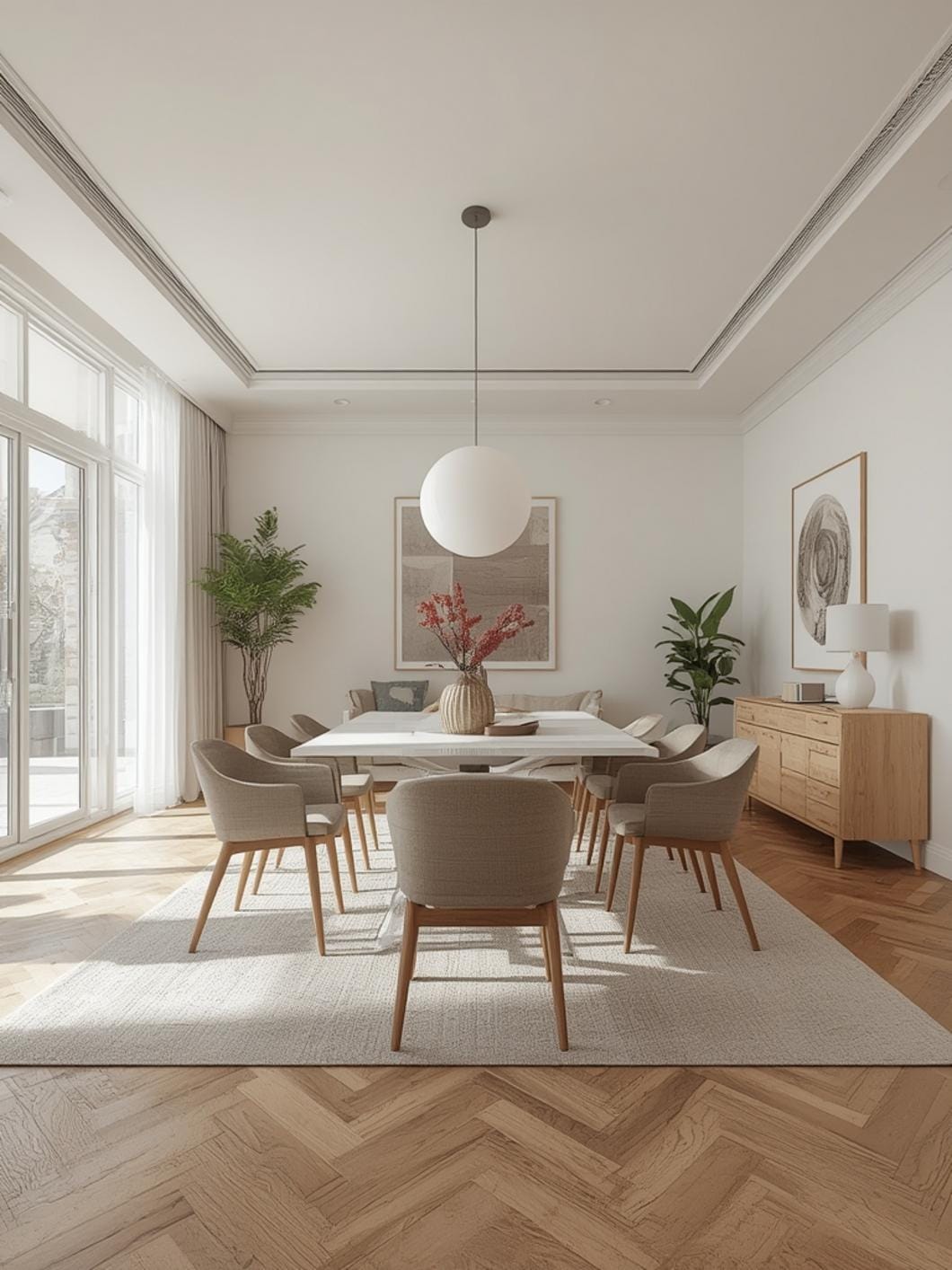
Even experienced furniture shoppers make predictable errors when choosing dining sets. Learning from others’ mistakes saves money and regret.
Choosing style over size ruins the entire purchase. That gorgeous table seems perfect in the showroom’s spacious setting, then overwhelms your actual dining room. Always verify dimensions fit your space with adequate clearance before falling in love with any design.
Ignoring chair comfort until after delivery creates expensive regrets. Sit in the actual chairs for several minutes in the store, shifting positions as you would during a real meal. Beautiful chairs that hurt after 20 minutes become expensive garage sale fodder.
Forgetting about table base placement causes endless shin-bumping and awkward seating. Check where table legs or pedestal bases sit relative to chair positions—some designs force corner chairs into uncomfortable angles or block natural sitting positions.
Skipping finish durability questions leaves you vulnerable to damage disappointment. Ask specifically about the topcoat protection, whether the finish handles hot plates without marking, and if the manufacturer recommends any particular care products.
Assuming assembly included in delivery price leads to surprise charges or frustrating DIY projects. Clarify exactly what delivery includes—some companies drop boxes at your curb, while others offer white-glove service with full setup and packaging removal.
Keeping Your Set Beautiful for Years
Simple maintenance routines preserve your investment and keep your dining set looking showroom-fresh.
Daily care takes just minutes. Wipe the table with a soft, dry cloth after each meal to remove crumbs and prevent buildup. For sticky spots, use a barely damp cloth followed immediately by a dry one—excess moisture damages wood finishes over time.
Weekly attention prevents long-term problems. Dust chair rungs and table legs where crumbs accumulate. Vacuum upholstered seats with a brush attachment, and spot-clean any stains promptly before they set permanently.
Seasonal deep cleaning refreshes the entire set. Use wood-specific cleaner on tabletops and chair frames quarterly, following manufacturer recommendations. Check all hardware and tighten any loose screws or bolts before they cause structural issues.
Protective measures save repair costs. Invest in a table pad for daily use, saving the bare wood surface for special occasions. Place felt pads under decorative items to prevent finish scratches, and use coasters religiously to avoid water rings.
Refinishing extends furniture lifespan dramatically. When your table shows significant wear after years of service, professional refinishing costs a fraction of replacement. Most solid wood sets can be refinished multiple times throughout their lifetime.
Making Your Dining Room Work Harder
Your seven-piece set becomes a true family hub with the right approach.
This furniture investment deserves to earn its keep beyond dinner hours. The table transforms into homework central after school, craft headquarters on rainy weekends, and puzzle palace during family game nights.
Choosing a set you genuinely love rather than settling for “good enough” changes how you use the space. You’ll find yourself lingering over morning coffee, working from home at the dining table, and hosting celebrations that create lasting memories.
Ready to see more ways to maximize your dining space? Browse our collection of dining room inspiration and practical decorating guides at DecorKingdom for ideas that fit your style and budget perfectly.
FAQs
What’s the difference between a 7-piece and 5-piece dining set?
Seven-piece sets include a table and six chairs, perfect for families of four to six people or those who regularly host guests. Five-piece sets come with four chairs, suiting couples or small families who rarely entertain. The extra seating capacity in seven-piece sets provides flexibility without requiring you to store mismatched chairs.
How much clearance do I really need around my dining table?
Plan for minimum 36 inches from the table edge to any wall or furniture, allowing comfortable passage behind seated diners. This measurement accommodates pulled-out chairs plus walking space. If you can manage 42-48 inches, movement becomes even easier, especially when serving meals or navigating with young children.
Can I mix chair styles with my dining table?
Absolutely, though it requires careful planning to look intentional rather than accidental. Many designers use matching side chairs along the sides with contrasting armchairs at the head and foot. Another popular approach places upholstered chairs at ends and wood chairs along sides for textural interest while maintaining cohesion.
Should I choose a table with a leaf extension?
Extension leaves add versatility if you host large gatherings occasionally but lack space for a permanently large table. However, leaves create seams in the table surface, require storage space, and add weight when expanding the table. If you host frequently or have a large family, buying a bigger fixed table often makes more sense.
How do I protect my table from daily damage without hiding it completely?
Quality placemats and a table runner create a middle ground between full coverage and bare wood. Choose washable fabric or wipeable materials that complement your décor while protecting high-use areas. Reserve table pads for messy activities like kids’ crafts, switching to prettier options for regular meals and displaying your beautiful table during special occasions.
—
Meta Title: Best 7 Piece Dining Room Sets: Complete Guide 2026
Meta Description: Stop settling for mismatched furniture. Find the perfect 7-piece dining set for your family with our expert comparison guide and measuring tips.