How to Choose Dining Room Sets with Bench
You’ve probably walked past your dining room dozens of times this week, wishing it felt a bit more inviting. Maybe the chairs are mismatched, or you just don’t have enough seating when friends come over. There’s something special about gathering everyone around the table, and you want that space to feel warm and welcoming.
Dining Room Sets with Bench seating offer exactly that blend of comfort and style your home needs. Instead of traditional chair-only arrangements, these sets combine the best of both worlds with structured seating on one side and a cozy bench on the other. Your dining room becomes instantly more relaxed and flexible.
The beauty of bench seating is how it changes the entire feel of meal times. Kids can squeeze together more easily, conversations flow naturally when people sit closer, and you finally have the seating flexibility you need for holiday gatherings.
Table of Contents
What You’ll Need to Get the Look
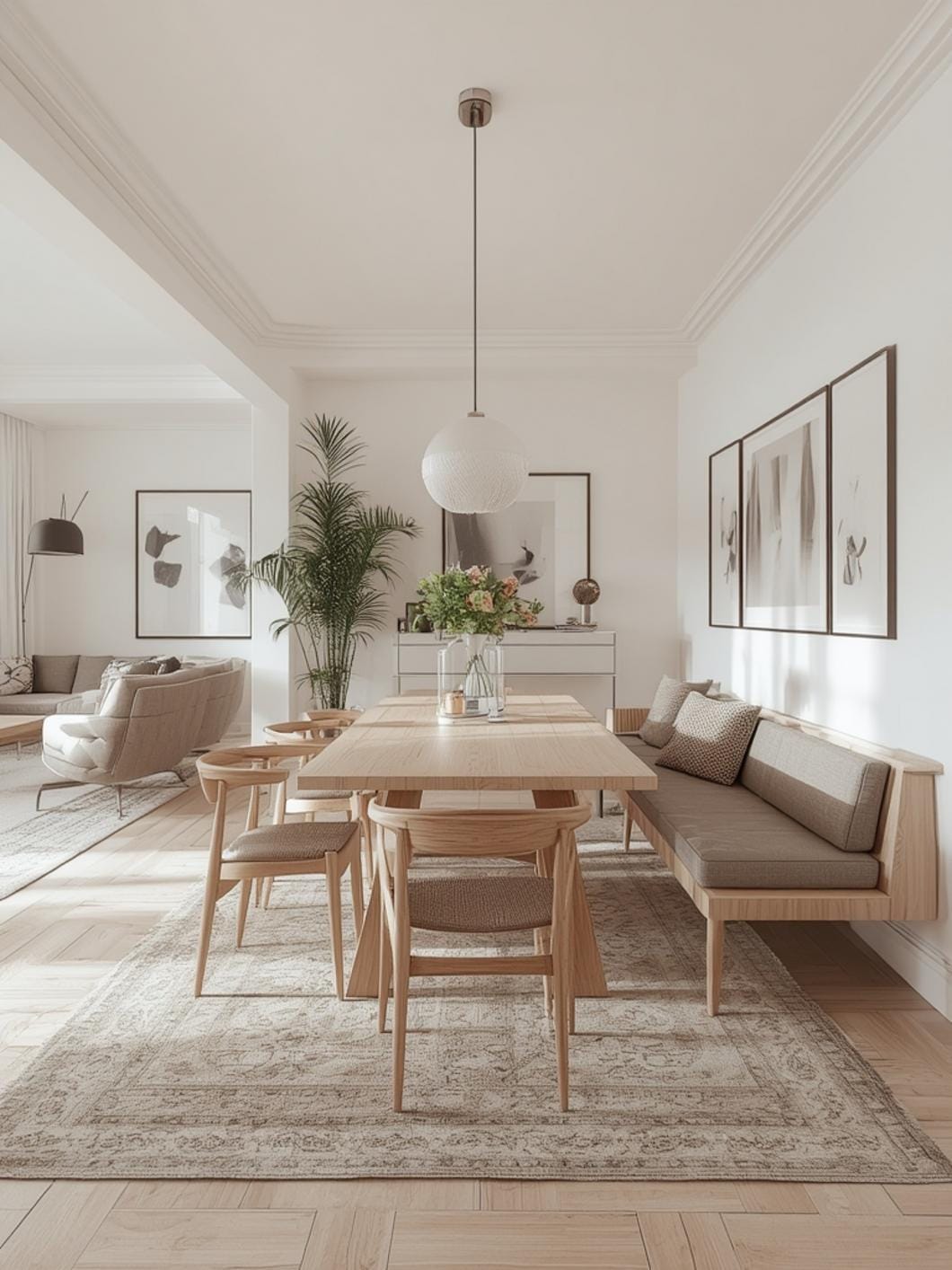
Creating your ideal dining setup starts with understanding what pieces work together. These sets typically include a dining table, a bench for one side, and chairs for the remaining sides.
The table itself usually comes in rectangular, round, or square shapes. Rectangular tables work best for bench seating since the long side naturally accommodates the bench length. Materials range from solid wood to wood-composite blends with various finishes.
Your bench should feel sturdy and match the table height. Most dining benches measure 17 to 19 inches tall, which aligns perfectly with standard table heights. Some include back support while others stay backless for a cleaner, more streamlined appearance.
Chairs complete the set, typically placed at the table ends or on the opposite side from the bench. You’ll usually see sets with four to six chairs, giving you seating for six to eight people total when you include the bench.
Additional elements enhance the complete look:
– Table runners or placemats that protect surfaces
– Cushions for bench comfort during longer meals
– Pendant lighting centered over the table
– Area rugs that define the dining zone
Finding Your Style and Season
Your dining room serves different purposes throughout the year, and the right furniture adapts beautifully to each season. Spring and summer bring lighter meals and casual gatherings, making bench seating perfect for relaxed weekend brunches.
Fall transforms your dining space into the heart of holiday celebrations. Bench seating becomes essential when you need to fit a few extra cousins around the table for Thanksgiving. The informal nature of benches creates that cozy, everyone-squeeze-in atmosphere that makes holidays memorable.
Winter months call for intimate dinners and game nights. Your bench doubles as extra seating when friends gather for movie marathons or board game tournaments. This flexibility makes your furniture investment work harder year-round.
Consider your personal style preferences too. Farmhouse lovers gravitate toward rustic wooden sets with distressed finishes and X-shaped bench legs. Modern minimalists prefer clean-lined pieces with upholstered benches in neutral tones. Traditional homes shine with turned legs and rich wood stains.
Your room’s existing color palette guides your choice. Light woods brighten smaller spaces and complement white or cream walls. Dark walnut or espresso finishes add drama to larger rooms with higher ceilings.
7 Ideas to Try in Your Home
Modern Farmhouse Charm brings together the best of rustic and contemporary design. Choose a solid wood table with a natural finish, pair it with a matching bench featuring metal legs, and complete the look with upholstered chairs in a neutral fabric. This combination feels current without trying too hard.
Industrial Edge works beautifully in lofts or open-concept homes. Select a table with metal legs and a reclaimed wood top, add a leather bench with visible stitching, and finish with metal chairs in matte black. The contrast between materials creates visual interest.
Coastal Casual transforms your dining area into a breezy retreat. White-washed wood tables paired with fabric-covered benches in soft blues or sandy beiges instantly lighten the mood. Add woven chair backs to complete the seaside feeling.
Traditional Elegance never goes out of style. Dark wood tables with carved details, upholstered benches with tufted backs, and matching wood chairs create a sophisticated atmosphere. This approach suits formal dining rooms perfectly.
Scandinavian Simplicity emphasizes function and clean lines. Light oak or birch tables with tapered legs, streamlined benches with thin cushions, and chairs in natural wood tones keep everything feeling airy and uncluttered.
Transitional Blend combines traditional warmth with modern simplicity. Mid-tone wood tables with subtle detailing, benches featuring both wood frames and upholstered seats, and chairs with gentle curves satisfy multiple design preferences.
Rustic Reclaimed celebrates imperfection and character. Tables made from reclaimed barn wood, thick wooden benches with visible grain patterns, and mismatched chairs create an eclectic, collected-over-time appearance.
How to measure dining room benches for proper fit ensures your furniture works in your space. Start by measuring your table length minus twelve inches, which allows six inches of clearance on each end. This spacing lets people sit comfortably at the table ends without the bench blocking them.
Measure your table height from floor to underside of the tabletop. Your bench should sit 10 to 12 inches shorter than this measurement, creating proper leg room. Standard dining tables measure 28 to 30 inches tall, so benches should be 17 to 19 inches high.
Check the depth of your bench against available floor space. Most benches measure 14 to 17 inches deep, and you’ll need at least 36 inches of clearance behind the bench for people to slide in and out comfortably.
Benefits That Improve Daily Life
Bench seating fundamentally changes how your family uses the dining room. Instead of rigid, one-person-per-chair arrangements, benches let kids squeeze together naturally, making homework sessions and craft projects more collaborative.
You save valuable floor space compared to chair-only setups. A bench against the wall uses room more efficiently, especially important in apartments or smaller homes where every square foot matters.
Cleaning becomes significantly easier when you can slide the entire bench out and vacuum underneath in one motion. No more wrestling four separate chairs away from the table.
The casual atmosphere benches create encourages people to linger at the table. Conversations extend naturally when seating feels relaxed rather than formal, turning quick meals into quality family time.
Budget benefits matter too. Sets with benches often cost less than purchasing six to eight individual chairs, yet you get similar or better seating capacity. This makes sense when you’re furnishing your first home or updating your space.
Flexibility extends beyond dining. Your bench moves easily to the entryway for putting on shoes, serves as extra seating in the living room during parties, or becomes a reading nook when positioned under a window.
Smart Options for Every Budget
Budget-Friendly Choice: Composite wood tables with matching benches and chairs start around three hundred dollars for complete sets. These pieces feature wood-look finishes over engineered materials, offering durability without the solid wood price tag. Perfect for starter homes or rental properties.
Mid-Range Selection: Solid wood sets with quality construction typically range from seven hundred to twelve hundred dollars. These pieces feature genuine oak, pine, or acacia wood with proper joinery and thoughtful design details. This investment lasts through multiple moves and style updates.
Premium Investment: High-end sets crafted from hardwoods like walnut or cherry with custom finishes reach two thousand dollars and beyond. These heirloom-quality pieces feature hand-applied finishes, reinforced construction, and premium upholstery fabrics on cushioned benches.
Small Space Adaptation: Look for sets with benches that tuck completely under the table when not in use. Round pedestal tables with curved benches maximize seating while minimizing footprint. Drop-leaf tables paired with narrow benches expand only when needed.
Apartment-Friendly Version: Counter-height sets with slim benches work beautifully in eat-in kitchens or studio apartments. The taller proportions create visual interest without requiring more floor space than standard-height options.
Common Mistakes to Avoid
Many homeowners buy sets without measuring their room first, then struggle when furniture overwhelms the space. Always leave at least 36 inches between your table edge and walls or other furniture for comfortable movement.
Choosing benches without considering who’ll use them daily causes frustration when elderly relatives or people with mobility issues can’t easily slide in and out. Add at least one or two chairs to your set for accessibility.
Skipping cushions seems like a cost-saving measure until everyone complains about uncomfortable seating during longer meals. Quality cushions transform bench seating from tolerable to genuinely comfortable.
Positioning benches away from walls wastes the main advantage of this seating style. Benches work best when one side nestles against a wall, maximizing your room’s usable space.
Mismatching your bench length to table size creates awkward proportions. Your bench should span roughly two-thirds to three-quarters of your table length for the most balanced appearance.
Keeping Your Furniture Looking Great
Wood surfaces benefit from weekly dusting with a soft, dry cloth. Avoid water or harsh cleaners that strip protective finishes and dull the wood’s natural beauty over time.
Treat spills immediately by blotting rather than wiping, which spreads liquids into wood grain. Once you’ve absorbed the liquid, clean gently with a barely damp cloth and dry thoroughly.
Rotate cushions monthly so wear distributes evenly across all surfaces. This simple habit extends cushion life significantly and maintains consistent appearance.
Tighten loose screws and bolts every few months, especially if you move your bench frequently. This quick maintenance prevents wobbly legs and structural issues down the road.
Protect your table surface with trivets, coasters, and placemats during daily use. Heat and moisture damage wood finishes faster than normal wear, but simple protection prevents problems.
Apply furniture wax or polish every three to six months following manufacturer recommendations. This maintains protective layers and keeps wood looking rich and nourished.
Creating Your Perfect Gathering Space
Your dining room deserves furniture that makes every meal feel special while handling the reality of daily family life. Sets with bench seating deliver exactly that practical magic, combining flexibility with style in ways traditional setups simply can’t match.
The right combination of table, bench, and chairs transforms your dining area into the gathering spot your home needs. Whether you’re serving Tuesday night tacos or hosting holiday feasts, your furniture adapts to every occasion.
Ready to discover more ways to make your home beautiful and functional? Explore our complete collection of dining room inspiration and practical decorating advice at DecorKingdom, where every room gets the attention it deserves.
Frequently Asked Questions
How many people can actually fit on a dining bench?
Most standard dining benches comfortably seat three adults or four children, though this depends on bench length and individual body sizes. A 48-inch bench typically accommodates three people with adequate personal space, while 60-inch benches can fit four adults. Remember that comfort matters more than maximum capacity for everyday use.
Can I use a bench on both sides of my dining table?
You absolutely can place benches on both sides of your table, creating a symmetrical look that maximizes seating capacity. This arrangement works best in larger dining rooms where you have space to pull both benches out for entry and exit. Keep in mind you’ll need at least 36 inches of clearance on both sides for comfortable access.
What’s better for kids, benches or chairs?
Benches often work better for children because they accommodate different sizes as kids grow and let siblings sit closer together naturally. Younger children might need booster seats initially, which work fine on benches. The main advantage comes during messy meals when you can quickly wipe down one continuous bench surface rather than cleaning multiple chair seats.
Do I need cushions on my dining bench?
Cushions aren’t essential but significantly improve comfort during longer meals and gatherings. Hard wood benches feel fine for quick breakfasts but become uncomfortable after thirty minutes or more. Consider removable cushions with washable covers for the best balance of comfort and practicality, especially if you have young children.
How do I stop my bench from sliding on hardwood floors?
Attach felt pads or rubber grips to your bench legs to prevent sliding on smooth floors. These inexpensive additions protect your flooring while keeping furniture in place during normal use. For benches that get moved frequently, consider small rubber furniture cups that grip the floor more aggressively than simple pads.
—
Meta Title: Dining Room Sets with Bench: Fresh Ideas for 2026
Meta Description: Dining Room Sets with Bench combine style and flexibility. Get measurement tips, design ideas, and smart buying advice for your home.