The Best Dining Room Furniture Brands for Every Style and Budget in 2026
You walk into your dining room and feel… nothing. The table wobbles slightly, the chairs don’t quite match your vision, and the whole space feels like an afterthought rather than the gathering place you dreamed of.
Choosing Dining Room Furniture Brands that deliver quality, style, and longevity doesn’t have to feel overwhelming. Whether you’re furnishing your first home or finally upgrading that hand-me-down set, knowing which brands truly deliver on their promises makes all the difference. The right furniture transforms everyday meals into memorable moments.
Your dining room deserves pieces that work as hard as you do — beautiful enough for holiday dinners, durable enough for homework sessions, and comfortable enough that guests never want to leave the table.
Table of Contents
Key Terms and Elements to Know
Before shopping for dining room furniture, understanding what makes each piece special helps you make confident decisions.
Table construction types:
– Solid wood tables (crafted from single wood species)
– Veneer tables (thin wood layer over engineered core)
– Extension tables (with leaves for flexible sizing)
– Pedestal bases (single central support)
– Four-leg designs (traditional corner supports)
Chair features that matter:
– Upholstered seats (fabric or leather padding)
– Wood seats (classic, easy-clean surfaces)
– Armchairs versus side chairs
– Stackable options for small spaces
Material quality indicators:
– Kiln-dried hardwoods resist warping
– Mortise and tenon joinery for strength
– Hand-rubbed finishes versus sprayed lacquer
– Full-grain leather versus bonded leather
Brand specializations:
Some manufacturers excel at modern minimalist designs, while others focus on farmhouse charm or traditional elegance. Knowing a brand’s signature style helps you shop smarter and avoid disappointment.
Common Misconceptions to Clear Up First
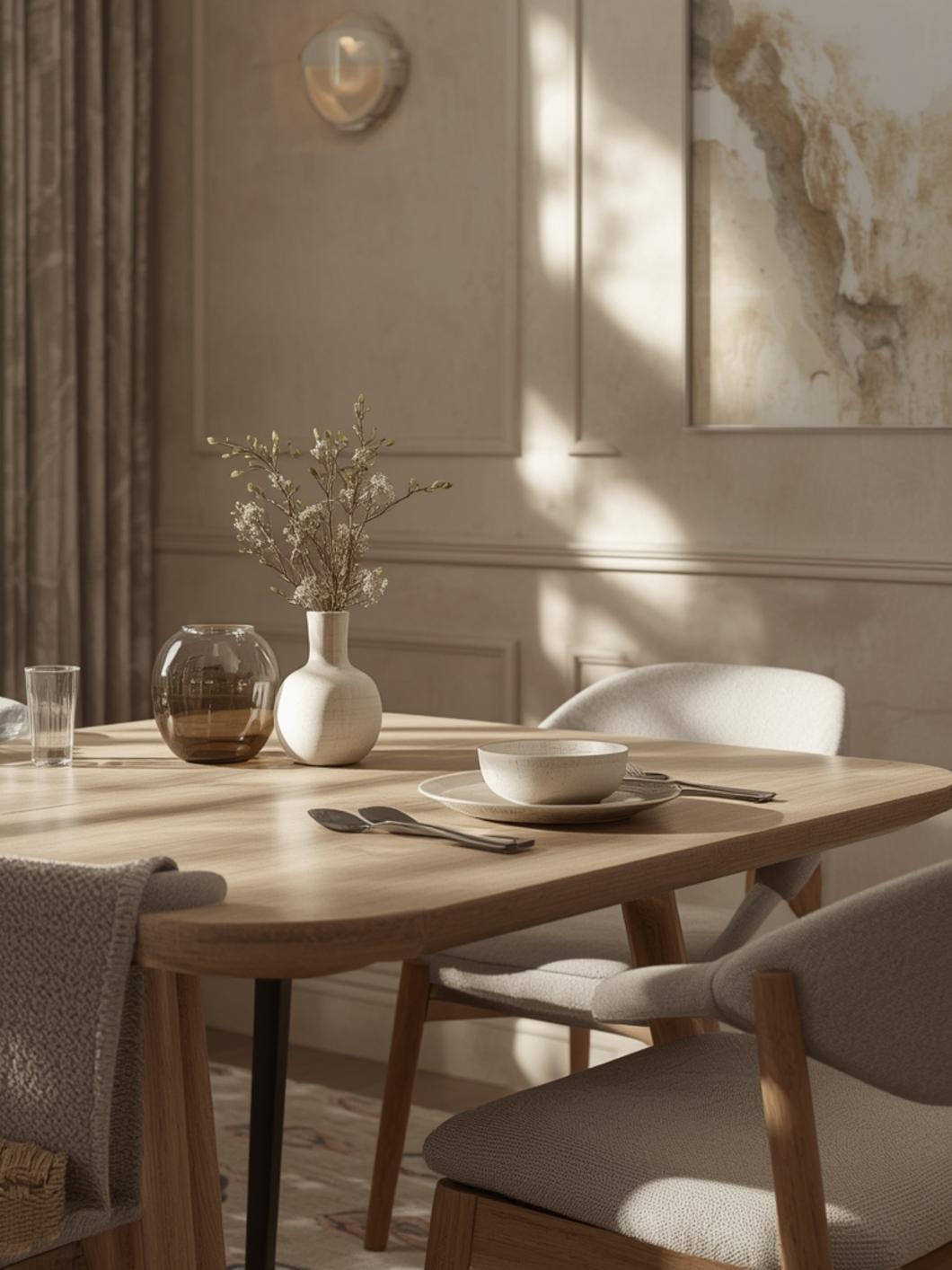
Many homeowners believe expensive always means better quality, but that’s simply not true. Mid-range brands often use identical materials and construction methods as luxury names, just without the marketing markup.
You might think matching sets are mandatory for a polished look. Actually, mixing chairs with your table creates more personality and lets you replace individual pieces over time without starting from scratch. This approach also spreads your budget further.
Another common myth suggests online furniture shopping means sacrificing quality assurance. Today’s top brands offer detailed specifications, high-resolution images, and generous return policies that rival any showroom experience. Many even provide fabric samples you can request before committing.
Some people assume solid wood is always superior to engineered materials. While solid wood offers timeless appeal, quality engineered pieces resist humidity changes better and often cost significantly less while looking equally beautiful. The best choice depends on your climate and lifestyle rather than arbitrary rules.
The biggest misconception? That you need to buy everything at once. Building your dining room gradually lets you invest in hero pieces first, then add complementary items as your budget allows.
How It Works in Real Homes
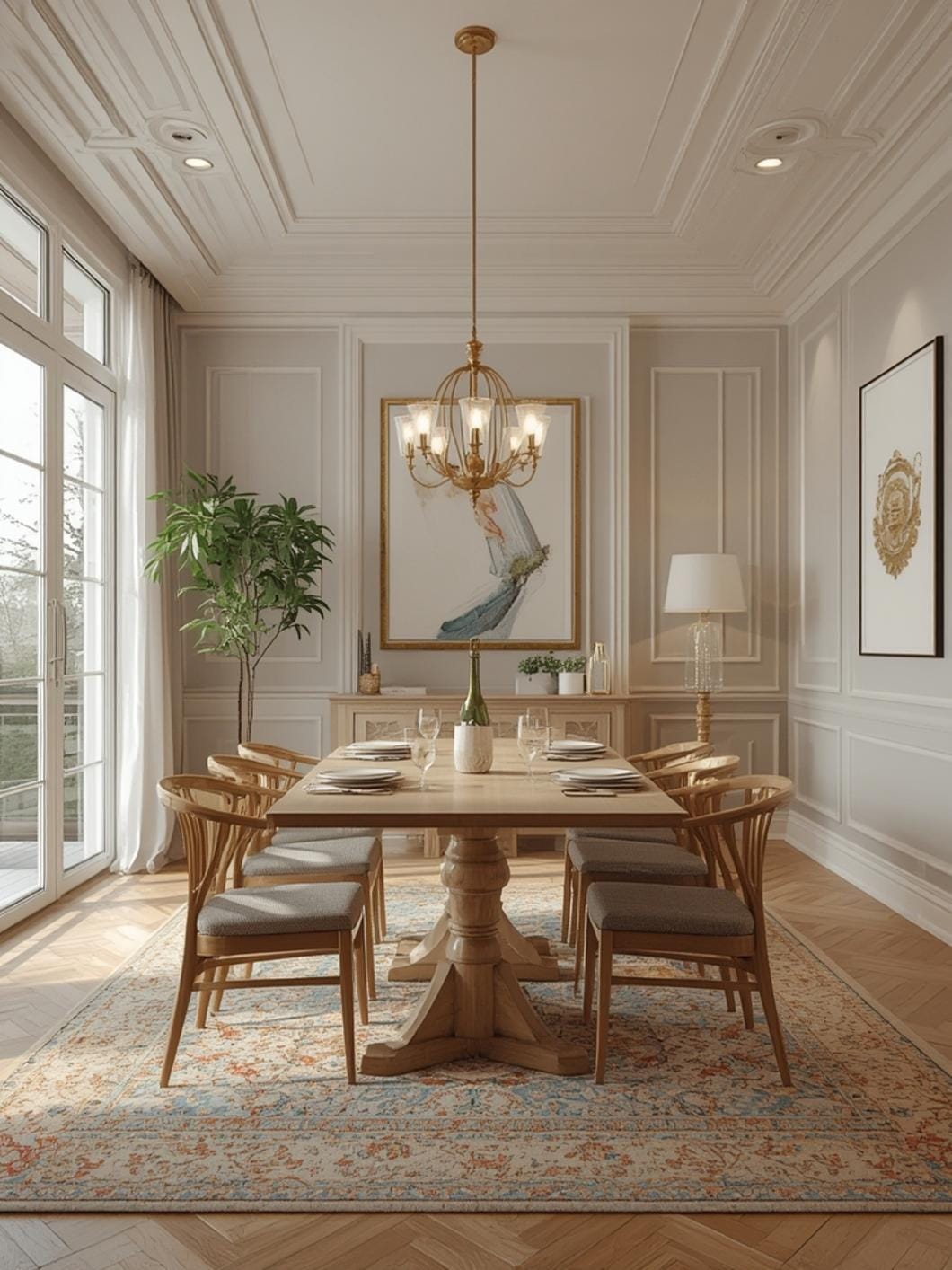
Understanding How to choose dining room furniture for different interior styles starts with recognizing that your dining room serves multiple purposes beyond formal dinners.
Modern minimalist homes thrive with:
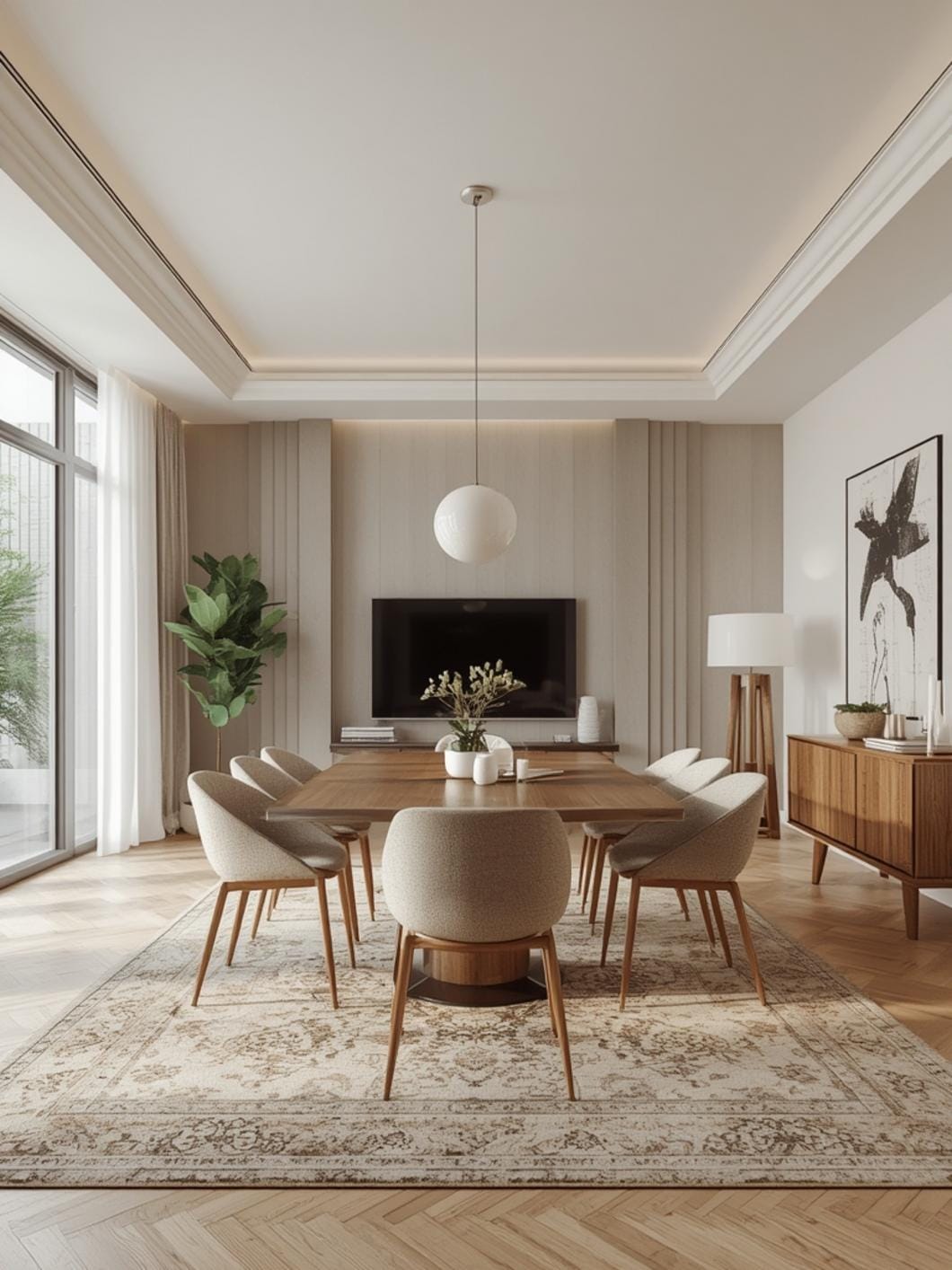
Brands like West Elm and Article deliver clean-lined tables in walnut or oak with slim profiles. Their chairs feature simple silhouettes without fussy details. These pieces work beautifully in open-concept spaces where the dining area flows into your kitchen and living room. The furniture practically disappears when not in use, then commands attention when you’re hosting.
Traditional spaces benefit from:
Ethan Allen and Bassett Furniture offer collections with turned legs, rich finishes, and detailed craftsmanship. These brands understand that traditional doesn’t mean outdated — their pieces blend classic proportions with updated fabrics and finishes that feel fresh. Upholstered host chairs at table ends add comfort without sacrificing elegance.
Farmhouse and rustic styles call for:
Pottery Barn and Crate & Barrel excel at creating that lived-in, welcoming vibe. Their reclaimed wood tables show natural variations and character marks that tell a story. Bench seating on one side encourages kids to squeeze in together, while mix-matched chairs keep the look casual and collected-over-time.
Industrial aesthetics demand:
Room & Board and CB2 specialize in metal-and-wood combinations that feel urban and edgy. Their tables often feature thick wood tops on steel bases, pairing beautifully with metal chairs that stack when you need extra floor space. These pieces transition easily from dining to workspace, crucial for modern home life.
Coastal and relaxed interiors love:
Serena & Lily and Joss & Main create light, airy pieces in whitewashed finishes and natural fibers. Their furniture handles sandy feet and wet swimsuits without stress, perfect for vacation homes or everyday spaces that prioritize ease over formality. Woven chair backs add texture without weight.
Small space solutions require:
IKEA and Target’s Threshold line offer smartly designed pieces that expand when needed and tuck away when you want your floor space back. Drop-leaf tables, nesting chairs, and benches that slide completely under the table make tiny dining areas function like rooms twice their size.
Eclectic and bohemian styles embrace:
Anthropologie and World Market carry globally-inspired pieces that mix patterns, textures, and eras fearlessly. Their collections encourage you to pair a Moroccan-style table with mid-century chairs and vintage textiles. This approach works when you commit to a cohesive color palette even as you vary the styles.
Real homes rarely fit one category perfectly. You might love farmhouse tables but prefer modern chairs, and that’s exactly the point. The best dining room furniture brands understand that your space should reflect your personality, not a catalog page.
Benefits of Choosing Quality Dining Room Furniture Brands
Investing in reputable brands delivers advantages that cheap alternatives simply can’t match, starting with construction that survives real family life.
Quality manufacturers use solid hardwoods or premium engineered materials that handle daily use without loosening joints or developing wobbles. Your table stays level through countless homework sessions, craft projects, and spirited game nights. The chairs don’t creak when Uncle Bob sits down for Thanksgiving dinner.
Superior finishes resist water rings, scratches, and the inevitable spills that happen when you actually use your dining room. You can wipe up red wine or tomato sauce without panicking about permanent damage. This durability means your furniture looks beautiful for decades rather than needing replacement every few years.
Established brands stand behind their products with warranties that demonstrate genuine confidence in their craftsmanship. When something does go wrong, you have recourse beyond frustration and regret. Customer service teams help troubleshoot issues and facilitate repairs or replacements.
Well-designed dining furniture improves your daily quality of life in subtle but meaningful ways. Comfortable chairs encourage lingering conversations after meals finish. The right table height makes every activity from eating to working feel natural rather than awkward. Proper proportions for your space create flow instead of obstacle courses.
These brands also consider sustainability increasingly seriously, using responsibly sourced materials and cleaner production methods. Your purchase supports better environmental practices without requiring you to sacrifice style or durability.
Smart Shopping Strategies and Styling Options
Budget-friendly approach:
Target’s Threshold collection and IKEA’s dining lines offer surprisingly solid construction at prices that won’t stress your finances. Start with their tables, which often match mid-range quality, then upgrade chairs over time. Mix in one or two vintage finds from estate sales to add character without spending much.
Mid-range strategy:
West Elm, Crate & Barrel, and Article balance quality with reasonable pricing. Their tables typically range from $800-1500, with chairs around $150-300 each. This sweet spot delivers excellent materials and construction that lasts through multiple moves and style updates. Watch for seasonal sales that drop prices significantly.
Premium investment:
Room & Board, Ethan Allen, and Design Within Reach create furniture as heirloom pieces. Their tables start around $2000 and climb from there, but the craftsmanship justifies the cost if your budget allows. These pieces often increase in value over time, especially solid wood designs that develop beautiful patina.
Small space adaptation:
Choose round or oval tables instead of rectangular shapes to maximize seating in tight quarters. The lack of sharp corners makes navigation easier and accommodates more chairs. Bench seating on one side pushes completely under the table when not in use, freeing up precious floor space.
Mix-and-match mastery:
Purchase your table from one brand and chairs from another to stretch your budget creatively. A splurge-worthy table paired with affordable seating looks far more expensive than the reverse. Add one pair of upholstered host chairs at the ends, with simpler side chairs along the length
Seasonal styling refresh:
Invest in quality foundational pieces, then change the room’s feeling with textiles and accessories. Summer linen runners and napkins create breezy vibes, while fall brings out rich velvets and warm tones. This approach keeps your space feeling fresh without buying new furniture constantly.
Common Mistakes to Avoid
Buying furniture that looks perfect in the showroom but overwhelms your actual dining room happens more often than you’d think. Always measure your space carefully, leaving at least 36 inches between the table edge and walls for comfortable chair movement. Sketch your floor plan or use painter’s tape to visualize dimensions before purchasing.
Prioritizing looks over comfort creates beautiful rooms nobody wants to use. Sit in chairs for several minutes before buying, noticing how your back feels and whether the seat depth works for your legs. Remember that dinner parties often last hours — pretty chairs that hurt after twenty minutes aren’t worth any price.
Ignoring your lifestyle when choosing materials leads to constant frustration. White upholstery with young kids means endless cleaning stress, while delicate finishes and rambunctious pets don’t mix well. Choose materials that match how you actually live rather than how you wish you lived.
Rushing into matching sets limits your future flexibility and often costs more than buying pieces separately. Sets also tend to include items you don’t really need, like a china cabinet that eats floor space. Build your room thoughtfully over time instead.
Forgetting about table extensions until you host Thanksgiving dinner creates unnecessary panic. If you entertain even occasionally, the flexibility of adding leaves or pulling out extensions justifies any slight price increase. Your future self will thank you.
Maintenance and Care for Lasting Beauty
Protecting your investment starts with simple daily habits that take seconds but prevent years of damage.
Wipe up spills immediately using a soft cloth slightly dampened with water. For sticky messes, add a drop of mild dish soap, then follow with a clean damp cloth and dry thoroughly. This quick response prevents stains from setting into wood or fabric.
Use placemats and coasters consistently, even for casual meals. Heat, moisture, and scratches accumulate slowly but create permanent damage over time. Make this non-negotiable if you want your table looking new for decades.
Dust furniture weekly with a microfiber cloth that traps particles instead of spreading them around. For wood pieces, apply quality furniture polish every few months to maintain the finish’s protective properties and enhance the grain’s natural beauty.
Tighten chair joints and table hardware twice yearly, checking for any looseness before it becomes a real problem. Most furniture includes an Allen wrench or the screws accept standard screwdrivers, making this a quick task requiring no special skills.
Rotate chair positions occasionally so they wear evenly, especially important with upholstered seats that show compression patterns. This simple switch extends their lifespan significantly.
Keep furniture away from heating vents and direct sunlight, both of which damage finishes and dry out wood. Use curtains or blinds during peak sun hours if your dining room gets intense light.
Bringing Your Dining Room Vision Together
Your dining room deserves furniture that makes every meal feel special, from quick weeknight dinners to holiday gatherings that create lasting memories.
The best dining room furniture brands understand that quality construction, beautiful design, and practical functionality aren’t competing priorities — they’re equally essential. When you choose thoughtfully, your dining furniture becomes the backdrop for your family’s story over many years.
Ready to explore more ways to make your home beautiful and functional? Browse our complete guides at DecorKingdom for inspiration and advice tailored to real homeowners like you.
Frequently Asked Questions
How much should I expect to spend on quality dining room furniture?
Budget $1200-2000 for a complete starter set including a table and four chairs from reputable mid-range brands. Premium options run $3000-6000 or more, while budget-friendly quality pieces start around $600-800 total. Remember you can build gradually rather than buying everything at once, investing in a great table first and adding chairs over time.
What’s the best table shape for a small dining room?
Round and oval tables maximize seating in tight spaces because they lack corners that jut into walkways. A 42-inch round table comfortably seats four people while requiring less floor space than a rectangular equivalent. If you need flexibility for occasional guests, look for round tables with drop leaves that expand when needed but stay compact daily.
Should I buy matching chairs or mix different styles?
Mixing chairs creates more visual interest and lets you spread purchases across different budgets and timeframes. Try matching chairs along the table’s long sides while using different styles at the heads, or vary every other chair for maximum personality. Keep a unifying element like wood tone or color palette so the mix looks intentional rather than random.
How do I know if a brand’s furniture quality is actually good?
Check for solid wood construction or high-quality veneers over engineered cores, never particleboard. Look for mortise and tenon joinery rather than just screws and glue. Read customer reviews focusing on how pieces hold up after years of use, not just initial impressions. Reputable brands clearly list materials and construction methods rather than using vague language.
Can I mix different wood finishes in my dining room?
Absolutely — mixing wood tones adds depth and prevents your space from feeling too matchy. Pair a darker walnut table with lighter oak chairs, or combine natural wood with painted finishes. The key is varying the tones intentionally rather than trying to match imperfectly, which always looks like a mistake. Aim for at least three shades different for clear contrast.
—
Meta Title: Best Dining Room Furniture Brands 2026: Quality Guide
Meta Description: Discover top Dining Room Furniture Brands for every style and budget. Expert advice for choosing quality pieces that last decades in your home.