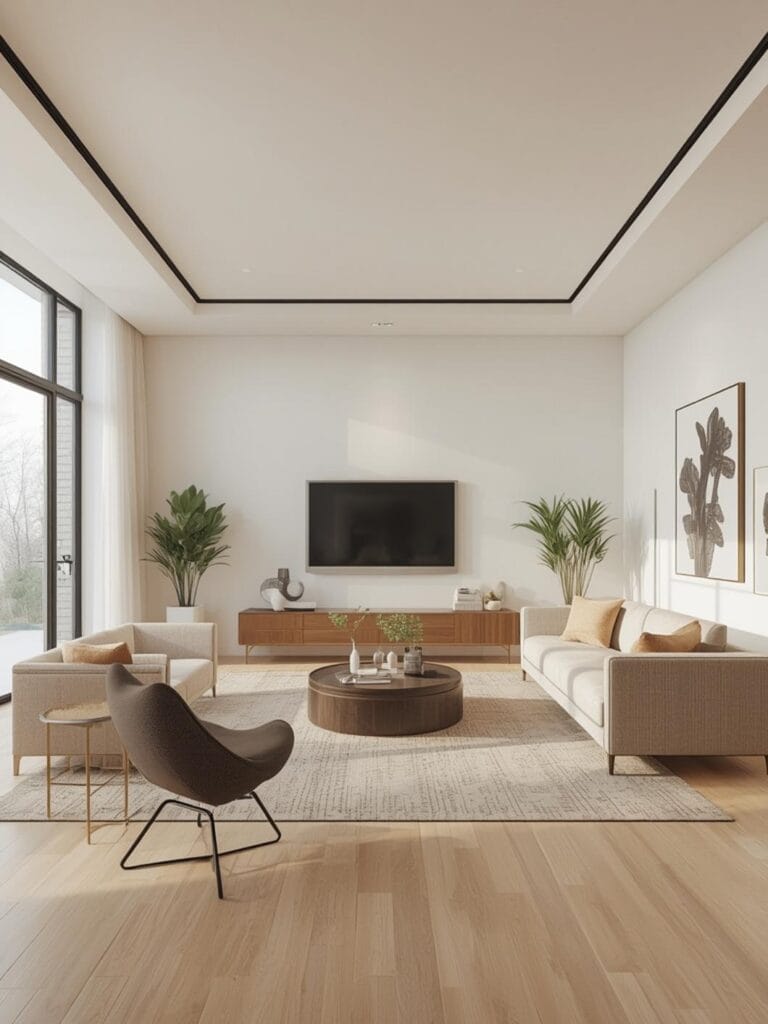
How to Choose Laundry Room Flooring Ideas for Durability
Your laundry room takes a beating. Water splashes from the sink, detergent spills on the floor, and heavy appliances sit in one spot for years. The wrong flooring turns into a cracked, stained mess that makes the whole room feel dingy.
Choosing the right laundry room flooring ideas changes everything. You need surfaces that laugh off moisture, hide the inevitable drips, and still look good when guests peek in. The good news? You have more stylish, durable options than ever before.
This guide walks you through flooring choices that work hard and look great, so you can finally stop worrying about every water droplet.
Table of Contents
What You’ll Need to Get the Look
The materials you choose set the foundation for a laundry room that actually functions. Here’s what works best:
Flooring materials:
– Luxury vinyl plank (LVP) in wood-look or stone patterns
– Porcelain or ceramic tile in 12×24-inch planks or classic squares
– Sheet vinyl with cushioned backing for comfort
– Peel-and-stick vinyl tiles for DIY installation
Underlayment and prep supplies:
– Self-leveling compound if your concrete floor has dips
– Moisture barrier membrane for below-grade installations
– Transition strips to connect laundry flooring with adjacent rooms
– Grout in coordinating colors for tile installations
Finishing touches:
– Waterproof baseboards or PVC trim that won’t rot
– Anti-fatigue mats near the washer and dryer
– Silicone caulk for sealing edges around appliances
These materials work together to create a floor that handles whatever laundry day throws at it.
Finding Your Style and Season
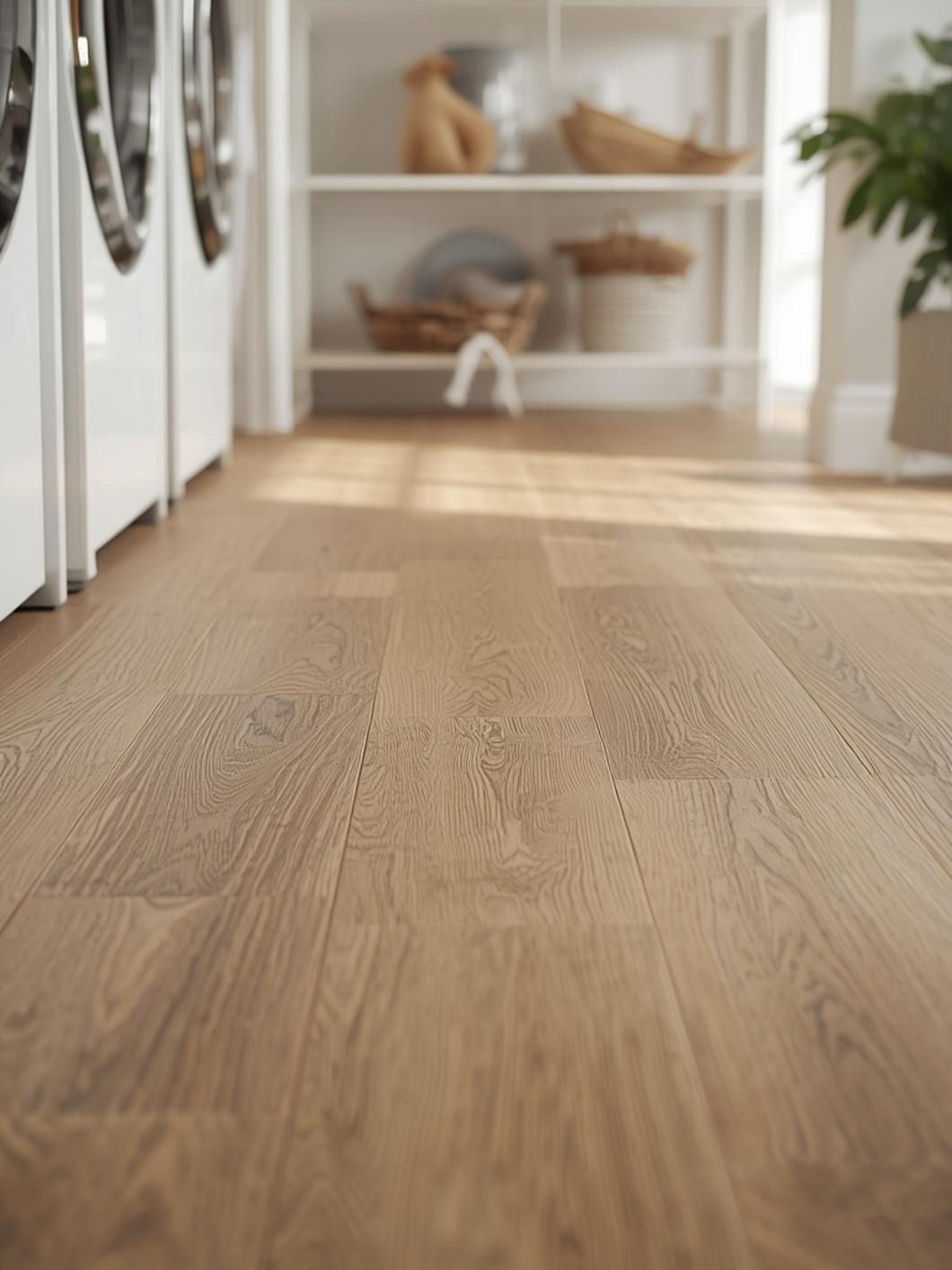
Laundry room flooring isn’t seasonal, but your approach to choosing it can match your renovation timeline. Spring and fall are ideal for installation since you can ventilate the space easily while adhesives cure.
Think about your home’s overall style first. A farmhouse kitchen flows beautifully into a laundry room with wide-plank wood-look vinyl. Modern homes shine with large-format gray tiles or concrete-look luxury vinyl.
Consider your daily routine too. If you’re on your feet folding laundry for an hour at a time, cushioned sheet vinyl saves your back and knees. Busy families with kids doing their own laundry benefit from patterns that hide dirt between cleanings.
Your budget also shapes your timeline. Luxury vinyl and peel-and-stick options let you tackle the project over a weekend. Tile installation might mean hiring help or spreading the work across several days.
7 Ideas to Try in Your Home
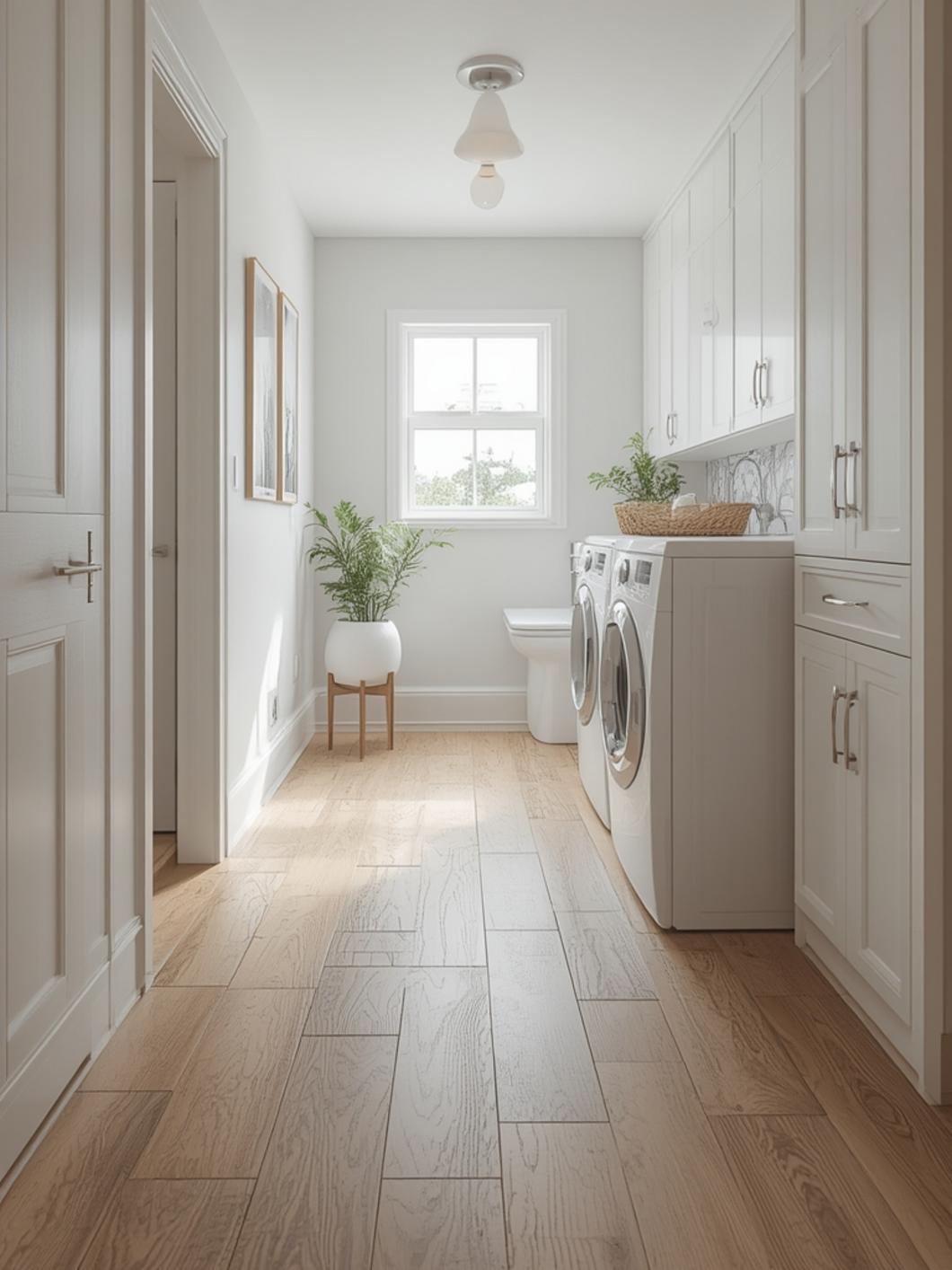
1. Gray Wood-Look Luxury Vinyl Planks
This topped our list for good reason. Gray wood-look LVP gives you hardwood’s warmth without the water damage worries. The planks click together over your existing floor in most cases, making this a true weekend project. Choose wider planks for a modern feel or narrower ones for traditional style.
2. White Subway Tile in Herringbone Pattern
Classic white subway tiles laid in a herringbone pattern create visual interest underfoot. Waterproof flooring for laundry rooms doesn’t get more reliable than porcelain tile with properly sealed grout. This option works beautifully in vintage-inspired or transitional homes.
3. Speckled Terrazzo-Look Sheet Vinyl
Terrazzo makes a major comeback, and sheet vinyl versions give you the look without the expense. The busy pattern hides lint, pet hair, and minor stains between cleanings. The seamless installation means zero grout lines where water can seep through.
4. Warm Honey Oak Vinyl Planks
Bring golden warmth into a basement laundry room with honey oak luxury vinyl. This shade brightens dim spaces and pairs perfectly with white appliances and open shelving. The wood grain texture feels surprisingly real underfoot.
5. Black and White Checkerboard Peel-and-Stick Tiles
Create a retro diner vibe with classic checkerboard tiles you can install yourself. Peel-and-stick versions go down fast and can be removed if you change your mind. This bold choice works especially well in small laundry closets where the pattern doesn’t overwhelm.
6. Slate-Look Porcelain Tiles
Natural stone looks expensive because it is expensive. Slate-look porcelain tiles give you that high-end appearance with better water resistance and easier maintenance. The subtle texture variations make each tile unique, and the dark color grounds your design.
7. Concrete-Effect Luxury Vinyl
Industrial style meets practical function with concrete-look luxury vinyl. This works beautifully in modern farmhouse or urban loft spaces. The cool gray tones provide a neutral backdrop that lets colorful storage baskets and artwork pop.
Benefits of Smart Laundry Room Flooring
The right floor transforms your laundry experience in ways you’ll notice every single day. Water resistance tops the list since even the most careful person spills detergent or deals with appliance leaks eventually.
Durability matters just as much. Your washer and dryer weigh hundreds of pounds, and rolling hampers create constant wheel traffic. Quality flooring handles this abuse without denting, cracking, or showing wear patterns.
Comfort changes how you feel about laundry duty. Standing on hard concrete or old linoleum for extended periods hurts your feet and back. Cushioned vinyl or cork-backed luxury vinyl makes folding that mountain of towels much more pleasant.
Easy maintenance saves you time and frustration. Sealed tile or quality vinyl needs only a quick sweep and damp mop to look fresh. No special cleaners or treatments required.
Style impact shouldn’t be underestimated either. A beautiful floor makes your laundry room feel like part of your home instead of a utilitarian afterthought. You might even start keeping the door open.
Tips, Alternatives, and Styling Advice
Budget-Friendly Option:
Peel-and-stick vinyl tiles give you the most bang for your buck. Quality brands now offer realistic wood and stone looks that fool most guests. Installation takes just a few hours, and you can replace individual tiles if one gets damaged. Expect to spend $1-3 per square foot.
Mid-Range Option:
Luxury vinyl plank flooring hits the sweet spot for most homeowners. You get excellent water resistance, comfortable cushioning, and professional looks without professional installation costs. Most quality LVP runs $3-6 per square foot, and the material lasts 15-20 years with normal use.
Premium Option:
Porcelain tile delivers the ultimate in durability and design flexibility. Large-format tiles (12×24 inches or bigger) minimize grout lines and create a seamless, high-end look. Professional installation brings the total cost to $8-15 per square foot, but the floor can last the lifetime of your home.
Small Space Adaptation:
In tight laundry closets, run your flooring horizontally to make the space feel wider. Stick with light colors and avoid busy patterns that make small rooms feel cramped. Consider extending the same flooring from an adjacent hallway to visually expand the space.
Common Mistakes to Avoid
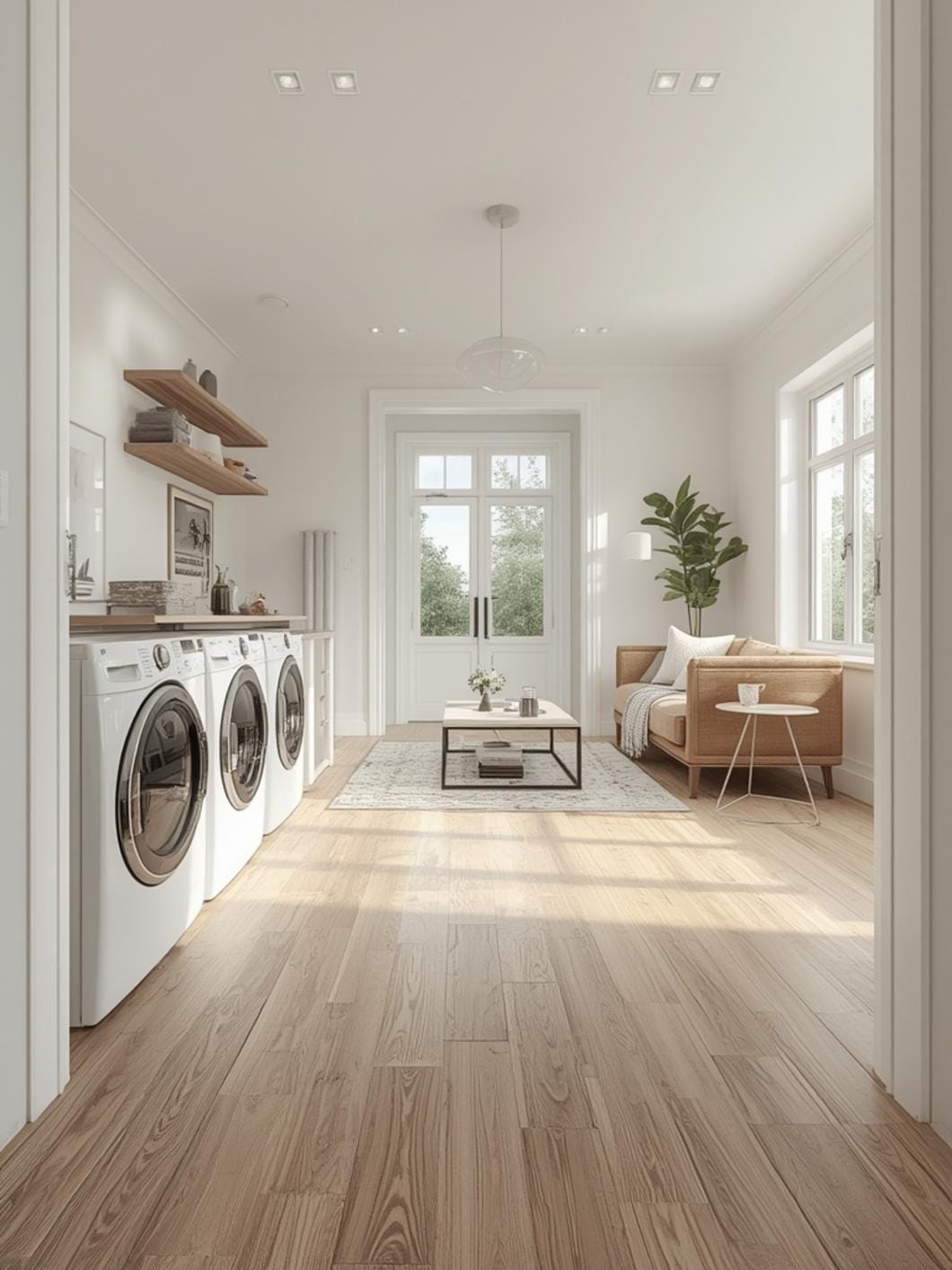
Skipping the moisture barrier on concrete subfloors.
Concrete wicks moisture from the ground, which ruins vinyl and causes tile to pop loose. Always use a moisture barrier membrane on basement or slab floors before installing anything.
Choosing the wrong vinyl for the location.
Not all vinyl is created equal for wet areas. Make sure your product is specifically rated for moisture exposure and has a wear layer of at least 12 mil for residential use.
Forgetting about appliance clearance.
Thicker flooring materials raise your floor height, which can create problems when sliding appliances back into place. Measure your clearances before you buy, especially under front-loading washers.
Installing right up to the washer drain pan.
Your floor should stop at the edge of the drain pan, not go under it. This lets water flow into the pan instead of getting trapped under your flooring where it causes mold.
Using porous grout with tile.
Standard grout absorbs water and stains in laundry rooms. Always use epoxy grout or seal your grout with a quality penetrating sealer within a week of installation.
Maintenance and Upkeep Tips
Daily maintenance keeps your laundry room floor looking fresh with minimal effort. Sweep or vacuum regularly to remove lint, dirt, and detergent powder before it gets ground into the surface.
Clean spills immediately, especially detergent and bleach. Both can stain or discolor flooring if left to sit. A damp microfiber mop with warm water handles most messes perfectly.
For vinyl floors, use pH-neutral cleaners designed specifically for luxury vinyl. Avoid steam mops and harsh chemicals that break down the wear layer over time. A simple solution of warm water and a few drops of dish soap works beautifully for regular cleaning.
Tile floors benefit from annual grout sealing if you didn’t use epoxy grout. This five-minute task prevents staining and makes cleaning much easier throughout the year.
Check under and behind appliances twice a year for hidden leaks. Catching water damage early prevents major flooring replacement projects down the road.
Place protective pads under furniture legs and storage units to prevent scratches and dents. This simple step extends your floor’s life significantly.
Make Your Laundry Room Work Harder
Your laundry room flooring sets the stage for a space that actually works with your life instead of against it. The right material handles moisture, stands up to heavy use, and looks good doing it.
Start by thinking about your specific needs and style preferences. Whether you choose luxury vinyl for easy DIY installation or splurge on beautiful tile, you’re investing in a floor that makes daily chores more pleasant.
Ready to explore more ways to upgrade your hardest-working spaces? DecorKingdom has dozens of articles to help you create a home you absolutely love.
FAQs
What flooring is best for a laundry room with frequent water exposure?
Porcelain tile and luxury vinyl plank both excel in wet conditions. Porcelain is completely waterproof and nearly indestructible, while quality LVP offers excellent water resistance with more comfort underfoot. Both options outlast traditional sheet vinyl and handle standing water better than any laminate product.
Can I install laundry room flooring myself or do I need a professional?
Luxury vinyl plank and peel-and-stick tiles are perfect for confident DIYers. Most people complete small laundry rooms in a weekend using basic tools. Tile installation requires more skill and specialized tools, so many homeowners hire professionals for that option. Sheet vinyl falls in the middle and depends on your comfort level with cutting and fitting.
How do I choose between wood-look and tile-look flooring?
Consider your home’s existing style first. Wood-look vinyl creates warmth and works beautifully in traditional or farmhouse spaces. Tile-look options feel more modern and contemporary. Both perform equally well in laundry rooms, so this decision comes down to personal preference and what flows best from adjacent rooms.
Does luxury vinyl flooring need underlayment in a laundry room?
Many luxury vinyl planks include attached underlayment, so check your product specifications first. On concrete subfloors, you always need a moisture barrier even if padding is attached. On wood subfloors, additional underlayment adds comfort but isn’t required unless you want extra sound dampening or cushioning.
How long does laundry room flooring typically last?
Quality luxury vinyl lasts 15-20 years with proper care. Porcelain tile can last 30+ years or the lifetime of your home. Peel-and-stick tiles typically need replacement in 5-10 years. Your actual results depend on traffic levels, maintenance habits, and whether you experience any appliance leaks or major water events.
—
Meta Title: Laundry Room Flooring Ideas That Handle Water (2026)
Meta Description: Smart laundry room flooring ideas that resist water, hide stains, and look amazing. Find your perfect match for busy homes today.