5 Bookshelf Ideas That Make Your Living Room Feel Collected, Not Cluttered
You walk past your bookshelf every day, and something feels off. It’s not the books themselves or the shelves — it’s the way everything sits there looking jumbled, mismatched, or worse, like you just shoved things on randomly because you didn’t know what else to do.
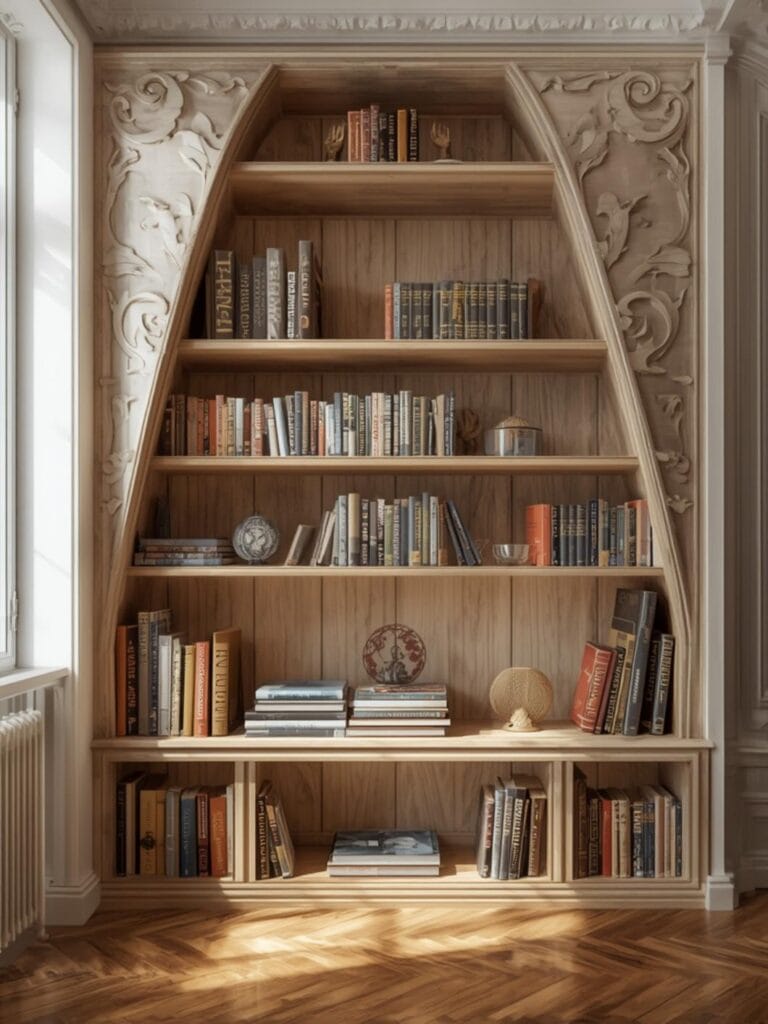
Your bookshelf should feel intentional. It should look like the kind of space you’d see in a magazine, where every object has a reason for being there. Great living room bookshelf decorating ideas help you create that collected, curated look without needing a design degree or an unlimited budget.
The truth is, styling a bookshelf isn’t about owning fancy things. It’s about arranging what you already have in a way that tells your story and makes your living room feel finished.
What You’ll Need to Get the Look
You don’t need to buy out an entire home store to style your bookshelf beautifully. Start with what you already own, then add selectively as you identify gaps.
Books are your foundation — hardcovers, paperbacks, coffee table books with beautiful spines. Mix vertical and horizontal stacks to create visual rhythm.
Decorative objects add personality. Think small sculptures, vintage finds, framed photos, ceramics, or travel souvenirs that mean something to you.
Plants bring life to your shelves. Small potted succulents, trailing pothos, or faux greenery if you’re not a plant person work equally well.
Storage containers like woven baskets, decorative boxes, or fabric bins hide clutter while adding texture. Use these on lower shelves for items you want accessible but not visible.
Art pieces such as small framed prints, postcards propped against the back, or even a small mirror create focal points and depth.
Lighting matters too. Battery-operated LED strips or small clip-on spotlights can highlight your favorite pieces without requiring an electrician.
Finding Your Style and Season
Your bookshelf should reflect how you actually live, not someone else’s Pinterest board. Think about the overall vibe of your living room first.
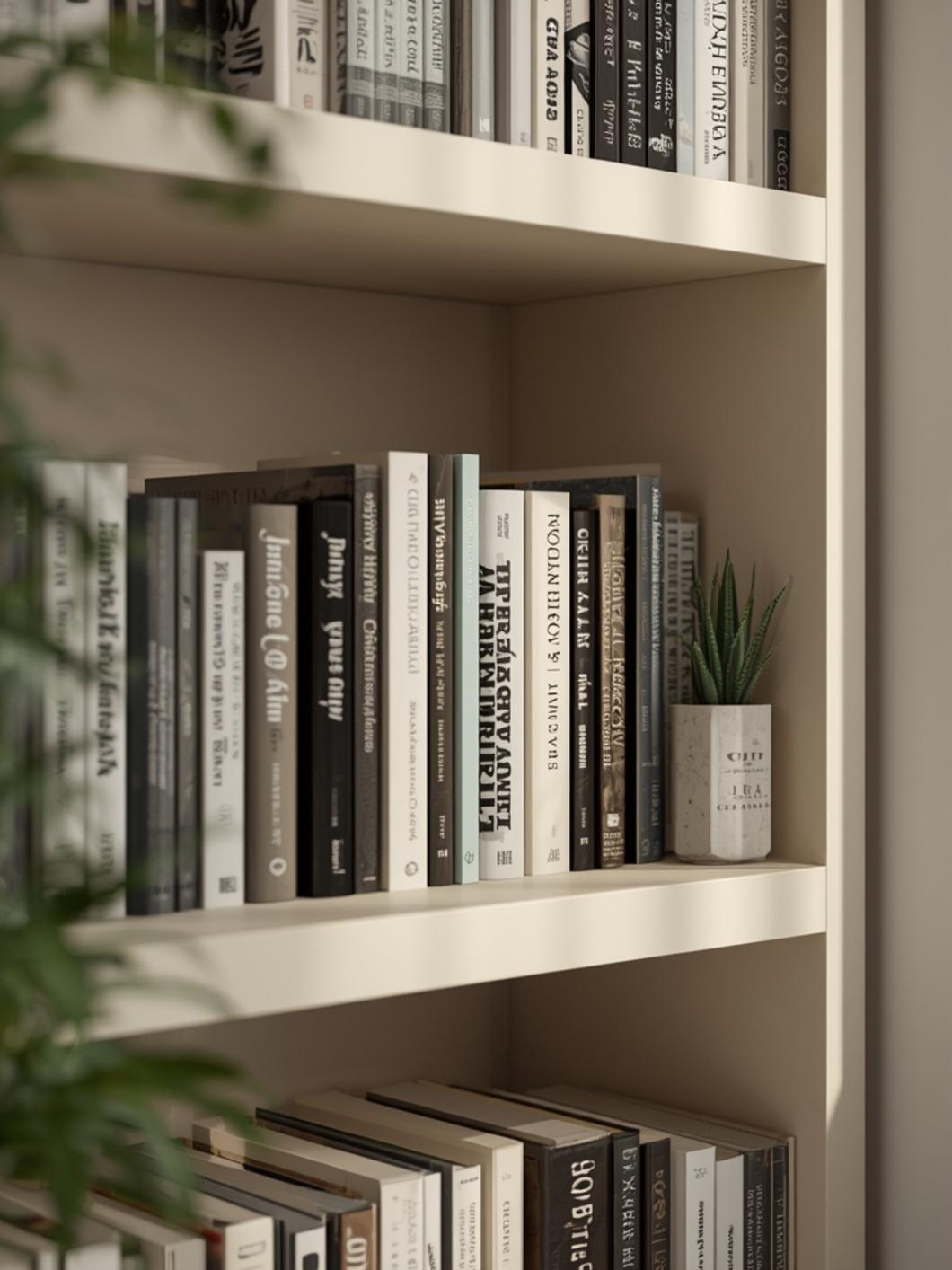
If your space leans modern and minimal, keep your bookshelf edited. Fewer items with more breathing room creates that clean aesthetic. Choose objects in a limited color palette — whites, blacks, and one accent color.
Traditional or classic rooms benefit from symmetry and balance. Match pairs of objects on either side of the shelf, use decorative bookends, and incorporate classic materials like brass and leather.
Boho or eclectic spaces can handle more visual interest. Layer textures freely, mix patterns, and don’t worry about everything matching perfectly. This style celebrates the collected-over-time feeling.
Seasonal updates keep your shelves feeling fresh without a complete overhaul. Swap in a few autumn leaves in October, white candles in December, or fresh florals in spring. These small touches make a big impact for minimal effort.
The best time to style your bookshelf is when your living room feels almost finished but still needs that final layer of personality. Don’t rush this step — it’s the difference between a room that looks decorated and one that feels lived in.
7 Ideas to Try in Your Home
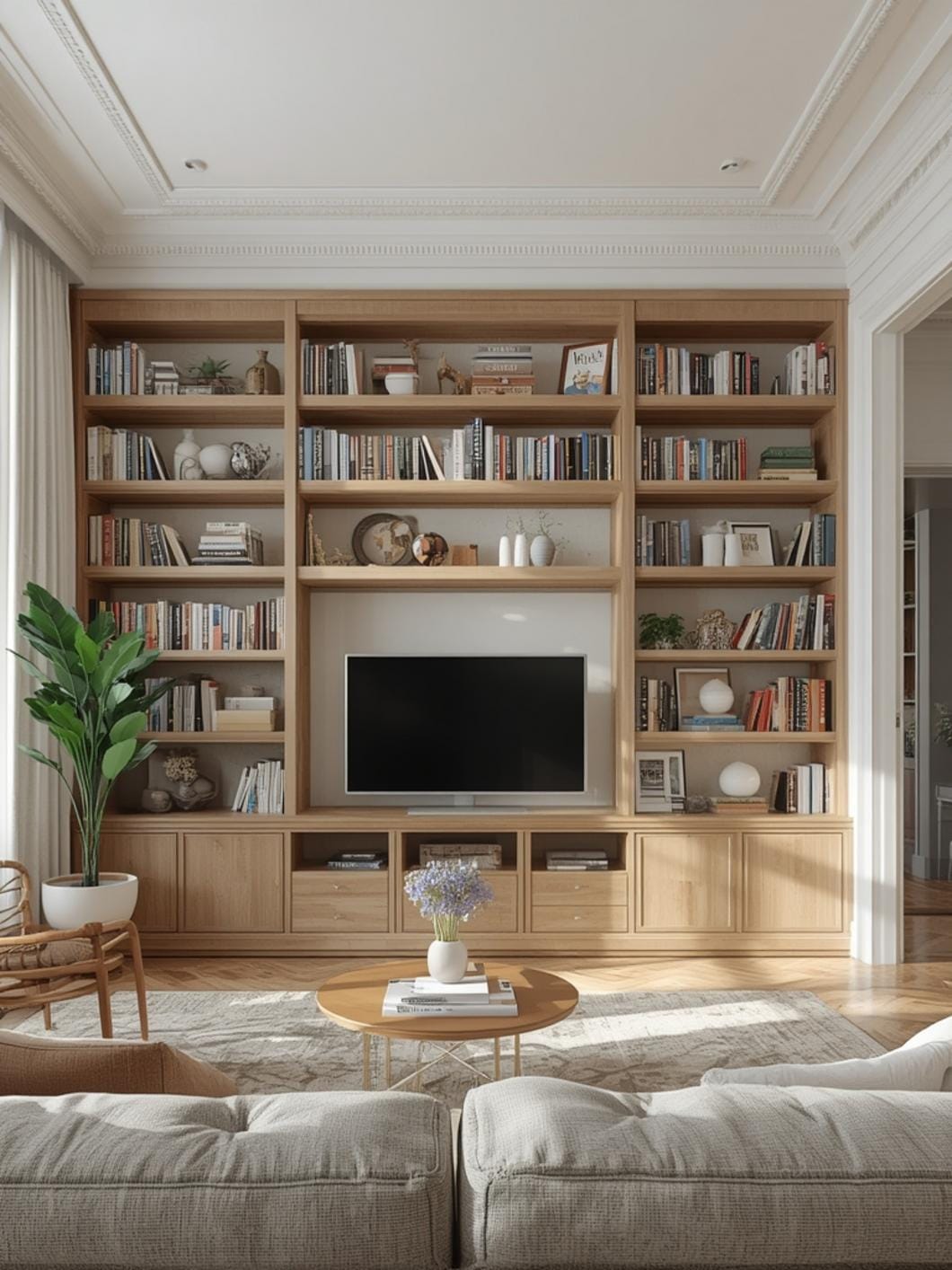
1. The Rule of Thirds Layout
Divide each shelf into thirds visually. Place books in one section, a plant or decorative object in another, and leave one section with breathing room. This creates natural balance without feeling overly structured.
Stack three to five books horizontally, then place a small plant or sculptural object on top. The height variation keeps your eye moving across the shelf naturally.
2. Color-Coordinated Book Spines
Arrange your books by color rather than author or subject. This creates a rainbow effect that’s incredibly photogenic and surprisingly calming to look at.
Start with white and cream on one end, transition through warm colors, then move to cool blues and greens. If a book doesn’t fit your color scheme, turn it spine-in to show the neutral pages.
3. The Museum Display Method
Treat each shelf like a small museum exhibit. Choose one statement piece per shelf — a beautiful vase, a framed photo, or an interesting object — and build around it.
Keep supporting items simple and in the background. This approach works beautifully if you have a few special pieces you want to showcase without overwhelming the space.
4. Layered and Leaned Approach
How to style a bookshelf with plants and decor becomes easier when you embrace layering. Place larger items at the back, then lean smaller framed art against them. Add a plant in front to create three distinct layers.
This technique adds depth and makes your shelves look professionally styled. The key is varying heights — tall candlestick behind medium frame behind short succulent creates that coveted collected look.
5. Basket-Heavy Practical Style
Use the bottom two shelves for woven baskets or fabric bins that hide toys, blankets, or electronics. Style only the upper shelves with your decorative items.
This works perfectly for families who need storage but want their living room to still look polished. The baskets add texture while keeping visual clutter contained.
6. The Greenery Focus
Make plants the star of your bookshelf styling. Mix trailing plants on higher shelves with upright varieties on middle shelves and small succulents tucked into gaps.
Real or faux, the greenery brings life and softness to what can otherwise feel like a hard, angular piece of furniture. Group plants in odd numbers for the most natural look.
7. The Minimalist Edit
Sometimes less truly is more. Remove everything from your shelves, then add back only your absolute favorite pieces with generous space between each item.
This approach requires discipline but creates a serene, uncluttered feeling. Choose items that spark joy or tell a meaningful story, and resist the urge to fill every inch of space.
Benefits of a Well-Styled Bookshelf
A thoughtfully decorated bookshelf transforms your entire living room’s energy. It acts as both functional storage and a living art installation that evolves with your life.
Your space immediately feels more curated and intentional. Guests notice the effort, and you’ll actually enjoy looking at your bookshelf instead of seeing it as an organizational burden.
The process itself is therapeutic. Sorting through books and meaningful objects reconnects you with memories and helps you rediscover items you’d forgotten you owned. It’s a chance to literally put your life on display in a beautiful way.
A well-styled bookshelf also solves the “where do I put this?” problem. When you have designated spots for plants, photos, and decorative objects, your surfaces stay clearer and your whole room feels less cluttered.
Perhaps most importantly, it makes your house feel like your home. Those personal touches — the seashell from your honeymoon, your grandmother’s vintage vase, the books you’ve actually read — tell your unique story in a way generic decor never could.
Budget-Friendly Options and Alternatives
Budget-Friendly Approach
Shop your own home first. Walk through every room and gather objects you love but aren’t currently displaying. You likely have more than enough to create a beautiful bookshelf display.
Thrift stores and estate sales are goldmines for decorative objects, vintage books with gorgeous spines, and unique containers. You’ll find one-of-a-kind pieces for a fraction of retail prices.
Use items from nature like interesting branches, pinecones, or stones collected from meaningful places. They cost nothing and add organic texture.
Mid-Range Approach
Invest in a few quality storage baskets from home stores. They’ll last for years and instantly elevate your bookshelf’s look while providing practical storage.
Buy a couple of real plants in interesting pots. The life they bring is worth the small investment, and many varieties like pothos or snake plants are nearly impossible to kill.
Add one or two statement pieces — perhaps a beautiful ceramic vase or a small sculpture — that anchor your display and reflect your personal style.
Premium Approach
Commission custom storage solutions that fit your bookshelf dimensions perfectly. Leather boxes, handmade pottery, or bespoke frames create a luxury feel.
Collect limited edition books with beautiful bindings specifically for display. Folio Society editions and illustrated classics become both reading material and art objects.
Hire an interior stylist for a single consultation to arrange your existing items professionally and provide a styling plan you can maintain yourself.
Small Space Adaptation
Use vertical space wisely on narrow shelves by stacking books and objects higher rather than wider. Tall, slim items work better than squat, wide ones.
Choose multi-functional pieces like decorative boxes that hide clutter while looking beautiful. Every item should earn its place through both form and function.
Stick to a strict color palette of two to three colors to prevent a small bookshelf from feeling chaotic. Visual cohesion makes even tiny spaces feel intentional.
Common Mistakes to Avoid
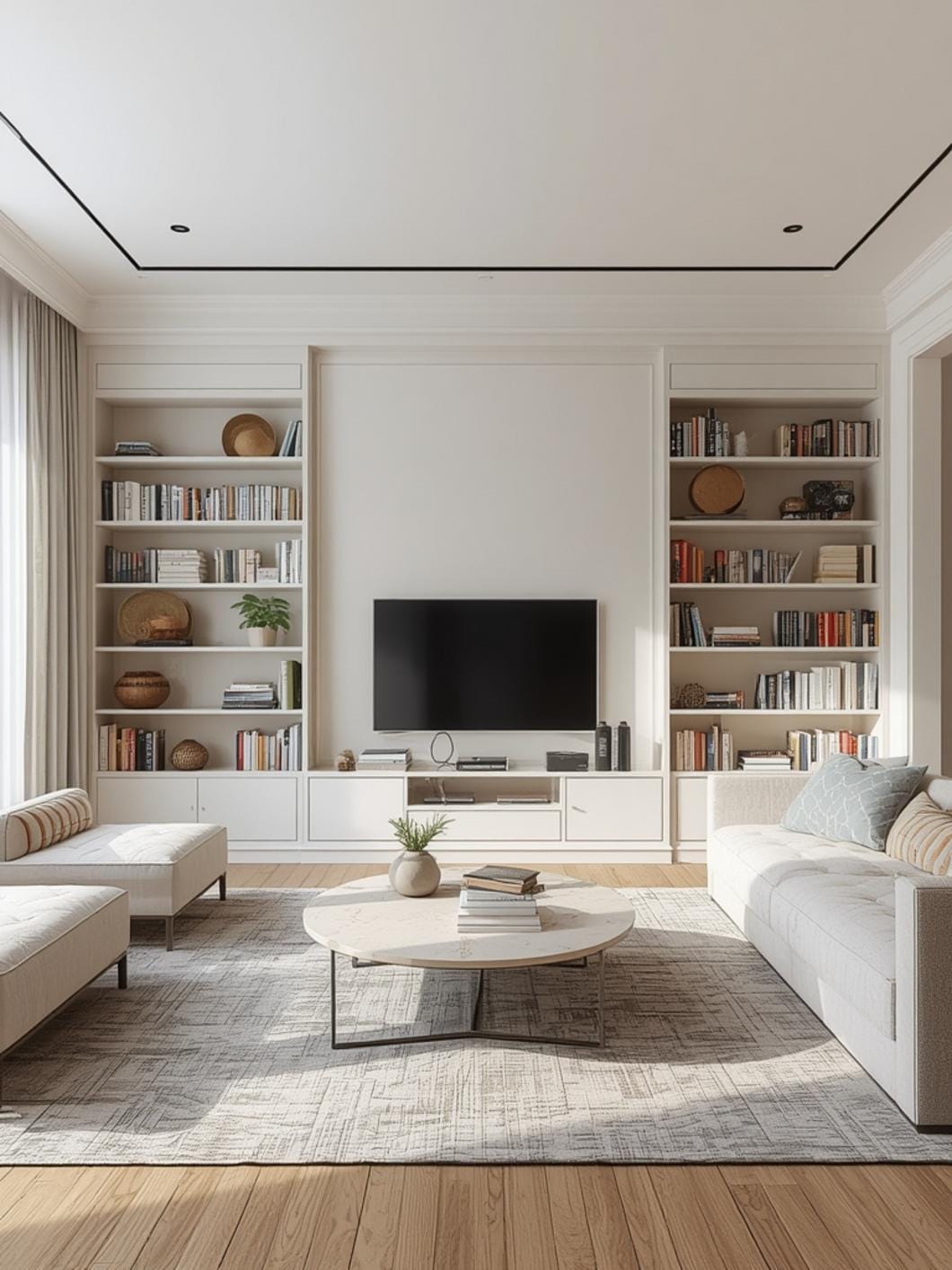
Filling Every Inch of Space
Overcrowding your shelves makes everything look cluttered instead of curated. Leave at least 30% of each shelf empty to give your items room to breathe and your eye a place to rest.
Ignoring Scale and Proportion
Placing all tiny objects together or all oversized items on one shelf creates visual imbalance. Mix large, medium, and small items on each shelf for the most pleasing arrangement.
Using Only One Type of Item
A shelf filled only with books or only with decorative objects lacks visual interest. Vary your items by mixing books, plants, art, and meaningful objects throughout all the shelves.
Pushing Everything Against the Back
Items shoved flat against the back wall look one-dimensional and boring. Pull some pieces forward and layer others behind for depth and dimension that catches the eye.
Forgetting About Negative Space
The empty spaces between your items are just as important as the items themselves. Negative space prevents visual overwhelm and lets your favorite pieces shine without competition.
Simple Maintenance and Seasonal Updates
Dust your shelves monthly with a microfiber cloth or duster. Remove everything from one shelf at a time, wipe it down, and replace items. This prevents dust buildup and gives you a chance to rearrange things that aren’t working.
Rotate your displays seasonally to keep your bookshelf feeling fresh. Store off-season items in a labeled box, then swap them out when the weather changes. You don’t need to change everything — even switching out three to five items makes a noticeable difference.
Check your plants weekly. Real plants need watering and the occasional leaf trim, while faux plants benefit from a quick wipe-down to remove dust. Dying plants make your whole display look neglected, so stay on top of their care.
Take a photo of arrangements you love before changing them. This creates a record you can reference later if you want to recreate a look or need inspiration for a different season.
Edit ruthlessly once or twice a year. If an item no longer sparks joy or fits your evolving style, remove it. Your bookshelf should grow and change with you, not remain frozen in time.
Bringing It All Together
Your living room bookshelf has more potential than you probably realized. With the right arrangement of books, plants, and meaningful objects, it becomes a focal point that tells your story and makes your space feel complete.
The key is starting with what you have, adding thoughtfully, and giving every item room to shine. Whether you prefer minimal and modern or collected and eclectic, these ideas work for any style and any budget.
Ready to transform other areas of your home with the same thoughtful approach? Explore more inspiration and practical advice right here on DecorKingdom, where we help you create spaces you’ll love living in.
FAQs
How many items should I put on each bookshelf?
There’s no magic number, but aim to leave about 30% of each shelf empty. A typical five-foot bookshelf with five shelves works well with 3-5 items per shelf, including books grouped as one item. The goal is curated, not crowded.
Should I organize books by color or by author?
It depends on your priorities. Color organization looks beautiful and creates visual calm, perfect for decoration-focused shelves. If you reference your books frequently and need to find specific titles quickly, organizing by author or subject makes more practical sense.
What’s the best way to incorporate plants without making a mess?
Use saucers or trays under pots to catch water drainage and protect your shelves. Place plants on higher shelves where they’re less likely to be bumped. Faux plants are also a perfectly valid option if you’re worried about maintenance or have low-light conditions.
How do I make my bookshelf look expensive on a budget?
Focus on cohesion rather than cost. Choose items in a limited color palette, add one quality basket or container, and edit ruthlessly so only your favorite pieces remain. Thrift stores often carry high-end items for pennies, and free items from nature add organic luxury.
Can I mix book sizes and orientations on the same shelf?
Absolutely, and you should. Mix vertical books with horizontal stacks to create visual interest and varying heights. Place a decorative object on top of horizontal stacks to add another dimension. This varied approach looks far more interesting than all books standing upright in uniform rows.
—
Meta Title: Living Room Bookshelf Decorating Ideas That Wow (2026)
Meta Description: Transform cluttered shelves into curated displays. These living room bookshelf decorating ideas work for any style and budget.