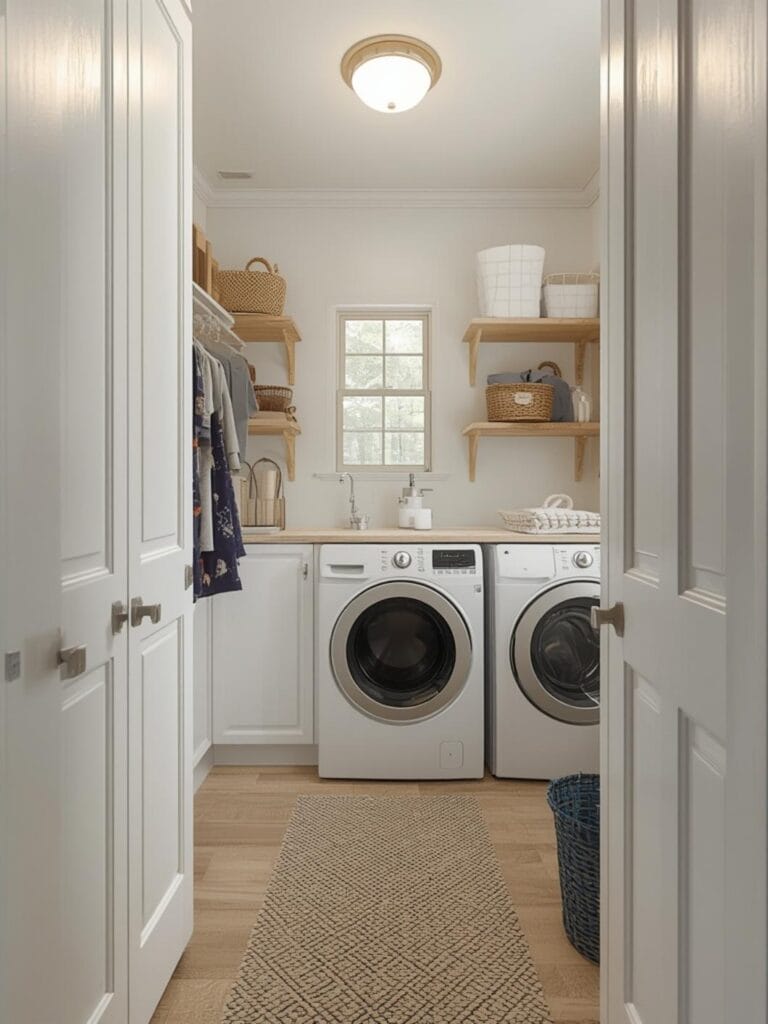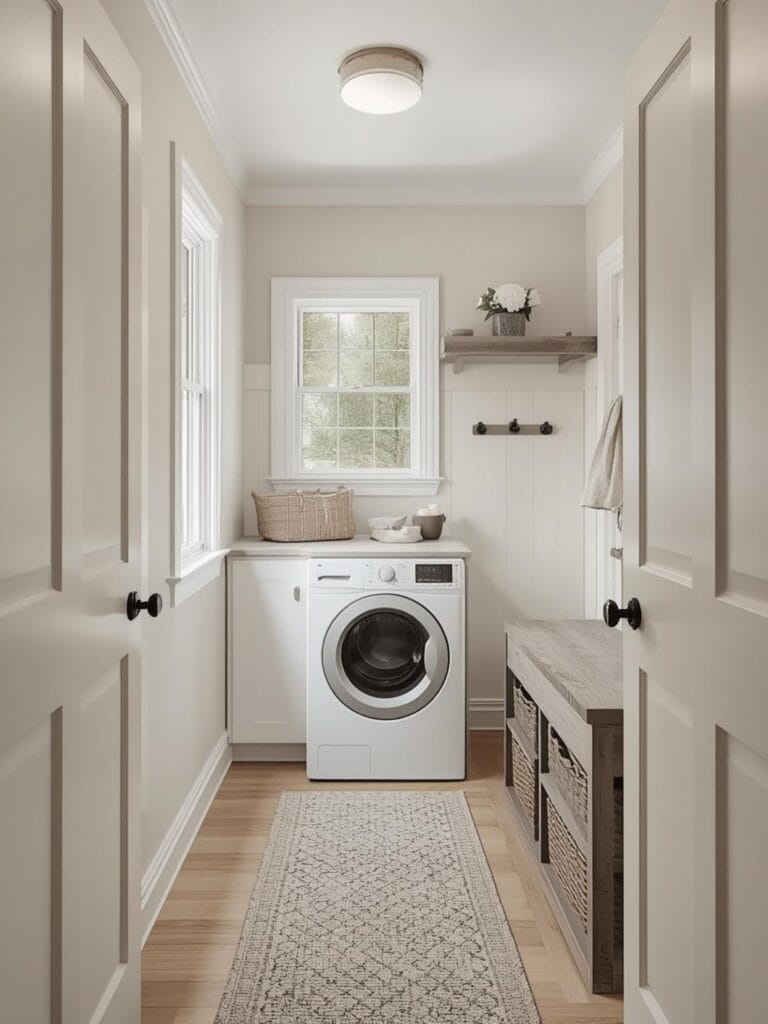
How to Choose Mudroom Flooring Ideas That Last
Your mudroom takes a beating every single day. Wet boots, muddy paws, grocery bags, backpacks — it all lands right there at your entryway. Choosing the right mudroom flooring ideas can make the difference between a space that stays beautiful for years and one that shows every scuff and stain within months.
You want flooring that looks great but also stands up to real life. Something that won’t make you cringe when your kids forget to wipe their feet or when your dog tracks in half the backyard after a rainstorm. The good news? You have more stylish, durable options than you might think, and finding the perfect fit for your home doesn’t require a complete renovation.
This guide walks you through the most popular flooring choices for mudrooms, what makes each one work in high-traffic spaces, and how to decide which option fits your lifestyle and budget best.
Table of Contents
What You’ll Need to Get the Look
The flooring itself is just the starting point. Creating a functional, beautiful mudroom means thinking about the complete picture.
For the foundation, you’ll need your chosen flooring material — whether that’s tile, luxury vinyl, sealed concrete, or another durable option. Most homeowners also benefit from adding washable rugs or runners in coordinating colors to catch extra dirt right at the door.
Consider storage pieces that work with your flooring choice. Benches with built-in shoe storage keep clutter off your beautiful new floor. Wall hooks and cubbies direct the mess upward instead of letting it pile on the ground.
Cleaning supplies matter too. Stock a small caddy with a microfiber mop, gentle floor cleaner suited to your material, and a handheld vacuum or broom. Keep it nearby so quick cleanups become second nature.
Don’t forget transition strips if your mudroom connects to different flooring in adjacent rooms. These small details prevent tripping hazards and give your space a polished, finished appearance.
Finding Your Style and Season
Mudroom flooring works year-round, but certain times make more sense for installation than others.
Spring and fall are ideal seasons for flooring projects. Moderate temperatures help adhesives cure properly, and you can open windows for ventilation without freezing or overheating your home. Plus, these transition seasons give you time to prepare before the heavy traffic of summer vacation or winter holidays.
If you’re planning a mudroom refresh, consider your family’s schedule too. Installing new flooring during a week when kids are at camp or before a big holiday gathering gives the space time to settle without constant foot traffic.
Think about your home’s style when choosing colors and patterns. Modern farmhouse homes look stunning with wide-plank luxury vinyl in weathered wood tones. Contemporary spaces shine with large-format tile in concrete gray or crisp white. Traditional homes often pair beautifully with classic checkerboard patterns or natural stone looks.
Your local climate influences choices too. Homes in rainy regions need flooring that dries quickly and won’t get slippery when wet. Properties in snowy areas benefit from flooring that handles salt and deicing chemicals without staining or deteriorating.
7 Ideas to Try in Your Home
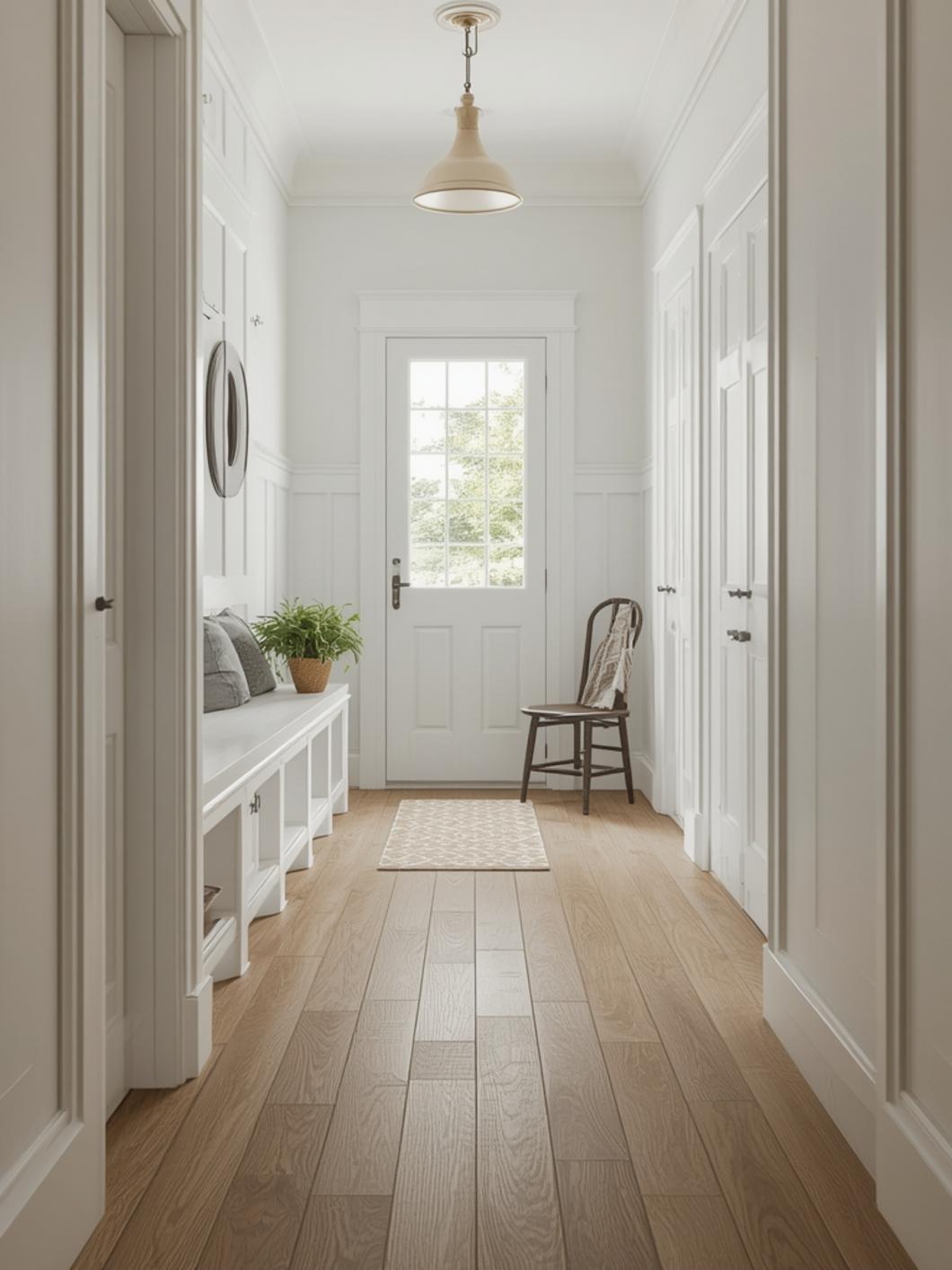
Porcelain Tile with Textured Finish
This classic choice delivers unbeatable durability and water resistance. Choose tiles with a slip-resistant texture rather than glossy finishes. Large-format tiles mean fewer grout lines to clean, while smaller mosaics add visual interest and extra grip underfoot. Porcelain handles temperature changes beautifully and looks equally at home in traditional or modern spaces.
Luxury Vinyl Plank in Wood Look
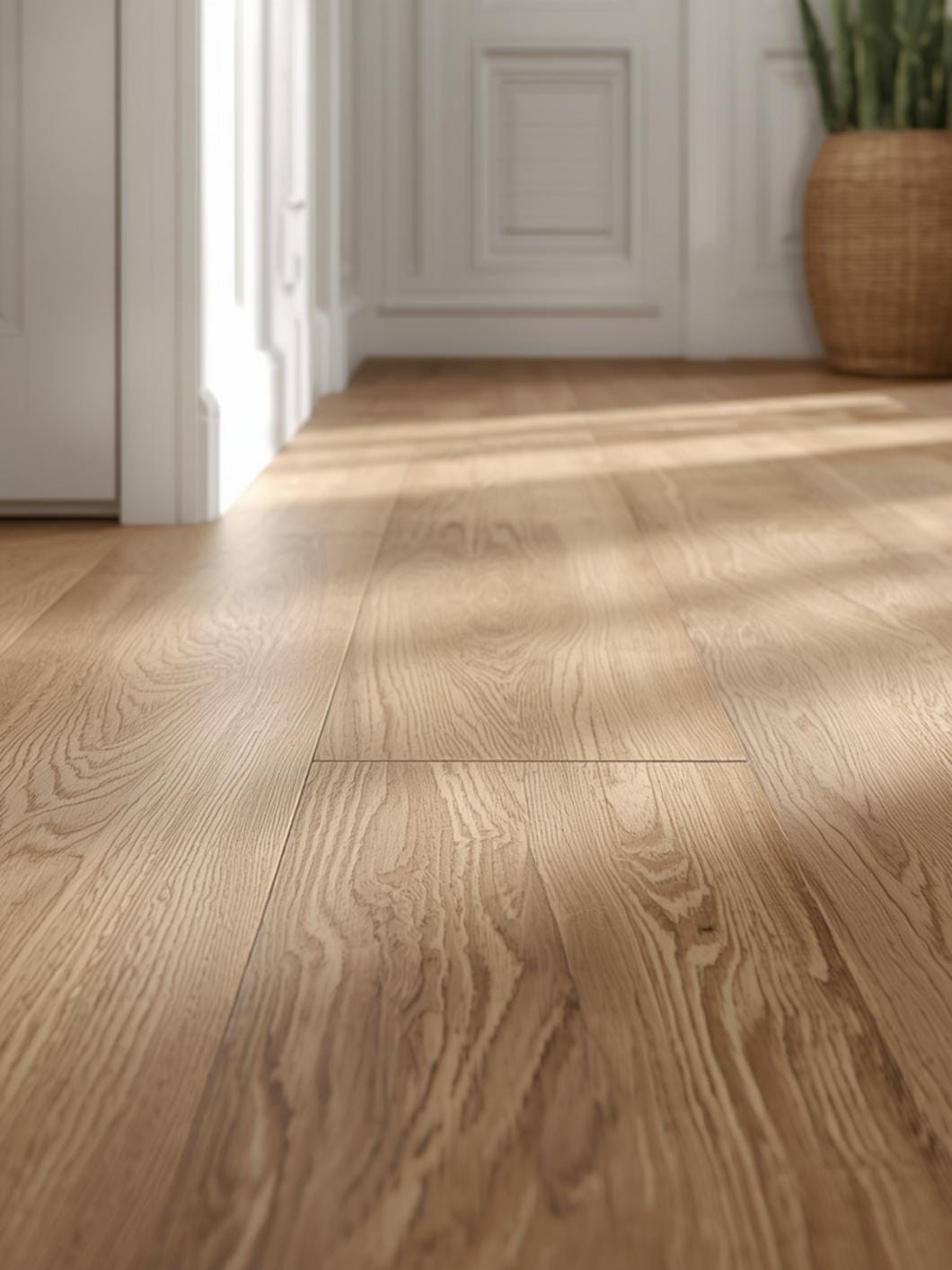
The best mudroom flooring for high traffic areas often turns out to be luxury vinyl plank. It gives you the warmth and beauty of hardwood without the worry of water damage or scratches. Modern versions are completely waterproof, not just water-resistant. The planks install over most existing floors, making this an excellent choice for budget-conscious renovations.
Sealed Concrete with Decorative Stain
Industrial-chic concrete offers incredible durability and a unique aesthetic. A professional can add color through acid staining or apply decorative scoring patterns. The key is proper sealing — this step makes concrete resistant to stains and moisture. Concrete works especially well in modern or minimalist homes and pairs beautifully with metal and wood accents.
Natural Stone Slate
Slate brings organic texture and timeless elegance to your mudroom. Each piece has unique color variations that naturally camouflage dirt and wear. The slightly rough surface provides excellent traction even when wet. Stone does require periodic sealing to maintain its protective barrier, but many homeowners love the authentic, earthy feel it brings to their entryway.
Rubber Flooring in Modern Patterns
Don’t dismiss rubber as purely utilitarian. Today’s residential rubber flooring comes in sophisticated colors, subtle textures, and even faux-wood patterns. It’s incredibly forgiving underfoot, quiet, and practically indestructible. Rubber excels in active households with kids and pets because it cushions falls and resists everything from muddy boots to pet accidents.
Brick Pavers for Rustic Charm
Thin brick pavers installed in herringbone or basketweave patterns create cottage-style warmth. Real brick absorbs moisture rather than repelling it, so proper sealing is essential. The texture provides excellent grip, and the color variations mean you’ll never notice every little mark. This works beautifully in country homes, cottages, or anywhere you want that collected-over-time aesthetic.
Ceramic Tile in Bold Patterns
Patterned cement-look ceramic tiles make your mudroom a design statement. Geometric patterns, Moroccan-inspired designs, or classic encaustic looks all handle heavy traffic while adding serious visual appeal. Pair bold floor tiles with simple wall colors to let the pattern shine. This approach works wonderfully in eclectic or globally-inspired homes.
Benefits / Advantages
The right mudroom flooring does more than survive daily wear — it actually makes your life easier.
Durable flooring eliminates that constant worry about damage. You stop hovering over family members about taking off their shoes immediately. Kids can drop their sports bags without you mentally calculating replacement costs. That peace of mind is priceless.
Easy-clean surfaces save you hours every week. A quick sweep and damp mop keep your mudroom looking fresh instead of requiring scrubbing sessions on your hands and knees. Spills and tracked-in mud wipe away in seconds rather than soaking into porous materials.
Water-resistant or waterproof flooring protects your home’s structure. Moisture can’t seep through to damage subflooring or create mold problems. This protection becomes especially valuable in regions with heavy rain or snow.
Beautiful flooring turns your mudroom from a purely functional space into an extension of your home’s style. When this hard-working area looks intentional and polished, your entire home feels more pulled together. Guests form their first impression right here, so an attractive mudroom sets a welcoming tone.
Tips, Alternatives, Styling Advice
Budget-Friendly Option
Sheet vinyl offers impressive durability at the lowest price point. Modern versions come in realistic wood and stone looks that don’t scream “cheap flooring.” One continuous sheet means zero grout lines and simple installation. Pair it with a stylish runner and nobody will guess you stayed under budget.
Mid-Range Option
Luxury vinyl tile hits the sweet spot for most homeowners. You get excellent durability, multiple style options, and often DIY-friendly installation. Choose brands with strong wear layers and comprehensive warranties. Add a coordinating area rug and attractive storage baskets to complete the look without breaking the bank.
Premium Option
Natural stone or high-end porcelain creates a truly luxurious mudroom. Heated flooring systems pair beautifully with tile or stone, turning your mudroom into a cozy retreat even on the coldest days. Invest in professional installation to ensure proper waterproofing and leveling. Layer in custom built-ins and designer lighting fixtures to maximize the upscale feel.
Small Space Adaptation
Tiny mudrooms benefit from large-format tiles or planks running lengthwise to visually elongate the space. Light colors reflect more light and prevent the area from feeling cramped. Skip busy patterns in tight quarters — solid colors or subtle textures work better. Use the same flooring material throughout connecting spaces to eliminate visual breaks that make small areas feel even smaller.
Common Mistakes to Avoid
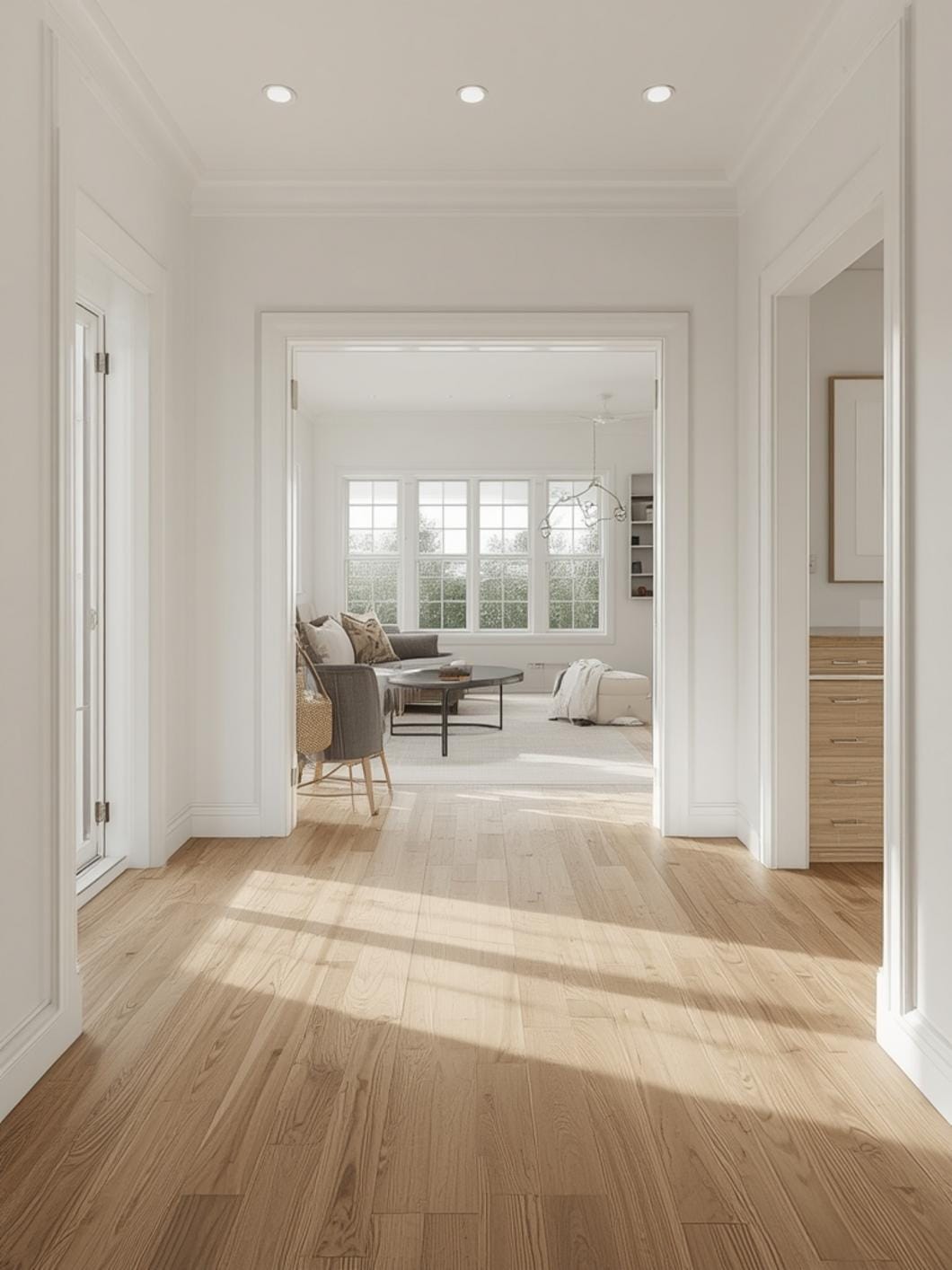
Choosing style over slip resistance. Glossy tiles look gorgeous but turn dangerously slippery when wet. Always select flooring with a textured or matte finish specifically rated for slip resistance.
Skipping proper underlayment or moisture barriers. Even waterproof flooring needs protection underneath if installed over concrete or in below-grade spaces. This layer prevents moisture from wicking up and causing damage you won’t see until it’s too late.
Installing the wrong type of luxury vinyl. Not all vinyl is waterproof — some versions are only water-resistant. Read specifications carefully and choose 100% waterproof products with sealed locking systems for mudrooms.
Forgetting about grout color in tile installations. Light grout shows every speck of dirt and requires constant cleaning in high-traffic areas. Choose medium to dark grout that hides daily grime while still complementing your tile color.
Neglecting expansion gaps along walls. Vinyl and laminate flooring expands and contracts with temperature changes. Leaving proper spacing around the perimeter prevents buckling, and your baseboards will hide these gaps completely.
Maintenance / Upkeep Tips
Daily maintenance keeps your mudroom flooring looking fresh with minimal effort.
Sweep or vacuum high-traffic paths every day or two. This simple habit prevents dirt from getting ground into textured surfaces or grout lines. Keep a small broom and dustpan right in the mudroom so anyone can do a quick cleanup.
Damp mop weekly using a cleaner formulated for your specific flooring type. Avoid soaking the floor — a barely damp mop works better and dries faster. For tile, pay extra attention to grout lines where dirt accumulates.
Place doormats both outside and inside your entrance. This two-mat system catches significantly more debris before it reaches your main flooring. Shake out or vacuum these mats several times weekly.
Address spills and tracked-in mud immediately. Even waterproof flooring looks better when you wipe up messes quickly rather than letting them dry and require scrubbing later.
Reseal natural stone or concrete annually. This protective layer takes just a few hours to apply and dramatically extends your flooring’s lifespan. Most homeowners can handle this task themselves with products from home improvement stores.
Bringing It All Together
Your mudroom flooring sets the foundation for a space that works hard without showing the wear. The options available today give you both beauty and performance — you don’t have to sacrifice one for the other.
Start by honestly assessing your household’s needs and traffic patterns. Then choose flooring that matches both your lifestyle and your style preferences. The investment you make in quality mudroom flooring pays off every single day in easier maintenance and lasting good looks.
Ready to create more beautiful, functional spaces throughout your home? Explore DecorKingdom for hundreds of practical decorating ideas designed specifically for real homeowners like you.
FAQs
What is the most durable flooring for a mudroom?
Porcelain tile and luxury vinyl plank both offer exceptional durability for mudrooms. Porcelain handles moisture, scratches, and heavy impacts without showing wear, while luxury vinyl provides similar toughness with more cushion underfoot. Both materials regularly last 20+ years in high-traffic entryways with proper installation and basic maintenance.
Can you install mudroom flooring yourself or do you need a professional?
Luxury vinyl plank and peel-and-stick tiles work well for confident DIYers with basic tools and patience. These floating floor systems click together without adhesives or special equipment. Porcelain tile, natural stone, and concrete typically require professional installation to ensure proper leveling, waterproofing, and finished results that last.
How do you keep mudroom floors from getting slippery when wet?
Choose flooring with textured or matte finishes rather than glossy surfaces. Porcelain tiles rated for slip resistance, natural slate, and textured luxury vinyl all provide good traction when wet. Place absorbent mats at the entrance to catch water before it reaches your main flooring, and keep floors clean since dirt mixed with water creates extra slipperiness.
What flooring works best in mudrooms with pets?
Luxury vinyl plank and porcelain tile both resist scratches from pet nails better than most alternatives. They’re completely waterproof, so accidents clean up easily without leaving stains or odors. Textured surfaces hide minor wear better than smooth finishes. Avoid natural wood or soft materials that absorb moisture and show damage quickly.
How much should you budget for mudroom flooring?
Sheet vinyl starts around $2-4 per square foot installed, luxury vinyl plank runs $4-8 per square foot, and porcelain tile typically costs $8-15 per square foot with professional installation. Natural stone sits at the high end, often $12-25 per square foot installed. A typical 50-square-foot mudroom ranges from $200 for budget vinyl to $1,250+ for premium stone with professional installation.
—
Meta Title: Mudroom Flooring Ideas That Actually Last (2026)
Meta Description: Beautiful mudroom flooring ideas that handle daily chaos. Find durable, stylish options for high-traffic entryways that stay gorgeous for years.