How to Choose Mudroom Tile Ideas for Every Style
Your mudroom takes a beating. Every day, muddy boots, wet umbrellas, and sandy sneakers march right through that doorway — and your floors show it. You want a space that can handle the chaos without looking worn out by Wednesday.
That’s where the right mudroom tile ideas come into play. The perfect tile doesn’t just survive your family’s comings and goings — it looks gorgeous doing it. Whether you’re starting from scratch or ready to upgrade worn-out flooring, choosing tile that balances beauty and durability will transform your entryway into a space you’re proud to show off.
Your mudroom deserves more than just “functional.” With the right tile, you can create a welcoming transition zone that sets the tone for your entire home while standing up to whatever your household throws at it.
Table of Contents
What You’ll Need to Get the Look
Selecting the right materials makes all the difference in achieving a mudroom that’s both stunning and practical.
Tile options to consider:
– Porcelain tile in matte or textured finishes
– Ceramic tile with slip-resistant surfaces
– Natural stone like slate or travertine
– Luxury vinyl tile designed to mimic natural materials
– Cement tile with intricate patterns
Supporting materials:
– Quality grout in stain-resistant formulas
– Tile sealer for natural stone options
– Transition strips for doorways
– Area rugs or runners for layered texture
Complementary mudroom elements:
– Built-in bench or freestanding seating
– Hooks or coat rack system
– Boot tray or drip mat
– Storage cubbies or baskets
– Wall-mounted organizers
The key is choosing tile that complements your home’s existing style while meeting your practical needs. Your mudroom tile should feel cohesive with adjacent rooms but tough enough to handle daily wear.
Finding Your Style and Season
Timing your mudroom tile project around your lifestyle and the seasons helps ensure success.
Spring and fall are ideal seasons for mudroom renovations. Your space gets maximum use during wet, muddy months, so tackling this project during milder weather means less disruption. You’ll also avoid tracking installation dust through your home during peak entertaining seasons.
Consider your household’s rhythm. If you have kids, summer break offers the perfect window when daily routines are more flexible. You won’t worry about missing the school bus while contractors work in your entryway.
Your style should reflect both your aesthetic preferences and your home’s architecture. A farmhouse-style home pairs beautifully with rustic cement tile or weathered-look porcelain. Modern homes shine with large-format tiles in neutral tones or geometric patterns.
Think about the mood you want to create. Classic subway tile offers timeless appeal, while bold patterns make a statement the moment guests walk in. Neutral stone tones create a calming transition space, while colorful encaustic tile adds personality and energy.
Budget considerations matter too. Ceramic tile offers an affordable option without sacrificing style, while natural stone delivers luxury at a premium price point. Planning ahead gives you time to watch for sales or order special-order tiles without rushing.
7 Ideas to Try in Your Home
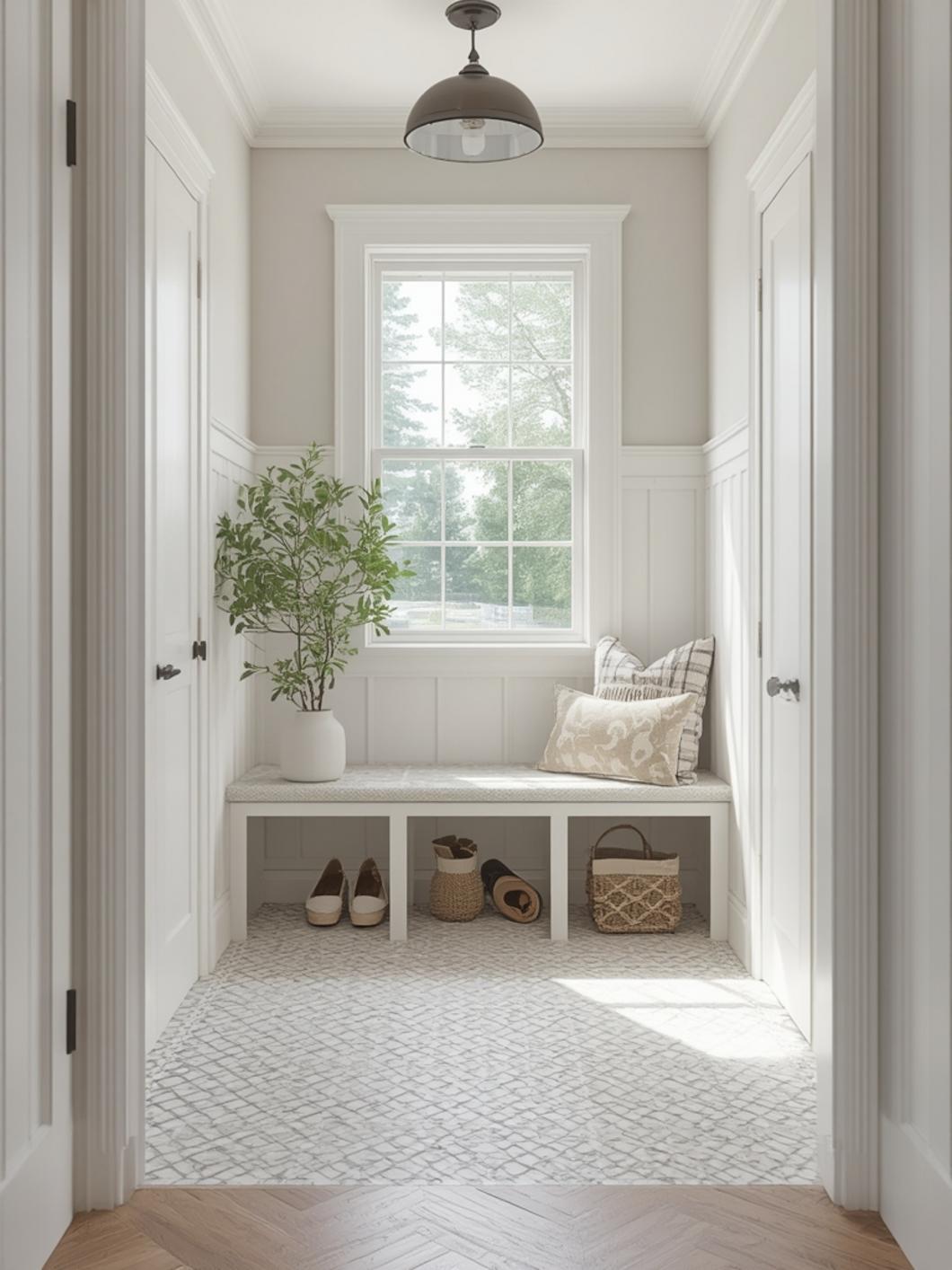
Classic Checkerboard Pattern
Black and white tiles arranged in a checkerboard never go out of style. This timeless pattern hides dirt surprisingly well while adding visual interest to your mudroom. The contrast creates a crisp, clean look that works with virtually any decor style from traditional to contemporary.
Herringbone Wood-Look Tile
Porcelain tile that mimics hardwood in a herringbone pattern delivers warmth without the maintenance headaches of real wood. You get the cozy aesthetic of wood floors with waterproof durability. This pattern adds movement and sophistication while disguising scuffs and dirt between cleanings.
Large Format Gray Tile
Oversized tiles in soft gray tones create a modern, spa-like feel in your mudroom. Fewer grout lines mean easier cleaning and a more seamless appearance. Gray naturally camouflages dirt and coordinates beautifully with any accent color you choose for walls or accessories.
Patterned Cement Tile Runner
Create a focal point with decorative cement tiles running down the center of your mudroom, bordered by simple solid tiles. This approach concentrates your budget on a statement-making pattern while keeping costs reasonable. The bold design draws the eye and adds character to an often-overlooked space
Natural Slate with Texture
Slate tile offers natural slip resistance and organic beauty that improves with age. Its subtle color variations and textured surface hide imperfections while providing excellent traction for wet shoes. The earthy tones work especially well in homes with rustic or transitional design styles.
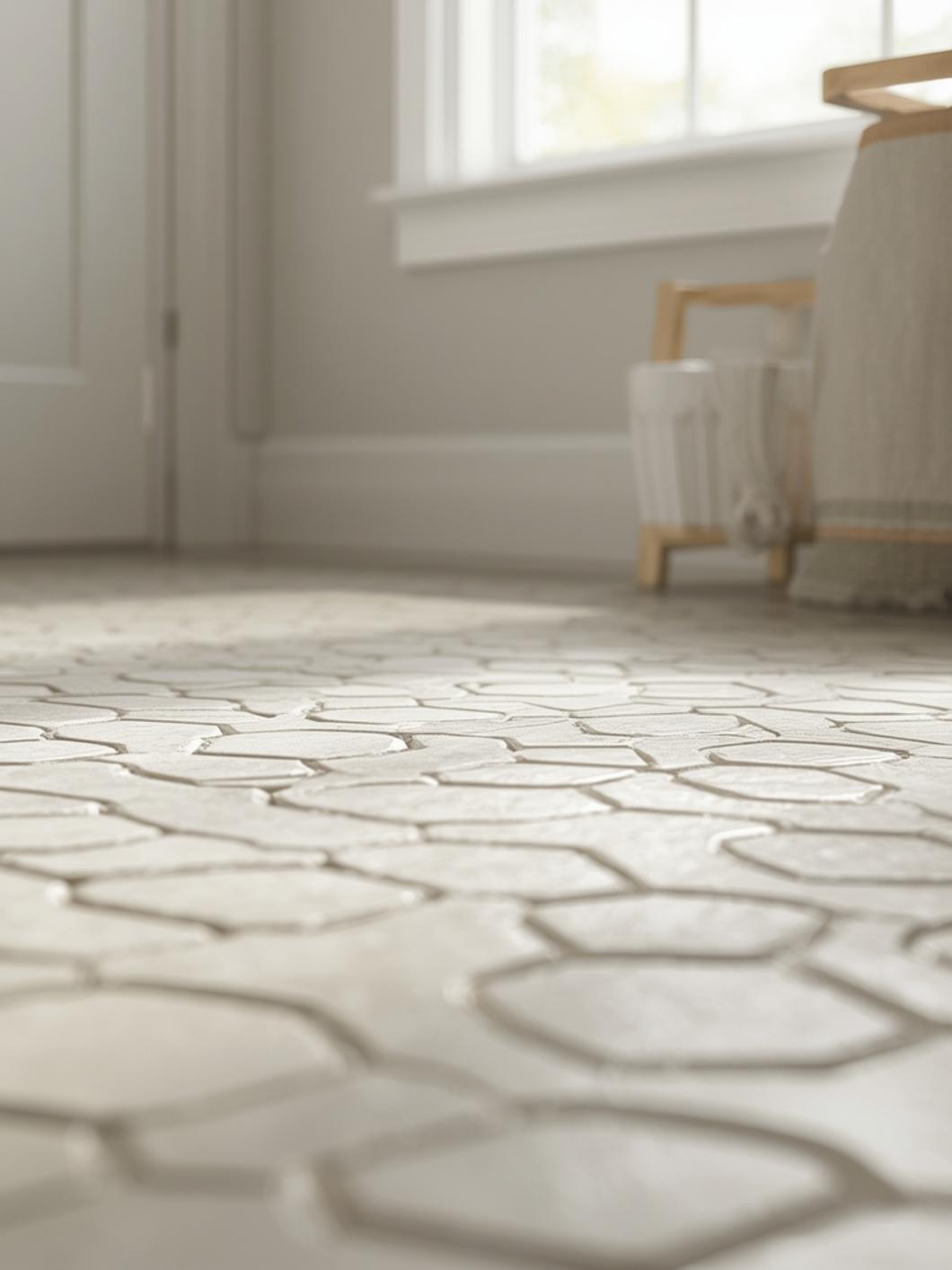
Hexagon Tile in Earth Tones
Geometric hexagon tiles in warm terracotta, taupe, or sage green bring contemporary style with staying power. The unexpected shape adds visual interest without overwhelming the space. How to choose mudroom flooring for high traffic areas often comes down to finding tile that’s both durable and distinctive — hexagons check both boxes beautifully.
Durable Porcelain with Stone Look
Porcelain designed to mimic natural marble or limestone gives you luxury aesthetics with superior durability. Modern manufacturing creates incredibly realistic stone looks that won’t chip, stain, or require constant sealing. You get the elegance of natural stone with the practicality of engineered tile.
Mixed Material Border Design
Combine two complementary tile types — perhaps large-format porcelain in the main area with a decorative border of smaller mosaic tiles. This technique defines your mudroom space while adding custom detail. The border can tie in colors from adjacent rooms, creating visual flow throughout your home.
Matte Black Tile for Drama
Bold homeowners can embrace matte black tile for a striking, unexpected mudroom floor. Pair it with white grout for high contrast or black grout for a seamless look. This dramatic choice works beautifully in modern or industrial-style homes and actually hides dirt better than you’d expect.
Benefits of Great Mudroom Tile
The right tile choice transforms your mudroom from a neglected passthrough into a hardworking, beautiful space.
Durability tops the list of advantages. Quality tile stands up to decades of foot traffic, wet boots, and dropped bags without showing wear. Unlike carpet or standard vinyl, tile won’t stain, tear, or need replacement every few years.
Easy maintenance means less time cleaning and more time enjoying your home. A quick sweep and occasional mopping keeps tile looking fresh. No special treatments, no professional cleaning bills, just simple everyday care.
Water resistance protects your home’s structure. Tile creates a waterproof barrier that prevents moisture from seeping into subfloors. Your mudroom can handle melting snow, dripping umbrellas, and muddy paws without worry.
Home value increases with quality finishes. Buyers appreciate well-designed mudrooms with durable flooring. Tile signals that your home has been thoughtfully maintained and upgraded with lasting materials.
Style flexibility lets you express your personality. With countless colors, patterns, sizes, and textures available, you can create exactly the look you envision. Your mudroom becomes an intentional design element rather than an afterthought.
Tips, Alternatives, and Styling Advice
Budget-Friendly Option
Ceramic tile in standard sizes offers excellent durability at accessible prices. Choose neutral colors in 12×12 or 12×24 sizes, which are widely available and easy to install. A simple running bond pattern keeps installation costs down while still looking polished and intentional.
Mid-Range Option
Porcelain tile in wood-look or stone-look finishes provides premium aesthetics without the highest price tag. Larger format tiles in 18×36 or 12×24 sizes create a more custom appearance. Adding a decorative border or accent strip elevates the design without breaking your budget.
Premium Option
Natural stone like slate, travertine, or marble delivers authentic luxury and unique character. Pair high-end tile with professional installation to ensure proper sealing and longevity. Consider adding radiant floor heating underneath for ultimate comfort and a true luxury experience.
Small Space Adaptation
Smaller tiles actually work better in compact mudrooms. They provide better slip resistance and the increased grout lines create visual texture that makes the space feel intentional rather than cramped. Light colors and simple patterns prevent tiny mudrooms from feeling closed in.
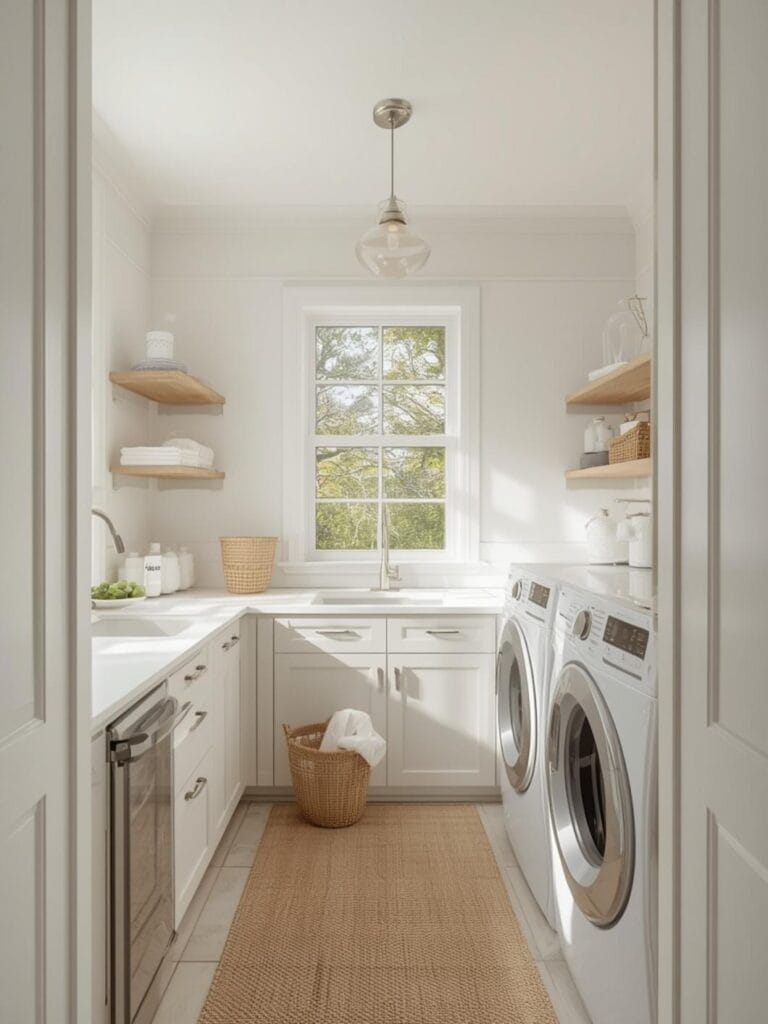
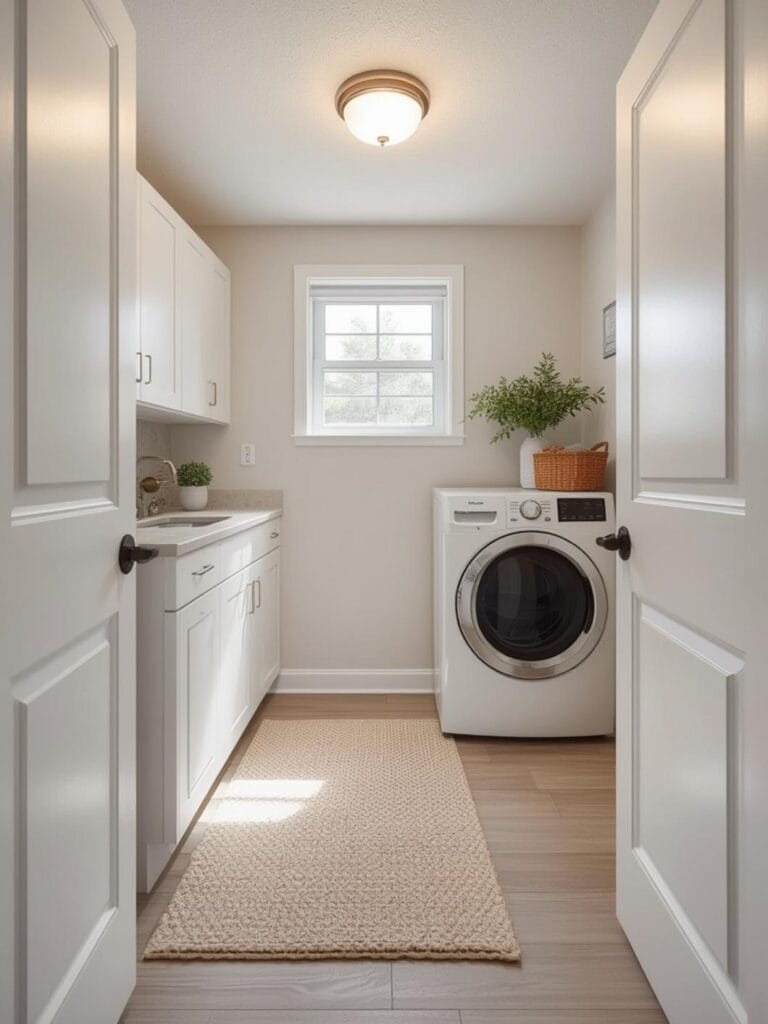
Consider continuing your mudroom tile into adjacent laundry rooms or half baths for visual continuity. This approach makes both spaces feel larger and more cohesive.
Layer washable rugs over your tile to add warmth and extra dirt-trapping power. Choose rugs with non-slip backing and shake them out regularly. This combination gives you the durability of tile with the cozy comfort of soft flooring.
Common Mistakes to Avoid
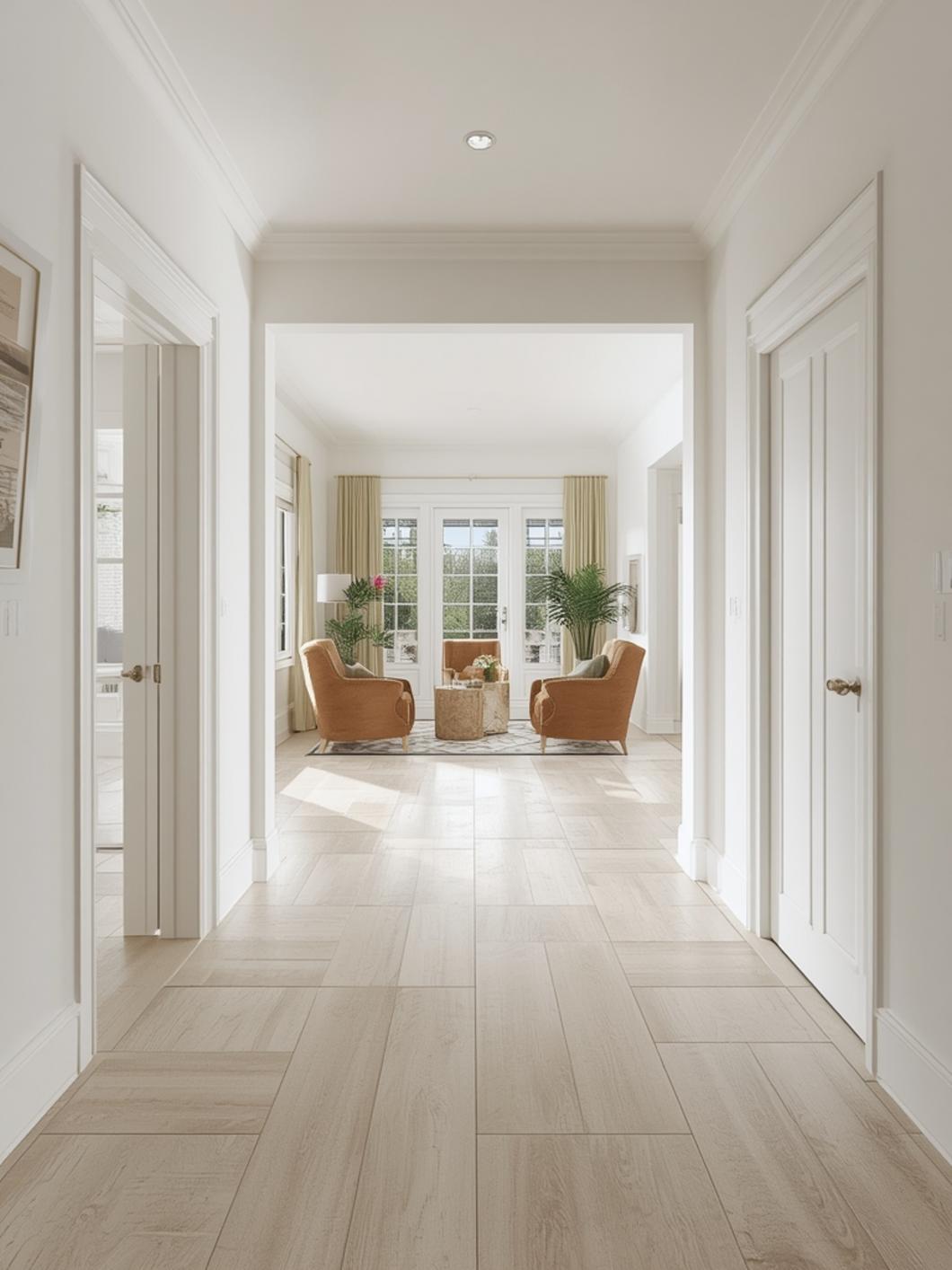
Choosing glossy tile for high-traffic areas
Shiny, polished tile looks beautiful in showrooms but becomes dangerously slippery when wet. Always select matte or textured finishes for mudroom floors where water and mud are inevitable.
Skipping proper substrate preparation
Installing tile over an uneven or unsuitable subfloor leads to cracking and premature failure. Make sure your existing floor structure is solid and level before any tile goes down.
Using white or very light grout
Pale grout shows every speck of dirt and looks dingy quickly in mudrooms. Choose medium to dark grout colors that hide stains and require less frequent cleaning.
Forgetting about transitions to other rooms
Abrupt height changes where tile meets carpet or hardwood create tripping hazards and look unfinished. Plan for proper transition strips that create smooth, safe connections between flooring types.
Selecting tile based only on looks
That gorgeous smooth marble might be stunning, but it won’t survive your mudroom’s daily beating. Prioritize durability ratings and slip resistance alongside aesthetics to ensure your beautiful tile stays beautiful.
Maintenance and Upkeep Tips
Keeping your mudroom tile looking fresh requires minimal effort with the right routine.
Sweep or vacuum daily to remove dirt and debris before it gets ground into grout lines. A quick once-over takes less than two minutes and prevents buildup. Place a sturdy doormat both outside and inside your door to catch the worst mess before it reaches your tile.
Mop weekly with warm water and a pH-neutral tile cleaner. Avoid harsh chemicals or acidic cleaners that can damage grout or dull tile finish. For natural stone, use cleaners specifically formulated for stone to prevent etching or discoloration.
Clean grout lines every few months with a soft brush and grout cleaner. For stubborn stains, make a paste of baking soda and water, apply it to grout, let it sit for a few minutes, then scrub gently. Rinse thoroughly and let dry completely.
Reseal natural stone tile annually to maintain its water resistance and stain protection. Porcelain and ceramic tiles don’t require sealing, but their grout lines do. Check grout seal by placing a few drops of water on it — if water beads up, you’re good. If it soaks in, time to reseal.
Address spills and stains immediately. The longer something sits on your tile, the harder it becomes to remove. Keep a small hand broom and dustpan in your mudroom for quick cleanups after particularly messy entries.
Wrapping Up Your Mudroom Tile Journey
Your mudroom works hard every single day, and it deserves flooring that can keep up without sacrificing style. The right tile turns this high-traffic zone into a space that welcomes you home while handling whatever mess walks through the door.
From classic patterns to modern statement tiles, you have countless options that blend durability with design. The investment in quality mudroom tile pays off in years of easy maintenance and timeless appeal.
Ready to explore more ways to elevate your home’s hardest-working spaces? DecorKingdom has the inspiration and practical advice you need to create rooms you’ll love for years to come.
FAQs
What type of tile is most durable for a mudroom?
Porcelain tile offers the best durability for mudrooms because it’s denser and less porous than ceramic. It resists moisture, stains, and heavy traffic exceptionally well. Look for porcelain rated for floor use with a PEI rating of 4 or 5 for the highest durability in residential applications.
Can I install mudroom tile myself or should I hire a professional?
If you have basic DIY skills and the right tools, you can install simple tile patterns yourself. However, professional installation ensures proper substrate preparation, waterproofing, and layout — especially important in high-moisture areas. Complex patterns or natural stone typically benefit from professional expertise.
How do I prevent mudroom tile from being slippery when wet?
Choose tile with a textured or matte finish rather than polished surfaces. Look for tiles with a dynamic coefficient of friction (DCOF) rating of 0.42 or higher. Smaller tiles with more grout lines also provide better traction than large-format smooth tiles.
What’s the best grout color for a mudroom that sees lots of dirt?
Medium to dark gray grout colors hide dirt and stains far better than white or light grout. Charcoal, slate gray, or warm gray tones disguise everyday grime while still looking intentional and stylish. Match your grout color to the darker tones in your tile for a cohesive look.
How much does it typically cost to tile a mudroom?
Materials typically range from three to fifteen dollars per square foot depending on tile quality, with ceramic on the lower end and natural stone at the premium end. Professional installation adds another five to ten dollars per square foot. A standard 50-square-foot mudroom might cost between 400 and 1,250 dollars total for a mid-range project.
—
Meta Title: Mudroom Tile Ideas That Handle Real Life (2026)
Meta Description: Discover mudroom tile ideas that combine stunning style with serious durability for your busiest entryway space.