How to Choose Mudroom Tile Floor Ideas for Durability
Table of Contents
Your mudroom takes a beating every single day. Wet boots, muddy paws, grocery bags dragging across the floor — it all happens in that hardworking little space between your door and the rest of your home.
Choosing the right mudroom tile floor ideas isn’t just about picking something pretty. You need a floor that can handle the chaos while still looking welcoming when guests walk through your door. The good news? Today’s tile options give you both durability and serious style.
Whether you’re starting from scratch or replacing worn-out flooring, the right tile can completely change how your mudroom functions and feels. From classic patterns to modern textures, there’s a perfect solution waiting for your home.
What You’ll Need to Get the Look
Creating a beautiful, functional mudroom floor starts with understanding your options. Porcelain and ceramic tiles top the list for durability, with porcelain being slightly tougher and more water-resistant. Both come in endless colors, patterns, and finishes.
Luxury vinyl tile (LVT) offers another excellent choice if you want the look of natural stone or wood without the maintenance headaches. It’s softer underfoot and warmer in winter months, which makes a real difference when you’re standing there helping kids with boots.
Essential materials you’ll consider:
– Tile material (porcelain, ceramic, natural stone, or LVT)
– Grout in colors that hide dirt or make a design statement
– Underlayment or subfloor preparation materials
– Transition strips to connect with adjacent rooms
– Area rugs or runners for extra comfort and style
Natural stone tiles like slate or travertine bring gorgeous, organic texture but require sealing and more careful maintenance. They’re stunning in larger mudrooms where you have space to showcase their natural beauty.
Don’t forget about texture when selecting tiles. Smooth, glossy tiles might look sleek, but they become dangerously slippery when wet. Always choose tiles with some texture or a matte finish for your mudroom floor.
Finding Your Style and Season
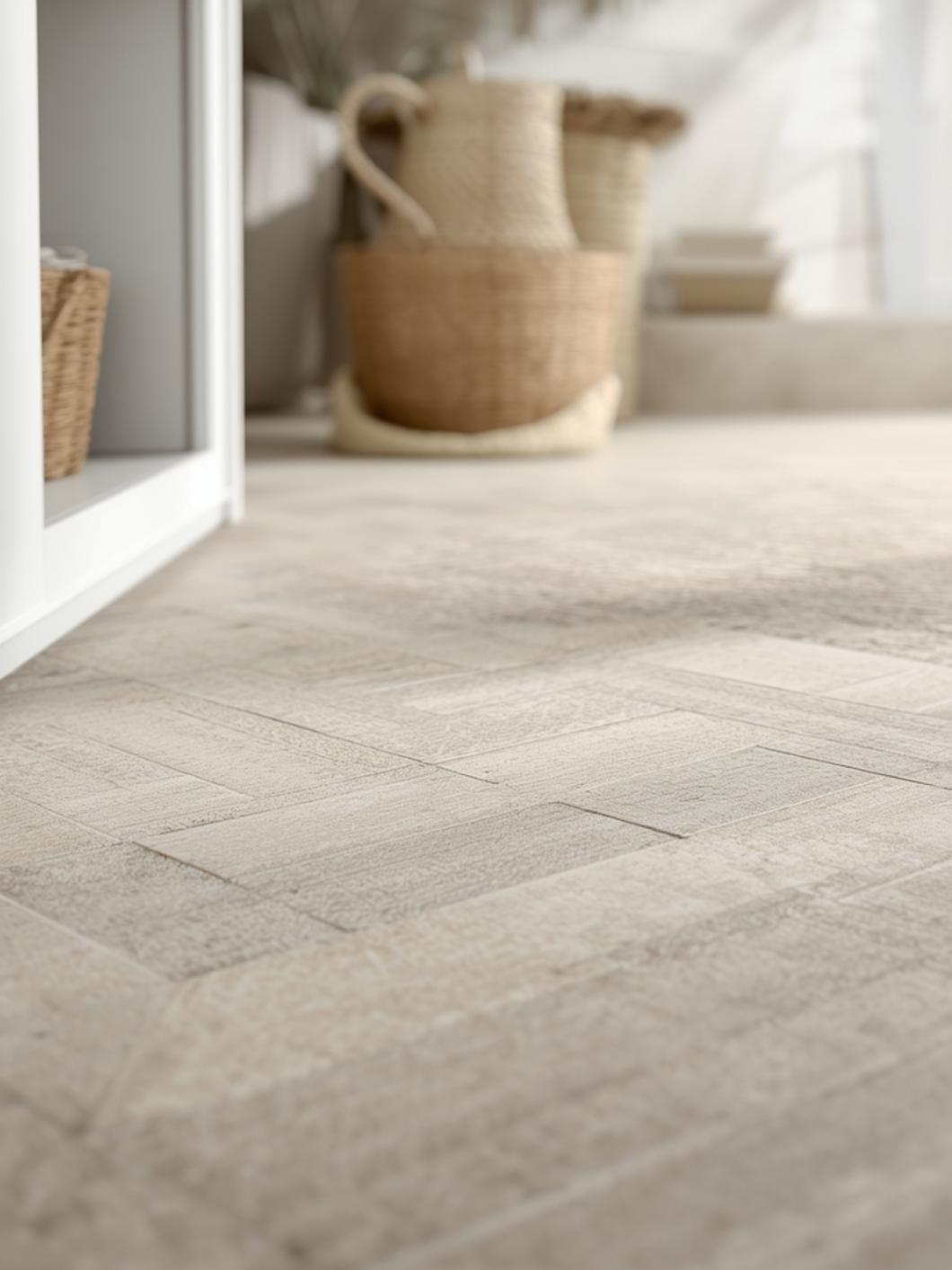
Your mudroom floor should reflect both your personal style and your home’s overall aesthetic. If you love farmhouse charm, consider weathered-look tiles or classic hexagons. Modern homes shine with large-format tiles in concrete or neutral tones.
Seasonal considerations matter more than you might think. If you live somewhere with harsh winters, your mudroom sees heavy snow and salt traffic from November through March. Darker grout and textured surfaces hide the evidence better during those messy months.
Summer brings its own challenges with sandy shoes and wet swimsuits. Tiles with slight texture help water dry faster and prevent slipping. Think about the year-round demands your mudroom faces before committing to a style.
Mood and occasion factors:
– Daily family traffic patterns and who uses the space most
– Whether this entry is visible to guests or mostly private
– Your home’s color palette and existing design style
– How much natural light reaches your mudroom
– Whether you prefer high-contrast drama or subtle elegance
Budget timing matters too. Tile prices fluctuate with trends, and installation costs vary by season. Many contractors offer better rates during slower winter months, though that’s also when you might need your mudroom most.
7 Ideas to Try in Your Home
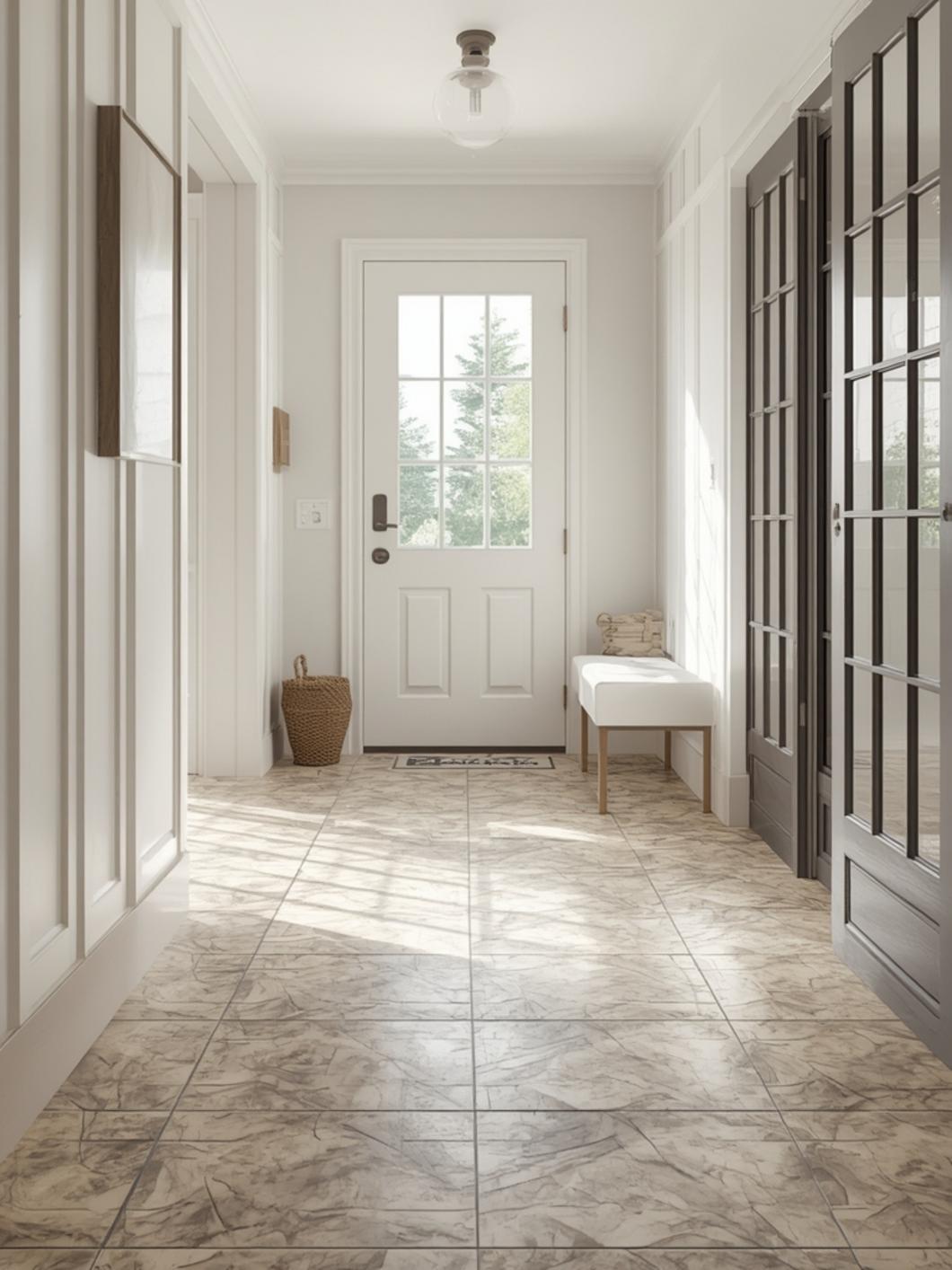
Classic Checkerboard Pattern
Black and white never goes out of style, and this timeless pattern adds instant personality to any mudroom. Use 12×12 tiles for traditional charm or go smaller with 6×6 tiles for vintage cottage appeal. The high contrast naturally disguises dirt between cleanings, making it as practical as it is pretty.
Herringbone Wood-Look Tile
Get the warmth of hardwood with the durability of porcelain by laying wood-plank tiles in a herringbone pattern. This arrangement adds visual interest to narrow mudrooms and makes the space feel larger. Choose medium brown tones that hide scuffs while still feeling inviting and natural.
Hexagon Tile in Mixed Tones
Hexagonal tiles create a honeycomb pattern that feels both modern and vintage depending on your color choices. Try mixing three shades of gray or beige within the same color family for subtle dimension. The pattern naturally guides the eye and creates a custom look without custom prices.
Geometric Encaustic-Style Tiles
Bold patterned tiles make a serious statement in your mudroom and turn a functional space into a design moment. Use them across the entire floor or create a defined “landing zone” near the door with solid tiles around the perimeter. These busy patterns are genius at hiding the daily wear and tear.
Large-Format Concrete-Look Tiles
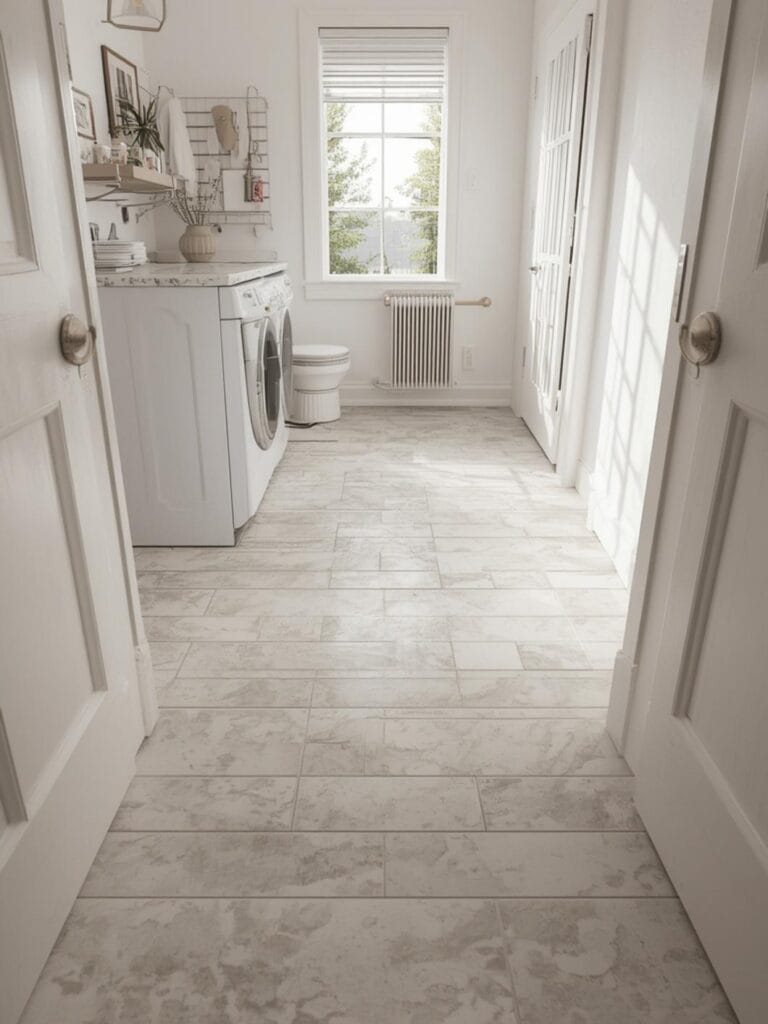
Oversized tiles (24×24 or larger) in concrete gray or warm taupe create a sleek, contemporary foundation. The minimal grout lines mean less maintenance, and the neutral backdrop lets your mudroom furniture and storage solutions shine. This approach works beautifully in modern and transitional homes.
Slate-Look Porcelain with Natural Texture
Capture the organic beauty of real slate without the maintenance requirements by choosing textured porcelain that mimics natural stone. The varied tones within each tile add depth, and the texture provides excellent slip resistance when wet. This style brings outdoor ruggedness inside in the best possible way.
Patterned Border with Neutral Field
If you can’t decide between practical and pretty, combine both approaches. Install durable, neutral tiles across most of your mudroom floor, then add a decorative border where it will be most visible. This gives you a custom designer look while keeping costs reasonable and maintenance simple.
When thinking about how to clean and maintain mudroom tile floors, your choices during installation make a huge difference. Darker grout colors resist staining better than white, and textured surfaces hide imperfections while remaining easy to sweep and mop. Choose tiles rated for high-traffic areas, and your beautiful floor will look fresh for years with basic care.
Benefits of Choosing the Right Mudroom Tile
The right tile floor transforms your mudroom from a source of stress into a space that actually helps your home run smoothly. Durable tile handles everything your family throws at it without showing damage or requiring constant repairs.
Water-resistant tile protects your subfloor from moisture damage, which saves you from expensive structural repairs down the road. When wet boots and umbrellas pile up during rainy season, proper tile lets water evaporate without causing problems.
Easy cleaning becomes your new reality with the right mudroom tile. A quick sweep and occasional mop keeps everything looking fresh, unlike carpet that traps dirt or hardwood that stains and scratches. You’ll spend less time worrying about your floors and more time enjoying your home.
Lifestyle improvements you’ll notice:
– Less stress about mess when everyone comes inside
– Improved home resale value with upgraded flooring
– Better air quality without carpet trapping allergens and moisture
– Reduced noise from footsteps compared to hard surfaces
– Enhanced style that makes you happy every time you walk in
Tile also improves your home’s overall hygiene. Unlike porous materials, properly sealed tile and grout resist bacteria and allergen buildup. This matters especially if you have pets or young children who spend time playing near the entryway.
The emotional benefit shouldn’t be underestimated either. Walking into a mudroom with beautiful, well-maintained flooring simply feels better than dealing with stained, worn-out surfaces that make you cringe.
Tips, Alternatives, and Styling Advice
Budget-friendly option:
Standard ceramic tile in solid colors offers excellent durability without premium pricing. Stick with 12×12 or 13×13 sizes in neutral colors, and create interest with your grout color choice instead. You can achieve a high-end look for $3-6 per square foot including installation.
Mid-range option:
Porcelain tile with wood or stone looks gives you designer style at reasonable prices, typically $6-10 per square foot installed. These tiles resist moisture better than ceramic and come in gorgeous patterns that rival natural materials. Add a custom inset or border for extra personality without breaking your budget.
Premium option:
Real natural stone or handmade encaustic cement tiles create a truly unique mudroom floor that becomes a conversation piece. Expect to invest $12-20+ per square foot, including proper sealing and professional installation. These materials require more maintenance but deliver unmatched character and luxury.
Small space adaptation:
In compact mudrooms, lighter tile colors make the space feel larger and brighter. Use the same tile throughout without borders or pattern changes to avoid visual clutter. Consider running tiles diagonally to trick the eye into seeing more square footage than actually exists.
Layer washable runners over your tile near the door for extra comfort and style. This gives you flexibility to change colors seasonally while protecting high-traffic zones. Choose runners with rubber backing to prevent slipping on smooth tile surfaces.
Common Mistakes to Avoid
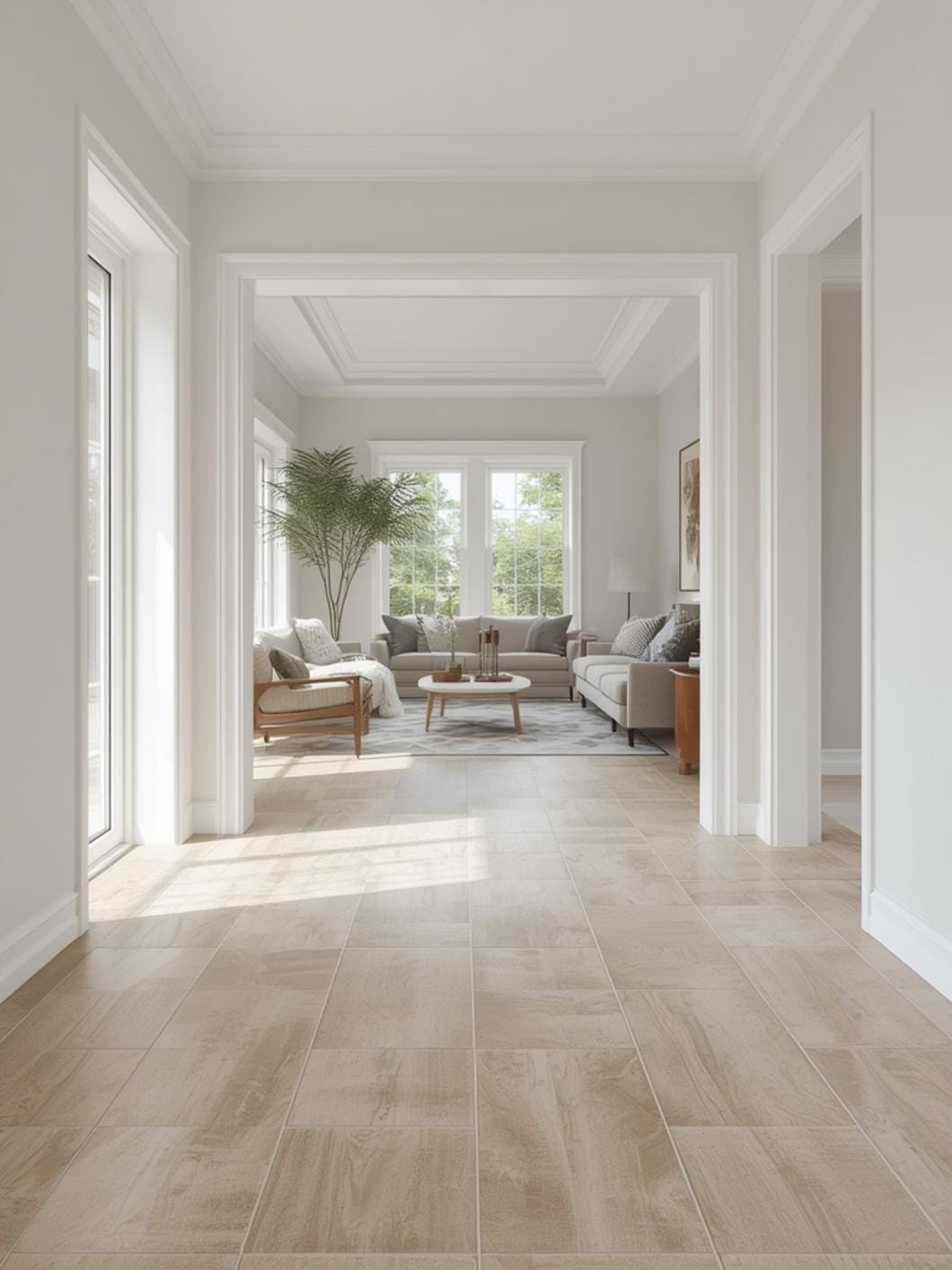
Choosing glossy tile for wet areas:
Smooth, shiny tiles look stunning in showrooms but become skating rinks when wet boots track in water and snow. Always select tiles with textured surfaces or matte finishes rated for slip resistance, especially near exterior doors.
Ignoring grout color consequences:
White or light grout looks fresh initially but shows every speck of dirt within weeks of installation. Choose grout in medium to dark tones that complement your tile while hiding the inevitable stains from muddy shoes and pet paws.
Skipping proper underlayment:
Installing tile directly over questionable subfloors leads to cracking and expensive repairs later. Make sure your installer checks and addresses any subfloor issues, adding cement board or leveling compound where needed before laying your beautiful new tile.
Forgetting about transitions:
The spot where your mudroom tile meets carpet, hardwood, or other flooring in adjacent rooms needs proper transition strips. Skipping this step creates tripping hazards and looks unfinished, no matter how beautiful your tile installation otherwise appears.
Choosing pattern over practicality:
Falling in love with delicate tiles or complex patterns that can’t handle your lifestyle leads to disappointment. Be honest about your household’s wear and tear, and choose tiles tough enough for your real life, not just pretty enough for Pinterest.
Maintenance and Upkeep Tips
Daily maintenance couldn’t be simpler with tile floors. Sweep or vacuum regularly to remove dirt and debris before it gets ground into grout lines. A microfiber dust mop works perfectly for quick daily touch-ups between deeper cleanings.
Weekly mopping with warm water and pH-neutral tile cleaner keeps everything looking fresh. Avoid harsh chemicals or acidic cleaners that can damage grout and dull tile finishes over time. Mix a simple solution of warm water with a few drops of dish soap for gentle, effective cleaning.
Simple maintenance routine:
– Sweep or vacuum daily to remove loose dirt
– Spot-clean spills immediately before they set
– Mop weekly with appropriate tile cleaner
– Reseal grout annually to maintain stain resistance
– Place doormats outside and inside to reduce tracked-in debris
Grout requires a bit more attention than the tile itself. Seal your grout lines every 12-18 months to prevent staining and moisture penetration. This simple step dramatically extends the life and appearance of your entire floor.
Address stains promptly when they happen. For stubborn grout stains, make a paste of baking soda and water, apply it to the stain, let it sit for a few minutes, then scrub gently with an old toothbrush. This natural approach works surprisingly well without harsh chemicals.
Replace worn caulk around the edges of your mudroom where tile meets walls. This prevents water from seeping behind your tile and causing hidden damage. Check these spots seasonally and recaulk as needed to maintain your floor’s protective barrier.
Conclusion
Beautiful, durable mudroom tile floors give you the best of both worlds — they handle whatever your family dishes out while creating a welcoming entry point to your home. From classic patterns to modern styles, the right tile choice reflects your personality and meets your practical needs.
Remember that successful mudroom floors balance aesthetics with functionality. Choose materials and patterns that can weather your real lifestyle, not just look good in photos.
Ready to explore more ways to make your entryway work harder and look better? Browse DecorKingdom for hundreds of practical ideas that help you create a home you absolutely love.
FAQs
What type of tile is most durable for high-traffic mudrooms?
Porcelain tile offers the best durability for busy mudrooms because it’s denser and more moisture-resistant than ceramic. Look for tiles rated for commercial use or heavy traffic, which ensures they can handle constant foot traffic, wet conditions, and occasional impacts from dropped items. Textured porcelain that mimics natural stone gives you both beauty and exceptional toughness.
Can I install mudroom tile flooring myself or do I need a professional?
DIY tile installation is possible if you’re comfortable with home improvement projects and have the right tools, but proper subfloor preparation makes a huge difference in long-term success. If your mudroom has an uneven subfloor, requires significant prep work, or features complex patterns, hiring a professional ensures your investment looks great and lasts for decades. Simple layouts with large-format tiles are most DIY-friendly.
How do I choose grout color for my mudroom tile?
Select grout colors that are several shades darker than your tile to hide dirt and stains that accumulate in busy mudrooms. Medium gray works beautifully with most tile colors and disguises imperfections without the stark contrast of black grout. Avoid white grout entirely in mudrooms unless you enjoy frequent deep cleaning sessions.
What’s the best way to prevent mudroom tile from getting slippery when wet?
Choose tiles with textured surfaces or matte finishes rather than glossy, smooth options, and look for tiles specifically rated for slip resistance. Smaller tiles naturally provide better traction because the grout lines create texture, so hexagons or mosaics work well in wet areas. Adding washable rugs near the door gives feet a place to dry off before walking on tile.
How much does it typically cost to tile a mudroom floor?
Mudroom tile flooring typically costs between $5-15 per square foot installed, depending on your tile choice and location. Basic ceramic tiles fall on the lower end while natural stone or custom patterns reach the higher range. For an average 50-square-foot mudroom, expect to invest $250-750 total, though premium materials and complex designs can increase costs significantly.
—
Meta Title: 7 Stunning Mudroom Tile Floor Ideas for 2026 | DecorKingdom
Meta Description: Transform your entryway with practical mudroom tile floor ideas that handle heavy traffic beautifully. Get style inspiration plus easy cleaning tips.