How to Create Dog Mudroom Ideas That Work
Your dog comes bounding in from the backyard, paws caked in mud, dripping water across your freshly cleaned floors. Sound familiar? Whether it’s rain, snow, or just a fun romp through the garden, our furry friends have a knack for bringing the outdoors inside. That’s exactly why more homeowners are creating dedicated spaces that handle the mess without sacrificing style.
Dog mudroom ideas aren’t just about function—they’re about creating a welcoming transition zone that works for both you and your pup. From built-in feeding stations to drying-off corners, these spaces can transform your daily routine while keeping the rest of your home cleaner and more organized.
The best part? You don’t need a mansion or a massive renovation budget to make it happen. With some thoughtful planning and the right design choices, even a small entryway or corner of your garage can become a hardworking dog-friendly mudroom.
Table of Contents
What You’ll Need to Get the Look
Creating a functional dog mudroom starts with choosing the right elements that balance durability with your home’s aesthetic. You’ll want materials that can handle wet paws, muddy fur, and the occasional accident while still looking intentional and put-together.
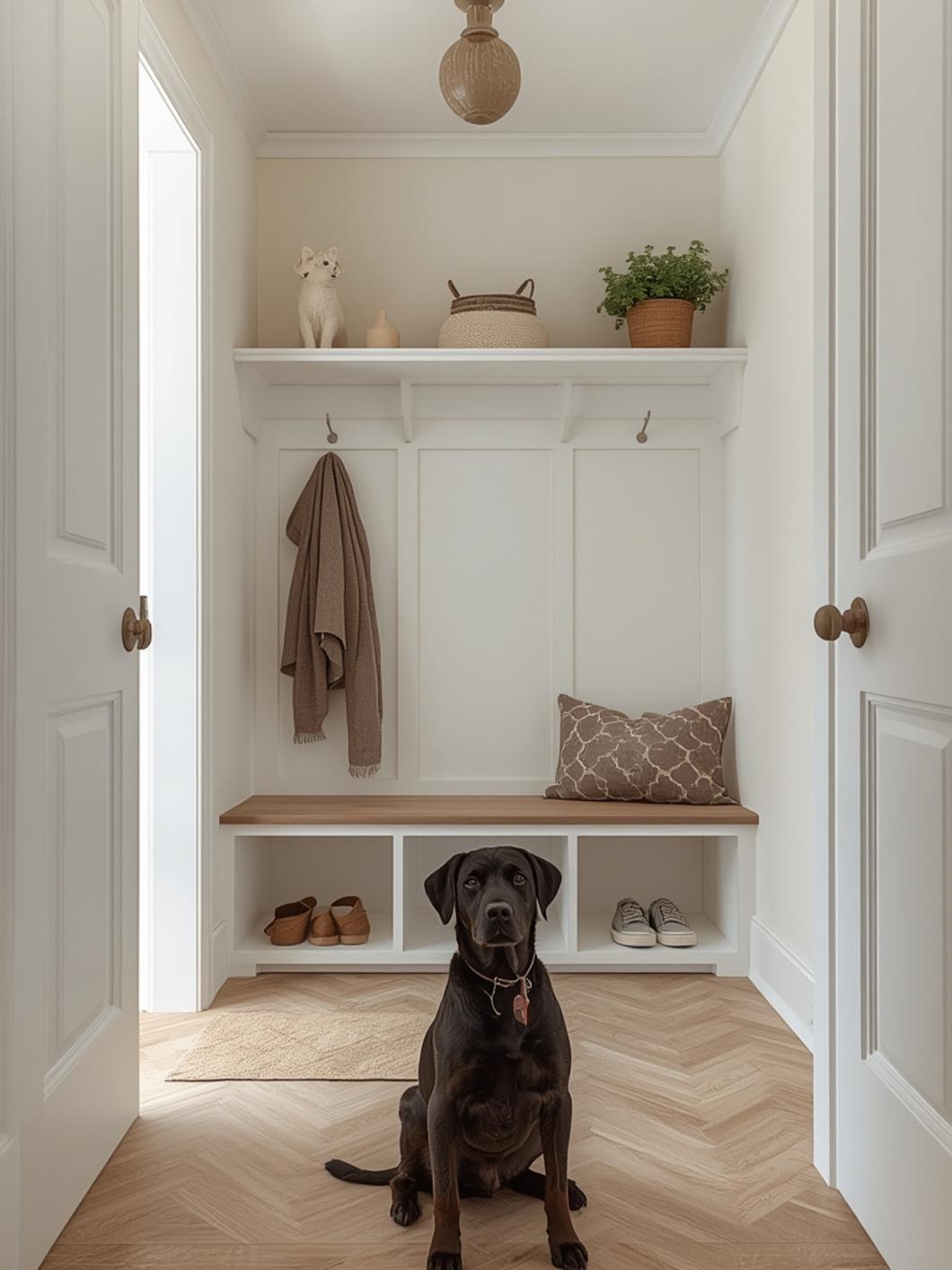
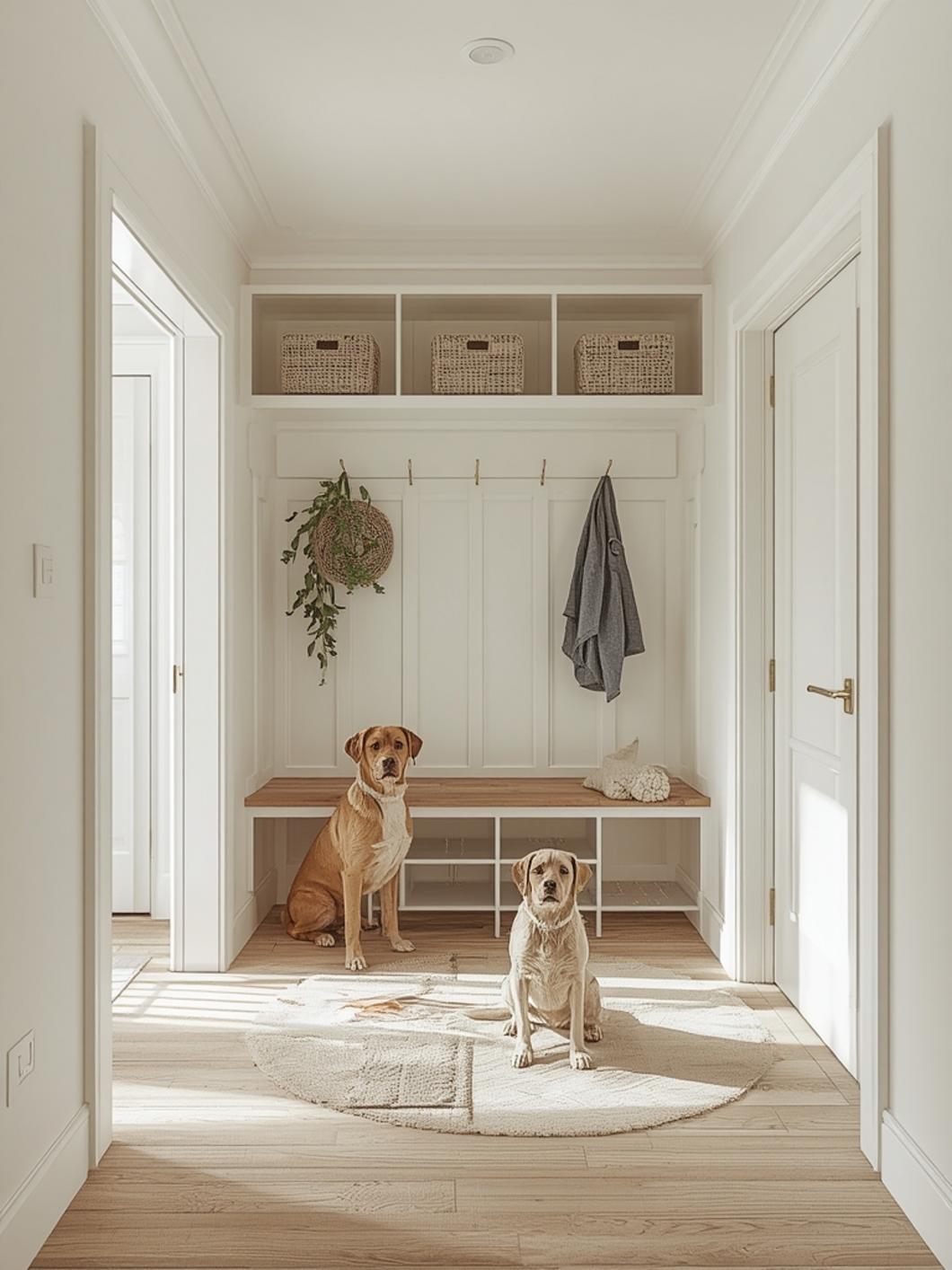
Start with storage solutions designed specifically for pet supplies. Wall-mounted hooks at various heights work perfectly for leashes, collapsing umbrellas, and your own jackets. Cubbies or baskets keep treats, toys, and grooming supplies organized and out of sight. A dedicated drawer or bin for clean towels makes drying off quick and easy.
Consider adding a raised feeding station if your mudroom has enough floor space. This keeps food and water bowls in one contained area and makes cleanup simpler. Look for mats with raised edges to catch spills before they spread across your floors.
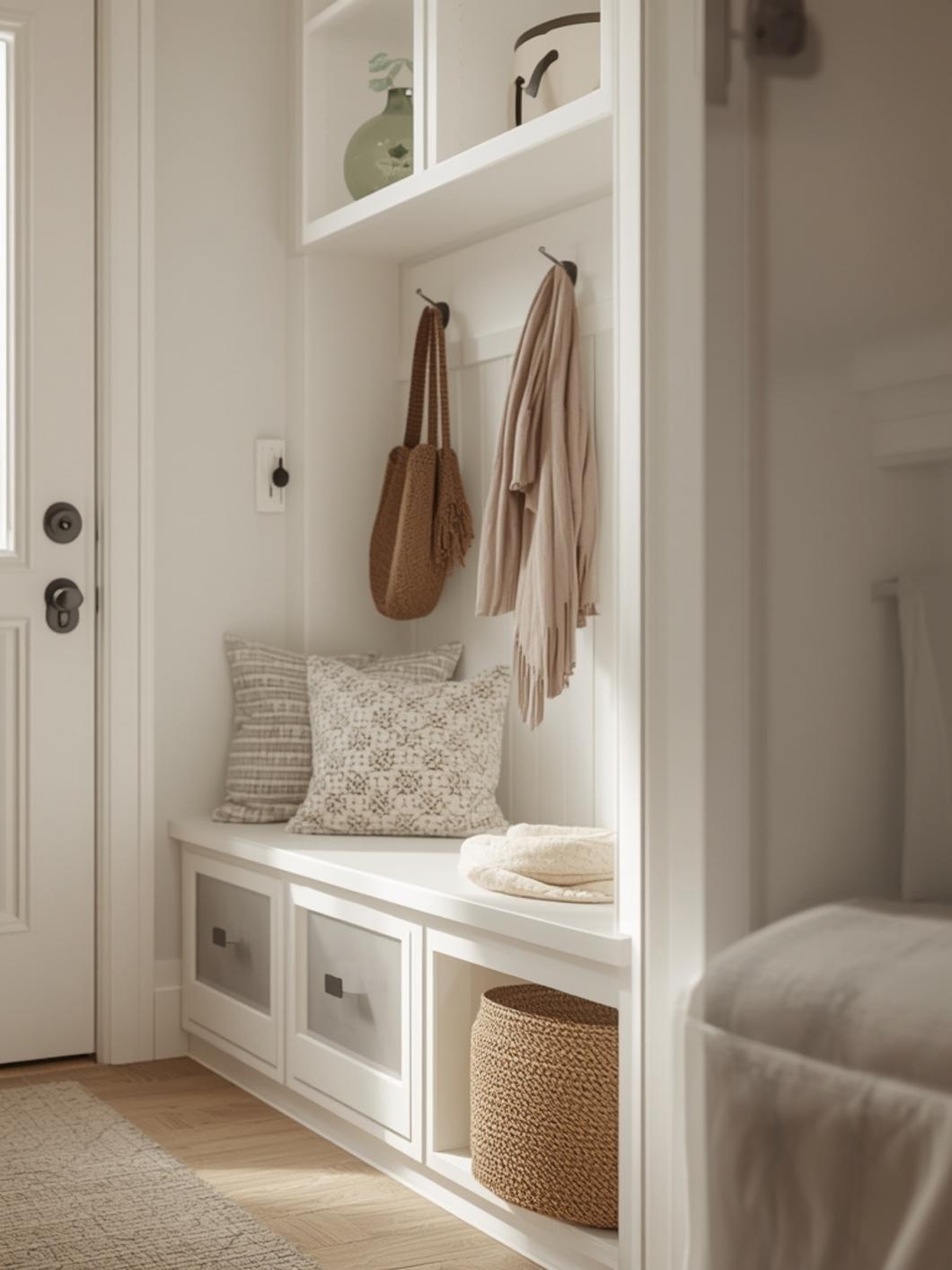
A low bench serves double duty—it gives you a place to sit while removing muddy boots and provides a comfortable height for wiping down your dog. Choose one with storage underneath for even more organization. If space allows, a small utility sink transforms your mudroom into a true grooming station for quick paw rinses.
Don’t forget about the walls. Beadboard or tile wainscoting protects surfaces from splashes and scratches while adding classic cottage charm. These materials wipe clean in seconds and stand up to years of daily use.
Finding Your Style and Season
Your dog mudroom should reflect your home’s overall design personality while meeting seasonal needs. The beauty of these spaces is their adaptability—you can refresh the look without major renovations.
During muddy spring months, focus on maximum absorption and easy cleaning. This is when heavy-duty door mats and extra towel storage become your best friends. Consider lighter, brighter colors that mask dirt between cleanings and make the space feel fresh despite the weather outside.
Summer calls for ventilation and cooling features. If your mudroom has a window, keep it unobstructed for airflow. Swap heavier textiles for lighter cotton towels and breathable storage baskets. This is also the perfect season to add hooks for swim towels if your dog loves water.
Fall and winter demand cozy functionality. Layer in warmer tones through accessories like plaid towel sets or rustic wood accents. Make sure your lighting is bright enough for those early morning and evening walks when daylight is scarce.
Your personal style matters too. Farmhouse lovers might choose shiplap walls and vintage-style hooks. Modern minimalists can embrace clean lines with sleek tile and wall-mounted storage. Traditional homes look stunning with rich wood tones and classic beadboard.
7 Ideas to Try in Your Home
The Corner Command Station
Transform an unused corner near your back door into a compact dog zone. Install a corner shelf unit that holds supplies vertically, mount hooks on both walls for maximum leash storage, and place a corner mat underneath to define the space. This works beautifully in homes where a full mudroom isn’t possible but you still want dedicated dog organization.
The Built-In Crate Nook
Incorporate your dog’s crate into custom cabinetry for a seamless look that doesn’t scream “kennel.” Build or purchase a bench-height cabinet with an open cubby sized perfectly for your dog’s crate, then add cabinet doors on either side for storage. Top it with cushions to create that functional seating bench. This idea especially shines in open-concept homes where you want pet areas to blend with your decor.
The Shower Station Setup
If you’re planning a more extensive renovation, consider adding a dog shower. These low-profile tiled areas with handheld sprayers make bath time infinitely easier than wrestling your dog into a human tub. Include built-in storage niches for shampoo and grooming tools, and ensure you’re working with dog mudroom flooring options that include proper drainage and slip-resistant surfaces. Porcelain tile rated for wet areas or textured luxury vinyl work exceptionally well.
The Vertical Storage Wonder
When floor space is tight, build upward. Install a pegboard wall system that adapts as your needs change. Hang S-hooks for leashes and collapsing bowls, add small baskets for treats and waste bags, and mount a paper towel holder for quick cleanups. Paint the pegboard in a fun accent color or keep it neutral—either way, it’s an affordable solution that packs serious organizational punch.
The Garage Conversion
Many homeowners overlook their garage entry as prime mudroom real estate. This spot naturally handles outdoor mess and often has more space to work with. Add weatherproof cabinets designed for garages, install commercial-grade rubber flooring that handles anything your dog brings in, and incorporate a utility sink if plumbing access exists nearby. Finish with bright LED lighting to make the space feel welcoming rather than industrial.
The Double-Duty Laundry Room
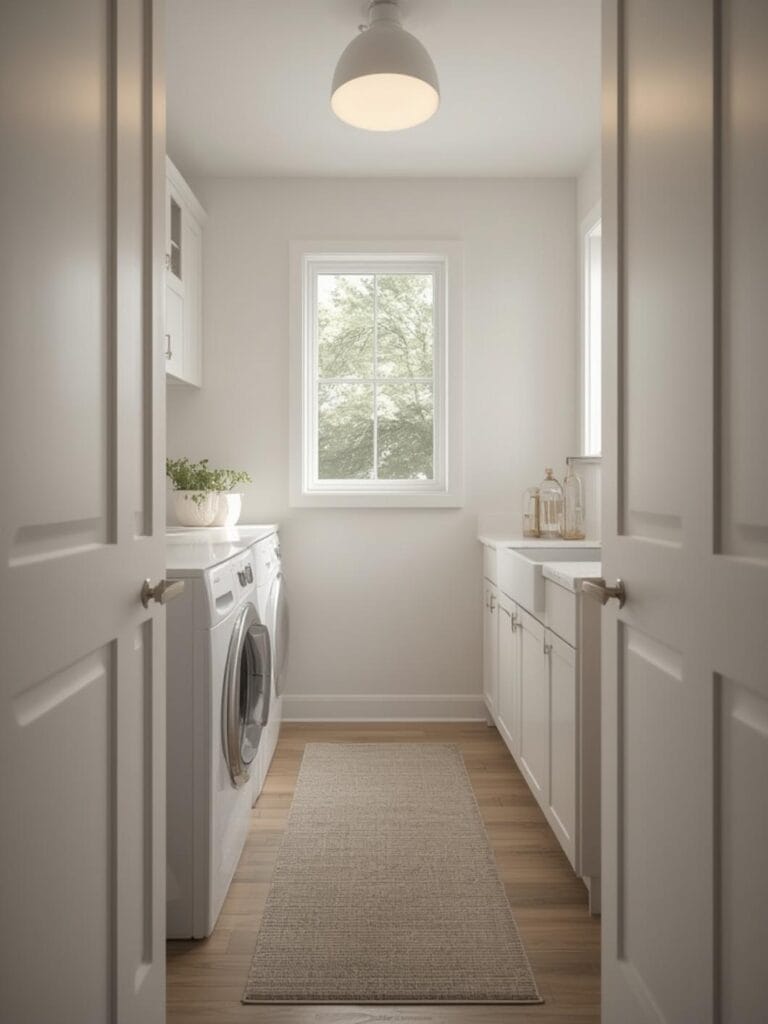
If your laundry room sits near an exterior door, it’s the perfect candidate for dual purpose use. The existing utility sink becomes your dog washing station, and you’re already set up for handling dirty towels and bedding. Add waterproof storage bins under the counter for pet supplies, install additional hooks beside your coat rack, and choose flooring that transitions seamlessly between both functions.
The Freestanding Station
Renters and those avoiding permanent changes will love this approach. Create a portable dog mudroom using freestanding furniture pieces. A narrow console table holds supplies in decorative baskets, a standing coat rack manages leashes, and a large waterproof mat underneath defines the zone. When you move, everything moves with you, and you haven’t altered your home’s structure at all.
Benefits
A dedicated dog mudroom changes your daily routine in ways that go far beyond cleaner floors. You’ll spend less time chasing your dog around with a towel and more time actually enjoying their company after walks and outdoor play.
These spaces dramatically reduce cleaning time throughout your entire home. By containing the mess at the entry point, you’re not tracking mud, water, and debris through multiple rooms. Your regular living areas stay cleaner longer, which means less frequent deep cleaning sessions.
Organization becomes effortless when everything your dog needs has a designated spot. No more searching for the leash when it’s time for a walk or wondering where you put the nail clippers. This streamlined approach reduces daily stress and makes pet care feel more manageable.
Home value benefits shouldn’t be overlooked either. Prospective buyers with pets immediately recognize the value of these thoughtful spaces. Even buyers without current pets appreciate the versatility and organization these areas provide.
Perhaps most importantly, a well-designed dog mudroom shows guests that you take pride in your home while fully embracing pet ownership. It demonstrates that you can love your animals without letting your house devolve into chaos. The space becomes a conversation starter and a point of pride rather than an apology for pet-related messiness.
Tips, Alternatives, Styling Advice
Budget-Friendly Approach
Start with the essentials and build over time. A large rubber mat, wall hooks from the hardware store, and a plastic storage bin create a functional setup for under seventy-five dollars. Paint existing walls with semi-gloss paint in a color that hides dirt well—medium grays and warm taupes work beautifully. Add a vintage stool from a thrift store for seating, and you’ve got a complete starter mudroom.
Mid-Range Investment
At this level, consider luxury vinyl plank flooring specifically rated for commercial wet areas. These products look like real wood but handle moisture and scratches far better. Invest in a quality bench with built-in storage—this single piece grounds the entire space and provides years of reliable function. Add custom labels to storage bins and upgrade to coordinating hardware on hooks and handles for a polished, intentional look.
Premium Transformation
High-end dog mudrooms feature custom cabinetry built to exact specifications, including pullout drawers for food storage and hidden hampers for dirty towels. Choose porcelain tile that mimics natural stone for floors and walls, creating a spa-like environment that happens to be pet-friendly. Heated floors add luxury your dog will appreciate during cold months. Install a grooming table that folds away when not in use, and add motion-sensor lighting that turns on automatically when you enter with your arms full.
Small Space Adaptation
Even a two-foot-wide section of hallway can function as a mini dog mudroom. Mount a narrow wall shelf with hooks underneath, place a slim boot tray below for paws, and hang a small mirror above to keep the space from feeling cramped. Choose light, bright colors to make the area feel larger than its footprint suggests. Consider a fold-down drying table that mounts to the wall and flips up when not needed.
Common Mistakes to Avoid
Choosing standard hardwood flooring because it matches your home’s existing floors seems logical but creates ongoing maintenance headaches. Instead, select water-resistant flooring specifically engineered for high-moisture areas—your future self will thank you every rainy day.
Positioning your dog mudroom too far from the door you actually use most often defeats the entire purpose. Place it at the entrance you and your dog really come through, even if that’s not the formal front door, to ensure you’ll actually use the space as intended.
Installing only one type of storage limits your organizational options as needs change over time. Mix open hooks for grab-and-go items with closed cabinets for supplies you don’t need every day, creating flexibility that adapts to different seasons and routines.
Forgetting adequate lighting makes morning and evening routines frustrating when you’re trying to clip a leash or wipe muddy paws in dim conditions. Add bright overhead lighting plus a secondary source like a plug-in sconce to eliminate shadows and make tasks easier.
Skimping on the quality of your door mat means you’ll replace it frequently and still track more dirt inside. Invest in a commercial-grade mat with proper drainage and texture—these last years longer and actually trap debris effectively at the threshold.
Maintenance Tips
Daily maintenance takes just minutes but keeps your dog mudroom functioning smoothly. Shake out or vacuum door mats each evening to remove accumulated dirt and debris. Wipe down surfaces with a damp cloth after particularly messy outings rather than letting grime build up over days.
Weekly tasks include washing all towels and fabric items, emptying and wiping out storage bins, and mopping floors thoroughly with a pet-safe cleaner. Check hooks and hardware to ensure everything remains securely fastened—loose hooks create frustration when you’re trying to hang a leash quickly.
Monthly deep cleaning addresses areas you might miss in daily upkeep. Remove everything from shelves and cabinets to vacuum corners and wipe down interiors. Clean walls and baseboards where paw prints and splashes accumulate. Wash rubber mats and storage containers in warm soapy water, letting them dry completely before returning them to use.
Seasonal maintenance includes rotating textile colors and patterns to keep the space feeling fresh. Inspect flooring for any damage that needs attention before it worsens. Check weatherstripping around doors to ensure you’re not letting drafts or moisture in around the edges of your mudroom zone.
Keep supplies stocked so you’re never caught without essentials during a muddy situation. Maintain a backup stash of towels, waste bags, and cleaning supplies in nearby storage so restocking takes seconds rather than requiring a trip to the store mid-crisis.
Wrap Up
Creating a functional dog mudroom transforms the way you and your pet interact with your home every single day. These hardworking spaces prove that pet-friendly living doesn’t mean sacrificing style or cleanliness—they actually enhance both.
From simple corner setups to elaborate grooming stations, there’s a dog mudroom solution that fits your space, budget, and design preferences. The key is starting with a clear understanding of how you and your dog really use your home, then building a space that supports those routines naturally.
Ready to explore more ways to make your home work beautifully for your entire family—including the four-legged members? Browse more inspiring ideas and practical advice at DecorKingdom, where we believe great design welcomes everyone home.
FAQs
What’s the best flooring for a dog mudroom in a high-traffic area?
Luxury vinyl plank or porcelain tile rated for wet areas offers the best combination of durability and water resistance. These materials handle heavy paw traffic, resist scratches better than hardwood, and clean up easily after muddy days. Look for textured finishes that provide traction when wet to prevent slipping.
How much space do I really need for a functional dog mudroom?
You can create an effective dog mudroom in as little as three feet of wall space near your most-used door. The key is vertical organization using wall-mounted hooks and shelves rather than spreading everything across floor space. Even a compact area works beautifully when thoughtfully organized with the right storage solutions.
Can I add a dog mudroom if I’m renting my home?
Absolutely—focus on freestanding furniture and removable solutions that don’t require permanent installation. Use tension rods instead of mounted shelves, command hooks instead of drilling, and furniture pieces that serve multiple purposes. When you move, everything comes with you without leaving damage behind.
Should I include a dog washing station in my mudroom design?
This depends on your dog’s size, how often they need bathing, and whether you have convenient plumbing access. Large dogs or those who swim frequently benefit enormously from a dedicated washing area. For smaller dogs or occasional baths, a utility sink works perfectly well without the expense of adding a full shower setup.
How do I keep my dog mudroom from smelling like wet dog?
Proper ventilation makes the biggest difference—keep windows open when possible or install a small fan. Wash towels and fabric items frequently rather than letting them sit damp. Choose antimicrobial mats and flooring materials that naturally resist odor-causing bacteria, and wipe down surfaces daily with a vinegar-water solution.
—
Meta Title: Dog Mudroom Ideas That Actually Work in 2026
Meta Description: Stop tracking mud through your home. These dog mudroom ideas combine smart storage and durable design for cleaner, easier living with pets.