7 Master Bedroom Paint Ideas for a Calming Accent Wall
Your master bedroom should feel like a retreat, but sometimes it just feels… flat. You’ve thought about repainting, but a full room makeover sounds overwhelming. That’s where master bedroom paint ideas with accent wall come in — they let you add drama and personality without committing every wall to a new color.
An accent wall gives your bedroom a focal point that draws the eye and sets the mood. You can go bold with deep jewel tones, keep it soft with muted pastels, or try something textured for added dimension. The best part? You only need to paint one wall, which means less time, less paint, and less risk if you want to change things up later.
Whether your bedroom is spacious or cozy, an accent wall can completely shift how the room feels when you walk in. Ready to find the perfect look for your space?
Table of Contents
What You’ll Need to Get the Look
Creating an accent wall doesn’t require a contractor or special skills. You’ll need some basic painting supplies and a vision for the color or finish you want.
Start with quality paint in your chosen color. Two gallons should cover most bedroom accent walls with two coats. Grab painter’s tape, drop cloths, a roller with an extension handle, an angled brush for edges, and a paint tray.
Consider these decorative elements to enhance your accent wall:
– Wall-mounted lighting fixtures to highlight the color
– Framed artwork or mirrors that complement your paint choice
– Textured wallpaper if you prefer pattern over solid color
– Floating shelves to add dimension and break up the space
– A statement headboard that plays off your accent color
You might also want a small roller for touch-ups, a stir stick, and a level if you’re planning geometric patterns or a two-tone design. Keep everything organized before you start so you’re not hunting for supplies mid-project.
Finding Your Style and Season
The mood you want in your bedroom should guide your accent wall choice. Think about how you use the space and what emotions you want to feel when you’re there.
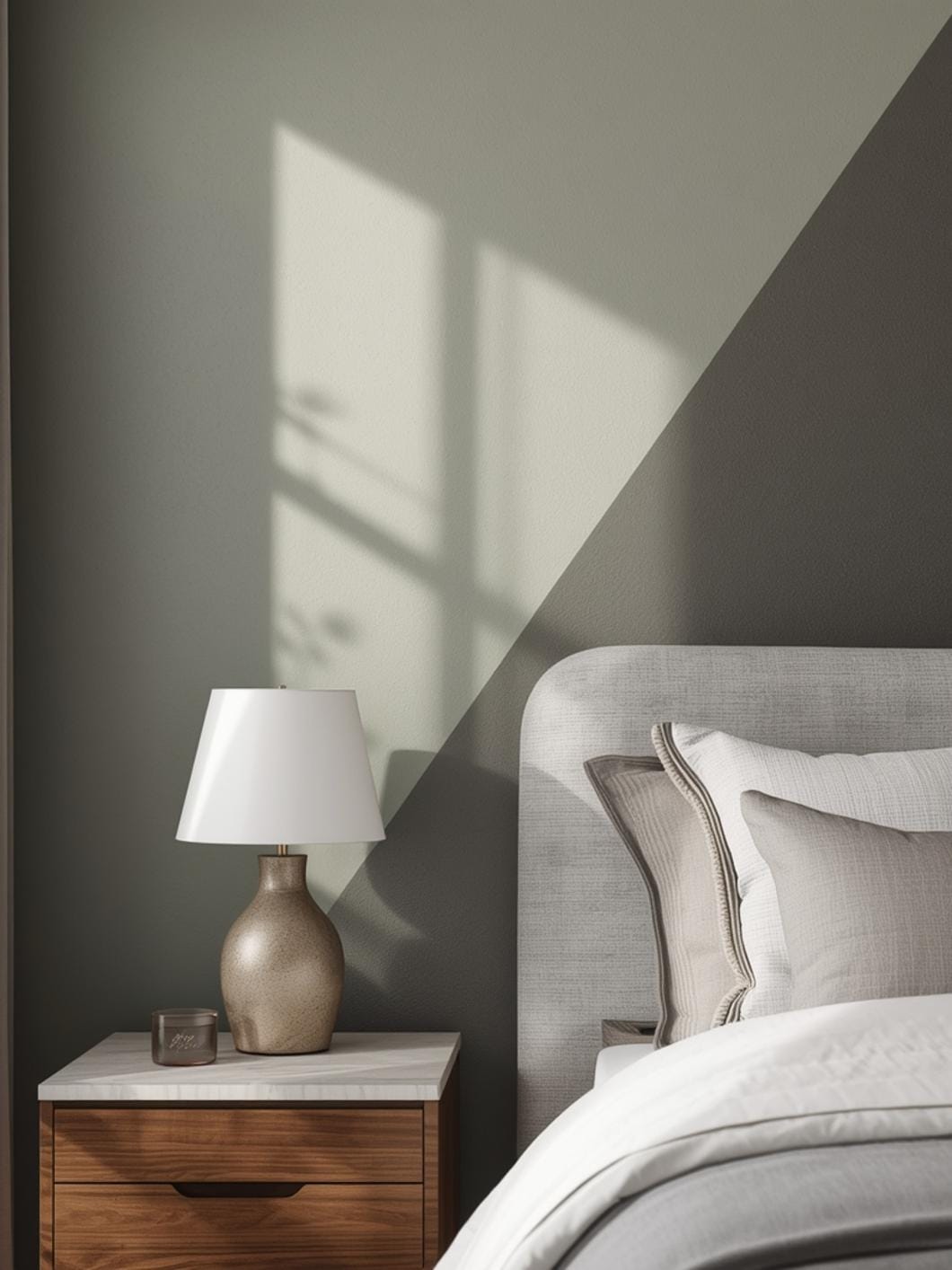
Cool tones like navy, sage green, or dusty blue create a calming atmosphere perfect for relaxation. These colors work beautifully in bedrooms that get plenty of natural light. If your room feels cold or north-facing, warmer shades like terracotta, blush pink, or warm gray add coziness without overwhelming the space.
Seasonal inspiration can also guide your decision. Moody charcoal or forest green feels especially inviting during fall and winter months. Soft coral or mint green brings a fresh feeling perfect for spring and summer. The beauty of an accent wall is that you can change it more easily than a full room repaint if your style evolves.
Consider your existing furniture and bedding too. Your accent wall should feel intentional, not like it’s fighting with the rest of your decor. Pull a color from your favorite throw pillows or artwork to create a cohesive look that feels designed rather than accidental.
7 Ideas to Try in Your Home
Deep Jewel Tones Behind the Bed
Paint the wall behind your headboard in emerald green, sapphire blue, or amethyst purple. These rich colors create instant drama and make your bed the undeniable focal point. Pair with white or cream bedding to let the color sing, or layer in metallic accents through lamps and picture frames.
Two-Tone Divided Wall
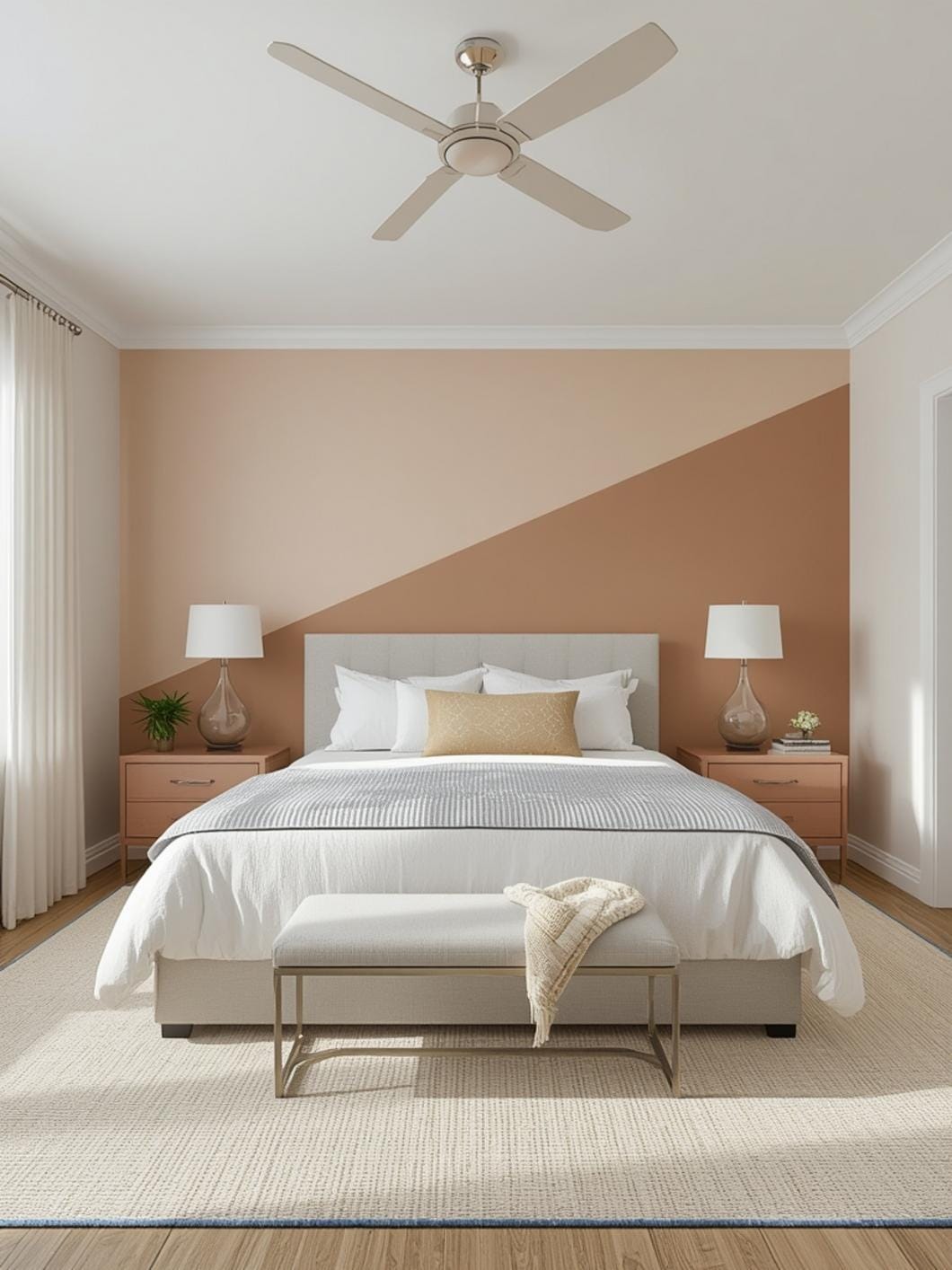
Split your accent wall horizontally with two complementary colors. Paint the bottom half in a deeper shade and the top in something lighter, separating them with a thin strip of painter’s tape for a clean line. This works especially well in rooms with lower ceilings because the lighter top half draws the eye upward.
Textured Neutral
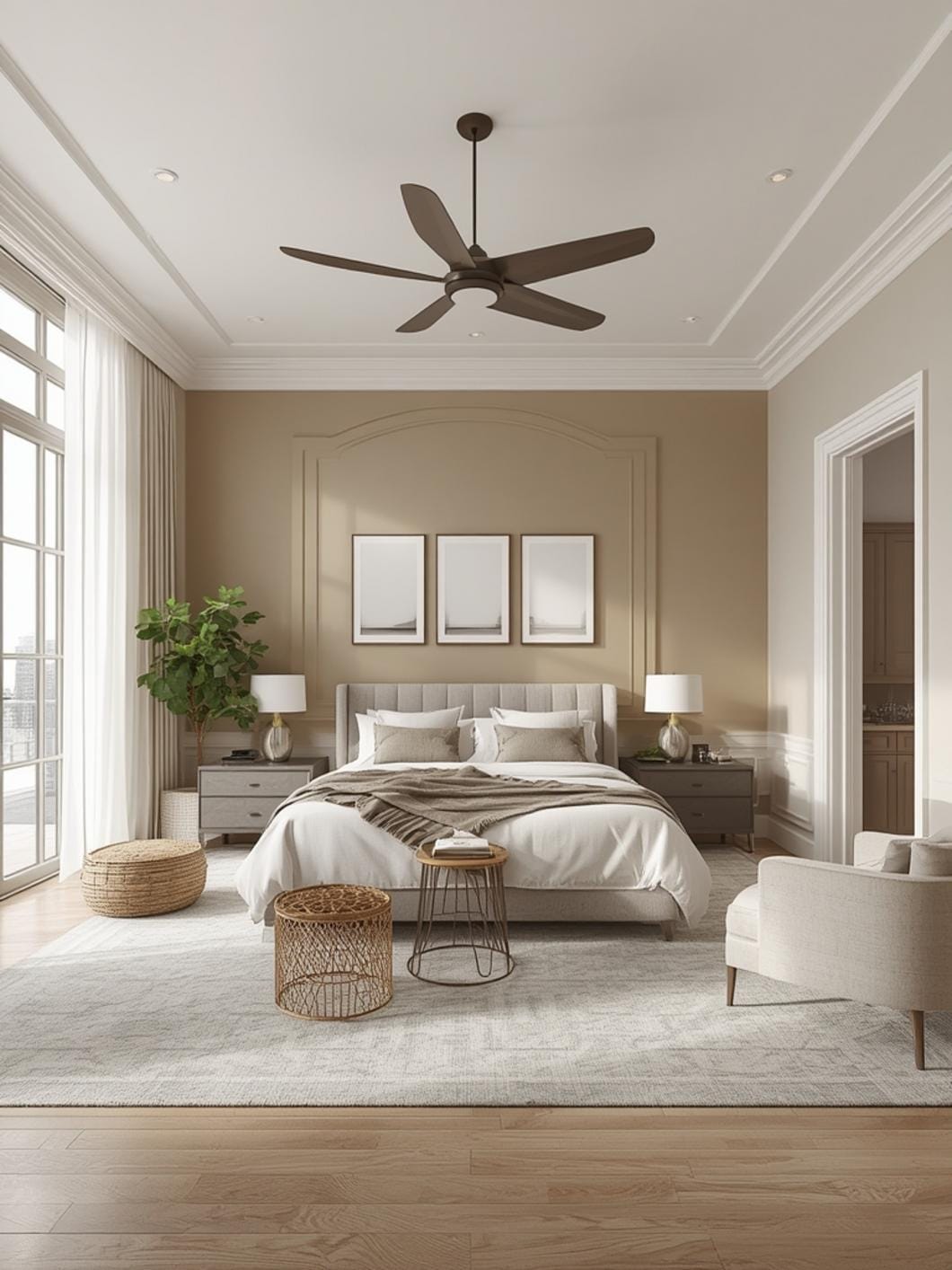
Choose a warm taupe, greige, or soft sand and add texture through application technique. Use a textured roller, rag rolling, or even wallpaper with subtle pattern. How to choose an accent wall color for small master bedrooms often comes down to using lighter neutrals with texture instead of dark colors that might make the space feel smaller.
Ombre Gradient Effect
Create a gentle gradient from dark to light moving up the wall. Start with your boldest shade at the bottom and gradually mix in white as you move higher. This takes patience but creates a stunning custom look that feels high-end. Soft pinks, blues, or grays work beautifully for this technique.
Bold Geometric Pattern
Use painter’s tape to create triangles, chevrons, or a modern color-block design. Choose two or three colors that work together and map out your pattern with a pencil first. This approach adds visual interest without needing wallpaper, and you can customize the design to fit your exact space.
Warm Terracotta or Clay
Earthy terracotta brings warmth and sophistication to any bedroom. This shade pairs beautifully with natural wood furniture, woven textiles, and plenty of greenery. It feels both modern and timeless, and it works in traditional or contemporary spaces.
Moody Charcoal or Black
Don’t be afraid of dark walls in the bedroom. A charcoal or true black accent wall creates a cozy, enveloping feeling perfect for sleep. Balance it with plenty of white bedding, light wood tones, and good lighting. This works especially well in larger bedrooms or spaces with lots of windows.
Benefits of Choosing an Accent Wall
An accent wall gives your bedroom personality without the commitment of painting every surface. You use less paint, spend less time on the project, and take less risk if you’re trying a bold color for the first time.
The focal point effect helps define your space and gives your eye somewhere to land when you enter the room. This is especially valuable in open-concept homes or master suites where the bedroom flows into a sitting area or bathroom. The accent wall helps separate the sleeping zone visually.
You’ll also find that an accent wall makes decorating easier. Once you have that bold color or pattern established, choosing bedding, curtains, and accessories becomes simpler because you have a clear palette to work with. Everything else in the room can either complement or contrast your accent wall.
Financially, accent walls make sense for renters or homeowners who like to update their style frequently. You’re only repainting one wall when you’re ready for a change, which means lower material costs and less time investment.
Tips, Alternatives, and Styling Advice
Budget-Friendly Option
Use the paint you already have mixed with white to create a custom pastel shade. Alternatively, choose a bold removable wallpaper that you can peel off when you’re ready for something new. Both options keep costs under $75 while still delivering big visual impact.
Mid-Range Option
Invest in premium paint with built-in primer in a trending color like sage green or warm terracotta. Add peel-and-stick 3D wall panels for texture without the mess of traditional installation. Expect to spend $150-$250 for paint and materials that will look professionally done.
Premium Option
Commission a local artist to create a custom mural or invest in high-end wallpaper with metallic details or intricate patterns. Pair this with professional installation and accent lighting designed to showcase your wall. This approach runs $500-$1500 but creates a truly one-of-a-kind bedroom.
Small Space Adaptation
In compact bedrooms, paint the wall behind your headboard in a lighter shade than you might choose for a larger room. Soft blue-gray, warm cream, or pale blush adds interest without closing in the space. Alternatively, use vertical stripes in two close shades to draw the eye upward and make your ceiling feel higher.
Common Mistakes to Avoid
Choosing the Wrong Wall
Many people automatically paint behind the bed, but that’s not always the best choice. Select the wall that naturally draws your attention when you enter the room, which might be the one opposite your door or the wall with the most interesting architectural features.
Skipping the Sample
Paint colors look completely different on your wall than they do on those tiny store chips. Buy sample sizes and paint large squares on your accent wall, then watch how the color changes throughout the day as light shifts. This small investment saves you from repainting because you hate the final result.
Ignoring Existing Undertones
Your new accent color needs to work with your flooring, trim, and any furniture you’re keeping. Test your paint sample next to these elements to make sure the undertones play nicely together. A warm beige wall can look terrible next to cool gray carpet.
Over-Taping Everything
Too much painter’s tape can actually create more problems with bleeding and uneven lines. Use tape sparingly on edges and corners, but rely on a steady hand with a quality angled brush for most detail work. Remove tape while paint is still slightly tacky for the cleanest lines.
Forgetting About Lighting
A color that looks perfect in afternoon sunlight might feel completely different under your bedroom lamps at night. Consider both natural and artificial light when making your choice, and add a dimmer switch if you want more control over how your accent wall appears in different settings.
Maintenance and Upkeep Tips
Your accent wall needs minimal maintenance once it’s painted, but a few simple habits keep it looking fresh.
Dust the wall every few weeks with a microfiber cloth or duster, especially in the corners where cobwebs like to form. This prevents buildup that can dull your paint color over time.
Keep touch-up paint in a sealed container with the date and color name written clearly on the lid. Most paint stays good for two years if stored properly in a cool, dry place. When you need to fix a scuff or mark, use a small artist’s brush for precise application.
Wipe smudges with a barely damp cloth and gentle pressure. Avoid harsh cleaners that can strip paint, especially if you used a matte or flat finish. For stubborn marks, a magic eraser works wonders but use it gently to avoid removing paint along with the mark.
If you used wallpaper instead of paint, vacuum it occasionally with your brush attachment to prevent dust from settling into the texture. Check the seams every few months to make sure nothing’s peeling, and use wallpaper adhesive to reattach any loose edges immediately.
Conclusion
An accent wall gives your master bedroom instant personality and creates a focal point that makes the whole space feel more intentional. Whether you choose bold jewel tones, soothing neutrals, or something completely unique, you’re adding a custom touch that reflects your style.
The project is manageable for any homeowner willing to spend a weekend transforming their space. With the right color choice and proper preparation, your accent wall will become the feature you love most about your bedroom.
Ready to explore more ways to make your home uniquely yours? Browse DecorKingdom for hundreds of style ideas and practical tips that help you create spaces you’ll love coming home to.
FAQs
What’s the best wall to paint as an accent wall in a bedroom?
The wall behind your headboard is the most popular choice because it’s the natural focal point when you enter the room. However, the wall opposite your door or any wall with interesting architectural features like windows or alcoves can work beautifully too. Choose the wall that draws your eye first when you walk in.
Do accent walls make small bedrooms look smaller?
Not if you choose the right color. Darker shades can make a small room feel cozy rather than cramped when used on just one wall, especially if you keep the other three walls light. The key is balancing your accent wall with plenty of light colors, good lighting, and minimal clutter to maintain an open feeling.
Should my accent wall be lighter or darker than the other walls?
This depends on the mood you want to create. A darker accent wall creates drama and coziness, while a lighter accent wall on darker surrounding walls adds brightness and serves as a backdrop for artwork. Most people choose an accent wall that’s significantly darker than their other walls for maximum impact.
Can I use removable wallpaper instead of paint for an accent wall?
Absolutely, and it’s a great option for renters or anyone who likes to change their decor frequently. Removable wallpaper comes in thousands of patterns and textures, installs without paste, and removes cleanly without damaging your walls. Just make sure your walls are smooth and clean before application for the best results.
How do I coordinate my accent wall with existing furniture?
Pull colors from your existing bedding, curtains, or artwork to create a cohesive look. Your accent wall can either match one of these colors exactly or complement them as part of a coordinated color scheme. If your furniture is neutral, you have more freedom to experiment with bold accent colors.
—
Meta Title: Bold Master Bedroom Paint Ideas with Accent Wall 2026
Meta Description: Love these master bedroom paint ideas with accent wall. Get 7 gorgeous looks plus expert color tips for small bedrooms. Transform your space today.