Best Mudroom Floor Tile Ideas for High Traffic Areas
Your mudroom works harder than almost any room in your home. It’s where wet boots pile up, grocery bags land, and your dog shakes off after every rainy walk. You need a floor that can handle all of that without looking like a disaster zone.
That’s where the right، Mudroom floor tile ideas come into play. Tile offers the perfect combination of durability and style, giving you a surface that stands up to muddy footprints while still looking intentional and beautiful. Whether you’re building a new mudroom from scratch or upgrading an existing space, choosing the right tile sets the foundation for a room that actually works.
The best part? Today’s tile options go far beyond basic beige squares, giving you endless opportunities to add personality to this hardworking space.
Table of Contents
What You’ll Need to Get the Look
Creating a beautiful tiled mudroom floor requires more than just picking pretty patterns. Here’s what you’ll want to have on hand or consider before you start:
Tile Materials:
– Porcelain tiles (the most durable option for high-traffic areas)
– Ceramic tiles (budget-friendly and available in countless styles)
– Natural stone tiles like slate or travertine (for an organic, textured look)
– Patterned cement tiles (if you want a bold, decorative statement)
Grout and Adhesives:
– High-quality thin-set mortar for proper adhesion
– Epoxy or urethane grout (these resist staining better than standard grout)
– Grout sealer to protect against moisture and dirt
Comfort and Safety Additions:
– Area rugs or runners that complement your tile choice
– Boot trays or mats for extra protection in heavy-traffic spots
– Non-slip tile options or treatments for wet-weather safety
Surrounding Elements:
– Baseboards or tile base trim to finish the edges cleanly
– Transition strips if your mudroom opens to different flooring
– Storage benches or cubbies that coordinate with your tile style
Finding Your Style and Season
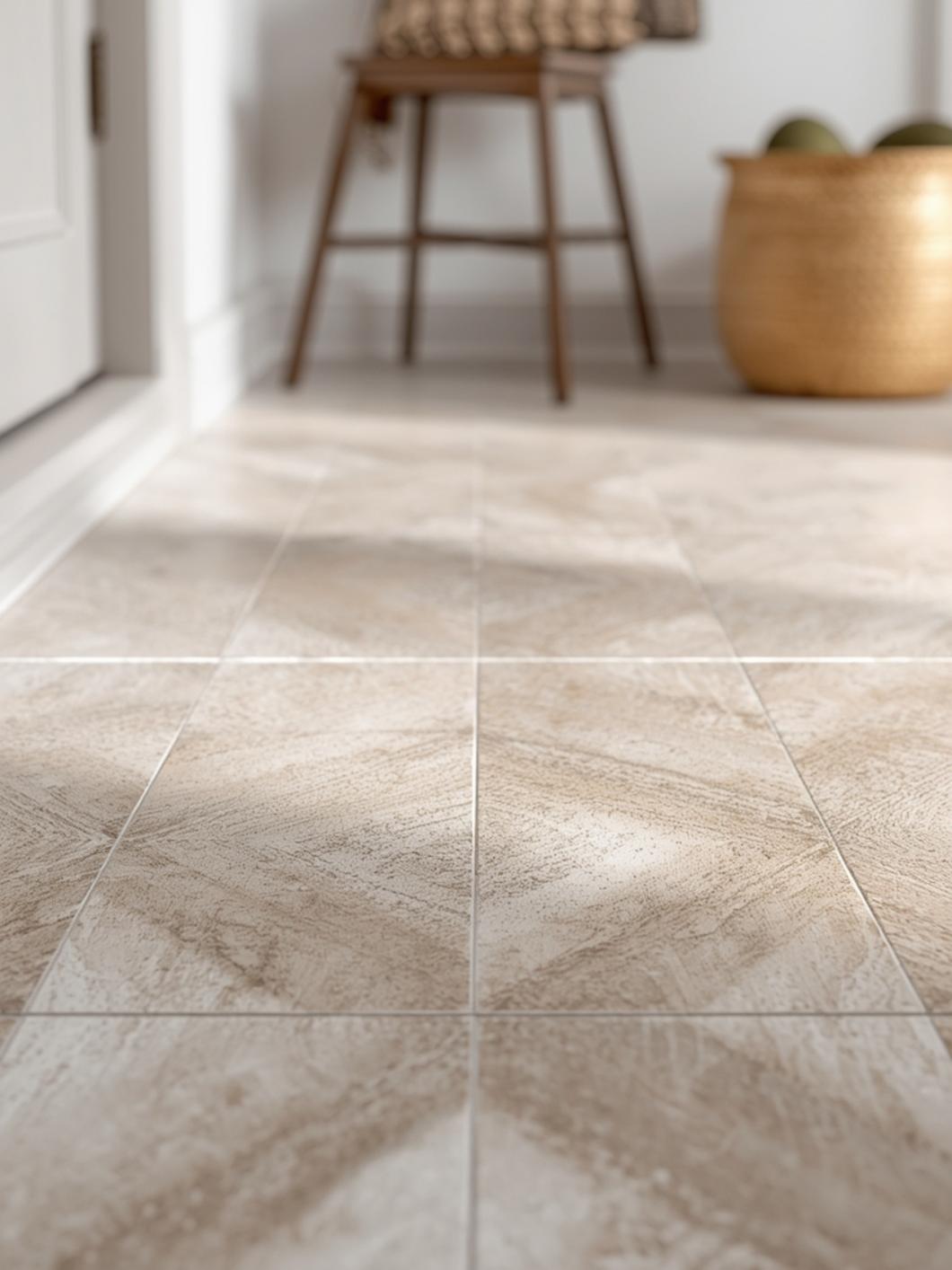
Your mudroom tile should reflect both your personal style and the practical demands of the space. Think about the seasons your home experiences and how weather patterns will affect your floor.
If you live somewhere with snowy winters, your mudroom sees heavy action from November through March. You’ll want tiles with texture that prevent slipping and patterns that help hide salt stains and slush marks. Darker grout colors work better in these climates since they won’t show every bit of winter grime.
For homes in rainy regions, drainage becomes important. Slightly textured surfaces give wet shoes better grip, and larger tiles mean fewer grout lines where water can pool. Consider how your tile will look when it’s wet, since that’s how you’ll see it most often during certain seasons.
Think about your home’s overall aesthetic too. A farmhouse-style home might call for warm terracotta or rustic slate, while a modern space could showcase sleek black-and-white geometric patterns. Your mudroom tile should feel like a natural extension of the rest of your home rather than an afterthought.
7 Tile Ideas to Transform Your Mudroom
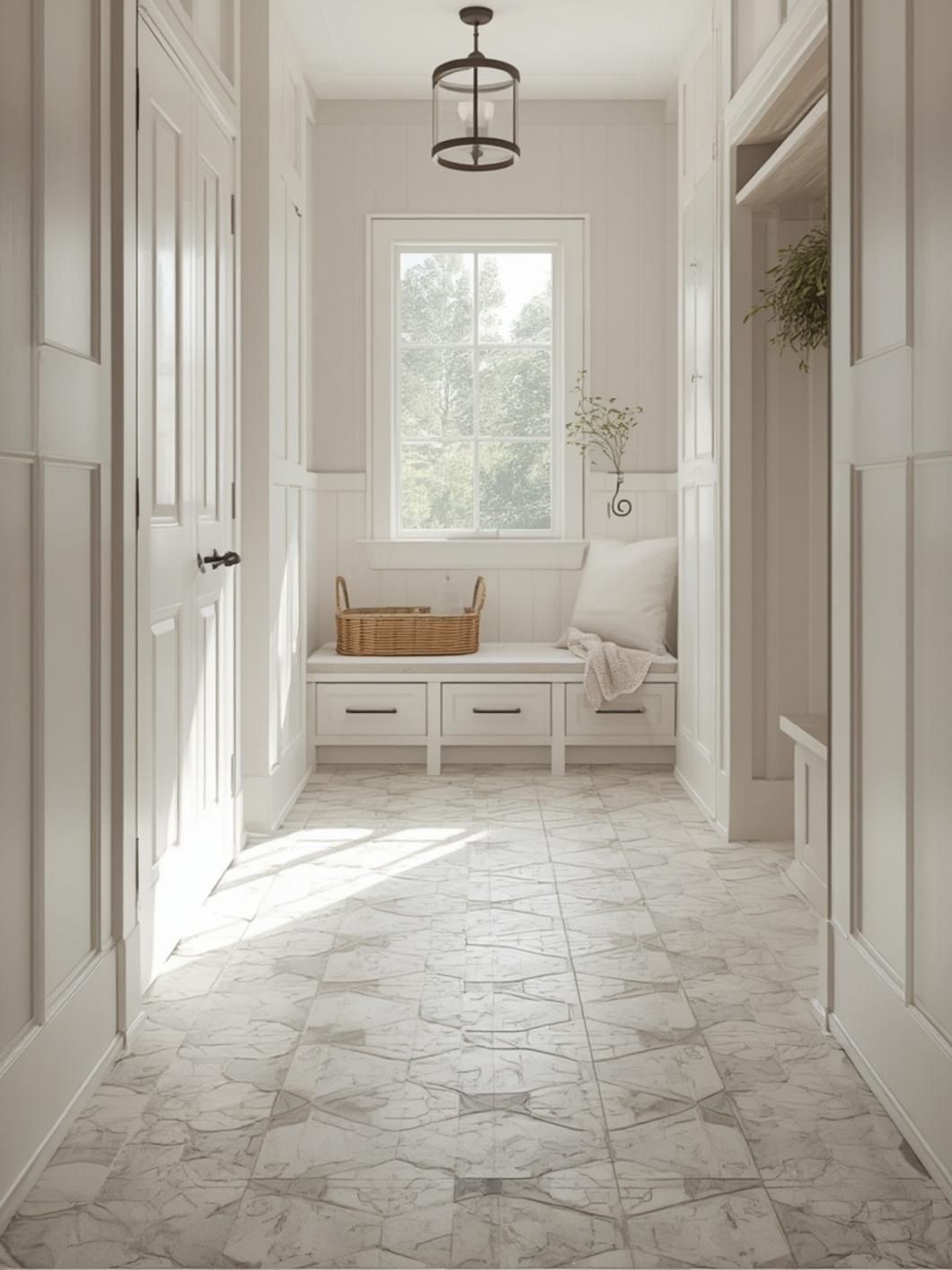
1. Classic Hexagon Tile in Mixed Sizes
Hexagon tiles create visual interest without overwhelming a small space. Use a combination of large white hexagons with smaller black ones scattered throughout for a modern, honeycomb effect. This pattern hides dirt beautifully while adding a designer touch that makes your mudroom feel like a real room rather than a utility space.
2. Weathered Wood-Look Porcelain
Get the warmth of wood without the maintenance headaches. Wood-look porcelain planks come in weathered finishes that perfectly complement a mudroom’s rustic, lived-in vibe. When you’re learning how to install porcelain tile on mudroom floors, these planks go down similarly to traditional rectangular tiles but deliver the cozy appearance of hardwood with none of the water damage concerns.
Arrange them in a herringbone or straight plank pattern for maximum impact. The texture and grain variations make every mark and scuff blend right in.
3. Bold Moroccan Patterns
If your mudroom is large enough to make a statement, colorful Moroccan cement tiles create an instant focal point. These hand-crafted tiles feature intricate geometric patterns in blues, greens, or warm terracotta tones. They work especially well in homes with Spanish, Mediterranean, or eclectic decor styles.
Just remember that cement tiles need proper sealing, so they require a bit more maintenance than porcelain alternatives.
4. Slate Tile for Natural Texture
Natural slate offers unbeatable texture and slip resistance, making it ideal for wet-weather climates. Its natural color variations mean no two tiles look exactly alike, creating an organic, earthy feel. Slate typically comes in charcoal grays, soft greens, or warm browns that ground your space beautifully.
The textured surface naturally hides dirt and provides excellent grip even when wet. Pair it with warm wood benches and brass hooks for a welcoming, nature-inspired mudroom.
5. Large-Format Gray Porcelain
Sometimes simple is sophisticated. Large porcelain tiles in soft gray create a clean, modern backdrop that lets your storage solutions and decor shine. With fewer grout lines to clean, maintenance becomes easier, and the expansive tiles make small mudrooms feel more spacious.
Choose a matte finish rather than glossy to improve slip resistance and minimize the appearance of water spots.
6. Black and White Checkerboard
This timeless pattern brings vintage charm and creates striking visual impact. The high contrast hides dirt exceptionally well, and the classic grid layout works with everything from farmhouse style to contemporary design. Use larger 12-inch squares for a more modern take, or go with traditional 8-inch tiles for authentic vintage appeal.
7. Pebble Tile for Spa-Like Texture
Pebble mosaic tiles bring organic texture and excellent traction to your mudroom floor. These tiles feature small, smooth river stones set in a mesh backing, creating a surface that feels like walking on a beach. They’re particularly beautiful in mudrooms that connect to outdoor spaces or pool areas, blurring the line between inside and out.
The numerous grout lines do require more cleaning, but the unique aesthetic and slip-resistant surface often make the extra effort worthwhile.
Benefits That Make Tile Worth It
Tile floors in your mudroom deliver advantages you’ll appreciate every single day. Unlike carpet that traps dirt or hardwood that warps with moisture, tile simply wipes clean with minimal effort.
The durability factor alone justifies the investment. Quality tile can last decades without needing replacement, even in the busiest households. You won’t see scratches from pet claws, dents from dropped items, or water stains from forgotten boots.
Tile also improves your home’s resale value. Buyers immediately recognize the practicality of tiled mudrooms, and a thoughtfully designed tile floor signals that the home has been well maintained. It’s one of those upgrades that pays dividends both in daily use and eventual sale price.
From a health perspective, tile doesn’t harbor allergens, dust mites, or pet dander the way softer flooring materials do. A quick sweep and mop keeps the space genuinely clean rather than just appearing clean.
Finally, tile offers incredible design flexibility. You can create custom patterns, mix materials, or incorporate decorative borders that reflect your personality. This isn’t just practical flooring—it’s an opportunity to express your style in a space that often gets overlooked.
Options for Every Budget and Space
Budget-Friendly Choice: Standard Ceramic Tile
Basic ceramic tiles in neutral colors offer excellent value without sacrificing durability. A 12×12 inch ceramic tile in gray or beige costs significantly less than porcelain or natural stone but still provides a waterproof, easy-clean surface. Install them in a simple grid pattern to keep labor costs down if you’re hiring help.
Mid-Range Option: Quality Porcelain with Pattern
Step up to porcelain tiles in interesting patterns or textures for a noticeable upgrade in both appearance and performance. Wood-look porcelain planks or geometric patterns fall into this range and deliver the designer look without the premium price tag of natural materials.
Premium Selection: Natural Stone or Custom Cement
Invest in authentic slate, marble, or hand-painted cement tiles for a truly unique mudroom floor. These materials require professional installation and more careful maintenance, but they create one-of-a-kind spaces that make a lasting impression.
Small Space Adaptation:
In compact mudrooms, use the same tile throughout without breaking it up into sections. This makes the space feel larger. Choose medium-sized tiles (8×8 or 12×12 inches) rather than tiny mosaics, which can make small areas feel busy. Light-colored tiles also help tight spaces feel more open and airy.
Common Mistakes to Avoid
Choosing glossy tile for a wet-area floor. Glossy finishes look beautiful in showrooms but become dangerously slippery when wet—opt for matte or textured finishes instead.
Forgetting about grout color. White grout looks fresh initially but shows every bit of dirt in a mudroom—choose gray or tan grout that camouflages the inevitable grime.
Installing tile without proper underlayment. Tile needs a stable, level surface to prevent cracking—make sure your subfloor is properly prepared before any tile goes down.
Picking tiny tiles for large spaces. While small mosaic tiles look charming, they create hundreds of grout lines that collect dirt—use them as accents rather than covering entire floors.
Ignoring the transition to adjacent rooms. A harsh transition between mudroom tile and living space flooring looks unfinished—install proper transition strips or extend the tile slightly into the next room for visual flow.
Keeping Your Tile Floor Beautiful
Daily maintenance keeps your mudroom tile looking great with minimal effort. Sweep or vacuum regularly to remove the grit and sand that can scratch surfaces over time. A quick once-over after particularly messy days prevents buildup.
Mop weekly with warm water and a pH-neutral tile cleaner. Avoid harsh chemicals or acidic cleaners, especially on natural stone, as these can damage the surface or strip sealers. A microfiber mop works better than traditional string mops and doesn’t leave excess water sitting in grout lines.
Reseal grout lines annually to maintain their stain resistance. This simple task takes less than an hour for most mudrooms and dramatically extends the life and appearance of your floor. Natural stone tiles need their own sealing every one to three years depending on the stone type.
Address spills promptly, especially acidic substances like juice or cleaners. While tile itself is highly stain-resistant, grout can absorb stains if liquids sit too long.
Place doormats both outside and inside your mudroom entrance. This simple addition captures most dirt before it ever reaches your tile, significantly reducing cleaning frequency.
Make Your Mudroom Work as Hard as You Do
The right mudroom floor tile transforms a purely functional space into an area you’re proud to show off. Whether you choose classic patterns, bold colors, or natural textures, quality tile gives you a durable foundation that handles real life without complaint.
Your mudroom deserves the same design attention as the rest of your home. After all, it’s the space that welcomes you home every single day and protects the rest of your house from the outside world.
Ready to explore more ways to make every room in your home both beautiful and functional? Browse more inspiration and practical guides at DecorKingdom, where we help you create spaces you’ll love living in.
FAQs
What’s the most durable tile for a mudroom floor?
Porcelain tile offers the best durability for mudroom floors. It’s denser and less porous than ceramic, making it more resistant to moisture, stains, and cracking. Look for porcelain rated for heavy traffic, and choose textured or matte finishes rather than glossy ones for better slip resistance when wet.
Can I install mudroom floor tile myself or should I hire a professional?
If you have basic DIY skills and the right tools, you can install mudroom tile yourself, especially with larger, simpler tiles in straightforward patterns. However, complex patterns, small mosaic tiles, or uneven subfloors often require professional installation to ensure proper adhesion and avoid cracking. Consider your skill level honestly before deciding.
How do I choose between large tiles and small tiles for my mudroom?
Large tiles (12×12 inches or bigger) mean fewer grout lines to clean and can make small mudrooms feel more spacious. Small tiles like mosaics offer better slip resistance and flexibility on uneven surfaces but require more maintenance. For most mudrooms, medium to large tiles strike the best balance between practicality and aesthetics.
What grout color works best in a mudroom?
Medium to dark gray grout is ideal for mudrooms because it hides dirt without looking dingy. Avoid white grout, which shows every stain, and black grout, which can show salt residue in winter climates. Tan or taupe grout also works well with warm-toned tiles and provides good camouflage for everyday dirt.
Do I need to seal my mudroom tile floor?
The tile itself typically doesn’t need sealing if it’s porcelain or ceramic, but the grout lines absolutely do. Apply a quality grout sealer after installation and reapply annually to prevent stains and moisture absorption. Natural stone tiles like slate or travertine need their own sealing every one to three years to maintain their appearance and durability.
—
Meta Title: 7 Mudroom Floor Tile Ideas That Handle Real Life (2026)
Meta Description: Durable mudroom floor tile ideas that stand up to wet boots and muddy paws while looking beautiful. Get 7 styles for every budget.